
REVIEW · JAPAN FOOD TOURS
Asakusa Highlights: Street Food Crawl Tour (7+ Local Bites)
Eat Asakusa one bite at a time. This two-hour walking tour pairs four or five local food stops with old-town streets, Senso-ji Temple, and a guide who can help you order dishes you might otherwise pass by. I especially like the small-scale feel and the chance to try foods such as sushi, monjayaki, taiyaki, dango, soba, tempura, and matcha sweets.
I also like that the tour works well for a first day in Tokyo, when you want food, culture, and a sense of place without spending all afternoon on it. The main consideration is that the exact dishes can change, food restrictions are difficult to handle at short notice, and one account found the tour did not match expectations when sushi was canceled.
Five useful things to know before booking
- Four or five food stops: You sample several local dishes rather than sit down for one long meal.
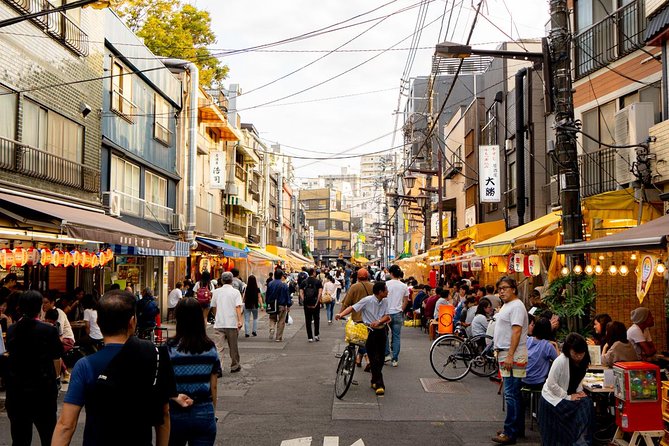
- Historic Asakusa setting: The walk links residential streets, old food shops, Marugoto Nippon, a market street, and Senso-ji.
- Food and alcohol included: Tastings and alcoholic beverages are part of the price, with nonalcoholic choices not clearly specified.
- Excellent guide feedback: Guides including Shino, Max, Taiga, Ian, Rie, Rei, Andrea, and Tadashi are praised for warmth, humor, food advice, and local history.
- Come very hungry: Several menus include generous portions, and some people found there was too much food to finish.
- Dietary limits need planning: Vegan, vegetarian, and gluten-free choices are limited. Send requests at least one week ahead.
Why Asakusa is a smart place for a food walk
Asakusa gives you an easy introduction to older Tokyo. The district combines a residential old town with famous sights, market lanes, temple grounds, and long-running food businesses. That mix matters because you are not only eating. You are seeing how food fits into a neighborhood shaped by tradition and daily life.
The tour begins at 11:30 a.m. near 1-chōme-20-13 Asakusa. That late-morning start is useful if you do not want an early breakfast, but do not eat a large one beforehand. The food can add up quickly, especially if sushi, savory dishes, snacks, and desserts all appear on the same route.
The advertised duration is about two hours. Some accounts describe a longer outing, closer to three hours, so I would keep part of your early afternoon open. The walk finishes at Senso-ji Temple, making it easy to continue sightseeing there after the food portion ends.
More Street Food Tours in Japan
- Hungry Osaka Street Food Tour:15 Tastings & 3 Drinks with a Local
★ 5.0 · 1,727 reviews - Hungry Osaka Street Food Tour: 15 Dishes & 3 Drinks
★ 4.9 · 694 reviews - Tsukiji Fish Market: Street Food & Culture Walking Tour
★ 5.0 · 669 reviews
Four or five local stops, with plenty of variety
The heart of the experience is a progressive tasting walk through four or five shops and restaurants. You are not given a fixed restaurant meal with every course decided in advance. Instead, you move through the neighborhood and sample food at different businesses.
That format is valuable in Japan because ordering can feel uncertain when you do not read the menu or know the local customs. A guide can explain what you are eating, help with unfamiliar items, and point you toward places you might not notice on your own. This was especially useful for families and first-time visitors who wanted to try food beyond the standard tourist menu.
The dishes described by participants include:
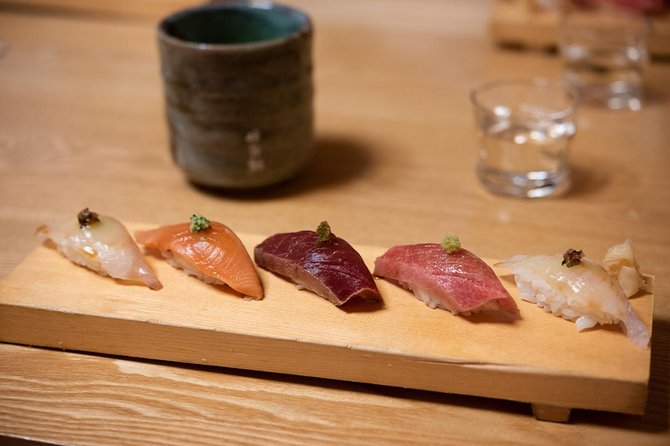
- Sushi, including unusual tuna cuts at a standing sushi bar
- Monjayaki, a Tokyo specialty related to okonomiyaki
- Okonomiyaki in more than one style
- Tempura
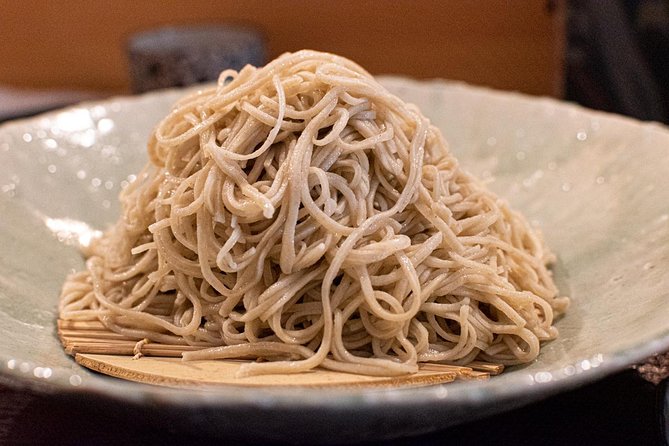
- Soba
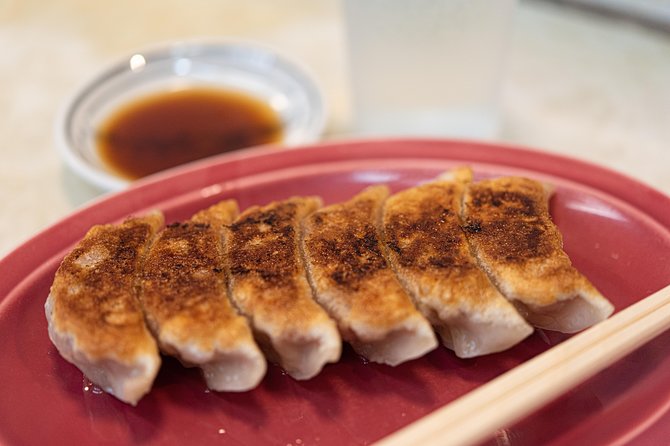
- Dumplings
- Taiyaki, a fish-shaped filled cake
- Dango
- Kagetsudo bread
- Sweet potato treats
- Matcha ice cream
- Other local sweets and snacks
You should treat this as an example of the possible range, not a promise of every item. The food route can change, and one disappointing experience involved sushi being canceled because the shop was crowded. If sushi is the main reason you want to book, ask about the current route before paying.
Sushi, unusual cuts, and the strongest food stop
The sushi stop receives some of the warmest praise. Several accounts describe a standing sushi bar, with one especially memorable tasting focused on different parts of the tuna, including the head, cheek, and meat between the ribs.
That is the kind of detail that makes the tour more useful than simply buying a familiar roll. You can learn that sushi is not limited to the pieces most often served abroad, and you get a guide to help explain what you are trying. One family considered this the highlight of the food walk.
Still, the sushi stop is not guaranteed. Shop conditions, crowds, and the day’s route can affect what is served. The best approach is to see sushi as a possible highlight rather than the central promise of the entire experience.
Monjayaki brings heat, smoke, and Tokyo character
Monjayaki is another notable stop. This soft, savory dish is cooked on a hot table and has a looser texture than the okonomiyaki many visitors already know. It is strongly associated with Tokyo, so trying it in the city adds a useful local connection to the meal.
There is a practical catch: the cooking area can become warm and smoky. One account enjoyed the dish but felt that one less serving would have been better. If you dislike heat or smoke, tell your guide early and take the chance to pause, especially during Tokyo’s warmer months.
The food itself may be one of the tour’s more memorable lessons because it is not always obvious how to order or eat it. A guide can explain the style and help you make sense of the cooking process. That small bit of help can turn an unfamiliar dish into an enjoyable part of the afternoon.
Same city, a different table:
- Tokyo: Shinjuku Food Tour (13 Dishes at 4 Local Eateries)
★ 5.0 · 6,603 reviews - Sushi Making Tokyo Roll and Authentic Japanese Sushi Class
★ 5.0 · 3,971 reviews - Tokyo Tsukiji Fish Market Food and Culture Walking Tour
★ 5.0 · 3,184 reviews - Osaka: Shinsekai Food Tour with 13-15 Dishes at 5 Eateries
★ 4.8 · 2,204 reviews
Sweets may be a bonus or a little too much
The route often includes several sweet stops. Taiyaki, dango, matcha ice cream, sweet potato treats, and Kagetsudo bread are among the possibilities. These foods give the walk a pleasant finish and show a different side of Japanese food culture, where texture and presentation matter as much as sweetness.
The amount is worth considering. One person liked the tour but suggested replacing some of the dessert stops with a more traditional Japanese drink. Another could not manage the final ice cream because the earlier food had been so filling.
I would skip breakfast or keep it very light. That advice comes directly from the way the tour is structured: even small portions across five stops can become a full meal. If you are traveling with children, the sweets may be a welcome part of the day, although the exact balance between savory food and dessert varies.
Marugoto Nippon adds food from around Japan
The itinerary includes about 20 minutes at Marugoto Nippon, a specialty department store selling selected goods and food from different parts of Japan. This stop broadens the tour beyond Asakusa itself.
You might find regional products that are not part of the tasting route, along with packaged foods and local specialties from elsewhere in the country. I see this as a useful shopping and orientation stop, especially if you want edible souvenirs or ideas for the rest of your trip.
Do not expect a long shopping session. Twenty minutes is enough to look around, hear about the products, and perhaps make a quick purchase. The value here is variety rather than a major attraction.
The market street and Senso-ji finish
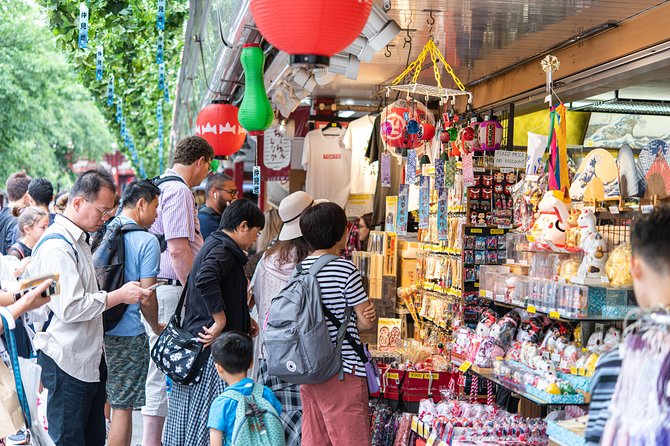
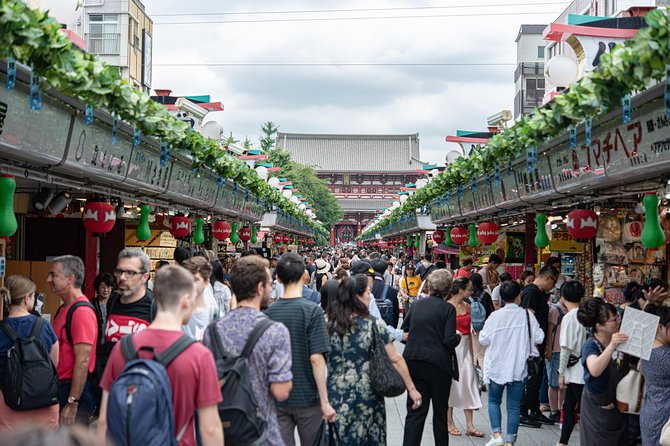
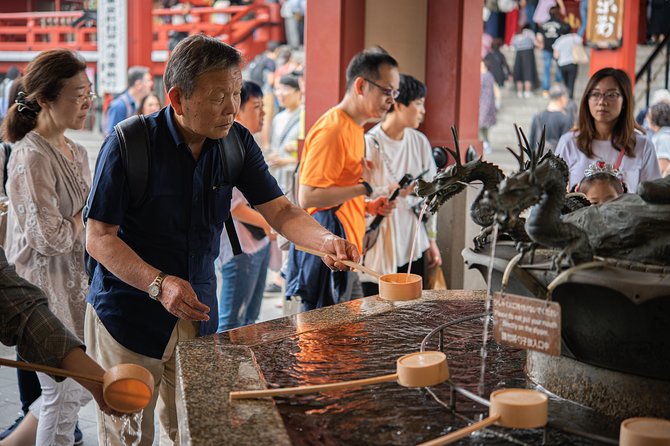
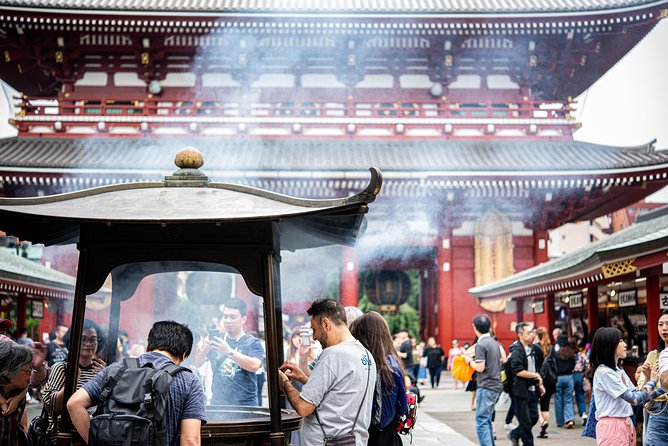
The walk also passes through a busy market street leading toward Senso-ji Temple and its surrounding shrine area. This section connects the food experience to Asakusa’s best-known sightseeing zone.
Senso-ji is Tokyo’s oldest temple, and the tour allows about 20 minutes there. That is enough for a basic introduction and some orientation, but not a full temple visit. You can return later if you want more time for the grounds, shopping lanes, or photographs.
Ending at Senso-ji is practical. The guide can leave you with a clearer sense of how the streets fit together, and you can continue at your own pace afterward. If you plan to visit the temple in detail, treat the tour stop as a preview rather than your complete visit.
Guides make the difference
The food is important, but the guide appears to shape the quality of the experience. Shino is praised for clear English, warmth, and an ability to make both adults and teenagers comfortable. Max receives strong marks for humor, local suggestions, and adjusting parts of the outing to personal interests, including matcha.
Taiga is praised for explaining both food and neighborhood history, while Ian is singled out for helping people try dishes they would not have chosen alone. Rie and Rei are described as energetic and welcoming, and Andrea is noted for adapting sushi, noodles, and tempura for a family with a teenager.
Tadashi is appreciated for his pace and for arranging an air-conditioning break when needed. That detail matters in Tokyo, where heat, humidity, and a full stomach can make a walking tour feel harder than expected.
Guide assignments can change, so you should not assume a particular person will lead your date. What you can reasonably hope for is help with ordering, cultural context, and the basic rhythm of the neighborhood.
Price, group size, and what you receive
The listed price is $76.27 per person. That is not cheap for a two-hour activity, but the comparison is not simply with buying a few snacks on your own. You are paying for several tastings, alcoholic beverages, local guidance, translation help, and a route through places that may be hard to identify independently.
The value improves if you are new to Tokyo, curious about Japanese food, or uncomfortable ordering at small local businesses. It is weaker if you already know Asakusa well or would rather choose each dish and restaurant yourself.
The tour information gives a maximum of two participants, while individual accounts describe groups of four or six. Because those details do not always line up, confirm the group size for your date if a private or very small outing is important to you.
The rating is 4.9 from 206 reviews, with 98 percent recommending the experience. That is a strong record, but the occasional poor match shows why expectations matter. The route is not a fixed premium sushi tour, and the menu can include modest neighborhood eateries as well as standout dishes.
Dietary needs and family suitability
Most people can take part, and the activity is near public transportation. Families have used it successfully with children and teenagers, and guides have adjusted dishes to suit younger eaters. The walking, food variety, and temple stop make it more engaging than a single restaurant meal.
Dietary planning needs more care. Vegan, vegetarian, and gluten-free options are limited. You must send food restrictions at least one week before the tour, since last-minute requests may not be possible.
Alcoholic beverages are included, but the information does not specify a separate nonalcoholic tasting menu. If you do not drink, ask what alternatives are available before booking. You should also mention allergies clearly and early.
Free cancellation is available up to 24 hours before the start time. Poor weather or an insufficient number of bookings can lead to a new date or a full refund, according to the stated terms.
Who should book the Asakusa food crawl
I would recommend this tour to first-time visitors who want a quick, friendly introduction to Tokyo food and one of the city’s older districts. It also suits families, couples, and solo visitors who prefer having help with ordering and a guide through less obvious streets.
You should book it early in your Tokyo stay if possible. The food suggestions and neighborhood orientation can help you decide what to eat and see for the rest of your visit.
I would hesitate if you need a guaranteed sushi itinerary, strict dietary control, or a fully private group. I would also skip it if you prefer a slow temple visit, since Senso-ji receives only a short stop.
Should you book it?
Book it if you want a filling, social introduction to Asakusa with several tastings, local food advice, and enough temple time to understand where you are. The combination of sushi possibilities, monjayaki, sweets, Marugoto Nippon, and Senso-ji gives you a lot in a short window.
Go in with a flexible appetite and an open mind. Ask about the current food route, send dietary requests a week ahead, and do not assume sushi will be served. With those expectations set, the $76.27 price can be good value for a first taste of Asakusa.
FAQ
Where does the tour begin?
It begins at 1-chōme-20-13 Asakusa, Taito City, Tokyo 111-0032, Japan.
Where does the tour end?
The tour ends at Senso-ji Temple, 2-chōme-3-1 Asakusa, Tokyo 111-0032, Japan.
What time does the tour start?
The stated start time is 11:30 a.m.
How long does the experience last?
The advertised duration is about two hours. Some participants describe their outing as lasting closer to three hours.
How many food stops are included?
The route visits four or five local food shops and restaurants.
Is food included in the price?
Yes. Food samplings and alcoholic beverages are included.
Is sushi guaranteed?
No. Sushi appears on many described routes, but the food can change and one route canceled the sushi stop because of crowding.
Can dietary restrictions be accommodated?
You should send food restrictions at least one week before the tour. Vegan, vegetarian, and gluten-free options are limited, and last-minute requests may not be accommodated.
Is the tour suitable for children?
Most people can participate, and families with children and teenagers have taken part. The food and walking route can be adapted in some cases.
What is the cancellation policy?
You can cancel up to 24 hours before the start time for a full refund. Poor weather or an insufficient number of bookings may result in a different date or a full refund.
Just added in Japan
- Tokyo : Asakusa Food Tour – 12 Dishes & 3 Drinks★ 5.0 · 44 reviews
- Tokyo: Asakusa & Sensoji ー Oldest Temple Walking Tour (2hrs)★ 5.0 · 213 reviews
- Tokyo: Allstar Food Tour★ 4.7 · 29 reviews
- Tokyo: West-Side Cycling and Food Tour with Guide★ 5.0 · 37 reviews
- Tokyo: Wagyu and Sushi Gastronomic Journey★ 4.3 · 24 reviews
- Tokyo: Togoshi Ginza Street Food Tour★ 5.0 · 34 reviews
- Tokyo Tsukiji Food & Culture Private Tour Licensed Guide★ 4.9 · 28 reviews
- Tokyo: Sushi and Ramen Cooking Class with Sake Pairing Set★ 5.0 · 81 reviews
Street Food Tours, compared.
Ho Chi Minh City Street Food Tour & Sightseeing By Motorbike
Read our review →
Small Group Hanoi Street Food Tour with a Real Foodie
Read our review →
Saigon By Night and Street Food By Motorbike | Opt: Ao Dai Riders
Read our review →
Private Street Food Tour by Motorbike/Car with Local Students
Read our review →
Cinque Terre Park Day Trip with Optional Street Food
Read our review →
Street Food Tasting & Sightseeing Tour by Motorbike
Read our review →Browse the lists this tour appears in