
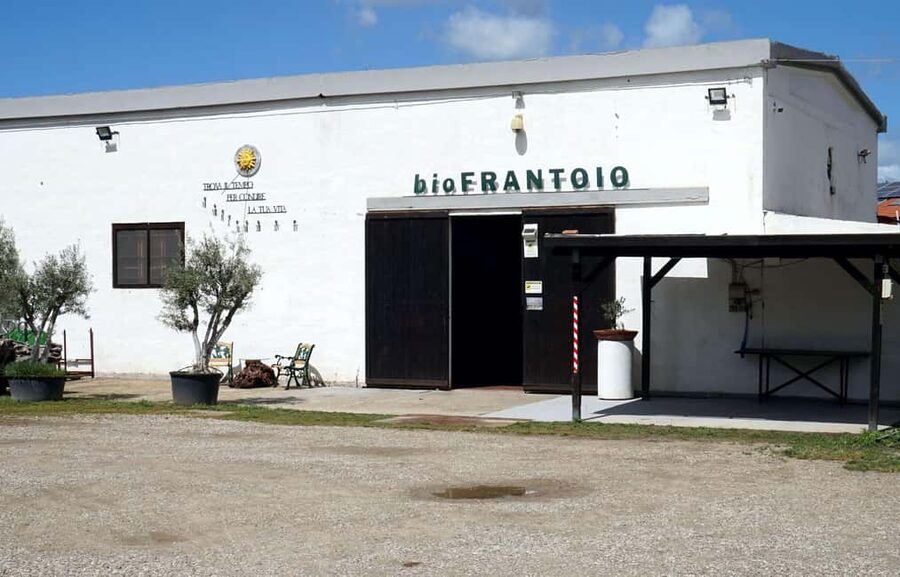
REVIEW · ITALY FOOD TOURS
Olive Oil Museum: Extravirgin school – Food & wine tasting
Olive oil tastes different after this lesson. This short Sardinian experience combines a working modern mill with the old museum of sa mola de su notariu, then turns the tasting into a practical lesson you can use at home. I especially like the chance to learn how fruitiness, bitterness, and spiciness reveal quality, and I like that the food tasting includes carasau bread, cured meats, olives, local snacks, and sparkling wine. The main drawback is the tight one-hour schedule, which leaves little time to linger over the museum or ask long questions.
The experience is led by Francesco Locci, whose enthusiasm has made this a highlight for many people visiting Sardinia. You can also buy the oils at special guest prices, but the visit is best for curious eaters, not for anyone expecting a long countryside outing or a full meal.
Five things to know before you go
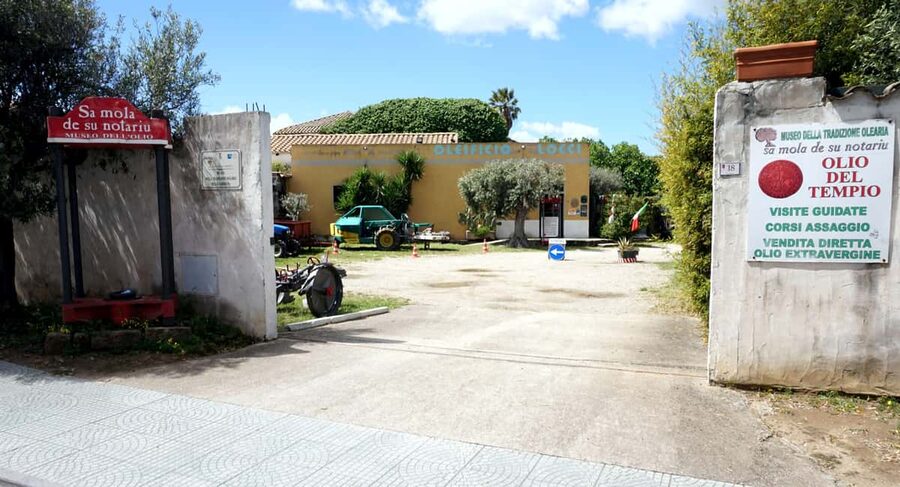
- A modern mill meets an old underground cistern: You see current oil production, then step into a historic collection of lamps and tools connected with Sardinia’s oil-making past.
- The tasting teaches a useful skill: You learn to identify fruitiness, bitterness, and spiciness instead of simply deciding which oil tastes pleasant.
- Flavored oils are part of the fun: Try Limolio, made with organic olives and lemons, and Rogo del Tempio, seasoned with nine traditional Sardinian herbs.
- The food is distinctly local: Cured meats, natural olives, carasau bread, regional snacks, and sparkling wine give the tasting a clear Sardinian setting.
- It is easy to fit into a day: Free parking, bus access from central Cagliari, wheelchair accessibility, Wi-Fi, and dog-friendly facilities make the visit practical.
- The price makes sense for a focused tasting: At $60.35 per person, you are paying for instruction, museum access, food, wine, and a guided look at production rather than just a few samples.
Why an olive oil lesson belongs on a Sardinia itinerary
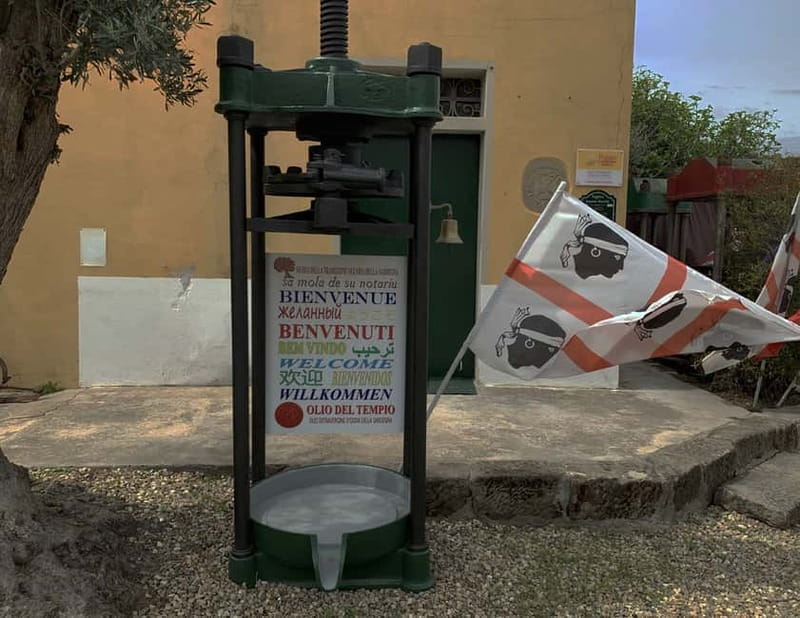
Sardinia is often approached through beaches, archaeological sites, and mountain villages. Olive oil gives you another way into the island’s culture. It appears in everyday cooking, traditional food, household lighting, farming, and family customs. Here, that story is presented through both a working business and a museum.
The family tradition behind the mill reaches back more than 400 years. That does not mean you spend an hour hearing a long family chronicle. Instead, the visit connects old methods and objects with the modern process you see today.
I like this combination because it gives the tasting some context. You are not simply handed a bottle and told it is good. You see where the oil is made, learn some of the language used to describe it, and then taste it alongside familiar Sardinian foods.
The experience has a perfect 5 out of 5 rating from 39 ratings, and the most consistent praise centers on Francesco’s warm manner, his enthusiasm for olive oil, and the useful quality lesson. That matters here because a tasting depends heavily on the person leading it. A dry explanation could make the subject feel technical. Francesco’s role appears to be more welcoming and personal.
More Wine Tours in Italy
- Winner 2025 Florence Sunset Food & Wine Tour by Eating Europe
★ 5.0 · 5,015 reviews - From Florence: Small Group Wine Tasting Tour to Tuscany
★ 4.9 · 3,902 reviews - Rome Food Tour: Unlimited Tastings with Fine Wine & Barolo
★ 5.0 · 3,365 reviews
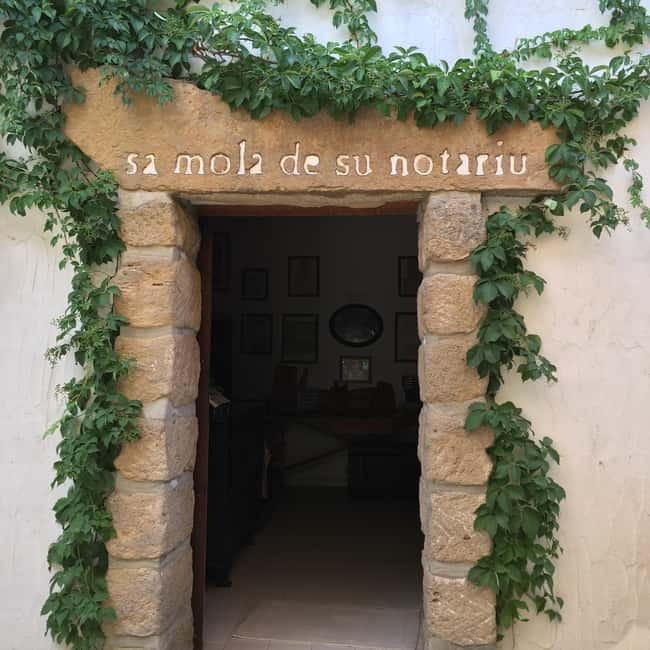
Stop 1: Arriving at Sa Mola de Su Notariu
The visit begins at Museo dell’olio Sa mola de su notariu, also associated with Olio del Tempio. You can park in the museum’s large free lot, which makes this a simple stop if you have a rental car.
If you are staying in Cagliari and do not have a car, bus line 108 connects the city center with the site in about 54 minutes. That is a reasonable journey for a one-hour activity if you combine it with other plans in the area, but the bus ride means you should allow more than two hours for the full outing.
The meeting point and end point are the same. This is helpful when you are carrying purchases or visiting with a dog. A bowl of water is available for dogs, and the site has free Wi-Fi.
The activity is wheelchair accessible. Since the experience includes an old underground cistern, it is sensible to confirm the practical route when booking if that particular part is important to you.
Stop 2: Seeing how modern olive oil is produced
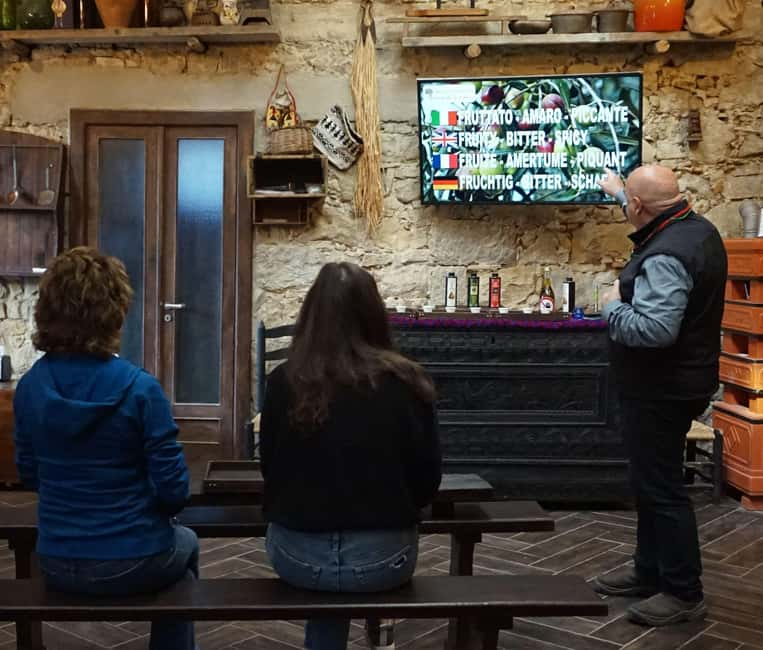
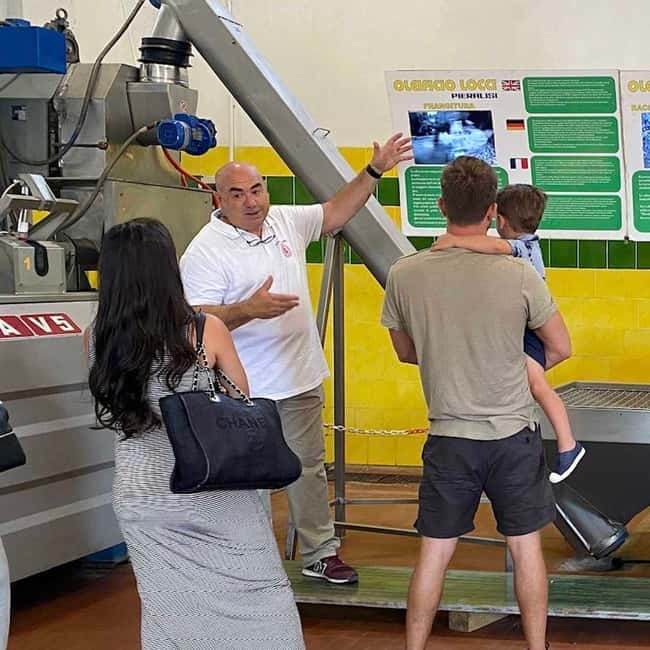
The first guided portion at the mill lasts about 10 minutes. It is brief, but it gives you a useful frame for the tasting. Video presentations show the stages of harvesting and processing, taking you from olives on the tree to finished extra virgin olive oil.
I appreciate that the presentation focuses on modern production rather than pretending the past was always better. Good olive oil depends on careful handling, and seeing the current process helps explain why timing and treatment matter.
You will not get an extended factory tour during this one-hour format. The short visit is better understood as an introduction to the mill. You see how the business works, then move quickly to the part most people are waiting for, the tasting lesson.
This section is particularly useful if you have never thought about how olive oil is made. It also gives experienced cooks a chance to connect familiar kitchen ingredients with the machinery and decisions behind them.
The museum and its underground oil collection
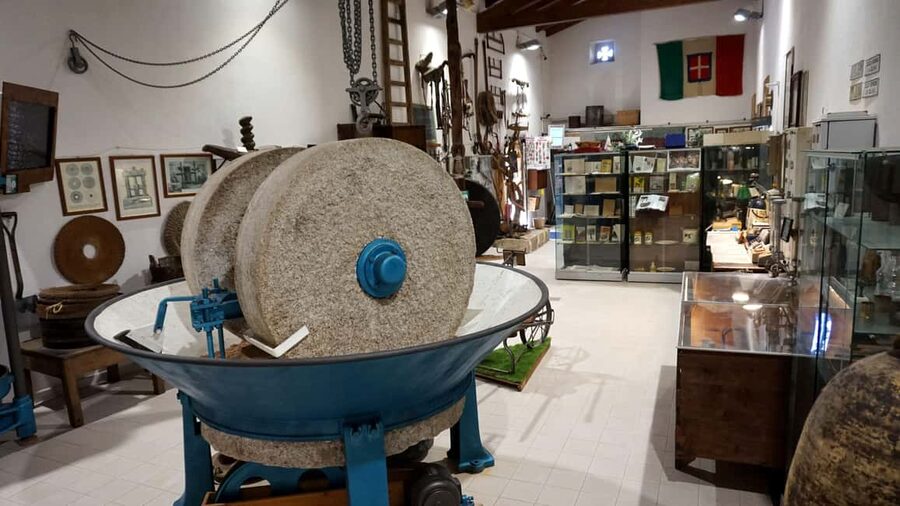
The museum, called sa mola de su notariu, shifts the mood from modern production to Sardinia’s older oil traditions. The collection includes old lamps and other objects linked to oil through the centuries.
The most unusual feature is the old underground cistern. You are invited to descend into this former storage space, where oil lamps and ancient artifacts are displayed. It adds a physical sense of age that a glass case alone cannot provide.
Oil was not only a cooking ingredient. It also supplied household light and formed part of daily work and domestic life. The lamps help show that broader role. You get a picture of oil as a basic resource, not merely a gourmet product placed on a restaurant table.
The museum visit is included, which strengthens the value of the admission. Still, keep the time limit in mind. If you enjoy small collections and historic objects, you may want to give yourself extra time before or after the formal tasting, if the schedule allows. The listed experience itself moves through the museum and tasting in a compact hour.
More olive oil tastings in Italy:
- Sorrento Farm and Food Experience including Olive Oil, Limoncello, Wine tasting
★ 5.0 · 2,524 reviews - Sorrento: Lemon, Olive Oil and Wine Tasting Tour with Lunch
★ 5.0 · 300 reviews - Ostuni: Olive Oil Tasting Tour
★ 4.4 · 171 reviews - From Chania: Olive Oil, Wine, Cheese & Honey Tasting Tour
★ 4.6 · 490 reviews
The 20-minute lesson: learning what good oil tastes like
The heart of the experience is the 20-minute class. This is where you learn to assess extra virgin olive oil through its main sensory traits: fruitiness, bitterness, and spiciness.
Those words can sound vague until someone helps you connect them with what you taste. Fruitiness points to the character of the olive. Bitterness and spiciness can be signs of a lively, well-made oil rather than flaws. The lesson gives you a way to notice these qualities instead of judging an oil only by color or packaging.
Slides support the explanation, which should make the class accessible even if you know little about olive oil. You are not expected to arrive with specialist vocabulary. The useful result is that you leave better able to compare oils in a shop or at your own table.
This is the part I consider the best value. A food tasting disappears when the snack is gone, but a basic tasting skill stays with you. You can use it when choosing oil, serving it with bread, or deciding which bottle belongs on salad, fish, meat, or baked dishes.
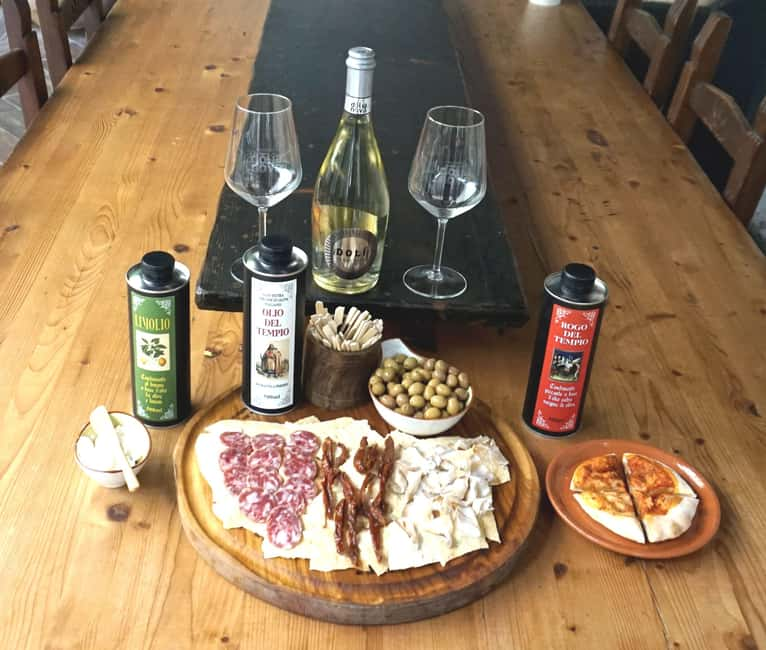
The tasting includes several extra virgin olive oils, including flavored versions. Limolio combines organic olives and lemons. It is suggested for salads and fish, where its citrus note can work as both seasoning and dressing.
Rogo del Tempio is the spicy oil. It is made with nine traditional Sardinian herbs and is recommended with meat or baked food. The contrast between a lemon oil and a herb-based spicy oil helps show how olive oil can change the character of a dish.
Sardinian food, sparkling wine, and carasau bread
The food portion lasts about 20 minutes and is served with fresh sparkling wine and water. You also receive cured meats, natural olives, regional food, local snacks, and tapas-style portions.
The carasau bread is an important touch. This thin, crisp Sardinian bread is easy to pair with oil, and it gives you a clean base for comparing flavors. Try the oils on their own first, then with bread and food. That order lets you notice the oil before the other ingredients take over.
The spread is a tasting, not a full lunch. If you arrive hungry, plan another meal later. The cured meats and snacks provide enough substance to make the hour feel generous, but this is not designed as a long restaurant sitting.
The sparkling wine keeps the setting relaxed. It also makes the event feel social rather than like a classroom only. You can listen to the lesson, taste at your own pace, and then see how the oils behave with salty meats, olives, and bread.
The food pairing is also practical. It shows how to use the oils after you return home. Limolio with fish or salad, and the herb oil with baked dishes or meat, are straightforward ideas that do not require a complicated recipe.
Buying oil after the tasting
The shop is part of the experience, and visitors receive special discounted rates on the premium oils. This is useful because you can taste before buying rather than guessing from a label.
I would avoid treating the discount as a reason to purchase more than you can carry or use. Oil is a good souvenir when you have room in your luggage and a plan for getting it home. The advantage here is that you can choose based on flavor and intended use.
The products praised most warmly include the flavored oils, and fair pricing for the quality has been singled out as a positive point. You can ask Francesco or the staff for suggestions about which bottle suits salads, fish, meat, or baked foods.
If you want an edible souvenir with a clear connection to Sardinia, this is more personal than buying a generic food product at an airport shop. You have tasted the oil, learned how it was made, and visited the place where it is sold.
What the one-hour schedule really means
The advertised duration is one hour, divided roughly into a 10-minute mill visit, a 20-minute lesson, and a 20-minute food and wine tasting. The remaining time is used for transitions, museum access, and returning to the meeting point.
That schedule is efficient, but it is also the main limitation. You will get a strong introduction rather than a slow cultural visit. If you like taking photographs, asking detailed questions, or reading every museum display, you may feel hurried.
On the other hand, the short format works well between other plans. You can add it to a day based around Cagliari or nearby southern Sardinia without giving up half a day. It is also a sensible choice for people who want a food experience but do not want a long cooking class.
English, French, and Italian are available with a live guide. Check the starting times when you reserve, since the exact departure time is not fixed here.
Is $60.35 a fair price?
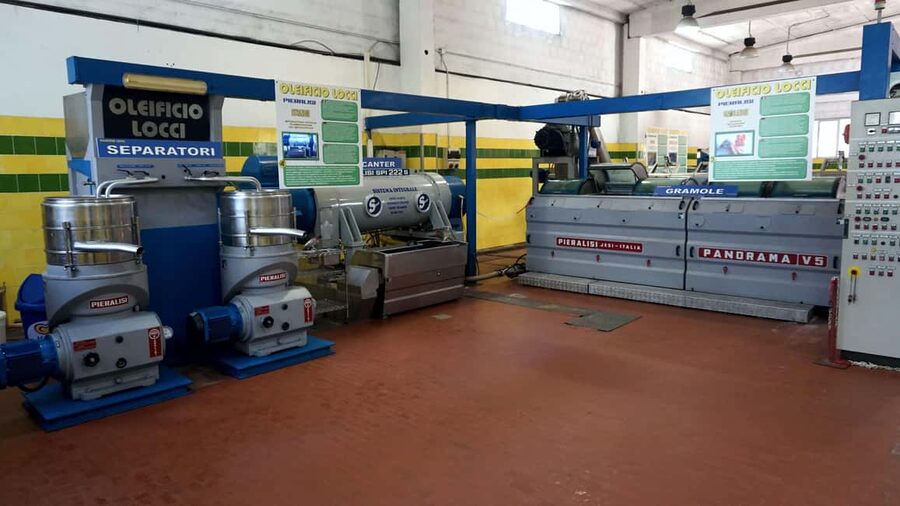
At $60.35 per person, this costs more than a basic olive oil sample at a market. The comparison is not quite fair, though. Your fee includes the guided mill visit, the oil-quality class, museum admission, multiple oil tastings, Sardinian food, sparkling wine, water, parking, and access to special oil prices.
I see the price as fair if you value explanation and local context. You are paying for a compact cultural lesson, not simply for food on a plate. The museum and production visit give the tasting more substance.
The value is weaker if you want a full meal or a long tour. The food is a tasting spread, and the total experience is only one hour. People focused purely on eating may prefer a larger food tour for similar money.
Booking is flexible because you can reserve now and pay later, with free cancellation up to 24 hours before the activity for a full refund. Transfers from southern Sardinia are not included, so you must arrange your own transport unless you separately request a transfer service.
Who will enjoy this most?
I would recommend this to:
- Couples looking for a relaxed food experience with a local focus
- First-time visitors who want an introduction to Sardinian traditions
- Home cooks who want to understand extra virgin olive oil better
- People who enjoy small museums and working food businesses
- Visitors with a rental car who can use the free parking
- Families or groups needing a wheelchair-accessible, dog-friendly stop
It is less suitable if you want a long countryside excursion, extensive mill access, or a substantial lunch. The lesson is also more useful if you are willing to taste attentively. If you rush through the samples, you will miss the point of the class.
Francesco’s personal approach is a major part of the appeal. The strongest praise centers on his warm welcome, enthusiasm, and ability to explain the subject in a way that changes how people think about oil. That human element can make a short visit feel much more worthwhile.
Should you book the Olive Oil Museum experience?
Book it if you want a compact, well-organized introduction to Sardinian olive oil, especially if you enjoy bringing home food knowledge along with a souvenir bottle. The combination of the modern mill, underground cistern, old lamps, tasting lesson, local food, and sparkling wine gives the hour a clear sense of place.
Think twice if you expect a full meal or a leisurely museum visit. The schedule is tight, and the $60.35 fee is easiest to justify when you value the instruction and cultural setting.
For most food-minded visitors near Cagliari, I would consider it a smart short stop. You leave with more than a taste. You learn what to look for in extra virgin olive oil, how to pair flavored oils with food, and why this simple ingredient matters so much in Sardinian life.
FAQ
How long does the olive oil experience last?
The experience lasts one hour. The schedule includes about 10 minutes at the oil mill, 20 minutes for the olive oil lesson, and 20 minutes for food and wine tasting, with time for transitions and the museum.
Where does the experience begin and end?
It begins and ends at Museo dell’olio Sa mola de su notariu, associated with Olio del Tempio. You can park in the museum parking lot.
Is parking available?
Yes. Free parking is available in the large lot at the museum.
Can I reach the museum by bus from Cagliari?
Yes. Bus line 108 runs from central Cagliari, and the journey takes about 54 minutes.
What languages are available?
The live guide is available in English, French, and Italian.
Is the activity wheelchair accessible and dog-friendly?
Yes. The activity is wheelchair accessible and dogs are welcome. A water bowl is available for dogs.
More museum visits in Italy
- Parmesan and Balsamic Food Tour with Ferrari Museum
★ 5.0 · 28 reviews - Parmesan and Balsamic Food Tour with Ferrari Museum
★ 4.8 · 25 reviews - Munich: Beer and Food Tour with Dinner & Oktoberfest Museum
★ 4.7 · 1,086 reviews - Dubai.Discover Old town,Markets,street food,Abra &Museums
★ 4.9 · 181 reviews
Just added in Italy
- Street food tour of Catania by night★ 4.5 · 31 reviews
- Private tour of Etna and Winery Visit with Food and Wine Tasting from Taormina★ 5.0 · 221 reviews
- Catania Sicilian Street Food Tour: Small Group by Do Eat Better★ 5.0 · 293 reviews
- Mt Etna and Wine tasting tour from Catania★ 5.0 · 282 reviews
- Small-Group Food and Wine Tour from Cagliari★ 5.0 · 237 reviews
- Cagliari: A Full Meal Sardinian Food Tour with Do Eat Better★ 5.0 · 265 reviews
- Bologna Food & Wine tour with a local Chef★ 3.0 · 30 reviews
- Taste Bolzano: Food Tour with Full Meal by Do Eat Better★ 5.0 · 21 reviews
Wine Tours, compared.

Winner 2025 Undiscovered Lisbon Food & Wine Tour by Eating Europe
Read our review →
Winner 2025 Florence Sunset Food & Wine Tour by Eating Europe
Read our review →
Authentic Parisian Gourmet Food Tour with 10 Local Dishes & Wines
Read our review →
Tapas Walking Tour with Food, Wine, and History
Read our review →
Lisbon Small-Group Portuguese Food and Wine Tour
Read our review →
Browse the lists this tour appears in