
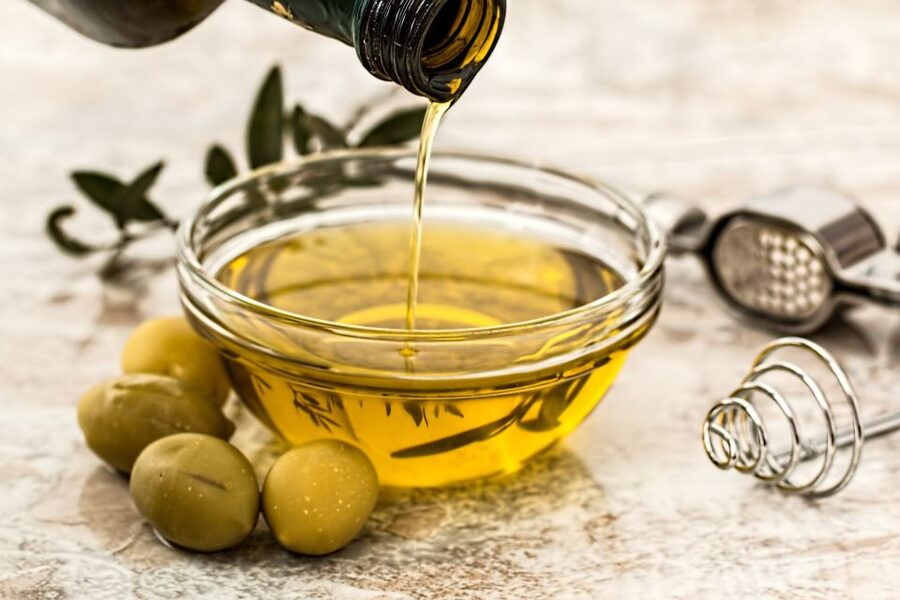
REVIEW · ITALY FOOD TOURS
Ostuni: Olive Oil Tasting Tour
Olive oil tastes better with ancient trees nearby. This Ostuni experience combines a walk through millenary olive groves with a visit to a 16th-century underground press, and I like that it connects the tasting to the land rather than treating oil as just another souvenir. I also like the chance to compare three organic oils with olives, tarallini, and fried broad beans. The main drawback is time: the activity is advertised as one hour, while the detailed schedule suggests about 1.5 hours, so the visit may feel short for the $53 price.
At Masseria Valente, you meet the farm’s guide and learn how olive oil was made in the past and how it is produced today. Guides such as Angela, Maria, and Carla have been praised for making the visit clear and friendly, though one English-speaking visitor found communication difficult. If you care about food, rural traditions, and old buildings, this is a smart way to spend part of a day near Ostuni.
Five things to know before you go
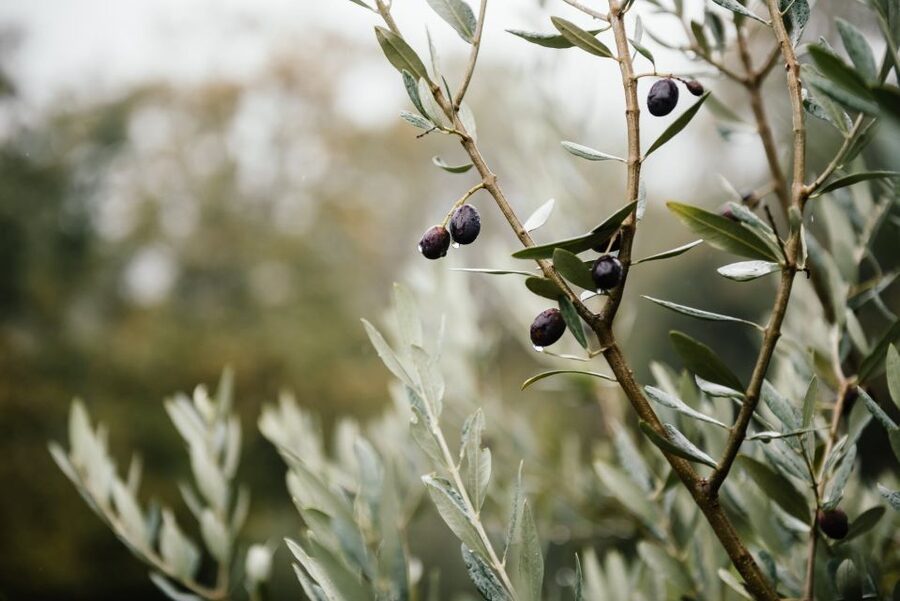
- Some olive trees may be over 2,000 years old: The farm links several of its oldest trees to veterans of the Punic Wars.
- You visit two very different mills: The 16th-century hypogeum press lies underground, while the 19th-century epigean mill is above ground.
- The tasting includes three organic oils: You also get olives, tarallini, and fried broad beans.
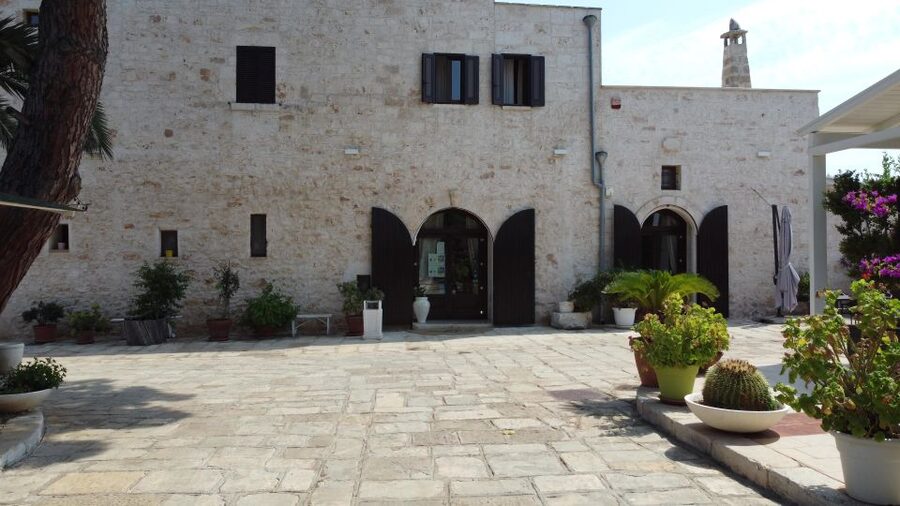
- The setting is more than a tasting room: Masseria Valente includes an ancient farmhouse, olive groves, a café, and a hotel.
- The experience is guide-led in English or Italian: Arrive 15 minutes early, and remember that transport to the farm is not included.
Walking through Ostuni’s ancient olive groves
The tour begins at Masseria Valente, a traditional Puglian farm outside Ostuni. Instead of starting with a table covered in bottles, the visit takes you outdoors first, among olive trees of different ages.
That order matters. You get a better sense of olive oil when you see the trees, the soil, and the old farm buildings before tasting the finished product. The grove includes young trees as well as ancient specimens, some said to have been planted more than 2,000 years ago by veterans of the Punic Wars. That claim gives the walk a dramatic historical edge, though the real pleasure is simply standing beside trunks shaped by centuries of wind, sun, and pruning.
I would bring a camera. The old trees make better subjects than a row of identical bottles, and several people have enjoyed the peaceful grounds and photo opportunities. The walk is also a useful part of the visit for anyone who needs a break from Ostuni’s whitewashed streets and busy summer center.
The farm setting gives the experience a rural feel, but do not expect a long countryside hike. The visit is short and focused on the estate, its trees, and its oil-making history. If you want a full agricultural day with a long walk, a harvest session, or a large meal, this will probably feel limited.
More olive oil tastings in Italy:
- Sorrento Farm and Food Experience including Olive Oil, Limoncello, Wine tasting
★ 5.0 · 2,524 reviews - Sorrento: Lemon, Olive Oil and Wine Tasting Tour with Lunch
★ 5.0 · 300 reviews - Olive Oil Museum: Extravirgin school – Food & wine tasting
★ 5.0 · 39 reviews
Inside the 16th-century underground oil mill
The most distinctive stop is the hypogeum oil mill, an underground processing space dating from the 16th century. You go below the farmhouse level to see where olives were once crushed and pressed in a cooler, protected setting.
The underground mill explains how much labor once went into a food that now arrives in a neat glass bottle. The old floor, press areas, and stone setting help you picture olive production before modern machinery. It is not a polished museum display in the usual sense. Its appeal comes from the original working environment and the sense of practical farm life preserved below ground.
Several guides have been praised for explaining how oil was used in ancient times and how older methods compare with modern production. That context makes the visit useful even if you know little about olives. You learn that extra virgin olive oil is not simply a color or a flavor. It is the result of the fruit, the pressing method, and the care taken during production.
The cave-like setting is also one reason to allow enough time. The visit is not just a quick look at an old room. Your guide needs time to explain the equipment and answer questions, and the experience is much better when you can pause rather than rush through.
English-language quality can vary by guide. Angela, Maria, and Carla have all been praised for clear explanations, warmth, and humor. One visitor found that the guide spoke limited English and had trouble answering questions. If detailed discussion is important to you, keep your questions simple and confirm that the tour language is English when booking.
Comparing the old and newer mills
After the underground press, you see the 19th-century epigean mill, located above ground. This creates a useful contrast between two stages of farm technology.
The hypogeum shows an older, partly subterranean method. The epigean mill shows how olive processing developed into a more accessible above-ground operation. Together, the two spaces turn a short farm visit into a compact lesson in local technology and rural economics.
I like this part because it gives the tour a clear shape. You are not only told that Puglia has a long olive-growing tradition. You can see the spaces where that tradition operated, then taste the product made from the same agricultural culture.
The experience does not promise a full modern factory tour, and no transfer or additional transport is included. You remain at Masseria Valente for the whole visit. That makes the tour easy to understand, but you need to arrange your own way to the meeting point.
The exact length deserves attention. The activity information gives a duration of one hour, while the schedule describes a 1.5-hour visit including the farm, guided tour, photo stop, and tasting. Allow at least 1.5 hours in your day, especially if you do not want to hurry. Arriving 15 minutes before the start is required.
Tasting three organic oils with Puglian snacks
The tasting is the payoff, but it works best because you have already seen the trees and presses. You sample three organic oils, then pair them with olives, tarallini, and fried broad beans.
Three oils are enough to show that olive oil is not one single flavor. You may notice differences in aroma, bitterness, pepperiness, and finish, though the precise varieties are not specified. The tasting can also help you understand why extra virgin olive oil is different from ordinary virgin olive oil, a distinction that surprised one participant.
The snacks keep the tasting rooted in local eating habits. Tarallini are small, crunchy ring-shaped biscuits, while fried broad beans add a simple, rustic touch. These are not elaborate courses, so do not arrive expecting lunch. One person wished there had been more oils and a meal option included in the tour.
That limitation is easy to handle. The property has a café and hotel, and several people extended their visit with wine, appetizers, or lunch in the dining room. Those extras are separate from the one-hour experience, but they may make the outing feel more worthwhile if you have time.
I would avoid planning a large meal immediately before the tasting. You will get more from the oils if you can pay attention to their differences. The food pairings are modest, but they give you something to eat between samples and show how oil works with everyday Puglian ingredients.
A few more food tours in Italy worth a look
- Winner 2025 Rome Twilight Trastevere Food Tour by Eating Europe
★ 5.0 · 5,157 reviews - Winner 2025 Florence Sunset Food & Wine Tour by Eating Europe
★ 5.0 · 5,015 reviews - Naples: Street Food Walking Tour with Local Guide
★ 4.9 · 4,976 reviews - Rome: Street Food Tour with Local Guide
★ 4.8 · 4,077 reviews
What the $53 price really buys you
At $53 per person, this is not the cheapest way to taste olive oil. You are paying for more than a snack and three small samples, though. The price includes a guide, the walk through the estate, access to the historic mill spaces, the farmhouse setting, and the tasting.
For me, the value depends on what you want from a food experience. If you only want to buy a bottle, a shop or market will cost less and take less time. If you want to understand why olive oil matters in Puglia, the old mills and ancient trees give the tasting useful context.
The price feels stronger for visitors who appreciate buildings, farming, and local history. It is also a good choice if you are already staying near Ostuni and want an activity that does not require a full day. The setting has been praised as beautiful and peaceful, which adds something that a city tasting counter cannot provide.
Still, the short duration makes the cost more noticeable. If the visit lasts closer to one hour, some people may feel the tour is expensive for the amount of tasting included. If you add lunch or wine afterward, budget for those separately.
Guide quality can shape the whole visit
This is a guide-led experience, and the guide matters. A strong guide can explain the old presses, identify differences between oils, connect the trees to Puglian history, and keep the pace lively.
Angela has been praised for being friendly and well informed. Maria has been described as warm, funny, and helpful, while Carla has received high marks for making the tour exceed expectations. Another guide was praised for expert explanations and a pace that never felt hurried.
Those details tell me the best version of this visit is personal rather than scripted. You are not simply walking through an abandoned building. You are hearing how the masseria worked and why olive oil remains central to the region.
The language option is English or Italian. Most of the available feedback is positive about the explanations, but one English-language visit did not go smoothly. If you have technical questions about pressing or olive varieties, the quality of the answers may depend on the guide assigned that day.
Who will enjoy Masseria Valente most
I would recommend this experience to anyone who wants a gentle, local activity between visits to Ostuni, Alberobello, or other Puglian towns. It suits couples, food-minded visitors, photographers, and anyone curious about how a basic ingredient reaches the table.
It also works well for people who prefer a small subject explained properly. You leave with practical information about selecting olive oil and olives, not just a pleasant memory of tasting something in a pretty setting.
Families may enjoy the old machinery and outdoor walk, though the supplied details do not describe a special children’s program. People with limited time should check the starting time carefully and allow the longer 1.5-hour estimate, plus the required early arrival.
This is not the right choice if you want a full meal included, a long hike, a large tasting flight, or transport from Ostuni. It is also less suitable if you dislike guided visits or have little interest in food production.
Practical planning for your Ostuni visit
The meeting point is Masseria Valente, and transfers are not included. Plan your route before the day of the tour rather than assuming transport will be arranged for you.
Arrive 15 minutes early. That small buffer matters because the visit begins at the farm, not in central Ostuni, and a late arrival could cut into the short schedule.
The experience is offered in English and Italian. You can cancel up to 24 hours before the activity for a full refund, and the reserve-now, pay-later option gives you some flexibility while arranging your Puglia plans.
If you want to extend the outing, ask about the property’s café, hotel, dining room, wine, appetizers, or lunch. These are not part of the included tasting, but they can turn a brief tour into a more relaxed half-day stop.
Should you book this olive oil tour?
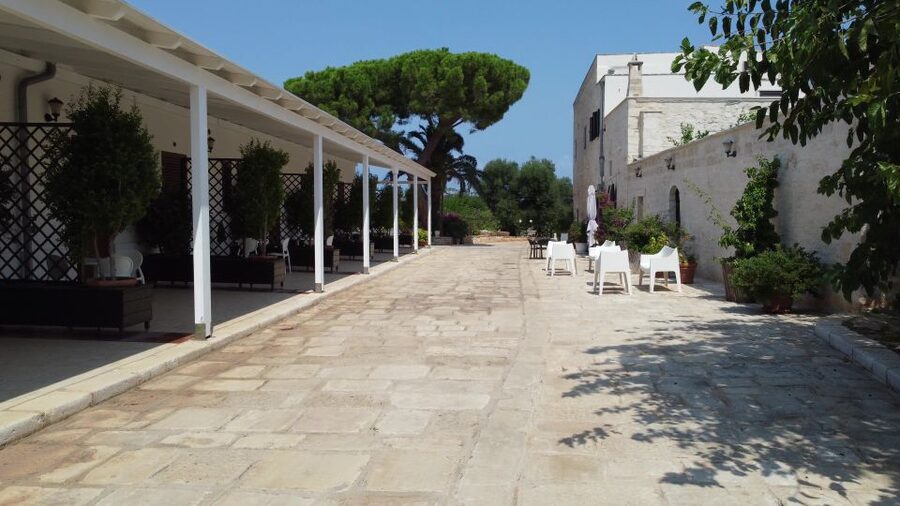
Book it if you want ancient trees, old pressing rooms, and a guided tasting in one compact visit. The strongest parts are the peaceful estate, the 16th-century hypogeum mill, and the chance to compare three organic oils after learning how they were made.
Think twice if $53 feels high for a short activity or if you expect a full lunch and a generous selection of oils. I would book it for the setting and the story, then add food or wine afterward if your schedule and budget allow. For a first visit to rural Puglia, it offers a clear, enjoyable introduction to the region’s olive-oil culture without taking up an entire day.
FAQ
Where does the olive oil tour meet?
The meeting point is Masseria Valente. You should arrive 15 minutes before the activity begins.
How long does the experience last?
The activity information lists a duration of one hour, while the detailed schedule describes a visit of about 1.5 hours. It is best to allow at least 1.5 hours, plus early arrival time.
What is included in the tasting?
You taste three organic olive oils with olives, tarallini, and fried broad beans.
Is transportation included?
No. Transfer to and from Masseria Valente is not included.
What languages are available?
The live guide service is available in English and Italian.
Can I cancel for a refund?
Yes. You can cancel up to 24 hours in advance for a full refund.
Just added in Italy
- Private tour of Etna and Winery Visit with Food and Wine Tasting from Taormina★ 5.0 · 221 reviews
- Street food tour of Catania by night★ 4.5 · 31 reviews
- Catania Sicilian Street Food Tour: Small Group by Do Eat Better★ 5.0 · 293 reviews
- Mt Etna and Wine tasting tour from Catania★ 5.0 · 282 reviews
- Small-Group Food and Wine Tour from Cagliari★ 5.0 · 237 reviews
- Cagliari: A Full Meal Sardinian Food Tour with Do Eat Better★ 5.0 · 265 reviews
- Bologna Food & Wine tour with a local Chef★ 3.0 · 30 reviews
- Taste Bolzano: Food Tour with Full Meal by Do Eat Better★ 5.0 · 21 reviews
Olive Oil Tastings, compared.
Sorrento Farm and Food Experience including Olive Oil, Limoncello, Wine tasting
Read our review →

Lemon, Olive Oil and Wine Tasting Tour with Lunch
Read our review →
Crete: Full-Day Cretan Wines, Olive Oil, Raki and Food Tour
Read our review →
Rethymno: Private Winery & Olive Oil Tasting Tour with Lunch
Read our review →
Olive Oil Museum: Extravirgin school – Food & wine tasting
Read our review →Browse the lists this tour appears in