
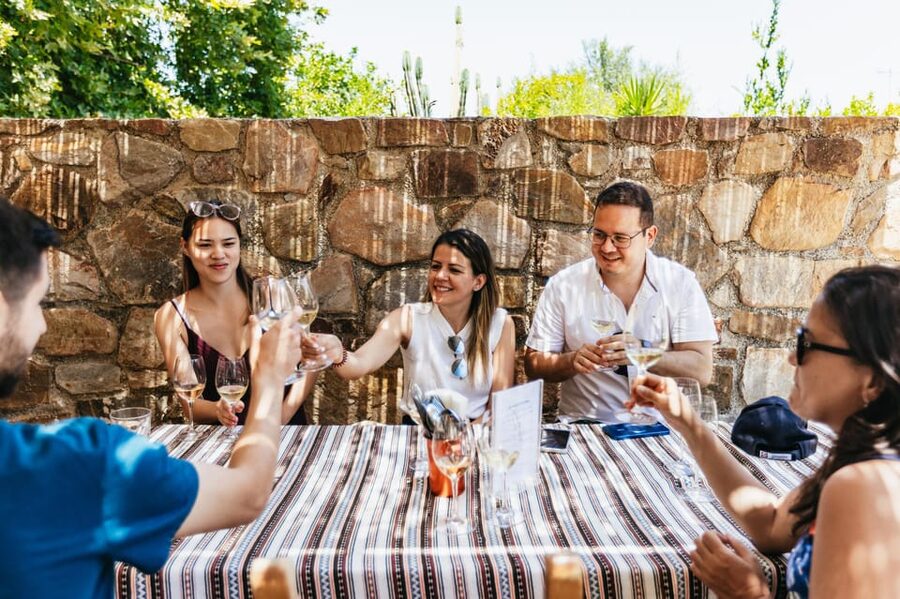
REVIEW · CRETE FOOD TOURS
From Chania: Wine and Olive Oil Tasting Tour with Snacks
Crete tastes better beyond the beach. This six-hour outing from Chania takes you into the Kissamos countryside for family-run wineries, a working olive oil factory, local snacks, and an ancient olive tree said to be about 3,000 years old. I especially like the generous range of tastings, including Vidiano, Muscat of Spina, Syrah, and several white blends. I also like the relaxed human side of the tour, where local producers explain their work without turning every stop into a hard sales pitch.
The main thing to consider is the price: at $141 per person, this is not a cheap way to spend half a day. You are paying for transport, a guide, entrance fees, several tastings, and lunch-style snacks, but anyone seeking a full meal or a long winery visit may find the food modest and the schedule fairly busy. Pickup can also begin 30 to 60 minutes before departure, so the six-hour outing may take a little more of your day than the headline duration suggests.
The best parts of the day
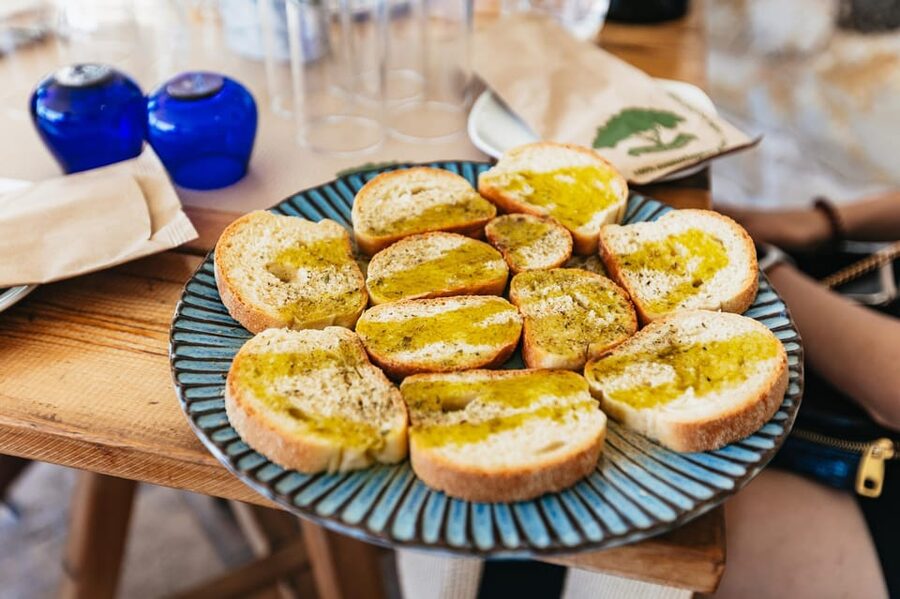
- Five wines at each main tasting: Depending on the order and exact program, you may try around ten wines, from Cretan grapes to international varieties.
- A 3,000-year-old olive tree: The stop adds an unusual piece of living history to what could otherwise be a standard food-and-drink excursion.
- Family-owned producers: You visit local wineries and an olive oil factory where the emphasis is on production, place, and Cretan traditions.
- A real Cretan flavor lesson: Vidiano, Vilana, Muscat of Spina, Assyrtiko, and Tsikoudia give you a useful introduction to the island’s drinks.
- Air-conditioned transport from Chania: This matters in the hot months, especially on winding roads into the Kissamos region.
- Guides who make the difference: Andreas, Alex, Kostas, Nikos, and other guides have been praised for combining local stories with practical explanations of wine and olive oil.
Leaving Chania for the Kissamos countryside
The tour begins with pickup at selected locations in the Chania region. Exact pickup times vary, and collection may start 30 to 60 minutes before the main departure time. That extra window is worth remembering when planning a morning swim, hotel breakfast, or another appointment.
Transport is by air-conditioned bus or van. Several people have specifically appreciated the comfortable vehicle, and one person praised the driver’s skill on narrow roads. That is a useful benefit here. You can enjoy the views, taste wine without worrying about driving, and let someone else handle the mountain roads.
As you leave Chania, the scenery changes from town and coast to olive groves, hills, and vineyards. The road trip is part of the lesson. Crete’s food culture is not presented as something separate from the land. Olive trees, dry hills, family plots, and small wineries all fit together.
The guide fills the drive with information about Cretan culture, local life, and the island’s long connection with wine and olive oil. The strongest guides appear to be those who treat the drive as part of the tour rather than dead time. Andreas, Alex, Kostas, Nikos, and Thanassi are among the names praised for being friendly, entertaining, and well informed.
More Wine Tours in Greece
- Athens: Food Market Visit and Cooking Class with Wine
★ 4.9 · 1,087 reviews - Santorini: Wine Tasting Tour with Snacks
★ 5.0 · 693 reviews - From Chania: Olive Oil, Wine, Cheese & Honey Tasting Tour
★ 4.6 · 490 reviews
Family wineries and Cretan grapes
One of the first winery stops is a family operation established in 1993. Here, you learn how the producers work with both traditional local grapes and newer farming and production methods. The setting is more personal than a large commercial winery, and that helps you understand how Cretan wine reaches the bottle.
The tastings can include award-winning Vidiano and Muscat of Spina, two local varieties worth paying attention to. Vidiano is one of the island’s better-known white grapes, while Muscat of Spina brings a different character and gives you a chance to compare Cretan styles rather than simply sampling familiar international labels.
You may also taste Grenache rouge, Syrah, and Mourvèdre. These varieties are not uniquely Cretan, but the local soil, weather, and farming methods affect their final taste. That comparison is useful. You can ask the guide or winery host what comes from the grape and what comes from the place.
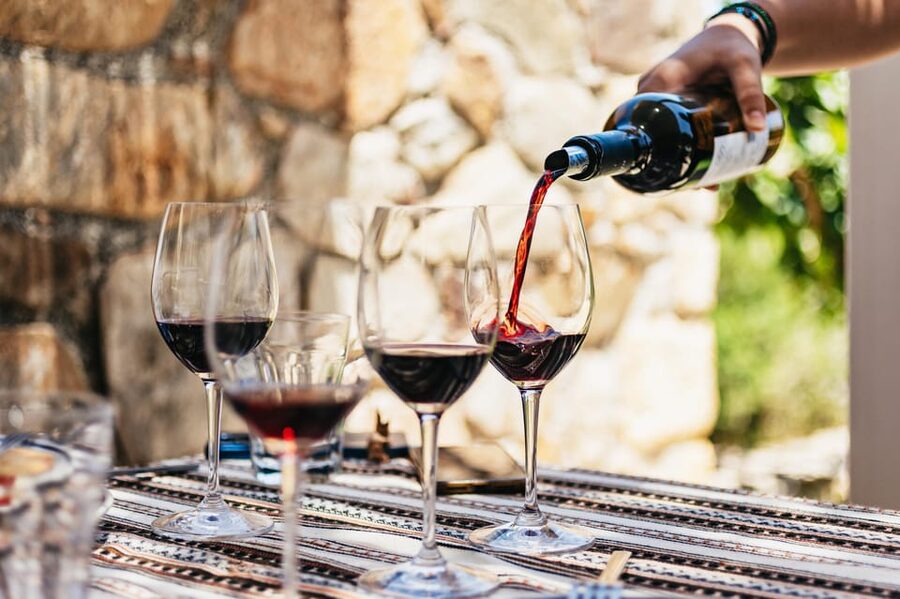
The wine count is generous. Several descriptions of the day point to five wines at the first main tasting and another five at the second winery, although the exact lineup may change. That is a lot of wine for a half-day tour, so pace yourself. You do not need to finish every glass to enjoy the tasting, and water is important between samples.
The winery hosts are part of the appeal. The explanations cover the grape varieties, farming choices, and production methods, rather than stopping at a quick pour and a sales table. One useful point from the experience is the lack of pressure to buy. You can purchase bottles or olive oil if something catches your taste, but the visit does not appear built around forcing sales.
The ancient olive tree in a traditional village
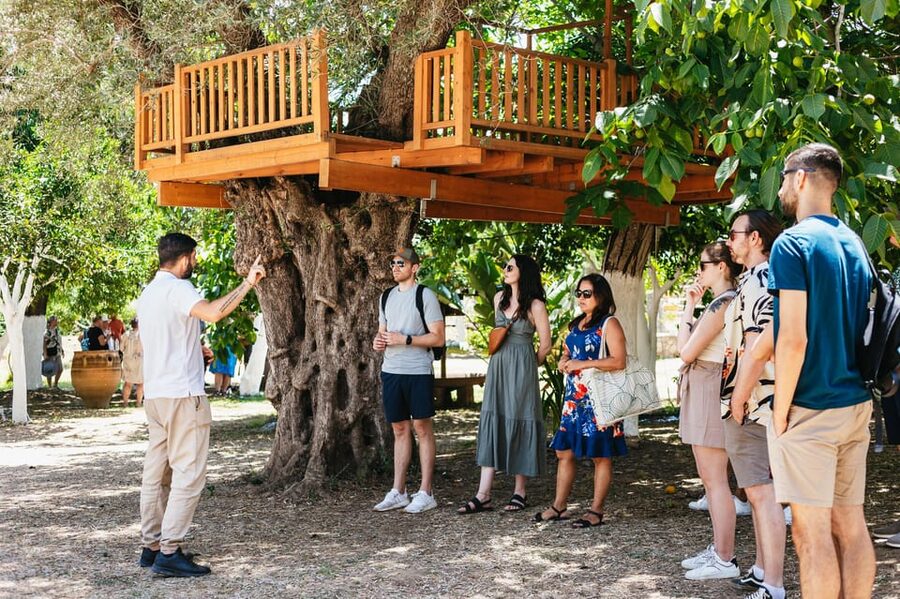
The olive tree stop gives the day a welcome change of rhythm. Instead of another glass and another explanation indoors, you visit a traditional village and see an olive tree estimated to be about 3,000 years old.
The tree is commonly described here as the oldest olive tree in the world. Since its exact age is an estimate, take the number as a historical calculation rather than a birthday recorded on a plaque. Still, seeing a living tree that may have endured for thousands of years puts Crete’s olive culture into perspective.
This is one of the most memorable stops because it connects the product in your tasting glass with the old agricultural life of the island. Olive oil is not simply a modern export or a restaurant ingredient. It has been part of daily Cretan life for generations.
The stop is also a useful break from the tasting schedule. You can walk around, take photographs, and hear about older methods of extracting oil. Do not expect a long archaeological visit or a major museum. The appeal is the tree itself, the quiet village setting, and the link between the ancient past and the working farms you see on the road.
How Cretan olive oil reaches your table
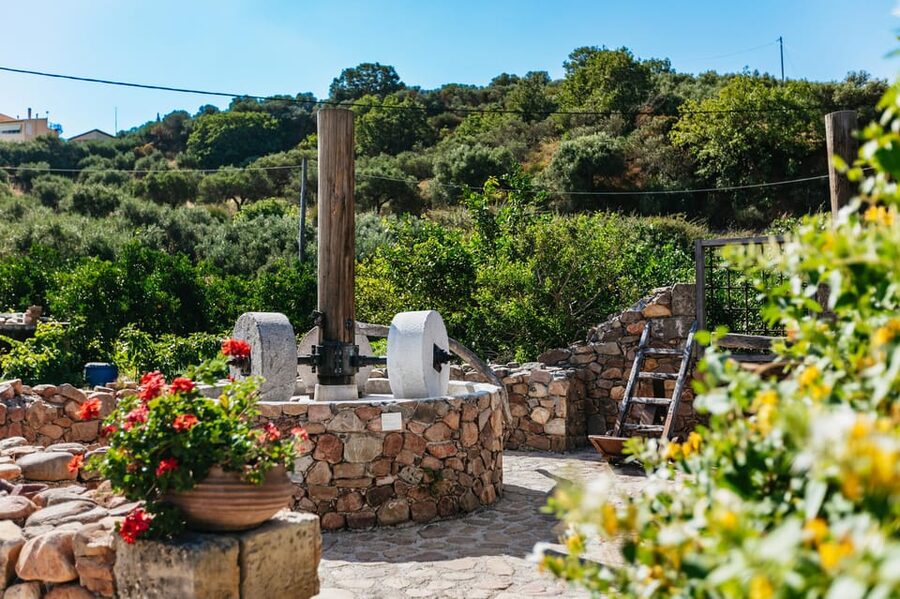
The olive oil factory is one of the most worthwhile parts of the tour, especially if you normally use olive oil without thinking about how it is made. You learn about extra virgin olive oil production and see how modern work connects with older local methods.
The tasting usually includes more than one oil, allowing you to compare flavor and texture. Local products and snacks accompany the tasting, and wine may also be served at this stop. The food is meant to support the tasting rather than replace a full restaurant lunch.
Several people have praised the olive oil as excellent, and one person bought bottles despite limited luggage space. That is a fair warning: you may find something you want to take home. Check your airline and baggage rules before buying large bottles, and remember that glass adds weight quickly.
The factory visit has practical value because it teaches you what to notice. You can pay attention to the oil’s aroma, bitterness, peppery finish, and balance. The guide or host can explain how extra virgin oil differs from other grades and why production methods matter.
The olive oil stop also helps justify the $141 price. If the tour only included a few glasses of wine, the cost would feel high. With factory access, oil tasting, transport, winery visits, and food, the price becomes easier to defend, especially for visitors without a rental car.
More olive oil tastings in Greece:
- Crete: Full-Day Cretan Wines, Olive Oil, Raki and Food Tour
★ 5.0 · 264 reviews - Rethymno: Private Winery & Olive Oil Tasting Tour with Lunch
★ 5.0 · 56 reviews - Sorrento Farm and Food Experience including Olive Oil, Limoncello, Wine tasting
★ 5.0 · 2,524 reviews - Sorrento: Lemon, Olive Oil and Wine Tasting Tour with Lunch
★ 5.0 · 300 reviews
The second winery and the white wine blend
A second winery in the Kissamos region gives the day a different setting and another chance to see how local producers work. The visit includes a special white blend using Vilana, Vidiano, and Assyrtiko.
That combination is useful for anyone trying to understand Cretan wine. Vilana and Vidiano are associated with Crete, while Assyrtiko is strongly linked with Greece more broadly. Tasting them together shows how a winery can mix local identity with a wider Greek wine tradition.
The vineyard walk adds another outdoor moment. You may stroll among the vines, look across the hills, and see how different the winery setting feels from the olive factory. The atmosphere has been praised as beautiful and relaxed, with friendly hosts who explain the wines clearly.
Snacks served with the wine can include local cheeses and other Cretan products. The amount of food varies in people’s experience. Some found it delicious and sufficient for a light lunch, while one person wanted more food to balance the amount of wine. I would treat this as a tasting lunch, not a full meal.
Vegetarian and vegan arrangements have been accommodated when requested in advance. If you have dietary needs, tell the operator before the day rather than waiting until you sit down.
Ending with Tsikoudia
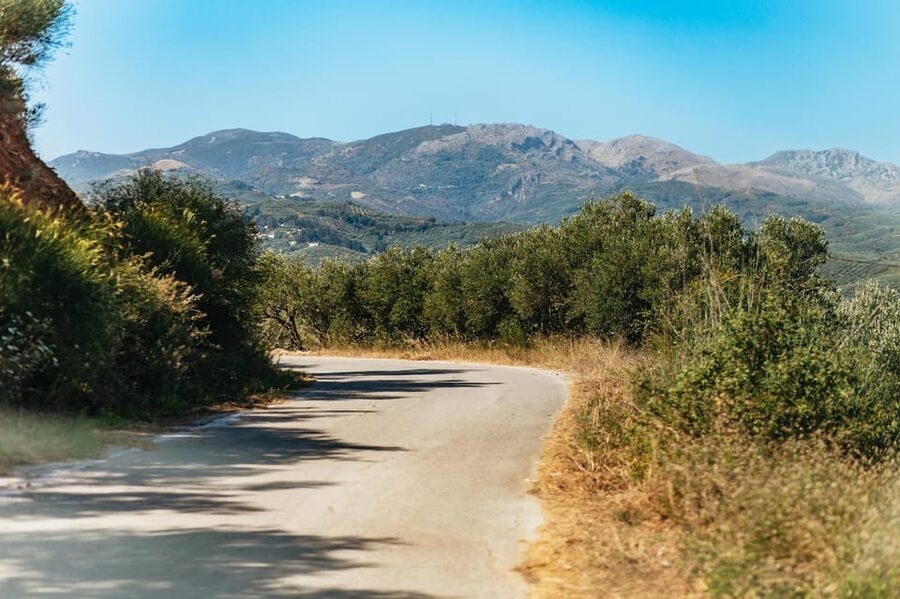
The Cretan goodbye comes in the form of Tsikoudia, a local spirit traditionally served at the end of a meal or visit. Here it functions as the final toast before the ride back to Chania.
Tsikoudia is stronger than the wines served earlier, so this is the point to be sensible. The day already includes a substantial number of samples, and the return journey is more pleasant if you keep your pace steady. You can enjoy the ritual without treating every pour as a challenge.
The final toast also captures the social character of the tour. This is not a silent tasting where you move from counter to counter. You share food, compare impressions, and spend time with the guide and the people running the wineries and olive mill.
Guides, vehicles, and the pace of the tour
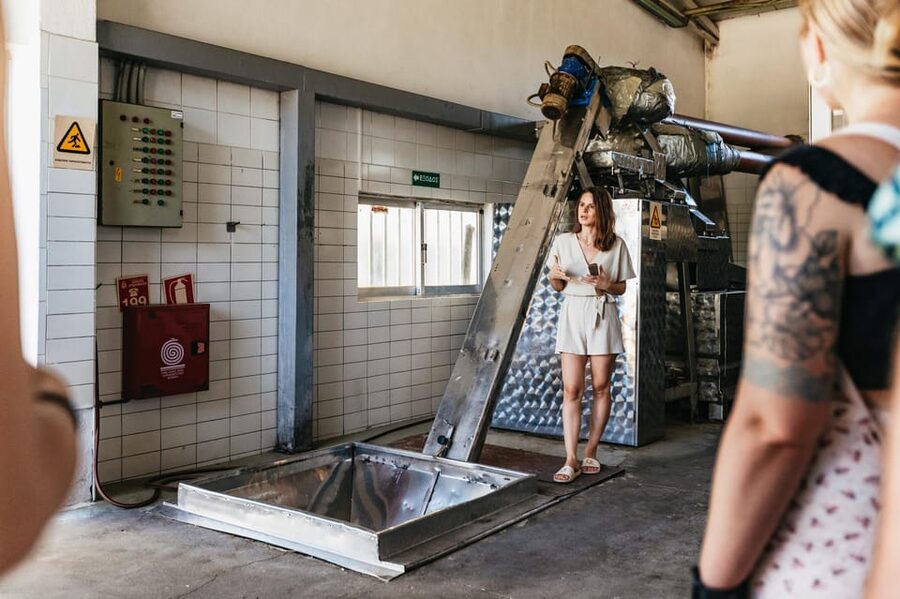
The guide can make or break a tasting day, and this experience has a strong record in that department. Andreas has been praised for his wine knowledge, local background, humor, and driving. Alex has been described as patient and friendly, while Kostas has earned praise for his easygoing manner and stories about Cretan life.
The guide’s role is wider than pouring wine. You depend on this person for pickup, road navigation, translation when needed, timing, local context, and the practical details of each stop. A good guide also watches the group’s pace and makes the experience comfortable for people who know little about wine.
Some departures are small, which makes it easier to ask questions and talk with the hosts. One particularly quiet departure became an almost private outing for two people, though you should not book expecting that arrangement. Group size can vary.
The schedule lasts six hours, including transport. It is active without being a strenuous walking tour. You will walk through vineyards and village areas, but the focus is tasting and learning rather than hiking.
Who gets good value from $141?

I think the price makes the most sense for you if you are staying in Chania without a car and want a carefully arranged day outside town. Renting a vehicle, finding the wineries, choosing a sober driver, and paying separate entrance and tasting fees can quickly reduce the apparent difference.
It also suits anyone who enjoys food and drink but is not already a wine expert. The guide and winery hosts explain the basics in a friendly way, and the selection of local and international grapes gives you plenty to compare.
Solo visitors can fit in well, especially on a small departure. Couples and friends will appreciate the easy social setting, while families should note that children must stay with an adult and anyone under 18 cannot take part in wine tasting. Children are offered water or fresh orange juice instead.
The tour is less suitable if you want a long, technical wine seminar, a full restaurant lunch, or a day with plenty of free time. It is also not the right pick if you dislike organized transport or tasting several drinks on a fixed schedule.
The operator can change small parts of the program when weather or other conditions require it. The stops may not always happen in the same order, so keep some flexibility.
Practical tips before you go
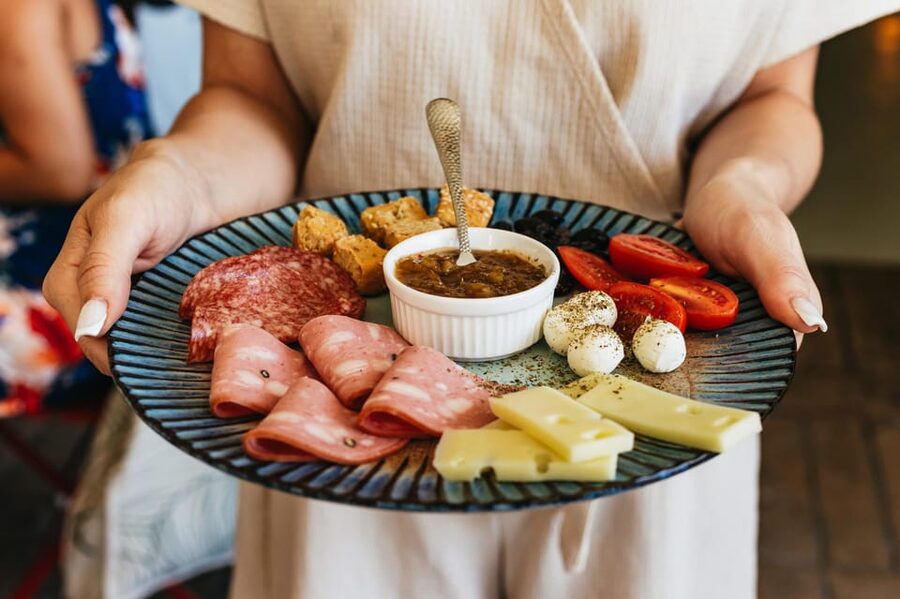
Bring your passport or ID card, as requested for the activity. Wear comfortable shoes for the village, olive mill, and vineyard stops, and bring water for the road and tastings.
Do not arrive hungry, but do not expect a large meal either. The snacks and local foods are useful with the wine, yet the day is built around sampling rather than dining.
If you want to buy olive oil or wine, leave room in your luggage or plan how you will carry bottles home. Also, do not feel obliged to finish every pour. The quality of the day improves when you taste carefully and stay comfortable.
The tour is offered in English. Free cancellation is available up to 24 hours before departure, and you can reserve now and pay later, which helps if your Chania plans are still shifting.
Should you book this Chania wine tour?
I would book it if you want a well-organized introduction to Cretan wine and olive oil without driving. The ancient olive tree, family producers, local snacks, and wide range of wines give the day more substance than a simple tasting-room visit.
At $141, it is a considered purchase, not an automatic bargain. Book it for the access, transport, guide, and variety. Skip it if you mainly want a cheap meal or a slow afternoon at one winery. For most food-minded visitors with six hours to spare, this is a polished and genuinely local-feeling day outside Chania.
FAQ
How long does the wine and olive oil tour last?
The tour lasts six hours, including the visits, tastings, transport, and return to Chania.
What is the price?
The listed price is $141 per person.
Is pickup from Chania included?
Yes. Pickup and drop-off are included from specific locations in the Chania region. Pickup may begin 30 to 60 minutes before the tour departure time.
What wines can I taste?
The tastings can include local Vidiano, Muscat of Spina, Vilana, and white wine blends with Assyrtiko. International varieties can include Grenache rouge, Syrah, and Mourvèdre.
Is olive oil tasting included?
Yes. The tour includes a visit to a local olive oil factory and tastings of extra virgin olive oils and local products.
Will I see an ancient olive tree?
Yes. The program includes a traditional village stop to see an olive tree estimated to be about 3,000 years old.
Is food included?
Light lunch or snacks are included. These can include local cheeses and other products served with the tastings. The food should be treated as a light meal rather than a full restaurant lunch.
Can children join the tour?
Children can join when accompanied by an adult, but wine tasting is not allowed for anyone under 18. Water or fresh orange juice is offered instead.
What should I bring?
Bring a passport or ID card. Comfortable shoes and water are also sensible for the village, olive mill, and vineyard stops.
Just added in Greece
- Walking “Food tasting tour” in the town of Chania★ 5.0 · 297 reviews
- The Delicious Chania Street Food Tour★ 5.0 · 138 reviews
- Sunset Craft Beer & Food Tour – Chania Old Port★ 5.0 · 86 reviews
- Cruise Ship Guest Beer & Food Tour – Chania Old Port★ 5.0 · 26 reviews
- Chania Walking Food And Wine Night Tour★ 4.5 · 31 reviews
- Chania Walking Food Tours Crete with a local!★ 4.5 · 61 reviews
- Eat & Crete Food Tour [non-touristy] Chania Villages★ 5.0 · 25 reviews
- Gastronomy tour and wine tasting in traditional villages★ 5.0 · 32 reviews
Wine Tours, compared.

Winner 2025 Undiscovered Lisbon Food & Wine Tour by Eating Europe
Read our review →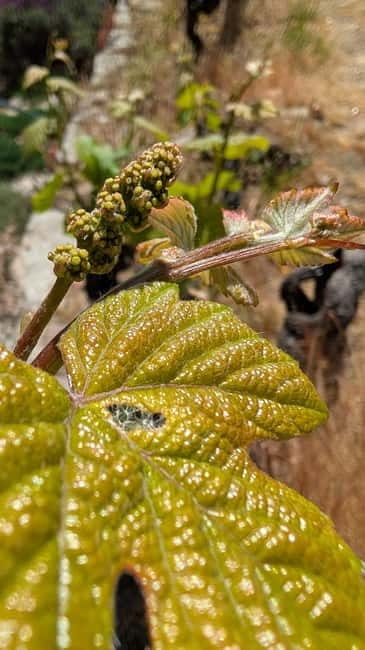
Winner 2025 Florence Sunset Food & Wine Tour by Eating Europe
Read our review →
Authentic Parisian Gourmet Food Tour with 10 Local Dishes & Wines
Read our review →
Tapas Walking Tour with Food, Wine, and History
Read our review →
Lisbon Small-Group Portuguese Food and Wine Tour
Read our review →
Browse the lists this tour appears in