REVIEW · TOURS
Oslo: Grünerløkka Food & Culture Walking Tour
Oslo tastes better beside its old factory river. This 2.5-hour walk pairs generous Norwegian tastings with the story of Grünerløkka, a former working-class district now filled with cafés, art and independent shops. I like the way the tour connects food with place, especially along the Akerselva, and I like that the portions are substantial enough to replace lunch. The main drawback is that the food leans sweet at points, and some people may prefer more small tasting stops rather than several filling servings.
The route covers roughly 2 kilometers at an easy pace, beginning at Mathallen Oslo and moving through Vulkan, along the river and into Grünerløkka. Guides such as Shaf, Christian, Alicia and Katerina have received especially warm praise for their humor, patience and local insight. Bring a coat or rain layer, though, because the walk runs in all weather.
Key points at a glance
- Norwegian wild game comes first: Expect reindeer, moose and venison, along with minke whale, brunost, flatbread and lingonberries.
- Mathallen is the starting point: You meet in the main courtyard, not beside the river bridge, at the entrance marked with large black 1908 numbers.
- The walk explains Grünerløkka’s change: Old industry, working-class housing and river power give context to the district’s current food and art scene.
- The food is filling: A wild game stew, salmon and lefse, waffle, cocoa and other tastings add up to much more than a nibble.
- The route includes Akerselva and BLÅ: You get riverside views, waterfalls and a look at one of Oslo’s better-known cultural venues.
- Dietary requests need planning: Vegetarian, alcohol-free and gluten-free options are available with advance notice.
Starting at Mathallen’s correct entrance
Mathallen Oslo is an indoor food hall in the Vulkan complex, and it is a good place to arrive early. The meeting point is the main courtyard entrance at Vulkan 5, marked by the red brick building and large black 1908 numbers above doors labeled MATHALLEN OSLO.
Pay attention here. This is not the side entrance near the bridge over the river. Do not wait where Mathallen appears in red letters on the opposite side. Your guide waits outside the courtyard entrance, so arriving five to ten minutes early saves a chilly or hurried search.
The food hall gives the tour a useful opening setting. Vulkan was shaped by industry, and the hall now gathers food businesses in a former industrial area. The tour begins with food and drink here before heading outside, so you can see how Oslo has reused old working spaces for modern dining.
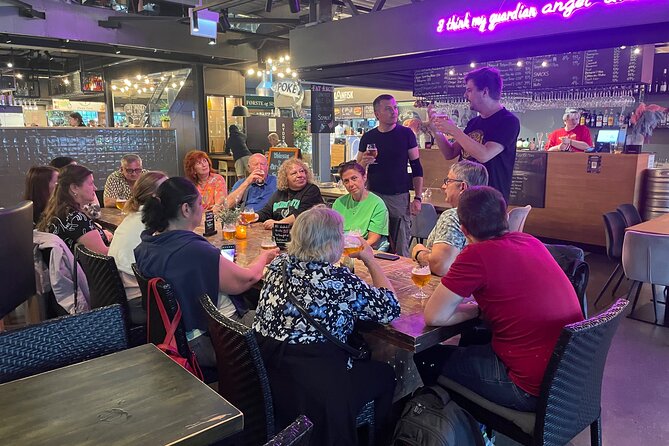
The first serving is a Nordic tasting platter. Depending on the day’s arrangements, you can expect minke whale, reindeer, moose, brunost, flatbread and lingonberries. It is an unusual first course, especially if Norwegian food is new to you. You get a quick lesson in the country’s use of game, preserved flavors, mild dairy and tart berries.
The tour also includes a craft beer or a local soft drink. The alcohol-free choice is available, and the minimum age for alcohol is 18. The drink adds a social pause rather than functioning as a full beer tasting, so do not expect several pours.
A few more food tours in the world worth a look
- Reykjavik Food Walk – Local Foodie Adventure in Iceland
★ 5.0 · 18,952 reviews - Ho Chi Minh City Street Food Tour & Sightseeing By Motorbike
★ 5.0 · 9,413 reviews - Tokyo: Shinjuku Food Tour (13 Dishes at 4 Local Eateries)
★ 5.0 · 6,603 reviews
Wild game stew and a full Norwegian meal
The meal at or near Mathallen is one of the strongest parts of the experience. A creamy wild game stew combines reindeer, moose and venison with mashed potatoes and berries. This is real food, not a decorative spoonful, and it helps explain why the tour can replace lunch for many people.
The stew is also a useful contrast to the lighter items later. Norwegian cuisine is often associated with salmon, cheese and waffles, but game meats show another side of the country’s food traditions. Reindeer and moose are not simply there for novelty. They reflect northern and rural food customs, while the creamy sauce and potatoes make the dish familiar and comforting.
The serving size is worth considering when you book. Some food tours offer many tiny samples and leave you searching for lunch afterward. This one takes the opposite approach. You get fewer main stops, but the food is often served in full or near-full portions. That is good value in Oslo, where eating out is costly, though it can feel heavy if you have already eaten.
Walking beside the Akerselva
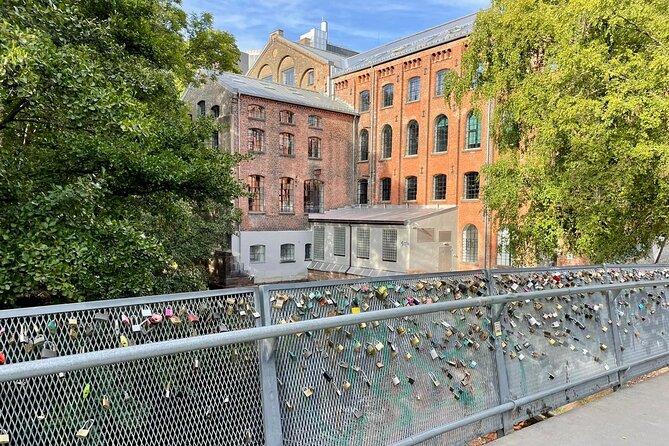
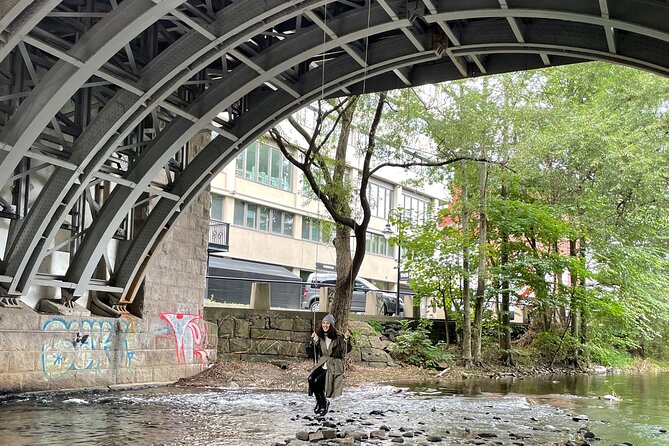
After the opening food stops, you leave Vulkan and follow the Akerselva river for about 30 minutes. The river gives the tour a welcome change of pace. You are not simply walking between restaurants. You are seeing the waterway that helped support Oslo’s industrial growth.
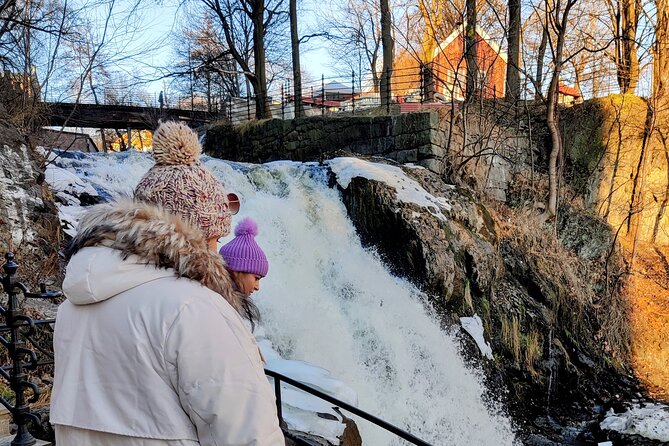
The route passes scenic stretches and local landmarks, with waterfalls included along the way. The walk is easy, but it is still a walk, so comfortable shoes matter. The total distance is about 2 kilometers, and the pace is designed for conversation rather than exercise.
This is where the tour’s culture side earns its place. Grünerløkka’s current cafés, galleries, bars and street art make more sense once you understand that the area was once tied to factories and working-class homes. The district is close to central Oslo, yet the mood changes quickly. It feels more residential, informal and independent than the main center.
A guide can also point out details you might pass without context. Shaf, for example, has been praised for explaining how the neighborhood’s earlier economic life connects with Norway today. Christian has been singled out for combining city history with a friendly, relaxed style. The quality of the tour depends heavily on who leads your group, but the format gives a good guide plenty to work with.
Grünerløkka’s food stops and changing character
Once you reach Grünerløkka, the tour returns to tasting. One stop includes a salmon and lefse wrap with cream cheese, a familiar Norwegian combination. Lefse is soft and mild, while the salmon brings the salt and richness. It is easy to eat while standing or walking, and it gives you a more everyday taste than the wild game platter.
You may also stop for a hot chocolate or iced cocoa near the Freia Chocolate Factory. This is a pleasant detail for anyone with a sweet tooth, but it is worth knowing that the drink may feel too warm or rich on a sunny day. One group suggested that a cold alternative would have suited a warm spring afternoon better.
The tour can also include a cinnamon bun or similar sweet stop, followed later by a waffle. That is where the balance becomes less certain. Some people will love the progression from cocoa to pastry to waffle. If you prefer savory food, the sweet emphasis may seem like too much, particularly after a substantial stew.
The point is not to treat every item as a formal restaurant course. Instead, the food gives you small windows into Norwegian habits. Salmon and lefse show a common national pairing. Cocoa connects with local chocolate culture. Brunost, or brown cheese, brings a distinctly Norwegian flavor that is sweet, salty and caramel-like.
Same city, a different table:
- Winner 2025 Undiscovered Lisbon Food & Wine Tour by Eating Europe
★ 5.0 · 6,390 reviews - Hanoi: Guided Food Tour with Train Street Visit
★ 4.9 · 6,239 reviews - New Orleans Food Walking Tour of the French Quarter with Small-Group Option
★ 5.0 · 6,118 reviews - Winner 2025 Rome Twilight Trastevere Food Tour by Eating Europe
★ 5.0 · 5,157 reviews
The Norwegian waffle finale

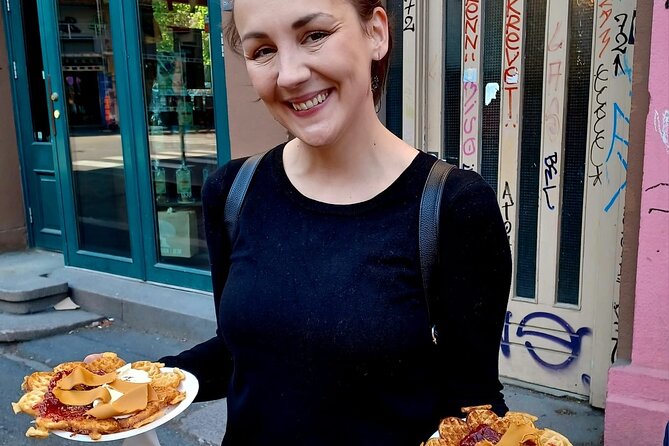
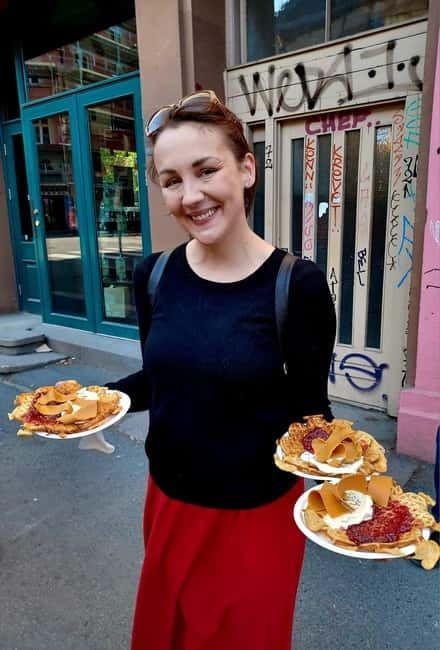
The heart-shaped Norwegian waffle is likely to be the most memorable stop for many people. It comes with brunost, rømme and raspberry jam. Rømme is a sour cream-style topping, and the combination works because the tangy cream and tart berries cut through the sweetness of the brown cheese and waffle.
This is not the thick, crisp Belgian style found in many countries. The heart shape and soft texture make it feel more like a home-style Norwegian treat. The waffle stop also comes with a story about Oslo’s waffle tradition, which gives the final tasting a little more meaning than a simple dessert break.
Gluten-free waffles can be arranged if requested in advance. If you need vegetarian food, alcohol-free drinks or other changes, give notice when booking. Vegetarian options are available, but the standard menu is built around game meats, salmon and cold cuts, so do not wait until the first stop to explain your needs.
BLÅ, street art and the creative side of the district
The walk includes a stop near BLÅ, a well-known cultural venue in Grünerløkka. The area around it helps show the district’s creative present: music, art, alternative nightlife and independent businesses layered onto an older industrial setting.
The amount of street art you see can vary with the exact route and the day’s timing. The tour description highlights colorful murals, but one visitor felt the street art was not given enough attention. I would treat the art as part of the walk rather than the central subject. If murals are a top priority, leave time to explore Grünerløkka on your own afterward.
There may also be brief waiting periods between stops. On one occasion, the group spent some time in a small park while waiting for the next food venue. That is not a serious flaw, but it can interrupt the rhythm if you expect a tightly timed succession of tastings.
The route is at its best when the guide uses these pauses to explain the neighborhood. Alicia has been praised for answering many questions about daily life in Oslo, while Katerina has been appreciated for pointing out extra places worth returning to. A small group makes this easier. Several bookings have had only two or three participants, creating a relaxed conversation instead of a march behind a flag.
What the $166 price really includes
At $166 per person, this is an expensive walking tour. Norway is expensive in general, and the price includes all scheduled food, the guide and one craft beer or local soft drink. You are not paying only for a guided stroll. You are also paying for a substantial amount of food and for arranged access to several local venues.
The value is strongest if you plan to use the tour as lunch. The platter, stew, wrap, cocoa, pastry and waffle can add up to a full afternoon of eating. If you would normally buy a meal, several drinks and a dessert in Oslo, the difference becomes less dramatic.
The value is weaker if you want a classic food crawl with many restaurants and lots of independent ordering. There are not endless stops, and extra food or drinks are not included. Some people also find the food selection less varied than expected, especially if they hoped for more savory dishes or traditional open sandwiches.
I would compare the cost with what you want from the experience. For an introduction to Norwegian ingredients and Grünerløkka’s background, it is reasonable for Oslo. For a cheap way to fill up, it is not.
Weather, timing and group comfort
The tour lasts about 150 minutes and operates in all weather. Oslo weather can change quickly, so wear waterproof layers and shoes that handle wet paths. You will move between indoor food venues and outdoor river paths, and there is no promise of a dry route.
The walking is easy, but the food schedule means you should not eat a large meal before arriving. The tour is suitable for people who want a gentle city walk rather than a strenuous outing. Wheelchair access is available, though the exact ease of every riverside section can depend on conditions and the route used that day.
English is the tour language. The guide’s personality matters a great deal, since much of the value comes from questions, stories and explanations between tastings. Shaf has been praised for patience with groups who ask many questions, while Christian has been appreciated for his storytelling and friendly manner.
The tour requires at least two participants to operate. If that minimum is not reached, you can receive a full refund or move to another date. Free cancellation is available up to 24 hours before departure, and you can reserve now and pay later.
Who should book this Oslo food walk?
I would book this tour early in an Oslo visit if you want a practical introduction to Norwegian food and a neighborhood beyond the main center. It gives you a useful map of Grünerløkka, and the guide can point out places you may want to revisit for a drink, snack or second waffle.
It suits curious eaters who are willing to try game meats and minke whale. It also works well for couples, families with older children, and small groups who enjoy asking questions. The tour is especially good for anyone who wants food tied to local stories instead of a series of unrelated tastings.
You should think twice if you dislike sweet foods, avoid meat and fish, or want a rapid tour with a large number of stops. Vegetarians can be accommodated with advance notice, but the standard experience gives considerable attention to game and salmon. If you want to focus mainly on street art, this is not the most reliable way to see every mural.
Final verdict on the Grünerløkka food tour
I would recommend it for a first or second day in Oslo, especially if you want lunch, orientation and local context in one outing. The best parts are the wild game stew, the Akerselva walk, the relaxed guide-led storytelling and the chance to see how an old industrial district became a center for food and culture.
The tour is not perfect. The sweet stops may outnumber the savory ones for your taste, the street art portion can be modest, and $166 is a serious price. Still, the food is plentiful, the route covers ground you might otherwise skip, and a good guide can turn Grünerløkka from a fashionable district into a place with a clear story. If that mix sounds right, book it, arrive hungry and wear a rain jacket.
FAQ
Where does the tour meet?
Meet outside the main courtyard entrance of Mathallen Oslo at Vulkan 5, 0178 Oslo. Look for the red brick building with large black 1908 numbers and the doors marked MATHALLEN OSLO.
Is the meeting point beside the river bridge?
No. The correct entrance faces the open square in the Vulkan complex, next to Dansens Hus and a tall brick chimney. The side entrance near the river bridge is not the meeting point.
How long is the tour?
The tour lasts approximately 150 minutes, or 2.5 hours.
How much walking is involved?
The route includes about 2 kilometers of easy walking through Vulkan, beside the Akerselva and around Grünerløkka.
What food and drinks are included?
Included tastings can include a Nordic platter with minke whale, reindeer, moose, brunost, flatbread and lingonberries; wild game stew; salmon and lefse; cocoa; a Norwegian waffle; and one craft beer or local soft drink.
Can dietary requirements be accommodated?
Vegetarian and alcohol-free alternatives are available with advance notice. Gluten-free waffles can also be arranged on request.
Does the tour run in bad weather?
Yes. The tour operates in all weather, so dress appropriately for outdoor walking.
Just added in the world
- Copenhagen Private Culinary Food Tour with 6 Tastings of Classics★ 5.0 · 42 reviews
- Copenhagen Private Food Walking Tour with 6 or 10 Tastings★ 4.5 · 177 reviews
- Copenhagen Food & Drink Private Tour: Scandinavia Delight Tasting★ 5.0 · 236 reviews
- Copenhagen Modern Food Tour★ 5.0 · 32 reviews
- 3-hour Culinary Bike Tour in English★ 5.0 · 235 reviews
- Copenhagen Best of Danish Pastry Tasting Tour★ 5.0 · 30 reviews
- Classic 3-Hour Food Tour in Colorado Springs★ 5.0 · 408 reviews
- COLOMBO PRIVATE CITY TOUR WITH street food( All inclusive )★ 4.0 · 40 reviews
Tours, compared.
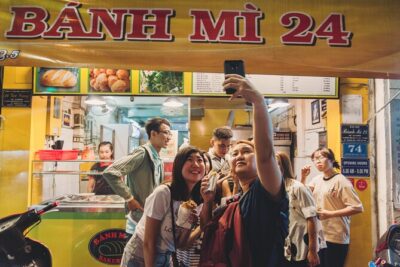
Ho Chi Minh City Street Food Tour & Sightseeing By Motorbike
Read our review →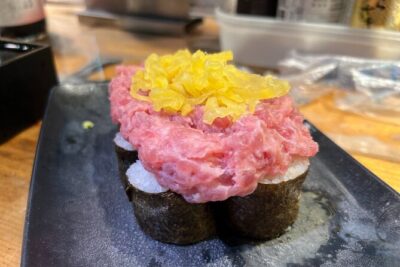
Shinjuku Food Tour (13 Dishes at 4 Local Eateries)
Read our review →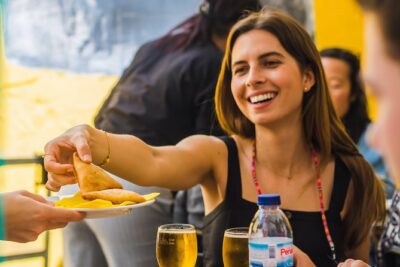
Winner 2025 Undiscovered Lisbon Food & Wine Tour by Eating Europe
Read our review →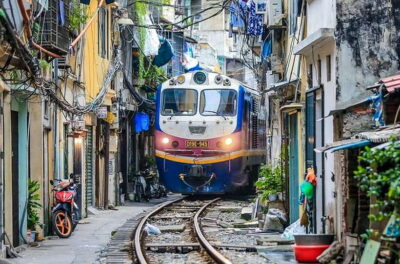
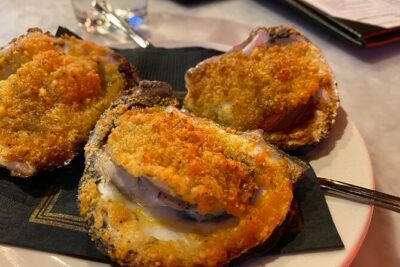
New Orleans Food Walking Tour of the French Quarter with Small-Group Option
Read our review →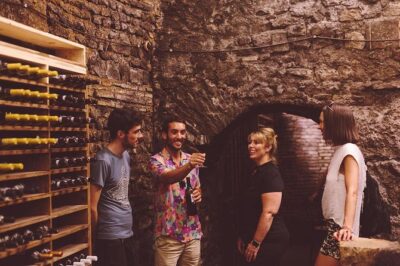
Winner 2025 Rome Twilight Trastevere Food Tour by Eating Europe
Read our review →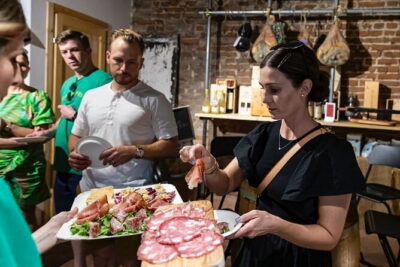
Winner 2025 Florence Sunset Food & Wine Tour by Eating Europe
Read our review →