
REVIEW · PARIS FOOD TOURS
Paris: Montmartre Food Tour with Full Meal
Montmartre tastes better one bite at a time. This three-and-a-half-hour walking tour pairs generous French tastings with a local guide’s stories, moving from the Moulin Rouge through Rue Lepic, Place des Abbesses, Place du Tertre, and up to Sacré-Cœur. I like the mix of sweet and savory food, and I like that the route shows more than the postcard version of Montmartre. You get neighborhood cafés, historic eateries, small food stops, and the famous hill itself.
The main thing to consider is the walking. Montmartre rises and falls, with uphill and downhill stretches, so comfortable shoes are essential. The tour is not suited to people with mobility impairments, and the food schedule can change with the season and the availability of local partners. You may also hear the guide speak in both English and French during the experience.
Key points to know before booking
- Four or more food stops: Each stop includes at least one serving, and the combined portions can add up to a full meal.
- A classic Montmartre route: Walk from the Moulin Rouge to Sacré-Cœur through Rue Lepic, Place des Abbesses, Place du Tertre, and Rue du Chevalier-de-La-Barre.
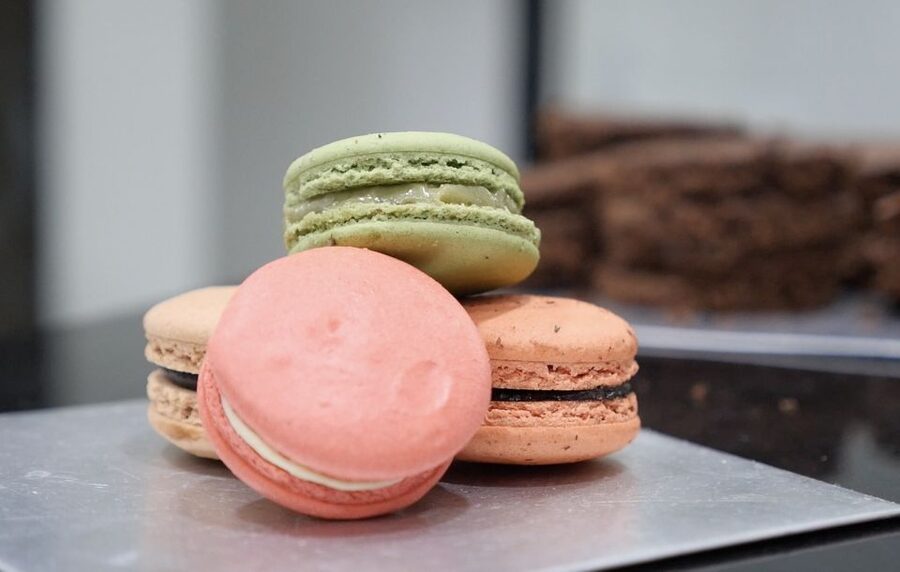
- Sweet and savory balance: Possible tastings include boeuf bourguignon, local cheese, crêpes, macarons, and chou pastries.
- Small groups: The tour operates with at least two people and accepts no more than 12, creating a more personal setting.
- Drinks included: You receive water and one alcoholic drink, with any extra drinks or food at your own cost.
- Strong guide-led experience: Guides such as Peter, Rocco, Lolla, Kevan, Marie, Hugo, and Zacaria have been praised for their storytelling, humor, pacing, and local tips.
Why food is the best way to meet Montmartre
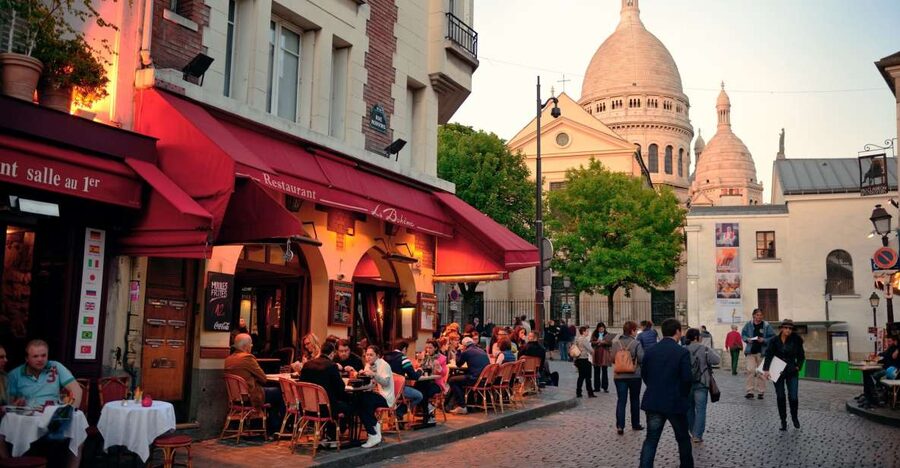
Montmartre can be easy to misread. You see the white domes of Sacré-Cœur, artists around Place du Tertre, and souvenir shops on the main streets. But the neighborhood makes more sense when you connect its streets with the food served along the way.
This tour uses food as a reason to move through the district. You are not sitting in one restaurant for three hours. Instead, you walk between stops, hear stories about the area, and sample dishes in different settings. That format gives you a better feel for how Montmartre works as a neighborhood.
I especially like the balance between familiar French specialties and less obvious treats. Macarons and crêpes are easy to recognize, but chou is less familiar to many first-time visitors. This small puff pastry, made with choux dough and sugar pearls, gives the tour a useful local surprise rather than simply repeating the most famous French foods.
The guides also add much of the value. Peter has been praised for explaining local points of interest at an easy pace. Rocco has a reputation for learning about the group and shaping his commentary around their interests. Lolla, described as a long-time Montmartre resident, brings local stories to the walk. Kevan is known for humor and energy, while Marie has been praised for her warmth and enthusiasm.
That variety matters. Food tours can feel mechanical when the guide only announces each dish. Here, the guide is also expected to explain recipes, neighborhood details, and the background behind the places you visit.
A few more food tours in Paris worth a look
- Authentic Parisian Gourmet Food Tour with 10 Local Dishes & Wines
★ 5.0 · 4,754 reviews - Montmartre Hill French Gourmet Food and Wine Tasting Walking Tour
★ 5.0 · 2,588 reviews - Devour Paris Ultimate Food Tour
★ 5.0 · 2,087 reviews
Starting at the Moulin Rouge and Rue Lepic
The meeting point is in front of the Moulin Rouge Ticket Office at 82 Boulevard de Clichy. This is a busy and recognizable starting point, but give yourself enough time to find the exact meeting spot. The tour begins at street level, then works its way into Montmartre.
Rue Lepic is one of the most useful early stops because it begins to move you away from the broad boulevard and into the neighborhood. The street is known for food shops, cafés, and the kind of local atmosphere that suits a tasting walk. Here, you can expect sightseeing and food in the same stretch rather than a long lecture before the first bite.
The exact food served here can vary. That is worth understanding before you book. The tour promises at least four food stops, but it does not promise one fixed menu. Seasonal ingredients and the opening schedule of partner businesses can change the choices.
This flexibility is a strength if you want a living food experience rather than a prepacked meal. It is a weakness if you need to know every dish in advance. The possible menu is broad enough to give you a good sense of French eating, but it should be treated as a guide to the experience, not a guarantee.
Place des Abbesses brings food and neighborhood life together
Place des Abbesses is one of Montmartre’s most appealing squares, and the tour includes both sightseeing and another tasting here. This part of the walk helps you see why the district feels different from central Paris. The streets are hilly and winding, and the square gives the route a natural pause between food stops.
You may find another sweet or savory bite here, depending on the day. The tour’s possible tastings include chou, macarons, cheese, crêpes, and boeuf bourguignon. That spread lets you compare delicate pastry with hearty cooking instead of eating several versions of the same thing.
The guide’s explanation is important at this point. You are told about the recipes and the places serving them, not simply handed a plate. A good guide can explain why a dish matters, how it is prepared, and how it fits into French food culture. The strongest comments about this experience praise exactly that combination of food and storytelling.
Families can also fit into the format. One guide received special praise for being patient with young children while still giving the adults useful local information. Another guide made an effort to choose food that suited both adults and teenagers. Still, the three-and-a-half-hour duration and the hill require some stamina, especially for younger children.
Place du Tertre adds the famous Montmartre setting
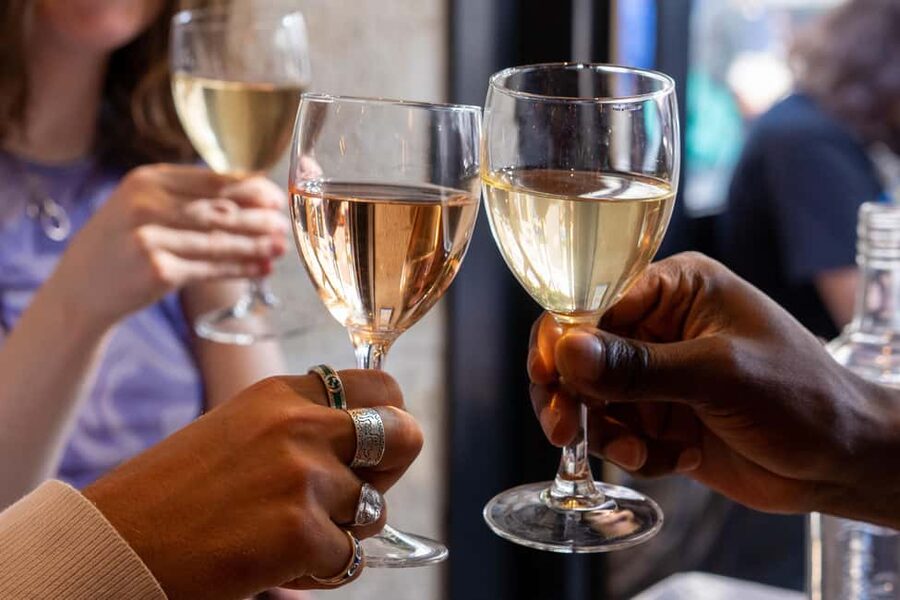
Place du Tertre is the part of Montmartre most closely tied to the neighborhood’s artistic image. It is also one of the busiest sections of the route, so this is where the small-group limit matters. With a maximum of 12 people, you should have a better chance of hearing the guide and staying together than you would in a large coach group.
The square gives the food stops a strong visual setting, but it can also be crowded. Keep your belongings close and stay aware of the group while moving between stops. Large bags and luggage are not allowed on the tour, which is sensible on narrow, busy streets.
This is also a good point to remember that the experience is a walking meal, not a formal restaurant dinner. You may stand for some tastings and sit for others. One detailed account described the format as a progressive dinner party, with enough time to sit and enjoy the food along the way. That is a useful expectation: you are eating in stages while the neighborhood provides the dining room.
Same city, a different table:
- Bateaux Parisiens Seine River Gourmet Dinner & Sightseeing Cruise
★ 4.5 · 6,930 reviews - Bateaux Parisiens Seine River Gourmet Lunch & Sightseeing Cruise
★ 4.5 · 2,680 reviews - Paris 3-Courses Gourmet Dinner Seine River Cruise with Champagne
★ 4.0 · 1,659 reviews - Paris Gourmet Dinner Seine River Cruise with Singer and DJ Set
★ 4.5 · 1,563 reviews
Rue du Chevalier-de-La-Barre and the savory heart of the tour
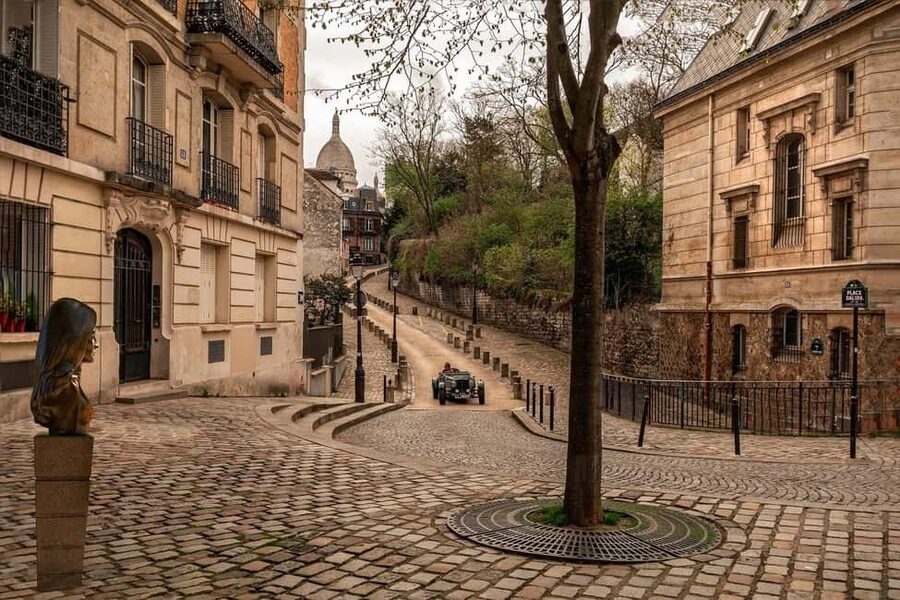
As the route continues toward Sacré-Cœur, Rue du Chevalier-de-La-Barre brings you closer to the basilica and some of Montmartre’s steepest sections. The street is part sightseeing stop, part food stop, and part transition toward the final landmark.
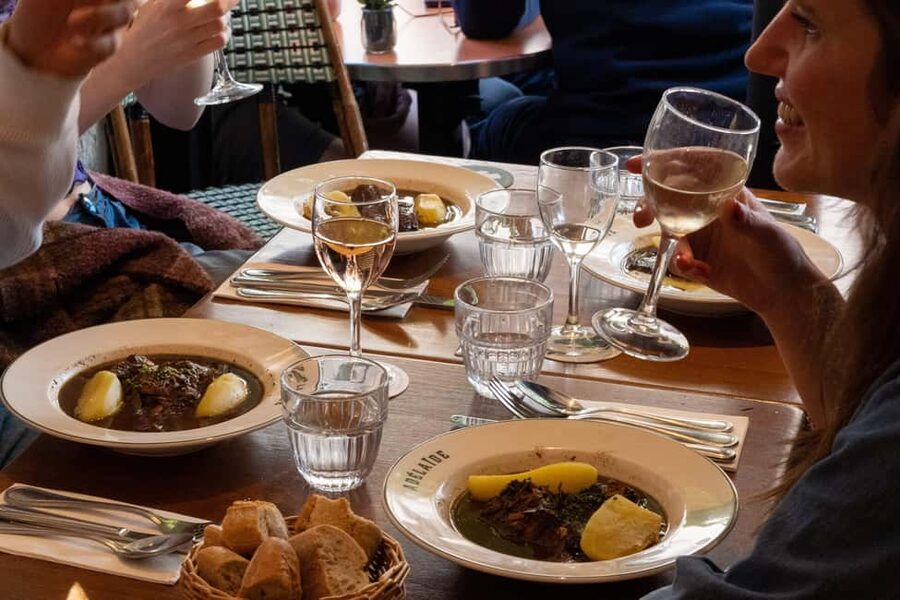
The possible main dish is boeuf bourguignon, a slow-cooked beef stew from Burgundy made with beef, red wine, vegetables, and herbs. It is the most substantial item in the possible menu and helps explain why the tour can function as a full meal rather than a series of tiny samples.
The portions appear to be more generous than the word tasting might suggest. Several comments describe the food as plentiful, and one family was almost too full to finish everything. I would eat lightly before arriving. You need enough appetite for the savory course, cheese, dessert, and drinks.
There is one practical caveat. One person found the beef dish could have been hotter. That is not a reason to avoid the tour, but it shows that a street-based, multi-stop meal may not have the consistency of a single restaurant kitchen. The food is selected through local partners, and timing can affect how a dish arrives.
Cheese, crêpes, macarons, and chou
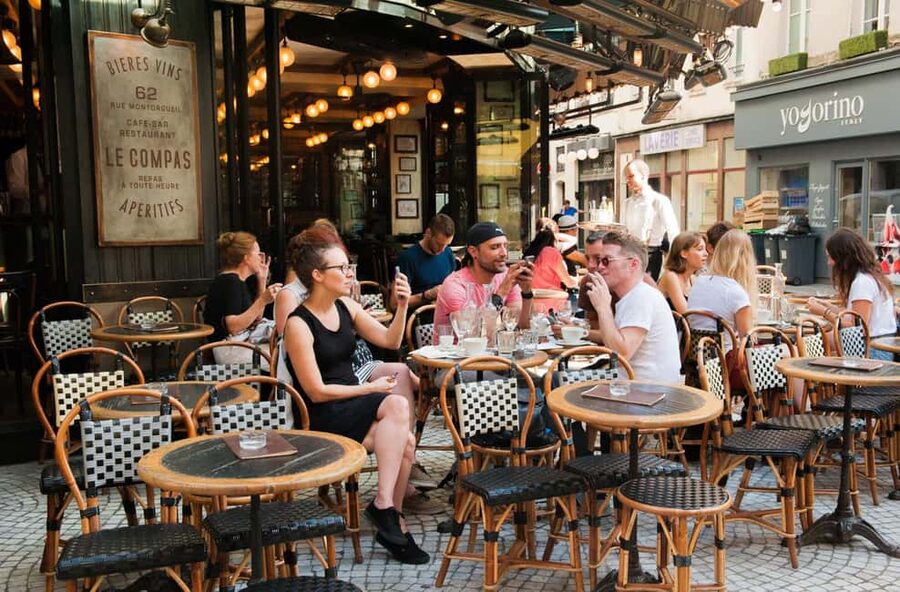
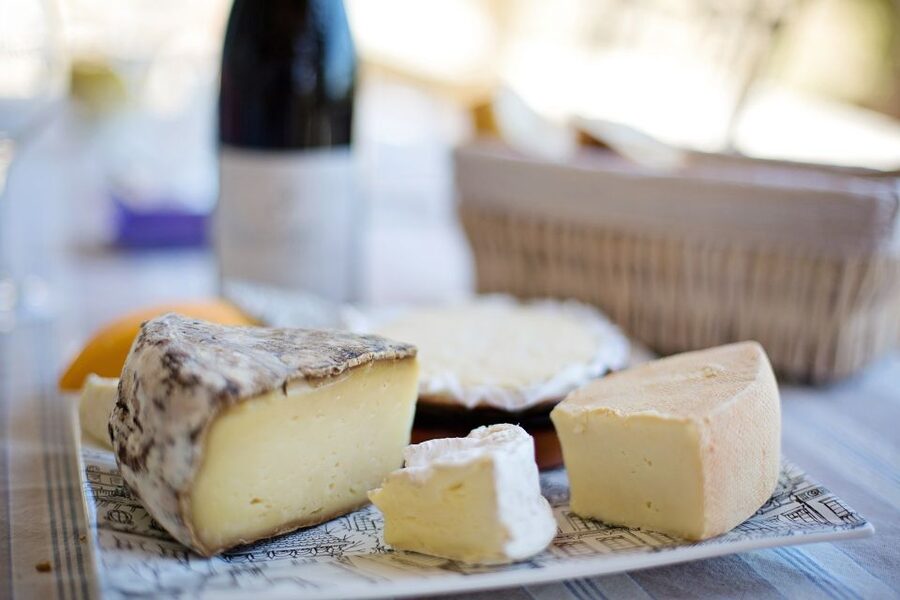
The traditional cheese mix is selected by a neighborhood cheese specialist. This gives the tour a chance to show French cheese as a group of different styles rather than one standard slice. The selection can vary, and the pleasure is partly in trying something you may not have ordered on your own.
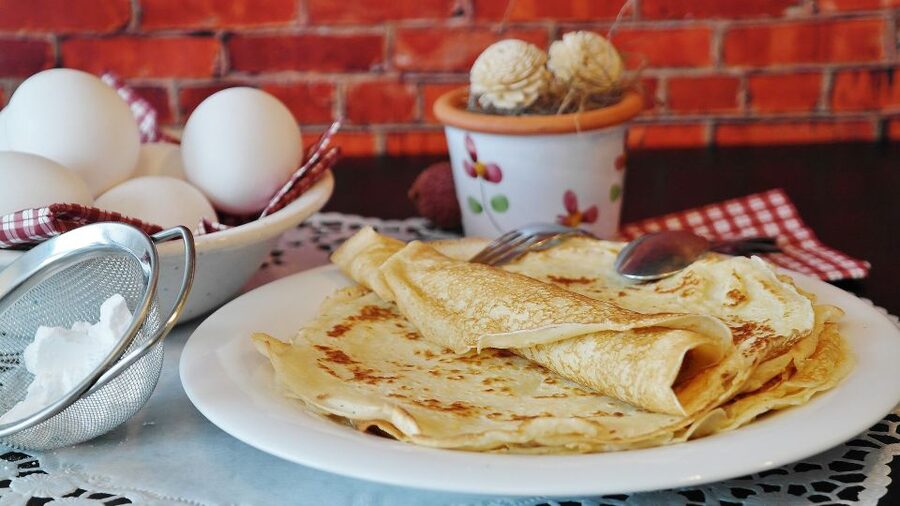
Crêpes provide a softer, sweeter finish. The tour describes them as thin and tender, with several popular sweet options to choose from. They are familiar, but that does not make them a poor choice. A well-made crêpe gives you a simple picture of French café food, and choosing your own topping adds a small personal touch.
Macarons are another likely sweet. These small round cakes use almond powder, sugar, and eggs, then bake until lightly golden. They are more delicate than a heavy dessert, which is helpful after a full savory portion.
Chou may be the most interesting pastry for anyone who has already tried macarons and crêpes. It is a small puff pastry made with choux dough and sugar pearls. The item is not as famous as the others, but it can be the kind of bite you remember because it is less expected.
The sequence is not fixed, and not every listed item is guaranteed. Still, the range is strong: one tour can move from a pastry to a stew, then to cheese, a crêpe, and macarons. That gives you a better picture of French eating than a tour built around only desserts.
Finishing at Sacré-Cœur
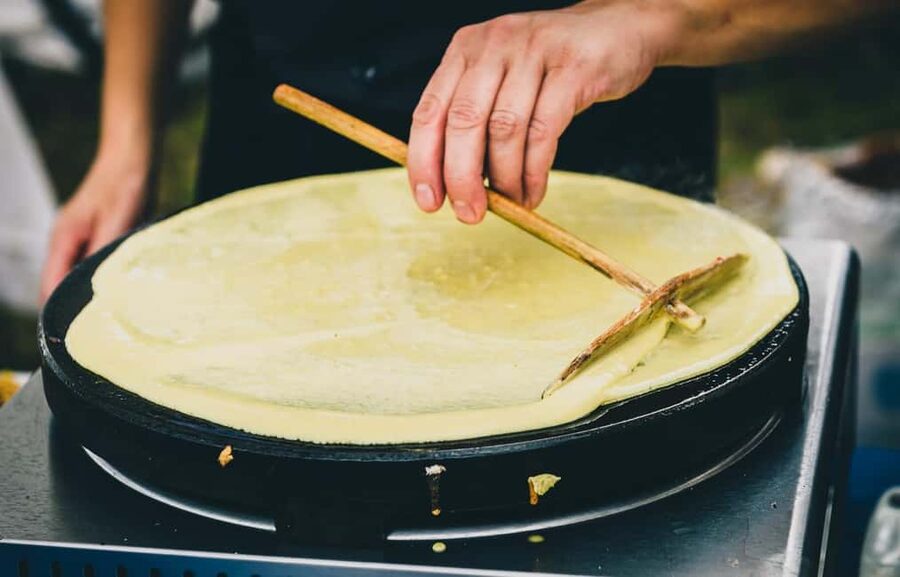
The tour finishes at the Basilica of Sacré-Cœur of Montmartre. This is a satisfying endpoint because it gives the walk a clear destination and leaves you near one of Paris’s best-known sights.
Do not think of the finish as a quiet, effortless stroll. Montmartre is a hill, and the final approach may be tiring after several tastings. The route includes both uphill and downhill walking, so shoes with good support matter more than style.
Ending at Sacré-Cœur also gives you freedom afterward. You can continue exploring the area, spend more time near the basilica, or make your way elsewhere in Paris. Hotel pickup and drop-off are not included, so you need to arrange your own transport before and after the walk.
What $117 buys you
At $117 per person, this is not a budget snack crawl. The value depends on how you use the experience.
You are paying for at least four food stops, a full meal’s worth of tasting, one alcoholic drink, water, a live guide, and three and a half hours of walking commentary. You are also paying for the convenience of having the food stops connected into one route. Finding several good places in Montmartre on your own could take time, and you would not necessarily get the same background about the recipes or neighborhood.
The small group improves the value. With no more than 12 people, the guide can answer questions and keep a more natural conversation going. The strongest guide feedback repeatedly focuses on personal attention, clear explanations, humor, and useful advice for the rest of a Paris visit.
The price is less appealing if you want a restaurant-style meal with a fixed menu, a guaranteed dish list, or generous time at every stop. It is also less suitable if you do not drink alcohol, since the included beverage is part of the package, though you are not required to consume it.
Reserve and pay later availability can help if your schedule is still changing. You can also cancel up to 24 hours ahead for a full refund, according to the booking terms. The tour needs at least two people to operate, and it can be rescheduled if that minimum is not reached.
The guides make or break the walk
Food matters, but the guide shapes the entire experience. The named guides praised most often include Peter, Rocco, Lolla, Kevan, Marie, Hugo, Zac, Zackaria, Thomas, Esther, Yannick, Juliette, and Nino.
The descriptions are strikingly consistent. Guides are praised for making the group feel comfortable, answering questions, explaining the neighborhood, and adjusting the pace. Several also give suggestions for the rest of a Paris visit, which makes the tour especially useful early in your stay.
Language is another point to keep in mind. Tours are offered in English and French, but the guide may speak both languages during the walk. If you need every explanation in English, confirm the language arrangement when booking.
The tour requires a minimum of two people and caps the group at 12. That is small enough for a friendly feel, but not private. If you are looking for a completely personal itinerary, this is not that. If you like meeting a few other people while moving through the city, the size works well.
Who should book this Montmartre food tour?
I would recommend it to first-time Paris visitors who want a strong introduction to Montmartre without spending an entire day on a formal sightseeing tour. It is also a good choice for people who enjoy tasting several dishes and want a guide to explain what they are eating.
The tour suits couples, families with older children, and small groups of friends. The family feedback is encouraging, especially for children who can manage a long walk and a hill. It can also work well as one of your first activities in Paris because the guides often share practical ideas for the rest of your visit.
I would hesitate to recommend it to anyone with significant mobility limits, anyone carrying luggage, or anyone who dislikes changing locations during a meal. The route is active, and the menu is flexible. You need to be comfortable with both.
Final verdict: book it if you want Montmartre with a meal attached
I would book this tour if you want Montmartre to feel like a neighborhood rather than a checklist of sights. The combination of boeuf bourguignon, cheese, crêpes, macarons, chou, and a drink gives you plenty to eat, while the walk adds context to the streets between each stop.
The best reason to choose it is the guide-led format. Names such as Rocco, Lolla, Kevan, Marie, Hugo, Peter, and Zac appear repeatedly in strong feedback for good pacing, warm conversation, local stories, and personal attention. The main caution is simple: wear comfortable shoes, arrive hungry, and expect the menu to change.
At $117, it is a fair splurge for a small-group food walk with a full meal’s worth of tastings. It is less useful for someone who only wants a quick pastry or a fixed restaurant dinner. For everyone else, this is a tasty and practical way to get oriented in Montmartre.
FAQ
Where does the Montmartre food tour begin?
It begins in front of the Moulin Rouge Ticket Office at 82 Boulevard de Clichy.
Where does the tour finish?
The tour finishes at the Basilica of Sacré-Cœur of Montmartre.
How long does the experience last?
The tour lasts 210 minutes, or three and a half hours.
How many food stops are included?
At least four food stops are included. Each stop includes at least one serving of food.
What foods might be included?
Possible tastings include chou, boeuf bourguignon, a selection of local cheeses, crêpes, and macarons. The exact food can change with the season and partner availability.
Are drinks included?
Yes. Water and one alcoholic drink are included. Additional food and drinks are not included.
Is the tour available in English?
Yes. The live tour guide languages are English and French. The guide may speak both languages during the experience.
Is the tour suitable for people with mobility impairments?
No. Montmartre includes uphill and downhill walking, and the tour is not suitable for people with mobility impairments. Comfortable shoes are recommended, and pets, luggage, and large bags are not allowed.
Just added in Paris
- The Official Emily in Paris Food Tour★ 4.8 · 39 reviews
- Paris: Taste of Montmartre Food & Wine Walking Tour★ 4.9 · 29 reviews
- Paris: Saint Germain des Prés Guided Foodie Walking Tour★ 4.8 · 146 reviews
- Paris: Pastries and Chocolate Walking Food Tour★ 4.8 · 57 reviews
- Paris: Guided Champagne & Food Tour in St-Germain-des-Pres★ 4.6 · 26 reviews
- Paris Le Marais Food Tour: Full Traditional French Feast★ 4.8 · 119 reviews
- Paris: Montmartre Food Tour with 10 Local Tastings & Wines★ 4.8 · 191 reviews
- Paris: Le Marais Bakery and Pastry Food Tour with Tastings★ 4.7 · 64 reviews
Paris Food Tours, compared.
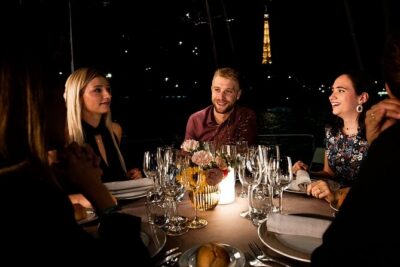
Bateaux Parisiens Seine River Gourmet Dinner & Sightseeing Cruise
Read our review →
Authentic Parisian Gourmet Food Tour with 10 Local Dishes & Wines
Read our review →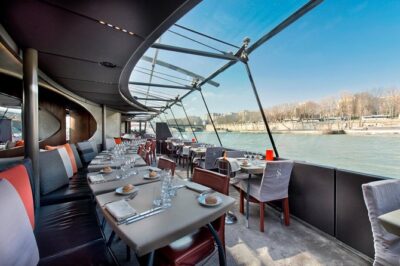
Bateaux Parisiens Seine River Gourmet Lunch & Sightseeing Cruise
Read our review →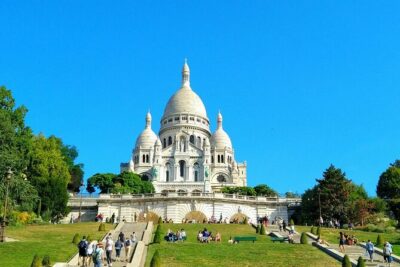
Montmartre Hill French Gourmet Food and Wine Tasting Walking Tour
Read our review →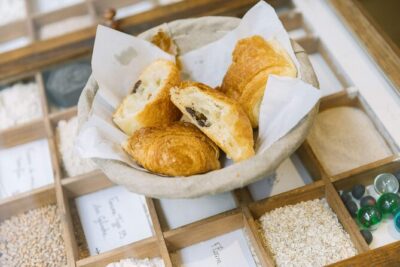
Paris 3-Courses Gourmet Dinner Seine River Cruise with Champagne
Read our review →
Paris Gourmet Dinner Seine River Cruise with Singer and DJ Set
Read our review →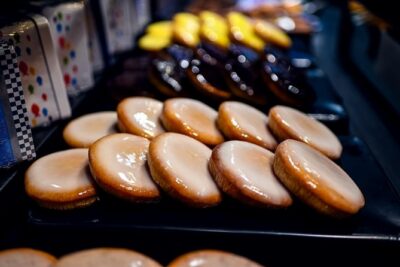
Private Montmartre Food Tour with Wine, Cheese & Pastries
Read our review →Browse the lists this tour appears in