
REVIEW · ROME FOOD TOURS
Rome: Food & Wine Tour of Campo de Fiori, Ghetto, Trastevere
Come hungry, leave happily stuffed. This walking tour connects Campo de’ Fiori, the Jewish Ghetto, and Trastevere through market stalls, food shops, bakeries, restaurants, and gelaterias. I like the generous range of tastings, from pizza bianca with mortadella to supplì, pasta, Roman specialties, and gelato. I also like the way food opens the door to neighborhood stories, local customs, and practical advice about eating in Rome.
The main consideration is that this is a serious amount of food in a short time. The tour lasts from two to three and a half hours depending on the option, and the morning version includes the market while the afternoon version does not. Food allergies, vegan diets, and wheelchair access are not well suited to this outing, so check the conditions carefully before booking.
Key points to know before booking
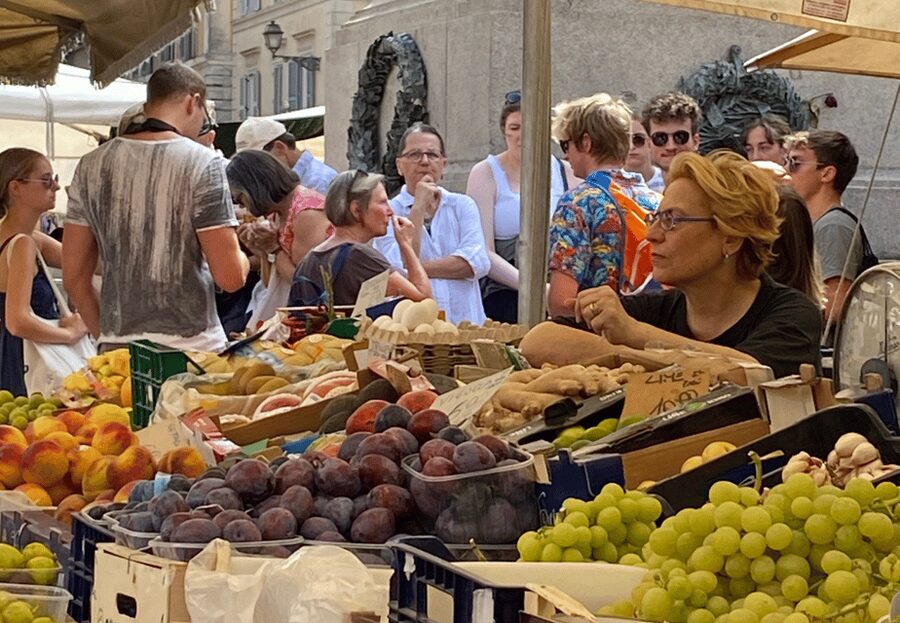
- The tasting menu is substantial: Pizza bianca, mortadella, mozzarella, Roman salami, fried artichoke, supplì, codfish, pasta, wine, and gelato can add up to a full meal.
- Three central neighborhoods create the route: Campo de’ Fiori brings the market atmosphere, the Jewish Ghetto adds distinctive Roman-Jewish food, and Trastevere finishes with pasta and gelato.
- Morning and afternoon tours differ: The morning option visits Campo de’ Fiori Market, while the afternoon option replaces it with a grocery shop and aperitif.
- A small group makes a difference: The regular group is capped at 15 people, and private bookings are available.
- The guides are a major part of the experience: Natasha, Lisa, Mariel, Anastasia, Gloria, Valeria, Chiara, and Federica are among the guides praised for friendly explanations and a relaxed pace.
- Plan your first day around it: You get restaurant ideas, ordering tips, and a useful introduction to Roman food customs before choosing later meals on your own.
Starting in Campo de’ Fiori with Roman market flavors
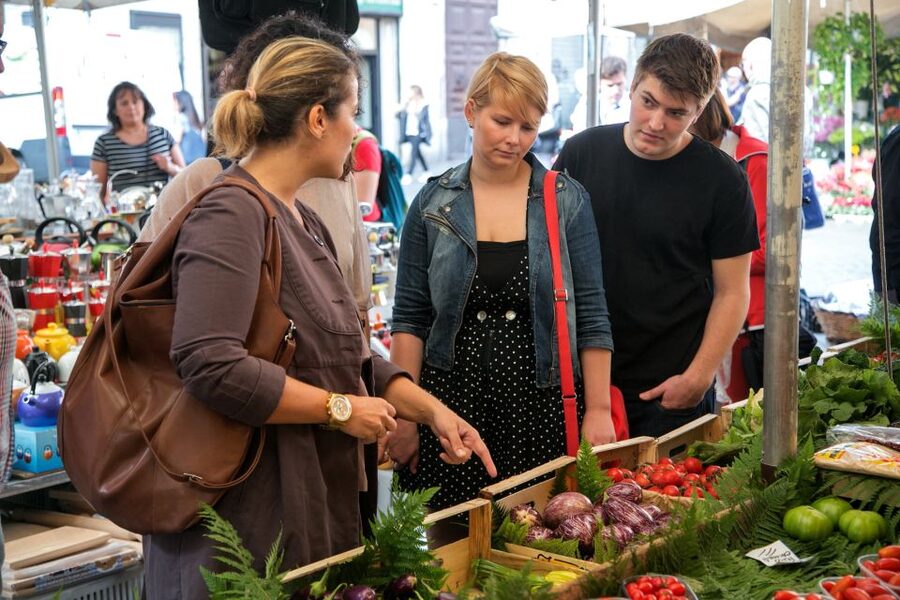
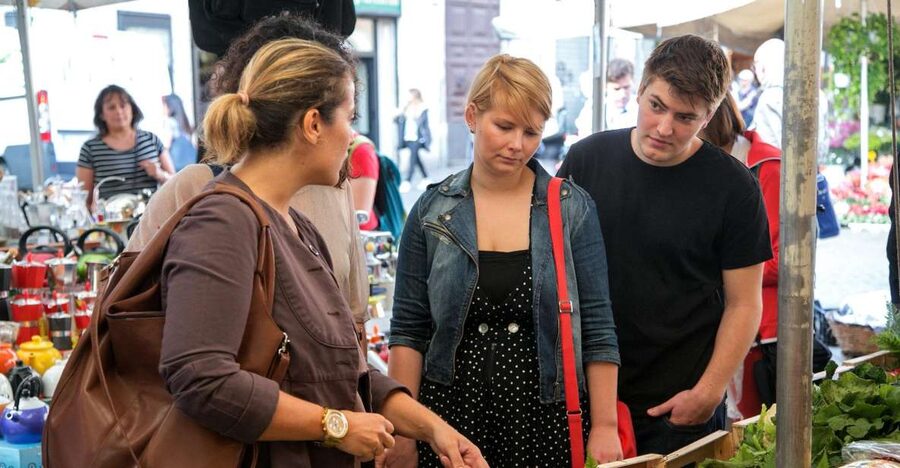
The morning tour begins with Campo de’ Fiori Market, one of Rome’s best places to see food presented for everyday use rather than as a museum display. You can expect stalls of fruits and vegetables, spices, cheeses, and other ingredients, with your guide explaining what matters to Roman cooks and how to recognize quality.
The market visit is valuable because it gives the rest of the tour a visual reference point. After seeing raw ingredients, you taste some of the finished foods in bakeries, shops, and restaurants. You begin to understand how a few good ingredients, handled simply, shape Roman cooking.
The market itself is not the full focus of the tour. It is one stop within a wider route, so you should not expect a long shopping session or free time to browse every stall. The advantage is that you keep moving and see how the market connects to the surrounding food businesses.
If you book the afternoon option, the market is closed. Instead, the route includes a typical grocery store and an aperitif. That is a fair substitute, but it is not the same experience. If market stalls and fresh produce matter to you, choose the morning departure and check the exact starting time when booking.
More Wine Tours in Italy
- Rome Food Tour: Unlimited Tastings with Fine Wine & Barolo
★ 5.0 · 3,365 reviews - Rome: Guided Food Walking Tour with Wine in Trastevere
★ 4.9 · 3,105 reviews - Rome: Trastevere Food tour with Free-Flowing Fine Wine
★ 5.0 · 2,853 reviews
Pizza bianca, mortadella, and the Roman snack break
One of the early food highlights is pizza bianca with thin slices of mortadella. This is a classic Roman combination: soft, lightly seasoned bread with fragrant cured meat. It is often treated as a simple snack, but the tour uses it to show how much pleasure can come from bread, quality fillings, and good timing.
You may be surprised by how filling this first bite feels. The tour continues with several more tastings, so do not treat the pizza bianca as a small sample and then order breakfast before meeting the group. Several people found the amount of food substantial, and one practical suggestion comes up again and again: skip breakfast if you take the morning tour.
The food is not served as one large meal at a single restaurant. Instead, you walk between stops and taste different examples of Roman cooking. That format keeps the experience lively and lets you compare settings, textures, and styles.
The Jewish Ghetto and its distinctive Roman dishes
The route continues into the Jewish Ghetto, where food and neighborhood history are closely tied. Here you may try fried artichoke, supplì, and fried codfish, along with other typical Roman foods. The exact selection can vary, but these dishes give you a useful introduction to some of Rome’s most recognizable savory specialties.
The fried artichoke is particularly associated with Roman-Jewish cooking. You might encounter it in different seasons and preparations, and the guide can explain why timing matters. If you visit during artichoke season, you may get an especially memorable version, but the tour does not promise a particular seasonal ingredient.
Supplì is another essential stop. It is a fried rice ball with a tomato-based center and melted mozzarella inside. Break one open and the cheese stretches through the rice, making the dish both comforting and messy in the best possible way. This is not refined food, and that is precisely the point. It is a handheld Roman favorite with crisp coating, soft filling, and plenty of flavor.
Fried codfish adds another note to the route. The Jewish Ghetto tasting is not simply a parade of pizza and pasta. You get a broader sense of Roman food, including fried dishes, cured meats, cheese, vegetables, and sweets.
This section also gives the guide room to explain the neighborhood and its people. The best guides connect the plate to the place without turning the walk into a lecture. Natasha was praised for sharing recipes and explaining both food and Roman history, while Lisa was appreciated for her warmth and clear information about the Ghetto. That mix of personal stories and practical food advice is a strong reason to take this tour instead of simply visiting restaurants alone.
Mozzarella, salami, and what quality means
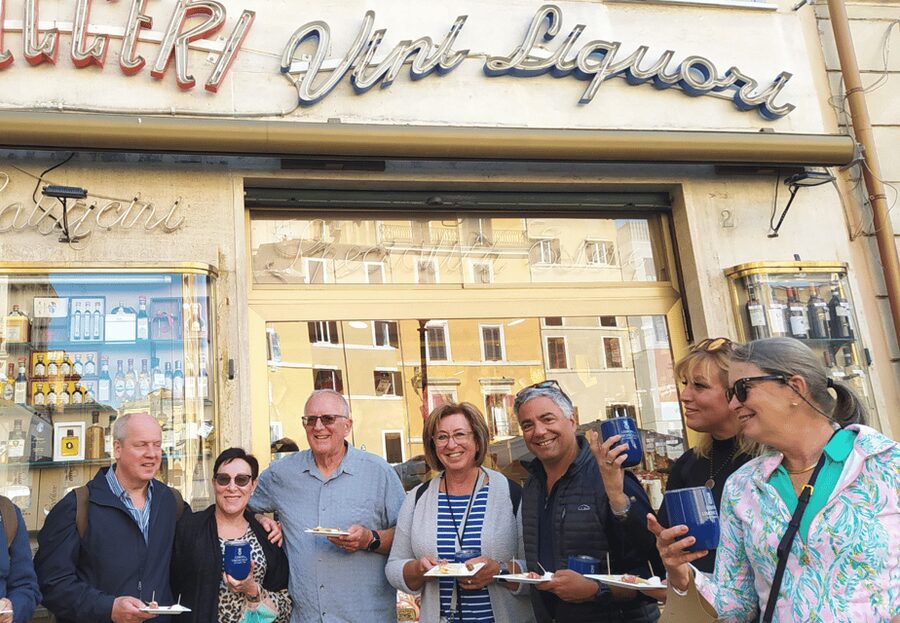
A mozzarella tasting with Roman salami helps you pay attention to ingredients before the pasta and dessert stops arrive. You can compare the freshness and texture of the cheese with the salt and seasoning of the cured meat, while the guide explains how Italians use these foods in everyday meals.
This part is useful for shoppers. It teaches you what to look for when you visit a food shop later in your trip, and it can make a supermarket or market visit less confusing. You also learn that Italian food culture is not only about famous dishes. It is about selecting ingredients, serving them at the right moment, and respecting regional habits.
Do not expect a formal cheese seminar. The tasting is one part of a moving food tour, and time is shared with the other stops. Still, it gives the route more range and breaks up the fried foods and bread.
More Wine Tours in Rome
- Rome: Gourmet Food Tour with Dinner & Barolo Wine
★ 4.9 · 2,347 reviews - Rome: Award Winning Trastevere Group Food Tour with Wine
★ 5.0 · 2,273 reviews - Rome by Night – Ebike Small Group Tour – Food and Wine (Option)
★ 5.0 · 1,275 reviews - Rome by Night: E-bike Small Group Tour -Food & Wine (Option)
★ 4.9 · 1,233 reviews
Trastevere brings pasta and a final sweet course
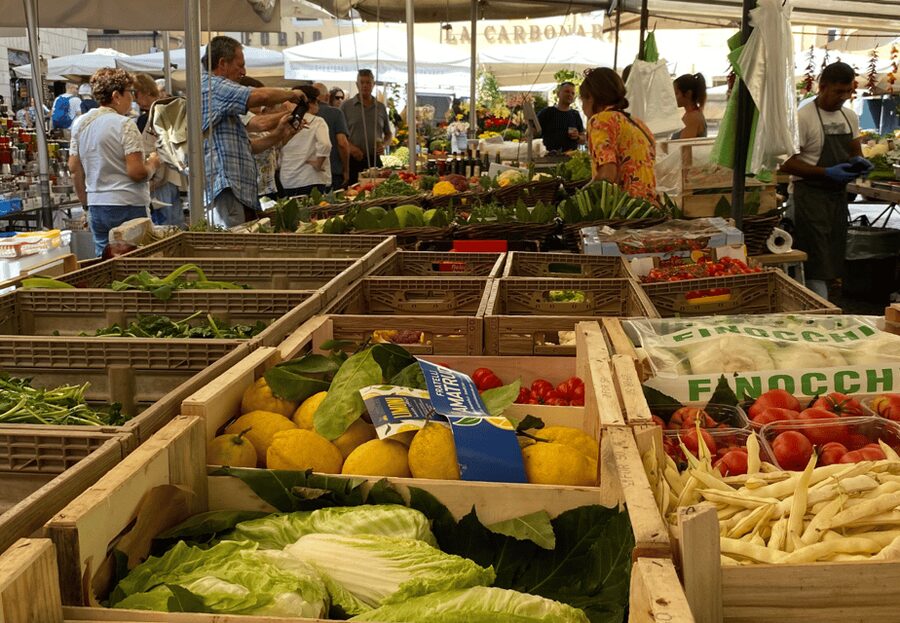
The tour finishes in Trastevere, one of Rome’s most atmospheric neighborhoods, with a pasta tasting and gourmet gelato. This is a satisfying end to the route because pasta shows the craft of Roman cooking, while gelato provides a cool finish after several savory dishes.
You learn what separates good pasta from the rest, including the importance of preparation and ingredients. The supplied details do not promise one fixed pasta shape or sauce, so you should treat this as a lesson in Roman pasta rather than a guaranteed serving of one specific recipe.
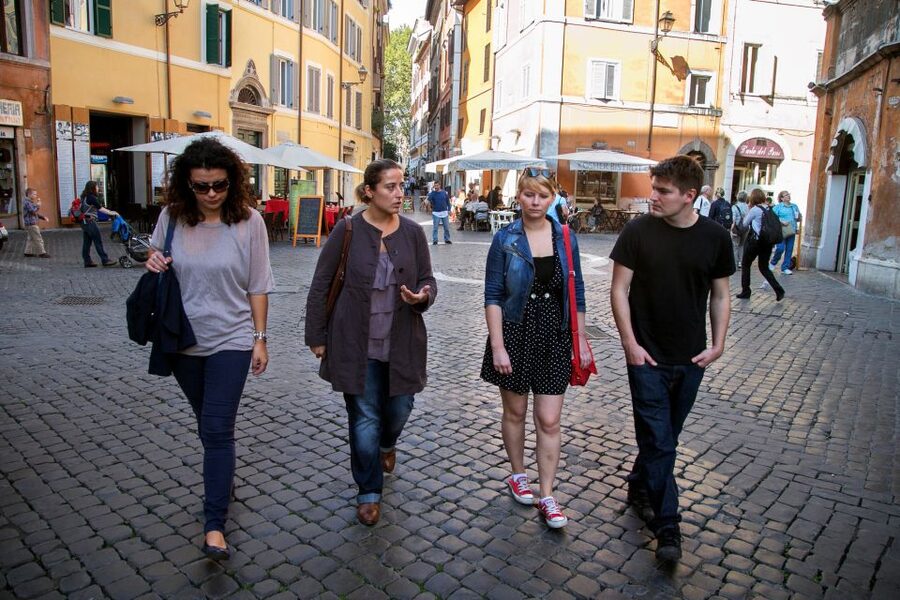
The food stops are often what people remember, but the walking between them matters too. Trastevere’s narrow streets and small plazas give you a change of pace from the market and the formal streets around the Ghetto. You see how Rome shifts from market commerce to neighborhood dining within a fairly compact area.
Then comes gelato. The tour calls for an artisanal or gourmet gelato stop, and the guides also explain how to choose quality gelato. That practical advice can save you from picking a shop based only on bright colors or a large display. You will probably be full by this point, but the small, cold dessert is hard to refuse.
Because the tour includes food in several locations, the final stop may feel less like a single grand meal and more like a long grazing session. I prefer that format for Rome. It lets you sample more dishes and gives you a list of places to return to later.
A food lesson wrapped inside a neighborhood walk
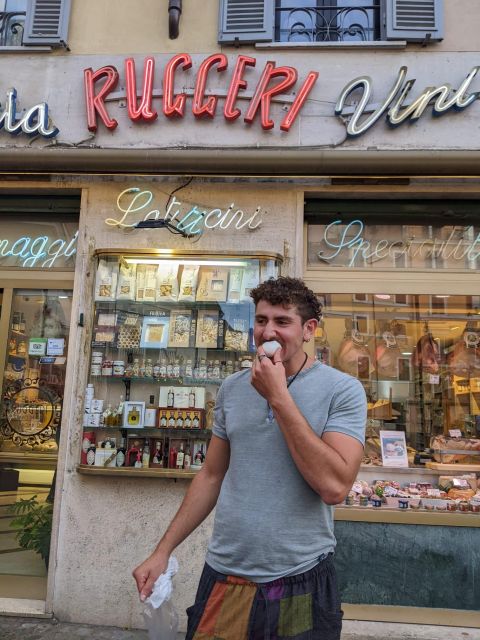
This tour works because it combines three subjects without overloading any one of them: Roman food, neighborhood life, and city history. You are not spending three hours listening to dates and names, nor are you simply eating without context.
Guides such as Mariel, Valeria, Gloria, Anastasia, and Federica were praised for balancing explanations with conversation. That matters in a small group. You want enough information to understand what you are eating, but you also want time to ask where to return for another plate of pasta or which area suits your evening plans.
The pace is generally described as easy, with chances to pause and bathroom opportunities along the way. Even so, you are on your feet and moving through city streets for much of the experience. Wear comfortable shoes, bring sun protection in warm weather, and carry an umbrella if rain is possible. The tour operates in all weather conditions.
The group limit of 15 people is sensible. A larger group would make tastings awkward and make it harder to hear explanations inside small shops. A private group is available if you want more control over the pace or prefer a more personal setting, although the standard small group already suits solo visitors and couples well.
Is $81 a fair price for the food and guidance?
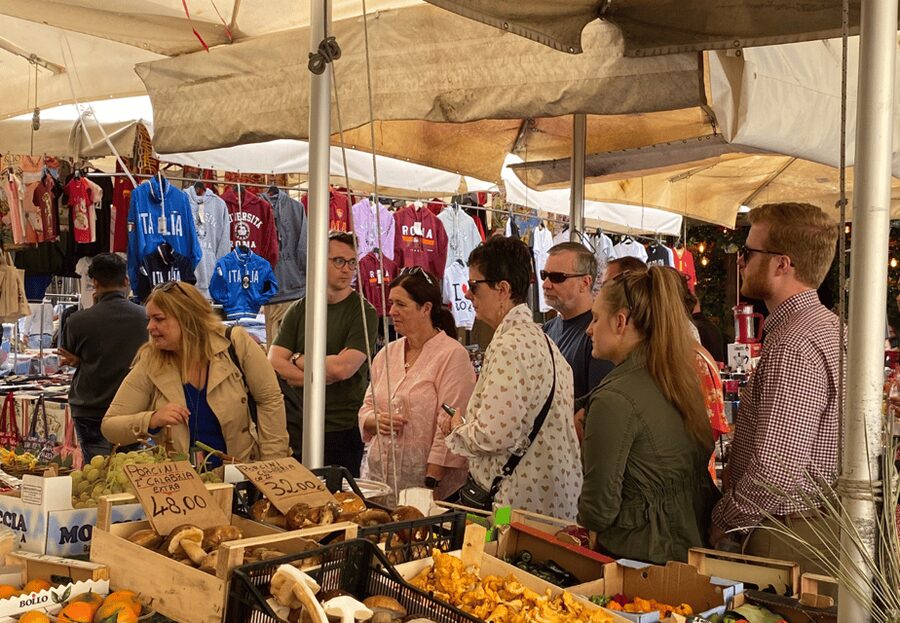
At $81 per person, this is not the cheapest way to eat in Rome. It can still be good value if you count the number of tastings, the local guide, the route through three neighborhoods, and the time saved researching reliable food stops.
The included food is wide-ranging: pizza bianca with mortadella, mozzarella and salami, Jewish Ghetto specialties such as fried artichoke, supplì, and codfish, pasta in Trastevere, and gelato. Wine is also part of the tasting experience. You should not assume every extra drink or additional food purchase is included, so keep the focus on the planned tastings.
The real value is strongest if you take the tour early in your Rome stay. You leave with a working list of food shops and restaurants, plus advice about ordering and local customs. One participant returned to two of the stops with friends the next evening, which is exactly how this kind of tour can pay off beyond the afternoon itself.
It is less valuable for you if you already know Roman cuisine well, have strict dietary needs, or want a quiet sit-down meal. The route is social, the food comes in stages, and the group moves between locations. That is part of the appeal, but it will not suit everyone.
Timing, food restrictions, and what to bring
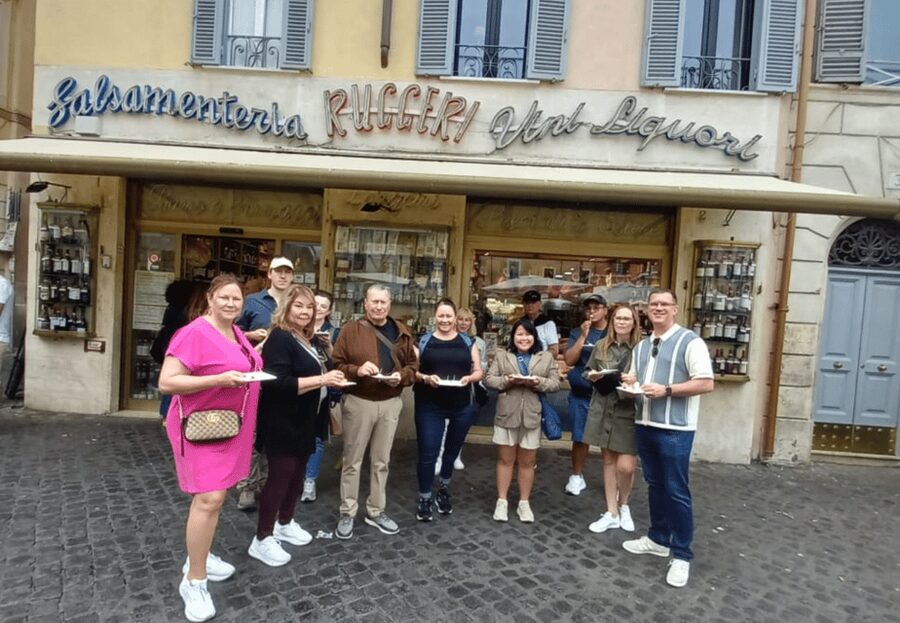
The stated duration ranges from two to three and a half hours, depending on the option booked. The full route is described as a three and a half hour walk, so check the exact duration and meeting point for your chosen departure.
The meeting point can change by option. Confirm it before setting out, especially if you are fitting the tour between major sights. Hotel pickup and drop-off are not included, so you need to reach the starting point yourself.
Food restrictions require care. The experience is not suitable for vegans or people with food allergies, and the provider cannot guarantee accommodations for special dietary needs. Vegetarians may receive some accommodation, as one vegetarian participant had a positive experience, but you should contact the provider before booking rather than rely on an adjustment on the day.
Bring comfortable shoes, sunglasses, a sun hat, sunscreen, and an umbrella. Do not bring luggage or large bags. You want your hands free for walking, tasting, and keeping up with the group.
Who will enjoy this Roman food walk?
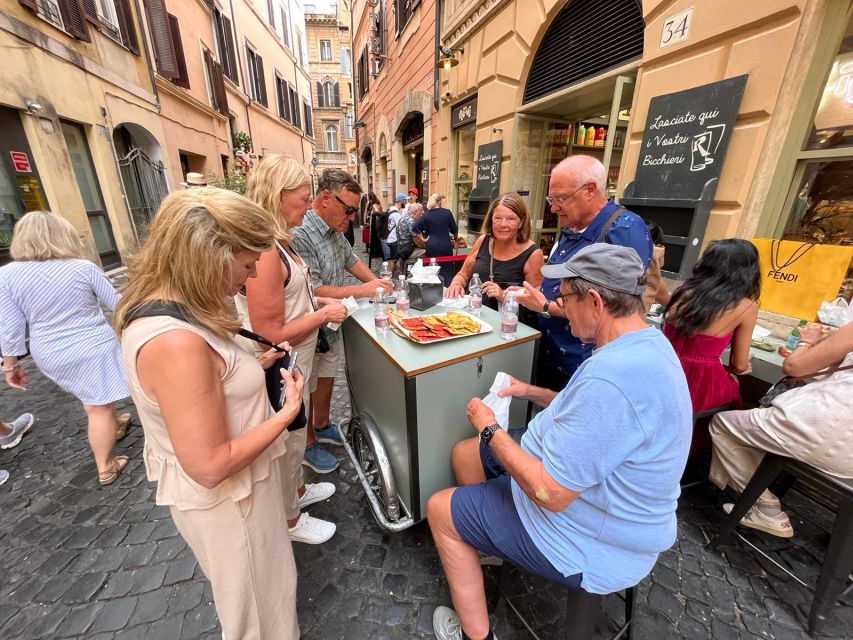
I would recommend it most strongly to first-time visitors who want a practical introduction to Rome. It gives you an early sense of where to eat, what to order, and how Roman food connects to the city’s neighborhoods.
Solo visitors are also a good match. The small group creates easy conversation, and the structured route removes the pressure of choosing a restaurant alone. Couples, families with older children, and food-focused groups should also find the mix appealing.
It is less suitable for anyone who cannot walk comfortably for several hours, needs guaranteed dietary substitutions, or prefers a fixed restaurant meal. It is also not ideal if you want to focus on Campo de’ Fiori Market in the afternoon, since that option replaces the market with a grocery visit and aperitif.
Should you book the Campo de’ Fiori, Ghetto, and Trastevere tour?
Book it if you want a generous introduction to Roman food and would like your sightseeing to come with snacks. The strongest parts are the variety of tastings, the Jewish Ghetto stop, the friendly guides, and the practical advice you can use for the rest of your trip.
Choose the morning option if the market is important to you, and schedule the tour near the beginning of your stay. Eat lightly beforehand, wear good shoes, and be honest about dietary restrictions before paying.
Skip it if you need a fully accessible route, follow a vegan diet, have serious food allergies, or prefer slow dining with long conversations at one table. For everyone else, $81 is a reasonable investment in a tasty Rome orientation, especially when you value local guidance as much as the food itself.
FAQ
How long does the food tour last?
The activity lasts from two to three and a half hours, depending on the option booked. The full walking tour is described as three and a half hours.
Which neighborhoods does the tour visit?
The route includes Campo de’ Fiori, the Jewish Ghetto, and Trastevere. The stops combine food shops, markets, bakeries, traditional restaurants, and gelaterias.
What food is included?
Included tastings feature pizza bianca with mortadella, mozzarella with Roman salami, fried artichoke, supplì, codfish, pasta, and gourmet gelato. Wine is also included in the tasting experience.
Does the afternoon tour visit Campo de’ Fiori Market?
No. The market is visited on the morning option. In the afternoon, the market stop is replaced with a typical grocery store and aperitif because of opening hours.
Is the tour suitable for vegetarians?
Vegetarian accommodation may be possible, but it is not guaranteed. Contact the provider before booking if you have dietary restrictions.
Is the tour suitable for vegans or people with food allergies?
No. The activity is listed as unsuitable for vegans and people with food allergies, and special food restrictions cannot be guaranteed.
What should I bring to the tour?
Wear comfortable shoes and consider bringing sunglasses, a sun hat, sunscreen, and an umbrella. Large bags and luggage are not allowed.
Just added in Rome
- Rome: 3-Hour Guided Food Tour with Tastings★ 4.9 · 41 reviews
- Rome: Trionfale and Prati Food and Wine Tasting Tour★ 4.8 · 115 reviews
- Rome: Vegan Street Food Tour with Local Guide★ 5.0 · 37 reviews
- Rome: Vatican Street Food and Wine Tour with Farmers Market★ 5.0 · 37 reviews
- Rome: Trastevere & Tiber Island Street Food Tour at Sunset★ 4.9 · 71 reviews
- Rome Trastevere Walking Food Tour★ 4.8 · 97 reviews
- Rome: Trastevere Food Walking Tour with Beer and Wine★ 4.9 · 71 reviews
- Rome: Trastevere Quarter Street Food Tour with Sightseeing★ 4.9 · 21 reviews
Wine Tours, compared.

Winner 2025 Undiscovered Lisbon Food & Wine Tour by Eating Europe
Read our review →
Winner 2025 Florence Sunset Food & Wine Tour by Eating Europe
Read our review →
Authentic Parisian Gourmet Food Tour with 10 Local Dishes & Wines
Read our review →
Tapas Walking Tour with Food, Wine, and History
Read our review →
Lisbon Small-Group Portuguese Food and Wine Tour
Read our review →
Browse the lists this tour appears in