
REVIEW · ROME FOOD TOURS
Rome: 3-Hour Guided Food Tour with Tastings
Rome tastes better one small plate at a time. This 2.5-hour food walk links cafés, markets, food shops, and Roman restaurants in the historic center, so you get a meal and a useful introduction to the city at once. I like the mix of familiar favorites, such as pizza and carbonara, with less obvious stops for Pecorino Romano, supplì, Italian cured meats, and Sicilian gelato. I also like that guides such as Giada, Silvia, Tommaso, Federico, and Massey bring local stories into the walk rather than reciting food facts from a script.
The main thing to consider is the pace: you will walk between six or seven tasting stops, and the food adds up quickly. The tour is also advertised with a three-hour title but lists a duration of 2.5 hours, so plan for a compact outing. Dietary needs may be accommodated, but you should contact the supplier before booking rather than count on changes at the meeting point.
Key points at a glance
- Start beneath the Brazilian flag in Piazza Navona: Meet the guide with an orange umbrella at number 14, beside the largest palace on the square.
- Six or seven food stops: The route combines an old café, local markets, specialist shops, a Roman restaurant, and a gelateria.
- A full meal in tasting form: Expect pizza, supplì, cured meats, cheeses, wine, two Roman pastas, cannoli, and gelato.
- Strong guide-led experience: Giada, Silvia, Tommaso, Federico, and Massey are praised for mixing food knowledge with Roman history and personal stories.
- Good value for hungry visitors: At $115.98 per person, the price makes more sense if you treat this as lunch or dinner plus a walking tour.
- Bring comfortable shoes and cash: Extra food, additional drinks, and tips are not included.
Piazza Navona is the right place to begin
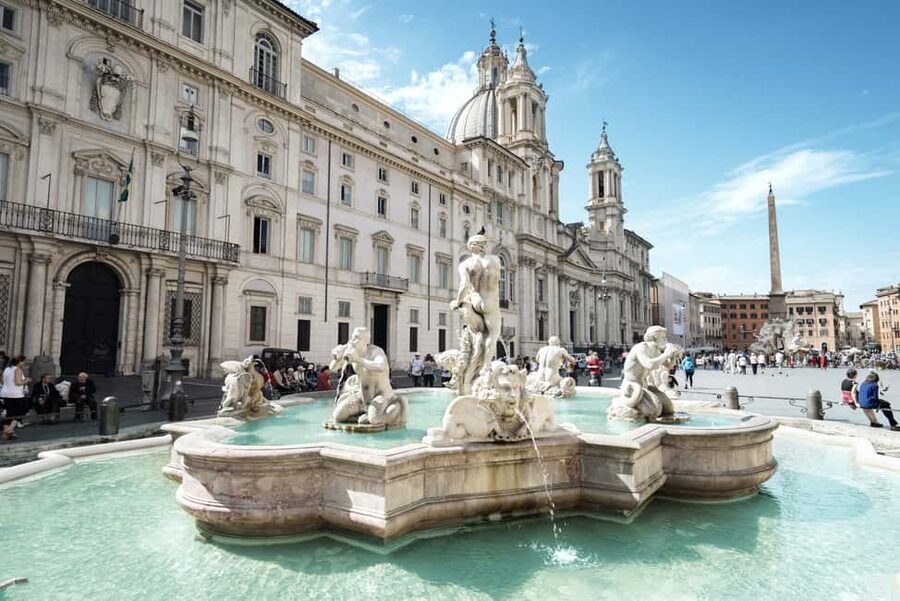
Your meeting point is easy to identify: Piazza Navona, number 14, under the Brazilian flag and beside the largest palace on the square. Look for an orange umbrella. That clear landmark matters in a busy central piazza, especially if you are arriving with a small group and do not want to search storefront by storefront.
Piazza Navona also gives the tour a fitting opening. You begin in one of Rome’s grand public spaces, then shift attention from monumental fountains and palace façades to the food shops and cafés used by locals. The route ends back at the same point, which makes planning around the tour simpler.
You should arrive ready to walk and eat. Comfortable shoes are listed as essential, and cash is useful for anything extra you may want to buy. Hotel pickup and drop-off are not provided, so you make your own way to the piazza.
A few more food tours in Rome worth a look
- Rome: 3-Hour Private Golf Cart Tour with Culinary Tasting Included
★ 4.7 · 151 reviews - Award-Winning Geneva Chocolate &Old Town Tour with Boat Ride (3h)
★ 5.0 · 3,721 reviews - Eat Like a Local: Venice 3-Hour Small-Group Food Tasting Tour
★ 5.0 · 3,137 reviews
Coffee first, the Roman way
The first stop is one of Rome’s oldest cafés, where you receive either an Italian cappuccino or espresso. This is a small tasting, but it sets the tone: Italian coffee is less about sitting over a large drink and more about a quick, well-made pause.
The guide can explain how coffee fits into daily life, and the stop gives you a chance to ask questions before the food begins in earnest. If you normally order a large coffee and linger, this may feel brief. Here, the café is part of the rhythm of the walk, not a long café visit.
The stop is also practical for your first morning in Rome. If you book this tour early in your trip, you can pick up useful habits about ordering and enjoying Italian food without treating every meal like a formal event.
Pizza by the slice and crispy supplì
Next comes pizza by the slice, with two homemade types listed among the inclusions. The schedule also describes three kinds of pizza and supplì, so the exact number may vary by stop or day. Either way, you get several tastes rather than one large restaurant pizza.
That difference matters. A food walk lets you compare toppings, crust, and preparation while moving through the city. You are not tied to a single sit-down meal, and the portions leave room for the rest of the route, although you should arrive hungry.
Supplì is a classic Roman snack: a fried rice ball with a crisp outside and a soft center. It is easy to mistake it for a simple side dish, but it gives the tour a direct connection to Roman street food. Eat it carefully, since fried fillings can be hot.
This is one of the first places where a guide adds real value. Tommaso, in particular, is praised for explaining how dishes are prepared and what makes them distinct. That kind of commentary helps you remember more than just the name of what you ate.
The old market and Pecorino Romano
The walk continues to the oldest market in town, where you taste Pecorino Romano. The cheese is a sharp, salty sheep’s milk cheese and one of the key flavors in Roman cooking. It is not simply a snack. It helps explain why local pasta sauces can taste so bold even when they use only a few ingredients.
Market visits are useful because they show food in its everyday setting. You can look at the produce, shop displays, and working rhythm of the center rather than seeing Rome only through churches and ancient ruins. The tour does not promise a long market-shopping session, so think of this as a guided tasting and orientation.
The cheese stop also prepares you for the pasta later. Carbonara depends on a hard, salty cheese for much of its flavor, and knowing what Pecorino tastes like on its own makes the dish easier to understand.
Same city, a different table:
- Winner 2025 Rome Twilight Trastevere Food Tour by Eating Europe
★ 5.0 · 5,157 reviews - Rome: Street Food Tour with Local Guide
★ 4.8 · 4,077 reviews - Rome Food Tour: Unlimited Tastings with Fine Wine & Barolo
★ 5.0 · 3,365 reviews - Rome Food Tour: Campo de’ Fiori, Ghetto, Trastevere Winner 2024
★ 5.0 · 3,205 reviews
Cannoli, cured meats, and Italian wine
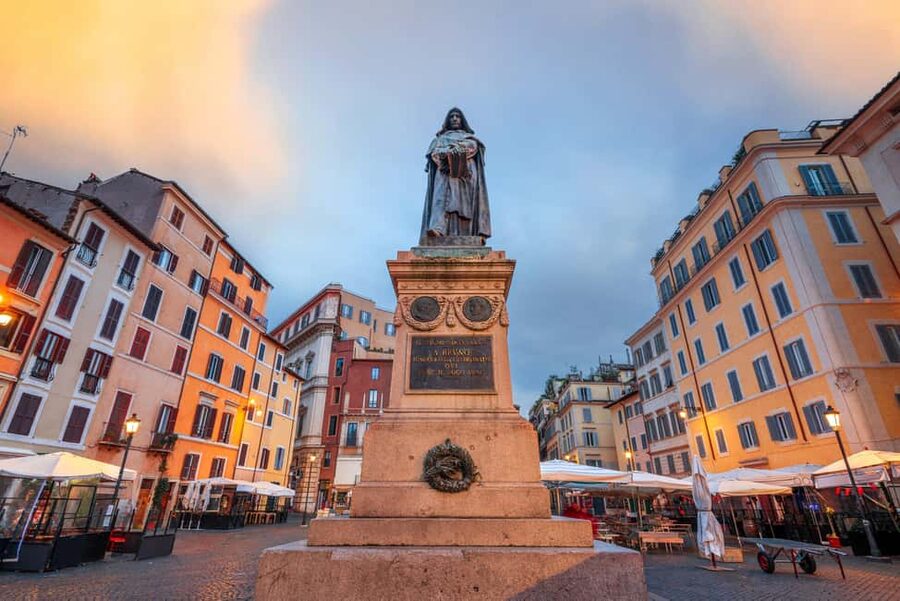
The next bite is an authentic cannoli. This Sicilian pastry adds a regional contrast to the Roman dishes around it. Its inclusion keeps the route from becoming a parade of pasta and pizza, and it shows how food from across Italy appears in Rome’s shops.
You then visit a gourmet food shop for Italian ham, salami, and mortadella, paired with Italian wine. The listed cheeses include Parmigiano Reggiano, so this stop offers several different textures and levels of saltiness in one sitting.
I like this part of the route because it feels especially useful for future shopping. Once you have tasted the difference between the meats and cheeses, you can make better choices at a deli or market later in your trip. It also gives the guide a natural opening to discuss regional food traditions and how Italians pair food with wine.
Wine is included, but additional drinks are not. If you want more than the supplied tasting, carry cash. Pace yourself here, too. The cured meats, cheese, wine, and earlier snacks are substantial before the main pasta stop arrives.
Two Roman pastas, including carbonara
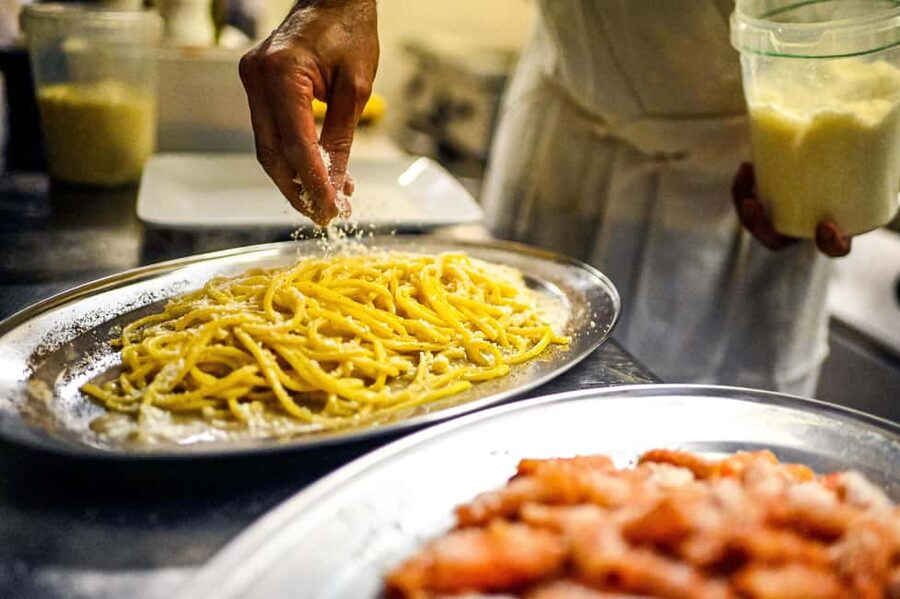
The main savory stop takes place at a traditional Roman restaurant, where you receive two Roman pastas, including carbonara. The second pasta is not named in the supplied details, so you should treat it as a seasonal or route-dependent addition rather than expect a specific dish.
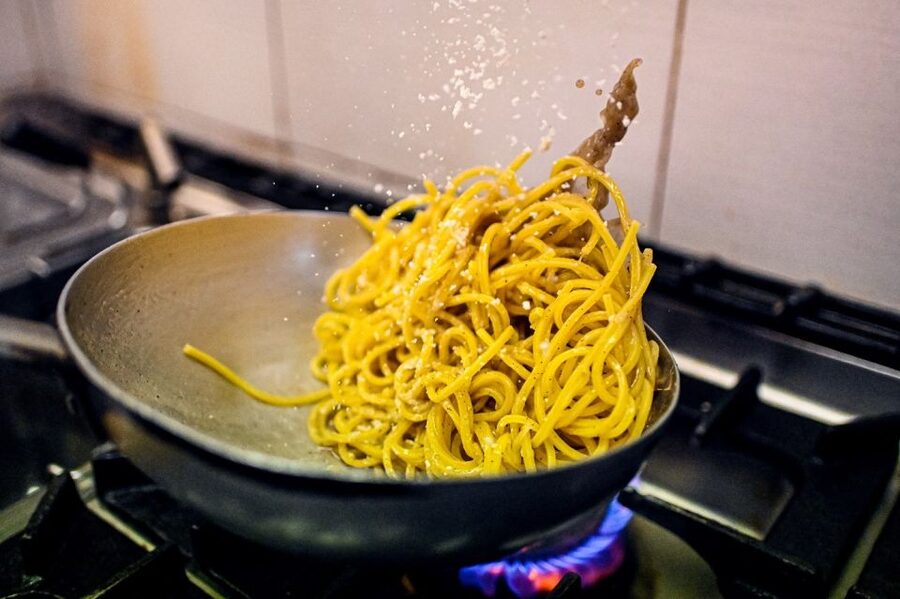
Carbonara is the star for many people. A good version relies on a short list of ingredients and careful technique, not cream-heavy sauce. The guide’s explanations are useful here because the point is not only to eat the pasta but to understand why this Roman staple tastes the way it does.
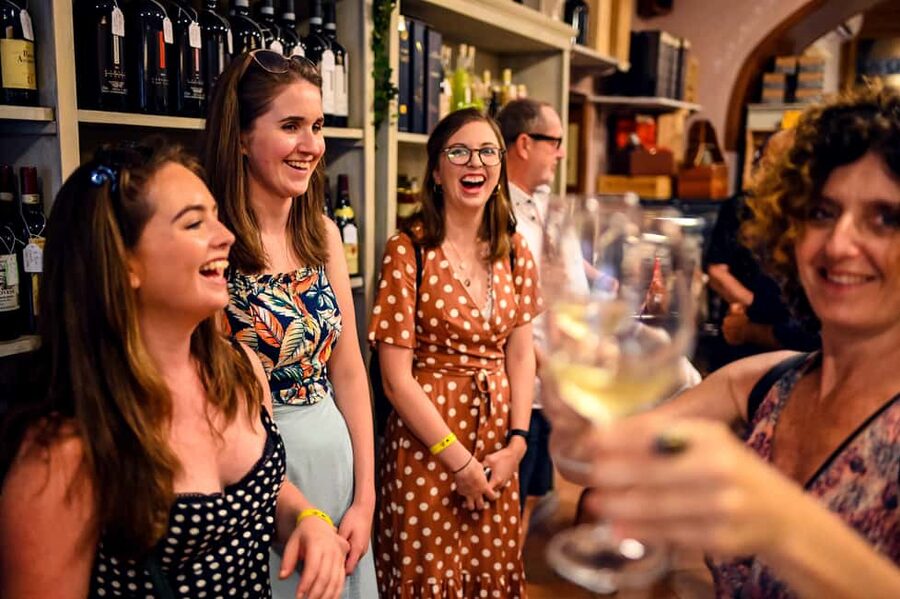
This stop turns the tour into a practical meal replacement. Massey’s approach, according to the available feedback, combines food and wine information with history as the group walks between stops. That balance is helpful if you want context without sitting through a formal lecture.
There is a drawback. You are sampling food at several locations, so you may not get the relaxed, unhurried feeling of a single restaurant dinner. If you value table service and a long evening meal, book this as a food introduction rather than a substitute for every special dinner in Rome.
The final reward: Sicilian gelato
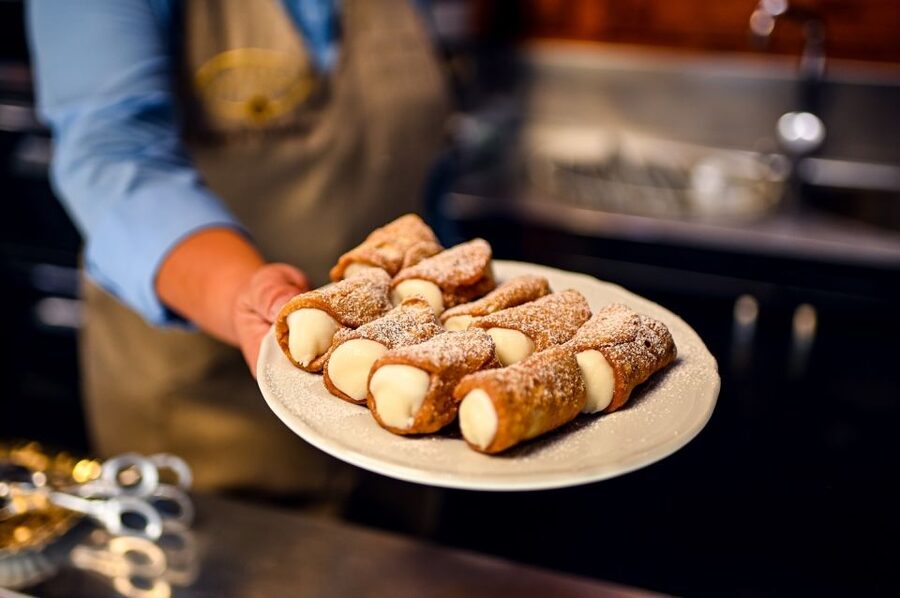
The tour ends with artisanal Sicilian gelato. After salty cheese, cured meats, wine, pizza, and pasta, the cold dessert gives the route a clean finish. It is also a chance to compare proper gelato with the generic frozen desserts found in heavily visited areas.
The details do not specify the flavor choices, so you should expect the guide or shop to determine what is available. The important point is that gelato is included, not an optional purchase at the end.
The tour returns to Piazza Navona, giving you a familiar place to continue your evening. You may be full enough to skip dinner, though I would not plan an important restaurant reservation immediately afterward. The tasting list is generous.
What the guides add to the food
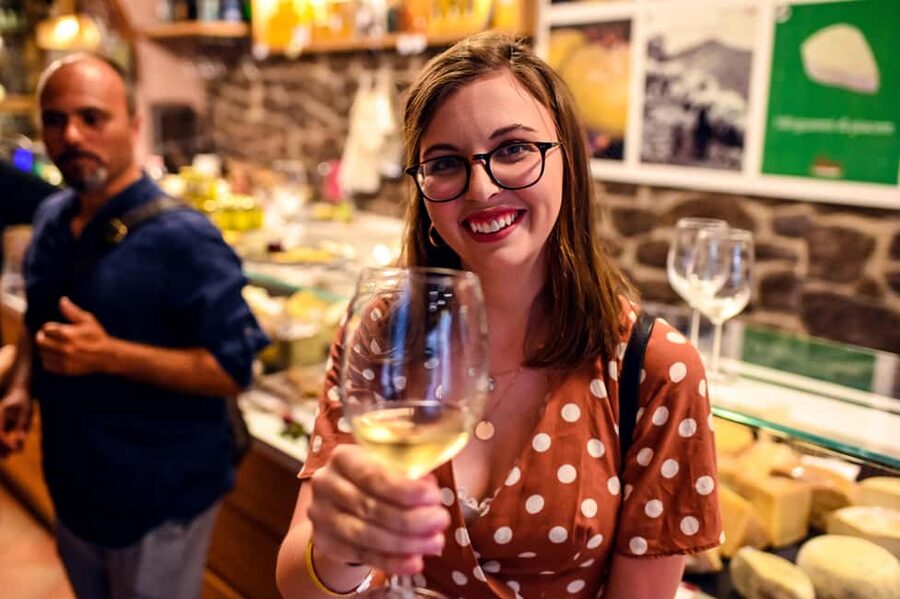
The food is the reason to book, but the guides are what give the route shape. Giada is praised for connecting food stops with Italian culture and lesser-known corners of Rome. Silvia is described as warm and enthusiastic, with a knack for weaving history into the walk without making it feel like a classroom.
Tommaso is repeatedly singled out for passion, local knowledge, and a natural style that does not feel scripted. One account also notes that poor rain forced changes to the usual route, but the guide adapted and the group still felt it received something worthwhile. That flexibility matters on a walking tour, where weather and shop schedules can affect the plan.
Frederico and Massey also receive praise for being friendly, helpful, and good at explaining both the food and the city. Names can change depending on the date, but the pattern is clear: expect a live English-speaking guide who acts as host, food explainer, and walking companion.
The best part of this format is the movement between bites. You hear a little about Rome while walking, then stop to taste something that makes the explanation concrete. It keeps the history tied to daily life.
Is $115.98 a fair price?
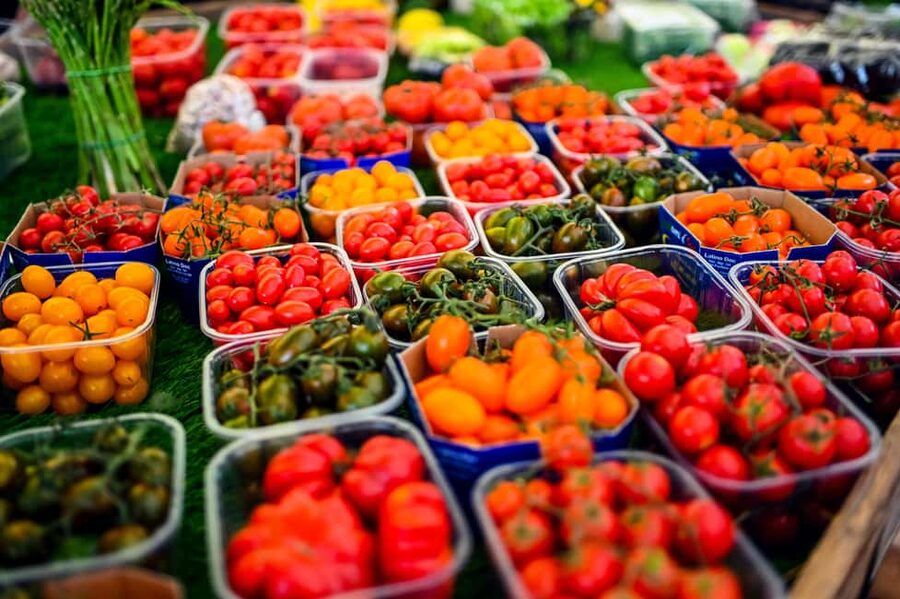
The cost is $115.98 per person. That is not a cheap lunch, but it includes a substantial list of tastings: coffee, pizza, supplì, two Roman pastas, cannoli, cured meats, wine, cheese, gelato, bottled water, and a mystery dish.
The value improves if you count the tour as both a guided walk and a meal. You avoid paying separately for several small tastings, and the guide provides cultural context that you would not get from wandering into each shop alone. For a first or second day in Rome, that combination can help you understand what to order during the rest of your stay.
The value is weaker if you are a light eater, do not drink wine, or prefer choosing every dish yourself. Only the listed food and drinks are included, and tips are extra. You may also want cash for additional foods or drinks, but the tour already supplies plenty.
A 4.9 rating from 41 reviews suggests strong satisfaction, especially with the guides and food quality. Still, the route is best judged by what you want from Rome. It is not a culinary masterclass, cooking lesson, or private restaurant meal. It is a guided tasting walk with a full menu of samples.
Who should book this food walk?
I would choose this tour if you want a friendly introduction to Roman food without spending days researching every café and market. It suits first-time visitors, curious eaters, and anyone who likes learning a little history while walking from one bite to the next.
It is also a good fit for people who prefer small tastes over one large meal. The route covers enough ground to show different sides of central Rome, and the six or seven stops create a varied afternoon or evening.
Vegetarians may be able to join, since one vegetarian participant received suitable options, but this is not guaranteed by the supplied information. Contact the local supplier in advance with any dietary requirements. You should also be prepared for substitutions if a particular shop or dish cannot accommodate your needs.
I would hesitate if you want a quiet, formal meal, have strict dietary restrictions, or dislike walking between stops. The route is food-focused but still an urban walk, with all the uneven timing and changing venues that can bring.
Timing, cancellation, and practical details
The activity lasts 2.5 hours, with starting times shown when you check availability. The title refers to a three-hour guided food tour, so allow a little flexibility around the listed duration rather than scheduling a museum entry immediately afterward.
The live guide speaks English. Cancellation is free up to 24 hours in advance for a full refund, and you can reserve now and pay later. Those terms are useful if your Rome plans are still shifting.
Wear comfortable shoes. Bring cash for tips and any additional food or drinks. The tour itself provides a bottle of water, but hotel transfers are not included.
Should you book it?
Book this tour if you want to eat your way through central Rome while gaining a practical sense of Roman food culture. The strongest reasons are the broad tasting list, the return to the same meeting point, and the guides’ reported ability to mix personal stories, history, and food without sounding rehearsed.
Skip it if you want a private experience, a fixed restaurant menu, or total control over every ingredient. For most hungry visitors, though, $115.98 is reasonable when the price covers a guided walk and enough food to replace lunch or dinner. Go with comfortable shoes, an open appetite, and a willingness to let the guide handle the order of the meal.
FAQ
Where does the Rome food tour meet?
Meet your English-speaking guide at Piazza Navona 14, under the Brazilian flag of the Brazilian Embassy. The guide will have an orange umbrella and will wait beside the largest palace on the square.
How long does the tour last?
The stated duration is 2.5 hours. Starting times depend on availability, so check the schedule when booking.
What food and drinks are included?
Included tastings are espresso or cappuccino, homemade pizza, fried risotto balls, two Roman pastas including carbonara, cannoli, Italian ham, salami, mortadella, Italian wines, cheeses including Parmigiano Reggiano, Sicilian gelato, bottled water, and a mystery dish.
Is hotel pickup included?
No. You must make your own way to Piazza Navona, and the tour ends back at the meeting point.
Can dietary requirements be accommodated?
You should contact the local supplier directly by email before booking to ask. Vegetarian options have been available, but the supplied information does not guarantee every dietary request.
Are tips and extra drinks included?
No. Tips, additional food, and additional drinks are not included. Bring cash if you would like anything beyond the stated tastings.
Just added in Rome
- Rome: Trionfale and Prati Food and Wine Tasting Tour★ 4.8 · 115 reviews
- Rome: Vegan Street Food Tour with Local Guide★ 5.0 · 37 reviews
- Rome: Trastevere & Tiber Island Street Food Tour at Sunset★ 4.9 · 71 reviews
- Rome Trastevere Walking Food Tour★ 4.8 · 97 reviews
- Rome: Vatican Street Food and Wine Tour with Farmers Market★ 5.0 · 37 reviews
- Rome: Trastevere Food Walking Tour with Beer and Wine★ 4.9 · 71 reviews
- Rome: Trastevere Quarter Street Food Tour with Sightseeing★ 4.9 · 21 reviews
- Rome: Trastevere Food and Wine Tasting Tour★ 4.9 · 54 reviews
3-Hour Experiences, compared.

Award-Winning Geneva Chocolate &Old Town Tour with Boat Ride (3h)
Read our review →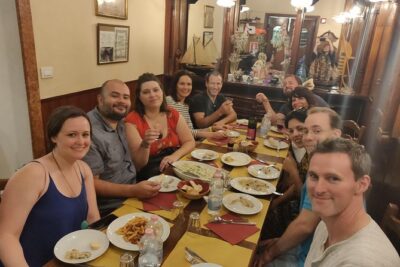
Eat Like a Local: Venice 3-Hour Small-Group Food Tasting Tour
Read our review →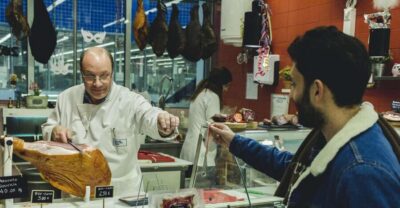

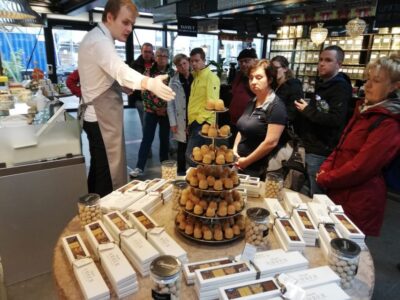
Browse the lists this tour appears in