

REVIEW · ROME FOOD TOURS
Rome: Food Tour and Wine Tasting in a Traditional Trattoria
Rome tastes better one stop at a time. This four-hour food walk links Campo de’ Fiori and Trastevere, pairing Roman classics with Italian wines, local stories, and a sit-down meal. I especially like the mix of casual food counters and a traditional restaurant, plus the generous amount of food included for $100.
The fried baccalà and cheese tasting give you a useful introduction to Rome’s Jewish-Roman and regional food traditions, while the cacio e pepe, amatriciana, supplì, and gelato cover the dishes most visitors hope to try. The main consideration is the walking and group size. This is not suitable for wheelchair users, and one past group had more than 20 people, which made it harder to stay together.
The tour begins in front of La Carbonara on Campo de’ Fiori and ends in Trastevere. Guides have included Catia, Fiammetta, Francesca, Cecilia, and others, with many praised for adding history and practical Rome tips. Come hungry, wear comfortable shoes, and do not plan a full meal beforehand.
Key things to know before booking
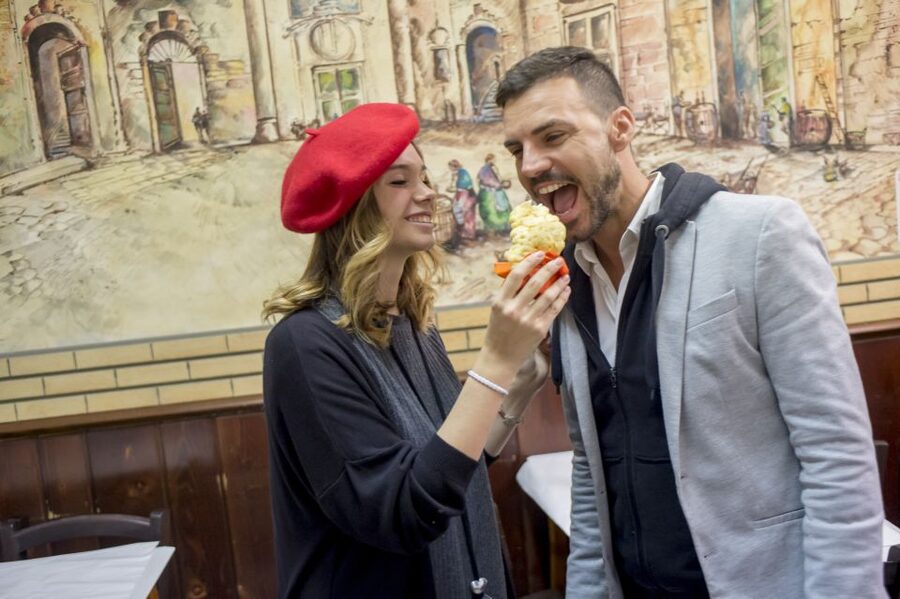
- Six food moments across central Rome: Expect cured ham, Italian cheeses, fried cod, supplì, Roman pasta, fried zucchini flowers, and gelato.
- A real sit-down supper in Trastevere: The restaurant stop includes antipasto, two first courses, fried zucchini flowers, and two Italian wines.
- Roman classics are the focus: Cacio e pepe, amatriciana, supplì, and baccalà are more useful introductions to local food than generic pizza and pasta.
- The food portions are generous: Many people finish full, so this is best treated as dinner rather than a light tasting.
- English-speaking live guide: Guides such as Catia and Fiammetta have been praised for food knowledge, local stories, and a warm group atmosphere.
- Plan for moderate walking: The route connects Campo de’ Fiori with Trastevere and is not wheelchair accessible.
What this four-hour Rome food tour actually offers
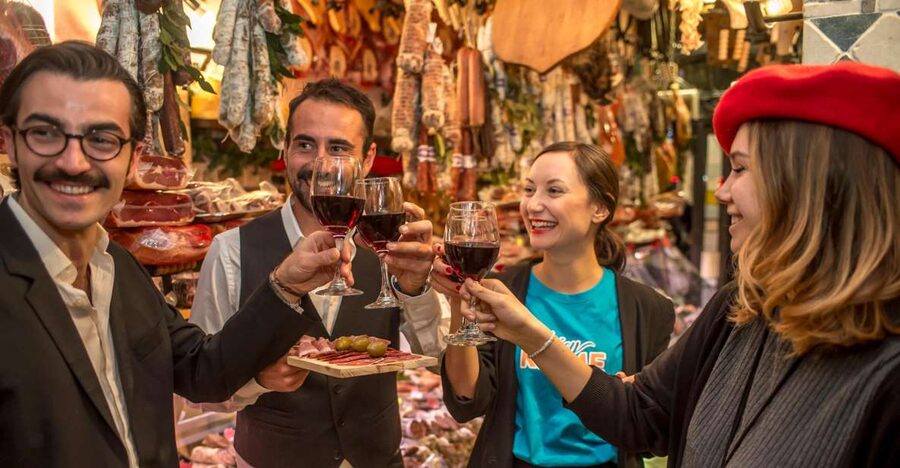
This is not simply a visit to one restaurant with a few sample plates. It is a progressive meal that moves through central Rome, using food to connect several neighborhoods and traditions.
You start in Campo de’ Fiori, walk through the city center, and make several tasting stops before reaching Trastevere for supper. The route gives you a look at Rome through shop counters, street food, neighborhood eateries, and a traditional restaurant.
I like that the menu is not built around only the obvious crowd-pleasers. You get familiar dishes such as pizza by the slice and gelato, but also fried salted cod, regional cheeses, supplì, and two pasta recipes with strong Roman identities.
The price is $100 per person. That is not a budget snack crawl, but the value is fair if you use it as your evening meal. Food, wine, a live English-speaking guide, and the walking tour are included. With several savory stops, dessert, and multiple wine servings, you are paying for a meal, local guidance, and an organized introduction to Roman food rather than a handful of tiny samples.
More Pizza and Pasta Tours in Rome
- Rome: Pizza & Tiramisu Class with Free Flowing Fine Wine
★ 5.0 · 973 reviews - Rome: Pizza Making Class Small Group Experience
★ 5.0 · 487 reviews - Rome Food Tour: Trastevere Aperitivo, Wine & Pasta Dinner
★ 4.7 · 113 reviews
Starting with ham and cheese in Campo de’ Fiori
Meet your guide on Campo de’ Fiori, in front of La Carbonara. This lively square is a practical starting point because you can reach it easily from many central sights, and it puts you directly into Rome’s food culture.
The first tasting at Viola features Italian ham and cheese. This may sound simple, but it gives you a useful base for the evening. Italian cured meats and cheeses vary greatly by region, and the guide explains the differences while you taste them with wine.
This stop is also a good test of the tour’s pace. You are not rushing through a list of dishes. You begin with a relaxed introduction to ingredients that appear throughout Italian cooking, then move on to more distinctive Roman specialties.
The food is served at an historic cheese shop with products from different parts of Italy. That wider regional selection matters because not everything on the table is strictly Roman. The tour uses Rome as its setting while showing how Roman eating habits fit into the larger Italian food tradition.
Fried baccalà and a Jewish-Roman tradition
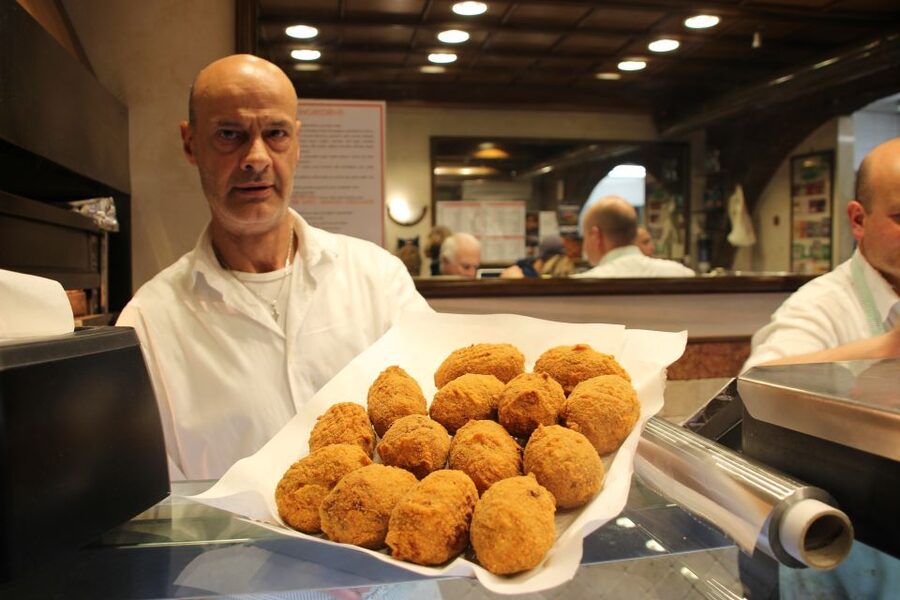
At Dar Filettaro, the focus shifts to fried baccalà, or salted cod. It arrives crisp outside and tender inside, with a glass of Italian wine.
This is one of the more interesting stops because baccalà is linked to Rome’s Jewish-Roman culinary tradition. The dish shows how a simple preserved ingredient can become a beloved city specialty. If you usually stick to pasta and pizza, this is the kind of stop that gives the tour more character.
The setting is also part of the appeal. You are eating a traditional Roman specialty at a place known for that one dish, rather than receiving a generic fried fish course at a standard restaurant.
I would save room for this stop even if fried fish is not normally your first choice. The tasting is short, but it adds a very different texture and flavor to the evening. As with many fried foods, it is best eaten fresh, so enjoy it when it arrives instead of treating it as something to pick at later.
Pizza by the slice and crisp Roman supplì
The tour also includes pizza by the slice and supplì, two everyday foods that help explain how Romans eat casually.
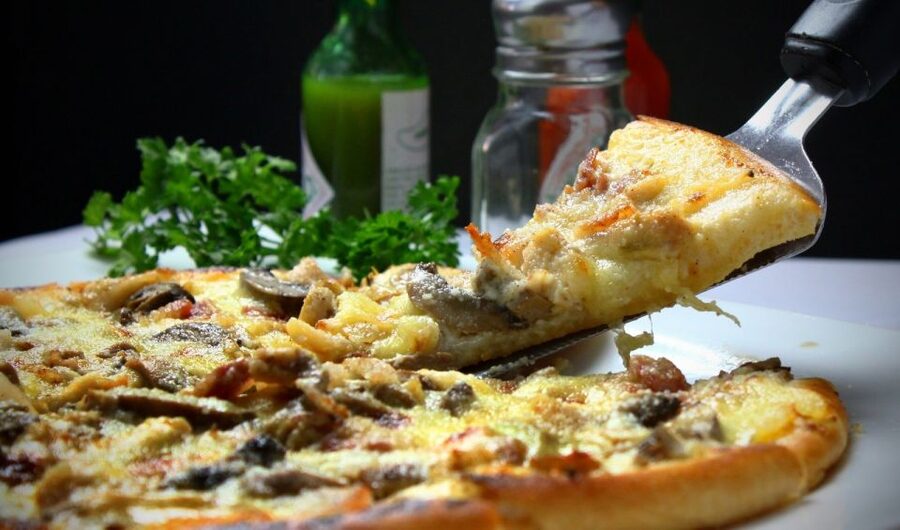
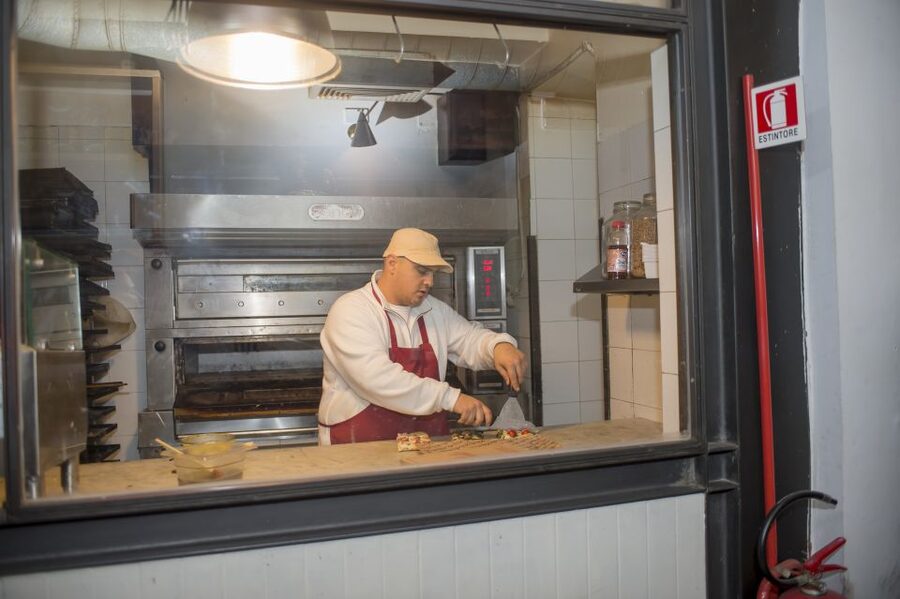
Pizza by the slice is an easy, practical Roman food. You get a chance to try it from an eatery that specializes in the style, rather than ordering a large round pizza at a sit-down restaurant. It breaks up the wine and cheese tastings with something warm and substantial.
Supplì is the more distinctly Roman bite. At Da Venanzio in Trastevere, you taste a fried rice ball filled with tomato rice and melted mozzarella. The crisp shell gives way to soft rice and cheese, which makes it both comforting and filling.
These stops are especially useful for first-time visitors because they show the difference between a formal Roman meal and the food you might grab while walking around the city. They also make clear why you should not eat lunch late or have a large pre-tour dinner. The portions add up quickly.
More Wine Tours in Italy
- Rome Food Tour: Unlimited Tastings with Fine Wine & Barolo
★ 5.0 · 3,365 reviews - Rome: Guided Food Walking Tour with Wine in Trastevere
★ 4.9 · 3,105 reviews - Rome: Trastevere Food tour with Free-Flowing Fine Wine
★ 5.0 · 2,853 reviews - Rome: Gourmet Food Tour with Dinner & Barolo Wine
★ 4.9 · 2,347 reviews
Trastevere brings the tour to the table
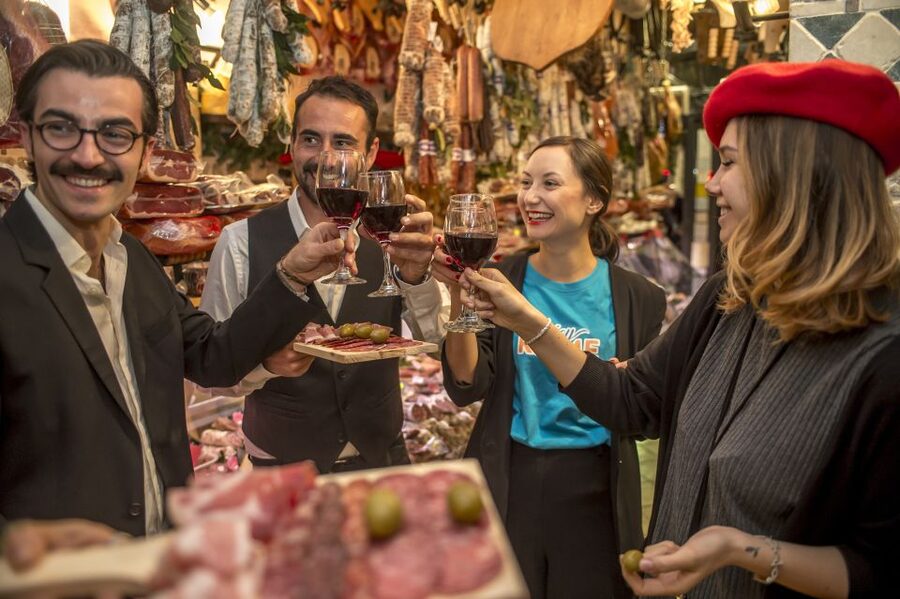
After the earlier tastings, you walk toward Trastevere for the main restaurant stop. This neighborhood is known for its many restaurants, and the tour uses it for the most substantial part of the meal.
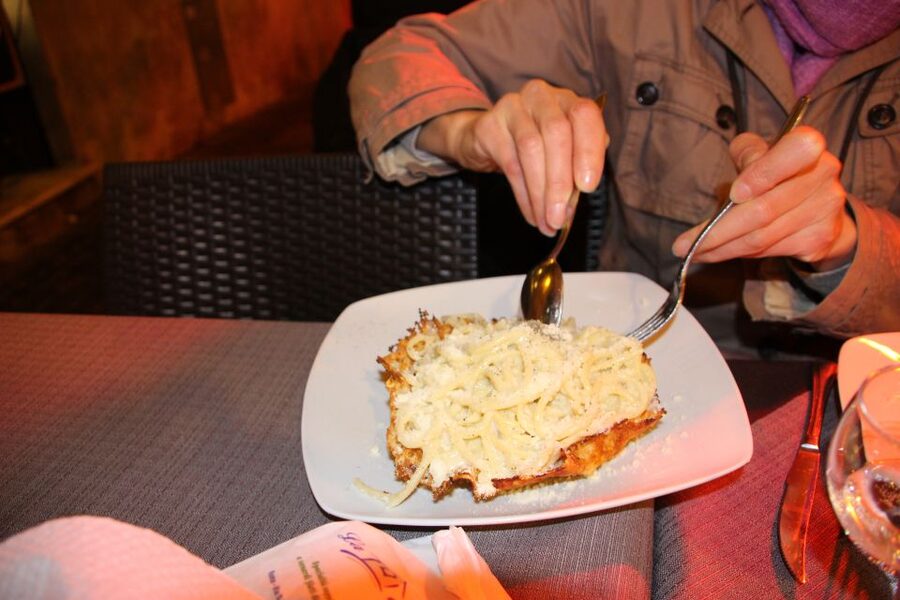
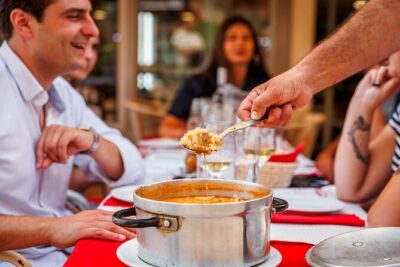
At Ristorante Spaghetteria, you receive a Roman antipasto, two first courses, fried zucchini flowers, and wine pairings. The pasta is the centerpiece: cacio e pepe and amatriciana.
Cacio e pepe is built around pasta, pecorino cheese, and black pepper. It is creamy without relying on a heavy cream sauce, and its short ingredient list leaves little room for careless preparation. Amatriciana brings a stronger tomato flavor and a savory pork element. Together, the dishes show two very different sides of Roman pasta.
Fiori di zucca, or fried zucchini flowers, add another crisp course. They are a classic Italian appetizer and a welcome change from the pasta. The restaurant portion is where the tour feels most like dinner, not just a tasting.
Two different Italian wines with protected production and origin accompany the meal. You do not need to be a wine expert to enjoy this part. The useful point is comparison: different wines can change how you experience salty cheese, tomato sauce, pepper, and fried foods.
Because this is a shared group meal, the atmosphere depends partly on the people booked for your departure. That has often worked in the tour’s favor, with people from different countries meeting over a crowded table. Still, a large group can make the evening less personal. One particularly large group of more than 20 people was difficult to keep together, and a smaller group of 10 to 12 would likely be easier to manage.
Finishing with gelato in Trastevere
The final stop is Gelateria Gunther, where you choose artisanal gelato in flavors typical of a well-known Italian gelateria.
Gelato is a sensible ending after the savory food. It gives you something sweet without adding another formal course, and you can enjoy it while walking through Trastevere. Since the tour finishes in the neighborhood, you are already in a good place to continue your evening independently.
The gelato stop also keeps the menu from becoming too serious. This is a food walk, not a cooking lecture, and the last taste is simply meant to be enjoyable.
How much food and wine should you expect?
Expect a full meal. The tour includes several stops before the restaurant, then a substantial supper and gelato. People who joined the tour specifically to sample a wide range of Roman food often appreciated the generous portions, but some finished very full.
My practical advice is simple: eat a light breakfast or lunch if you have the tour in the evening. Do not arrive after a large meal. You can take small bites at earlier stops, but you will miss part of the value if you are too full for the restaurant courses.
The wine is served alongside the food, not as a separate tasting seminar. You receive selected Italian wines with different parts of the meal. If you do not drink alcohol, advise the operator about your needs when booking, along with any dietary requirements.
The guide can shape the whole evening
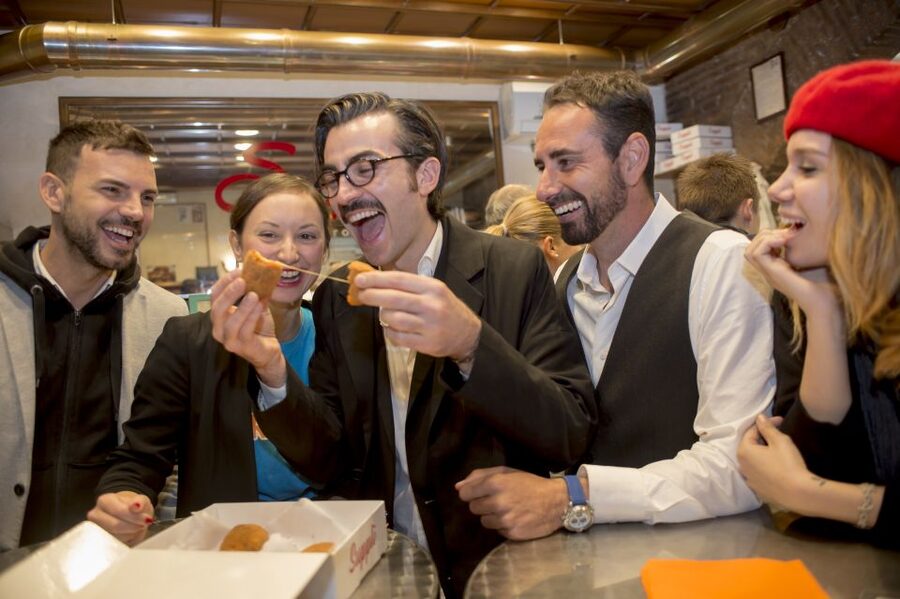
The food is important, but the guide is what turns the route into a city experience. The strongest guide feedback centers on warmth, food knowledge, and storytelling.
Catia has been praised for explaining both the dishes and the places along the route, while Fiammetta has been described as friendly, attentive, and especially good at sharing food and cultural details. Francesca and Cecilia have also received warm praise. Guide assignments can change, so you should not book on the assumption that one specific person will lead your tour.
A good guide helps you understand why a dish matters, not just what it is called. You may hear about the history of the neighborhoods, see streets you might otherwise skip, and receive extra suggestions for things to do in Rome.
The group format can be a plus if you enjoy meeting people. Several people found that sharing food made it easy to talk with others from around the world. If you prefer a quiet, private dinner or need a very controlled pace, a group food walk may feel less comfortable.
Walking, timing, and practical limits
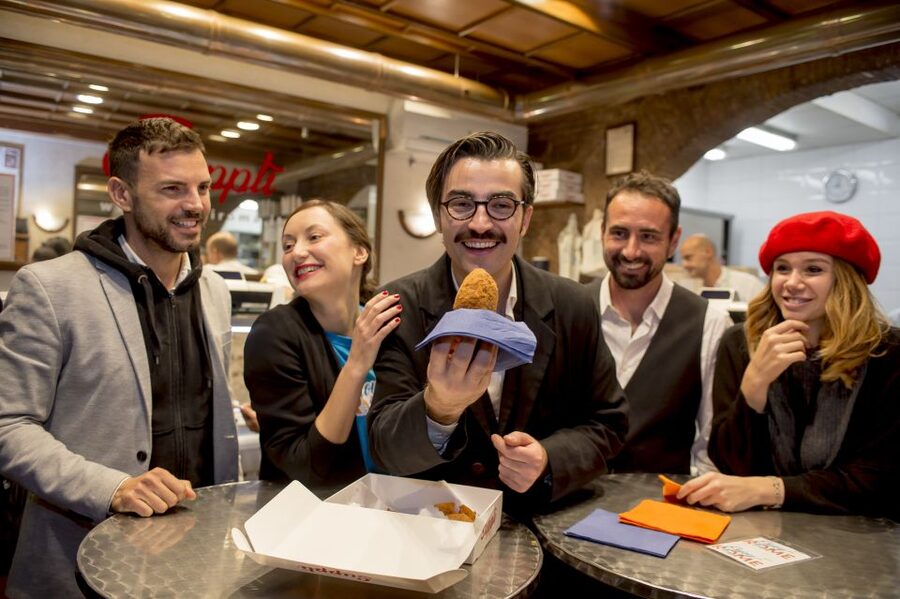
The tour lasts four hours and involves a moderate amount of walking from Campo de’ Fiori toward Trastevere. There is no pickup or drop-off, so you are responsible for reaching the meeting point and continuing on after the final gelato stop.
Wear comfortable shoes. Rome’s streets can make a food tour feel longer than the clock suggests, especially after several courses and wine. You should also arrive at the meeting point in front of La Carbonara with enough time to locate the guide.
The tour is not wheelchair accessible and is not suitable for wheelchair users. Pets are not allowed. If you have food allergies, intolerances, or other dietary requirements, provide that information at booking rather than waiting until the first stop.
Cancellation is free up to 24 hours before the tour for a full refund. You can also reserve now and pay later, which helps if your Rome schedule is still changing.
Who will get the most from this experience?
I would recommend this tour to you if food is one of your main ways of understanding a city. It works especially well for a first evening in Rome because you get dinner, neighborhood orientation, and a list of dishes to seek out later.
It also suits people who want more than a standard restaurant meal. The progression from cheese and ham to baccalà, street food, pasta, wine, and gelato gives you a broad sample of Roman eating.
Families with older children may enjoy the variety, although the wine and walking make this less suitable for very young children. The moderate walking and group pace are worth considering for anyone with mobility concerns.
I would think twice if you want a small, private tasting or if you are a very selective eater. The menu includes fried foods, cheese, cured meat, fish, pasta, wine, and gelato. Dietary requirements may be possible to discuss, but they should be shared in advance.
Should you book the Rome food tour?
Book it if you want a generous, social evening that combines Roman food with a guided walk between Campo de’ Fiori and Trastevere. The strongest reasons are the wide range of dishes, the substantial restaurant meal, the local wine pairings, and the guides’ friendly storytelling.
At $100, it makes the most sense when you count it as dinner and a four-hour introduction to Roman food. You will likely leave full, so plan your day around it.
Skip it if you dislike group tours, cannot manage moderate walking, or want a quiet restaurant evening with complete control over the menu. For most food-focused visitors, though, this is a practical way to try the classics without spending your entire first day guessing which places are worth your time.
FAQ
How long does the Rome food and wine tour last?
The tour lasts four hours.
Where does the tour begin?
Meet your English-speaking guide in Campo de’ Fiori, in front of the restaurant La Carbonara.
Where does the tour finish?
The tour finishes in the Trastevere district after the gelato stop.
What food is included?
The tastings include fried baccalà, Italian ham and cheese, supplì, cacio e pepe, amatriciana, fried zucchini flowers, and artisanal gelato.
How much does the tour cost?
The price is $100 per person.
Is wine included?
Yes. Italian wine is served with several of the food tastings, including the restaurant meal.
Is hotel pickup included?
No. Pickup and drop-off are not included.
Is the tour wheelchair accessible?
No. The tour is not wheelchair accessible and is not suitable for wheelchair users.
How much walking is involved?
A moderate amount of walking is involved as the tour travels from Campo de’ Fiori through central Rome to Trastevere.
Can I share dietary requirements?
Yes. You should advise the operator of any specific dietary requirements at the time of booking.
More Wine Tours in Rome
- Rome: Award Winning Trastevere Group Food Tour with Wine
★ 5.0 · 2,273 reviews - Rome by Night – Ebike Small Group Tour – Food and Wine (Option)
★ 5.0 · 1,275 reviews - Rome by Night: E-bike Small Group Tour -Food & Wine (Option)
★ 4.9 · 1,233 reviews - Rome Food Tour: Hidden Gems of Trastevere with Dinner & Wine
★ 5.0 · 1,166 reviews
Just added in Rome
- Rome: 3-Hour Guided Food Tour with Tastings★ 4.9 · 41 reviews
- Rome: Trionfale and Prati Food and Wine Tasting Tour★ 4.8 · 115 reviews
- Rome: Vegan Street Food Tour with Local Guide★ 5.0 · 37 reviews
- Rome: Trastevere & Tiber Island Street Food Tour at Sunset★ 4.9 · 71 reviews
- Rome Trastevere Walking Food Tour★ 4.8 · 97 reviews
- Rome: Vatican Street Food and Wine Tour with Farmers Market★ 5.0 · 37 reviews
- Rome: Trastevere Food Walking Tour with Beer and Wine★ 4.9 · 71 reviews
- Rome: Trastevere Quarter Street Food Tour with Sightseeing★ 4.9 · 21 reviews
Wine Tours, compared.

Winner 2025 Undiscovered Lisbon Food & Wine Tour by Eating Europe
Read our review →
Winner 2025 Florence Sunset Food & Wine Tour by Eating Europe
Read our review →
Authentic Parisian Gourmet Food Tour with 10 Local Dishes & Wines
Read our review →
Tapas Walking Tour with Food, Wine, and History
Read our review →
Lisbon Small-Group Portuguese Food and Wine Tour
Read our review →
Browse the lists this tour appears in