
REVIEW · MARKET FOOD TOURS
Sarajevo: Sarajevo City Market, Old Town Food Tasting Tour
Follow your appetite through Sarajevo. This four-hour Old Town food tour links the City Market, local eateries, open-air produce stalls, and coffee shops into one generous introduction to Bosnian food culture. I like the way it takes you beyond the obvious sights, and I like that the tastings arrive gradually rather than as one giant meal. The main consideration is simple: come hungry, and do not choose this outing if walking between stops or trying meat-heavy dishes will be difficult.
The guide adds much more than food. Guides including Bojan, Hana, Deniz, Alem, Ilma, Emina, Denis, and others have been praised for making the route personal, explaining Sarajevo’s past, and answering questions along the way. I would book this early in a Sarajevo stay, since it can help you decide where to eat later. Wear comfortable shoes, and remember that the tour is listed as wheelchair accessible but also marked as unsuitable for people with mobility impairments, so check the current arrangements before booking.
Key points at a glance
- Ten food and drink tasting locations: The route includes markets, traditional restaurants, bakeries, coffee stops, and sweet shops.
- A proper Sarajevo introduction: You taste local staples while hearing about the city, its people, and everyday food habits.
- Market food comes first: Sarajevo City Market brings dry meat, while Markale offers seasonal produce from local farmers.
- Classic Bosnian dishes: Expect ućkur pita, somun bread, Bey’s soup, Sarajevski sahan, and ćevapi.
- Coffee is part of the lesson: You see how coffee is processed before ending with Bosnian coffee and baklava.
- Small group, generous portions: The group is limited to 10, and the tastings can add up to a very filling half-day.
Why this food tour works so well in Sarajevo
Sarajevo is easy to admire through its streets, religious buildings, and market lanes. Food gives you another way in. This route asks a practical question: where do people shop, what do they eat on an ordinary day, and what dishes appear for family occasions?
I like that the tour does not treat Bosnian cuisine as a short list of famous dishes. You get market smells, fresh produce, bread, soup, grilled meat, sweet pastries, and drinks. That range matters because Bosnian food is not just ćevapi and baklava, although both deserve their place.
The route also stays close to the central Old Town while moving into places you might easily pass without noticing. That makes it useful during a first visit, when you want your bearings but also want more than a standard walk around the main sights.
The company keeps groups to 10 people. That is small enough for questions and conversation, but not necessarily a private tour. The four-hour length gives the guide time to explain the stops without rushing you from one bite to the next.
More market food tours in the world:
- Chef Guided Food Tour of Pike Place Market
★ 5.0 · 3,733 reviews - Tokyo Tsukiji Fish Market Food and Culture Walking Tour
★ 5.0 · 3,184 reviews - London Bridge & Borough Market Food Tour with 7 Authentic Dishes
★ 5.0 · 1,972 reviews
Sarajevo City Market and the first taste of dry meat
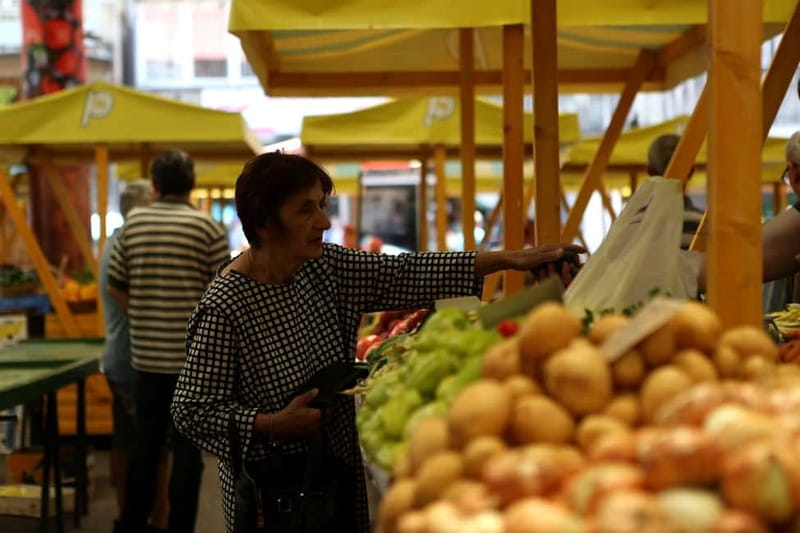
The Sarajevo City Market begins the food story with scent and texture. Here, you taste Bosnian dry meat, one of the country’s best-known preserved foods.
This is a good opening stop because a market shows food in its everyday setting. You are not simply handed a prepared sample. You get a sense of what is sold, bought, and taken home. The tour description places special emphasis on the smell of the market, and that is an important part of the experience. Food markets speak through the nose before the first bite.
Dry meat may not suit everyone, especially if you prefer mild or vegetarian food. Still, this stop helps explain why preserved meat has a place in local cooking. Ask your guide how it is used at home and for special occasions. The small-group format makes those questions practical.
Markale Open Market and Sarajevo’s produce
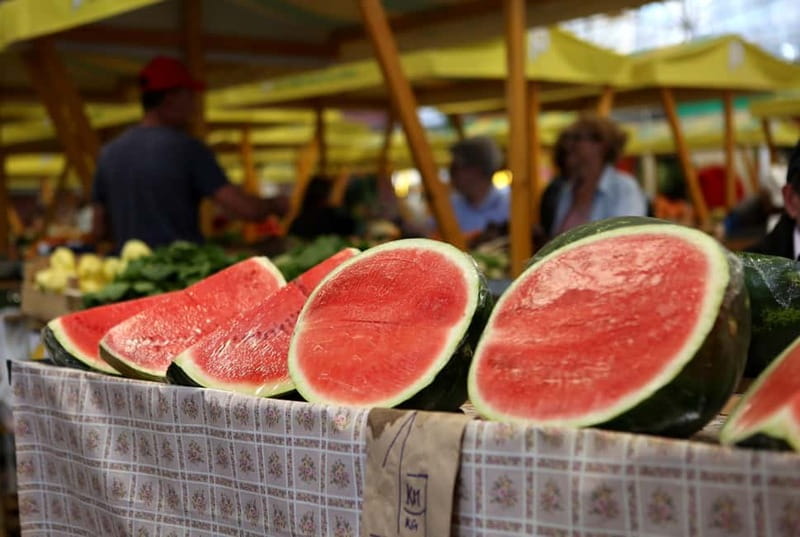
The next market stop is Markale Open Market, where local farmers bring fresh fruit and vegetables. This changes the pace and flavor of the tour after the savory dry meat.
I especially like this part because it keeps the meal from becoming a parade of restaurant plates. Produce tells you something about the seasons and the shopping habits of the city. You might see colors and ingredients that are familiar, but the setting gives them a more local meaning.
One memorable food experience described on the tour was an exceptionally good tomato. That detail says something useful about the route: it pays attention to simple ingredients, not only famous dishes. If you enjoy food markets, take time to look around rather than treating this as a quick sample stop.
Ućkur pita and the many forms of Bosnian pie
Ućkur pita is a distinctive type of Bosnian traditional pie. The tour includes it as a separate tasting, giving you a chance to try a preparation that is less likely to appear on a standard international menu.
The word pie can mislead you if you are expecting a sweet pastry. Bosnian pies can be savory, layered, filled, and served as everyday food. Your guide can explain what makes ućkur pita different from other local varieties.
This is one reason I prefer a guided food walk to ordering at random. A menu may list a dish, but it cannot always tell you how it fits into local life. The guide connects the bite to the wider food tradition, then keeps the route moving.
A few more food tours in the world worth a look
- Pike Place Market Tasting Tour
★ 5.0 · 1,696 reviews - Small Group Cooking Class & Market Food Tour in Florence
★ 5.0 · 1,574 reviews - Nishiki Market Brunch Walking Tour (7 Tastings + Brunch)
★ 5.0 · 1,355 reviews - Bologna Food & Market Tour with 6 Tastings, Pasta, Wines & More
★ 5.0 · 1,328 reviews
Somun, Sarajevo’s quick-baked bread
Somun is a special Sarajevo bread baked for only 20 seconds. That short baking time is the detail to remember, since it gives this stop a sense of place rather than making it just another bread sample.
Bread is often the quiet foundation of a meal. Here, it gets proper attention. You can taste it on its own and understand why it works so well alongside meat, soup, and other savory dishes later in the route.
If you have already eaten breakfast, this is where the cumulative effect begins. The tour is paced so you do not get full too quickly, but somun still adds to the total. I would avoid planning a large lunch immediately afterward.
TipTop, boza, and a pause between dishes
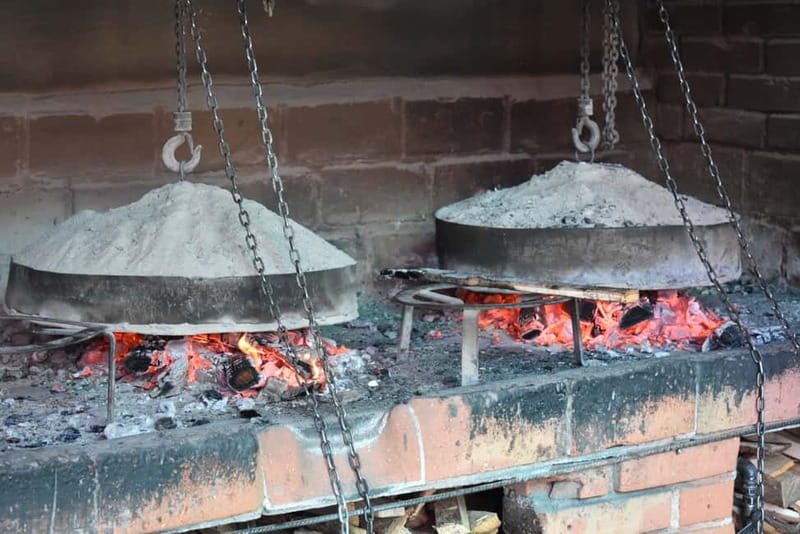
At TipTop, you take a break with boza. This gives the tour a welcome change from solid food and lets your palate reset.
Boza is a traditional fermented drink with a distinctive character. It may not be love at first sip for everyone, and the experience is better if you approach it with curiosity instead of expecting a familiar soft drink. The stop is valuable even if the flavor is not your favorite because it introduces another part of the region’s food culture.
This is also a natural point to ask your guide for suggestions about later meals. Several guides have been praised for offering useful ideas about what to see and where to eat after the tour.
Bey’s soup at Aščinica Stari Grad
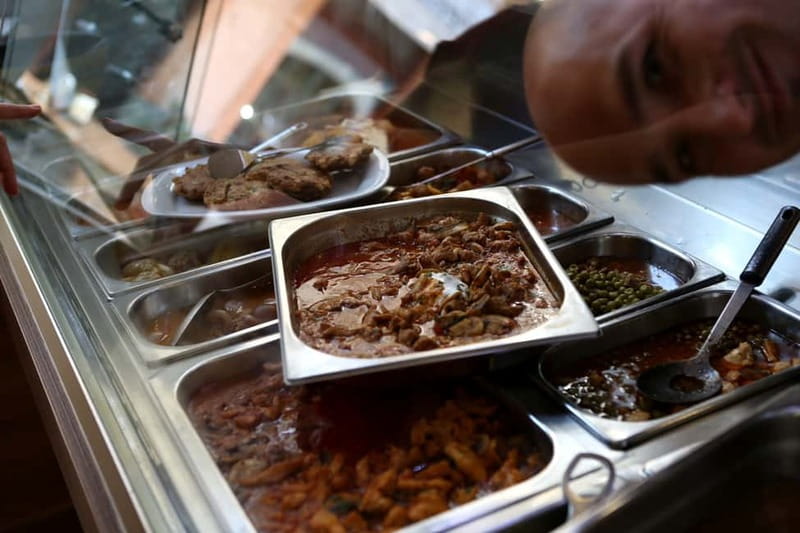
The visit to Aščinica Stari Grad brings Bey’s soup to the table. Aščinicas are traditional eateries associated with cooked local dishes, so this stop shifts the tour from market sampling toward a more complete meal.
Bey’s soup is a classic Bosnian dish, and tasting it in an aščinica gives you useful context. You are seeing how prepared food is served in a local setting, not just sampling a dish designed for a sightseeing route.
Soup also helps break up the heavier flavors of dry meat, bread, and grilled food. The guide can explain the dish as you eat, which is especially helpful if you want to remember it and order it again later.
Sarajevski sahan and the main meal feeling
The next aščinica stop features Sarajevski sahan. This is where the tasting route starts to feel like a series of small meals rather than snacks.
The dish is associated with a selection of local foods served together, and it gives you a broader look at Sarajevo’s cooking. Instead of focusing on one item, you get several flavors and textures in one sitting.
Portions are described as generous throughout the tour. That is good value, but it also means you should pace yourself. The food arrives over four hours, which helps, yet you may still leave very full. One useful feature is that unfinished food can be taken away, according to the tour information and guest experience.
Ćevapi, the Sarajevo essential
No Sarajevo food tour would feel complete without ćevapi. These small grilled meat portions are among the city’s essential foods, usually enjoyed with bread and simple accompaniments.
This stop is likely to be one of the most familiar names on the route, but tasting ćevapi as part of a wider menu makes it more useful. You can compare it with the earlier dry meat, soup, and sahan, then see how grilled meat fits into everyday eating.
Vegetarians should think carefully before booking. The route includes several meat-based specialties, and the experience is not presented as a vegetarian food tour. If you eat meat, this is one of the stops most likely to satisfy you. If you do not, ask the provider about current alternatives before paying.
Watching Sarajevo coffee become a drink
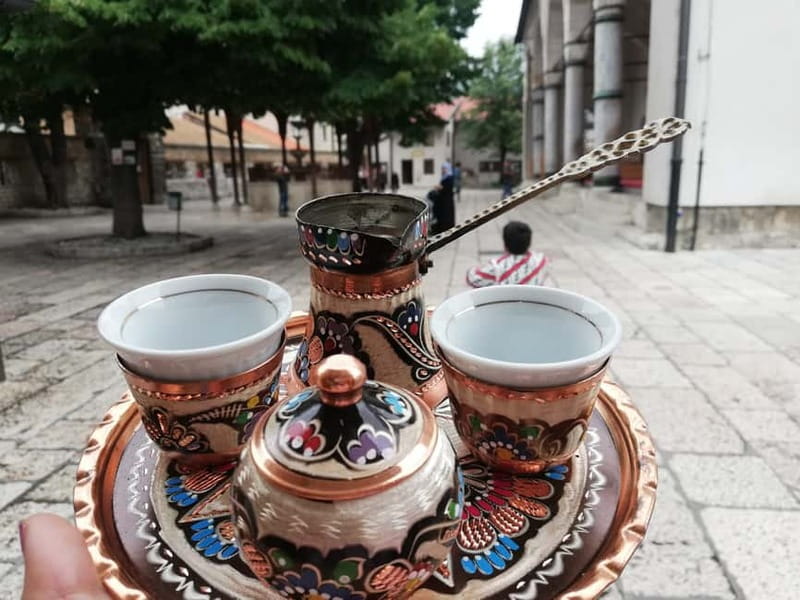
The coffee segment goes beyond simply sitting down with a cup. You get to see how the coffee is processed.
That small demonstration adds a hands-on, practical note to the tour. Coffee in Bosnia and Herzegovina is tied to hospitality and conversation, so the lesson helps explain why the final coffee stop feels like more than dessert.
I like the timing. After the savory dishes, the tour shifts toward sweets and a slower drink. You are not asked to rush through the coffee, and the guide can explain the process and customs surrounding it.
Baklava dućan, Miris Dunja, and the sweet finish
The final section visits Baklava dućan and Miris Dunja for baklava and Bosnian coffee. It is a fitting ending, since baklava is one of the most recognized sweets in the region and coffee gives the group time to wind down.
Baklava can be rich, especially after a full route. The portion is part of the value, but do not assume the last stop will feel light. This is the point where your earlier restraint pays off.
The combination also turns the end of the tour into a social moment. You can ask final questions, note down dishes you want to try again, and compare impressions with the small group. For many people, this will be the most relaxed stop of the day.
Guides, group size, and the human side of the tour
The guide is one of the strongest parts of this experience. Bojan has been praised for being easy to talk with and for sharing useful background. Hana is described as friendly and personal, while Deniz and Denis are repeatedly praised for clear explanations and warm company.
Alem has been noted for sharing favorite local foods along with stories about his own life. Emina added personal touches to the city’s history, and Ilma was praised for being personable and well informed. The names vary by departure, so you should not assume a particular guide will lead your tour.
What matters is the pattern: the guide is expected to do more than point out dishes. You hear about Sarajevo’s past, Bosnian culture, local habits, and the places you are passing. The best use of the tour is to ask questions as you go.
Is $57 good value for four hours?
At $57 per person, the price is reasonable if you plan to eat every tasting and use the tour as both a meal and a city introduction. Ten food and drink stops, a live English-speaking guide, and four hours of walking and explanation add up to more than a simple restaurant meal.
You also avoid the risk of ordering unfamiliar dishes without knowing what they are. The route lets you try many specialties in small portions, although the total can still be substantial. If you would rather spend $57 on one large meal, this is not the best use of your money. If you want variety and context, it is stronger value.
The tour includes food and drinks at 10 locations, though one past description referred to eight unique stops. Counting methods may differ when several tastings happen within one area, so focus on the overall range rather than the exact number.
Walking, timing, and who should book
You meet at the Insider City Tours office. The activity lasts four hours, runs in English, and has limited availability by starting time. Comfortable shoes are essential.
The walking pace has been described as reasonable, with few steps, and one account found it suitable for prams. At the same time, the official information says it is not suitable for people with mobility impairments, despite also listing wheelchair accessibility. That conflict deserves a direct question before booking.
I would choose this tour for first-time visitors, food-focused couples, curious solo visitors, and anyone who wants a practical introduction to Sarajevo. It also suits people who like asking questions and trying foods they might not order alone.
I would hesitate if you are vegetarian, have serious food restrictions, dislike walking, or prefer a light lunch. The route is meat-forward and filling, even though the food is spaced out.
Should you book the Sarajevo food tour?
I would book it, especially near the start of your Sarajevo visit. You get the markets, traditional restaurants, bread, soup, meat, drinks, coffee, and baklava in one organized route, with enough local explanation to make the food memorable.
The strongest reason to choose it is not one particular dish. It is the mix of ordinary market shopping and famous Sarajevo staples, guided by people who clearly enjoy talking about their city. Book it if you want a generous meal with cultural context. Skip it only if mobility needs, dietary restrictions, or a dislike of substantial portions make the route a poor fit.
FAQ
How long does the Sarajevo food tour last?
The tour lasts four hours.
What is the price per person?
The listed price is $57 per person.
Where does the tour begin?
You meet at the Insider City Tours office.
What food and drinks are included?
The route includes dry meat, fresh fruit and vegetables, ućkur pita, somun bread, boza, Bey’s soup, Sarajevski sahan, ćevapi, Bosnian coffee, and baklava.
Is the tour conducted in English?
Yes. The tour has a live English-speaking guide.
How many people are in the group?
The group is limited to 10 participants.
What should I bring?
Bring comfortable shoes, since the experience includes walking between food stops.
Can I cancel for a full refund?
Yes. You can cancel up to 24 hours in advance for a full refund. You can also reserve now and pay later.
Just added in the world
- Copenhagen Private Culinary Food Tour with 6 Tastings of Classics★ 5.0 · 42 reviews
- Copenhagen Private Food Walking Tour with 6 or 10 Tastings★ 4.5 · 177 reviews
- Copenhagen Food & Drink Private Tour: Scandinavia Delight Tasting★ 5.0 · 236 reviews
- Copenhagen Modern Food Tour★ 5.0 · 32 reviews
- 3-hour Culinary Bike Tour in English★ 5.0 · 235 reviews
- Copenhagen Best of Danish Pastry Tasting Tour★ 5.0 · 30 reviews
- Classic 3-Hour Food Tour in Colorado Springs★ 5.0 · 408 reviews
- COLOMBO PRIVATE CITY TOUR WITH street food( All inclusive )★ 4.0 · 40 reviews
Market Food Tours, compared.
Tokyo Tsukiji Fish Market Food and Culture Walking Tour
Read our review →
London Bridge & Borough Market Food Tour with 7 Authentic Dishes
Read our review →
Small Group Cooking Class & Market Food Tour in Florence
Read our review →
Nishiki Market Brunch Walking Tour (7 Tastings + Brunch)
Read our review →
Bologna Food & Market Tour with 6 Tastings, Pasta, Wines & More
Read our review →
Browse the lists this tour appears in