REVIEW · STREET FOOD TOURS
São Paulo: Liberdade Street Food Tour
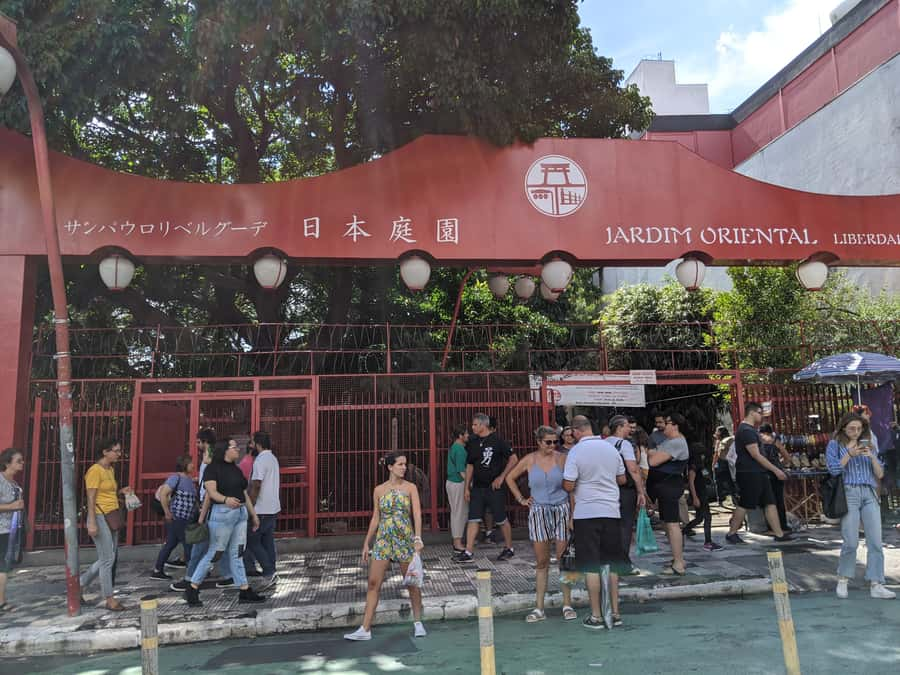
Come hungry, leave with a story. This two-hour walk through São Paulo’s Liberdade district combines Japanese, Brazilian, Korean and Argentine snacks with a lively account of the neighborhood’s past and present. You meet outside the large red Banco Bradesco Prime in Liberdade Square, then spend about 105 minutes walking, tasting and learning before finishing at Restaurante Kazu.
I especially like the thoughtful mix of food and local context. Japanese pastel with sugarcane juice is a memorable pairing, and the chance to try items such as onigiri, takoyaki, empanadas and Korean choux gives you a broad taste of São Paulo in a short time. I also like the small group limit of 10, which should make it easier to hear the guide and ask questions.
The main consideration is timing. The tour starts strictly on time, and late arrivals cannot join once the group has set off. Also, the food is selected for variety rather than universal appeal, so one stop may not suit every palate.
The best reasons to choose this food walk
- Liberdade in one compact route: See the streets and markets of São Paulo’s best-known Japanese district while learning how the area changed over time.
- Four food traditions in one outing: Taste dishes linked to Japan, Brazil, Argentina and Korea rather than staying with one cuisine.
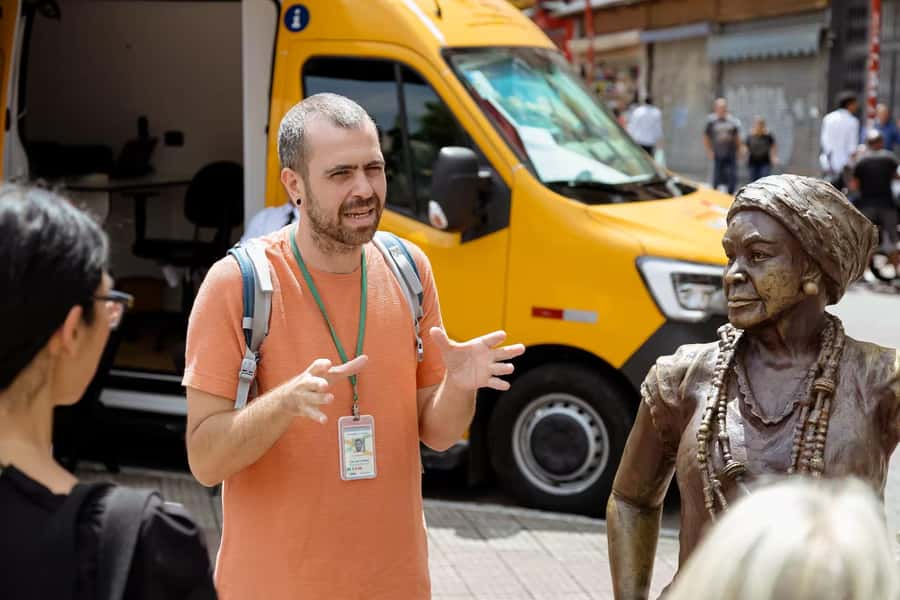
- A guide who adds real context: Giuliano is repeatedly praised for his English, energy and broad knowledge of São Paulo and Brazilian history.
- A filling snack plan: Three main food stops come with water, sugarcane juice and a final soft drink or coffee.
- A genuinely small group: With no more than 10 participants, the tour has a more personal feel than a large food excursion.
- Useful flexibility: You can cancel up to 24 hours before departure for a full refund and reserve now without paying immediately.
Starting in Liberdade Square
The meeting point is easy to identify: outside the large red Banco Bradesco Prime in the middle of Liberdade Square. You will want to arrive early, not merely on time. The guide gives no late entry once the walk has begun, and phone contact may not be available after the start because the guide is focused on the group.
Liberdade is a fitting place to begin. The district is strongly associated with São Paulo’s Japanese community, the largest Japanese community outside Japan. Its identity, however, is not limited to Japan. Chinese, Korean, Congolese and Haitian communities also form part of the neighborhood today, alongside a strong Afro-Brazilian presence.
That mix is the key to understanding the food. This is not a tour of imported dishes presented in isolation. The snacks help explain how migration, local ingredients and São Paulo’s street-food culture meet in one district.
You should bring sunscreen and an umbrella. São Paulo weather can change, and the experience takes place outdoors as you walk between food stops and points of interest. Comfortable shoes are sensible, though the tour is only two hours rather than a full-day city walk.
More street food tours in the world:
- Ho Chi Minh City Street Food Tour & Sightseeing By Motorbike
★ 5.0 · 9,413 reviews - Naples: Street Food Walking Tour with Local Guide
★ 4.9 · 4,976 reviews - Small Group Hanoi Street Food Tour with a Real Foodie
★ 5.0 · 4,682 reviews
What makes Liberdade more than a Japanese district
The area has a complicated past. It was once a military district, then became a center for Japanese immigrants about a century ago. Today, it reflects several waves of migration and a broader Afro-Brazilian heritage.
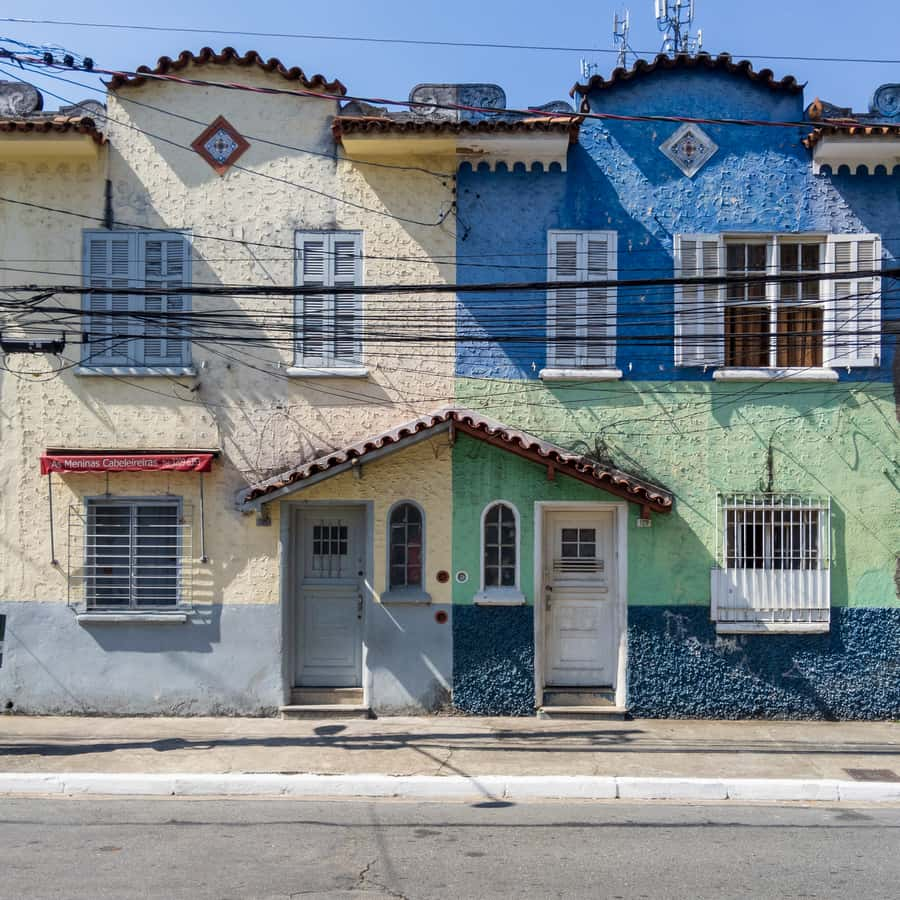
That background gives the walk more weight than a simple market snack crawl. You are not only being shown where to eat. You are also given a way to read the neighborhood: its streets, architecture, markets and changing population.
The guide explains the Japanese influence as you move through Liberdade. You may also learn about the people who live in the area now and how different communities have shaped its character. The supplied information does not promise a formal museum visit or a long stop at a particular building, so think of the history as part of a moving street conversation.
If you enjoy connecting food to place, this is the strongest part of the experience. If you prefer a tour built around major landmarks, this may feel less structured. Its interest comes from the combination of small observations, conversation and tasting.
The first tastes: Japanese pastel, onigiri and sugarcane
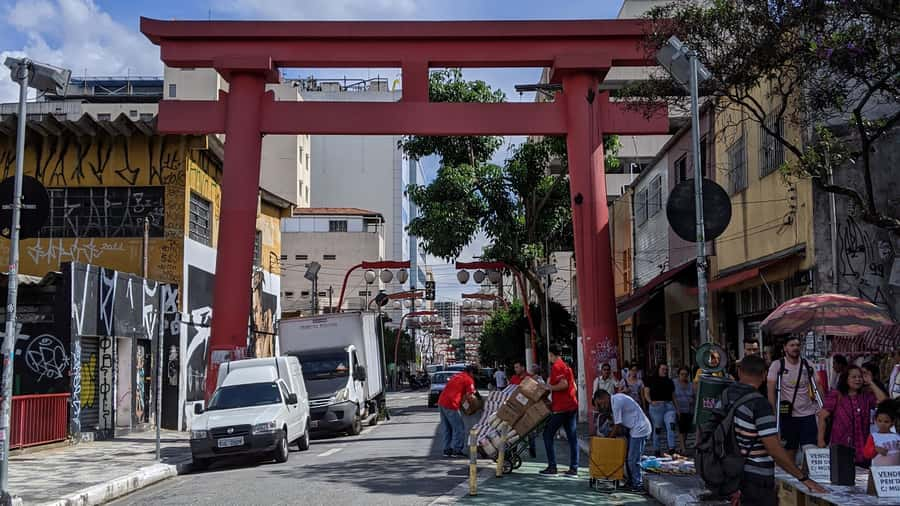
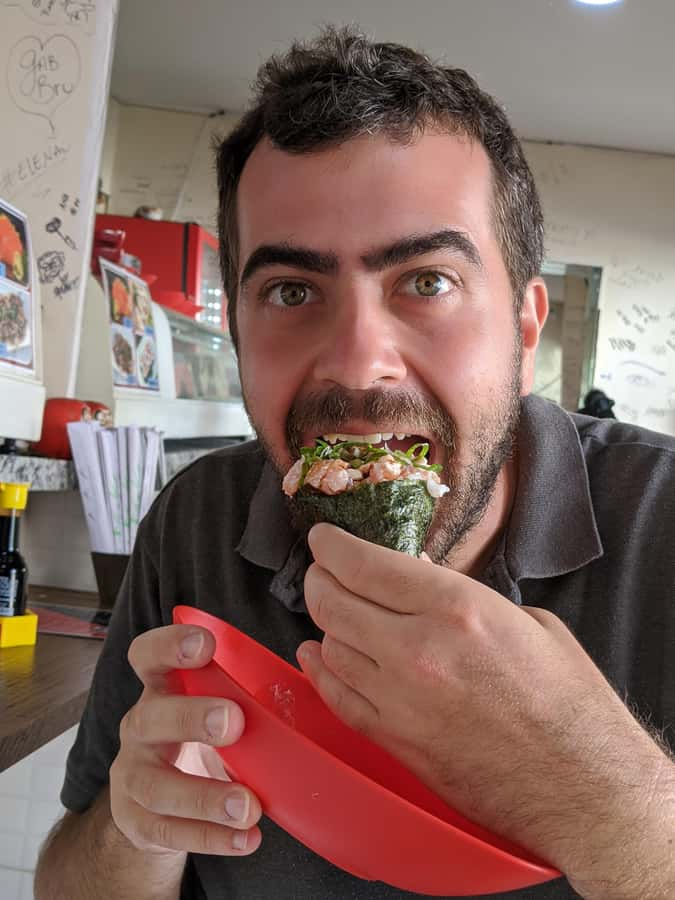
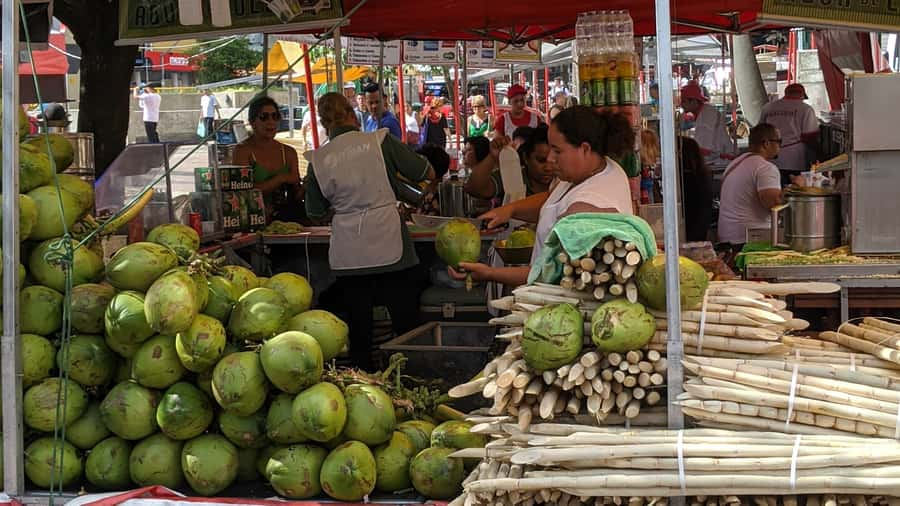
The food begins with Japanese pastel and onigiri. In São Paulo, pastel is a familiar Brazilian street snack, while onigiri points directly toward Japanese food traditions. Putting those items together gives you an immediate example of how cuisines overlap in the city.
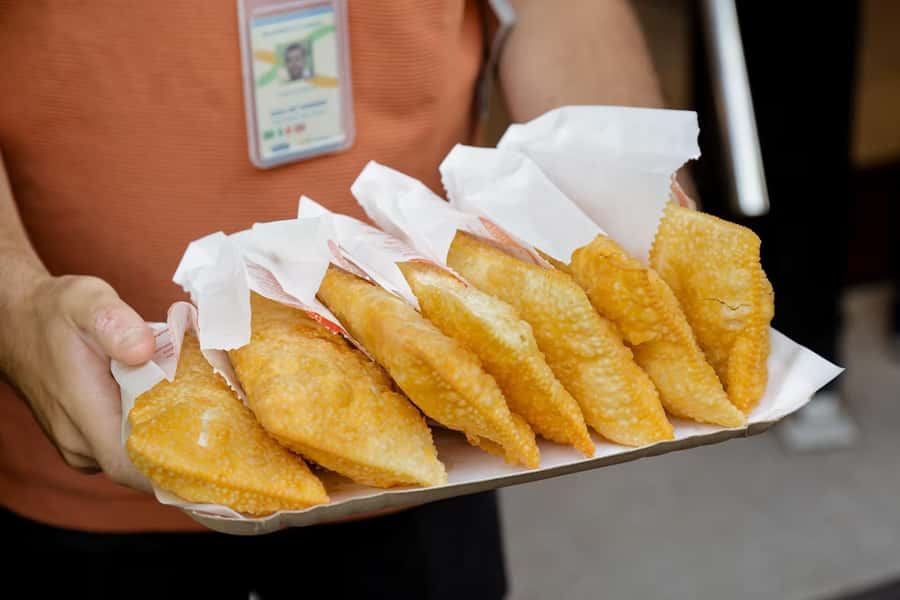
The Japanese pastel is one of the more unusual promised tastings. It is not simply a standard Japanese dish served in Brazil, but a local snack with Japanese influence. That makes it more useful than ordering a familiar sushi plate. You are tasting something tied to the meeting of cultures that defines Liberdade.
A sugarcane juice accompanies the early food. Its tropical sweetness provides a sharp contrast to savory snacks, and it makes the stop feel connected to Brazilian street eating rather than only to Japanese cuisine.
The portions are designed as substantial snacks, not tiny samples. Arriving hungry is wise. One previous participant described leaving very full after the range of food, and that is a fair warning if you plan to eat a large meal shortly afterward.
The middle stop: takoyaki, tempura or empanadas
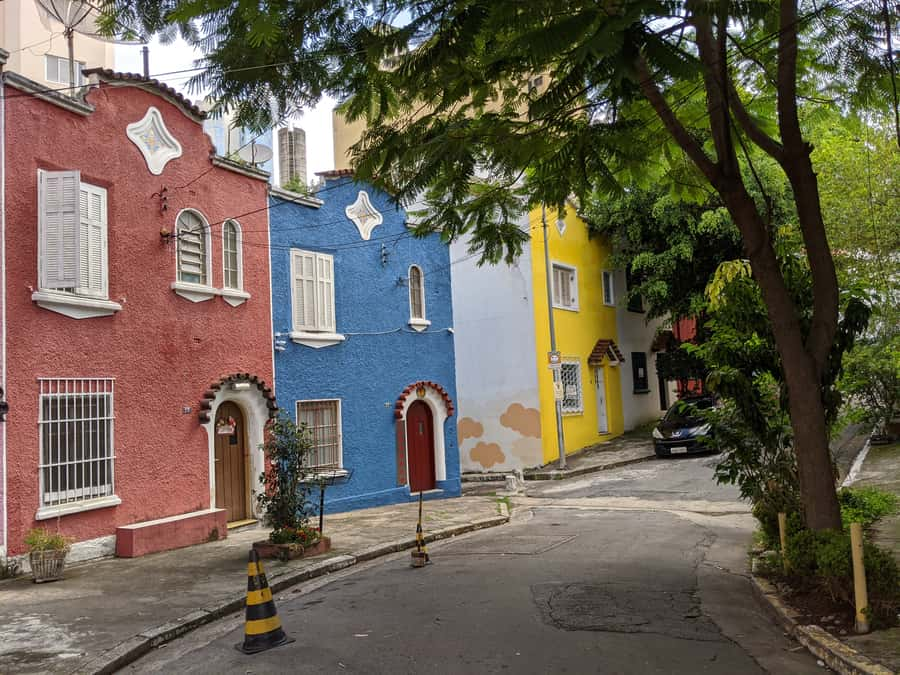
The next major tasting changes according to the day. You may receive traditional takoyaki or tempura. On weekdays, this can be replaced with Argentine empanadas.
That variation matters. Takoyaki offers another Japanese flavor and texture, while tempura gives you a crisp fried option. Empanadas shift the focus toward Argentina and help explain why the tour is broader than the Japanese identity of Liberdade.
The weekday substitution is worth noting when planning. If you have your heart set on takoyaki, check the departure details before booking, since the food can change. If you enjoy trying local favorites more than following a fixed menu, the change is not a serious drawback.
The empanadas received especially warm praise from one participant, who called them a favorite. Another person found the food at the final stop less appealing, which is a useful reminder that taste is personal. The tour provides variety, but no food tour can guarantee that every item will be your favorite.
A few more food tours in the world worth a look
- Reykjavik Food Walk – Local Foodie Adventure in Iceland
★ 5.0 · 18,952 reviews - Tokyo: Shinjuku Food Tour (13 Dishes at 4 Local Eateries)
★ 5.0 · 6,603 reviews - Winner 2025 Undiscovered Lisbon Food & Wine Tour by Eating Europe
★ 5.0 · 6,390 reviews - Hanoi: Guided Food Tour with Train Street Visit
★ 4.9 · 6,239 reviews
A Korean finish with choux au craquelin
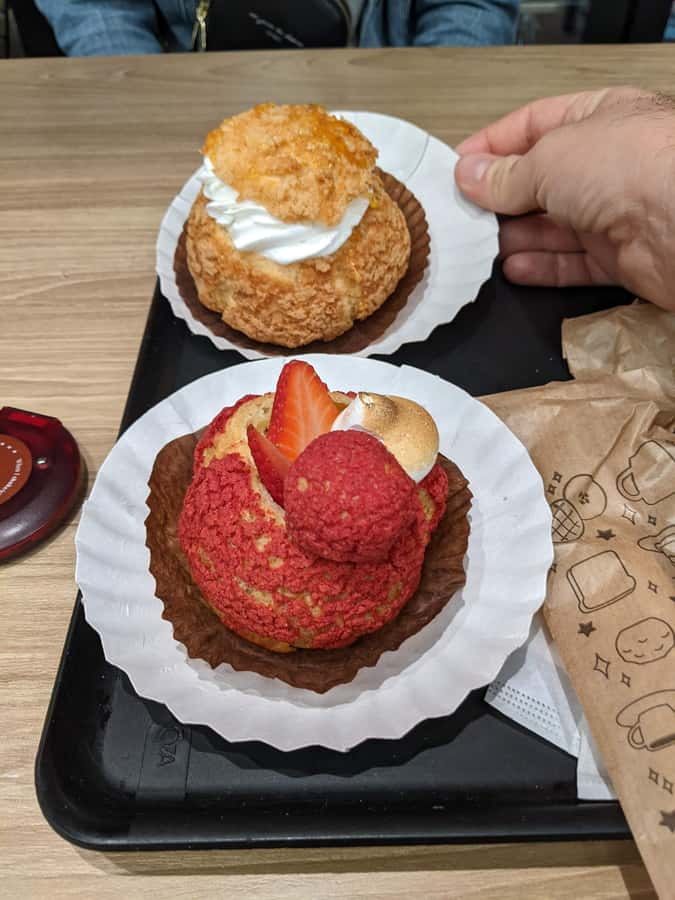
The final named food is Korean choux au craquelin. The item brings a sweet finish and adds Korea to the route’s culinary range.
For you, the value here is not just the pastry itself. It shows how the neighborhood’s food culture keeps expanding beyond the Japanese association most visitors already know. The combination of Japanese, Brazilian, Argentine and Korean items makes the tour feel like a small edible map of migration in São Paulo.
The experience ends at Restaurante Kazu, where you receive a final soft drink or coffee. This gives the walk a clear finish rather than leaving you to find your own drink after the last tasting. One bottle of water is also included during the tour.
Additional food and drinks are not covered. If you are still hungry afterward, Liberdade has plenty of places to continue eating, but those purchases come from your own budget.
A guide-led walk with history between bites
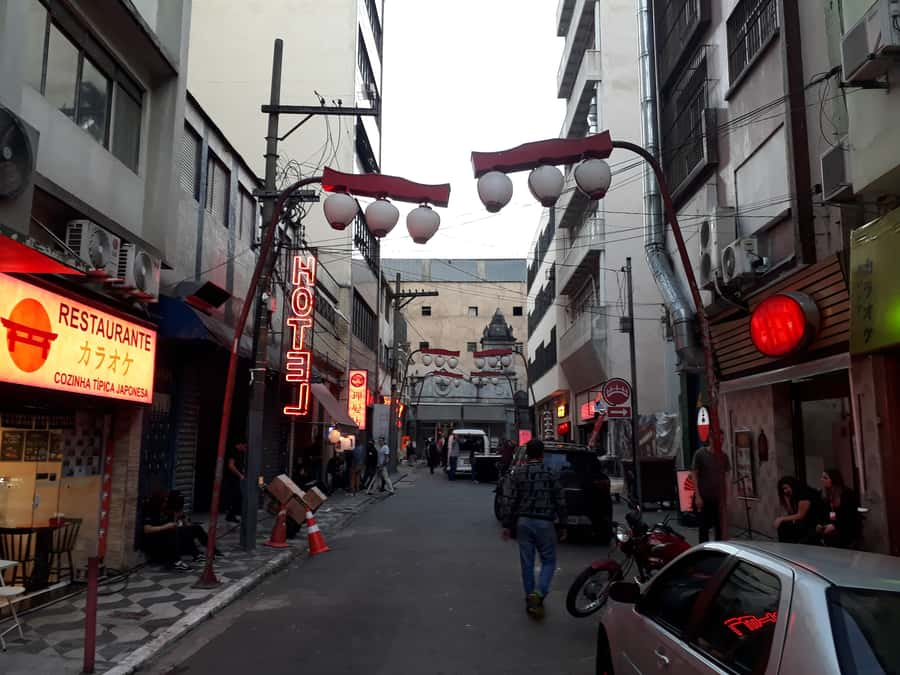
Food tours can sometimes become a rapid list of dishes with little explanation. This one puts more emphasis on the story behind the neighborhood and the food. The guide explains the Japanese influence, the area’s older military role and the wider mix of communities connected to Liberdade.
Giuliano receives especially strong praise for his English, energy and ability to connect food with São Paulo’s past. He is described as an Italian who has lived in Brazil for many years, which may give his explanations an interesting outside-and-inside perspective. He has also been praised for sharing his favorite Brazilian street snacks rather than treating the tour like a rehearsed menu presentation.
The guide’s style appears to be a major part of the experience. The strongest comments describe an engaging communicator who can move from street food to wider Brazilian history without losing the group’s attention. That matters in a compact tour, where every minute needs to do two jobs: feed you and orient you.
You should still set realistic expectations. The tour lasts two hours, with about 105 minutes listed for the guided food walk. It cannot cover every part of Liberdade or provide a full history of São Paulo. Think of it as a focused introduction, not a complete city sightseeing program.
How much food and value you get for $60
At $60 per person, this is not the cheapest way to buy street snacks in São Paulo. If you are comfortable ordering food on your own and using translation tools, you could likely spend less on individual items.
The price makes more sense if you value guidance. You are paying for three principal tastings, multiple food traditions, sugarcane juice, water and a final soft drink or coffee, plus the time and local explanation that links the stops together. You also avoid the uncertainty of choosing unfamiliar dishes on your own.
The small group improves the value. A maximum of 10 people allows the walk to remain personal and should make questions easier. For a first visit to São Paulo, that orientation can save time later, especially if you want to return to Liberdade for another meal or market visit.
I would consider the tour good value for a visitor who wants a structured introduction and does not speak Portuguese. I would be less enthusiastic about the price if your only aim is to eat as much as possible for the lowest cost.
Who will enjoy this tour most
This outing suits first-time visitors who want an easy introduction to Liberdade without spending half a day planning food stops. It also works well for people who enjoy history in small doses and prefer learning while walking rather than sitting through a formal lecture.
It is a good fit for curious eaters. You will try food from several traditions, and the menu includes less obvious combinations such as Japanese pastel with sugarcane juice. The tour also suits couples, solo visitors and small groups who prefer not to join a large crowd.
English speakers have a clear advantage because the live tour is conducted in English. The experience is wheelchair accessible, which makes it available to a wider range of visitors, though the supplied details do not describe the exact street surfaces or restroom arrangements.
You may want to skip it if you have strict dietary restrictions, since no dietary accommodations are provided in the details. You may also prefer another activity if you dislike fried foods, pastries or tasting several snacks in a short period.
Timing, weather and practical planning
Plan your route to the bank carefully and aim to reach Liberdade Square before the stated start time. The tour will not wait for late arrivals, and the guide may not check a phone once the group is moving.
Bring sunscreen and an umbrella. Those are simple items, but they matter on an outdoor walk in a city where weather can shift during the day. Wear shoes that are comfortable for walking between markets, streets and food stops.
The small group limit is 10 people. That is a practical advantage in a food district where narrow spaces and busy vendor areas can make a large group awkward. A small group also gives the guide more room to explain an item or answer a question without holding up a crowd.
The activity lasts two hours, though the guided portion is listed as 105 minutes. That leaves enough time for a useful neighborhood introduction without taking over your day. You could place it early in your São Paulo visit and use the rest of the day to return to any market or restaurant that catches your attention.
Free cancellation is available until 24 hours before departure, and you can reserve while postponing payment. Those terms are helpful if your São Paulo plans are still changing.
My call: book it for context, not just calories
I would book this tour if I wanted to understand Liberdade through food rather than simply pass through its markets. The mix of Japanese, Brazilian, Argentine and Korean snacks is unusual, the included drinks make the route feel complete, and the guide-led history gives the tasting real purpose.
The strongest reason to book is the combination of food and explanation. Giuliano’s reported energy and English make him a major asset, and the small group should keep the walk friendly and manageable.
I would hesitate only if you want a bargain snack tour, need guaranteed dietary options or expect a long list of landmark visits. For everyone else, $60 is reasonable for a compact, guided introduction to one of São Paulo’s most distinctive neighborhoods. Arrive early, bring sunscreen, and save room for more than one kind of pastel.
FAQ
Where does the São Paulo Liberdade food tour start?
It starts outside the large red Banco Bradesco Prime in the middle of Liberdade Square.
Where does the tour finish?
The tour finishes at Restaurante Kazu.
How long does the experience last?
The experience lasts two hours, with about 105 minutes listed for the guided tour and food tasting.
What food is included?
Included tastings are Japanese pastel and onigiri, traditional takoyaki or tempura, or Argentine empanadas on weekdays, plus Korean choux au craquelin.
What drinks are included?
You receive one bottle of water, one sugarcane juice and one final soft drink or coffee.
Is the tour conducted in English?
Yes. The live tour guide speaks English.
How many people can join the group?
The tour is limited to 10 participants.
Can I cancel for a full refund?
Yes. You can cancel up to 24 hours in advance for a full refund.
Just added in the world
- Private Chicago Food Tour with Deep Dish and Beef Sandwich★ 5.0 · 61 reviews
- River North Food Walking Tour★ 4.5 · 88 reviews
- Chicago Food Tour: Taste the City’s Most Iconic Eats★ 5.0 · 111 reviews
- Chicago’s West Side Foodie Ride Bike Tour★ 5.0 · 112 reviews
- Old Town Chiang Mai Food Tour with 10+ Local Dishes Tastings★ 5.0 · 21 reviews
- Go where the locals go, Eat what the locals eat! Food Tour with Local Foodies★ 5.0 · 138 reviews
- Motorbike Food Tour in Chiang Mai★ 5.0 · 54 reviews
- Food Trail Through Sowcarpet Market: A Taste of Chennai★ 5.0 · 38 reviews
Street Food Tours, compared.
Ho Chi Minh City Street Food Tour & Sightseeing By Motorbike
Read our review →
Small Group Hanoi Street Food Tour with a Real Foodie
Read our review →
Saigon By Night and Street Food By Motorbike | Opt: Ao Dai Riders
Read our review →
Private Street Food Tour by Motorbike/Car with Local Students
Read our review →
Cinque Terre Park Day Trip with Optional Street Food
Read our review →