
REVIEW · FRANCE FOOD TOURS
Strasbourg: Traditional Food Walking Tour with Tastings
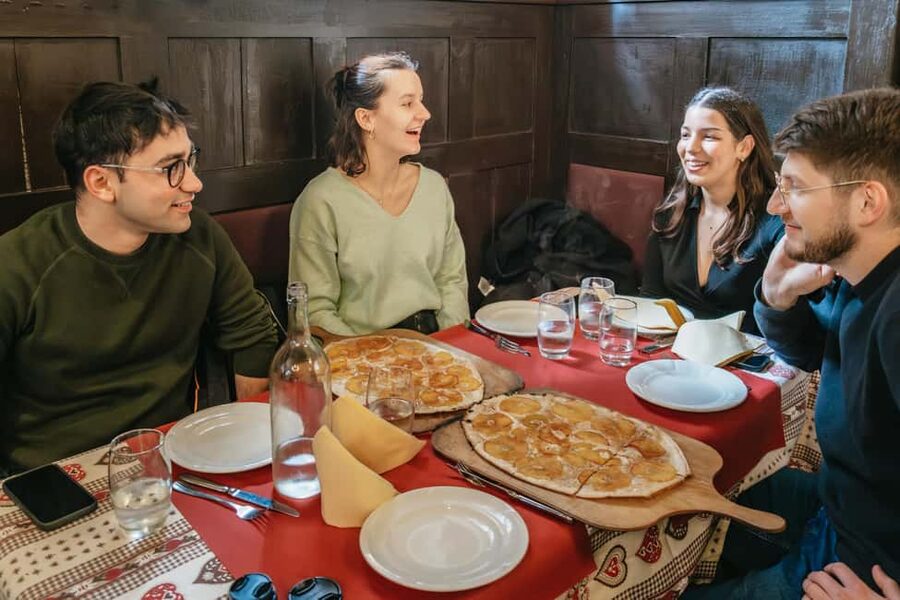
Come hungry, leave happily full. This three-and-a-half-hour walk brings you into Strasbourg’s food culture through bretzels, charcuterie, cheese, choucroute garnie, local drinks, and Alsatian sweets. I especially like the mix of traditional dishes and newer food spots, plus the way the route links eating with Strasbourg’s old streets, Petite France, and major sights.
I also like the small-group format, which is limited to 12 people and sometimes becomes a very intimate outing. Guides such as Raphael, JP, Loubna, Christine, and Nahama have earned praise for their humor, local insight, and ability to make solo visitors and families feel at ease. The main drawback is simple: the portions can be enormous, and the $116 price requires a serious appetite to feel like good value.
- Four or more food stops cover both savory and sweet Alsatian specialties.
- Choucroute garnie may arrive as a full meal, not a dainty sample.
- Place d’Austerlitz to Petite France gives you a useful introduction to central Strasbourg.
- Wine, beer, and water are included, with at least one alcoholic drink.
- Small groups of up to 12 make it easier to ask questions and keep up with the guide.
- Comfortable shoes matter, though the route is generally flat and does not involve a great deal of walking.
What $116 Buys You in Strasbourg
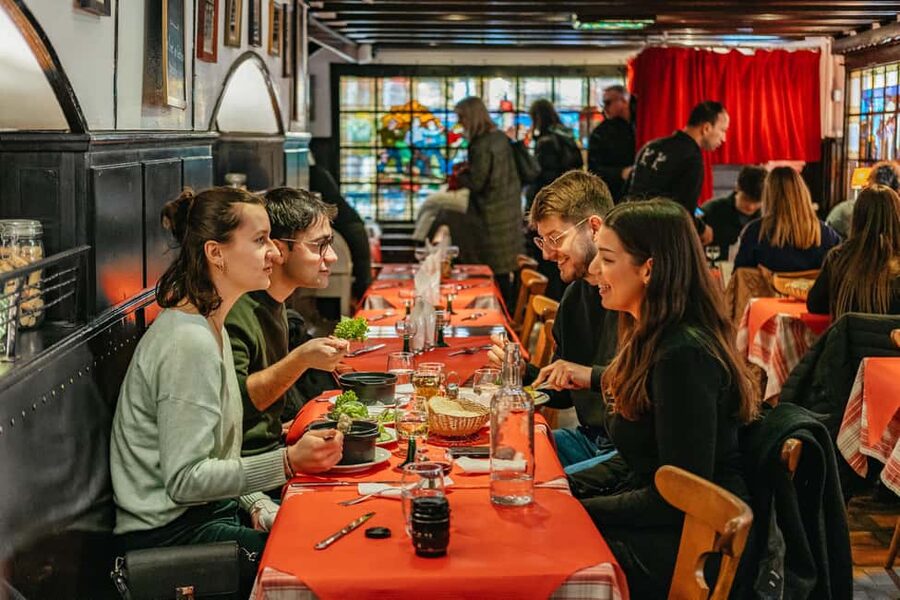
At $116 per person, this is not a quick pastry crawl. You are paying for a 210-minute experience with a guide, at least four food stops, a serving at every stop, water, and at least one alcoholic drink. The food can amount to a full lunch, with some extra sweets and drinks along the way.
That makes the value depend on how you use it. If you only want a few bites and a glass of wine, the price may feel high. If you want a meal, city orientation, local food explanations, and several stops that would take effort to arrange on your own, the cost becomes easier to justify.
The portions are a major part of the equation. Several people needed to leave food behind, particularly at the lunch stop. A full bowl of sauerkraut with meat, or a large serving of pasta with a strong cheese sauce, can quickly fill you up before the sweet tastings arrive.
So take the advice seriously: do not eat a large breakfast before a morning tour, and keep lunch light if you are joining later in the day. This is one of those food walks where the word tasting can undersell the amount served.
Starting at Place d’Austerlitz
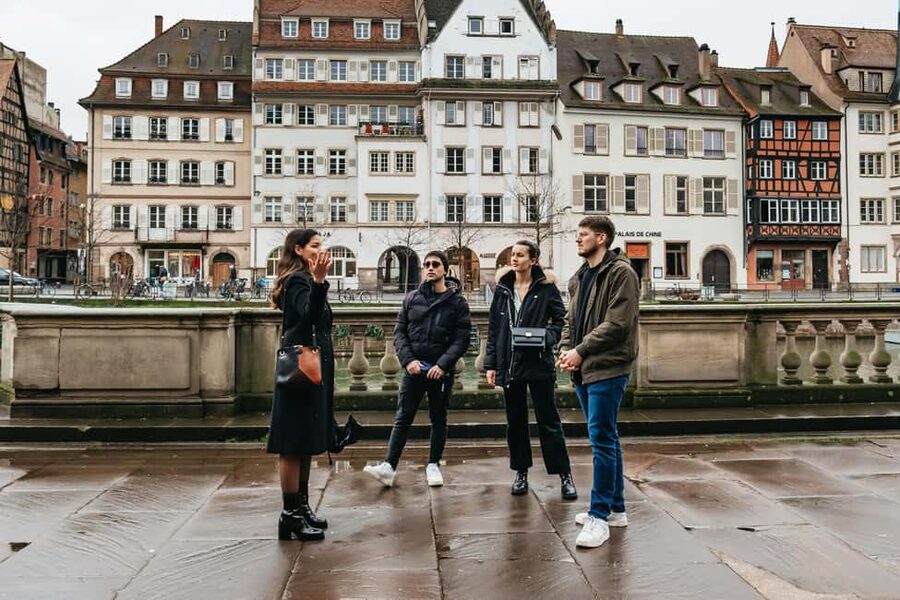
The meeting point is Place d’Austerlitz, in front of the miniature of Strasbourg. Allow extra time to find it. The directions have caused confusion for some people, with map software pointing toward an unrelated business or sending you through the park without making the miniature easy to spot.
This is not a reason to skip the tour, but it is a good reason to arrive early. Look for the miniature in the square rather than relying only on a street address. Once the group gathers, the route moves through the center toward food shops, cafes, and restaurants.
The tour requires at least two people to operate and accepts no more than 12. A small group is a real benefit here. Food tastings work better when you can hear the guide, ask about ingredients, and sit down together without the stop turning into a production.
The guide may speak in both English and French. The guides assigned to this experience have included Raphael, JP, Loubna, Christine, Nahama, Sabria, Naha, and others. Their styles vary, but the strongest pattern is clear: the tour works best when the guide treats the city and its food as connected subjects rather than rushing from one snack to the next.
More Food Walking Tours in France
- Nice Small-Group Walking Food Tour with Local Specialties & Wine Tasting
★ 4.5 · 558 reviews - Saint-Germain: Gourmet Chocolate & Pastry Walking Food Tour
★ 4.8 · 495 reviews - Nice: Provencal Food Walking Tour with Tastings
★ 4.9 · 387 reviews
Bretzels, Charcuterie, and Cheese First
One of the early stops focuses on Alsatian basics: soft bretzels, cured meats, and local cheese. This is a smart opening because it gives you a taste of the region’s everyday food culture before the larger meal arrives.
The bretzel is soft rather than the dry, crunchy snack you may know from a packet. It pairs well with charcuterie and cheese, and the combination gives you a useful sense of the area’s German and French influences. At a cheese shop, you may also learn about the products being tasted and how they fit into local eating habits.
This stop can include wine or beer, and the included alcoholic drink helps the food feel like more than a series of counter samples. The guide may explain why Alsace is famous for its vineyards, giving you some context before you taste the region’s wine.
There is one practical trap here: the opening spread can look so good that you eat as if it is the main meal. It is not. Pace yourself, since the restaurant stop later can be substantial.
Fortwenger and the Sweet Side of Alsace
The route includes Fortwenger Strasbourg Cathedrale, a useful stop for traditional Alsatian sweets. Depending on the season and what partner shops have available, you may taste gingerbread, known locally as pain d’épices, or Kugelhopf.
Alsatian gingerbread is a good reminder that local food is not limited to sausages and sauerkraut. It is warmly spiced and makes an easy edible souvenir if you want to take something home. Kugelhopf, a ring-shaped cake associated with Alsace, offers a different texture and a more cake-like finish.
The exact tasting is not fixed. Seasonal availability and shop schedules can change the menu, so you should think in terms of a set of regional flavors rather than a guaranteed checklist. The same is true of the dessert course later in the walk.
The stop may be more about tasting and selecting treats than watching a formal demonstration. One person specifically noted visiting a bakery to collect sweet items without seeing a demonstration. That is useful to know if you are expecting a cooking lesson. This is a food walk, not a pastry workshop.
Rue des Grandes Arcades and Strasbourg’s Food Scene
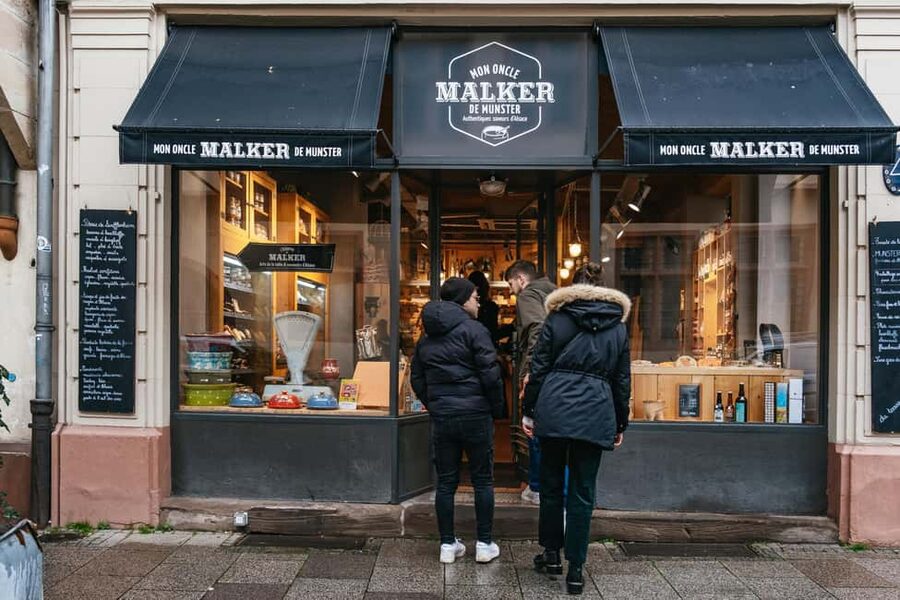
Rue des Grandes Arcades brings the walk into one of central Strasbourg’s main shopping streets. Here, the guide connects the traditional dishes with the city’s present-day cafes, specialty shops, and restaurants.
This part of the experience helps explain why a food walk is more useful than a meal in one restaurant. You are not only eating. You are learning where different foods fit into the city and seeing how old recipes appear in modern settings.
Guides also use the route to point out important views and photo spots. Raphael has been praised for making time for iconic Strasbourg pictures, even though the main focus remains food. You can expect sightseeing woven into the walk rather than a separate monument tour.
The history is generally delivered in manageable pieces. You may hear about the origins of dishes, the city’s culture, and the places you pass without spending long stretches standing in front of one building. That balance suits you if you want useful context but would rather not spend three hours in a formal history lecture.
Same city, a different table:
- Bateaux Parisiens Seine River Gourmet Dinner & Sightseeing Cruise
★ 4.5 · 6,930 reviews - Authentic Parisian Gourmet Food Tour with 10 Local Dishes & Wines
★ 5.0 · 4,754 reviews - Bateaux Parisiens Seine River Gourmet Lunch & Sightseeing Cruise
★ 4.5 · 2,680 reviews - Montmartre Hill French Gourmet Food and Wine Tasting Walking Tour
★ 5.0 · 2,588 reviews
Choucroute Garnie: The Big Meal
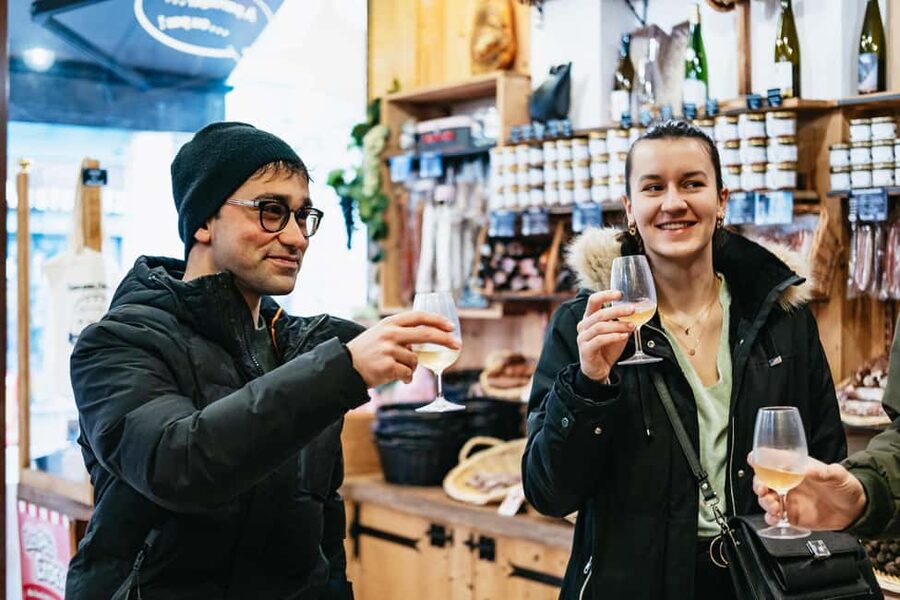
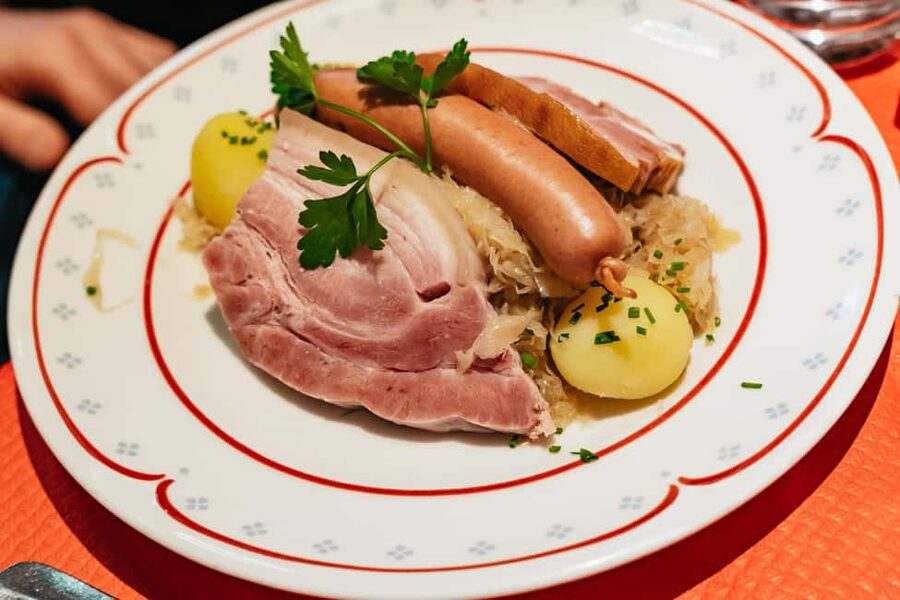
The restaurant stop is the centerpiece for many people. Choucroute garnie is a regional symbol, built around sauerkraut and smoked sausages, and it shows up here as a proper serving rather than a token forkful.
Expect a hearty plate or bowl. The quantity has been more than some people could finish, especially when combined with the earlier charcuterie and cheese. One useful piece of advice from a guide was to avoid eating all the sausages at the first stop, because the main meal still lies ahead.
The meal may vary. At times, the group has received a large bowl of pasta with a strong cheese sauce instead of the expected sauerkraut dish. That is not necessarily a disappointment, but it does mean you should book this experience for a broad taste of Alsatian food, not for one guaranteed menu item.
You may receive beer or wine with the meal. One person found the beer enjoyable but did not care for the wine, which can change regularly. If wine is important to you, ask the guide about the bottle being served and treat the drink as part of the local introduction rather than a tasting of Alsace’s finest vineyard selection.
The sitting-down meal is especially welcome in cold weather. A December outing included time indoors for a proper lunch, which makes the tour more comfortable during Strasbourg’s chilly winter season.
Petite France and the Final Tastings
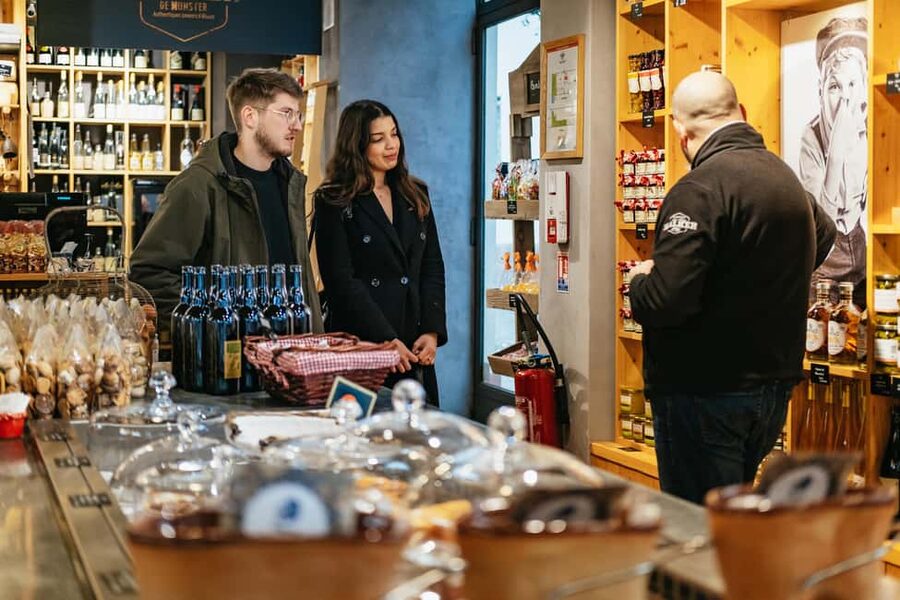
The route ends in Petite France, one of Strasbourg’s most recognizable areas. Its canals, old buildings, and footbridges give the final stretch a pleasant setting, and finishing here leaves you well placed for an evening stroll or another drink.
The final food may be sweet or regional, depending on the day. Possibilities include pain d’épices, Kugelhopf, or tarte flambée. Tarte flambée is usually a savory Alsatian specialty rather than a dessert, so do not be surprised if the menu does not follow a strict sweet-then-sour sequence.
The important point is range. You may move from cured meat and cheese to sauerkraut, wine, beer, gingerbread, cake, and a regional flatbread. That variety is one of the tour’s strongest qualities.
The route is described as fairly easy and mostly flat, with not a lot of walking between stops. Still, you are on your feet for much of the 210 minutes, and cobbled streets can be tiring. Comfortable shoes are essential. The experience is not suitable for people with mobility impairments.
How Much Walking and History to Expect
Despite the food focus, the tour covers a useful section of the old town. You pass through Place d’Austerlitz, Rue des Grandes Arcades, central Strasbourg, and Petite France.
Do not book it expecting a full city tour. You will receive historical information, local facts, food origins, and recommendations for other restaurants and bars, but the guide’s attention naturally shifts back to the next tasting.
That is a strength if you want an introduction rather than a lecture. Guides such as JP and Loubna have been praised for giving just enough history while keeping the group moving. Raphael has also been praised for answering questions and suggesting places to eat and drink afterward.
Solo visitors fit comfortably into the format. The small group gives you built-in company without making the experience feel like a large coach outing. Families can also do well, since guides have been especially accommodating with children, though the food is heavy and the tasting schedule is designed more for adult appetites.
Where the Tour Can Fall Short
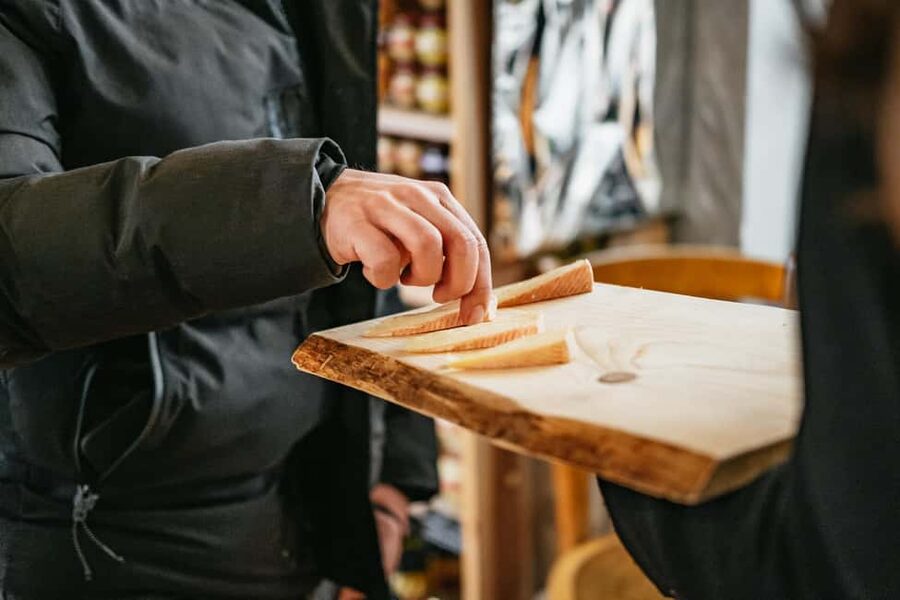
The biggest weakness is portion control. A tapas-style format with smaller samples would allow you to try more dishes without feeling overwhelmed. Instead, you may receive a full serving at the lunch stop, followed by generous bakery portions.
A second consideration is pacing. Most people find the route relaxed, but one person felt that the group could have moved along faster at times. Sitting down for lunch and waiting at shops can make the afternoon feel leisurely rather than tightly scheduled.
The menu is also flexible. A stop may close unexpectedly or change what it serves. One food shop was closed when the group arrived, creating a small hiccup. The organizers may adjust the route, but you should not expect every tasting to match the printed possibilities.
Finally, the price is not a bargain for light eaters. If you dislike sauerkraut, sausages, cheese, or rich desserts, much of the value disappears. The tour is best for people who see food as the main event and want enough of it to replace a meal.
Who Should Book This Strasbourg Food Walk?
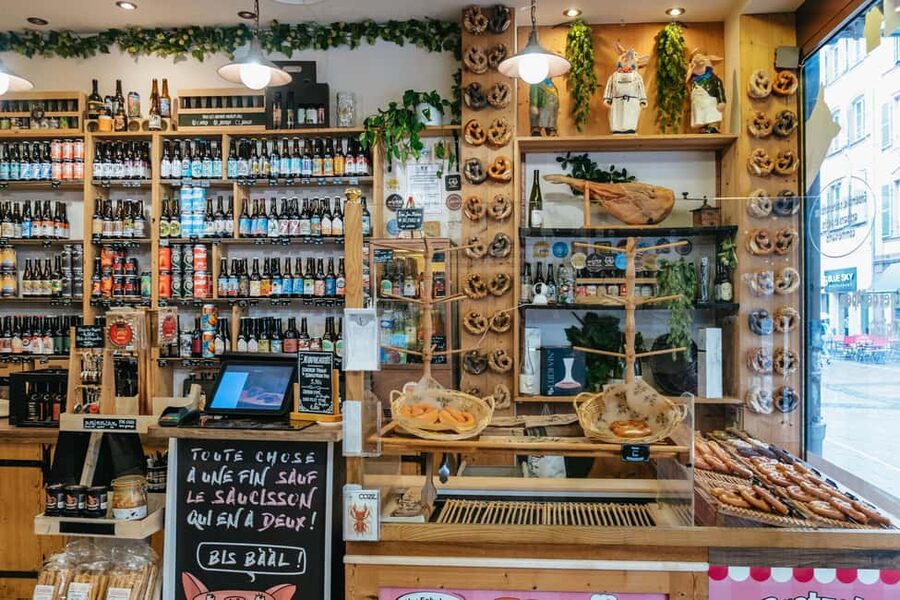
I would choose this tour for a first visit to Strasbourg, especially if you want your city orientation to come with lunch. You get a practical introduction to local dishes, central streets, and places to return to later.
It also suits solo visitors, couples, and small groups who enjoy sitting down, sharing food, and asking questions. The guide-led format removes the guesswork of choosing an Alsatian restaurant, and the route gives you several ideas for the rest of your stay.
You may want to skip it if you have strict dietary needs that are not addressed in the available information, if you dislike large portions, or if you want a fast-moving walking tour. It is also not suitable for people with mobility impairments.
Book with a flexible schedule if possible. The experience requires at least two people to run, and a tour can be rescheduled if that minimum is not reached. Free cancellation is available up to 24 hours before the start, and you can reserve now and pay later.
My Verdict on the $116 Experience
I think this is a strong pick if you arrive hungry and want food, local stories, and old-town sightseeing in one outing. The best qualities are the generous range of dishes, the small groups, and guides who add useful history without burying the meal under facts.
The value is less convincing if you are a light eater or want tiny, carefully plated samples. This is hearty Alsatian food, served in quantities that can surprise you. Pace yourself, wear comfortable shoes, and arrive at Place d’Austerlitz early enough to find the miniature.
If you are visiting Strasbourg for the first time, I would book it near the start of your stay. You will learn what to order, where to return, and how much food you can reasonably manage in one afternoon.
FAQ
How long does the Strasbourg food tour last?
The tour lasts 210 minutes, or three and a half hours.
Where does the tour begin?
It begins at Place d’Austerlitz, in front of the miniature of Strasbourg.
Where does the tour finish?
The tour finishes in Petite France, Strasbourg.
How many food stops are included?
At least four food stops are included, with one serving at each stop.
Is a full meal included?
The tour can include a substantial meal, such as choucroute garnie with smoked sausages and sauerkraut. Portions may be large.
Which foods might I taste?
Possible tastings include soft bretzels, charcuterie, local cheese, choucroute garnie, Alsatian gingerbread, Kugelhopf, tarte flambée, and other seasonal specialties.
Are drinks included?
Water and at least one alcoholic drink are included. Wine or beer may be served during the tastings.
What languages are available?
The tour is offered in English and French. The guide may use both languages during the experience.
Is the tour suitable for people with mobility impairments?
No. The experience is listed as unsuitable for people with mobility impairments. Comfortable shoes are recommended.
What happens if too few people book?
At least two people are required for the tour to operate. If that minimum is not reached, the tour may be rescheduled.
Just added in France
- Cannes Ooh La La Croissant Tasting Tour★ 5.0 · 30 reviews
- Taste Cannes – A Full French Riviera Food Tour by Do Eat Better★ 5.0 · 63 reviews
- Saint-Émilion day tour: village visit, Châteaux and lunch★ 5.0 · 121 reviews
- Bordeaux wines tasting workshop including Food & Wine pairings★ 5.0 · 31 reviews
- Historical Center, Bordeaux Food Tour★ 5.0 · 33 reviews
- NO DIET CLUB – Unique food tour in Bordeaux !★ 5.0 · 201 reviews
- Bordeaux Food and Wine Tour : Authentic Artisanal Flavors★ 5.0 · 62 reviews
- Bordeaux Evening Food Tour : Local Delicacies★ 5.0 · 21 reviews
Food Walking Tours, compared.
Reykjavik Food Walk – Local Foodie Adventure in Iceland
Read our review →
New Orleans Food Walking Tour of the French Quarter with Small-Group Option
Read our review →
Savannah First Squares Culinary & Cultural Walking Food Tour
Read our review →
Guided Food Walking Tour with Wine in Trastevere
Read our review →
Trastevere & Campo de Fiori Street Food Walking Tour
Read our review →Browse the lists this tour appears in