

REVIEW · HISTORICAL TOURS
Tallinn: Food and History Walking Tour
Tallinn tastes better with context. This three-hour walk connects the city’s medieval Old Town with the flavors that shaped Estonia, from black rye bread and sprat sandwiches to modern local dishes. I like the mix of food and sightseeing, and I also like that the route reaches the nearby Baltic Station Market and Kalamaja area instead of staying only on the postcard streets.
The tour is praised for its friendly guides, especially Paul and Peter, who bring food and history together in a clear, lively way. The main consideration is the price, $140 per person, which is a serious spend for three hours. It makes the most sense if you value a guided introduction, several tastings, and a useful first look at Tallinn rather than simply a quick snack stop.
Key points at a glance
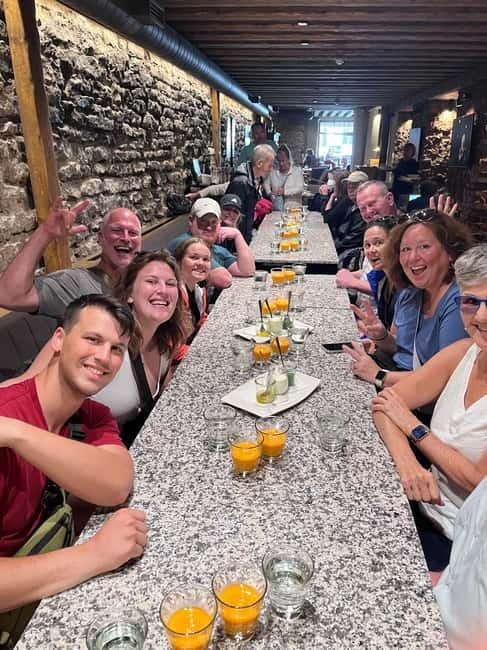
- Seven food and drink moments: Expect around six or seven tastings, with portions ranging from soup or broth to sweets, drinks, and modern Estonian samples.
- Old Town plus newer neighborhoods: The route begins near Niguliste Street, explores the historic center, and continues toward Baltic Station Market and Kalamaja.
- History explains the food: You learn how Estonia’s past shaped its bread, fish, drinks, and changing dining culture.
- A good sweet and savory balance: Sprat sandwiches, rye bread, soup, cake, ice cream, and drinks help keep the tasting varied.
- English-speaking guides with personality: Paul and Peter receive repeated praise for their warmth, clarity, and flexibility.
- Plan for a real walking tour: Comfortable shoes and weather-ready clothing matter, and the experience is not designed for wheelchairs or people with mobility impairments.
Starting near Niguliste Street
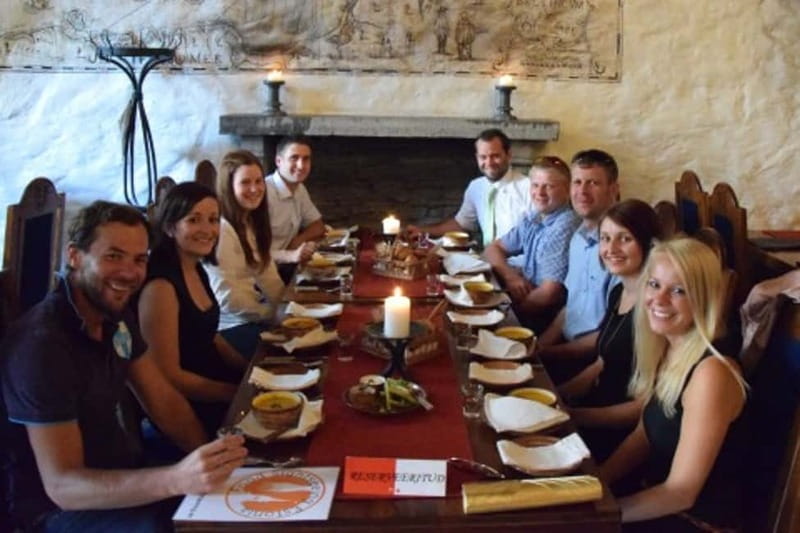
Your meeting point is the Tallinn Tourist Information Centre at Niguliste 2, a handy place near the Old Town. From there, the tour begins on foot, so you should arrive ready to walk rather than expecting transport between stops.
The first 75 minutes focus on Tallinn’s Old Town. This is not simply a march from one restaurant to another. Your guide points out important sights while explaining the basic story of Estonia and the city. That matters because many of the foods on the tour make more sense once you understand the country’s past and its ties to the Baltic region.
The pace appears to be one of the tour’s strengths. Some people describe it as slow and easy, while one couple enjoyed a quicker pace that covered plenty of ground. That difference likely reflects the group and the guide, but the general picture is encouraging: you should see major parts of the center without feeling rushed from bite to bite.
Tallinn’s Old Town can be visually distracting, with towers, stone lanes, and historic buildings competing for your attention. A guide who connects those sights to daily life gives the walk more purpose. You are not just looking at old walls. You are learning how people ate, traded, celebrated, and adapted over time.
More history tours in the world:
- Barcelona: Tapas Walking Tour with Food, Wine, and History
★ 4.8 · 4,261 reviews - Sevilla Food Tour: Tapas, Wine, History & Traditions
★ 5.0 · 3,468 reviews - Madrid Tapas & Taverns Small Group Food & History Tour
★ 5.0 · 2,664 reviews
Rye bread, sprats, and Estonia on a plate
The food stops introduce both familiar staples and less expected flavors. Black rye bread is one of the clearest examples. It is a basic part of Estonian food culture, and tasting it during a history walk gives you more than a generic bread sample. You get a sense of the ingredients and habits that have remained important in local cooking.
The traditional open-faced spiced sprat sandwich is another key stop. It combines fish, bread, and seasoning in a compact snack that feels very Baltic. If you like trying foods with a strong local identity, this is one of the most useful tastings on the route.
Soup or broth is also included, and elk soup received special praise from Linda, who called it a favorite. The exact offering can change, so you should not book expecting elk specifically. Still, the possibility shows that the food is not limited to safe, widely familiar dishes.
You can expect a mixture of savory and sweet samples. The tour may include local snacks, modern Estonian food, sweets, and a final serving of cake or ice cream. This range is important because a food tour can become tiring if every stop is heavy or similar. Here, the plan gives you different textures and flavors across the three hours.
Local drinks from kali to berry wine
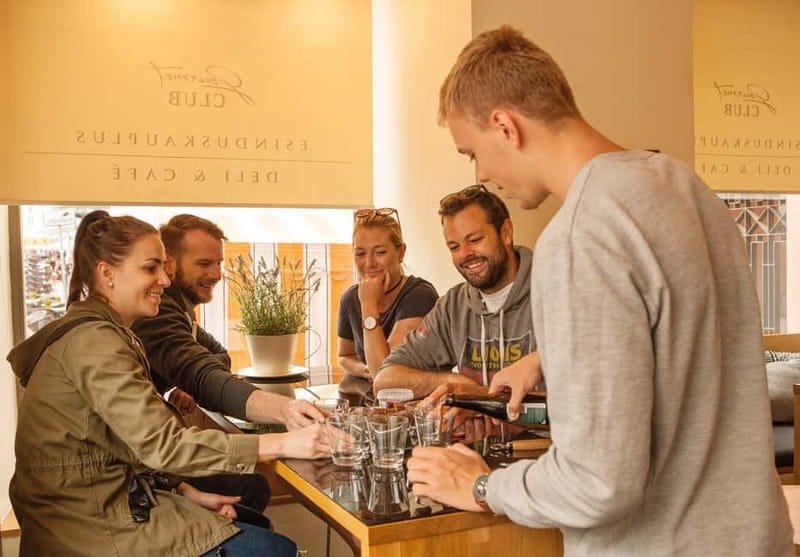
The drinks help explain Estonia as well as the food. You may receive kali, a traditional fermented bread drink, or kama, a local mixture associated with Estonian food culture. You are also served a glass of sea buckthorn or birch juice, both of which give the tasting a distinctly regional feel.
The finish varies. You might have locally roasted coffee with cake, or finish with local craft beer or a tasting of berry and fruit wines. This flexibility is useful, though it also means the exact final stop is seasonal rather than fixed.
You should tell the provider about allergies or dietary restrictions in advance. The tour team will do its best to accommodate them, but the information provided does not promise that every diet can be fully covered. If you have serious allergies, share the details before booking and repeat them at the start.
Baltic Station Market and Kalamaja

After the Old Town portion, the experience continues into Tallinn’s food scene beyond the medieval center. Baltic Station Market adds a more everyday side of the city, with food stalls, local products, and a market setting rather than only sit-down tastings.
This is valuable for two reasons. First, you see how local food is sold today. Second, the move toward the market and Kalamaja keeps the tour from presenting Estonia as a museum piece. The food has roots in tradition, but it is also changing.
The nearby Kalamaja quarter adds another layer to the walk. The supplied details do not list every stop or building, so I would not treat this as a full neighborhood tour. Instead, think of it as a chance to see another part of Tallinn while your guide explains how the city and its food culture are developing.
The second part lasts about two hours and combines sightseeing, food tastings, market time, and drinks. That is a substantial portion of the experience, so the tour feels more like a guided city introduction with food than a short tasting crawl.
A few more food tours in the world worth a look
- Reykjavik Food Walk – Local Foodie Adventure in Iceland
★ 5.0 · 18,952 reviews - Ho Chi Minh City Street Food Tour & Sightseeing By Motorbike
★ 5.0 · 9,413 reviews - Tokyo: Shinjuku Food Tour (13 Dishes at 4 Local Eateries)
★ 5.0 · 6,603 reviews - Winner 2025 Undiscovered Lisbon Food & Wine Tour by Eating Europe
★ 5.0 · 6,390 reviews
Paul, Peter, and the value of a strong guide
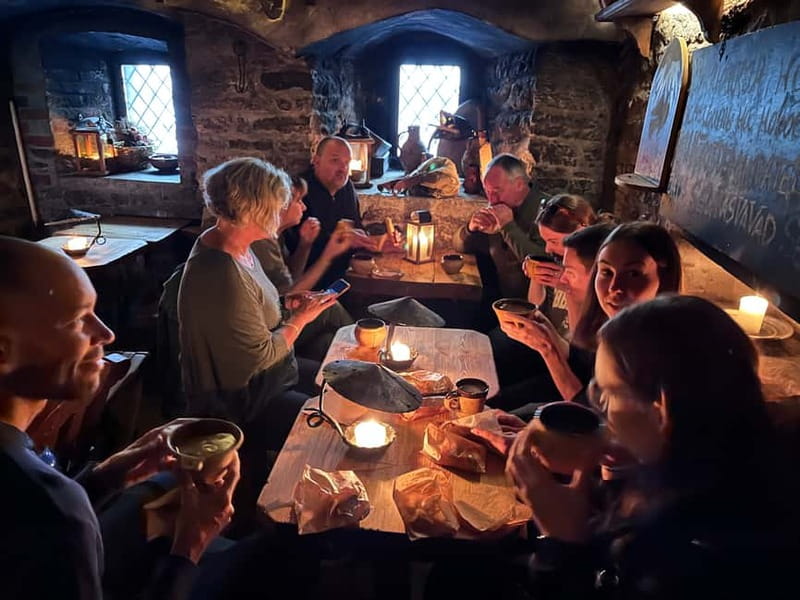
A food tour depends heavily on its guide. Food can be bought independently, but a good guide gives each sample a place in the story.
Paul is repeatedly praised for his warmth, organization, and command of both Tallinn’s past and local cuisine. Peter receives similar praise for making the tour informative and fun. One group also appreciated Paul’s flexibility when a delayed ship affected their arrival, although you should not assume every timing problem can be handled in the same way.
Earlier experiences also mention guides named Riin and Jesper. That suggests the guide may vary by date, but the consistent point is that the tour’s hosts are central to its appeal. You should expect an English-language tour, with explanations designed for an international audience.
The best part of the guide’s role is the link between food and history. You are not simply told that a dish is traditional. You learn how food connects to Estonia’s changing identity. That approach was singled out as one of the most valuable features of the experience.
Is $140 a fair price?

At $140 per person, this is not a budget food walk. You are paying for a three-hour guided experience, around six food and drink tastings, Old Town sightseeing, a visit to Baltic Station Market, and the guide’s local knowledge.
The value depends on how you travel. If you planned to eat several dishes and pay for drinks separately, the price covers a meaningful amount of food. It also replaces the cost of a separate orientation tour of Tallinn. For a first day in the city, that combination can be convenient and efficient.
Still, the price may feel high if your main goal is simply to sample Estonian snacks. The exact menu varies with the season, and the experience does not promise full meal-sized servings at every stop. I would choose it for the explanation and route, not only for the amount of food.
The tour has a strong rating of 4.7 from 55 reviews, with especially high praise for variety, authenticity, organization, and the guides. One person who regularly takes food tours in different cities considered this one especially locally sourced and worth the cost. That is a useful signal, but you should still match the experience to your budget.
Walking conditions and practical planning
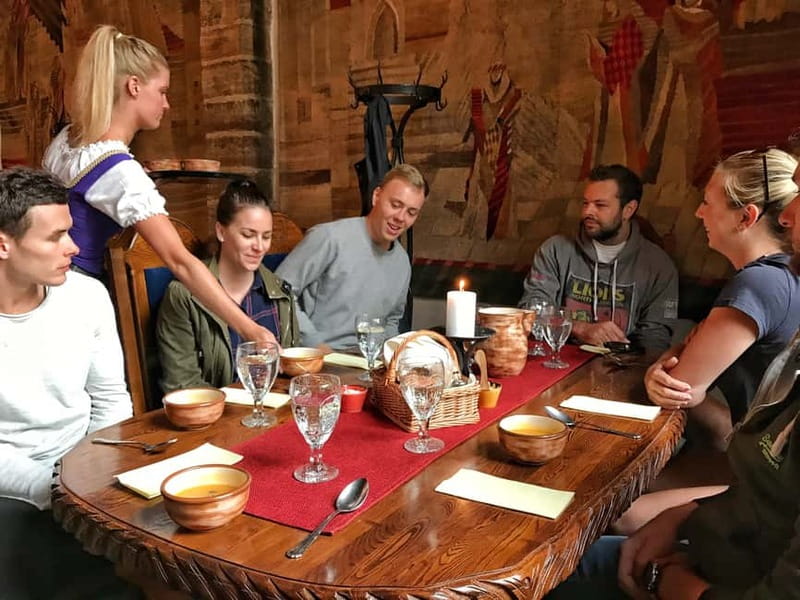
Wear comfortable shoes. You will spend three hours walking through the Old Town and nearby areas, with no hotel pickup or drop-off included. The route finishes at Kopli 1, 10149 Tallinn, rather than returning to the starting point at Niguliste 2.
That finish matters if you are planning another appointment, a meal, or a ship departure. Leave some extra time after the tour instead of scheduling something immediately.
Bring weather-appropriate clothing and a camera. Tallinn’s conditions can change, and parts of the experience take place outdoors while moving between stops. Large bags and luggage are not allowed, so leave suitcases elsewhere.
The tour is not suitable for wheelchair users or people with mobility impairments. If you have difficulty walking, ask the provider for current route details before booking, but the published information clearly presents this as a walking experience with accessibility limits.
Cancellation is flexible up to 24 hours before the start for a full refund, and you can reserve now while paying later. Those policies are helpful if your schedule is still moving, particularly on a short city break.
Who will enjoy this Tallinn tour most?
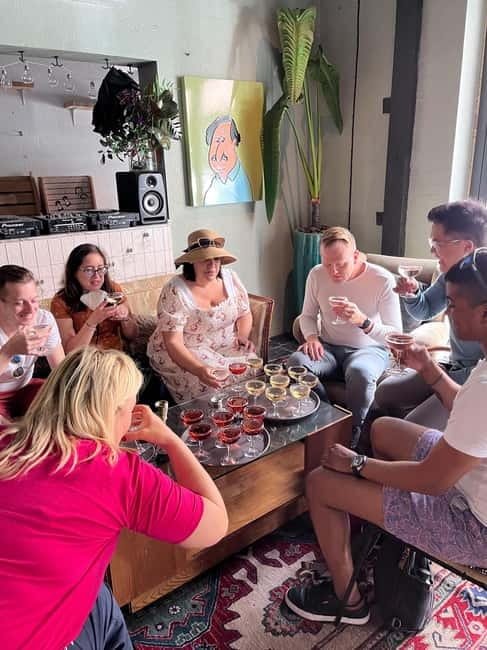
I would recommend it to first-time visitors who want a quick but meaningful introduction to Tallinn. You get the main Old Town setting, nearby neighborhoods, local food, and a basic understanding of Estonia without committing to a full-day tour.
It also suits couples and curious eaters who like trying unfamiliar dishes. The combination of fish, rye bread, soup, sweets, juices, coffee, beer, and fruit wine gives you plenty of variety.
This is a good choice for people who prefer stories with their meals. If you only want restaurant recommendations or large portions, you may find the cost harder to justify. Likewise, anyone who dislikes walking, has major dietary restrictions, or needs step-free access should consider another option.
Families may enjoy the relaxed tone, but the food is not presented as a children’s menu. The route and tastings are aimed at adults and curious older children who are willing to try local flavors.
Final verdict: book it for context, not just calories
I would book the Tallinn Food and History Walking Tour if I wanted to understand the city quickly through its food. The strongest features are the Old Town to market route, the wide mix of traditional and modern samples, and guides such as Paul and Peter who make the history easy to follow.
The $140 price calls for a clear reason to choose it. Book it if you value a guide, several tastings, and a carefully connected introduction to Tallinn. Skip it if you are mainly searching for the cheapest way to sample local snacks.
For most first visits, this is a practical opening activity. It gives you food ideas for the rest of your stay, shows you areas beyond the central postcard streets, and helps you recognize the difference between old Estonian staples and the country’s newer food culture.
FAQ
Where does the Tallinn food tour begin?
It begins at the Tallinn Tourist Information Centre, Niguliste Street 2, in Tallinn’s Old Town.
Where does the tour finish?
The tour finishes at Kopli 1, 10149 Tallinn, Estonia.
How long does the experience last?
The walking and food experience lasts three hours. About 75 minutes focus on Old Town sightseeing, followed by around two hours of food, drinks, market visits, and related sightseeing.
What food and drinks are included?
Possible tastings include soup or broth, black rye bread, traditional open-faced spiced sprat sandwiches, local snacks, sweets, modern Estonian food, kali or kama, sea buckthorn or birch juice, coffee with cake, ice cream, craft beer, or berry and fruit wine. The menu changes with the season.
Is the tour offered in English?
Yes. The tour includes a live English-speaking guide.
Can people with food allergies or dietary restrictions join?
You should tell the provider about allergies or dietary restrictions in advance. The tour team will do its best to accommodate them, but the exact options may depend on the seasonal menu.
Just added in the world
- Private Chicago Food Tour with Deep Dish and Beef Sandwich★ 5.0 · 61 reviews
- River North Food Walking Tour★ 4.5 · 88 reviews
- Chicago’s West Side Foodie Ride Bike Tour★ 5.0 · 112 reviews
- Chicago Food Tour: Taste the City’s Most Iconic Eats★ 5.0 · 111 reviews
- Old Town Chiang Mai Food Tour with 10+ Local Dishes Tastings★ 5.0 · 21 reviews
- Go where the locals go, Eat what the locals eat! Food Tour with Local Foodies★ 5.0 · 138 reviews
- Motorbike Food Tour in Chiang Mai★ 5.0 · 54 reviews
- Food Trail Through Sowcarpet Market: A Taste of Chennai★ 5.0 · 38 reviews
Historical Tours, compared.
Tapas Walking Tour with Food, Wine, and History
Read our review →
Sevilla Food Tour: Tapas, Wine, History & Traditions
Read our review →
Madrid Tapas & Taverns Small Group Food & History Tour
Read our review →

Barcelona Tapas Walking Tour: Food, Wine & History
Read our review →
Boston Food & History: Pizza, North End & Freedom Trail
Read our review →Browse the lists this tour appears in