REVIEW · FOOD TOURS
Taste Tbilisi – a delicious Food & Drink walk of Tbilisi
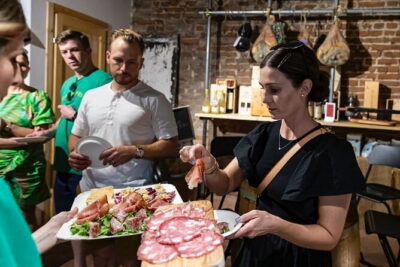
Georgian food is made for sharing. This 3.5-hour walk brings you into Sololaki, Tbilisi’s old central district, where fading Art Nouveau buildings, backstreets, restaurants, and wine stops provide the setting for a generous introduction to Georgian cooking. You taste at least 10 foods and drinks, while your guide explains how locals eat, drink, and gather around the table. I especially like the mix of serious food and neighborhood stories, plus the chance to try qvevri wine and chacha rather than sticking to familiar tourist dishes. The one thing to consider is the pace: with many tastings packed into one afternoon, you should arrive hungry and expect to finish very full.
I also like that you can choose between a private outing and a shared small group. Guides including Zezva, Giorgi, Luka, Levan, David, and George have been praised for their warmth, humor, English, and ability to explain Tbilisi beyond the plate. Dietary changes are possible, including vegetarian, vegan, and alcohol-free versions, but vegan guests will have fewer dishes to sample, and halal or kosher menus are not available.
Key points at a glance
- Sololaki by foot: Explore a central district known for grand old buildings, worn facades, and a distinctly local Tbilisi feel.
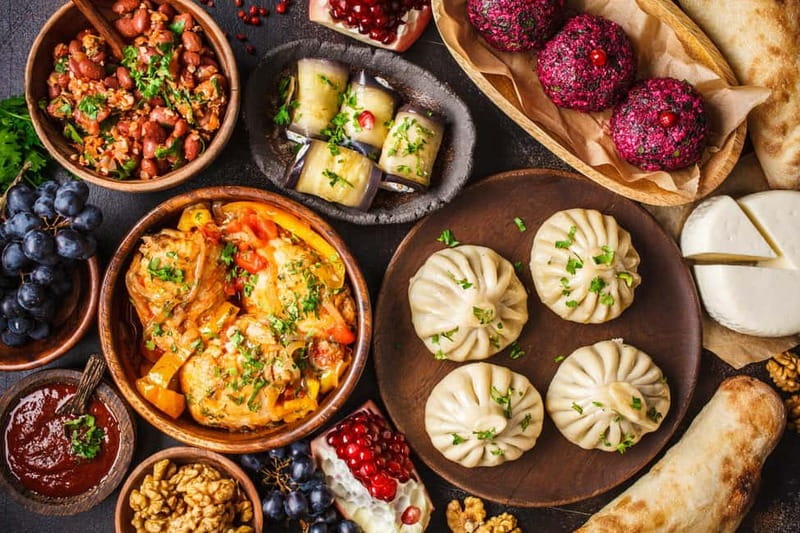
- At least 10 tastings: Expect khinkali, vegetable starters, pastries, salads, warm dishes, churchkhela, wine, and chacha.
- Qvevri wine included: Taste Georgian wines made in traditional clay vessels, with the guide explaining their place in local culture.
- History between bites: Food stops are linked with stories about Tbilisi, Georgia, the neighborhood, and modern daily life.
- Private or small group: Choose a more personal experience or a shared walk that may suit solo visitors and couples.
- Come hungry: The servings add up, and previous participants describe leaving comfortably, sometimes spectacularly, full.
Why this food walk is a smart first taste of Tbilisi
Tbilisi can feel like several cities in one. Its old streets carry Persian, Russian, European, and Georgian influences, while its food combines walnuts, herbs, sour fruit, cheese, beans, meat, and bread in ways that may be new to you.
A guided tasting walk gives you a useful framework. Instead of ordering one dish at a restaurant and guessing what you are eating, you receive small introductions to several parts of Georgian cuisine. You can ask what a dish is, how it is served, and which local habits matter.
I would place this tour near the beginning of a Tbilisi stay. It gives you a working food vocabulary for later meals, and the history talk helps you recognize the character of Sololaki when you return on your own.
The price is $74 per person. That is not a budget meal, but it covers 3.5 hours, a guide, numerous tastings, wine, chacha, and a walking tour of one of central Tbilisi’s most interesting districts. If you paid separately for every dish and drink, then added a private history lesson, the price would be easier to justify. The value is strongest for first-time visitors who want both food and context, not simply a restaurant crawl.
A few more food tours in the world worth a look
- Reykjavik Food Walk – Local Foodie Adventure in Iceland
★ 5.0 · 18,952 reviews - Ho Chi Minh City Street Food Tour & Sightseeing By Motorbike
★ 5.0 · 9,413 reviews - Tokyo: Shinjuku Food Tour (13 Dishes at 4 Local Eateries)
★ 5.0 · 6,603 reviews
Starting with khinkali in one of Tbilisi’s old restaurants
The tour begins with Georgia’s most famous dumpling, khinkali, in one of the city’s oldest restaurants. This is a useful starting point because khinkali is not just a dish to sample. It comes with its own eating method and table customs.
Your guide explains how to handle the dumpling, how to deal with the broth inside, and how locals approach the meal. This practical advice matters. Khinkali can be messy, and you will enjoy it more if you do not treat it like an ordinary filled pasta.
The classic menu includes meat, so tell the provider about dietary needs before the tour. A vegetarian menu can be arranged, and one participant was able to taste almost 25 local dishes after the food was adjusted. That is an unusually strong result for a vegetarian tasting, although menus depend on the arrangement.
A small warning for wine drinkers: one past participant specifically advised against pairing red wine with khinkali. Your guide may offer a different view, but the point is useful. Georgian food has its own pairings and habits, so let the guide explain before assuming that your usual wine rules apply.
The backstreets of Sololaki
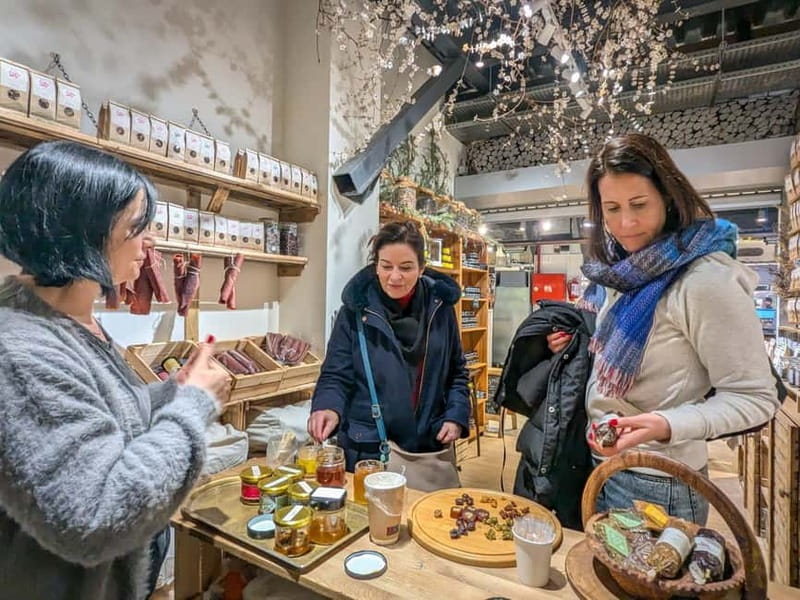
Between food stops, you walk through Sololaki, a former quarter of wealth and influence near the heart of Tbilisi. The district is known for grand architecture, including Art Nouveau details, though much of it now shows age and decay.
That contrast is part of the appeal. You are not walking through a polished open-air museum. You might see handsome balconies and elaborate facades beside worn walls, improvised repairs, and ordinary residential life. The setting gives the food a stronger sense of place.
Your guide links the streets to stories about Tbilisi’s past and present. The best part of this format is the freedom to ask questions as you go. Past guides such as Luca, Levan, Giorgi, Luka, David, George, and Zezva have been praised for discussing politics, daily life, and the country’s history as well as food.
The tour is still food-led, so do not expect a full architectural walking tour. The buildings are there to support the story of the neighborhood, not replace the meal. That balance works well if you want a city introduction with plenty to eat.
Walnut, eggplant, beet, and sour plum
The first courses broaden the picture beyond khinkali. Traditional vegetarian starters may include walnut and spinach paste, eggplant, stuffed peppers, and other vegetable dishes.
Walnuts are a major feature of Georgian cooking. They add body and a slightly earthy taste to spreads and sauces. Eggplant may appear with walnut, herbs, or other seasonings, giving you a chance to see how Georgian cooks build flavor without relying on heavy meat dishes.
You may also try a beet salad with sour plum. The sour element is important. Georgian food often balances rich, savory, herbal, sweet, and tart notes in the same meal. Sour plum gives a sharp lift that keeps the table from becoming too rich.
Fresh salads use local, seasonal ingredients. They are a welcome pause between pastries, dumplings, and warm dishes. They also show that Georgian cuisine is not only about meat, bread, and cheese, even though those foods receive much of the international attention.
The exact number of dishes can vary. The stated minimum is 10 foods and drinks, while one adjusted vegetarian tour included nearly 25 local dishes. You should think of the menu as a broad tasting rather than a fixed restaurant order.
Same city, a different table:
- Winner 2025 Undiscovered Lisbon Food & Wine Tour by Eating Europe
★ 5.0 · 6,390 reviews - Hanoi: Guided Food Tour with Train Street Visit
★ 4.9 · 6,239 reviews - New Orleans Food Walking Tour of the French Quarter with Small-Group Option
★ 5.0 · 6,118 reviews - Winner 2025 Rome Twilight Trastevere Food Tour by Eating Europe
★ 5.0 · 5,157 reviews
Cheese, beans, and warm Georgian comfort food
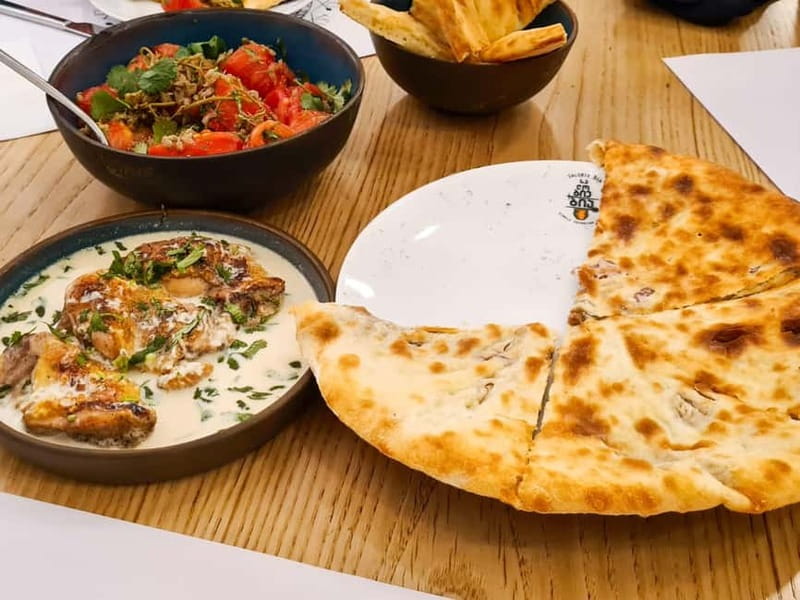
Pastry is another important part of the walk. You may try cheese and bean pastries, flaky and savory treats that make clear why Georgian meals are rarely light affairs.
Cheese brings salt and richness. Beans add a softer, earthier filling. Together, these pastries are simple, filling, and practical food, the kind of thing that makes sense in a country where bread and shared dishes are central to hospitality.
The warm dishes can include stews and baked chicken. Chicken in garlic and cream sauce is one example, and it shows a gentler side of Georgian cooking after the sharper flavors of sour plum and herbs.
The benefit of tasting several preparations is comparison. A single meal might leave you thinking Georgian food is mainly about dumplings. By the end of this walk, you will have tried pastry, salad, vegetable spreads, meat, warm sauces, sweets, wine, and spirits.
The drawback is obvious: portion control can be difficult. These are tastings, but food keeps arriving. If you have a late dinner booked, schedule it carefully. Many people will not want a full meal afterward.
Churchkhela and the sweet side of Georgia
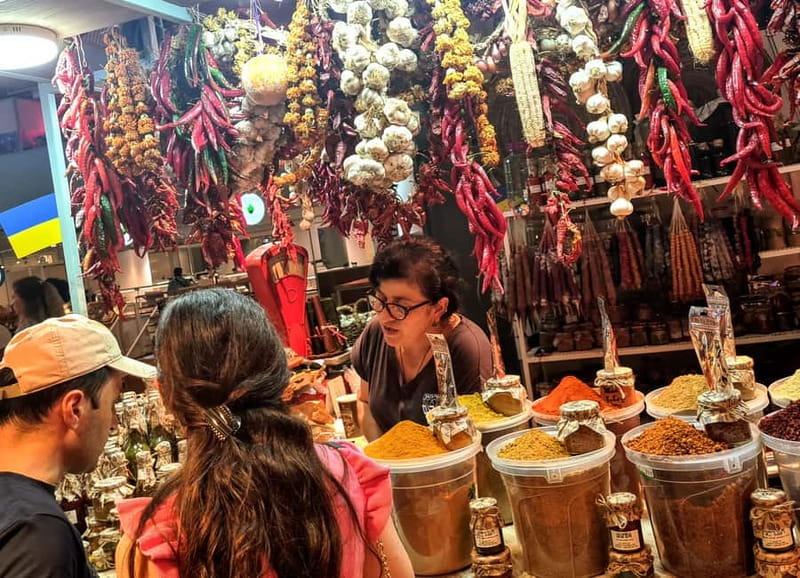
Spices and churchkhela are also included. Churchkhela is made by coating nuts with thickened grape juice, creating a long, firm sweet often compared in shape to a candle.
It is not a delicate dessert. The texture is chewy, and the grape sweetness is more rustic than sugary candy. The tasting gives you a quick look at Georgian food preservation and the importance of grapes outside the wine glass.
The spice tasting is useful because Georgian cooking does not always announce its seasoning in the same way as familiar European or Middle Eastern food. Your guide can explain what you are tasting and how it fits into local cooking.
This is one of the moments when a guide adds real value. A dish can be memorable, but an explanation helps you recognize it later in a market or restaurant.
Qvevri wine and chacha, Georgia’s spirited finish
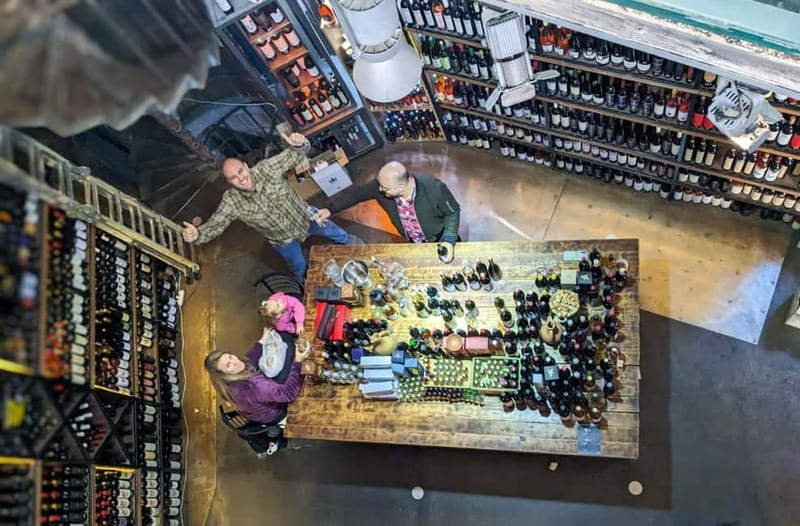
Wine is not an optional extra here. The tour includes selected Georgian wines made with the ancient qvevri method, which uses large clay vessels for fermentation and storage.
You taste distinctive local varieties and flavors while learning how Georgian wine fits into the country’s food culture. Even if you are not an expert, this is a useful way to move beyond the standard international grape varieties found on many restaurant lists.
Then comes chacha, a strong local spirit that Georgians sometimes call liquid happiness. It is powerful, so take the tasting seriously. You do not need to pretend that it is mild.
The alcohol-free version can be arranged if you advise the provider ahead of time. The standard experience includes alcohol, and the classic menu includes meat. Vegan guests can be accommodated, but fewer dishes will be available. Halal and kosher options are not offered.
The wine and chacha stops also give the tour a social rhythm. You are not simply eating one plate after another. You are learning how food, toast culture, wine, and conversation fit together in Georgia.
The guides make the difference
This experience depends heavily on the guide. The food is important, but the walk works best when the person leading it can connect dishes with place and history.
Zezva has been praised for detailed explanations and an easy manner. Giorgi has been described as warm and able to adjust the experience for a Sunday afternoon group. Luka has received praise for combining food and city history, while Levan has been remembered for making solo visitors and small groups feel welcome.
David was noted for punctuality, clear English, friendly service, and useful information about life in Tbilisi. George has been singled out for taking participants to several places they might not locate on their own.
Those details point to the tour’s real strength: it is not only a series of tastings. You get a local companion who can answer questions, explain customs, and help you understand what you are seeing. Guide quality can vary on any experience, but the repeated praise for warmth, communication, and storytelling is encouraging.
If you have questions about the meeting location, specify it clearly when booking. The meeting point can change with the option selected, and one participant specifically advised confirming the exact place.
Private or shared small group?
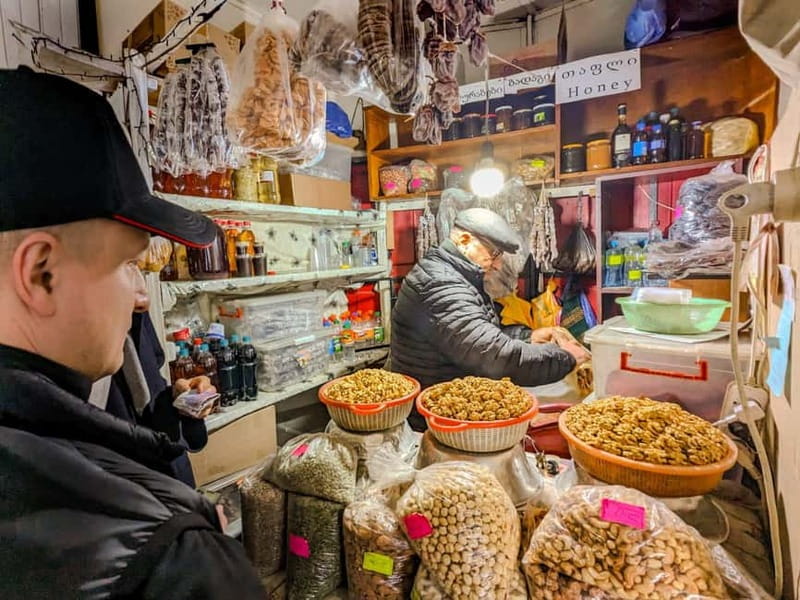
The private option suits couples, families, and anyone with strong dietary needs or a long list of questions. You can usually expect a more flexible conversation and a pace built around your group.
The shared small-group option is better value if you enjoy meeting other people over food. It also works well for solo visitors, since the meal stops provide an easy way to socialize without forcing you into a formal group activity.
The experience lasts 3.5 hours, so group size affects the feel more than the length. A small group can move between stops without much fuss. A private group may be especially useful if you want an alcohol-free or vegetarian menu and want to discuss those changes in detail.
Transfers are not included. Plan to reach the meeting point yourself, and remember that the location may differ by booking choice.
Who will enjoy this most?
I would recommend Taste Tbilisi to first-time visitors who want a fast but meaningful introduction to Georgian cuisine. It is also a strong choice for anyone who normally finds food tours too generic, since the route includes neighborhood history and less obvious local dishes.
Solo visitors should find the format comfortable, especially in a shared group. Couples and friends will appreciate the amount of food, while serious eaters should enjoy the chance to compare many preparations in one afternoon.
You may want to reconsider if you dislike walking, cannot eat large amounts, or want a strictly fixed menu. The route uses backstreets and several food stops, and the number and selection of dishes can change with dietary arrangements.
It is not suitable for halal or kosher diets based on the available information. Vegans can join, but the number of tastings will be limited. People avoiding alcohol should request an alcohol-free menu before arrival.
Should you book Taste Tbilisi?
Book it if you want your first Georgian meal to come with explanations, local context, and a walk through an atmospheric central district. At $74, it is best value when you treat it as both a meal and a city orientation, not as a cheap lunch.
I would especially choose it early in a Tbilisi visit. You will learn what to order later, understand more about Georgian wine, and get a feel for Sololaki beyond its most photographed streets.
Skip it if you want a quiet meal, strict dietary control without advance planning, or a simple menu with no alcohol. For most curious eaters, though, the mix of khinkali, vegetable dishes, pastries, wine, chacha, and Tbilisi stories makes this a lively and useful introduction.
FAQ
How long does the Taste Tbilisi tour last?
The tour lasts 3.5 hours.
How much does the tour cost?
The listed price is $74 per person.
What food is included?
The tastings include khinkali dumplings, vegetarian starters, cheese and bean pastries, fresh salads, warm dishes such as stews or baked chicken, spices, and churchkhela.
Are drinks included?
Yes. The experience includes Georgian wines made with qvevri technology and a tasting of chacha, a traditional strong Georgian spirit.
Is the tour conducted in English?
Yes. The live tour guide speaks English.
Is this a private tour or a group tour?
You can choose between a private tour and a shared small-group option.
Are vegetarian menus available?
Yes. Vegetarian menus can be provided if you advise the tour provider about your dietary needs.
Are vegan options available?
Yes, but vegan choices limit the number of dishes you can taste.
Are halal or kosher menus available?
No. Halal and kosher options are not available.
Is transportation to the meeting point included?
No. Transfers to and from the meeting point are not included, and the meeting location may vary depending on the option booked.
Just added in the world
- Private Chicago Food Tour with Deep Dish and Beef Sandwich★ 5.0 · 61 reviews
- River North Food Walking Tour★ 4.5 · 88 reviews
- Chicago Food Tour: Taste the City’s Most Iconic Eats★ 5.0 · 111 reviews
- Chicago’s West Side Foodie Ride Bike Tour★ 5.0 · 112 reviews
- Motorbike Food Tour in Chiang Mai★ 5.0 · 54 reviews
- Old Town Chiang Mai Food Tour with 10+ Local Dishes Tastings★ 5.0 · 21 reviews
- Go where the locals go, Eat what the locals eat! Food Tour with Local Foodies★ 5.0 · 138 reviews
- Food Trail Through Sowcarpet Market: A Taste of Chennai★ 5.0 · 38 reviews
Food Tours, compared.
Reykjavik Food Walk – Local Foodie Adventure in Iceland
Read our review →
Ho Chi Minh City Street Food Tour & Sightseeing By Motorbike
Read our review →
Shinjuku Food Tour (13 Dishes at 4 Local Eateries)
Read our review →
Winner 2025 Undiscovered Lisbon Food & Wine Tour by Eating Europe
Read our review →
New Orleans Food Walking Tour of the French Quarter with Small-Group Option
Read our review →
Winner 2025 Rome Twilight Trastevere Food Tour by Eating Europe
Read our review →