
REVIEW · AMSTERDAM FOOD TOURS
Amsterdam High-End Dutch Food & History Tour – Up to 8 guests
Amsterdam tastes better away from the snack stands. This four-hour food walk links brown-café apple pie, Dutch cheese, Indonesian satay, fish, sausage, and bitterballen with stories about the city’s past. I like the small maximum of eight people, which gives the guide room to answer questions, and I like the use of independent shops rather than a parade of standard fries and waffles. The main caution is price: at $157.21 per person, you need to care about food, history, and personal guiding to feel the full value.
The menu changes by day, so your experience depends on when you book. Saturday offers market satay and a private Dutch wine tasting, while Tuesday through Friday includes a family butcher, cheese, fish, and bitterballen. Sunday and Monday replace some of those stops with grillworst, shrimp croquettes, chicken satay, and Indonesian spekkoek. Come hungry, wear comfortable shoes, and tell the operator about dietary needs in advance.
At a glance: what makes this tour different
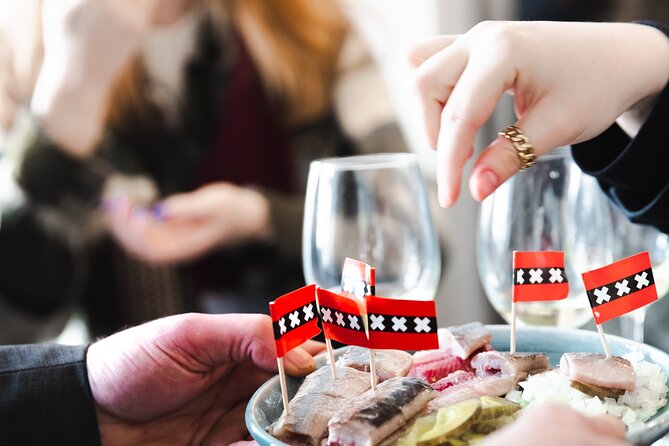
- Six food stops with a clear Dutch focus: You taste apple pie, farmhouse cheese, herring, fried cod, smoked eel, sausages, croquettes, and bitterballen, with the exact selection shaped by the day.
- The Indonesian connection matters: Satay and spekkoek show how Dutch food culture was shaped by Indonesia, a former Dutch colony.
- A true small-group format: The tour caps attendance at eight people, a useful size for conversation and close attention from the guide.
- Wine, beer, and non-alcoholic choices: Cheese is paired with Dutch wine in a private speakeasy room on selected days, with alternatives available.
- Food and city history share equal billing: The route ends at the former headquarters of the Dutch West India Company, linked to the founding of New York.
- Bad weather need not ruin the outing: Tastings take place indoors, and walking distances may be shortened when conditions are poor.
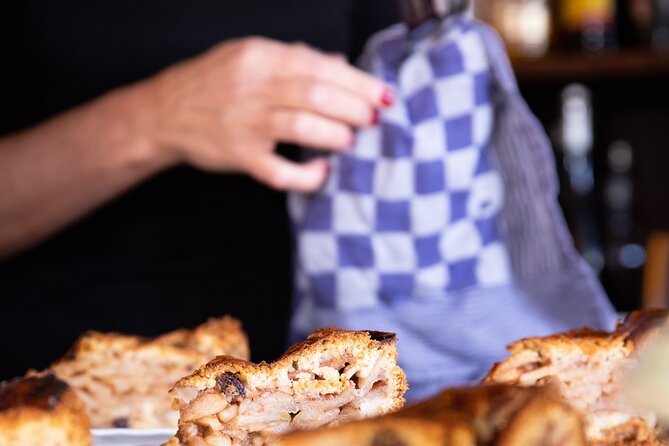
Starting with apple pie at Papeneiland
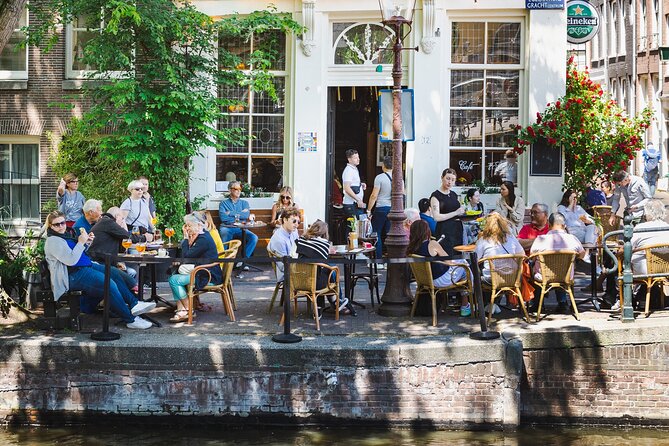
The tour begins at The Papeneiland on Prinsengracht, a fitting place for an introduction to old Amsterdam. This famous brown café serves homemade Dutch apple pie, and the stop gives you a gentle start before the more unusual bites arrive.
A brown café is not simply an old pub with dark wood. It is part of Amsterdam’s everyday social fabric, a place for a drink, a chat, and a slice of something sweet. The pie is often singled out as a highlight, and it helps set the tone: this is not a race between tourist snack counters.
Your guide also uses the early part of the walk to explain Amsterdam’s neighborhoods, architecture, food customs, and commercial past. Guides named Rudolph, Catharina, Jan, David, Mark, Bo, Caroline, Dirk, Jelte, and others have led this experience at different times. The strongest guide comments point to warm personalities, good pacing, and an ability to connect food with the streets around you.
That personal element matters. Eight people is small enough for a guide to keep an eye on everyone without turning the walk into a private tour. It also means you can ask about a dish, a building, or a Dutch custom without waiting for a large group to quiet down.
More history tours in Amsterdam:
- Barcelona: Tapas Walking Tour with Food, Wine, and History
★ 4.8 · 4,261 reviews - Sevilla Food Tour: Tapas, Wine, History & Traditions
★ 5.0 · 3,468 reviews - Madrid Tapas & Taverns Small Group Food & History Tour
★ 5.0 · 2,664 reviews
Saturday: market satay, farmhouse cheese, and Dutch wine
Saturday’s version makes good use of the Lindengracht market. Here, you sample Indonesian satay with sides, linking the food on your plate to the Netherlands’ colonial past. The chicken, sauces, and accompaniments provide a sharp change from apple pie and introduce flavors that many people do not think of as Dutch.
That is one of the tour’s strengths. Dutch food is not limited to cheese, herring, and fried snacks. The Indonesian influence is a major part of the country’s modern food culture, and the tour gives it a place beside older local specialties.
Next comes a boutique deli and a selection of three farmhouse Dutch cheeses. The point is not to shovel down one large portion. You get a small range, which lets you compare textures and flavors and see why Dutch cheese deserves more attention than the familiar supermarket wheels.
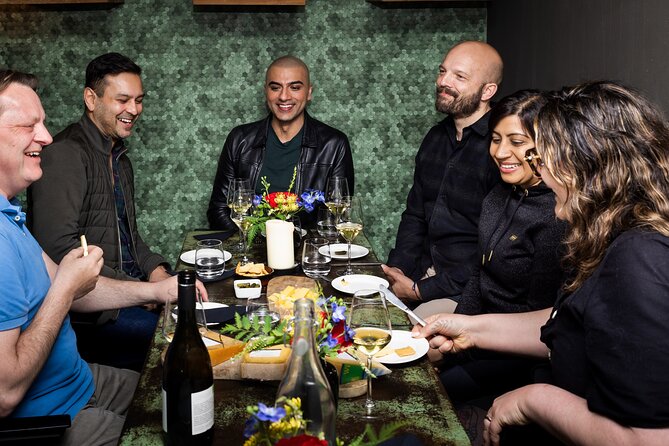
The cheese is followed by a Dutch wine tasting in a private speakeasy room. The setting gives the tasting a pause from the street and creates one of the more polished moments of the afternoon. The wines are paired with the cheeses, so you are not simply handed a glass and left to guess what to do with it.
Beer and non-alcoholic options are available. You should still mention your preferences when booking, rather than waiting until the day of the tour.
Saturday then returns to classic Amsterdam with herring, fried cod, and smoked eel at a local fish shop. Herring can be a test for first-time tasters, especially if you are unused to its texture and flavor. The benefit of trying it as part of a guided tasting is that you get context and a chance to compare it with milder or smoked fish.
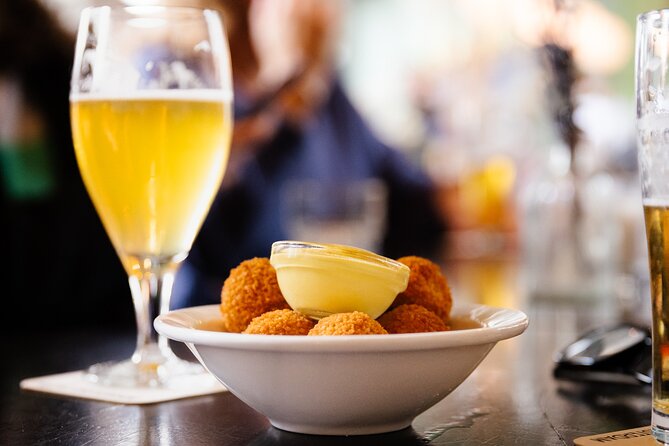
The final stop is at Café Nieuw Amsterdam on Haarlemmerstraat, near the former 17th-century headquarters of the Dutch West India Company. The site is tied to the founding of New York, and the stop ends with bitterballen, the crisp, round Dutch bar snack usually filled with a savory ragout.
This ending works well because it brings the food and history together. You finish with something familiar to Dutch café culture while standing in a place connected to global trade and Amsterdam’s wider reach.
Tuesday through Friday: butcher, cheese, fish, and bitterballen
The weekday route keeps the apple pie but changes the middle of the meal. At a family butcher shop with 130 years of history, you try ossenworst, a smoked beef sausage, and grillworst, a warm, seasoned pork sausage.
These are useful tastings for anyone who wants more than the usual Dutch checklist. Ossenworst is cold and smoky, while grillworst is warmer and more heavily seasoned. The contrast gives you a quick lesson in how Dutch shops handle meat, preservation, and simple accompaniments.
The next stop returns to farmhouse cheese, with three selections from a boutique deli. You then visit the private room for Dutch wine and cheese pairing. This sequence is sensible because the cheese is not an isolated sample. You taste it, compare it, and then see how the wine changes the experience.
The fish shop follows with herring, fried cod, and smoked eel. The trio moves from a famous raw or lightly prepared Dutch specialty to a crisp fried bite and then a smoky fish. If you are nervous about herring, do not assume the whole fish stop will be difficult. The variety gives you several ways into Dutch seafood culture.
The final bitterballen stop again takes place at Café Nieuw Amsterdam. By this point, you have tasted foods tied to home cooking, markets, specialist shops, colonial connections, and café life. That range is more interesting than a tour built around one famous item repeated in different forms.
Sunday and Monday: croquettes, chicken satay, and spekkoek
The Sunday and Monday route has a different personality. After the brown-café apple pie, you get a baguette topped with Dutch grillworst. It comes with honey-mustard sauce, mayonnaise, pine nuts, and rocket salad, creating a more elaborate deli-style bite than the plain sausage tasting on the weekday route.
The next stop features a Dutch shrimp croquette from Patisserie Holtkamp, a well-known Amsterdam patisserie. Croquettes are an important part of Dutch snack culture, and the shrimp version gives you something more delicate than the usual meat filling.
Freshly grilled Javanese chicken satay comes next, with peanut sauce, cassava kroepoek, and sambal. The dish is followed by handmade Indonesian spekkoek, a layered cinnamon cake. This is a strong section for anyone interested in the Dutch-Indonesian connection, because you get both a savory dish and a sweet specialty.
The final food stop includes three artisan soft and hard Dutch cheeses, crackers, quince pear, and ossenworst with pickles and mustard. The combination is closer to a small cold meal than a single sample, so pace yourself.
Sunday and Monday do not include the separate Dutch wine tasting described for Saturday and Tuesday through Friday. That does not make the route lesser, but it does mean you should choose your date based on the foods you most want to try.
A few more food tours in Amsterdam worth a look
- 10 Tastes of Amsterdam: Food Tour by UNESCO Canals and Jordaan
★ 5.0 · 3,020 reviews - Amsterdam Jordaan Food & Drinks Tour with Eating Europe
★ 5.0 · 2,425 reviews - Amsterdam: Food and Culture Walking Tour with Tastings
★ 4.9 · 838 reviews - Zaanse Schans and Cheese Tasting Guided Tour from Amsterdam
★ 4.0 · 661 reviews
Why the history adds real value
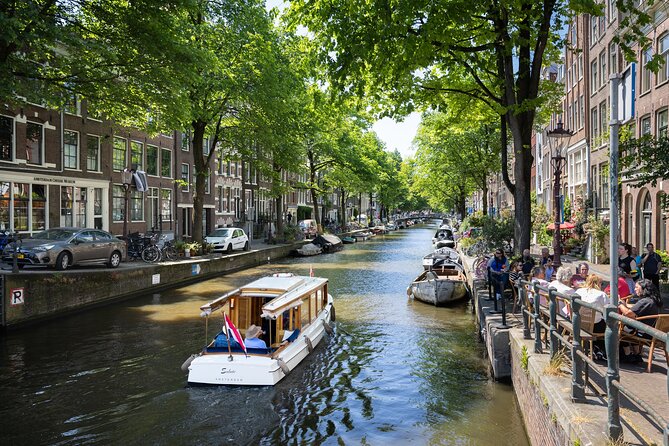
A food walk can become a string of snacks with no sense of place. This one tries to prevent that by using Amsterdam’s streets and old businesses as part of the lesson.
You hear about the city’s architecture, trade, neighborhoods, and relationship with Indonesia while moving between stops. The West India Company connection at the end gives the tour a clear historical anchor, while the market and family-run food shops keep the experience close to daily life.
The history is not only about grand events. It appears in what people eat, where they buy it, and which outside influences became part of local cooking. That makes the tour useful on your first day in Amsterdam, when you want both a meal and a better sense of how the city works.
The guides also seem to shape the day. Rudolph is repeatedly praised for historical detail and charm, while Catharina is described as a long-time Amsterdam resident with a strong grasp of local food culture. Jan, David, Mark, Caroline, Dirk, Bo, and Jelte have also been praised for friendliness, humor, and clear explanations.
No guide can guarantee a perfect match for every personality. One low-rated experience describes a serious problem with an invited observer who did not engage well with one group, followed by a tense exchange with the operator. That appears to have been an unusual situation rather than a complaint about the food route itself, but it is fair to note that small-group tours depend heavily on the individual guide and group dynamic.
Is $157.21 a fair price?
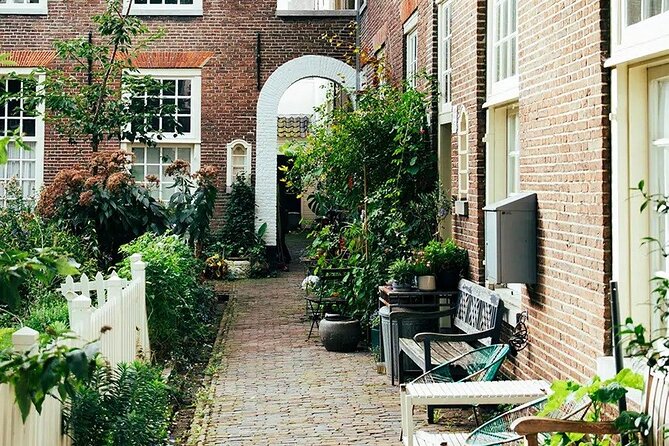
The cost is high for a four-hour walking tour. You are paying $157.21 per person, so this is not the right pick if your main goal is the cheapest way to eat in Amsterdam.
The value improves when you count what is included: several substantial tastings, drinks at selected stops, access to specialist shops, a small group, and a guide who provides history throughout the walk. You also avoid spending time choosing unfamiliar foods on your own, and the route introduces places you might not notice from a standard sightseeing circuit.
The food is not all luxury dining. Some items are humble, such as herring, sausage, and bitterballen. That is part of the appeal, but it also creates a possible mismatch. If you expect a fine-dining experience at every stop, the price may feel steep.
I would see this as a combined food lesson and city walk. It offers better value for someone who wants context, variety, and a personal guide than for someone who only wants large portions. Several people who enjoyed it especially liked the feeling of being shown around by a local rather than being sent to generic snack bars.
Portion size, pacing, and practical comfort
You should arrive hungry. The tour includes many samples, and the food can add up quickly over four hours. At the same time, do not expect one formal sit-down meal. You move between stops, eat in different settings, and spend part of the time walking and standing.
Normal mobility is required. You need to manage walking and standing for up to 20 minutes at a time. Three of the six food stops have reserved seats and a bathroom, which offers some relief, but this is still an active walking experience.
The start is at The Papeneiland, Prinsengracht 2. The finish is Café Nieuw Amsterdam, Haarlemmerstraat 75. Both locations are near public transportation, and the tour is offered in English with a mobile ticket.
If rain arrives, the tastings remain indoors and the walking stretches may be shortened. That is helpful in Amsterdam, where weather can change quickly, but you should still wear sensible shoes and bring weather protection.
The tour allows service animals, and most people can take part. It is not suitable for a vegan lifestyle. Other dietary restrictions should be stated at booking, and you should be precise. Vegetarian arrangements have been made in the past, including extra sweets when a butcher shop could not provide a suitable option, but substitutions may vary by stop.
Who will enjoy this Amsterdam food walk?
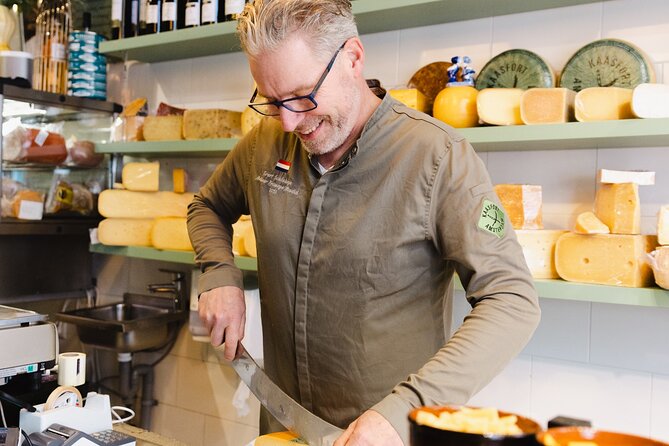
I would recommend it to first-time visitors who want an introduction to Dutch food without spending their whole day in restaurants. It also suits repeat visitors who have already seen the canals and want more neighborhood-level detail.
Food-curious couples, small families, and friends will likely appreciate the format. The group limit makes conversation easier, and the guide can adjust explanations to the people present. If you enjoy asking questions, comparing foods, and hearing why a dish belongs in Dutch culture, you will get more from the tour.
It is less suitable for strict vegans, very selective eaters, anyone who dislikes seafood, or people seeking a quiet formal meal. Herring, eel, sausage, and croquettes are part of the point. You can ask about dietary needs, but you should not book this expecting the operator to redesign every stop.
The changing schedule also deserves attention. Book Saturday for the market satay and Dutch wine pairing. Choose Tuesday through Friday for the butcher, wine, cheese, fish, and bitterballen combination. Pick Sunday or Monday if the shrimp croquette, Javanese chicken satay, spekkoek, and expanded cheese course appeal most.
Should you book it?
Book this tour if you want Amsterdam explained through what people eat. The strongest features are the small group, the range of independent food stops, the Indonesian connection, and guides such as Rudolph and Catharina who have been praised for making the history lively and easy to follow.
Skip it if $157.21 feels too high for snacks, or if you want a simple street-food walk with no seafood, meat, or alcohol. For the right person, the cost buys more than tastings. It buys a guided introduction to Dutch food customs, old businesses, trade, and the city’s everyday character, all within a manageable four-hour route.
FAQ
How long does the Amsterdam food and history tour last?
The tour lasts approximately four hours.
How many people can join the tour?
The maximum group size is eight people.
What language is the tour offered in?
The tour is offered in English.
Where does the tour start and finish?
It starts at The Papeneiland, Prinsengracht 2, 1015 DV Amsterdam. It ends at Café Nieuw Amsterdam, Haarlemmerstraat 75, 1013 EC Amsterdam.
Does the food selection change by day?
Yes. Saturday includes market satay and a Dutch wine tasting. Tuesday through Friday includes butcher, cheese, wine, fish, and bitterballen stops. Sunday and Monday include grillworst, a shrimp croquette, Javanese chicken satay, spekkoek, cheese, and ossenworst.
Are vegetarian or non-alcoholic options available?
Non-alcoholic and beer options are available for the wine pairing. Other dietary restrictions should be provided when booking. The experience is not suitable for a vegan lifestyle.
What happens if the weather is bad?
The tastings take place indoors, and the walking distances between stops may be shortened.
Just added in Amsterdam
- Private Dutch Food Tour – Eat Like a Local★ 5.0 · 35 reviews
- Devour Amsterdam Ultimate Food Tour★ 5.0 · 26 reviews
- Amsterdam Private Food & Drinks Tour by UNESCO Canals & Jordaan★ 5.0 · 120 reviews
- Amsterdam Food Tour: +10 Tastes, Culture and Canals with Sherpa★ 5.0 · 241 reviews
- Amsterdam’s Market Street Food Tour with Streat Bites★ 5.0 · 398 reviews
- Amsterdam Food Tour of 10+ Local Classic Tastings in Jordaan Area★ 5.0 · 334 reviews
- Eating Amsterdam: Albert Cuyp Market & The Pijp Food Tour★ 5.0 · 102 reviews
- Guided Walking Street Food Tour of De Pijp & Beyond★ 5.0 · 57 reviews
Historical Tours, compared.
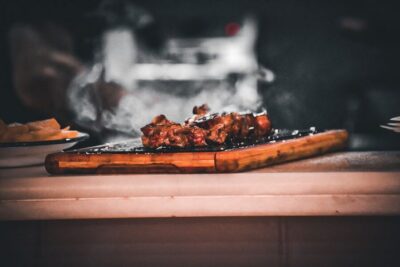
Tapas Walking Tour with Food, Wine, and History
Read our review →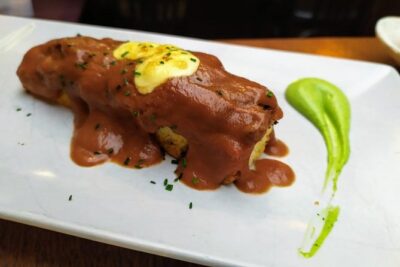
Sevilla Food Tour: Tapas, Wine, History & Traditions
Read our review →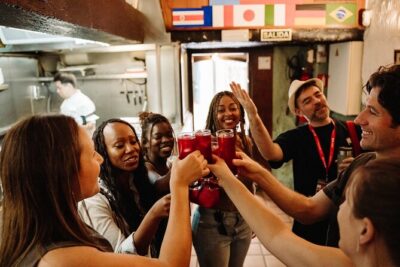
Madrid Tapas & Taverns Small Group Food & History Tour
Read our review →
Barcelona Tapas Walking Tour: Food, Wine & History
Read our review →
Boston Food & History: Pizza, North End & Freedom Trail
Read our review →Browse the lists this tour appears in