
REVIEW · BANGKOK FOOD TOURS
Bangkok Backstreets Food Tour with 15+ Tastings
Follow your appetite through Bangkok’s Chinatown. This four-hour walk takes you beyond Yaowarat Road into narrow lanes, local food shops, and street stalls that are easy to miss on your own. I like the small group of eight or fewer, and I like that two staff members help keep food and seating ready as you move.
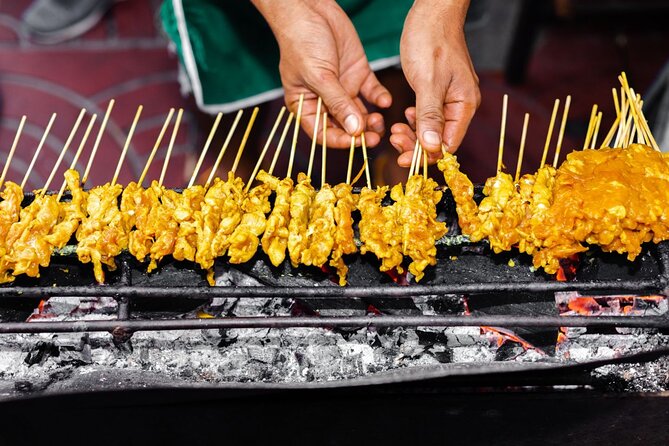
The food is the main event, with at least 15 tastings ranging from noodles and curry to satay, seafood, and sweets. Guides such as Annie, Ant, Bew, Ploy, and Rach have earned praise for explaining both the dishes and the Chinese influence on Thai food. The main drawback is clear: this tour is not suitable for vegetarians, pescatarians, people avoiding pork, or anyone with severe shellfish, peanut, celiac, halal, or cross-contamination concerns.
I also appreciate the route’s practical design. You start and finish at Shanghai Mansion Bangkok on Yaowarat Road, receive bottled water, and spend much of the walk in lanes too narrow for tuk-tuks. At $59 per person, the price is fair if you want a full meal, a local guide, and access to places you may not find by wandering alone.
Key points at a glance
- At least 15 tastings over four hours: Plan to sample a full range of small dishes, not just one or two snacks.
- Chinatown food with Chinese-Thai connections: Noodles, stir-fries, seafood, curries, and sweets help explain how Chinese cooking shaped Bangkok cuisine.
- Eight or nine food stops: The route includes two Michelin-listed street food venues, though exact stops can vary by operating hours.
- A maximum of eight people: The smaller group makes it easier to hear the guide and ask questions.
- Two staff members on the route: One guide leads while an assistant helps prepare the next stop and keeps the pace moving.
- Strict dietary limits: This is designed for adventurous omnivores who can eat pork and seafood and who do not face serious allergy risks.
Starting at Shanghai Mansion on Yaowarat Road
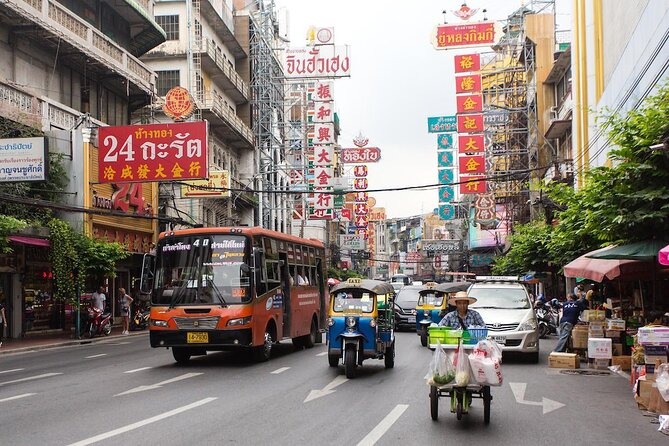
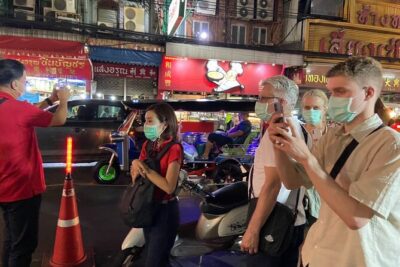
The meeting point is Shanghai Mansion Bangkok, at 479 and 481 Yaowarat Road. That puts you right in the middle of Bangkok’s Chinatown, where neon signs, Chinese shop houses, food stalls, and traffic create an immediate sense of place.
You do not need to arrange hotel pickup. Plan your own way to the start, using public transportation or a taxi, and arrive with enough time to locate the hotel. The tour ends at the same point, which makes the route easier to manage than a walk that finishes in an unfamiliar part of the city.
I like the choice of starting point because it gives you a strong visual introduction before the eating begins. Yaowarat Road is the public face of Chinatown, but the tour soon moves away from the main road. That shift matters. The most interesting parts are often the side lanes, small restaurants, and food counters tucked behind the bright signs.
Wear comfortable shoes. Four hours on foot, with frequent stops, is more pleasant in something supportive. Bangkok rain can arrive quickly, so bring an umbrella or rain gear if the forecast looks doubtful.
A few more food tours in Bangkok worth a look
- Bangkok: Backstreets Food Tour with 15+ Tastings
★ 4.9 · 2,880 reviews - Bangkok: Midnight Food Tour by Tuk-Tuk
★ 4.9 · 2,054 reviews - Bangkok: Michelin Guide Street Food Tour by Tuk Tuk
★ 4.4 · 1,274 reviews
Why Bangkok Chinatown is the right setting
Chinatown is not just a convenient place to find lots of food. It helps explain why Thai cooking has such a wide range of flavors and techniques.
Chinese communities have influenced Thailand for centuries. That influence appears in noodles, stir-fries, dumplings, sauces, seafood preparation, and cooking methods that became part of everyday Thai food. As you move through the neighborhood, the guide links what is on your plate to the people and traditions that shaped the area.
The route also gives you two versions of Chinatown. The morning departure uses many of the same foods as the evening outing, but some daytime stops change because vendors keep different hours. An afternoon start can be especially appealing because you may see the neighborhood in daylight and later under its neon signs.
Do not expect a formal history lecture. The information is tied to what you are eating and where you are standing. That keeps the cultural explanation useful rather than abstract. Guides such as Rach, Bew, Annie, and Ant have been praised for explaining preparation, ingredients, local customs, and the stories behind the places you visit.
Fifteen or more tastings, not fifteen tiny bites
The biggest selling point is the amount of food. The tour includes at least 15 tastings, spread across eight or nine stops. Several participants have counted 16 dishes, with a mix of starters, main dishes, sweets, and drinks or water along the way.
You should skip breakfast or eat very lightly beforehand. This is not a sample-one-dumpling-and-call-it-lunch outing. The quantity can be generous enough that you may need to pace yourself, especially if you want to try every dish.
The exact menu can change, but the food examples include:
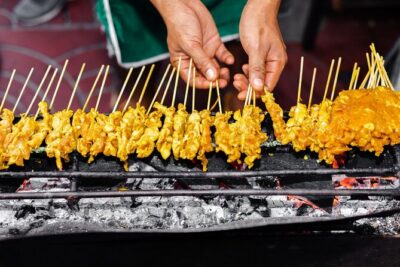
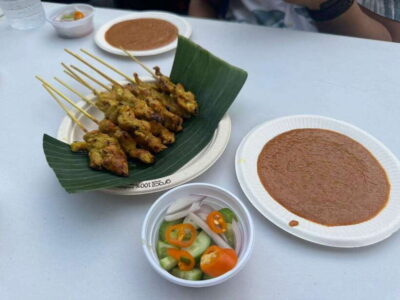
- Chicken satay
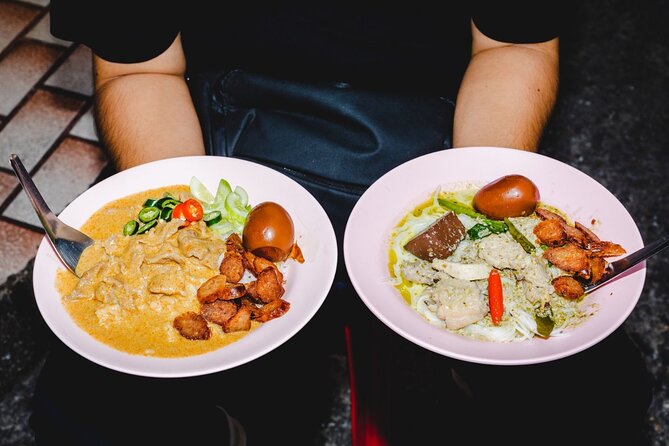
- Thai curries
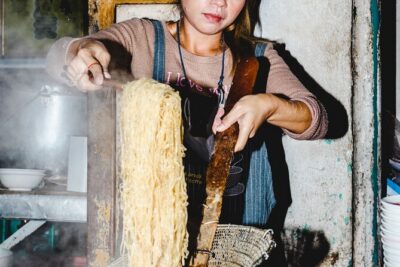
- Noodles
- Stir-fried dishes
- Seafood
- Shrimp dumplings
- Green curry
- Morning glory
- Grilled prawns
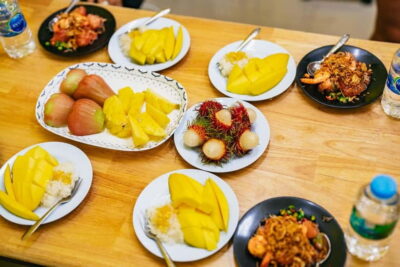
- Mango sticky rice
- Soy sauce ice cream
The variety is one of the strongest parts of the experience. You are not eating five versions of the same noodle dish. Instead, the food moves between savory, spicy, sweet, crisp, soft, grilled, and saucy preparations.
Some dishes may sit outside your usual comfort zone. That is part of the point, but you should not feel pressured to finish everything. The guide can explain what you are trying, how it is prepared, and what flavors to expect. One useful tip from the food stops is to taste spicy sauces before covering an entire dish with them. A grilled prawn with a hot seafood sauce, for example, may be manageable in a small taste but fierce when used heavily.
What happens during the eight or nine stops
The first hour introduces you to the Chinatown area and gets the meal moving. You may begin with familiar street food before the menu becomes more unusual. Chicken satay and noodles offer an easy start, while the guide explains how vendors work and how the food fits into local eating habits.
The middle section takes up roughly two hours and forms the heart of the route. This is where the Chinese-Thai connection becomes clearest. You may stop for dumplings, stir-fries, curry, seafood, and other dishes served in small portions. Two of the venues are Michelin-listed street food spots, which gives you a chance to try places with a strong local reputation without spending time researching them yourself.
The food stops are not all polished restaurants. You may eat in small shops, at street-side counters, or in simple dining spaces. That is a benefit if you want to see everyday food culture, but it also means the setting can be basic. This is not a restaurant-hopping tour built around table service and long meals. You are walking, tasting, listening, and moving on.
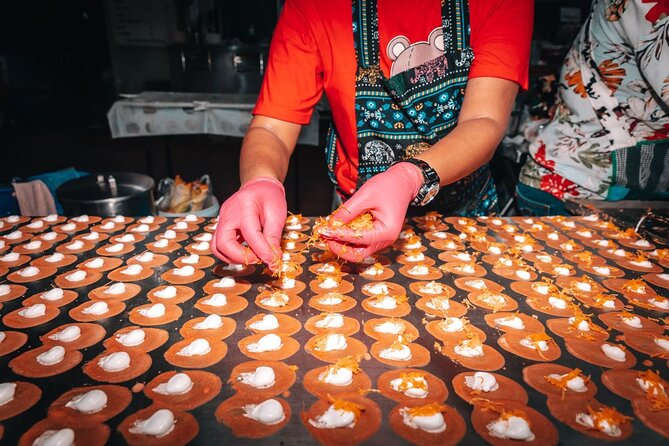
The final hour brings more food and returns you to the Shanghai Mansion. Desserts help close the meal, with mango sticky rice and unusual sweets such as soy sauce ice cream appearing in the food selection described by participants. The ice cream may sound strange, but it is exactly the kind of small surprise that makes a food walk memorable.
Because a second staff member travels with the guide, the next stop can often be prepared before the group arrives. This reduces waiting and keeps the four-hour schedule from becoming a long series of pauses. It also means you can focus on the food and conversation rather than figuring out where to go next.
Same city, a different table:
- Old Siam Bangkok Food Tour with 15+ Tastings
★ 5.0 · 867 reviews - Bangkok Authentic Tasting Thai-Chinatown Walking Food Tour
★ 4.9 · 852 reviews - Bangkok: Tuk Tuk Adventure Chinatown Michelin Food & Temples
★ 4.3 · 725 reviews - Bangkok Tuk-Tuk Tour by Night with Chinatown Street Food Meal
★ 5.0 · 635 reviews
Why the small group matters
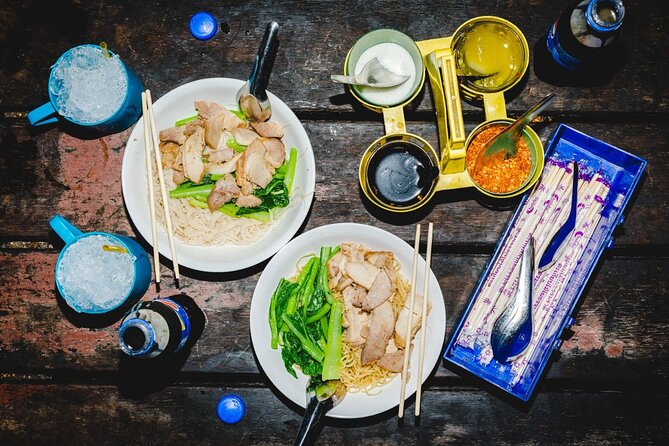
The maximum group size is eight, with a guide and assistant assigned to the outing. That is smaller than many city food walks, and you can feel the difference when the route moves through narrow lanes.
A small group makes it easier to hear explanations beside a busy street. It also gives you more room to ask about ingredients, cooking methods, or other food places in Bangkok. Guides have also offered practical advice about where to eat elsewhere in the city, depending on what you like.
The second staff member is more than a spare pair of hands. The assistant can help organize seating, keep dishes moving, and make sure nobody gets separated at a crowded crossing or food stop. That organization is valuable in Chinatown, where the streets can be busy and the group may need to keep moving.
The social side is another plus. You may meet people from several countries, but the experience does not depend on being outgoing. You can simply focus on the food while the guide keeps the conversation moving.
Food quality, authenticity, and comfort
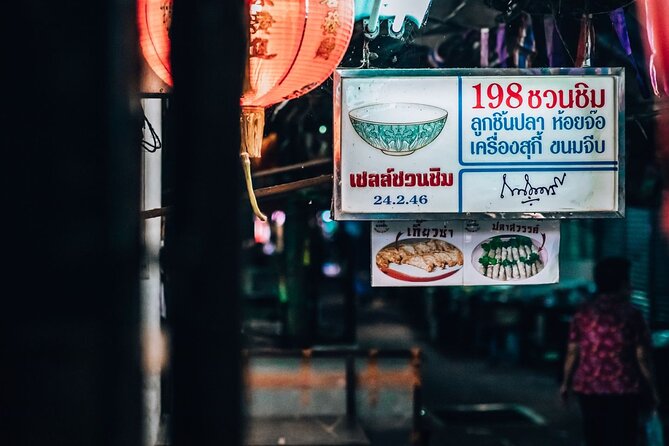
The strongest praise for this tour centers on the food. The selection is broad, and many stops are places you would not easily find without local help. The route includes backstreets where large vehicles cannot go, so you get a closer look at the neighborhood beyond the main food corridor.
That does not mean every dish will suit your taste. Street food is personal. You might love one curry and care less for another preparation. A few flavors may be new or intense, and sauces can vary in heat. The benefit is that you get a wide sample, so one less-favorite bite does not define the meal.
The experience is also fairly practical. Bottled water is included, and clean bathroom stops have been noted along the route. Alcohol is not included, so budget separately if you want a beer or another drink.
The tour is not the right choice if you need careful control over ingredients. Street vendors have limited menus, and the operator warns about traces and cross-contamination. Serious shellfish or peanut allergies are a firm concern. Celiac disease, halal requirements, and a no-pork diet also create serious limitations. Vegetarians and pescatarians should choose another food experience because alternatives are limited.
Morning or afternoon departure?
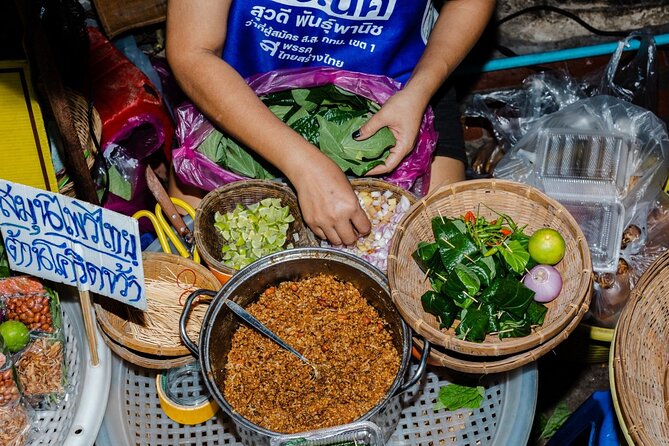
Morning and evening outings use much of the same food plan, but daytime operations require a few alternate stops. The operator notes that morning departures include the same general quality and most of the same venues, with substitutions for vendors that open later.
An afternoon start can give you the best visual transition. You may see Chinatown in daylight and then watch Yaowarat’s signs and lights come alive as the tour continues. If you care more about market activity in daylight, choose the morning. If you want the atmosphere of Chinatown after dark, select a later departure.
The key point is not to expect an identical plate-by-plate menu at every time. Food vendors have their own operating hours, and the route adjusts around that reality.
Is $59 a good value?
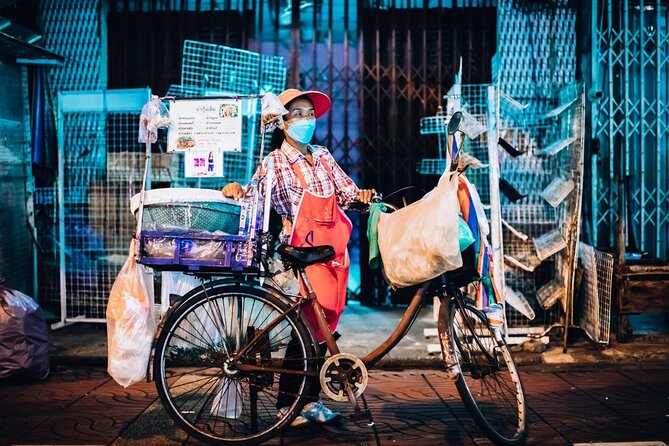
At $59, this is not the cheapest way to eat in Bangkok. You could spend far less by choosing individual street dishes on your own. But the comparison is not quite fair.
The price includes at least 15 tastings, eight or nine stops, bottled water, a professional guide, and an assistant. You also receive the convenience of a planned route through backstreets, plus explanations that help you understand what you are eating. Two Michelin-listed street food venues add extra appeal, though the real value comes from the number and variety of stops.
I consider it good value for a first visit to Bangkok, especially if you want a full meal and do not want to spend your first days guessing what to order. It is less appealing if you already know Chinatown well, prefer to choose every dish yourself, or eat lightly.
You should also count the opportunity cost. Four hours is a large block of a Bangkok day, but this tour combines lunch or dinner with sightseeing. You are not simply paying for food. You are paying for a route, local context, organization, and the chance to try more than you could comfortably arrange on your own.
Who should book this food walk?
I would recommend it most strongly to first-time visitors, serious eaters, and anyone who wants an introduction to Chinatown without spending hours planning. It also suits people who enjoy trying unfamiliar dishes and appreciate a guide who can explain the food as it arrives.
The tour works well for couples, friends, and solo visitors who like a social setting. The small group keeps it personal, while the assistant helps make the stops efficient.
I would not choose it for a relaxed evening built around one long restaurant meal. I also would not book it if you have strict dietary restrictions, serious allergies, or need a fully vegetarian menu. In those cases, the food limitations are too important to ignore.
If you do book, arrive hungry, wear good shoes, and bring rain protection. Ask your guide about the dishes as they arrive, and taste spicy sauces cautiously. Guides such as Annie, Ant, Bew, Ploy, and Rach have been praised for bringing warmth, humor, and useful food knowledge to the route, though the exact guide depends on the departure.
Should you book the Bangkok Backstreets Food Tour?
Book it if you want to eat widely, walk through Chinatown’s less obvious lanes, and learn why Chinese cooking has such a strong place in Thai food. The combination of 15 or more tastings, two staff members, a small group, and a planned route makes $59 reasonable for a full four-hour outing.
Skip it if you need strict ingredient control, dislike eating on the move, or would rather make your own food choices. For everyone else, this is a generous first look at Bangkok’s Chinatown, with enough dishes to turn dinner into the main event of the day.
Free cancellation is available when you cancel at least 24 hours before the local start time. Cancellations or changes made inside that period are not refunded.
FAQ
Where does the Bangkok Backstreets Food Tour start?
The tour starts at Shanghai Mansion Bangkok, located at 479 and 481 Yaowarat Road in Bangkok’s Chinatown.
Where does the tour finish?
The activity ends back at the Shanghai Mansion meeting point on Yaowarat Road.
How long does the food tour last?
The tour lasts approximately four hours.
How many tastings are included?
At least 15 food tastings are included. The route usually visits eight or nine food stops, including two Michelin-listed street food venues.
Is the tour suitable for vegetarians or pescatarians?
No. The tour is not suitable for vegetarians, pescatarians, or people avoiding pork because the food vendors have limited alternatives.
Is the tour suitable for people with food allergies?
It is not suitable for severe shellfish or peanut allergies, celiac disease, halal requirements, or other serious concerns about traces and cross-contamination. Some other dietary restrictions may require you to skip dishes.
Just added in Bangkok
- Bangkok Tuk Tuk Food Tour By Night★ 5.0 · 198 reviews
- Bangkok 3-in-1 Tour: Longtail Boat,TukTuk & Street Food Adventure★ 5.0 · 73 reviews
- Train & Floating Market Food Adventure + Scenic train ride★ 5.0 · 102 reviews
- Private Tuktuk Authentic Food Tour (Chinatown-Flower Market)★ 5.0 · 75 reviews
- 4-Hour Hidden Bangkok TukTuk Street Food Guided Tour★ 5.0 · 23 reviews
- Authentic Street Food Tour in China Town Bangkok★ 5.0 · 25 reviews
- Timeless Thonburi Canal and Food Tour★ 5.0 · 31 reviews
- Must-Try: Hidden Bangkok Bike and Food Tour★ 5.0 · 455 reviews
Bangkok Food Tours, compared.
Bangkok Authentic Tasting Thai-Chinatown Walking Food Tour
Read our review →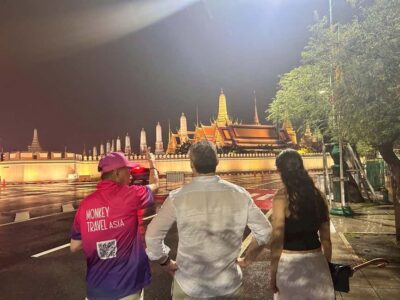
Tuk Tuk Adventure Chinatown Michelin Food & Temples
Read our review →
Bangkok Tuk-Tuk Tour by Night with Chinatown Street Food Meal
Read our review →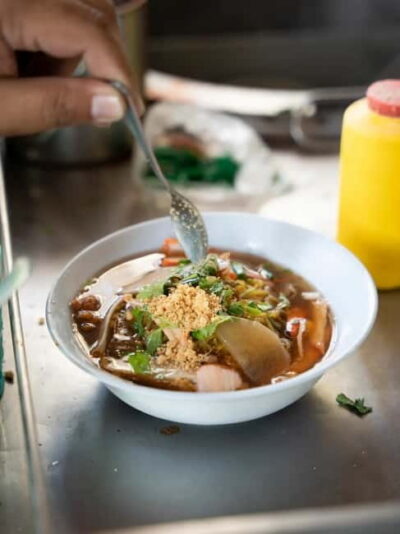
Browse the lists this tour appears in