REVIEW · WINE TOURS
Lebanon Wine Tasting Tour From Beirut
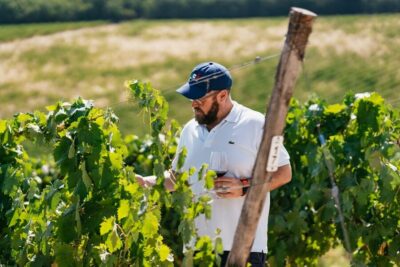
Wine country begins outside Beirut. This full-day outing takes you into the Bekaa Valley, where three wineries offer red, rosé, white wine, and arak tastings alongside stories of Lebanon’s ancient wine tradition. I like the included hotel transport and the chance to visit both established and family-run producers. The main drawback is that the guide’s role may vary, and one unhappy customer received more of a transfer service than a guided wine experience.
At $91.03 per person, the tour offers solid value if you want transport, tastings, and a full day outside the capital without arranging a car. I also like the small-group promise, though the stated limits vary between 10 and 15 people, so you should confirm the expected group size before booking.
Key points to know before you book
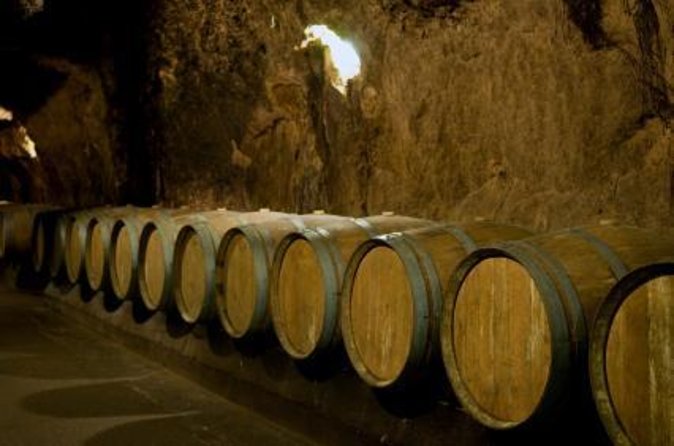
- Three wineries in one day: Visit Chateau Heritage, Chateau Ksara, and Chateau Rayak, with tastings included at each stop.
- A long but useful day from Beirut: The tour begins at 9:00 a.m. and lasts about eight hours, including winery visits and lunch in Zahle.
- Chateau Ksara adds major historical context: Founded in 1857, it is Lebanon’s oldest winery and helped shape the country’s modern wine trade.
- The final stop may be the highlight: Chateau Rayak focuses on a family operation that combines traditional methods with modern equipment.
- Guides can shape the experience: Robin received especially warm praise for his humor, local insight, and explanations of Bekaa Valley wine.
- Check the service level: Some customers found the day personal and informative, while one expected more active guiding than was provided.
Why the Bekaa Valley makes this trip worthwhile
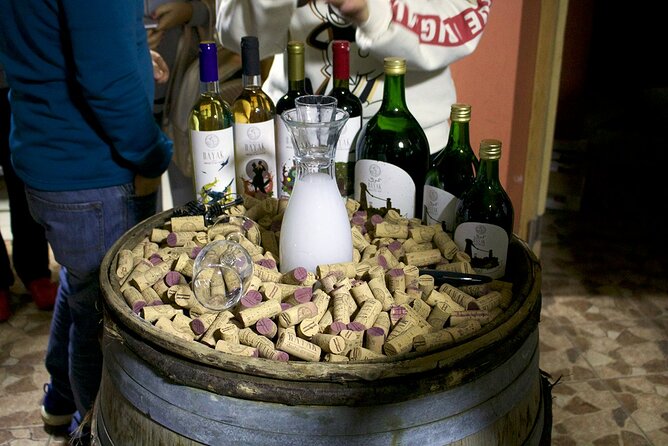
Lebanon’s connection with wine reaches far beyond modern vineyards. The region is linked with Phoenician trade, biblical stories, Roman culture, and the long use of grapes for both wine and arak, Lebanon’s anise-flavored national drink.
That background gives the day more substance than a simple tasting crawl. You are not just sampling different bottles. You are visiting a place where wine production connects with Lebanon’s religious, agricultural, and commercial past.
From Beirut, the tour removes the hardest part of the day: getting there and back. Round-trip transport in a climate-controlled vehicle means you do not need to arrange a rental car, navigate unfamiliar roads, or decide who will avoid the wine. That matters on a full-day outing.
The schedule starts at 9:00 a.m. and lasts approximately eight hours. You should expect a busy day rather than a slow, leisurely afternoon. Three winery stops, a meal break, and transport between Beirut and the Bekaa Valley leave limited room for lingering, but you get a useful overview of the region in one outing.
More wine tours in the world:
- Winner 2025 Undiscovered Lisbon Food & Wine Tour by Eating Europe
★ 5.0 · 6,390 reviews - Winner 2025 Florence Sunset Food & Wine Tour by Eating Europe
★ 5.0 · 5,015 reviews - Authentic Parisian Gourmet Food Tour with 10 Local Dishes & Wines
★ 5.0 · 4,754 reviews
Chateau Heritage and Lebanon’s old wine story
The first stop, Chateau Heritage, introduces the deep roots of Lebanese winemaking. The winery was established in 1888 by the Touma family in Kab Elias, a town in the Bekaa Valley. The family produced both wine and Arak Touma, connecting the winery to a drink that remains central to Lebanese food and culture.
The stop lasts about one hour, and admission is included. You can expect tastings of Lebanese wine, with red and white varieties included as part of the wider day’s selection.
What makes Chateau Heritage useful is its connection to family production. The story here is not only about bottles and tasting notes. It is also about how a Lebanese family helped maintain winemaking and arak production through changing times.
The winery description also points to a much older story. Some theories suggest Phoenician merchants carried red and white grape varieties from the eastern Mediterranean toward Europe. You should treat that as historical context rather than a simple claim that every modern European grape began in Lebanon, but it gives your guide a good opening for explaining why the region matters.
This is a good first stop because it sets the scene before you reach the country’s oldest winery. If you are new to Lebanese wine, listen for the differences between wine made for local tradition and wine made for wider commercial distribution.
Chateau Ksara, Lebanon’s oldest winery
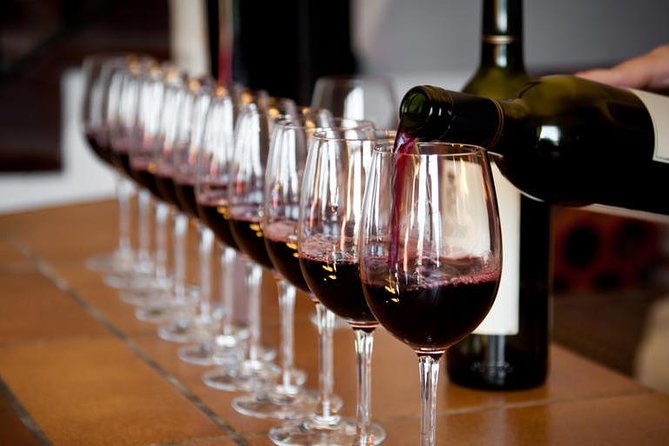
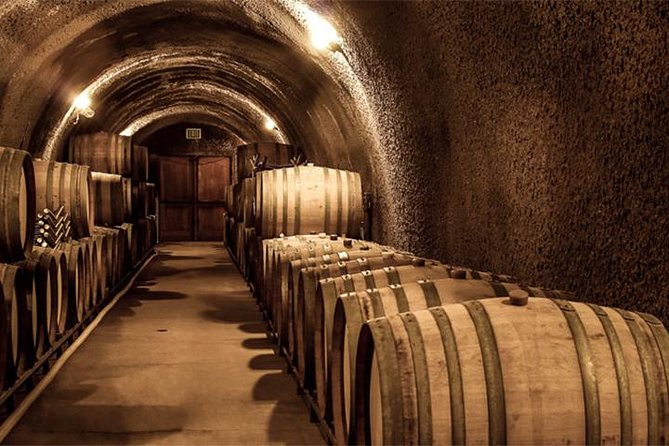
Chateau Ksara is the most established stop on the route. Jesuit priests began farming a 25-hectare plot here in 1857, producing what is described as Lebanon’s first non-sweet red wine. Their work helped form the base of the country’s modern wine industry.
The name Ksara comes from the Arabic word for a fortress, linked to the site’s use as a fortress during the Crusades. That detail gives the winery a physical and historical setting beyond its tasting room.
At Chateau Ksara, the range is broad. You may encounter dry white, red, sweet, and rosé wines, as well as arak. For anyone trying to understand Lebanese wine, this variety is valuable because it lets you compare several styles in one place.
The stop lasts about one hour, with admission included. It is likely to feel more established and structured than the smaller family setting at Chateau Heritage. That can be an advantage if you want a clear introduction to the winery’s past and current production.
I would pay close attention to the contrast between the wineries. Chateau Heritage gives you the family story and a traditional connection to arak. Chateau Ksara gives you a larger historical frame and a wider product range. The two stops work best together.
Lunch in Zahle breaks up the tastings
The tour includes a one-hour lunch stop at a local restaurant in Zahle. The meal is not listed as included in the tour price, so you should plan to pay for lunch separately unless the operator gives you different instructions.
Zahle provides a welcome pause between tastings. A full day of wine can become tiring if every stop follows the same pattern, and a proper meal gives you time to reset before the final winery.
The information provided does not specify the restaurant, menu, or lunch cost. That means you should not book this day expecting a particular dish or a fixed meal package. Think of Zahle as a practical local lunch break rather than a separately guided food experience.
The timing matters, too. You will already have visited two wineries before reaching Zahle, so eating well and pacing yourself is sensible. Tastings are included, but you do not need to treat every pour as a full glass. The best approach is to taste carefully, drink water, and keep the day comfortable.
A few more food tours in the world worth a look
- Reykjavik Food Walk – Local Foodie Adventure in Iceland
★ 5.0 · 18,952 reviews - Ho Chi Minh City Street Food Tour & Sightseeing By Motorbike
★ 5.0 · 9,413 reviews - Tokyo: Shinjuku Food Tour (13 Dishes at 4 Local Eateries)
★ 5.0 · 6,603 reviews - Hanoi: Guided Food Tour with Train Street Visit
★ 4.9 · 6,239 reviews
Chateau Rayak brings the family touch
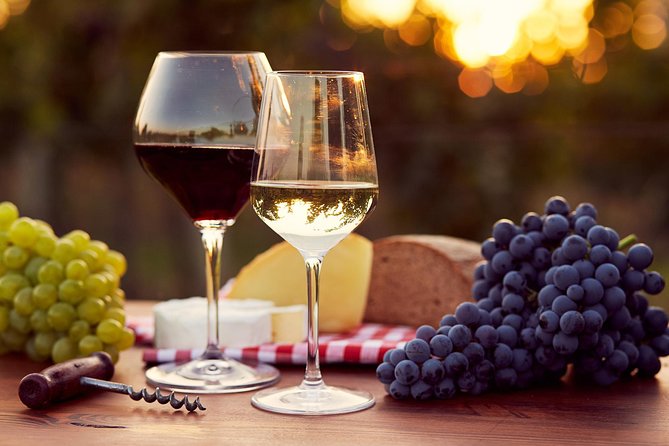
The final winery, Chateau Rayak, receives the longest scheduled visit, about two hours. That extra time may explain why this stop is often the most memorable part of the day.
Here, you learn about a family that combines traditional wine methods with modern technology. The grapes come from the Bekaa Valley, and the winery produces several styles. The mix of old and new gives you a practical way to see how Lebanese producers protect local identity while improving production.
A two-hour visit also allows more room for explanation and tasting than the one-hour stops. If you want to ask about grape growing, production, or the differences between traditional and modern methods, this is the place to do it.
One customer specifically described the third winery as the best part of the outing. That does not mean it will be your personal favorite, but you should arrive ready to give Chateau Rayak your attention rather than treating it as a final stop to rush through.
The order also works well. By the time you reach Rayak, you have already heard the broad history at Chateau Heritage and Ksara. You can now compare the family approach at Rayak with the older and larger-scale examples earlier in the day.
What the guides add, and where the tour can fall short
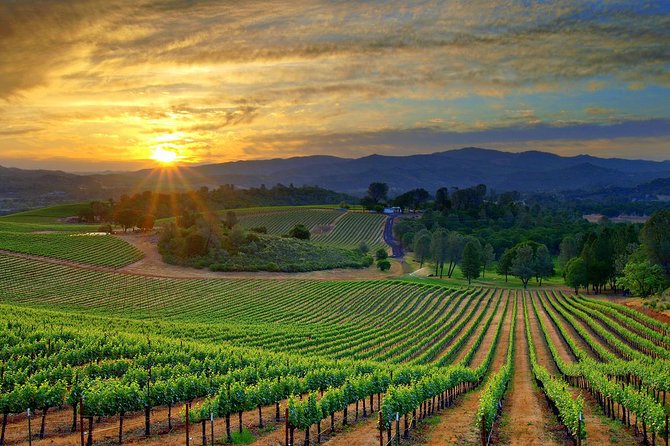
The strongest personal praise centers on Robin, a driver and guide who explained the Bekaa Valley, Lebanese wine, and both historic and modern Lebanon. His humor and local knowledge helped turn the transport time into part of the experience rather than dead time between wineries.
Another account described a very small group of only two people, which made the outing feel almost private. The original organizer had a vehicle problem and arranged another guide, who was also described positively. This shows some flexibility when problems occur, though it also reminds you that the exact guide may not always be guaranteed.
There is one important caution. One customer expected a guide who would explain the wine and vineyards throughout the day but felt the service was mainly transportation between stops. That is a meaningful criticism, especially if your main goal is wine education rather than simply reaching three wineries.
The experience provider is Zingy Ride, and the service seems to depend heavily on the individual assigned to your group. If you want detailed tasting instruction, ask before departure whether the guide will accompany you inside each winery and explain the wines personally.
The listed group limits also need a careful reading. The highlights describe a group limited to 10 for personal service, while the additional information gives a maximum of 15. That is still smaller than a large coach tour, but it is not the same as a guaranteed group of 10 or fewer.
Is $91.03 a fair price?
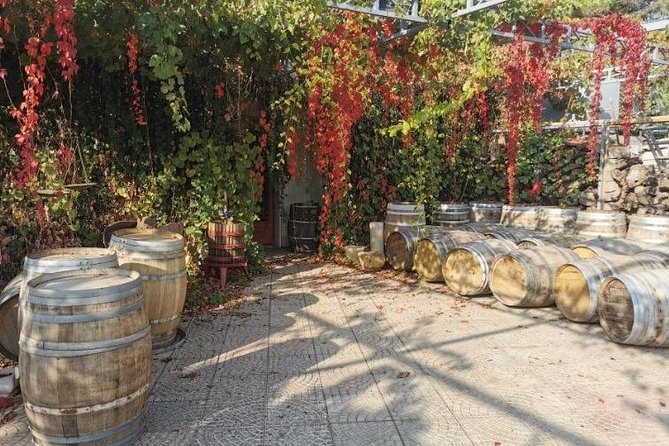
At $91.03 per person, this is a reasonable package if you value convenience. You receive round-trip transport from Beirut, visits to three wineries, included wine tastings, a full day in the Bekaa Valley, and a lunch stop in Zahle.
The price becomes stronger if you are traveling without a car. Renting a vehicle would add cost and responsibility, and driving after tastings is not a wise plan. Here, transport lets you focus on the scenery, the wine, and the history.
The value is weaker if you expect a formal sommelier-led class, a gourmet lunch, or a highly structured private tour. Lunch is not listed as included, and the guide’s level of involvement can vary. You are paying for access and transport first, with guiding quality depending in part on the person leading your day.
Group discounts may be available, which could make this a better choice for couples, friends, or small family groups. The tour is booked, on average, about 11 days ahead, so you should not assume you can leave it until the last minute.
Who should choose this Bekaa Valley day trip?
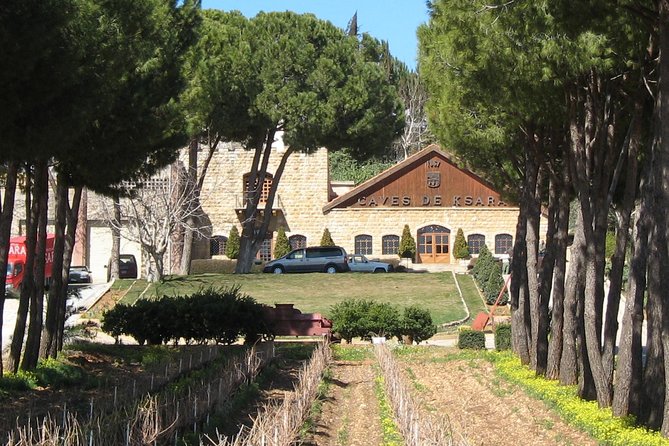
I would recommend this outing to you if you want a simple way to see Lebanon’s principal wine region from Beirut. It suits people who enjoy tasting local products but also want history, family stories, and a look at how different wineries work.
It is especially useful for:
- First-time visitors who want one organized day outside Beirut
- Couples and small groups seeking shared tastings
- People who do not want to drive between wineries
- Wine drinkers interested in red, rosé, white wine, and arak
- Visitors who like combining food, local culture, and regional scenery
I would hesitate if you want a slow private tour with extensive technical instruction at every bottle. In that case, ask direct questions about the guide’s role before paying.
The tour is open to most participants, but the supplied details do not describe specific accessibility arrangements. If you need special transport or mobility support, confirm those details with the operator before booking.
The booking is non-refundable and cannot be changed for any reason. That makes it especially important to confirm your date, pickup details, and group expectations before you commit.
Should you book the Lebanon wine tasting tour?
Book it if you want good regional coverage for a moderate price. Three wineries in eight hours gives you a clear introduction to Lebanese wine, while the included transport removes the main practical headache.
I would place the greatest value on the combination of Chateau Ksara’s long institutional story, Chateau Heritage’s family connection, and Chateau Rayak’s traditional-meets-modern approach. Together, they give you more variety than visiting one winery alone.
Just keep your expectations realistic. This is not guaranteed to be a private wine seminar, lunch is not specified as included, and the group may reach 15 people. If you confirm the guide’s role and are comfortable with a full, active day, this is a worthwhile way to connect Beirut with the vineyards of the Bekaa Valley.
FAQ
How long does the tour last?
The tour lasts approximately eight hours.
What time does the tour begin?
The scheduled start time is 9:00 a.m.
Where does the tour start and finish?
It starts in Beirut, Lebanon, and ends back at the meeting point.
How many wineries are visited?
You visit three wineries: Chateau Heritage, Chateau Ksara, and Chateau Rayak.
Are wine tastings included?
Yes. The tour includes tastings of local wine, including red, rosé, and white varieties. Arak is also available among the products described at the wineries.
Is lunch included in the price?
Lunch takes place at a local restaurant in Zahle, but the supplied details do not state that the meal is included in the tour price.
What is the maximum group size?
The additional information gives a maximum of 15 participants. The tour highlights also describe a group limited to 10, so you should confirm the expected group size when booking.
Can I cancel or change the booking?
No. The experience is non-refundable and cannot be changed for any reason.
Just added in the world
- Copenhagen Private Culinary Food Tour with 6 Tastings of Classics★ 5.0 · 42 reviews
- Copenhagen Private Food Walking Tour with 6 or 10 Tastings★ 4.5 · 177 reviews
- Copenhagen Food & Drink Private Tour: Scandinavia Delight Tasting★ 5.0 · 236 reviews
- Copenhagen Modern Food Tour★ 5.0 · 32 reviews
- 3-hour Culinary Bike Tour in English★ 5.0 · 235 reviews
- Copenhagen Best of Danish Pastry Tasting Tour★ 5.0 · 30 reviews
- Classic 3-Hour Food Tour in Colorado Springs★ 5.0 · 408 reviews
- The 10 Tastings of Colombo With Locals: Private Street Food Tour★ 4.5 · 71 reviews
Wine Tours, compared.

Winner 2025 Undiscovered Lisbon Food & Wine Tour by Eating Europe
Read our review →
Winner 2025 Florence Sunset Food & Wine Tour by Eating Europe
Read our review →
Authentic Parisian Gourmet Food Tour with 10 Local Dishes & Wines
Read our review →
Tapas Walking Tour with Food, Wine, and History
Read our review →
Lisbon Small-Group Portuguese Food and Wine Tour
Read our review →