
REVIEW · CITY TOURS
Food Tour in Buenos Aires City in Small Groups
Buenos Aires tastes better after dark. This three-and-a-half-hour food walk combines classic Argentine dishes with stories about downtown life, and I like the generous meal portions and small groups capped at 10 people. I also like that guides such as Lara and Adrián bring personal warmth, practical help, and useful cultural context to the evening.
The main caution is simple: this is not always a roaming food crawl. You may eat several courses at one restaurant, then walk to coffee and gelato, so the experience can feel more like dinner with a local than four separate restaurant tastings.
Key points to know before booking
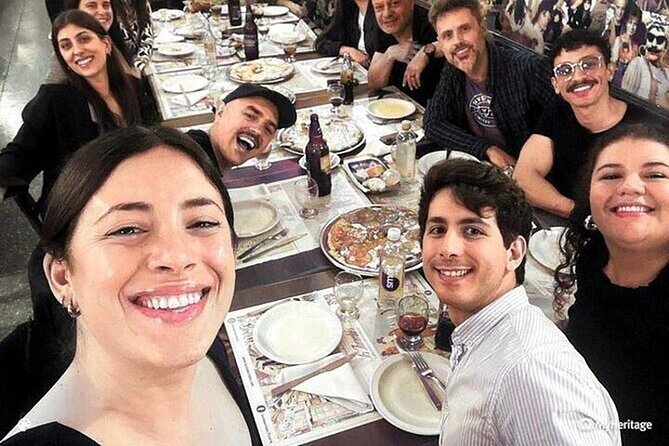
- Four advertised food stops, but a flexible format: The planned experience includes four selected restaurants, yet the actual evening may involve one main restaurant plus coffee and gelato elsewhere.
- A full Argentine meal: Expect empanadas, milanesa, pizza, beef, dessert, and selected Argentine wine, with enough food that you should eat lightly beforehand.
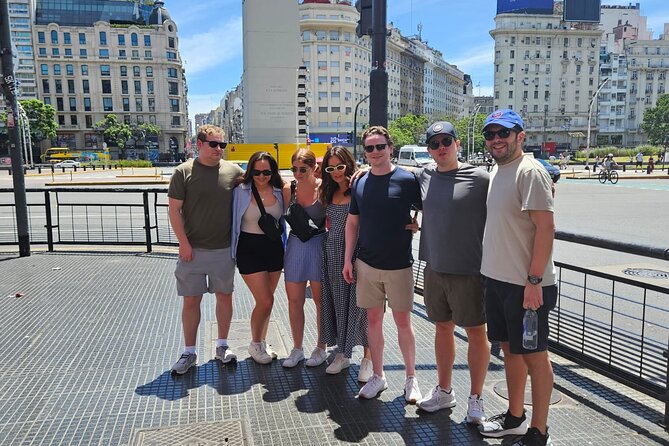
- A downtown Buenos Aires setting: The route begins at Lavalle 746 in San Nicolás, an area tied to office workers, old cafés, theaters, restaurants, and the daily rhythm of central Buenos Aires.
- Small groups with personal attention: The maximum is 10 people, and the tour may still operate with only one or two people booked.
- Guides are a major strength: Lara receives especially warm praise for her English, humor, cultural knowledge, and help with transport after the tour.
- The format can change: Holidays, rain, crowded venues, and closed cafés have sometimes led to substitute stops or a longer meal at the first restaurant.
Buenos Aires on a plate, not just a sightseeing walk
This tour works best if you want food to explain the city. Buenos Aires cuisine is a meeting point of Argentine beef, Italian influence, Spanish traditions, café culture, and the habits of ordinary porteños, the people of Buenos Aires.
You are not simply handed a plate and sent on your way. The guide is meant to explain why empanadas matter, how milanesa became a household favorite, and why Buenos Aires pizza has its own thick, generous style. The walking sections add a sense of place, especially around downtown streets where office workers stop for lunch and old restaurants have served local favorites for decades.
I like that balance. A food tour should give you more than a list of dishes. It should help you understand why a meal looks the way it does and how it fits into local life.
Still, you should set your expectations carefully. The advertised plan describes four restaurants and more than seven typical dishes and drinks. In practice, the evening may be structured as a substantial multi-course meal at one restaurant, followed by coffee and ice cream at other locations. That can be a good setup if you prefer a relaxed dinner. It can disappoint you if you expect to pop into four different places for one small bite at each.
A few more food tours in the world worth a look
- Ho Chi Minh City Street Food Tour & Sightseeing By Motorbike
★ 5.0 · 9,413 reviews - Private Street Food Evening Walking Tour in Ho Chi Minh City
★ 5.0 · 3,175 reviews - Top Notch Street Food Motorbike Tour In Ho Chi Minh City
★ 5.0 · 2,667 reviews
Starting at 5:30 pm in San Nicolás
The meeting point is Lavalle 746, C1047 San Nicolás, in central Buenos Aires. The tour starts at 5:30 pm, a useful time for easing into the city after a day of sightseeing without committing to a late-night dinner.
The area is well connected to public transportation, and the route stays in the heart of Buenos Aires. That matters because you are not spending the evening in a distant suburb or traveling between widely separated neighborhoods. The food and stories remain tied to the city center.
Your group may be as large as 10 people, but the small-group design should make it easier to ask questions and hear the guide. One evening even went ahead with only one person booked, with the guide providing a private-style experience instead of canceling.
That flexibility is welcome, but keep one practical point in mind: the stated end point is the starting point, yet some actual routes have finished more than a kilometer away at the final ice cream stop. If you are tired, unfamiliar with the center, or staying elsewhere, ask your guide about the route back. One guide walked part of the way with a solo participant and helped him find his hotel.
The first stop: empanadas, beef, milanesa, and pizza
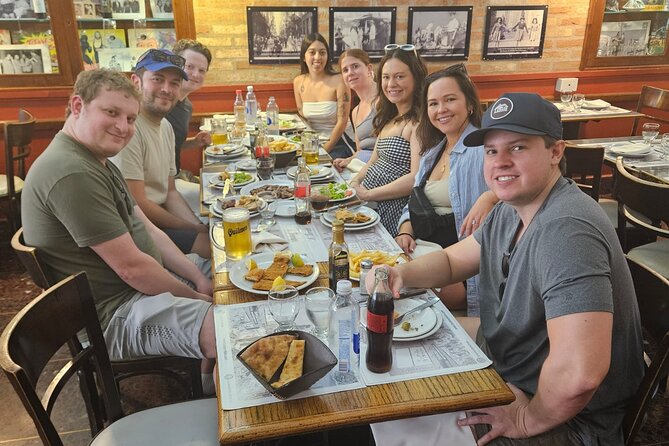
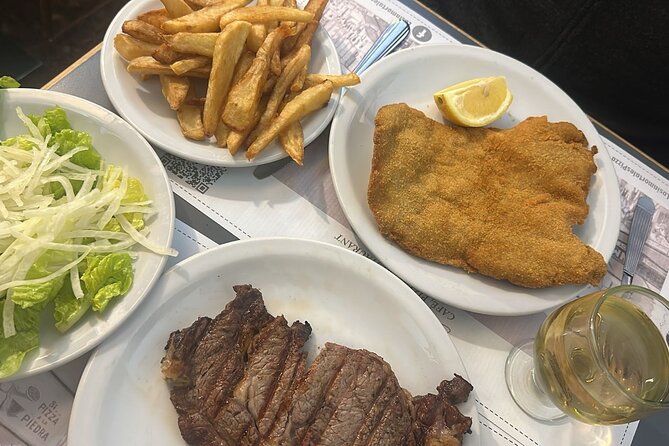
The main meal is the heart of the experience. You may begin with Argentine empanadas, then move into beef, milanesa prepared in a home-style fashion, fries, and Buenos Aires pizza.
The empanadas receive some of the strongest praise. Beef empanadas are a natural introduction to Argentine cooking: portable, filling, and shaped by regional habits. Here they are part of a wider meal rather than a quick snack, so you can compare their seasoning and texture with the other dishes that follow.
Milanesa is another useful dish for understanding everyday Argentine food. It resembles a breaded cutlet, but the local version is more than a tourist shorthand for schnitzel. It is familiar, hearty, and tied to family cooking. The tour describes it as being prepared in the style of Argentine grandmothers, which tells you something about its role: this is comfort food, not fine dining theater.
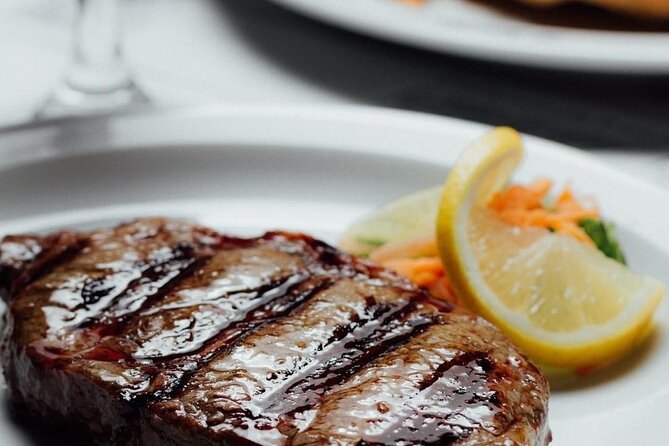
Then comes beef, often described in the evening as steak or seasoned rib eye, along with fries. Argentine beef is one of the country’s great food draws, but the value here is not just the meat. You get to see how it fits alongside empanadas, milanesa, pizza, wine, and dessert in one long local meal.
Buenos Aires pizza is another highlight. The city’s version tends to be thicker and more substantial than the thin Italian style many visitors expect. One portion can be enough to make you rethink the wisdom of eating a large lunch before the tour.
The main weakness is the restaurant setting. At times, several courses are served at the same place, including at Los Inmortales, a traditional Buenos Aires restaurant named in several accounts of the experience. Some people enjoy staying put and letting the meal unfold. Others find the service ordinary or feel that four tastings in one restaurant do not justify calling the outing a food tour.
I would treat this part as a proper Argentine dinner with guided tastings, not as a series of quick bites. That is the fairest way to judge it.
Wine, soft drinks, and the details that matter
Argentine wine tasting is included in the stated price, with wines drawn from well-known Argentine grape varieties. The experience also lists soda, coffee or tea, and other drinks, along with lunch, dinner, snacks, and Argentine meat.
The wording suggests a broad food-and-drink package, but the actual delivery has not always been consistent. Some people received wine and other drinks without difficulty. Others had to ask for water and did not receive the wine or soda they expected.
That is worth clarifying at the start. You can politely ask the guide what is included at each stop, especially if you do not drink alcohol. The minimum age for alcohol consumption is 18.
The wine matters because it gives the meal a little more shape. Argentine grapes are part of the country’s food identity, and trying them alongside beef is more useful than tasting wine in isolation. Still, do not book this as a dedicated wine tour. The main focus is the food and the story of Buenos Aires dining.
Same city, a different table:
- Reykjavik Food Walk – Local Foodie Adventure in Iceland
★ 5.0 · 18,952 reviews - Tokyo: Shinjuku Food Tour (13 Dishes at 4 Local Eateries)
★ 5.0 · 6,603 reviews - Winner 2025 Undiscovered Lisbon Food & Wine Tour by Eating Europe
★ 5.0 · 6,390 reviews - Hanoi: Guided Food Tour with Train Street Visit
★ 4.9 · 6,239 reviews
Coffee at a grand old stop, when available
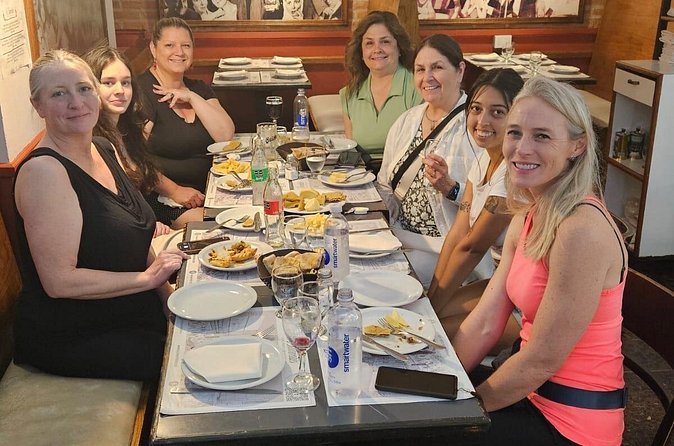
After the main meal, the route may continue to a coffee shop. Ideal is one of the places associated with the experience, a handsome café with a long connection to Buenos Aires café culture.
This stop changes the pace. After a heavy meal, coffee gives you a chance to sit, talk, and let the guide explain more about downtown customs and old meeting places. A beautiful café also offers a different kind of local experience than a steakhouse.
The stop is not guaranteed in exactly the same form. Ideal may be full and does not take reservations, and holidays can close a planned café. On one occasion, a substitute was needed because the scheduled coffee shop was closed on January 1. The guide found another place, but the replacement may not have the same character.
This is one reason I would not book the tour solely for a particular café. Think of coffee as part of a flexible evening route, not a guaranteed attraction with timed admission.
Finishing with Buenos Aires gelato
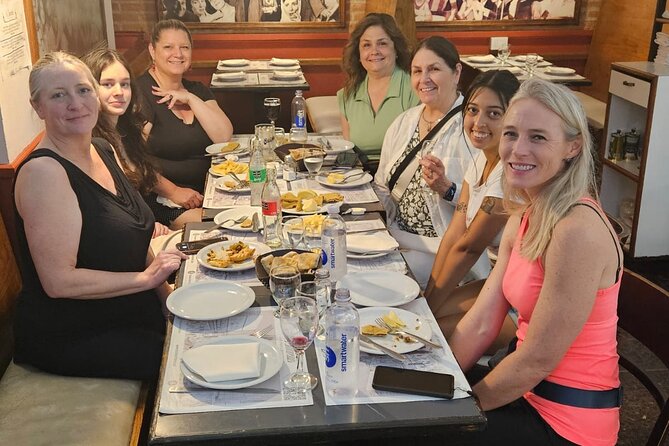
The final sweet stop is usually a notable ice cream shop, with Cadore and Casper both connected to different accounts of the route. Dulce de leche is the flavor to look for, and it provides a fitting ending to a meal built around Argentine comfort food.
The ice cream receives consistent praise for flavor. It also solves a practical problem: you can eat a little, walk a little, and finish the evening with something cool and sweet rather than another heavy course.
The drawback is crowding. A popular ice cream shop can be packed, and the final stop may feel rushed if there is a long line. Some routes have ended there rather than returning to Lavalle 746, so check the finish with your guide before you set up an evening transfer.
I like the ending because it gives the tour a clear local ritual. Buenos Aires is a city where a late ice cream is not an odd extra. It is part of the evening.
Guides make or break the experience
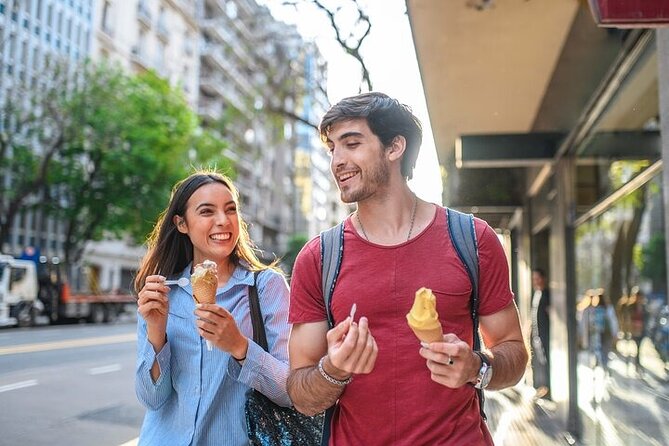
The strongest part of the tour is often the guide. Lara is praised for her excellent English, friendly manner, humor, cultural explanations, and willingness to help with transport after the tour. She has also handled solo bookings, rainy weather, holiday changes, and venue problems with patience.
Adrián and Fabian also receive warm comments for food selections and friendly company. The most useful guides do more than identify an empanada. They explain the history of the area, the role of food in Argentine family life, and the difference between a place famous with locals and one that simply appears on a tourist route.
There is a practical catch: some guides speak softly, and restaurant noise can make the commentary hard to follow. If you cannot hear, move closer and ask the guide to repeat the point. The group limit helps, but it cannot remove every sound problem in a busy dining room.
The guiding style may also vary. Some evenings feel full of conversation and historical detail. Others provide less explanation, especially when venues are crowded or plans change. If cultural context matters greatly to you, ask questions. The small-group format gives you a good chance to shape the conversation.
Is $90 a fair price?
At $90 per person, this is not cheap by Buenos Aires standards. You could order empanadas, beef, pizza, coffee, and ice cream independently for less money, especially if you choose basic restaurants.
The price pays for more than the ingredients. It covers a guide for roughly three and a half hours, a planned route, food and drinks at several points, and the ease of having someone explain what you are eating. For a first visit, that convenience can be valuable. You do not need to research which dishes matter, guess how much to order, or spend part of your evening navigating menus.
The value weakens if the evening becomes a basic meal at one restaurant with little commentary and none of the promised drinks. It also weakens if you are a very light eater or already know Buenos Aires food well.
I would call the price fair for a small group with a strong guide and a generous meal. I would not call it a bargain. You are paying for orientation and company as much as for food.
Who should book this evening?
I would recommend it to you if this is your first time in Buenos Aires and you want a friendly introduction to local food without spending days researching restaurants. It is especially useful at the beginning of a trip, since the dishes and explanations can help you choose what to order later.
It also suits solo visitors. The company of a guide can make a long meal feel easy, and the tour may still run even when only one person has booked.
Couples and friends who enjoy a full dinner will likely prefer this format to a rapid-fire tasting route. You get time to talk, ask questions, and digest between dishes.
I would be more cautious if you want four clearly separate restaurants, tiny tasting portions, or a tightly fixed schedule. The route can change because of holidays, rain, venue capacity, and café availability. The experience also requires good weather, and poor weather may lead to a new date or a full refund.
Free cancellation is available until 24 hours before the 5:30 pm start time. After that point, changes and refunds are not accepted, and tips are not included.
Should you book the Buenos Aires food tour?
Book it if you want a substantial introduction to Argentine food, a central Buenos Aires walk, and a guide who can turn dinner into a conversation about local life. The best version includes generous portions, Argentine wine, a beautiful coffee stop, excellent gelato, and a guide such as Lara who makes the evening personal.
Do not book it expecting a perfectly controlled four-restaurant crawl. The more honest description is a small-group dine-around with a local guide, usually centered on one main restaurant and followed by coffee and ice cream.
At $90, I would choose it early in my Buenos Aires stay, eat only a light lunch, confirm the drinks and ending point, and arrive ready for a long meal. If that sounds appealing, it can be a tasty and useful first lesson in the city.
FAQ
How long does the food tour last?
The experience lasts approximately 3 hours and 30 minutes.
What time does the tour start?
It starts at 5:30 pm local time.
Where does the tour begin?
The meeting point is Lavalle 746, C1047 San Nicolás, Buenos Aires.
Where does the tour end?
The stated end point is the meeting point. Some actual routes have ended at the final ice cream shop, more than a kilometer away, so confirm the final location with your guide.
How many people can join?
The maximum group size is 10 people.
What food is included?
The tour includes more than seven typical dishes and drinks, with examples including empanadas, milanesa, Argentine beef, pizza, dessert, coffee or tea, and ice cream.
Is Argentine wine included?
Yes. An Argentine wine tasting is included in the stated package. The minimum age for drinking alcohol is 18.
Are tips included?
No. Tips are not included in the price.
Can I cancel for a full refund?
Yes, if you cancel at least 24 hours before the experience starts. Cancellations made less than 24 hours before the start time are not refunded.
What happens if bad weather cancels the tour?
Because the experience requires good weather, you will be offered a different date or a full refund if it is canceled due to poor weather.
Just added in the world
- Copenhagen Private Culinary Food Tour with 6 Tastings of Classics★ 5.0 · 42 reviews
- Copenhagen Private Food Walking Tour with 6 or 10 Tastings★ 4.5 · 177 reviews
- Copenhagen Food & Drink Private Tour: Scandinavia Delight Tasting★ 5.0 · 236 reviews
- Copenhagen Modern Food Tour★ 5.0 · 32 reviews
- 3-hour Culinary Bike Tour in English★ 5.0 · 235 reviews
- Copenhagen Best of Danish Pastry Tasting Tour★ 5.0 · 30 reviews
- Classic 3-Hour Food Tour in Colorado Springs★ 5.0 · 408 reviews
- The 10 Tastings of Colombo With Locals: Private Street Food Tour★ 4.5 · 71 reviews
City Tours, compared.
Ho Chi Minh City Street Food Tour & Sightseeing By Motorbike
Read our review →
Private Street Food Evening Walking Tour in Ho Chi Minh City
Read our review →
Top Notch Street Food Motorbike Tour In Ho Chi Minh City
Read our review →
Private Street Food Motorbike Tour in Ho Chi Minh City
Read our review →
Super Niche Walking Street Food Tour in Ho Chi Minh City
Read our review →
Old Quebec City Food Tour with 10+ Autentic Local Tastings
Read our review →Browse the lists this tour appears in