
REVIEW · 1-DAY TOURS
Premium Day Trip to Colonia del Sacramento
Colonia rewards a slower day. This cross-border outing pairs a fast ferry from Buenos Aires with a guided walk through Uruguay’s oldest corners, then leaves you time to eat and wander on your own. I like the smooth hotel transfers and the small group limit of 15. The main drawback is the price: at $248 per person, you pay a large premium for convenience.
I also like the local guiding, especially the help offered by Jesus in Buenos Aires and guides such as Lily and Alejandra in Colonia. They explain the town instead of simply pointing at old buildings. Still, customs and immigration can add long waits, and the full 12-hour day may feel tiring if you only want a quick look at Uruguay.
Key points at a glance
- A simple first visit to Uruguay: Hotel pickup, ferry tickets, port assistance, and return transport are arranged for you.
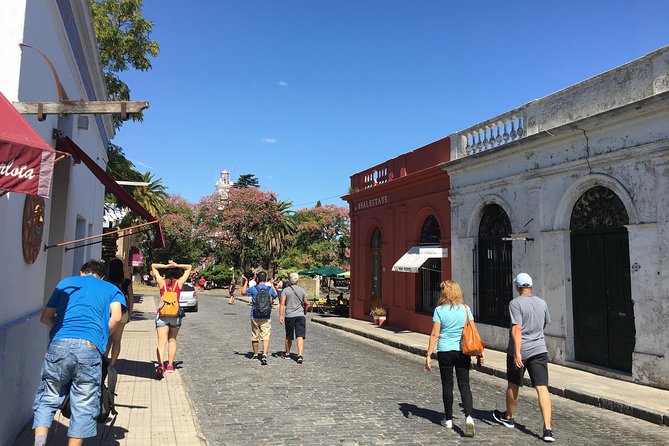
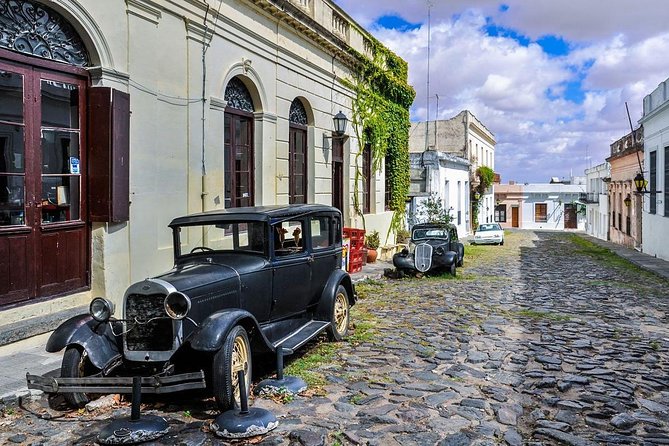
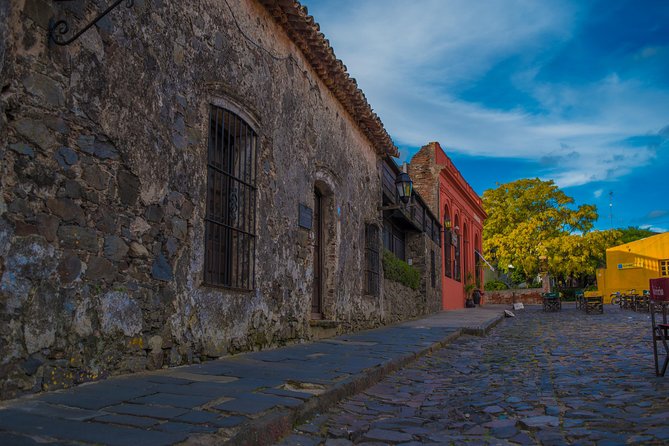
- Colonia’s old quarter is the star: Portuguese-style buildings, cobbled lanes, a city gate, church ruins, and river views fill the walking tour.
- Local guides add real value: Lily, Alejandra, and Jesus have received especially warm praise for their history, humor, and practical help.
- Expect plenty of free time: After the guided walk, you generally have about three hours for lunch, shops, museums, and further exploring.
- The border takes time: Bring your passport, arrive early, and expect customs and immigration in both directions.
- The price suits convenience seekers: You can likely spend less arranging the ferry yourself, but this option removes much of the guesswork.
Why Colonia makes a good Buenos Aires side trip
Buenos Aires is grand, noisy, and full of things to do. Colonia del Sacramento offers a useful change of pace. Across the Río de la Plata in southwestern Uruguay, this small city has a preserved old quarter founded by the Portuguese in 1680.
The town’s Portuguese influence shows in its low stone houses, tiled roofs, narrow lanes, and irregular streets. Spain and Portugal fought over this part of the river for years, and that tension shaped the town’s walls and fortifications. In 1995, UNESCO added Colonia’s historic quarter to its World Heritage list.
I like this trip because it gives you a clear taste of another country without requiring a long internal flight or a second hotel. The ferry crossing is usually about 50 minutes, though the total port process takes much longer than the ride itself. You leave Buenos Aires in the morning, spend the middle of the day in Colonia, and return the same evening.
That sounds easy because the ferry is easy. The border is not always easy. One of the most important facts to understand is that the ferry terminal process can feel more like an airport than a casual boat ride. Allow time for check-in, immigration, security, and boarding on both legs.
A few more food tours in the world worth a look
- Florence: Cinque Terre Park Day Trip with Optional Street Food
★ 4.5 · 3,593 reviews - Florence: Day Trip to Cinque Terre with Optional Street Food
★ 4.5 · 2,854 reviews - Florence: Cinque Terre Day Trip with Optional Street Food
★ 4.5 · 1,315 reviews
The 7:00 am start and ferry crossing
The day begins around 7:00 am with hotel pickup in Buenos Aires. This is one of the tour’s strongest practical features. You do not need to find the ferry terminal before sunrise or work out which ticket counter handles international departures.
Jesus has been praised for punctual pickups and for walking people through the ferry process. That help matters, especially if you are unfamiliar with Argentine and Uruguayan border procedures. Your passport details must be supplied when booking, including your name, number, date of birth, and country.
Bring the same valid passport on the day of the trip. A passport is required for this international crossing, and a driving license or other identity card will not replace it.
The ferry itself is described as large and comfortable, with food and drinks available onboard. Some departures include business-class seating, which gives you more spacious surroundings. Arriving early is sensible if you want better open seating and a calmer start.
The ride across the river is short, but the whole port routine may not be. One account described roughly two hours of customs and immigration on each side. That will not necessarily happen every time, but you should plan for a slow morning and evening. Pack light, keep your documents easy to reach, and do not expect the ferry terminal to operate like a quick city bus stop.
Walking into old Colonia
Once you arrive in Uruguay, a local guide meets you near the terminal. Guides including Alejandra and Lily have been praised for clear English, warmth, and strong knowledge of Uruguayan culture and history.
The walk generally lasts around 90 minutes to two hours. That leaves enough time to understand what you are seeing without turning the day into a lecture. You learn about Colonia, Uruguay, the Portuguese presence, and the city’s changing role along the Río de la Plata.
The old quarter is compact, so the main sights fit naturally into a walking route. You will walk on uneven cobbles and older streets, not broad modern sidewalks. Comfortable shoes are a good idea, and hot weather can make the open walking portion feel longer than expected.
The tour description lists about six hours in Colonia, but that does not mean six hours of nonstop guiding. In practice, the day combines a guided visit with roughly three hours of free time. That balance works well. You get context first, then the freedom to follow your own interests.
Calle de los Suspiros and the old Portuguese streets
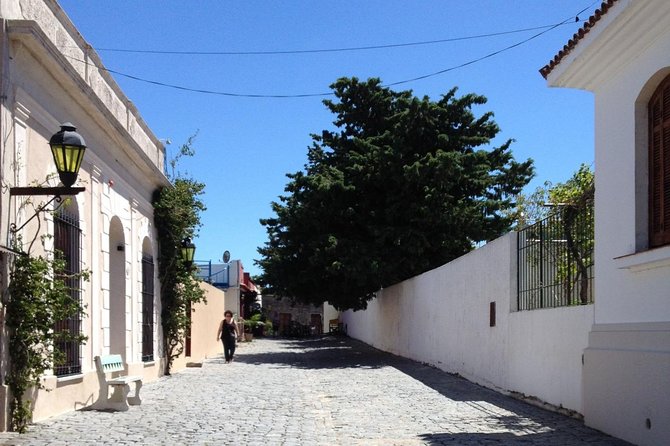
Calle de los Suspiros is one of Colonia’s most photographed lanes, but it is more than a pretty backdrop. The narrow cobbled street begins near Plaza Mayor and slopes toward the Río de la Plata.
Its design reflects the Portuguese town plan. There are no normal sidewalks, and the street slopes inward toward a central drainage channel. Eighteenth-century houses line the route, with stone walls, tiled roofs, small wooden doors, and ceramic floors.
This is where the town’s character becomes clear. The buildings are modest rather than grand. Their appeal comes from proportion, texture, and age. Take your time looking at the rooflines and doorways instead of rushing toward the next sight.
The lane is short, and the scheduled stop is about 15 minutes. That is enough for an introduction, but you will have free time later if you want to return for more photographs. The cobbles can be awkward, so anyone who dislikes uneven ground should take the walking pace seriously.
Same city, a different table:
- Reykjavik Food Walk – Local Foodie Adventure in Iceland
★ 5.0 · 18,952 reviews - Ho Chi Minh City Street Food Tour & Sightseeing By Motorbike
★ 5.0 · 9,413 reviews - Tokyo: Shinjuku Food Tour (13 Dishes at 4 Local Eateries)
★ 5.0 · 6,603 reviews - Winner 2025 Undiscovered Lisbon Food & Wine Tour by Eating Europe
★ 5.0 · 6,390 reviews
The City Gate and old defensive walls
Puerta de la Ciudadela marks the entrance to the old town. Built in 1745 under Portuguese governor Vasconcellos, it once formed part of a fortified entrance protected by thick walls.
This stop helps explain why Colonia mattered. The town was not built only for pretty river views. Its position made it a strategic point, and the fortifications reflected repeated threats from rival colonial powers and pirates.
The gate is a quick stop, usually around 15 minutes, but it gives shape to the town’s past. Walk through it and you move from the modern part of Colonia into the preserved center. I find that transition more useful than simply seeing an isolated old arch in a plaza.
The lighthouse and San Francisco ruins
The Faro de Colonia del Sacramento rises from the ruins of the former Convent of San Francisco. Built in 1857, the lighthouse is a white masonry tower with a circular form, a dome, and red-and-white details.
It reaches 26 meters and has a reported range of 7.8 nautical miles. Its signal uses two red flashes every nine seconds. The practical details are interesting because this is still a working navigation landmark, not only a decorative tower.
The scheduled stop is brief, about five minutes. The ruins at the base help you connect the lighthouse to the older religious and defensive fabric of the city. You may be able to climb the lighthouse on another visit, but that is not included in the information for this tour, so do not plan the day around an interior visit.
Basilica del Santísimo Sacramento
The Basilica del Santísimo Sacramento is another short stop, usually about 10 minutes. Its exterior brickwork reflects the Portuguese builders who shaped the town.
Inside, the unusual feature is the altar. A backlit semicircular alcove holds a large monstrance, the vessel used to display the Blessed Sacrament. It is an unexpected detail in a small colonial church and gives the visit more visual interest than a quick exterior photograph.
As with the other short stops, the guide’s explanation makes the difference. Without context, the church may look like one more old building. With a few details about its design and religious use, it becomes part of the story of how Colonia developed.
Three hours to eat, shop, and wander
After the guided portion, you usually have around three hours on your own. This is enough time for lunch, cafés, small shops, museums, and a second walk around the old town.
Lily has been praised for recommending places to eat, explaining where to find better value, and helping people avoid tourist traps. Alejandra has also been praised for pointing visitors toward restaurants and local shopping. Suggestions have included Charco and Bohemia, though your guide can give current advice on the day.
Food and drinks are not included, so budget for lunch separately. You can use a credit card, US dollars, or Argentine pesos in some places, but one museum has been noted as requiring Uruguayan currency. A bank is available in town, and public bathrooms are near the entrance to the old area.
The free time can feel generous. Colonia’s historic center is small enough to cover on foot, and some people may feel that two and a half hours would be plenty. On a hot day, though, extra time lets you sit in a gelato shop, pause over lunch, or explore beyond the main lanes without racing back to the meeting point.
Shopping includes small handmade items, clothing, and souvenirs. One useful detail is that some purchases may qualify for a VAT refund, with the refund process available at the ferry station before security. Ask about the current rules and keep your receipts.
Low-season timing deserves thought. On a midweek visit in June, some businesses were closed. If shopping matters to you, a busy day or high season may offer more open doors, but it may also mean more people in the old quarter.
What the $248 price really buys
At $248 per person, this is not a bargain ferry excursion. The basic ingredients, ferry tickets and a hotel transfer, can cost less if you arrange the day yourself.
The value comes from removing the difficult parts. You do not need to compare ferry schedules, reach the terminal alone at 7:00 am, manage international check-in without help, find your guide after landing, or arrange the return ride to your hotel. You also receive a guided introduction to Colonia instead of seeing only attractive streets without context.
For a confident independent visitor, the premium may be hard to justify. If you are comfortable with ferry bookings, border procedures, and finding your own way through two terminals, self-organizing should cost less.
For a first-time visitor to Uruguay, a family, or anyone who values a calm plan, the price may feel fair. The maximum group size of 15 keeps it smaller than a large coach outing, though it is not a private tour for just your party.
The high rating of 4.8 from 34 ratings and the 94 percent recommendation figure suggest that most people feel the organization and guiding are worthwhile. I would still compare the cost with your own travel style. You are paying for ease, not for a long list of included meals or museum admissions.
Guides who add the most value
The strongest part of this outing is the human side. Jesus has received praise for punctual hotel pickup, clear communication, and practical assistance in Buenos Aires. That is especially useful during the ferry check-in and border process.
In Colonia, Lily is known for more than 20 years of local experience and for presenting history with humor and care. Alejandra has also been praised for her explanations of Uruguay’s history, politics, and culture, as well as her restaurant suggestions.
Guide quality can vary by departure, so you may not receive one particular person. Still, the repeated pattern is encouraging: the local guide is not simply escorting you from site to site. You get stories, context, and help using the free hours well.
Who should book this day trip
I would choose this tour if you have an extra day in Buenos Aires and want to add Uruguay without changing hotels. It suits couples, families, solo visitors, and small groups who prefer clear arrangements.
It is also a good choice if you want history, not just photographs. The walking route covers the city gate, Calle de los Suspiros, the lighthouse, church ruins, and the basilica, while the guide explains how Portuguese and Spanish power shaped Colonia.
You should think twice if you dislike early starts, long border waits, or a full 12-hour day. The cobbled streets can also be tiring in strong heat, and free time may feel too long if you want only a quick look.
The tour is kid-friendly, and most people can participate. Still, the uneven streets, long transport day, and immigration queues are worth considering for young children or anyone who needs frequent rest.
Practical advice for a smoother day
Arrive at the ferry terminal early and keep your passport ready. Do not put essential documents in checked luggage or a hard-to-reach bag.
Travel light. The ferry crossing is easy, but moving through two terminals is simpler with less to carry.
Use the ferry ride to rest rather than expecting a full sightseeing cruise. Food and drinks are sold onboard, so you may prefer to buy them there instead of spending time at the terminal café.
Ask your guide at the start how the day is divided. The usual pattern is a guided walk followed by roughly three hours of independent time, then a meeting before the return ferry.
If you want a museum visit, ask about admission costs and currency early. Food is not covered, and museums may require Uruguayan pesos.
The booking is non-refundable and cannot be changed for any reason. Also note that the departure requires a minimum number of participants. If the operator cancels for that reason, you are offered another date or experience, or a full refund.
Should you book it?
Book this Colonia day trip if you want the easiest route from Buenos Aires to Uruguay and value a good local guide. The ferry is quick, the old town is appealing, and the mix of guided history and free time is well judged.
Skip it if $248 feels too high for transport, a walking tour, and several hours on your own. Independent planning should cost less, though it asks more of you at the ferry terminal.
For most people with one spare day in Buenos Aires, I think the tour makes sense. Just treat the border process as part of the day, not a minor formality. If you arrive prepared, Colonia offers a calm, attractive change from the Argentine capital.
FAQ
How long does the Colonia day trip take?
The tour lasts approximately 12 hours, beginning around 7:00 am and returning to Buenos Aires the same day.
What is included in the price?
The price includes a professional guide, hotel pickup and drop-off, round-trip ferry tickets, and a Colonia del Sacramento city tour.
Are food and drinks included?
No. You pay separately for meals and drinks in Colonia or onboard the ferry.
Is a passport required?
Yes. You must bring a current valid passport on the day of travel.
What passport details are needed when booking?
The booking requires each participant’s passport name, passport number, date of birth, and country.
How much free time do I get in Colonia?
After the guided walking tour, you generally have about three hours to eat, shop, visit museums, and explore independently.
How many people can join the tour?
The maximum group size is 15 people.
Is the tour suitable for children?
Yes. It is described as kid-friendly, and most people can participate.
Can I cancel and receive a refund?
No. The experience is non-refundable and cannot be changed for any reason. If the operator cancels because the minimum number of participants is not reached, you are offered another date or experience, or a full refund.
Just added in the world
- Copenhagen Private Culinary Food Tour with 6 Tastings of Classics★ 5.0 · 42 reviews
- Copenhagen Private Food Walking Tour with 6 or 10 Tastings★ 4.5 · 177 reviews
- Copenhagen Food & Drink Private Tour: Scandinavia Delight Tasting★ 5.0 · 236 reviews
- Copenhagen Modern Food Tour★ 5.0 · 32 reviews
- 3-hour Culinary Bike Tour in English★ 5.0 · 235 reviews
- Copenhagen Best of Danish Pastry Tasting Tour★ 5.0 · 30 reviews
- Classic 3-Hour Food Tour in Colorado Springs★ 5.0 · 408 reviews
- COLOMBO PRIVATE CITY TOUR WITH street food( All inclusive )★ 4.0 · 40 reviews
1-Day Tours, compared.
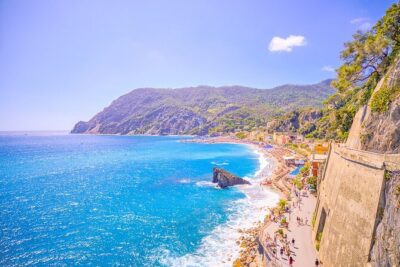
Cinque Terre Park Day Trip with Optional Street Food
Read our review →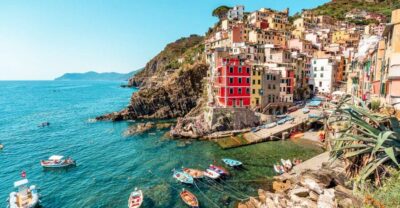
Day Trip to Cinque Terre with Optional Street Food
Read our review →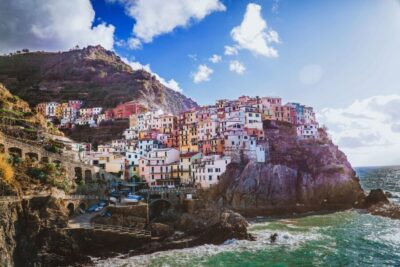
Cinque Terre Day Trip with Optional Street Food
Read our review →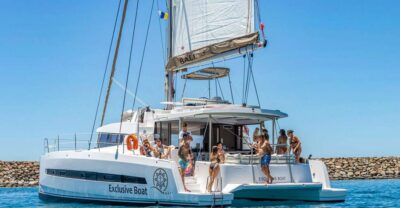
Gran Canaria: Catamaran Day Trip with Food and Drinks
Read our review →
Bruny Island Traveller – Gourmet Tasting and Sightseeing Day Trip from Hobart
Read our review →
Ultimate Swan Valley Food and Wine Day Trip from Perth
Read our review →
Peles & Cantacuzino Castles: Gourmet Wine & Cultural Day trip
Read our review →
San Gimignano & Volterra Day Trip with Food & Wine
Read our review →Browse the lists this tour appears in