
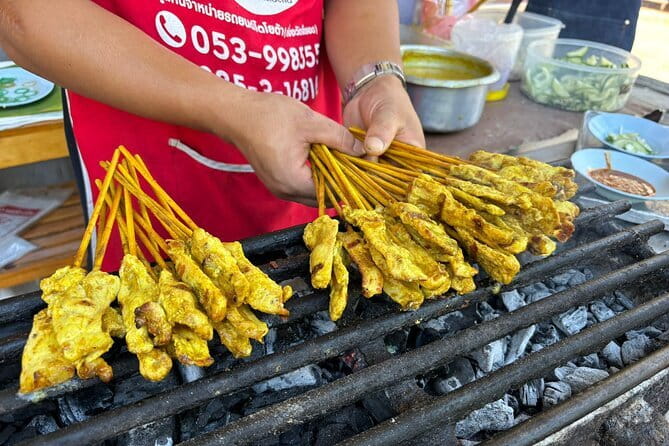
REVIEW · CHIANG MAI FOOD TOURS
Old Town Chiang Mai Food Tour with 10+ Local Dishes Tastings
Come hungry, leave curious. This nearly three-hour walk gives you a practical introduction to Northern Thai cooking, with at least 10 tastings ranging from sticky rice and chicken satay to khao soi and butterfly pea ice cream. I like the small-group format, capped at 12 people, and the way the food is mixed with temples and less obvious city sights rather than served as one long restaurant meal.
I also like the choice of morning or afternoon departures. That makes the tour easier to fit into a Chiang Mai schedule, especially if you want to take the tour early and return to favorite food stops later. The main consideration is that the experience centers on about five food venues, with several tastings at each one, so anyone expecting ten separate restaurant stops may feel disappointed.
Key points to know before booking
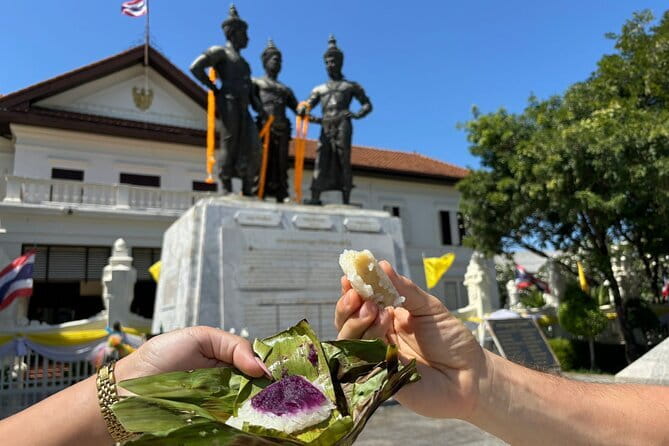
- At least 10 Northern Thai tastings: Expect dishes such as khao soi, sai ua sausage, laab khua, morning glory, coconut pancakes, and local sweets.
- A walking route through the old town: The tour begins at Three Kings Monument and finishes near Wat Lok Molee.
- Five main food stops: Several dishes are served at each venue, rather than one dish at ten different restaurants.
- A thoughtful cultural stop: The Chiang Mai Women Correctional Institution Vocational Training Center connects massage training with rehabilitation.
- Morning or afternoon departures: You can choose the time that best matches your appetite and daily plans.
- Small groups or private upgrades: The standard group has no more than 12 people, with a private option available.
Why Northern Thai food deserves its own tour
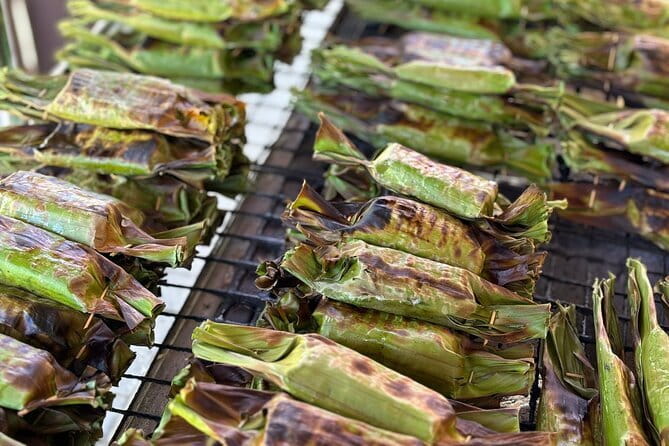
Chiang Mai food is not simply a northern version of Bangkok food. The flavors can be earthy, spicy, herbal, sour, creamy, and sweet in quick succession. This tour gives you a sampling of that range without asking you to research unfamiliar markets and restaurants on your own.
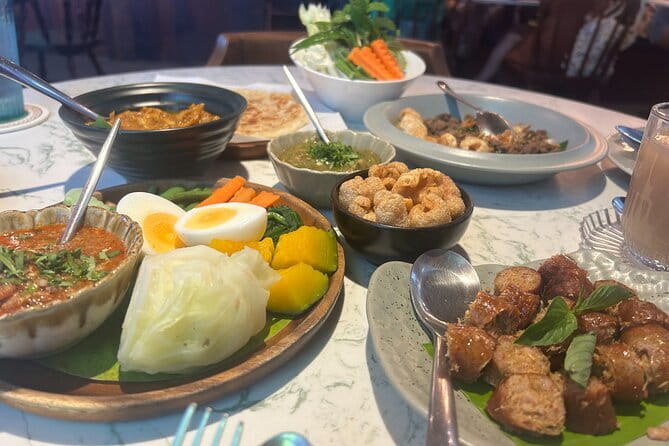
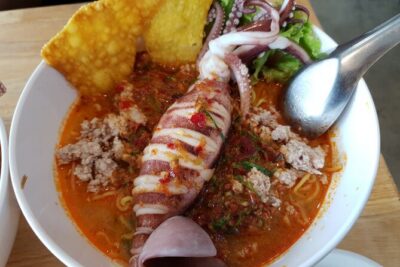
The strongest part of the menu is its focus on dishes tied to Northern Thailand. Khao soi brings creamy coconut curry together with noodles. Sai ua, the local sausage, is fragrant and boldly seasoned. Laab khua uses minced meat, roasted rice powder, and spice in a northern style that differs from the better-known northeastern version.
You also get everyday foods that help round out the meal. Sticky rice grilled in banana leaf, chicken satay with peanut sauce, stir-fried morning glory, fried snacks, and Thai tea show how local eating moves between snack, meal, and refreshment.
The food is served in generous enough portions to make this more than a token tasting. That is useful, but it also means you should avoid a large breakfast or lunch before arriving. By the dessert stops, you will want room.
A few more food tours in Chiang Mai worth a look
- Small-Group Chiang Mai Evening Street Food Tour
★ 4.5 · 826 reviews - Chiang Mai: Evening Local Street Food Market Tour
★ 4.8 · 604 reviews - Northern Flavours Chiang Mai Food Tour with 15+ Tastings
★ 5.0 · 513 reviews
Three Kings Monument and Wat Inthakhin Sadue Muang
The tour opens at Three Kings Monument, an easy-to-find meeting point on Prapokklao Road. You begin with a short introduction to Chiang Mai’s past before the eating starts. This is a sensible opening because it gives the old town some context instead of treating it as a backdrop between meals.
The first visit is Wat Inthakhin Sadue Muang, a small temple with importance that your guide explains during the walk. The stop lasts about 10 minutes, while the monument portion takes roughly 20 minutes. Neither requires an admission fee.
I like this early pause because it keeps the tour from becoming a simple procession of snacks. You get a little time to look around, hear why the place matters, and settle into the pace before the main food section begins.
The trade-off is time. If you want a long temple visit or detailed architectural study, this is not that kind of stop. It works best as a short cultural introduction before the tour turns toward street food.
Intrawarorot Road: the first serious round of eating
The longest section takes place around Intrawarorot Road, where you sample street foods and northern specialties. Plan on about 1 hour and 20 minutes here, which makes it the main eating portion of the experience.
The first tastes include banana-leaf grilled sticky rice, chicken satay with peanut sauce, and fried snacks. Sticky rice is central to many northern meals, and eating it in this simple grilled form gives you a useful sense of its texture and role. Satay adds a familiar entry point, while the fried snacks keep the opening round casual and easy.
The menu then moves into more distinctive northern dishes. Laab khua is a spicy minced meat salad seasoned with roasted rice powder. Sai ua is a fragrant sausage with a stronger herbal character than many Western-style sausages. If you like trying foods with clear regional identity, these are two of the most worthwhile tastings on the route.
Khao soi is the headline dish for many people. This creamy coconut curry noodle dish is one of Chiang Mai’s best-known foods, but a guided tasting helps you place it among the other flavors rather than treating it as the entire local cuisine. You also try stir-fried pak boong, or morning glory, which provides a greener, lighter contrast to the sausage and curry.
The exact vendors and menu can change with weather, location availability, or other conditions. That flexibility is practical, but it means you should not treat the published food list as a fixed restaurant order. The core promise is a broad selection of local dishes, not one guaranteed branch or stall.
A meal with a social purpose at the massage center
The stop at the Chiang Mai Women Correctional Institution Vocational Training Center adds a different kind of interest. Here, the tour explains the connection between massage training, redemption, and daily life in Chiang Mai. You also continue tasting local food and have refreshing Thai tea.
This is a valuable stop because it gives the walk a human subject beyond recipes. Food tours can easily become a string of dishes with a few fun facts attached. A visit connected to vocational training and rehabilitation offers a more thoughtful look at how a city supports people rebuilding their lives.
Keep your expectations measured. The supplied schedule gives this stop about 30 minutes, so it is not presented as a full institutional tour or an extended discussion. It is one part of the route, paired with food and explanation from the guide.
This is also where the guide matters most. The best experience depends on clear storytelling and a willingness to answer questions. Guides named in past bookings include Warat, Nicha, Varisa, and Nutnicha. Their strongest qualities were friendly service, useful local suggestions, and clear explanations of the food and neighborhood.
Same city, a different table:
- The 10 Tastings of Chiang Mai With Locals: Private Street Food Tour
★ 5.0 · 216 reviews - Taste of Chiang Mai: Michelin Guide & Street Food Tour
★ 4.9 · 159 reviews - Chiang Mai: Food Tour by Songtheaw Truck with 15+ Tastings
★ 4.9 · 157 reviews - Go where the locals go, Eat what the locals eat! Food Tour with Local Foodies
★ 5.0 · 138 reviews
Prapokklao Road and the dessert finish
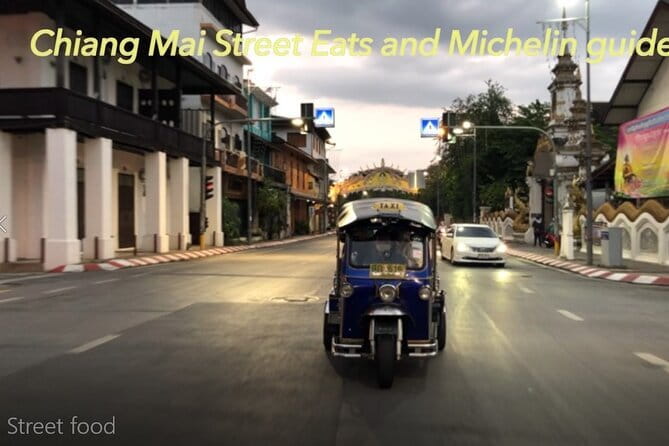
After the savory dishes, the route moves to Prapokklao Road for local desserts. The scheduled stop lasts about 20 minutes and includes khanom krok, small coconut-rice pancakes that can be both sweet and savory.
Dessert continues with traditional butterfly pea ice cream paired with bua loi, soft rice balls in coconut cream. The colors make this a fun ending, but the appeal is not only visual. These sweets show how coconut, rice flour, and gentle sweetness appear again and again in Thai cooking.
I like the dessert section because it prevents the tour from becoming a parade of spicy dishes. It also gives you flavors you may not think to order alone. If you normally skip unfamiliar sweets, this is a low-pressure way to try them in small portions.
The tour includes a secret dish as well. Since the item is not specified, you should treat it as a bonus rather than plan your appetite around a particular food. Menu changes are possible, especially with weather and venue availability.
Walking to Wat Lok Molee
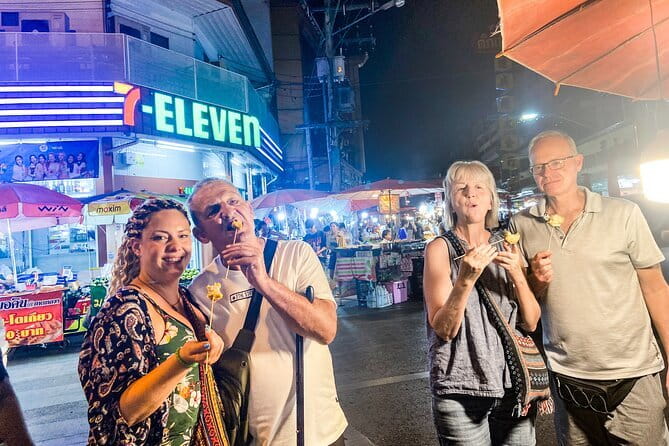
The final leg takes you on foot to Wat Lok Molee, one of Chiang Mai’s attractive temples. The scheduled visit lasts about 30 minutes, and the tour ends about five minutes from the temple.
This ending works well. You finish with a calm cultural stop rather than being dropped beside a restaurant after the last sweet. It also leaves you in a useful part of town for continuing your sightseeing.
The overall route lasts about 2 hours and 50 minutes to 3 hours and 20 minutes. The difference matters if you have a tightly packed day. Allow extra time after the official duration, especially if the group pauses for questions or the food venues are busy.
You do not need to arrange transport between stops. The route is a walking experience through the old town, beginning at Three Kings Monument and ending near Wat Lok Molee. The meeting point is close to public transportation, which makes the start reasonably practical.
What the $54 price really includes
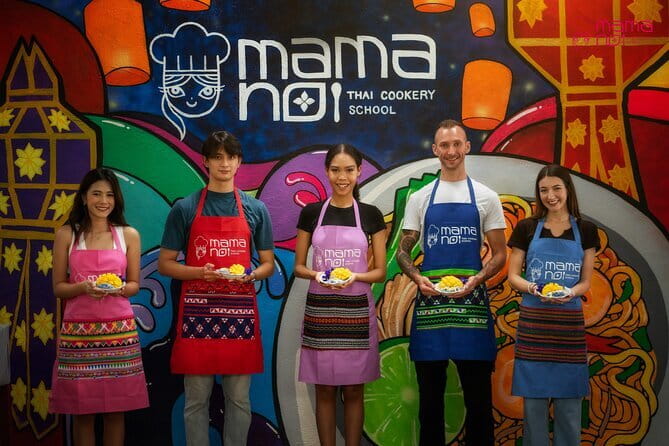
At $54 per person, this is not the cheapest way to eat in Chiang Mai. You can buy individual street snacks for very little. The value comes from the range, convenience, and interpretation.
You are paying for at least 10 tastings, a local guide, several venues, drinks, short cultural visits, and the time saved by not having to find and decode each dish yourself. The menu includes substantial items such as khao soi, sausage, laab khua, sticky rice, and satay, not just tiny sample bites.
The price makes more sense if you are new to Chiang Mai food or have only a short stay. It is also useful early in your visit because the guide can suggest places to eat, shop, and visit later. Nicha, Varisa, and Nutnicha were especially praised for offering practical ideas beyond the scheduled route.
The value is weaker if you already know Northern Thai food well, speak comfortably with vendors, and prefer making your own market route. It is also less suitable for anyone who wants a quiet sit-down meal rather than a moving, multi-stop tasting.
How the small group affects the experience

The maximum group size is 12 people. That is large enough to keep the tour social but small enough for a guide to manage questions and explain dishes without shouting across a crowd.
The private upgrade may be worth considering if you want a slower pace, have a special interest in food, or prefer more direct conversation with the guide. It can also suit people with dietary needs, although you must contact the provider in advance so the team can assess what it can provide.
The tour is designed for most people, but it does involve walking, standing, and eating at several locations. Specific accessibility details are not provided, so anyone with mobility concerns should ask before booking.
Food allergies and dietary requirements also need advance notice. The menu and route can change, but early communication gives the provider the best chance to adjust the tastings.
Morning or afternoon: choosing the better departure
The morning and afternoon options let you match the tour to your eating habits. A morning departure may work well if you want food guidance before making your own lunch plans. It also gives you the rest of the day to revisit a dish or follow the guide’s suggestions.
An afternoon departure may suit you if you prefer a later first meal or want to spend the morning at another Chiang Mai sight. Since the tour includes desserts and a long savory section, consider how much food you usually want at that point in the day.
I would book this experience early in a Chiang Mai stay if food is a major reason for your visit. It is booked on average 54 days ahead, so leaving it until the last moment may limit your choice of date or time.
The cancellation policy is friendly: you can receive a full refund when canceling at least 24 hours before the start time. Changes made inside that window are not accepted. The tour can also be rescheduled or refunded if poor weather or too few bookings force cancellation.
Who should book this Chiang Mai food walk?
I would recommend it most strongly to first-time visitors who want a guided introduction to local food without spending hours researching restaurants. It also suits curious eaters who want both familiar items and dishes they might not confidently order alone.
It is a good match for couples and small groups. Several bookings have worked well with only two people, allowing the guide to adjust the pace and answer plenty of questions. Food-focused families may also like the variety, though the amount of walking and spice tolerance will differ from person to person.
You should think twice if you want a history-heavy walking tour, a market-only experience, or ten entirely separate stops. The cultural information is useful but brief, and the tour is mainly built around five venues with multiple tastings.
Should you book it?
Book this tour if you want a well-organized introduction to Chiang Mai’s food, especially khao soi, sai ua, laab khua, sticky rice, and local desserts. The combination of food, temples, Thai tea, and the rehabilitation center gives the route more substance than a simple eat-and-leave outing.
I would choose the morning option early in your stay, tell the provider about dietary needs before booking, and arrive hungry but not starving. If you expect ten separate restaurants or a long formal history lesson, choose another tour. If you want a friendly guide, a broad sample of Northern Thai dishes, and useful ideas for the rest of your Chiang Mai visit, the $54 price is reasonable.
FAQ
How long does the Old Town Chiang Mai food tour last?
The tour lasts approximately 2 hours and 50 minutes to 3 hours and 20 minutes.
How many dishes are included?
The tour includes at least 10 tastings. The food is served across about five main venues, with several dishes at each stop.
What foods are included?
The menu includes grilled-in-banana-leaf sticky rice, chicken satay with peanut sauce, laab khua, sai ua sausage, stir-fried morning glory, khao soi, khanom krok, butterfly pea ice cream with bua loi, and a secret dish.
Where does the tour begin?
The tour begins at Three Kings Monument on Prapokklao Road in Chiang Mai’s old town.
Where does the tour end?
The walk ends about five minutes from Wat Lok Molee on Manee Nopparat Road.
Is the tour available in the morning and afternoon?
Yes. You can choose between morning and afternoon tour times.
How large is the group?
The standard tour has a maximum of 12 people. A private upgrade is also available.
Can dietary requirements be accommodated?
You should contact the provider in advance with any dietary requirements. The menu can change based on venue availability, weather, and other circumstances.
Just added in Chiang Mai
- Motorbike Food Tour in Chiang Mai★ 5.0 · 54 reviews
- Go where the locals go, Eat what the locals eat! Food Tour with Local Foodies★ 5.0 · 138 reviews
- Lanna Kingdom Chiang Mai Food Tour with 15+ Tastings★ 5.0 · 84 reviews
- Taste of Chiang Mai: Michelin Guide & Street Food Tour★ 4.9 · 159 reviews
- Chiang Mai: Temples and Street Food Night Tour by Tuk Tuk★ 4.3 · 81 reviews
- Chiang Mai: Tuk-Tuk Evening Tour with Temples & Street Foods★ 4.7 · 26 reviews
- Chiang Mai: Food Tour by Songtheaw Truck with 15+ Tastings★ 4.9 · 157 reviews
- Fresh Local Market Tour – Food tour in Chiang Mai★ 5.0 · 113 reviews
Chiang Mai Food Tours, compared.
Small-Group Chiang Mai Evening Street Food Tour
Read our review →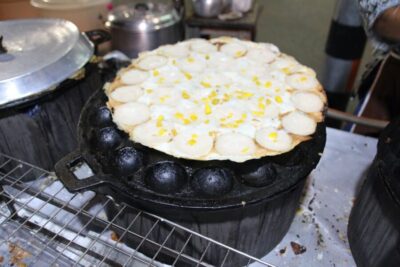
Northern Flavours Chiang Mai Food Tour with 15+ Tastings
Read our review →
The 10 Tastings of Chiang Mai With Locals: Private Street Food Tour
Read our review →
Taste of Chiang Mai: Michelin Guide & Street Food Tour
Read our review →
Go where the locals go, Eat what the locals eat! Food Tour with Local Foodies
Read our review →
Fresh Local Market Tour – Food tour in Chiang Mai
Read our review →Browse the lists this tour appears in