
REVIEW · INDONESIA FOOD TOURS
Denpasar: Museum, Traditional Market and Food Tasting Tour
Denpasar rewards curiosity, not just beach time. This private five-hour tour gives you a useful look at Bali’s capital through local markets, temples, museums, and food, with hotel pickup, entrance fees, a guide, and tastings included. I like the personal feel of a private guide, and I like that the food stop is aimed at the places locals use rather than a polished tourist restaurant.
The main caution is timing. The market is liveliest earlier in the day, and one past booking that began in the afternoon found some activity winding down. The Bali Museum can also feel dated, with short exhibit descriptions, so I would book this for the guide-led cultural context rather than expect a modern museum show.
Key points to know before booking
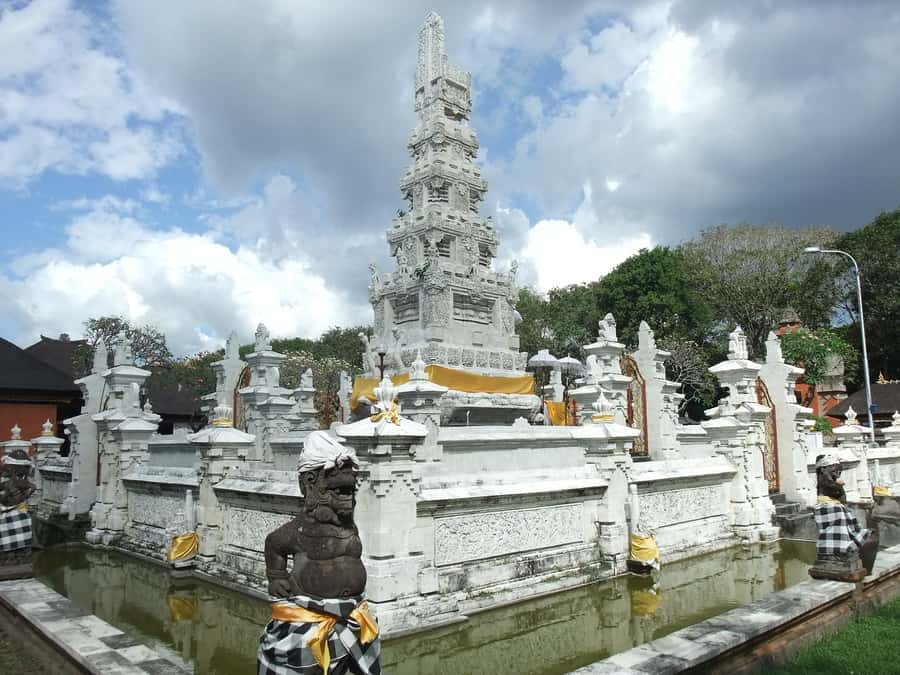
- Pasar Badung is the food heart of the tour: Expect fruit, spices, snacks, and everyday goods from around Bali, with time to try unfamiliar produce.
- Puputan Square sets the historical scene: The central park connects Denpasar’s modern city life with its colonial past.
- The guide is the real strength: Dayu, Widi, Sagita, Gede, Gusde, Sukir, and others have been praised for clear explanations, kindness, flexibility, and help with photographs.
- The Bajra Sandhi Monument may be the best history stop: Its displays about Bali’s struggle against Dutch rule can offer more context than the museum.
- Morning is the smart choice: Cooler temperatures and more active market trading make the first part of the day stronger.
- This is not a wheelchair-friendly outing: You need comfortable shoes, the ability to walk through public sites, and care around crowded market areas.
Why Denpasar makes a good cultural half-day
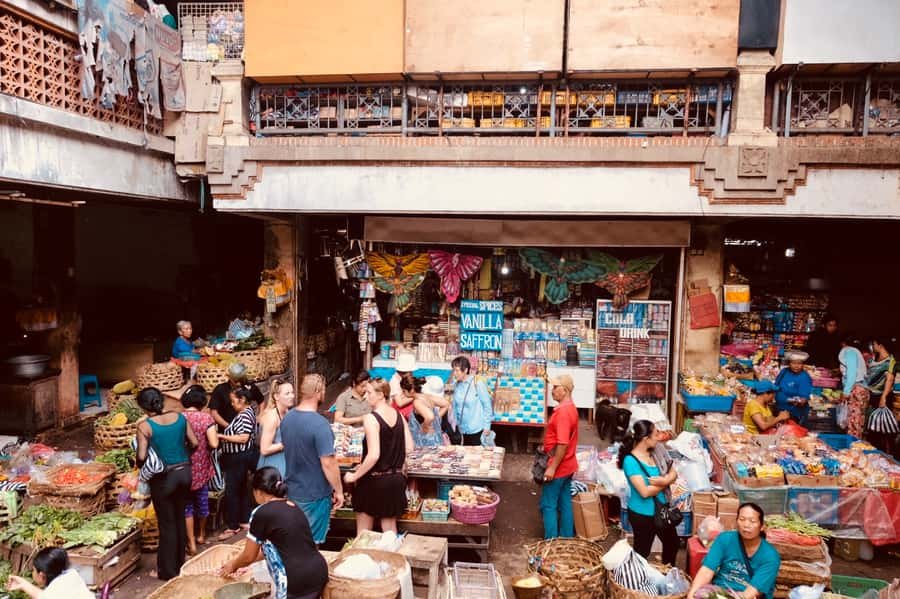
Bali is easy to enjoy from a beach chair, but Denpasar shows you a different island. The capital is a working city, not a resort zone built around sightseeing. You see people shopping for food, moving through public squares, worshipping at an urban temple, and carrying on with daily routines.
I like this tour because it connects several pieces of Bali in one short outing. The market explains what people eat. The temple shows how religion fits into city life. The museum and monuments help place Bali’s modern identity in a wider story of royal power, colonial pressure, and local resistance.
The private format matters. You are not tied to a large group or a fixed pace, and the guide can answer questions as they come up. Several guides have received especially warm praise for being patient and personable. Dayu was singled out for explaining women’s roles and everyday Balinese culture, while Widi was praised for showing ordinary life alongside the main sights.
The tour costs $54 per person. That is not the cheapest way to visit Denpasar, since you could reach some stops independently, but the price includes hotel transfer, entrance fees, food tasting, mineral water, and a private English or Korean-speaking guide. The value improves if you want transport arranged and prefer cultural explanation over simply taking photographs.
More market food tours in the world:
- Chef Guided Food Tour of Pike Place Market
★ 5.0 · 3,733 reviews - Tokyo Tsukiji Fish Market Food and Culture Walking Tour
★ 5.0 · 3,184 reviews - London Bridge & Borough Market Food Tour with 7 Authentic Dishes
★ 5.0 · 1,972 reviews
Puputan Square: starting with Denpasar’s public history
The tour begins at Puputan Square, a central urban park with an important place in Denpasar’s past. It is also a useful starting point because you can see the city as residents do, rather than beginning at an isolated attraction.
Your guide uses the square to explain Bali’s colonial period and the changes that affected Denpasar. The setting gives that discussion some scale. This is not only an old story told inside a gallery. It happened in the capital, among royal institutions, public offices, and the city’s people.
The square is also a practical place to get your bearings. You are still early in the outing, so your guide can explain how the nearby temple, museum, former royal area, and later monument fit together. I would pay attention here, since the background makes the later museum and Bajra Sandhi displays easier to follow.
Do not expect a long stop filled with formal exhibits. Puputan Square is an outdoor introduction, and its value depends heavily on the guide’s explanation. A good guide turns a quick look at an urban park into a clear account of why Denpasar matters.
Jagatnatha Temple and the former royal area
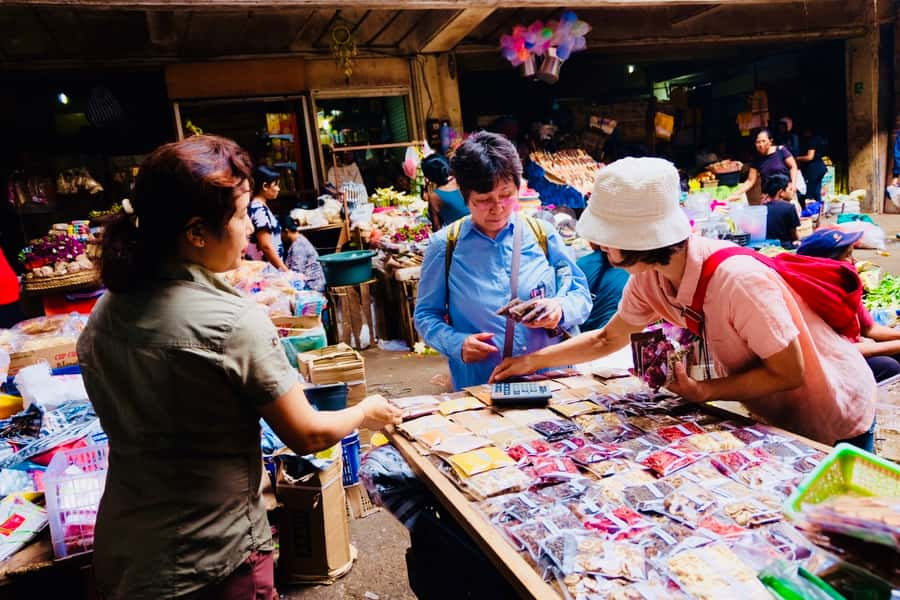
Near Puputan Square, Pura Jagatnatha and the Bali Museum sit close to the former royal palace area of Denpasar. That concentration makes the route efficient. You move from public civic space to a place of worship and then into a collection of historical and cultural objects.
Jagatnatha Temple gives you a chance to see Hindu religious architecture within the city. The stop is not presented as an isolated temple visit, but as part of Denpasar’s cultural center. Your guide can explain the temple’s role and the customs connected with visiting.
There is one important warning: temple access can change. One booking found the temple closed because of construction work, and the guide arranged an alternative program. That flexibility is useful, but you should not treat entry as guaranteed on every date.
Wear clothing that is comfortable and respectful for religious and cultural sites. The activity information specifically recommends comfortable clothes and shoes. You should also expect site rules and restricted areas, and follow instructions from the guide or staff.
The Bali Museum in 30 to 40 minutes
The Bali Museum occupies four main buildings and presents material connected with Indonesian history and cultural heritage. A 30 to 40 minute visit is enough for an overview, not a slow examination of every display.
I would approach the museum with modest expectations. The collection can help you understand Bali’s customs, objects, and historical development, but the displays may have short descriptions and limited updates. One past booking found the museum less engaging than the Bajra Sandhi Monument, particularly because the monument’s diorama gave a clearer account of Bali’s past.
That does not make the museum a waste of time. It provides a physical setting for subjects your guide has already introduced, and the four buildings give the stop some variety. If you enjoy older museum displays, you may appreciate its quieter, traditional presentation. If you prefer polished interactive exhibits, this could be the weakest part of the route.
The guide makes a major difference here. Ask questions instead of walking silently from room to room. The strongest feedback about this experience centers on guides who explain culture patiently and connect objects with everyday life. The museum works best as a conversation rather than a self-guided exhibition.
A few more food tours in the world worth a look
- Pike Place Market Tasting Tour
★ 5.0 · 1,696 reviews - Small Group Cooking Class & Market Food Tour in Florence
★ 5.0 · 1,574 reviews - Nishiki Market Brunch Walking Tour (7 Tastings + Brunch)
★ 5.0 · 1,355 reviews - Bologna Food & Market Tour with 6 Tastings, Pasta, Wines & More
★ 5.0 · 1,328 reviews
Pasar Badung, where the tour becomes more sensory
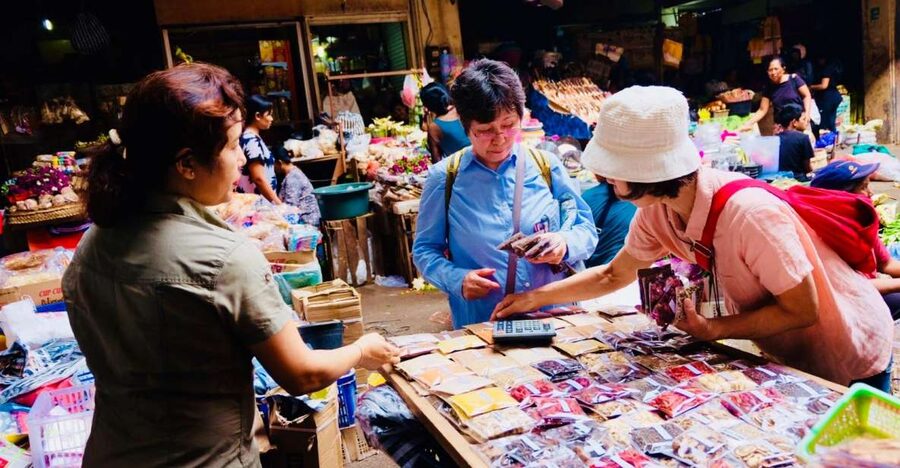
Pasar Badung is Bali’s largest food market, and this is likely to be the most immediate part of the morning. The market brings together fruit, spices, and other edible products sourced from across the island. You see the ingredients before they reach a restaurant plate.
This is where the tour feels most useful for anyone curious about Balinese food. Your guide can identify unfamiliar produce, explain how items are used, and help you decide what to taste. The tasting includes local snacks and fruits, including varieties you may never have seen or eaten before.
I like the fact that this is not simply a quick walk through a souvenir market. Pasar Badung is a place where local shopping happens, so the experience is tied to ordinary life. You also get a practical lesson in bargaining and market etiquette. If you plan to buy something, bring cash and ask your guide how prices are usually handled.
The market is busy, so keep your belongings secure. Wear shoes that can handle uneven walking and do not expect a calm, carefully arranged food hall. This is a working market, with noise, movement, and changing conditions.
Timing is crucial. A past afternoon visit found that some activity was already winding down. I would choose a morning start if you have the option. You should get cooler weather, more open stalls, and a better sense of the market at full pace.
Tell your guide about allergies before tasting anything. The food portion focuses on snacks and fruits, while a full meal is not included. Some past outings included a traditional lunch or a local food stop, but the formal inclusions list only food tasting, so you should not assume lunch comes with every booking.
Local food and the limits of the tasting
The food element adds real value, but it is important to understand what you are paying for. This is a tasting experience, not a dedicated cooking class or a full restaurant tour.
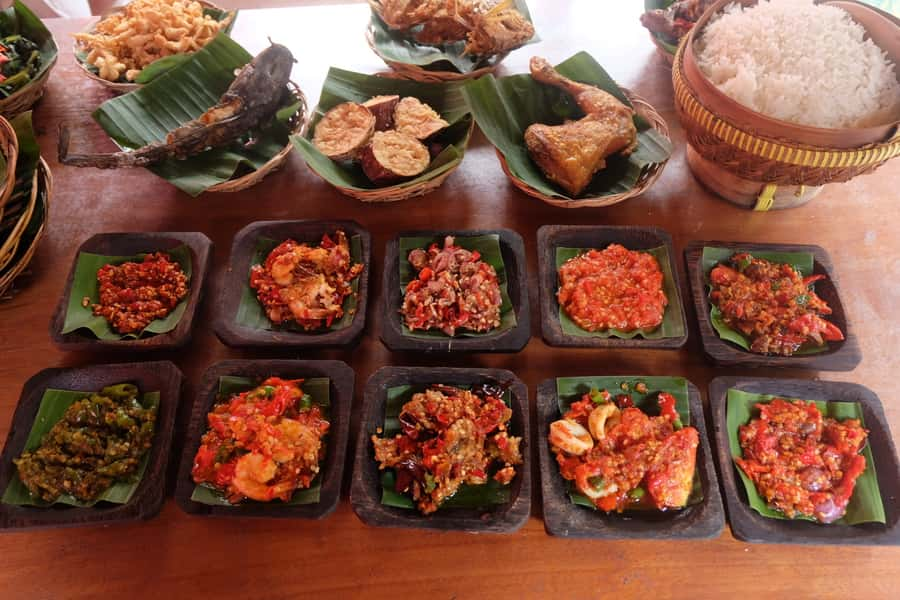
You may try several local snacks and fruits while your guide explains what you are eating. That is useful if you are cautious about unfamiliar food, since you have someone to translate the names and customs around it. The mineral water included with the tour is also welcome in Denpasar’s heat.
Past outings have used local food places, and the food received strong praise. One booking described the meal as very good, while another included a traditional Balinese restaurant and a separate lunch. Because the exact food stop can vary, I would ask at the start whether your plan includes only market tasting or also a sit-down meal.
People with food allergies should think carefully before booking. The activity specifically lists food allergies among the groups for whom the tour is not suitable, and you should tell the guide about any allergy before sampling anything. Vegetarian needs may be manageable, as one guide found typical vegetarian food for a guest, but you should still discuss your requirements in advance.
Bajra Sandhi Monument and Bali’s struggle
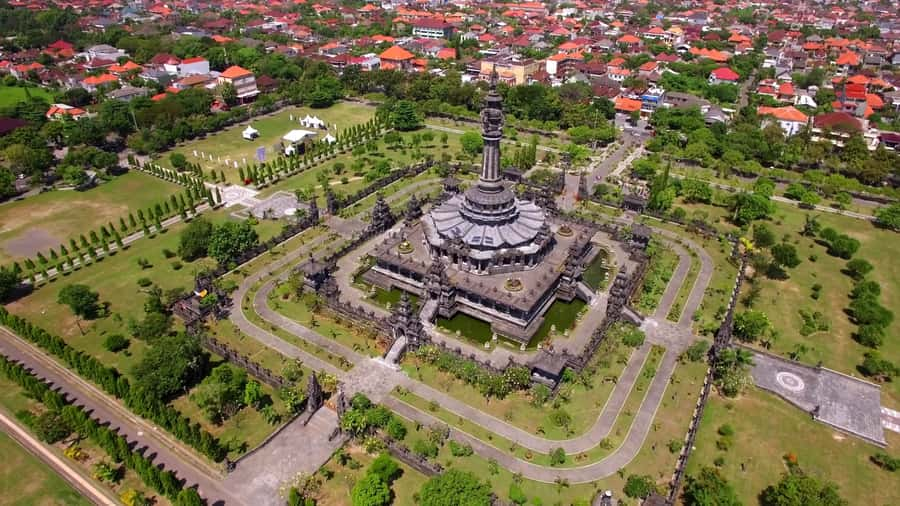
The final major stop is the Bajra Sandhi Monument in the Niti Mandala area, in front of the Denpasar Governor’s office. Its design is striking, but the interior displays are the main reason to visit. The monument presents Bali’s struggle against Dutch colonists and gives the tour a strong closing point.
I find this stop especially valuable because it turns broad historical themes into something easier to follow. A large diorama inside offers an overview of Bali’s past, and one past booking found this explanation clearer than the Bali Museum’s displays.
The monument also balances the market nicely. You move from food and daily commerce to a formal public memorial. Together, the stops show two sides of Denpasar: the city people use every day and the city that remembers its political past.
Allow time for walking around the site and listening to the guide. The monument is not just a photo stop, even though its architecture will naturally attract your camera. Some areas may have access limits, so follow local instructions.
The guide and private vehicle are the main value
The guide can make or break a short cultural tour, and this experience has received its strongest praise in that area. Guides have been described as kind, clear, patient, and easy to talk with. One person compared the conversation with the guide to chatting with an old friend, while another appreciated help with photographs as well as cultural explanations.
Dayu was praised for discussing Balinese women’s lives and culture in a personal way. Widi received strong praise for showing everyday life and arranging an optional massage. Sagita was commended for adapting the route when a booking was made on the same day. Gede and Gusde were praised for explaining food and history clearly, while Sukir was remembered as both guide and photographer.
These details matter because the route itself is compact. You are not spending hours at a single world-famous sight. Much of the value comes from asking questions, hearing local context, and adjusting the pace.
Hotel pickup is included from the main lobby, and the private vehicle has received strong marks for cleanliness and air conditioning. That makes a difference in Denpasar, especially when moving between outdoor areas and the market. The tour runs in rain or shine, though weather can affect outdoor stops.
Optional add-ons and how to use them
You can customize some bookings with extras such as coffee tasting or a traditional massage. Availability depends on the option you choose, so check the exact package rather than assuming every add-on is included.
A massage could make sense if you want to turn the half-day into a more relaxed cultural outing. Coffee tasting may suit you if you want another local food and drink angle. Still, add-ons cost extra and can change the rhythm of the day.
I would first protect time for the market and Bajra Sandhi Monument. If you have only five hours, adding too much may make each stop feel rushed. A massage is more useful when the booking details allow enough time for it without cutting the market or food tasting short.
Who should book this Denpasar tour?
I would recommend this experience to first-time Bali visitors who want a city-based introduction, especially if most of their stay is planned around beaches or resort areas. It also suits solo visitors and couples who prefer a private guide and flexible conversation.
Families with older children may enjoy the market and monument, though the walking and heat require reasonable stamina. Food-curious people will get the most from the tasting, while history-minded visitors should give extra weight to the Bajra Sandhi stop.
I would be cautious if you want a fully polished museum experience, a guaranteed full meal, or a wheelchair-accessible route. People with mobility impairments and wheelchair users are specifically advised against booking, and the market can be difficult to navigate. The outing is also less appealing if you dislike unfamiliar food or crowded public spaces.
Free cancellation is available up to 24 hours before the start, and you can reserve now and pay later. Those policies help if your Bali schedule is still moving around, but they do not change the practical advice: choose a morning start, confirm the food arrangements, and mention allergies before the tasting.
Should you book it?
Book this tour if you want Denpasar explained by a local guide, not just photographed from a car window. The market, temple, and monument provide the strongest mix, and the private transport plus entrance fees make $54 a reasonable price for a five-hour outing.
I would choose the morning, ask about the exact food stop, and treat the Bali Museum as a supporting stop rather than the star. If you do that, the tour offers a friendly, useful introduction to the capital, with enough flexibility to feel personal rather than packaged.
FAQ
How long does the Denpasar tour last?
The tour lasts five hours, with starting times depending on availability.
Is hotel pickup included?
Yes. Pickup is included from the main lobby of the hotel where you are staying.
What languages does the guide speak?
Live guides are available in English and Korean.
Does the price include entrance fees and food?
Yes. The price includes entrance fees, food tasting, mineral water, private transport, and a private guide. Full meals and personal expenses are not included.
Is lunch included?
A full meal is not listed as an inclusion. The standard food portion includes local snacks and fruits, though some past outings included a traditional food stop or lunch. Confirm the details of your selected option before booking.
What should I bring?
Bring comfortable shoes, comfortable clothes, a sun hat, sunscreen, and cash for market purchases and personal expenses.
Is the tour suitable for wheelchair users or people with food allergies?
No. The activity is listed as unsuitable for wheelchair users, people with mobility impairments, and people with food allergies. Market walking, site access, and food tasting can be difficult in these situations.
More museum visits in the world
- Munich: Beer and Food Tour with Dinner & Oktoberfest Museum
★ 4.7 · 1,086 reviews - Dubai.Discover Old town,Markets,street food,Abra &Museums
★ 4.9 · 181 reviews - Takua Pa: Food Market, Tsunami Museum, Temple, & Old Town
★ 4.9 · 165 reviews - Olive Oil Museum: Extravirgin school – Food & wine tasting
★ 5.0 · 39 reviews
Just added in the world
- Copenhagen Private Culinary Food Tour with 6 Tastings of Classics★ 5.0 · 42 reviews
- Copenhagen Private Food Walking Tour with 6 or 10 Tastings★ 4.5 · 177 reviews
- Copenhagen Food & Drink Private Tour: Scandinavia Delight Tasting★ 5.0 · 236 reviews
- Copenhagen Modern Food Tour★ 5.0 · 32 reviews
- 3-hour Culinary Bike Tour in English★ 5.0 · 235 reviews
- Copenhagen Best of Danish Pastry Tasting Tour★ 5.0 · 30 reviews
- Classic 3-Hour Food Tour in Colorado Springs★ 5.0 · 408 reviews
- COLOMBO PRIVATE CITY TOUR WITH street food( All inclusive )★ 4.0 · 40 reviews
Market Food Tours, compared.
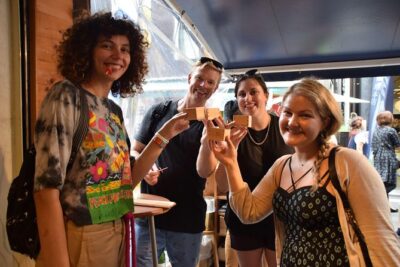
Tokyo Tsukiji Fish Market Food and Culture Walking Tour
Read our review →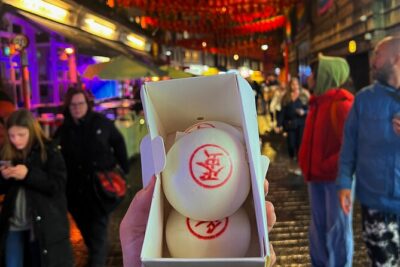
London Bridge & Borough Market Food Tour with 7 Authentic Dishes
Read our review →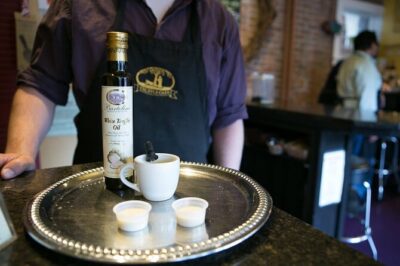
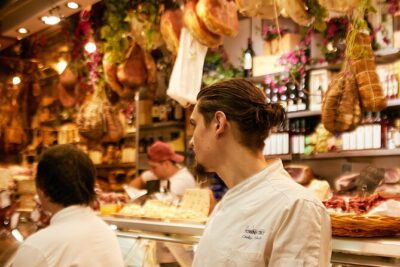
Small Group Cooking Class & Market Food Tour in Florence
Read our review →
Nishiki Market Brunch Walking Tour (7 Tastings + Brunch)
Read our review →
Bologna Food & Market Tour with 6 Tastings, Pasta, Wines & More
Read our review →
Browse the lists this tour appears in