REVIEW · STREET FOOD TOURS
Valletta: Street Food and Culture Walking Tour
Come hungry; Valletta serves its story by the bite. I like the way this three-hour walking tour connects Maltese food with the city’s past, rather than treating lunch as a separate activity. I also like the generous range of tastings, from pastizzi and ftira to rabbit, sweets, Cisk lager, and Kinnie.
The main consideration is that this is a walking tour over Valletta’s streets, so it is not suitable for wheelchair users or people with mobility impairments. It also excludes vegans and people with gluten intolerance. Food portions can be substantial, which is good value, but you should arrive hungry.
Key points at a glance
- Start beside the New Parliament Building: Meet at Valletta’s entrance, past the City Gate, and look for the Red City Walking Tours umbrella.
- Five food and drink experiences: Tastings can include pastizzi, ftira, rabbit, sweets, coffee, Cisk lager, and Kinnie.
- A useful first look at Valletta: The route combines central landmarks, side streets, bars, and food stops.
- Guide quality is the tour’s strongest feature: Guides such as Nadine, Marissa, Ernest, Charlotte, Mariella, and Angele are repeatedly praised for warmth, humor, and clear storytelling.
- Good value at $65: The fee includes the licensed guide and food and drinks at various stops, with several people finding the portions large enough to replace lunch.
- Best booked early in your Malta stay: You get restaurant suggestions and a better sense of what to try later on your own.
Why food is a smart way to meet Valletta
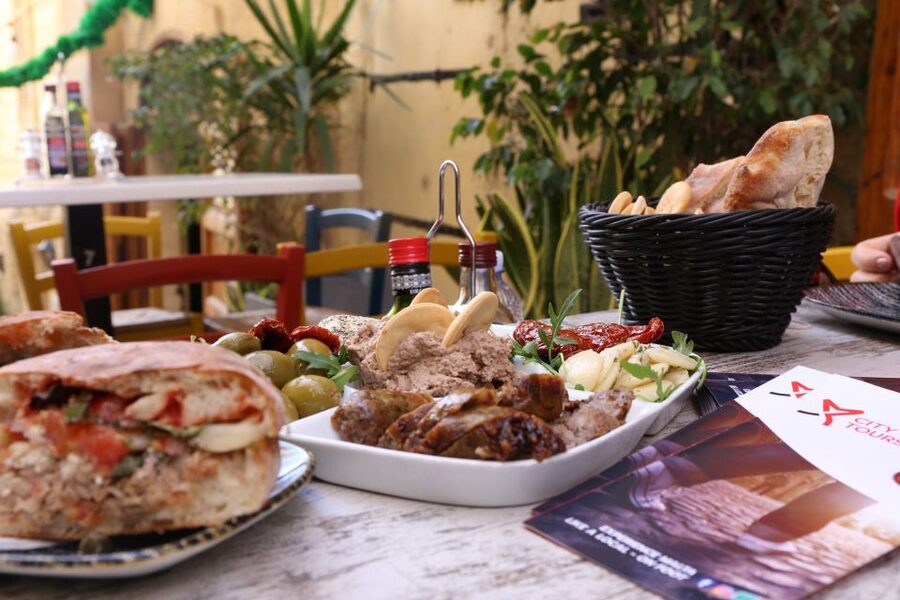
Valletta is compact, but its story is not simple. Malta’s cuisine reflects the island’s location in the middle of the Mediterranean, its long connection with neighboring cultures, and its own traditions. Food gives you a practical way into that story.
On this tour, your guide explains local dishes while you eat them. That matters. A pastizz, for example, is not just a flaky snack to grab between sights. It becomes a small lesson in everyday Maltese food culture. The same goes for ftira, rabbit, local sweets, and the drinks served along the way.
I like this approach because you are not asked to sit through a long history talk before anything happens. You move through Valletta, stop for food, then keep going. The information has a place and a purpose.
The tour begins at the entrance to the city, in front of the New Parliament Building. You should arrive by 9:20 am so the group can leave on time. If you arrive by taxi, Triton’s Fountain is the closest practical drop-off point, only a short walk from the City Gate and meeting point.
More street food tours in the world:
- Ho Chi Minh City Street Food Tour & Sightseeing By Motorbike
★ 5.0 · 9,413 reviews - Naples: Street Food Walking Tour with Local Guide
★ 4.9 · 4,976 reviews - Small Group Hanoi Street Food Tour with a Real Foodie
★ 5.0 · 4,682 reviews
From the City Gate into central Valletta
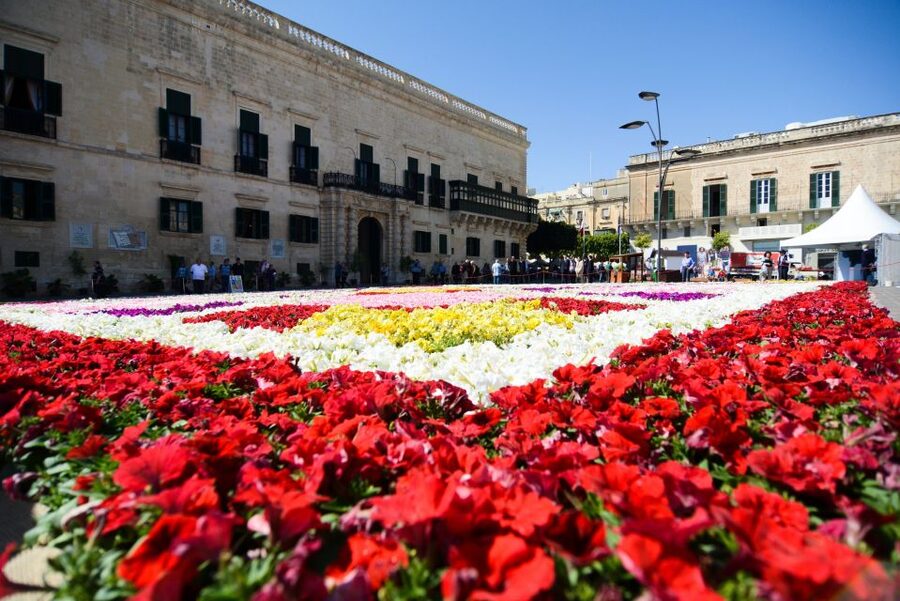
The opening section gives you a broad introduction to Valletta and Malta. Your licensed English-speaking guide points out central landmarks as the group moves through the city, adding context about how Valletta developed and why its streets and buildings matter.
This is not billed as a specialist architecture tour, and it should not replace a full museum visit. Its value is different: you get a useful orientation while walking toward the first tastes. Several guides have been praised for giving the right amount of information, without turning the morning into a lecture.
That balance depends partly on the individual guide. Nadine has been singled out for being friendly, practical, and easy to follow. Angele received praise for combining facts with humor, while Ernest is often noted for making Maltese history interesting and light. Charlotte adds personal stories about growing up in Malta, which gives the food and customs a more human feel.
The group size can vary, but one group described a group of 12 as comfortable. That is small enough for questions and large enough to give the outing a social feel. You should not expect a private tour, but the guide-led format gives you more interaction than a self-guided food crawl.
Pastizzi and Malta’s everyday snack culture
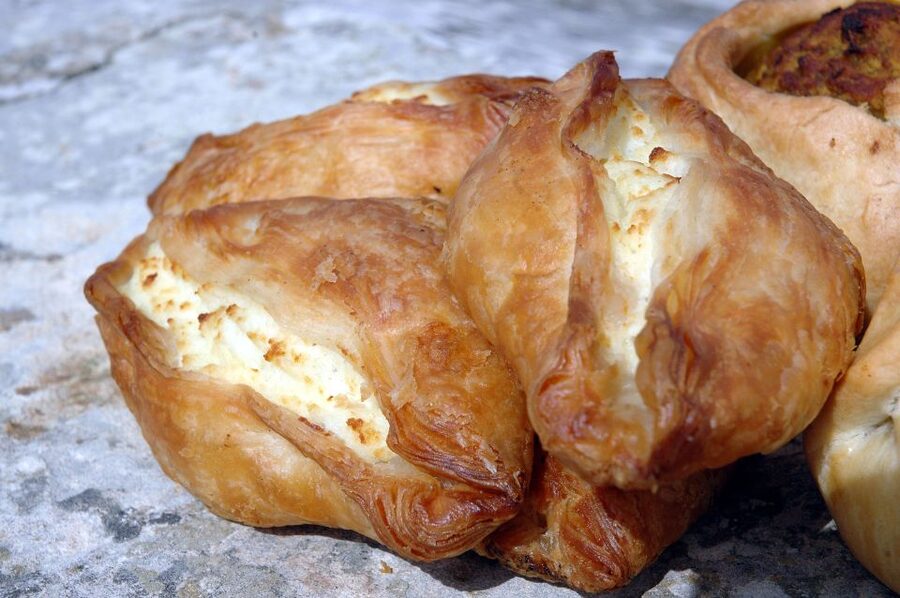
One of the most important stops is the pastizz. This small pastry is among Malta’s best-known snack foods, and it is an essential introduction to the island’s casual eating habits.
The precise filling and serving details can vary by stop, but the tour is designed to let you taste the food rather than simply hear about it. Your guide explains where the dish fits into local life and how food traditions connect with Malta’s wider story.
Pastizzi are also a good reason not to eat breakfast immediately before the tour. The route includes several savory portions, and the food is not limited to tiny decorative samples. One participant described the servings as generous, while another specifically advised arriving very hungry.
You will probably appreciate the relaxed pace here. The tour is not a race from one famous sight to another. It pauses at typical bars and side streets, allowing the food to feel part of daily Valletta rather than a staged display made only for visitors.
Ftira, sandwiches, and the value of a proper tasting
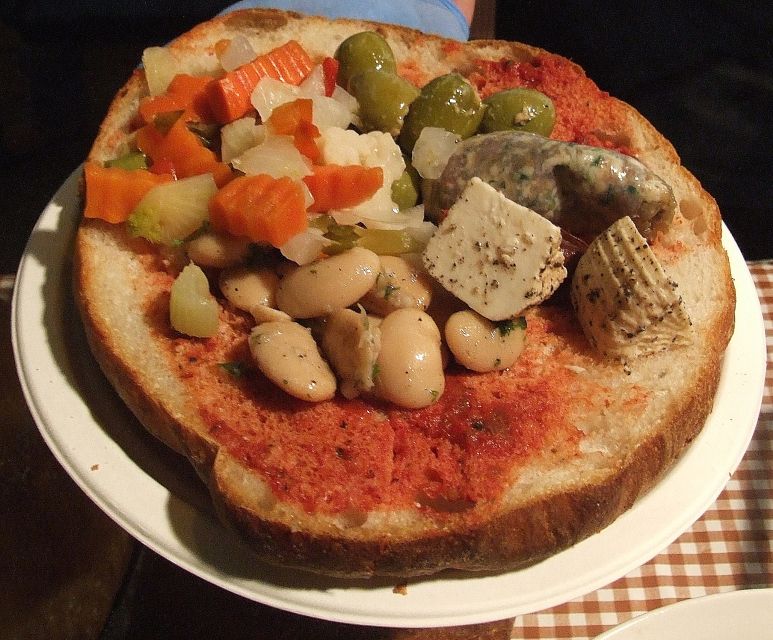
Ftira gives the tour a second look at Maltese food. It is a traditional local bread, and the tasting helps show how bread, fillings, and simple ingredients fit into island eating.
One particularly praised tasting was a tuna sandwich. That detail is useful because it shows the tour is not limited to the most obvious national dishes. You get a selection of familiar and less familiar foods, and you may come away with a new place to return to later.
The food stops can also be useful for planning the rest of your trip. Several guides point out restaurants or cafés where you can eat later. One guide gave suggestions for other restaurants, while another participant planned to return to the café serving the tuna sandwich.
That is a real advantage of taking this tour early. You are not only fed for three hours. You learn what to look for on a menu and gain a short list of places worth investigating after the tour ends.
A few more food tours in the world worth a look
- Reykjavik Food Walk – Local Foodie Adventure in Iceland
★ 5.0 · 18,952 reviews - Tokyo: Shinjuku Food Tour (13 Dishes at 4 Local Eateries)
★ 5.0 · 6,603 reviews - Winner 2025 Undiscovered Lisbon Food & Wine Tour by Eating Europe
★ 5.0 · 6,390 reviews - Hanoi: Guided Food Tour with Train Street Visit
★ 4.9 · 6,239 reviews
Maltese sweets, coffee, Cisk, and Kinnie
The drink and dessert stops keep the route from becoming a procession of savory pastries. Traditional sweets and coffee are included, adding a slower, more social pause to the morning.
You also get to try Cisk, Malta’s local lager, and Kinnie, the island’s distinctive soft drink. Kinnie is especially useful for anyone who wants to try something local beyond standard beer or wine. The tour gives you a chance to decide what you think before buying a bottle later.
These tastings are part of the experience, not optional purchases. The price includes food and beverages at the scheduled stops, but any extra food or drink you order is your responsibility.
The amount served can be more than some people expect from a food walk. One person found the food tasting different from what they had imagined but still tasty. That is a fair warning: the tour is not a restaurant meal with a fixed menu, and the exact balance of snacks, drinks, and dishes may vary.
Rabbit, Malta’s traditional main dish
Rabbit is presented as Malta’s national dish and gives the tour a more substantial final food stop. It is a useful contrast to the earlier snacks and breads. Instead of tasting only quick street food, you get a dish tied to Maltese home cooking and traditional eating.
The rabbit was specifically praised at one stop as beautifully cooked. Your guide explains the dish and its place in Maltese food culture while you eat. That context is important because rabbit may be unfamiliar to some people, and a guide can make the tasting less intimidating.
You should be honest with yourself about dietary preferences before booking. This tour is not suitable for vegans or people with gluten intolerance, and rabbit is one of the featured foods. If you are simply cautious about trying unfamiliar dishes, the tour may be a good introduction, but you should not expect the menu to be built around substitutions.
Valletta’s side streets, bars, and photo stops
The sightseeing side of the tour takes place mainly in Valletta’s center. You cross important landmarks, walk through side streets, and pass typical bars as the guide explains the city and its food traditions.
This makes the experience a practical introduction rather than a checklist of every attraction. You get a feel for the city’s layout and can mark places to revisit later. Several people especially enjoyed the photo opportunities, and the route gives you plenty of chances to notice details you could easily miss while walking alone.
The city’s historic setting also helps the food make sense. You are not tasting dishes in an anonymous cooking studio. You are eating within the streets and neighborhoods where the city’s daily life continues.
The drawback is that the tour does not include transport. You need to reach Valletta on your own, and the route is on foot. Wear comfortable clothes and sensible walking shoes, especially in warm weather. One person found the three-hour length just right on a hot day, which suggests the timing is manageable, but the heat can still affect how much you enjoy a food-heavy walk.
Guide style: the part that shapes the experience
The food is important, but the guide determines whether the morning feels connected or scattered. The strongest praise goes to guides who link each stop to a story, answer questions, and keep the pace moving.
Nadine has been praised for her warmth and practical organization. Marissa is often described as engaging and enthusiastic, with a good sense of humor. Ernest is valued for linking Maltese food with national history, while Mariella and Maribella are praised for personal stories, energy, and a genuine affection for Malta.
Angele has been described as both helpful and funny, with a good mix of information. Charlotte brings family stories into the tour, giving the experience a more personal tone. These names are useful to know, but guide assignments can change, so you should not book solely to receive a particular person.
The pattern is clear: the guide is expected to do more than escort you between cafés. You get historical explanation, food advice, local recommendations, and answers to questions. That is why the experience works best for a first visit or for anyone who wants more context around what they are eating.
Is $65 good value?
At $65 per person, this is not the cheapest way to buy snacks in Valletta. You could certainly purchase a pastizz, drink Kinnie, and find a meal for less if you already know where to go.
The value comes from combining the food with three hours of guided sightseeing. The fee includes the licensed guide and the food and beverages served at the various stops. Several people felt the portions were generous, and one estimate suggested that the food alone could approach the tour price if purchased independently.
I would judge the price in three parts:
- You receive a guided introduction to Valletta.
- You taste several local foods and drinks in one morning.
- You get recommendations for places to return to later.
That makes the cost reasonable for a first-time visitor who wants an organized start. It is less compelling for someone who already knows Valletta well, has strong dietary limits, or prefers to choose every restaurant independently.
The reserve-now, pay-later option also gives you some flexibility, and cancellation is free up to 24 hours before the start time. Those policies are useful if your Malta plans are still shifting.
Who should book this Valletta food walk?
I would choose this tour if you are visiting Valletta for the first time and want a quick sense of the city’s food, streets, and main sights. It is especially useful for people who enjoy asking questions and trying dishes they might not order on their own.
It also suits couples, friends, and solo visitors who like a social morning without committing to a full-day excursion. The three-hour length leaves the afternoon free for museums, churches, shopping, or more independent eating.
You should think twice if you need wheelchair access, have significant mobility limits, follow a vegan diet, or cannot eat gluten. The experience is also less suitable if you want a tightly fixed menu or a private tour.
The best timing is near the start of your stay. You can use the guide’s suggestions for the rest of your visit, return to a café you liked, and recognize local foods when they appear elsewhere in Malta.
My verdict: book it for a first taste of Valletta
I recommend the Valletta Street Food and Culture Walking Tour for most first-time visitors who can comfortably walk for three hours and eat a mixed Maltese menu.
Its best feature is the connection between place and plate. You see central Valletta, hear its story, and taste the foods that make the city feel local rather than merely scenic. The guides receive especially strong praise for their warmth, humor, and ability to explain without overwhelming you.
Book it if you want a well-fed introduction to Valletta. Skip it if your diet or mobility makes the route impractical, or if you prefer to build your own food crawl. At $65, the tour earns its price through the combination of tastings, guiding, local advice, and a useful first look at the city.
FAQ
Where does the Valletta food tour meet?
Meet at the entrance to Valletta, in front of the New Parliament Building, past the City Gate. Look for the Red City Walking Tours umbrella.
What time should I arrive?
You should be at the meeting point by 9:20 am so the tour can begin on time.
How long does the tour last?
The experience lasts three hours. Starting times depend on availability when you book.
What language is the tour in?
The live tour is conducted in English.
What food and drinks are included?
Included tastings can feature pastizzi, ftira, traditional sweets, rabbit, coffee, Cisk lager, Kinnie, and other Maltese specialties served at various stops.
Is transport included?
No. You are responsible for reaching Valletta and returning afterward. If arriving by taxi, the closest drop-off point is near Triton’s Fountain.
Can children join the tour?
Children under six may join free of charge, but food is included only for paying participants. The tour can accommodate a maximum of two children and one stroller free of charge, and this must be arranged by email.
Is the tour suitable for vegans or wheelchair users?
No. The experience is not suitable for vegans, people with gluten intolerance, people with mobility impairments, or wheelchair users.
Just added in the world
- Private Chicago Food Tour with Deep Dish and Beef Sandwich★ 5.0 · 61 reviews
- River North Food Walking Tour★ 4.5 · 88 reviews
- Chicago Food Tour: Taste the City’s Most Iconic Eats★ 5.0 · 111 reviews
- Chicago’s West Side Foodie Ride Bike Tour★ 5.0 · 112 reviews
- Old Town Chiang Mai Food Tour with 10+ Local Dishes Tastings★ 5.0 · 21 reviews
- Go where the locals go, Eat what the locals eat! Food Tour with Local Foodies★ 5.0 · 138 reviews
- Motorbike Food Tour in Chiang Mai★ 5.0 · 54 reviews
- Food Trail Through Sowcarpet Market: A Taste of Chennai★ 5.0 · 38 reviews
Street Food Tours, compared.
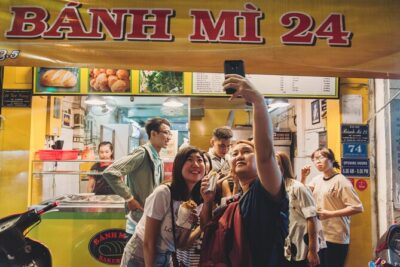
Ho Chi Minh City Street Food Tour & Sightseeing By Motorbike
Read our review →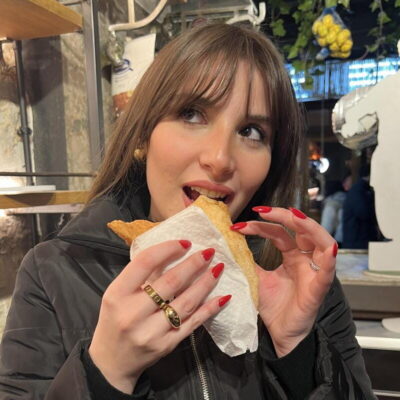
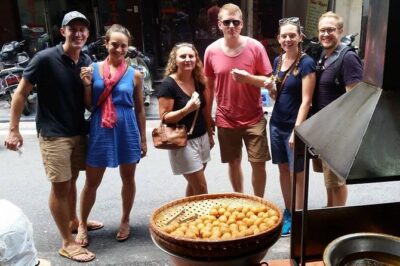
Small Group Hanoi Street Food Tour with a Real Foodie
Read our review →
Saigon By Night and Street Food By Motorbike | Opt: Ao Dai Riders
Read our review →
Private Street Food Tour by Motorbike/Car with Local Students
Read our review →
Cinque Terre Park Day Trip with Optional Street Food
Read our review →