
REVIEW · BANGKOK FOOD TOURS
Bangkok Food Tour of Bang Rak with Local Guide
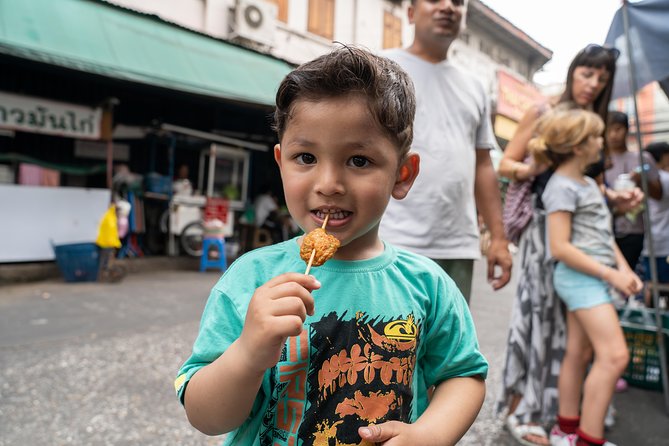
Come hungry, leave curious. This four-hour walk through Bang Rak brings you to street stalls, a wet market, family-run eateries, Chinese shops, and a traditional Thai restaurant, giving you far more context than a simple meal stop. I like the small group of up to 10 people, and I like the range of food, from curry puffs and tropical fruit to noodles, som tam, larb, and Thai sweets.
The main drawback is that the evening route can be less dependable than the morning option, since some food businesses may be closed and substitutes are not always equal. Dietary restrictions also matter: vegan, gluten-free, and halal diets cannot be accommodated, while vegetarian requests need to be given when you book.
Key points at a glance
- Seven or more food and drink tastings: Expect a full meal made from small portions, not just a few samples.
- Bang Rak beyond the main roads: The route uses food stalls, a wet market, shophouses, back lanes, and local restaurants.
- A small group capped at 10: This makes it easier to hear the guide, ask questions, and share dishes.
- Morning and evening departures: The morning option may offer a more reliable selection of open food stops.
- Food plus neighborhood history: You visit Masjid Ban U and the former Prince Theatre site as part of the walk.
- $89.68 per person: A fair price if you value access, explanations, and many tastings, but less attractive if you mainly want an inexpensive meal.
Why Bang Rak is a smart place to eat
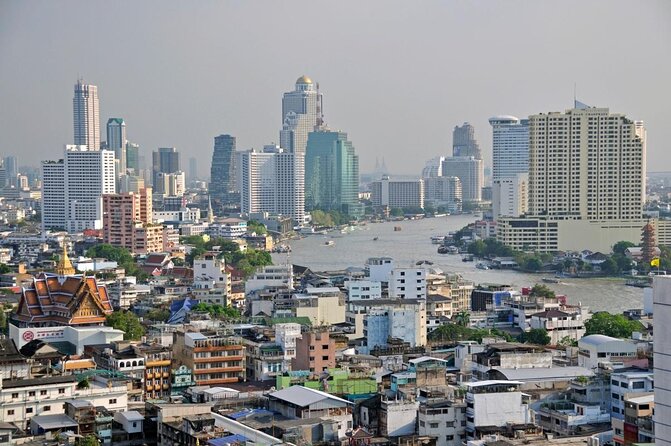
Bang Rak is a useful introduction to Bangkok because its food reflects several communities living close together. Thai, Chinese, Muslim, and royal culinary traditions all appear along the route. You are not simply moving from one famous restaurant to another. You are seeing how food fits into daily life.
The tour begins near Saphan Taksin and ends in the Surasak area, both in Bangkok’s Sathon district. That makes the walk practical if you are staying near the river or using public transportation. Hotel pickup is not included, so you need to reach the meeting point yourself.
You should expect a real city walk rather than a polished food hall. Some stops use simple seating, street-side tables, or small shop interiors. Bangkok can be hot, humid, and crowded, so wear cool clothing and comfortable shoes. Bring room in your schedule as well as room in your stomach.
More food tours with locals in Bangkok:
- Private Culinary Kickstart Tour of Bangkok with a Local
★ 5.0 · 207 reviews - Naples: Street Food Walking Tour with Local Guide
★ 4.9 · 4,976 reviews - Rome: Street Food Tour with Local Guide
★ 4.8 · 4,077 reviews
Starting with Bang Rak Bazaar
The first section takes you through Bang Rak Bazaar and nearby streets, with food and drinks served along the way. A typical selection includes curry puffs, Thai iced tea or coffee, grilled pork skewers, and other small street foods.
This opening is useful because it eases you into Thai eating habits. Your guide can explain ingredients, sauces, preparation methods, and the basic phrases or food names you may want to remember later. One particularly practical touch described by past participants was a simple map with Thai phrases, which can help you return to the area on your own.
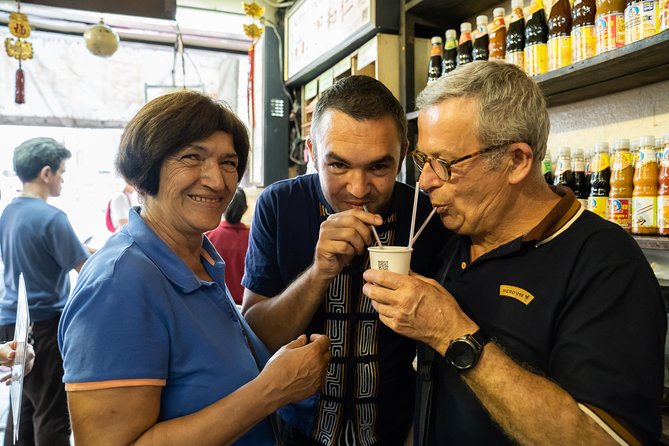
The coffee and tea stop also adds a bit of theater to the meal. Street coffee in Bangkok may be poured into a plastic bag for takeaway, an everyday detail you might miss if you only eat in air-conditioned restaurants. You may also encounter Thai iced tea, traditional coffee, or Chinese herbal drinks depending on the day.
Two hours around Ma! Bang Rak and the market
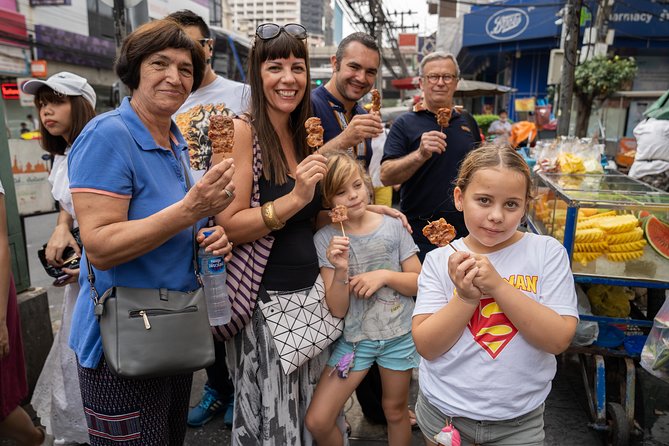
The longest part of the tour takes place around Ma! Bang Rak and the neighborhood food businesses. This is where the experience earns its keep. You are not limited to one style of cooking or one type of venue.
At Bangkok’s second-oldest wet market, you sample tropical fruit and see where local ingredients are bought and sold. A market visit gives useful context to dishes served later. Instead of hearing only that Thai food uses fresh produce, you can see the fruit, herbs, curry ingredients, and other products in their everyday setting.
A stop at a Chinese grocery in a traditional shophouse adds another layer. Chinese herbal drinks are part of the tasting, and the setting helps explain the Chinese influence on Bang Rak food. The area’s culinary identity is not neatly divided into separate boxes. Ingredients, techniques, and family traditions overlap.
You may then sit down at a family-run eatery for fried and roasted chicken noodles topped with an egg. This is the sort of food that can be hard to order with confidence on your own, especially when a small menu is written only in Thai. Sharing plates lets you try more than one preparation without committing to a large individual order.
The food comes in enough volume to make lunch or dinner unnecessary afterward. Several past departures included roughly eight venues and more than a dozen individual items. The exact count changes, but you should plan for a substantial meal rather than a light snack tour.
Thai sweets, som tam, and larb
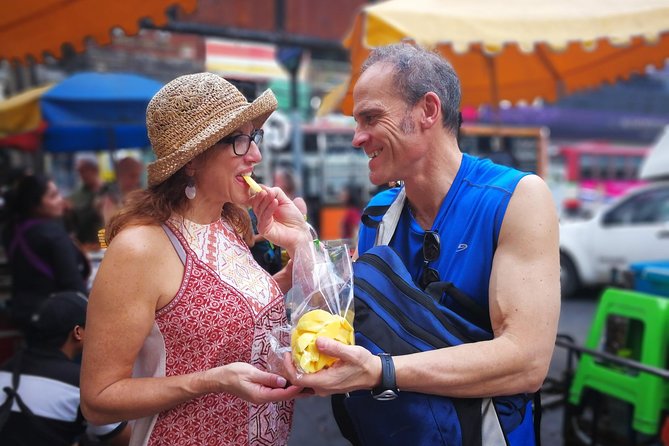
Thai desserts are given their own stop at a traditional sweet shop. The business is connected with a former chef from the Thai royal court, and the dessert platter may include several small sweets rather than one large serving. This is a good part of the route for anyone who usually sticks to mango sticky rice or roti and wants a wider look at Thai confectionery.
One guide, Ohm, was praised for explaining the food clearly, while another guide, Ja Jaa, was singled out for making the dishes easy to understand and the group comfortable. Guide quality can shape this experience considerably, since the food portions alone do not explain how or why each dish is eaten.
The savory course continues with som tam, the familiar green papaya salad. It is usually a balance of sour, salty, sweet, and spicy flavors, though the exact preparation can vary. You also try larb, a minced meat salad associated with northern Thailand. These dishes help you compare regional styles rather than treating Thai food as one uniform cuisine.
If you are sensitive to heat, tell the guide early. The supplied information does not promise a particular spice level or a customized menu, so do not assume every dish can be changed to suit you.
A few more food tours in Bangkok worth a look
- Bangkok: Michelin Guide Street Food Tour by Tuk Tuk
★ 4.4 · 1,274 reviews - Bangkok: Michelin Guide Street Food Tour by Tuk Tuk
★ 4.5 · 56 reviews - 4-Hour Hidden Bangkok TukTuk Street Food Guided Tour
★ 5.0 · 23 reviews - Hanoi: Guided Food Tour with Train Street Visit
★ 4.9 · 6,239 reviews
Finishing with royal Thai curry
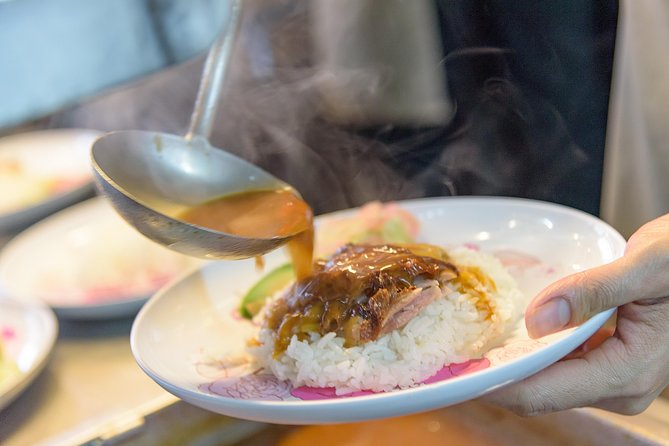
The final food stop is a traditional royal Thai restaurant run by descendants of the royal family. Thai curry here provides a more formal finish after the market stalls, noodle shop, and street food.
That change of setting is one of the better features of the route. You see how Thai food can move from a quick bite at a stall to careful cooking in a restaurant with a royal culinary connection. It also gives the guide a natural way to discuss cooking traditions, ingredients, and the difference between everyday food and dishes tied to palace kitchens.
The menu is not fixed. Participating venues and dishes may be replaced on a given day because of closures or other problems. That flexibility is sensible in Bangkok, where small food businesses keep changing their hours, but it means you should book for the overall style of the tour, not for one guaranteed dish.
The short history stops: Masjid Ban U and Prince Theatre
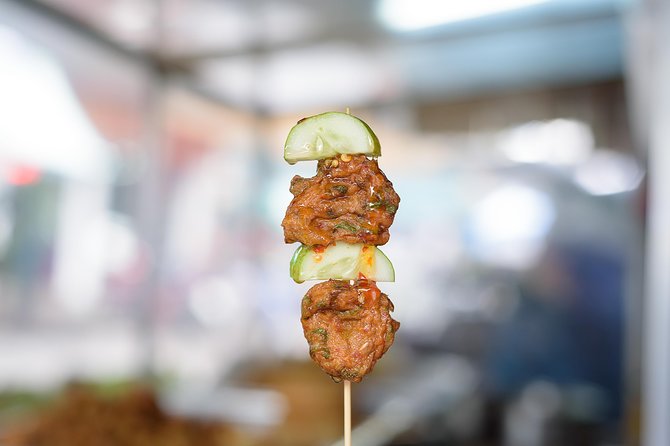
Food is the main event, but the walk includes brief cultural stops. At Masjid Ban U, you spend about 10 minutes learning about one of Bangkok’s oldest mosques. This gives you a glimpse of the Muslim presence in the district and helps explain why Bang Rak’s food traditions are so mixed.
You also see the site of the old Prince Theatre, described as the location of Bangkok’s oldest cinema. Today, the location is associated with the Prince Theatre Heritage Stay Hostel in Silom. This is a short stop, not a full museum visit, so treat it as neighborhood context between food tastings.
The itinerary also points out one of Bangkok’s tallest buildings. These small landmarks make the walk more than a list of meals. Still, food lovers should set their expectations correctly: the cultural stops are concise, while most of the four hours are devoted to eating, walking, and talking about food.
What the guides add
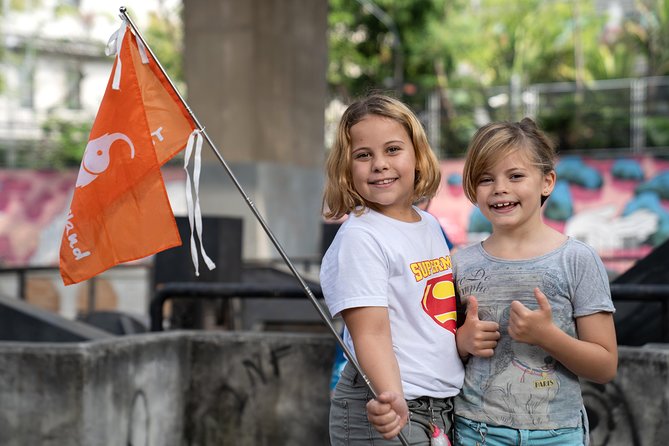
This tour depends heavily on the person leading it. The best guides do more than identify a curry or translate a menu. They explain why a dish matters, introduce the people running each business, keep the group together, and help you understand what to order when you return alone.
Guides named in past departures include Ja Jaa, Sally, Ohm, Aoy, Yok, Bella, Katy, Joker, and Tamie. Bella was praised for her humor, food explanations, and photographs, while Katy brought a teacher’s approach by setting learning goals and returning to them at the end. Joker was noted for linking food with Thai history, and Tamie was appreciated for her energy and sense of humor.
The standard is not perfectly uniform. One departure felt rushed, with the guide moving quickly between stops and not speaking enough to the group. Another participant expected photographs promised by the guide but did not receive them. Photos can be a pleasant extra when offered, but they are not listed as a formal inclusion, so do not book this for that reason.
Morning or evening: which should you choose?
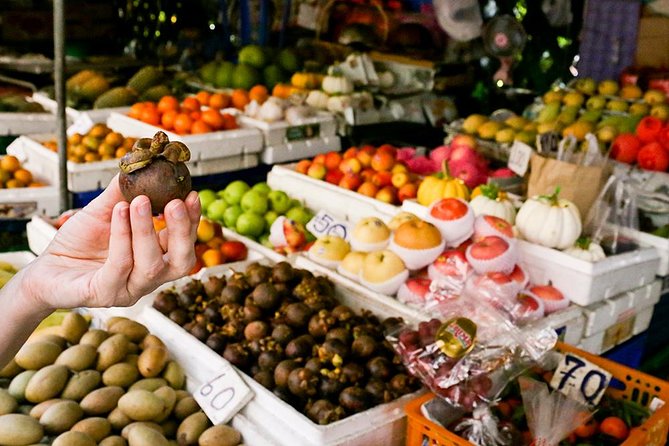
The tour offers morning and evening departures, but the timing can change the experience. The morning route is the safer choice if you want the widest range of open vendors and market activity. It also gives you the rest of the day to use food advice from your guide.
The evening option has obvious appeal. Bangkok’s food streets feel different after dark, and an evening meal can fit neatly into a sightseeing day. Yet several evening stops may be closed, and one past departure had no strong replacements for nearly half the planned vendors. The operator notes that substitutions can occur, but you should still ask about current stop availability before choosing an evening time.
Either way, arrive ready to walk and eat over roughly four hours. The exact duration can vary slightly, and you may find yourself taking a slower pace if the group is large or a food stop is busy.
Is $89.68 a fair price?
At $89.68 per person, this is not a cheap street-food crawl. You could spend far less on individual dishes in Bangkok. The price makes more sense when you count the guide, the route planning, access to small food businesses, cultural explanations, and at least seven distinct foods and drinks.
I would consider it good value for a first visit, especially if you are nervous about ordering unfamiliar dishes or want a ready-made introduction to Bang Rak. It is also useful if you have only a short stay and would rather sample many foods in one organized outing.
The value drops if you already know Bangkok’s food scene well, prefer to eat slowly at one restaurant, or mainly want the lowest possible meal cost. You are paying for discovery and guidance, not luxury seating or a private culinary class.
Group discounts may be available, and the maximum group size is 10. A smaller group can feel nearly private, while a full group still remains manageable. One departure even consisted of a single participant and guide, though you should not assume that will happen on your date.
Dietary needs, comfort, and practical limits
You must state dietary requirements when booking. Vegetarian diets can be accommodated with advance notice, but the tour cannot accommodate vegan, gluten-free, or halal diets. Because many stops are family-run shops and food stalls, do not expect every dish to be easily altered.
A light, compact stroller is recommended if you bring one, and you should tell the operator in advance. Most people can participate, but the experience involves regular walking, standing, market conditions, and warm weather.
Confirmation is provided at booking, and mobile tickets are supported. Free cancellation is available up to 24 hours before the start time. Cancellations or changes inside that window are not refunded, and the operator may offer another date or a full refund if the minimum group size is not reached.
Who should book this Bang Rak food walk?
I would choose this tour for first-time visitors who want a guided introduction to Thai food without spending a whole day on it. It suits curious eaters, couples, small groups, and solo visitors who enjoy sharing dishes with other food fans.
It is especially useful if you want to try food stalls but are unsure about hygiene, ordering, ingredients, or spice. The guide gives you a safety net and a local contact while still taking you into ordinary neighborhood places.
I would be cautious if you need a strict diet, dislike heat and walking, or care about every advertised stop being open. In that case, ask about the current morning and evening routes before paying.
Should you book it?
Yes, if your priority is variety, local food, and a useful first look at Bang Rak. The strongest parts are the range of stops, the small group size, and the chance to combine street food with market produce, Chinese influences, Thai sweets, and royal-style curry.
Choose the morning departure when possible, tell the operator about dietary needs, and arrive hungry. If the evening route is your only option, confirm how many food stops are currently operating. For most visitors, this is a lively and filling introduction to Bangkok cuisine, but it works best when you accept that the exact menu may change.
FAQ
How long does the Bangkok food tour last?
The tour lasts approximately four hours.
How many people can join the tour?
The group is limited to a maximum of 10 travelers.
Where does the tour start?
The meeting point is in the Saphan Taksin, Yan Nawa, Sathon area of Bangkok.
Where does the tour end?
The tour ends in the Surasak, Yan Nawa, Sathon area of Bangkok.
How many foods and drinks are included?
The tour includes a selection of at least seven distinct foods and beverages.
Are morning and evening departures available?
Yes. You can select either a morning or evening tour.
Can vegetarians join?
Yes, vegetarian diets can be accommodated with advance notice. You must provide dietary information when booking.
Can people with vegan, gluten-free, or halal diets join?
No. The tour cannot accommodate vegan, gluten-free, or halal diets.
What happens if a food venue is closed?
Participating venues and menu items may be substituted. The itinerary can change because of unforeseen circumstances, and replacement venues may be used.
Is hotel pickup included?
No. Hotel pickup and drop-off are not included.
What should I wear?
Comfortable walking shoes and cool clothing are recommended, especially during the warmer season.
Can I cancel for a full refund?
Yes, if you cancel at least 24 hours before the experience start time. Changes or cancellations made less than 24 hours in advance are not accepted for a refund.
Just added in Bangkok
- Bangkok Tuk Tuk Food Tour By Night★ 5.0 · 198 reviews
- Bangkok 3-in-1 Tour: Longtail Boat,TukTuk & Street Food Adventure★ 5.0 · 73 reviews
- Train & Floating Market Food Adventure + Scenic train ride★ 5.0 · 102 reviews
- Private Tuktuk Authentic Food Tour (Chinatown-Flower Market)★ 5.0 · 75 reviews
- 4-Hour Hidden Bangkok TukTuk Street Food Guided Tour★ 5.0 · 23 reviews
- Authentic Street Food Tour in China Town Bangkok★ 5.0 · 25 reviews
- Timeless Thonburi Canal and Food Tour★ 5.0 · 31 reviews
- Must-Try: Hidden Bangkok Bike and Food Tour★ 5.0 · 455 reviews
Food Tours with Locals, compared.
Eat Like a Local: Venice 3-Hour Small-Group Food Tasting Tour
Read our review →
Street Food Tour with a Local Guide and Tastings
Read our review →
Hungry Osaka Street Food Tour:15 Tastings & 3 Drinks with a Local
Read our review →Browse the lists this tour appears in