
REVIEW · BOLOGNA FOOD TOURS
Bologna: Walking Food Tour with a Local Guide
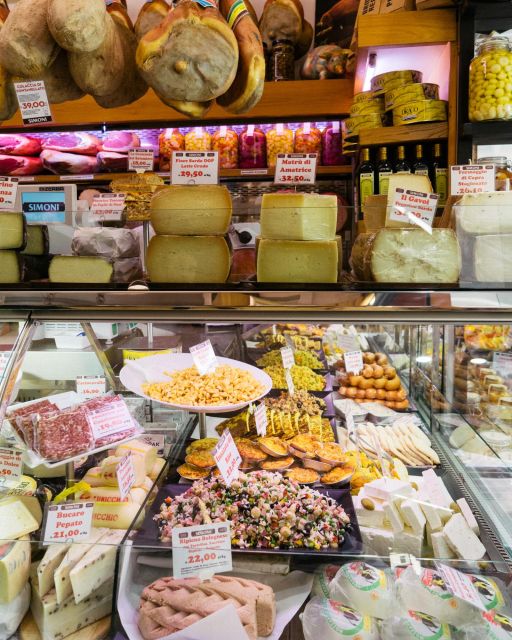
Taste Bologna one bite at a time. This three-hour walking tour links local bakeries, an old osteria, a traditional restaurant, and a gelateria in the city center. I like the generous spread of more than 15 tastings, especially the homemade tortellini and tagliatelle, and I like that food comes with stories about Bologna’s customs and daily life. The main consideration is that this is not a good fit for vegans, people with gluten intolerance, wheelchair users, or anyone bringing a baby stroller.
I also like the way the tour uses several small food businesses rather than one long restaurant meal. Guides such as Roberta, Valentina, Stefania, Eugenio, and Erica have been praised for being warm, funny, and full of useful local tips. Come hungry, wear good walking shoes, and tell the provider about dietary needs before you arrive.
The best parts of this Bologna food walk
- More than 15 tastings: Expect tigella, cold cuts, cheese, bread, wine, two types of handmade pasta, balsamic vinegar, and gelato.
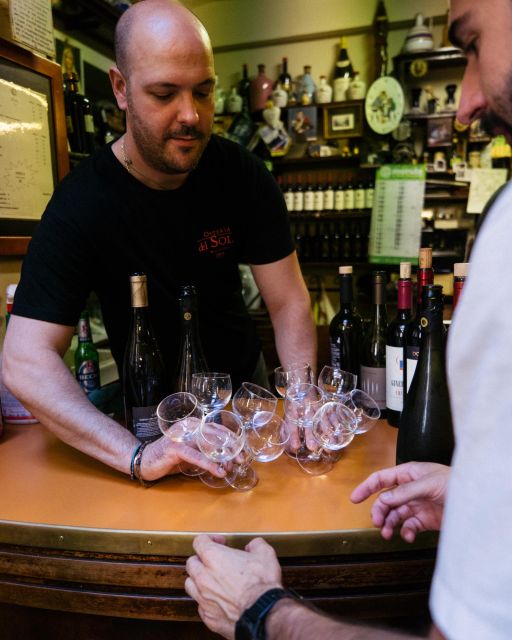
- A meal at Osteria del Sole: You gather food along the way and enjoy it in Bologna’s oldest osteria, with wine bought locally.
- Food with a city lesson: Guides connect mortadella, Parmigiano Reggiano, balsamic vinegar, pasta, and wine to Bolognese traditions.
- A useful first-day activity: The route helps you get your bearings and leaves you with restaurant and shopping advice for the rest of your stay.
- A very filling three hours: Several people needed a rest afterward, so this is closer to a rolling meal than a few sample bites.
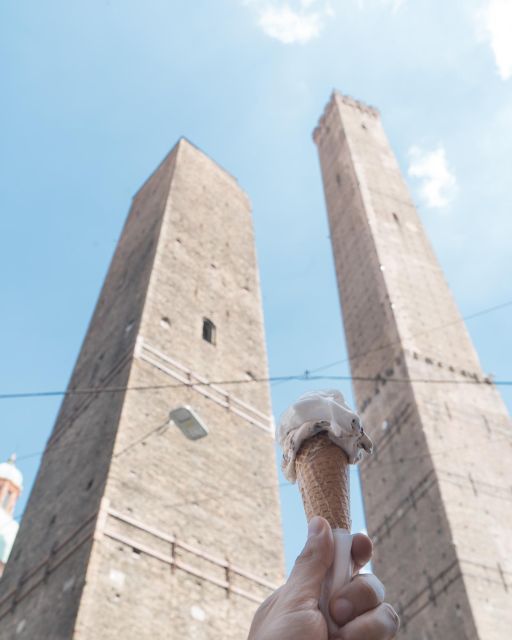
- A sweet finish at the Two Towers: The final stop is gelato, followed by the city’s famous medieval towers.
Why Bologna is best explored through its food
Bologna is a fine city for walking, but food gives your walk a clear purpose. The old center is compact enough for a three-hour route, and the stops help you see how people eat here, not just what appears on a tourist menu.
The food is also a useful introduction to Emilia-Romagna. Mortadella, fresh pasta, Parmigiano Reggiano, local wine, balsamic vinegar, tigella, and gelato all carry regional meaning. A good guide explains the difference between a product made for local tables and one prepared mainly for visitors.
That context is what makes this tour more valuable than simply ordering a plate of pasta. You learn why a particular cheese is certified, how balsamic vinegar is made, and why homemade pasta matters so much in Bologna. The strongest guides add anecdotes about the city, its customs, and the places you pass between tastings.
The tour has earned a 4.8 rating from 1,418 reviews, with especially strong praise for the guides, the amount of food, and the friendly group atmosphere. That does not guarantee the same guide on every departure, but the repeated pattern is useful: the human side of the tour is one of its main strengths.
More Food Tours with Locals in Italy
- Bologna gastronomic experience with a local
★ 5.0 · 626 reviews - Bologna: Walking Food Tour and Highlights with a Local Guide
★ 4.9 · 179 reviews - Bologna Walking Food Tour and Highlights with a Local Guide
★ 5.0 · 41 reviews
Meeting at Neptune and getting started
The meeting point is the Fountain of Neptune, one of the easiest landmarks to find in central Bologna. Look for a guide holding an orange umbrella directly in front of the statue. This detail matters in a crowded square, especially if you arrive close to the start time.
The route ends at the Two Towers, so you finish in another major part of the old center rather than returning to the starting point. That makes the walk useful for sightseeing. You can continue exploring from the towers, though the supplied information does not state the exact distance between stops or the total group size.
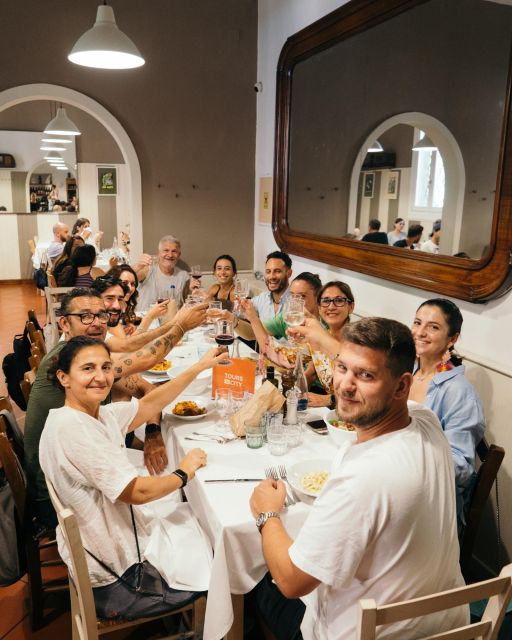
Guides have often made small groups feel especially sociable. You sit down to share food, ask questions, and compare impressions with people from different countries. A small group can also make it easier to hear the guide and ask about restaurants or food shops.
You should wear comfortable shoes. The tour involves walking between several stops, standing in food shops, and sitting down for tastings. Weather-appropriate clothing is sensible because parts of the experience take place outdoors. Rain has not stopped some departures from being enjoyable, but poor weather can make the walking less comfortable.
Tigella and the first bakery stops
The food begins with tigella, a small round bread associated with the region. It works as a pre-aperitivo, giving you an early taste of local food before the more substantial stops begin.
This first tasting is useful because it introduces a food you might not order on your own. The format is casual and local rather than formal. You start eating while learning how Bolognese people use food as part of a social outing.
The bakery portion lasts about 40 minutes, followed by another local bakery stop of about 20 minutes. The exact products can vary by season and on bank holidays, so you should not expect every departure to follow an identical plate. That flexibility is normal for a food walk, but it also means the advertised categories matter more than a fixed menu.
These early stops may include regional street food, bread, cold cuts, and cheese. The advantage is freshness and variety. The drawback is that you may be eating while standing or moving through compact shops, rather than enjoying a quiet table from the start.
Cold cuts, cheese, bread, and Bologna’s old osteria
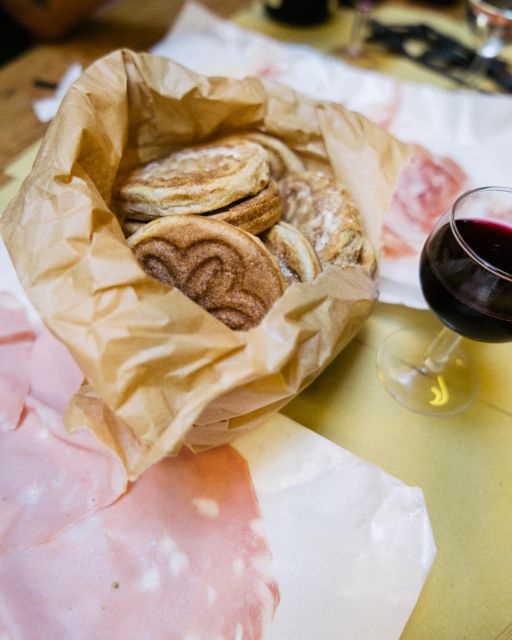
One of the tour’s best ideas is to collect local food as you go and eat it together at Osteria del Sole. The osteria is described as Bologna’s oldest, and it gives the tasting a sense of place that a modern tasting room would not provide.
Expect a selection of cold cuts, cheeses, and bread from the Bologna area, paired with local wine. Mortadella receives special attention, and the guide may explain what good mortadella should taste like compared with versions found outside Italy. The same goes for Parmigiano Reggiano, including its certification and connection to the region.
Osteria del Sole is not presented as a polished, formal restaurant. That is part of the appeal. You are sharing simple food and wine in a traditional setting, closer to the way a local outing might feel than a standard restaurant course.
The wine component is meaningful but not unlimited. Most of the food praise is especially strong, while one person wished for another wine stop. If you are joining mainly for wine tasting, this may not be your ideal experience. If you want wine alongside regional food, the balance works better.
More Food Walking Tours in Italy
- Naples: Street Food Walking Tour with Local Guide
★ 4.9 · 4,976 reviews - Rome: Guided Food Walking Tour with Wine in Trastevere
★ 4.9 · 3,105 reviews - Rome: Trastevere & Campo de Fiori Street Food Walking Tour
★ 4.9 · 2,768 reviews - Palermo Original Street Food Walking Tour by Streaty
★ 5.0 · 2,105 reviews
Balsamic vinegar and the stories behind the products
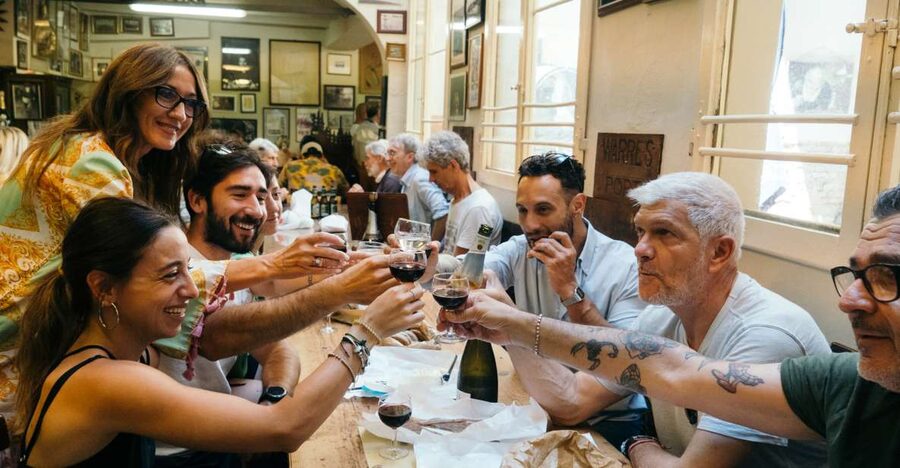
Balsamic vinegar is one of the more educational parts of the walk. You get to learn how it is made and taste a locally produced version. The guide may also explain why aging and certification affect the product, which helps you understand why some bottles cost far more than others.
This is the kind of stop where you should ask questions. If you enjoy bringing food home, note the name and quality of the vinegar you taste. One useful practical point is that the tour itself does not promise time or arrangements for buying and packing meats, cheese, or vinegar, so ask your guide where to shop afterward.
The guides also connect food to Bologna’s past and present. The best commentary is conversational rather than a long lecture. Eugenio has been praised for making history and food feel like a natural conversation, while Roberta has been singled out for explaining why regional foods matter.
The walking commentary adds value even when you are between stops. You see the center while moving from bakery to osteria, and the guide points out traditions and local places that you might otherwise pass without noticing. This is a food tour first, but it also gives you a useful introduction to Bologna.
Tortellini, tagliatelle, and a real Bolognese meal
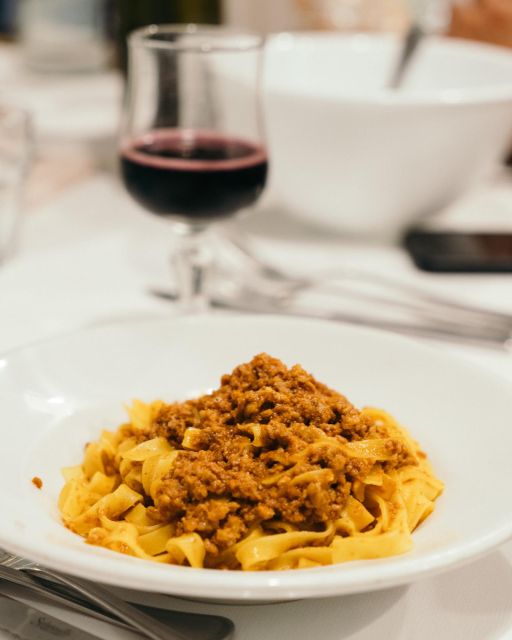
The most substantial part of the tour takes place at a traditional Bolognese osteria or local restaurant. Here you taste two of the region’s best-known homemade pastas: tortellini and tagliatelle.
These are not interchangeable samples. Tortellini and tagliatelle show two different sides of fresh pasta, and tasting both helps explain why Bologna is so closely linked with handmade noodles. The food is served with more local wine, so this stop feels like the center of the meal.
The supplied schedule allows about an hour for the restaurant stop. That is enough time to sit, eat, and talk instead of rushing through a succession of tiny samples. Several people have found the total amount so generous that they could not finish everything, and one person joked that the tour called for a nap afterward.
That warning is worth taking seriously. Do not eat a large lunch immediately beforehand. The tour begins with bread and savory foods, builds through cold cuts and cheese, then reaches pasta before gelato. It is better suited to an enthusiastic eater than someone who prefers very small tastings.
The restaurant stop also gives the group time to come together. The food is shared, and the guide can answer questions at the table. This social pace is one reason the experience often feels more like an outing with a food-loving local than a quick sequence of transactions.
Gelato near the Two Towers
The final food stop is a local café or gelateria, where you finish with gelato. The tour describes it as a visit to the best gelateria in town, though that is naturally a matter of taste. What is clear is that the dessert is treated as a proper final course, not a token spoonful.
Gelato is a smart ending after the salty foods, cheese, pasta, and wine. It gives the three-hour route a clear finish and places you near the Two Towers, one of Bologna’s signature sights.
The ending is also practical. You finish in a central location, with the option to continue sightseeing or use the guide’s restaurant suggestions later. Guides have helped participants find shops after the tour and have recommended places for dinner, pastries, and additional local products.
What the $86 price includes
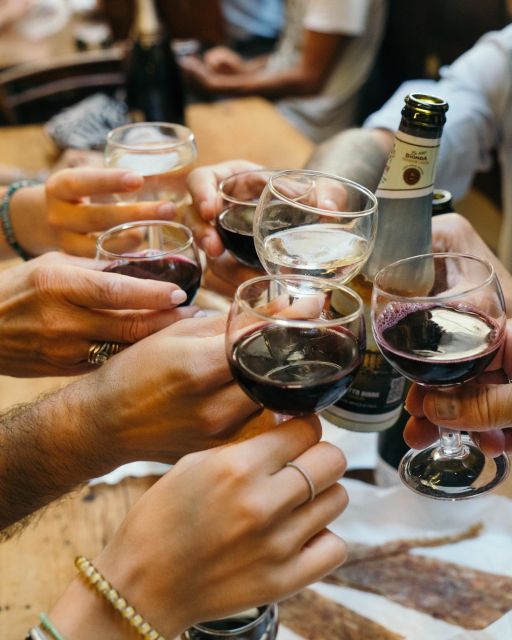
At $86 per person, the price is easiest to judge as a three-hour food experience rather than a walking tour with a few snacks. You receive a live English-speaking guide, food and wine at five shops or restaurants, and enough food to function as a substantial meal.
The value is strongest if you would otherwise spend money sampling several venues on your own. The guide handles the route, chooses the stops, explains the products, and places the food in a local context. You also receive recommendations that can improve the rest of your time in Bologna.
It is less compelling if you want a quiet restaurant meal, a dedicated wine tasting, or a highly fixed menu. Tastings can change with the season and bank holidays. You are paying for variety, access, explanation, and convenience, not a guaranteed list of identical dishes.
The tour is particularly good early in your stay. Several people found it useful on their first full day because it helped them get oriented and identify places to return to. You can also ask the guide where to buy more mortadella, balsamic vinegar, cheese, or tigella after you have tried them.
Who should book this tour
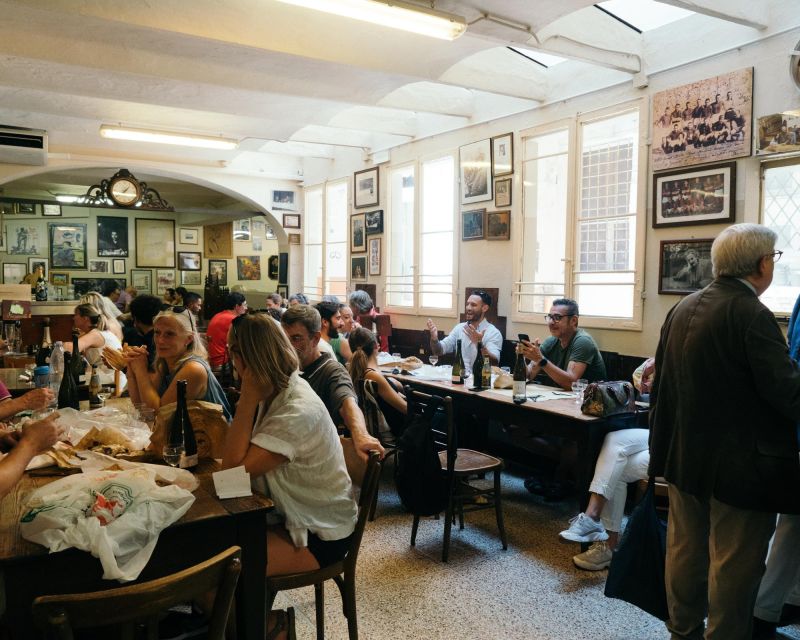
I would recommend it to people who plan trips around food, first-time visitors who want a quick introduction to Bologna, and curious eaters who enjoy sitting with a mixed group. It suits anyone who wants local products explained in plain language rather than simply photographed.
It is also a good choice for couples, friends, and solo visitors who like social experiences. The food is shared, and the guides make an effort to bring the group together. Names that appear repeatedly in praise include Roberta, Valentina, Stefania, Eugenio, Erica, Sonia, and Darren, but your guide will depend on the departure.
This is not a strong choice for vegans. It is also unsuitable for people with gluten intolerance, wheelchair users, and anyone bringing a baby stroller. Tell the provider about dietary requirements before booking, but do not assume the tour can adapt to every restriction.
Keep your schedule flexible around the three hours. The route includes walking, multiple food stops, wine, and a full pasta meal. You may want a lighter dinner afterward, or no dinner at all.
Should you book the Bologna food walk?
Book it if you want a filling, social introduction to Bolognese food and local customs. The strongest reasons are the range of stops, the old osteria experience, the homemade pasta, and guides who add useful history without turning the afternoon into a classroom.
Skip it if you need wheelchair access, avoid gluten or animal products, or want a precise tasting menu with extensive wine. For most omnivorous visitors who enjoy food and walking, $86 is a fair price for the amount included, especially when you take advantage of the guide’s recommendations afterward.
Go hungry, wear practical shoes, and book this near the beginning of your Bologna stay. That way, the tigella, mortadella, balsamic vinegar, pasta, and gelato can guide your choices for the days that follow.
FAQ
How long does the Bologna food tour last?
The tour lasts three hours.
What language is the tour conducted in?
The live guide conducts the tour in English.
Where does the tour start?
It starts at the Fountain of Neptune. Your guide waits directly in front of the statue with an orange umbrella.
Where does the tour finish?
The tour finishes at the Two Towers.
How much does the tour cost?
The listed price is $86 per person.
How many food stops are included?
Food and wine tastings are provided at five different shops and restaurants.
What foods can I expect to taste?
Tastings can include tigella, cold cuts, cheese, bread, local wine, tortellini, tagliatelle, balsamic vinegar, and gelato. Stops and foods can vary by season and bank holidays.
Is the tour suitable for vegans?
No. The tour is not suitable for vegans.
Can I join if I have gluten intolerance?
No. The tour is not suitable for people with gluten intolerance.
What should I bring?
Bring comfortable shoes and clothing suitable for the weather. Baby strollers are not allowed.
More food walking tours in Bologna
- Reykjavik Food Walk – Local Foodie Adventure in Iceland
★ 5.0 · 18,952 reviews - New Orleans Food Walking Tour of the French Quarter with Small-Group Option
★ 5.0 · 6,118 reviews - Greek Food Walking Tour in Athens
★ 5.0 · 4,740 reviews - Savannah First Squares Culinary & Cultural Walking Food Tour
★ 5.0 · 3,229 reviews
More food tours with locals in Bologna
- Food markets tour with a local!
★ 4.5 · 39 reviews - Bologna Private Food Tour with a Local Foodie: Bologna’s Tastiest Treats
★ 5.0 · 35 reviews - Bologna Food & Wine tour with a local Chef
★ 3.0 · 30 reviews - Rome: Street Food Tour with Local Guide
★ 4.8 · 4,077 reviews
Just added in Bologna
- Bologna Food & Wine tour with a local Chef★ 3.0 · 30 reviews
- Devour Bologna Tastes & Traditions Food Tour with Market Visit★ 5.0 · 69 reviews
- Private Bologna Food & Market Tour with 6 Tastings & Wine★ 5.0 · 102 reviews
- Parmesan and Balsamic Food Tour with Ferrari Museum★ 5.0 · 28 reviews
- Private Emilia Romagna Food Tour Full Day★ 5.0 · 129 reviews
- Bologna Food Tour small group★ 4.5 · 50 reviews
- Eating Bologna Food and Wine Tour★ 5.0 · 96 reviews
- Food markets tour with a local!★ 4.5 · 39 reviews
Food Walking Tours, compared.
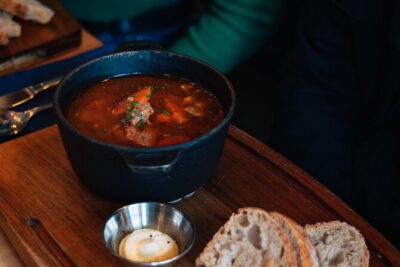
Reykjavik Food Walk – Local Foodie Adventure in Iceland
Read our review →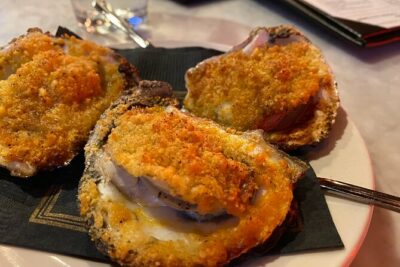
New Orleans Food Walking Tour of the French Quarter with Small-Group Option
Read our review →
Savannah First Squares Culinary & Cultural Walking Food Tour
Read our review →
Guided Food Walking Tour with Wine in Trastevere
Read our review →
Trastevere & Campo de Fiori Street Food Walking Tour
Read our review →Browse the lists this tour appears in