REVIEW · TOURS
Cape Town: Essential Food and Drink Tour
Cape Town tells its story through food. This four-hour walk connects Bo-Kaap, De Waterkant, Green Point, and the V&A Waterfront, pairing Cape dishes with stories about trade, migration, slavery, apartheid, and the city’s changing architecture. I especially like the broad mix of food and drink, plus the chance to see several central neighborhoods on foot rather than from a tour vehicle. The main caution is simple: there is a lot to eat, and one person found the portions almost too generous.
The experience costs $134 per person, which is not cheap for a walking tour. Still, the price includes several tastings, alcoholic and non-alcoholic drinks, a coffee presentation, and a guide-led look at Cape Town’s past. I would treat it as a half-day orientation to the city, not just a snack crawl.
Key points at a glance
- Start at Bo Kaap Deli: The tour begins in the colorful Bo-Kaap, one of Cape Town’s most recognizable areas.
- Food with a story: Bobotie, koeksisters, bunny chow, pap, chakalaka, and other local flavors connect directly to Cape Town’s cultural past.
- Five drink-focused experiences: You get a coffee presentation, bobotie with bubbles, three beers with food pairings, rooibos, and an Inverroche gin tasting.
- Four central districts: The route covers Bo-Kaap, De Waterkant, Green Point, and the V&A Waterfront.
- Strong guiding: Justin, Olivia, Marianne, and other guides have received particular praise for clear explanations, humor, and local insight.
- Plan for walking: Expect about two miles on foot, divided between tasting locations, with comfortable shoes and sunscreen essential.
Why this tour is more than a meal
Cape Town’s food makes more sense once you understand how people, ingredients, and customs reached the city. This tour traces that story from the 1600s to today, linking the spice routes and international trade with the dishes served at each stop.
That gives the tastings a useful frame. A plate of bobotie is not just a curried dish with an egg topping. It reflects Cape Malay cooking and the movement of people and spices through the Cape. Koeksisters, pap, chakalaka, bunny chow, rooibos, beer, and gin each open another door into South African food culture.
I like this approach because you leave with more than a list of dishes. You also get a better sense of how Cape Town was built, who shaped it, and why its neighborhoods look and feel so different from one another.
The walk also deals with difficult subjects. Stories about slavery and apartheid are part of the city’s past, and the guide connects those events to streets, buildings, and communities rather than treating history as a detached lecture. That can make the tour more meaningful, but it also means the mood is not lighthearted from start to finish.
A few more food tours in the world worth a look
- Reykjavik Food Walk – Local Foodie Adventure in Iceland
★ 5.0 · 18,952 reviews - Ho Chi Minh City Street Food Tour & Sightseeing By Motorbike
★ 5.0 · 9,413 reviews - Tokyo: Shinjuku Food Tour (13 Dishes at 4 Local Eateries)
★ 5.0 · 6,603 reviews
Starting among Bo-Kaap’s painted houses
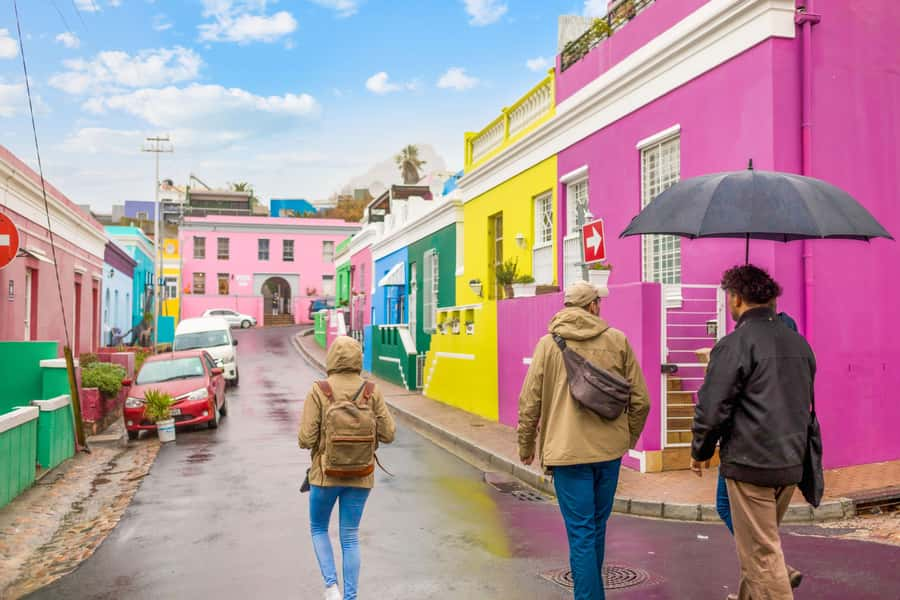
Meet inside Bo Kaap Deli, either at the door or just inside. This is a practical starting point because Bo-Kaap immediately gives you a visual introduction to Cape Town: brightly painted buildings, steep streets, and a strong Cape Malay identity.
The neighborhood is often photographed for its colorful homes, but the tour aims to move past the postcard view. You learn how the area developed and how its residents helped shape the city’s food traditions. The guide may also point out architecture and side streets that are easy to miss if you simply walk through for photographs.
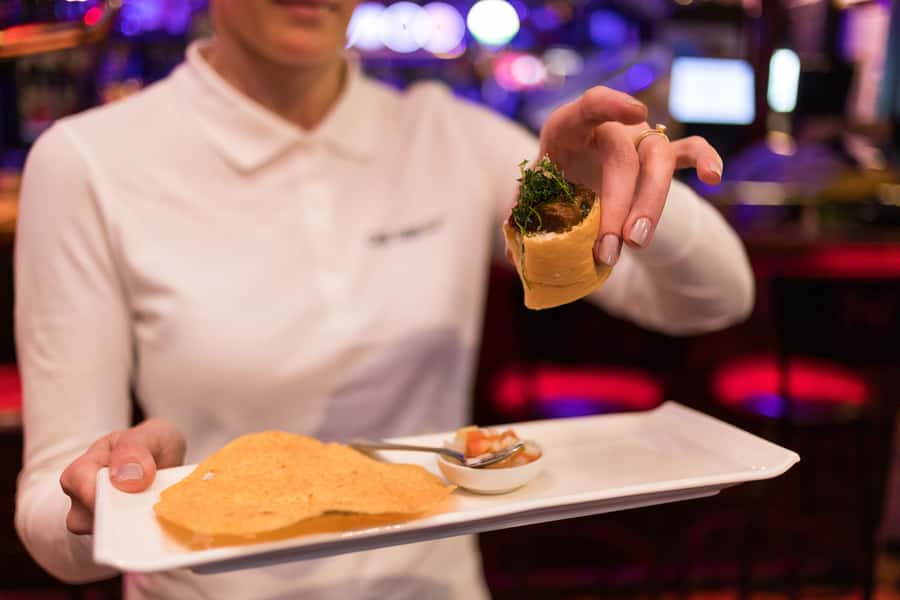
Food begins early, with examples such as golden koeksisters and Cape Malay bobotie. Koeksisters bring sweetness and spice, while bobotie offers a warmer, more substantial taste. The included bobotie and bubbles pairing gives you a chance to compare a traditional savory dish with a drink that cuts through its seasoning.
Bo-Kaap is also where the quality of the guiding matters most. Justin, who lives in the neighborhood, has led this experience and is especially good at connecting local streets with personal knowledge and wider Cape Town history. Olivia has also received praise for explaining food, culture, and the city in a friendly, clear way.
Give yourself extra time to reach the meeting point. The tour does not include hotel pickup, and the starting location is not at the Waterfront.
Moving through De Waterkant and Green Point
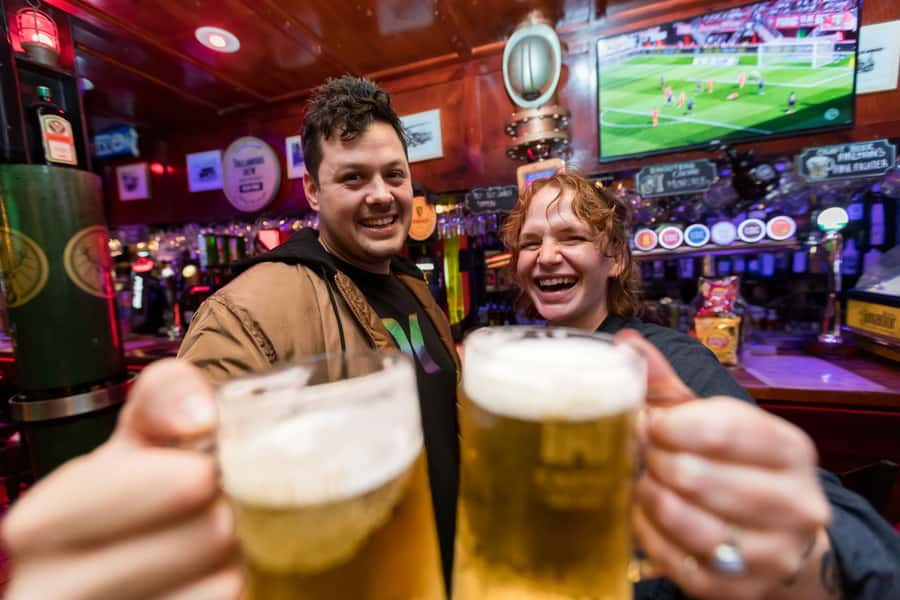
From Bo-Kaap, the walk continues through De Waterkant and Green Point. These districts offer a useful contrast to the older feel of Bo-Kaap, with different building styles, businesses, and modern city life.
The route is not simply a march between restaurants. The guide talks while the group walks, so you get context between tastings as well as at them. One earlier participant specifically appreciated that the guide kept the group moving without wasting time waiting for people to catch up.
The distance is around two miles in total, split between the tasting stops. That is manageable for most people who are comfortable walking, but it is not a sit-down food tour with short transfers. Uneven pavements, street crossings, weather, and the amount of food can all affect how tiring the afternoon feels.
Green Point and De Waterkant also help explain Cape Town’s changing identity. You see how historic areas sit beside newer commercial districts, and how food businesses serve both local communities and international visitors. The tour’s value comes partly from making those connections visible.
Food stops with plenty of variety
The food selection is broad rather than narrowly focused on one cuisine. You might taste:
- Cape Malay koeksisters
- Bobotie
- Bunny chow
- Pap
- Chakalaka
- African dishes at a restaurant stop
- Craft ice cream infused with fynbos
The African restaurant stop is a particular strength if you want something beyond the familiar tourist version of Cape Town. One participant singled it out as a favorite part of the route, and that makes sense: it adds a different voice and flavor profile to a day that could otherwise lean heavily toward Cape Malay and modern craft food.
Pap and chakalaka bring a hearty, home-style side of South African cooking. Bunny chow offers another well-known local specialty, though the exact serving size and preparation can vary. Because the food is served across several venues, you get small portions and pairings instead of one large restaurant meal.
The ice cream infused with fynbos provides a lighter, more unusual finish to the food tastings. Fynbos is a plant group associated with the Cape region, so this stop gives you a taste linked to the local environment rather than only to imported ingredients and colonial trade.
The main issue is quantity. Several tastings, drinks, and pairings add up. One person found the food almost excessive, while another felt each portion was small enough to leave room for the next stop. Your appetite will decide which version you experience. I would eat a modest breakfast and avoid booking a large dinner immediately afterward.
Same city, a different table:
- Winner 2025 Undiscovered Lisbon Food & Wine Tour by Eating Europe
★ 5.0 · 6,390 reviews - Hanoi: Guided Food Tour with Train Street Visit
★ 4.9 · 6,239 reviews - New Orleans Food Walking Tour of the French Quarter with Small-Group Option
★ 5.0 · 6,118 reviews - Winner 2025 Rome Twilight Trastevere Food Tour by Eating Europe
★ 5.0 · 5,157 reviews
Coffee, beer, wine, and gin along the way
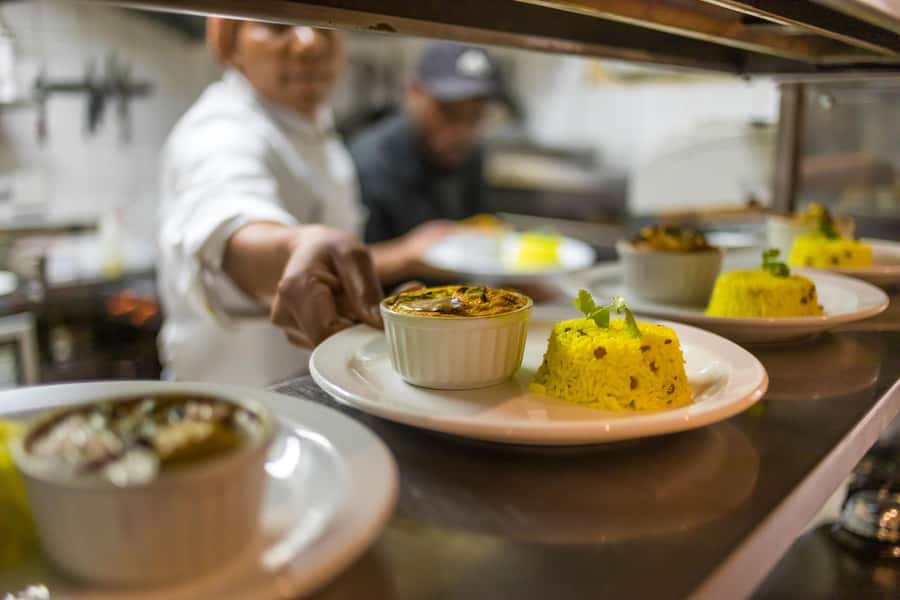
The drink program is unusually wide for a four-hour city walk. It includes a coffee presentation and pairing, bobotie with bubbles, three beer tastings with a three-way food pairing, craft ice cream, and an Inverroche gin tasting.
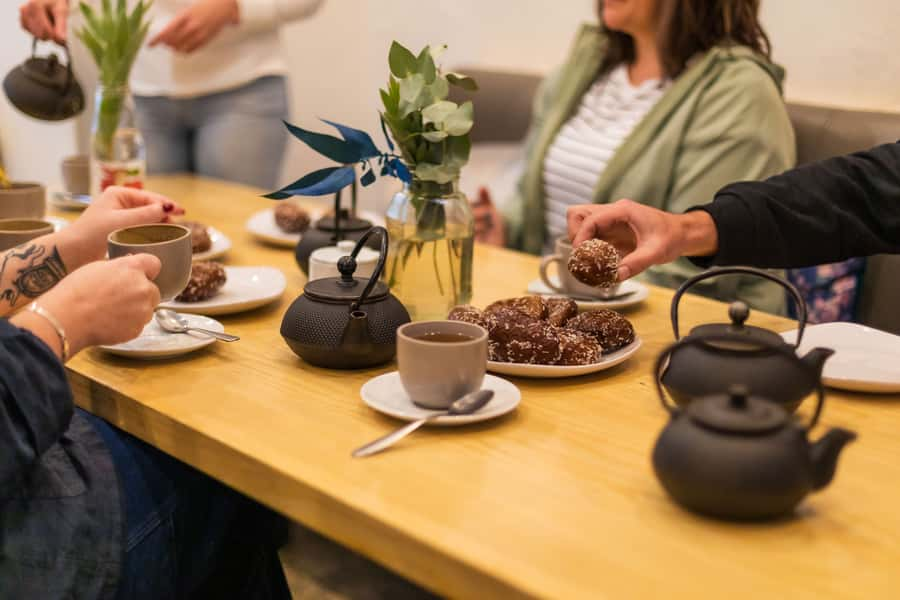
The coffee presentation adds a more focused tasting moment. Instead of quickly drinking a cup between stops, you get an explanation of how the coffee pairs with food. That makes it useful for anyone who enjoys learning how flavors work together.
The beer segment is one of the more substantial parts of the afternoon. Three beers are paired with three foods, giving you a chance to compare different styles and match them to savory bites. It is a better setup than simply handing you three small glasses with no explanation.
The wine element appears with the bobotie pairing, while the gin tasting brings a distinctly South African angle through Inverroche. Rooibos is also part of the experience, and non-alcoholic options are available. You do not need to drink alcohol to take part in the food side of the tour.
Alcoholic drinks are spread through the afternoon, but you should still pace yourself. The walk, the warm Cape Town sun, and the amount of food can make several tastings feel stronger than expected. Sunscreen and water are sensible additions, even though extra food and drink are not included.
What the history adds to each bite
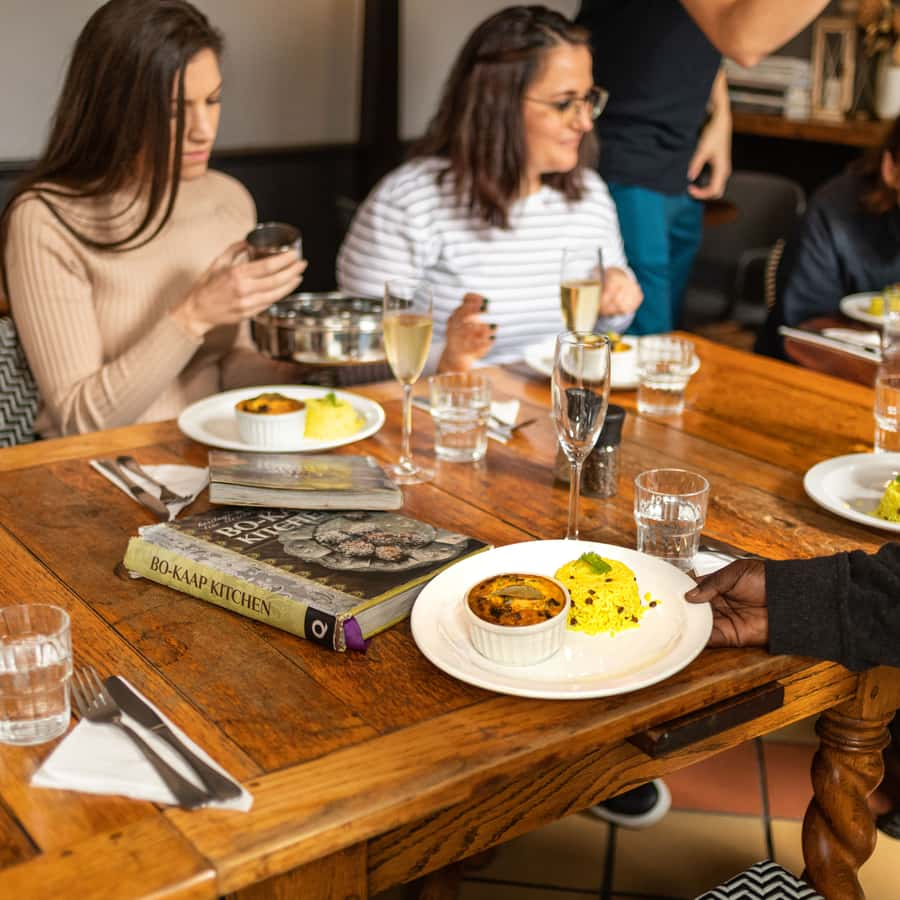
A food tour can become a series of unrelated snacks if the guide does not build a clear thread. This one aims to connect each tasting with Cape Town’s past, from 17th-century spice routes to the effects of slavery and apartheid.
That context matters most in Bo-Kaap, where food traditions are closely tied to the Cape Malay community. It also matters as the tour moves through districts that have changed over time. Architecture becomes part of the lesson, and the walk gives you a chance to see how different communities and eras sit beside each other.
The guide’s role is central. Justin has been praised for being lively and funny without losing the substance of the story. Marianne has also received strong marks for explaining the area and its food. Olivia is another guide to look out for, with a reputation for making people feel welcome while covering the city’s culture and cooking.
The guide may vary, so the tone will not be identical on every departure. That is normal for a live walking experience. The key advantage is that you can ask questions and get recommendations as you go, something a self-guided food list cannot provide.
Group size, pace, and comfort
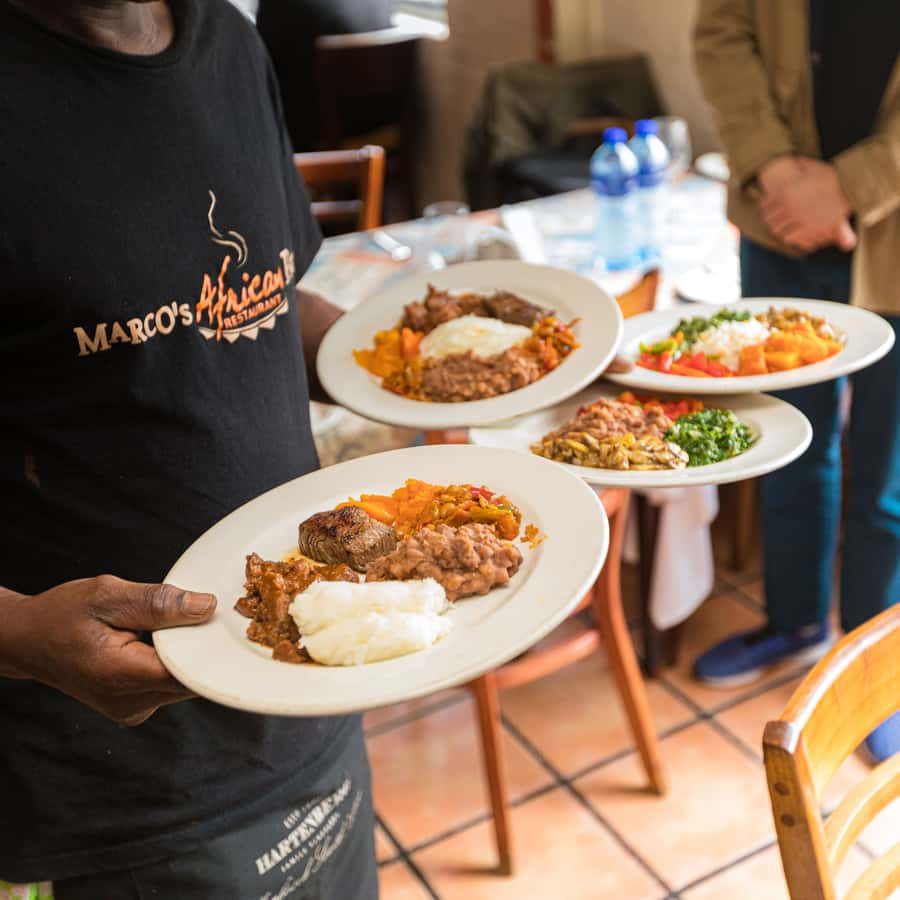
A group of nine was described as a comfortable size. That is small enough to hear the guide and stay connected, while still offering the social side of a shared food experience. You may meet people from several countries, which adds to the relaxed, communal feel.
The tour is family-friendly in its food planning, with vegetarian and non-alcoholic choices available. It is not suitable for children under two, and unaccompanied minors are not allowed.
This is not a good choice for wheelchair users or people with limited mobility. It is also not recommended for people with respiratory issues or anyone over 264 pounds, or 120 kilograms, according to the stated restrictions. The walking is divided into sections, but the experience still depends on moving through city streets between stops.
Tours operate in all weather unless wind and rain become severe. Wear comfortable shoes, use sunscreen, and bring a passport or ID card. High heels and jewelry are not allowed. If you have food allergies, contact the local operator immediately after booking, rather than waiting until the morning of the tour.
Is $134 a fair price?
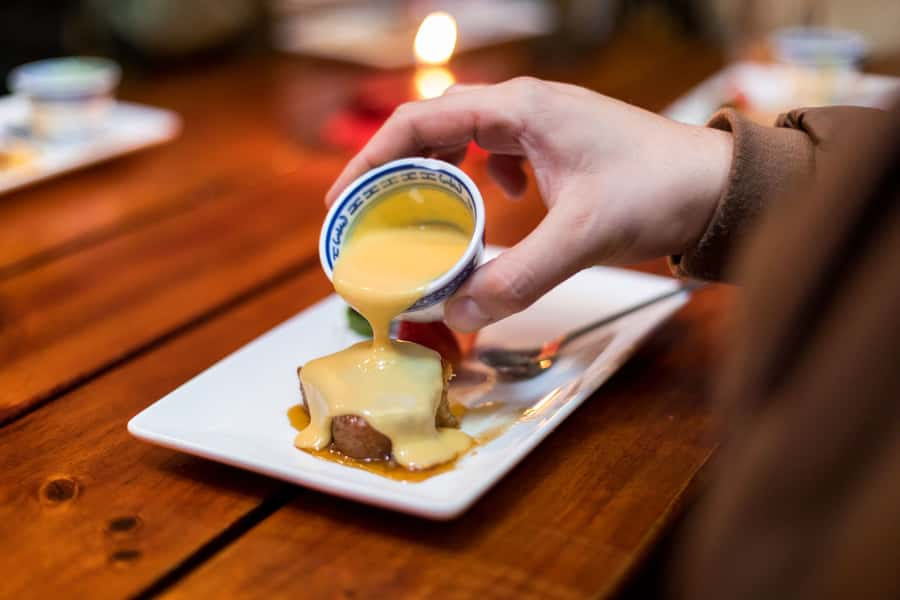
At $134, this sits above a basic market snack walk. The value depends on how you use it. You are paying for a four-hour guided route, several substantial tastings, multiple drink pairings, and historical interpretation across four areas.
The beer tasting alone includes three beers and three food pairings. Add bobotie with bubbles, coffee, gin, rooibos, ice cream, and other local dishes, and the price becomes easier to understand. You are also avoiding the trial-and-error cost of choosing restaurants yourself.
I would call it good value if you want a structured introduction to Cape Town and plan to use the guide’s recommendations for later meals. It is less appealing if your main goal is a long, leisurely lunch or a cheap way to sample one neighborhood.
Extra food and drinks cost more, and transport is not included. Plan your own way to Bo Kaap Deli and from the final stop. The route ends toward the V&A Waterfront, which can be convenient if you already plan to spend time there afterward.
Who should book this experience?
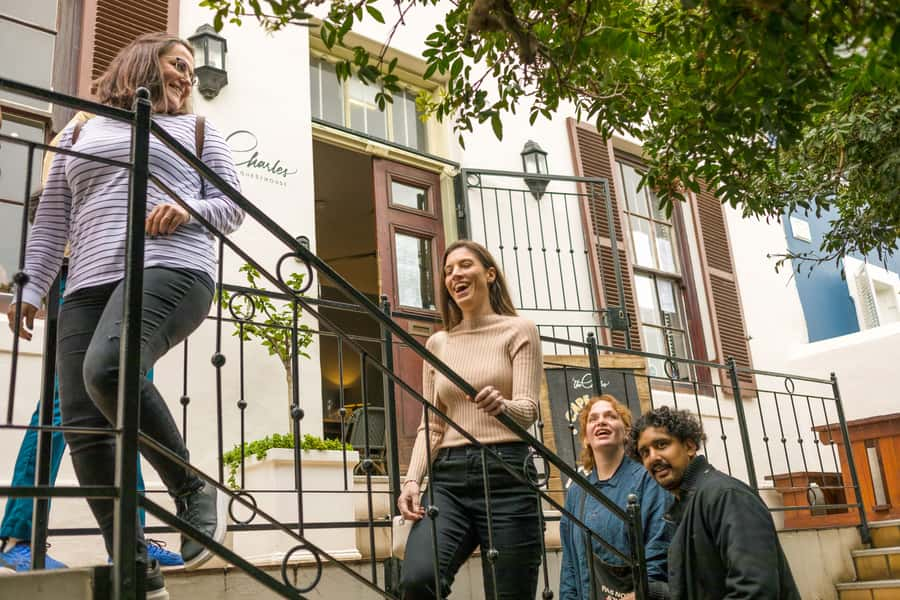
I would recommend it to first-time visitors who want food, history, and orientation in one half-day. It is also a strong choice if you have arrived with a free afternoon and want an organized introduction without committing to a full-day excursion.
Food-focused visitors will appreciate the range, especially the contrast between Cape Malay dishes, African cooking, beer pairings, fynbos ice cream, and local gin. People who prefer a story with their meal will get more from this than from a standard restaurant tasting.
You should think twice if you dislike walking, avoid all shared group activities, or prefer to choose every dish yourself. The tour has a planned sequence, and the amount of food may feel heavy for a small eater. It is also not suitable for several mobility and health needs listed above.
The 4.9 rating from 56 ratings reflects a very strong response, with repeated praise for the food, drink variety, local stops, and guides. The most consistent strength is the combination of excellent tastings and clear explanations. That is what makes the afternoon feel like a useful introduction rather than four hours of eating.
Final verdict: book it for a flavorful first look at Cape Town
Book the Cape Town Essential Food and Drink Tour if you want a lively, social way to understand the city through its cooking. You will see Bo-Kaap, De Waterkant, Green Point, and the Waterfront, taste a wide range of South African food, and hear difficult but important stories along the way.
I would book it early in your Cape Town stay, then use the guide’s recommendations for later meals. Arrive ready to walk, eat lightly beforehand, wear sensible shoes, and tell the operator about allergies as soon as you reserve. If those conditions suit you, the $134 price buys a well-rounded half-day with real culinary variety and strong local context.
FAQ
Where does the Cape Town Essential Food and Drink Tour start?
The tour starts inside Bo Kaap Deli. Look for the guide at the door or inside the deli.
How long does the tour last?
The experience lasts four hours.
Which areas does the walking route cover?
The route includes Bo-Kaap, De Waterkant, Green Point, and the V&A Waterfront.
What food and drinks are included?
Included tastings feature coffee with a pairing, bobotie with bubbles, three beers with a three-way food pairing, craft ice cream infused with fynbos, and an Inverroche gin tasting. Other local foods may include koeksisters, bunny chow, pap, chakalaka, and African dishes.
Is alcohol required?
No. Vegetarian and non-alcoholic options are available.
Is hotel pickup included?
No. Transportation to and from the tour is not provided.
What should I bring?
Bring a passport or ID card, comfortable shoes, and sunscreen.
Is the tour suitable for people with limited mobility?
No. The experience includes around two miles of walking between tasting locations and is not recommended for people with limited mobility or wheelchair users.
Can I cancel for a refund?
You can cancel up to 24 hours in advance for a full refund. You can also reserve now and pay later.
Just added in the world
- Copenhagen Private Culinary Food Tour with 6 Tastings of Classics★ 5.0 · 42 reviews
- Copenhagen Private Food Walking Tour with 6 or 10 Tastings★ 4.5 · 177 reviews
- Copenhagen Food & Drink Private Tour: Scandinavia Delight Tasting★ 5.0 · 236 reviews
- Copenhagen Modern Food Tour★ 5.0 · 32 reviews
- 3-hour Culinary Bike Tour in English★ 5.0 · 235 reviews
- Copenhagen Best of Danish Pastry Tasting Tour★ 5.0 · 30 reviews
- Classic 3-Hour Food Tour in Colorado Springs★ 5.0 · 408 reviews
- COLOMBO PRIVATE CITY TOUR WITH street food( All inclusive )★ 4.0 · 40 reviews
Tours, compared.
Ho Chi Minh City Street Food Tour & Sightseeing By Motorbike
Read our review →
Shinjuku Food Tour (13 Dishes at 4 Local Eateries)
Read our review →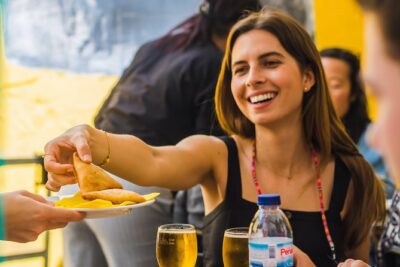
Winner 2025 Undiscovered Lisbon Food & Wine Tour by Eating Europe
Read our review →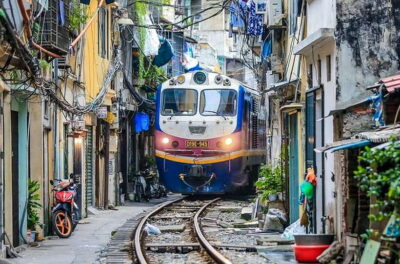
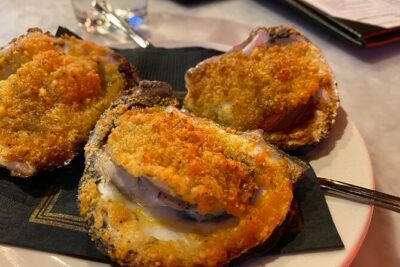
New Orleans Food Walking Tour of the French Quarter with Small-Group Option
Read our review →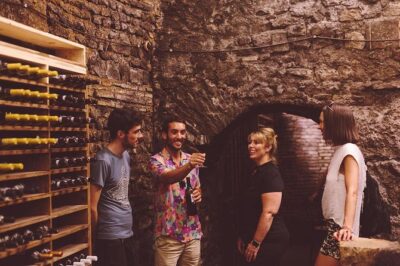
Winner 2025 Rome Twilight Trastevere Food Tour by Eating Europe
Read our review →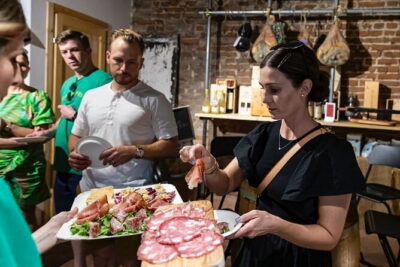
Winner 2025 Florence Sunset Food & Wine Tour by Eating Europe
Read our review →