
REVIEW · SEOUL FOOD TOURS
Downtown Seoul Guided Food & Market Tour with 8+ Local Tastings
Come hungry, leave with a Seoul game plan. This three-hour food walk links traditional market stalls, local dishes, palace-area sights, and a quiet tea stop in Insadong. I like the way it introduces Korean food through small portions rather than one large meal, and I like the cultural stories that explain why each dish matters.
The small group, capped at 12 people and often closer to 10, makes it easier to hear the guide and ask questions. Guides such as Alex, Jae, Youla, and Ji Yoon have been praised for their warmth and practical advice. The main caution is value: at $98 per person, this is not a cheap lunch, and the menu may feel sweet-heavy or less varied if you expect barbecue, noodles, or a full spread of banchan.
Five things to know before booking
- Start with Seoul market food: The tour begins at 214 Jong-ro, close to the traditional market area, where you can sample dishes in the setting where many locals buy them.
- Expect eight or more tastings: The planned menu includes mung bean pancake, mandu, tteokbokki, fish, kimbap, sweet bread, honey snacks, rice cake, tea, and a secret dish.
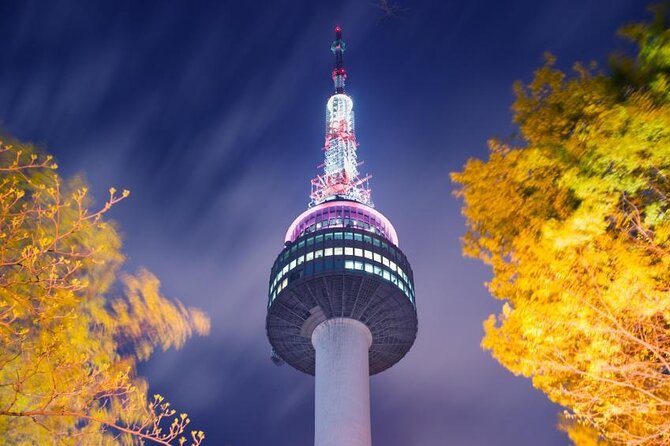
- The route adds major sights: You may pass Gyeongbokgung Palace, Gwanghwamun Gate, Bukchon Hanok Village, N Seoul Tower, and Jongmyo Shrine.
- Guides are a major part of the value: Alex, Jae, Youla, and Ji Yoon are especially praised for clear explanations, food knowledge, and personal recommendations.
- Finish near Anguk Station: The tour ends at a traditional teahouse in Insadong, about 100 meters from Anguk Station on Seoul Subway Line 3.
- Wear walking shoes: The route is not described as strenuous, but you will walk through markets and central Seoul streets while eating along the way.
Starting among Seoul’s market stalls
The meeting point is at 214 Jong-ro in Jongno District, a useful location for a food tour because this part of central Seoul puts royal-era landmarks, markets, old neighborhoods, and modern restaurants within reach of one another.
The food portion begins quickly. One account describes sitting down at a restaurant almost immediately after arrival, which is good news if you are hungry but worth knowing if you prefer a slow introduction. Do not eat a large breakfast before this tour. You will want room for many small portions.
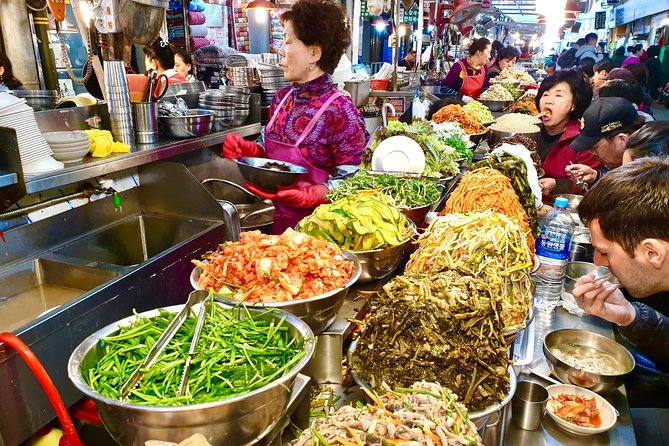
The market setting is part of the lesson. You are not simply handed prepared samples in a private room. You see the stalls, the crowds, the displays, and the quick rhythm of Korean food shopping. A guide helps you make sense of what you are seeing and points you toward stalls worth remembering for another meal.
That guidance matters in a large market. Without help, you might recognize familiar foods but miss less obvious specialties or hesitate at an unfamiliar stall. The tour gives you a safer way to try dishes you might otherwise skip, including foods such as beef tartare or less familiar fish preparations.
More market food tours in the world:
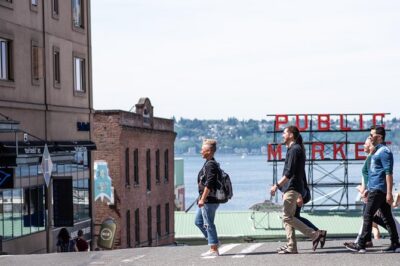
- Chef Guided Food Tour of Pike Place Market
★ 5.0 · 3,733 reviews - Tokyo Tsukiji Fish Market Food and Culture Walking Tour
★ 5.0 · 3,184 reviews - London Bridge & Borough Market Food Tour with 7 Authentic Dishes
★ 5.0 · 1,972 reviews
Mung bean pancakes and the first savory bites
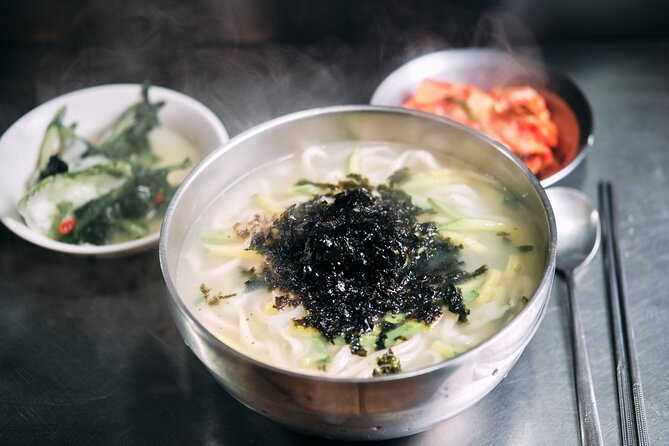
Nokdujeon, or mung bean pancake, is one of the most consistently praised tastings. It is fried and hearty, with a texture that is more substantial than a thin crepe. The planned pairing with sweet onions adds contrast to the savory pancake.
This is the kind of food that explains why a market tour works well in Seoul. The dish is simple, filling, and tied to everyday Korean eating rather than just famous restaurant specialties. You may also hear about how the food is prepared and why it is served in this setting.
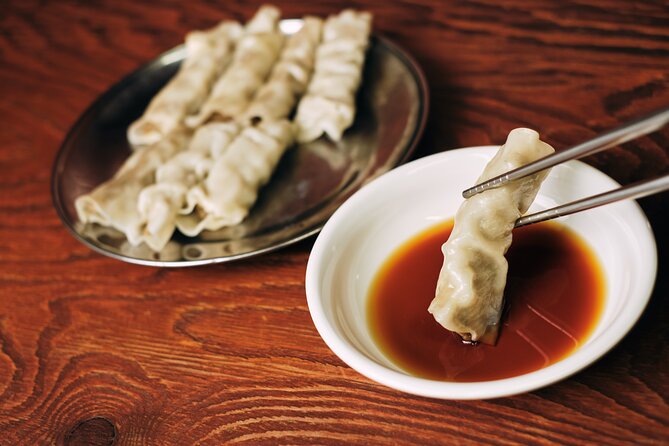
Mandu, or Korean dumplings, and tteokbokki are also included in the planned tasting list. Tteokbokki brings a little heat through chewy rice cakes in a spicy sauce. The spice level is described as slightly spicy, but individual tolerance varies, so ask your guide if you are sensitive to heat.
Mandu gives you a softer, more familiar counterpoint. The menu promises Korean dumplings, though the exact dish selection can change. One critical account noted that mandu was not served on that particular tour, so I would treat it as a planned item rather than an absolute guarantee.
Fish, broth, and the foods you might skip alone
Another stop features minced fish fillets with a small serving of fish soup. This is a useful addition because it moves the tour beyond the most recognizable street foods. Fish cake and broth also appear in descriptions of the tasting sequence.
The warm broth can provide a break between fried, spicy, and sweet foods. It also gives your guide a chance to explain how fish-based snacks fit into Korean market eating. These small pieces of context are one reason the tour is more useful early in a Seoul visit than at the end.
The food list may vary. Descriptions of the experience include beef tartare, baby octopus, fried chicken, kimchi, and other market dishes, while the official planned menu names fish, dumplings, pancakes, and rice-based foods. You should expect a thoughtful selection, not a fixed restaurant menu.
If you have an adventurous palate, that flexibility is a plus. If you want a precise list of dishes, contact the provider before booking. The company warns that dietary restrictions can be difficult to accommodate because the tour is designed around a balanced food sequence.
Kimbap, cream bread, and Seoul’s sweeter side
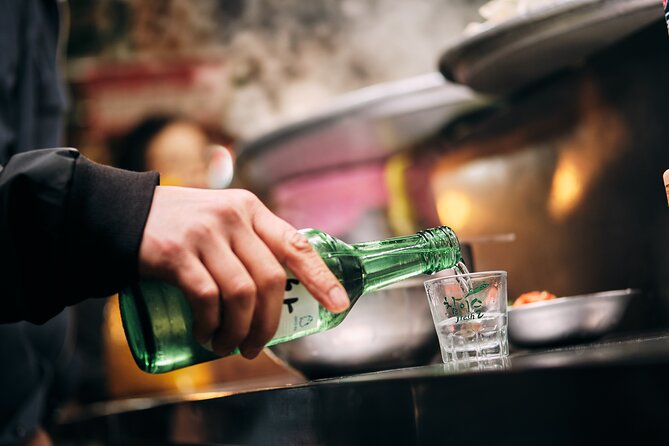
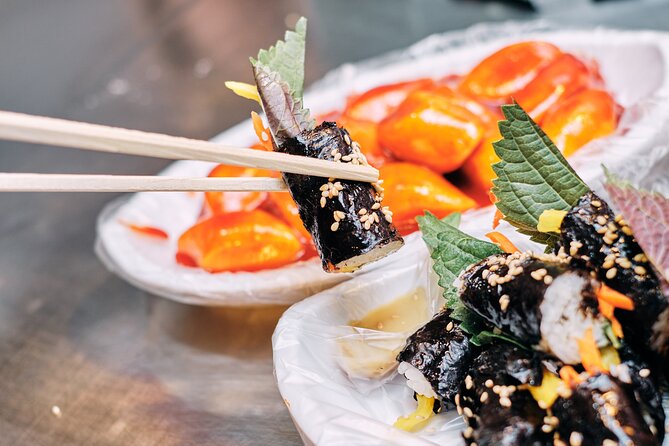
Freshly prepared kimbap is another planned tasting. These seaweed rice rolls are easy to eat and usually offer a mild, tidy pause after stronger flavors. The tour pairs them with sweet and salty cream bread, which shifts the meal toward Seoul’s bakery culture.
This is where the tour shows both its charm and its possible weakness. Korean food is not limited to barbecue, noodles, or fermented side dishes. Bakeries and sweet snacks are part of modern city eating, and the cream bread helps show that side of Seoul.
Still, some people will find the balance too focused on desserts and baked goods. One dissatisfied customer wanted more noodles, barbecue, chicken, and pickled foods. If you already know Korean food and want an all-savory tour, this may not be the best match.
You can also get a feel for the day’s generous pacing from the advice given by the guides: do not fill up at the first stop. The portions are intended to add up, and stopping for a large meal before or during the tour would make the later tastings less enjoyable.
A few more food tours in the world worth a look
- Pike Place Market Tasting Tour
★ 5.0 · 1,696 reviews - Small Group Cooking Class & Market Food Tour in Florence
★ 5.0 · 1,574 reviews - Nishiki Market Brunch Walking Tour (7 Tastings + Brunch)
★ 5.0 · 1,355 reviews - Bologna Food & Market Tour with 6 Tastings, Pasta, Wines & More
★ 5.0 · 1,328 reviews
Sweets, rice cake, and a final cup of tea
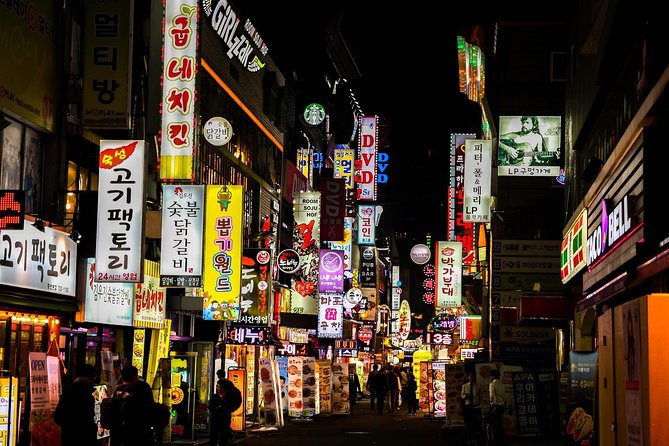
The closing section includes a Korean honey snack, grilled rice cake, and traditional tea. The final stop is a hidden teahouse in Insadong, about 100 meters from Anguk Station.
This ending works well. After the noise of the market and the sharper flavors earlier in the walk, tea gives the group a calmer place to sit, talk, and absorb the experience. Insadong also makes a practical next stop for browsing, cafés, and traditional-style shops.
The sweet side of the tour is not an accident. It is part of the provider’s effort to show foods you might not encounter on your own. Still, the balance will not suit everyone. If you prefer a meal built around meat and noodles, ask about the current menu before paying.
The secret dish is another variable. It adds surprise, but it also means you cannot plan the entire tasting list in advance. That is fun for curious eaters and less appealing for very cautious ones.
Palace gates, hanok lanes, and Seoul’s royal past
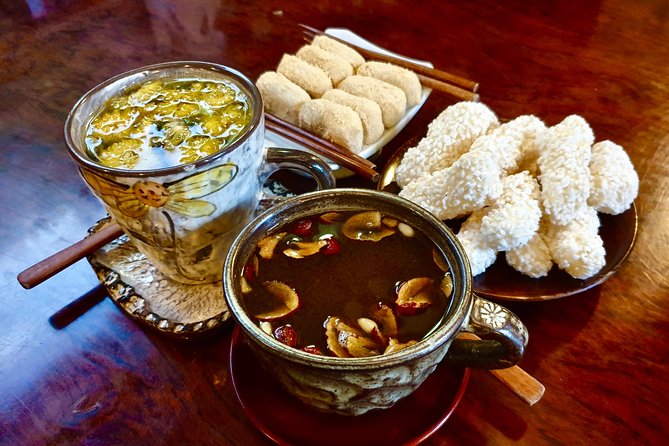
Food is the main event, but the route also helps you place the dishes within central Seoul. The experience may pass Gyeongbokgung Palace, the largest and best known of the Joseon palaces, and Gwanghwamun Gate, its main entrance.
Gyeongbokgung was built in 1395 as the main royal palace of the Joseon dynasty. Seeing the palace area alongside market food gives you two sides of Seoul in one morning or afternoon: formal royal architecture and everyday eating.
The route also includes Bukchon Hanok Village, a traditional neighborhood on a hill between Gyeongbokgung Palace, Changdeok Palace, and Jongmyo Royal Shrine. Its traditional houses and sloping streets make it a memorable part of central Seoul, though hills and uneven walking surfaces are another reason to wear comfortable shoes.
Jongmyo Shrine is one of the five grand palaces and shrine sites associated with Joseon royal life. The tour does not promise an interior visit to every landmark, so think of these sights as part of the walking route and cultural setting, not as a palace admission tour.
N Seoul Tower, also called Namsan Tower or Seoul Tower, is listed among the places connected with the experience. The available details do not specify an observation-deck visit, so do not book this tour expecting dedicated tower entry. The value lies in combining recognizable sights with local food stops.
What the guides add to the meal
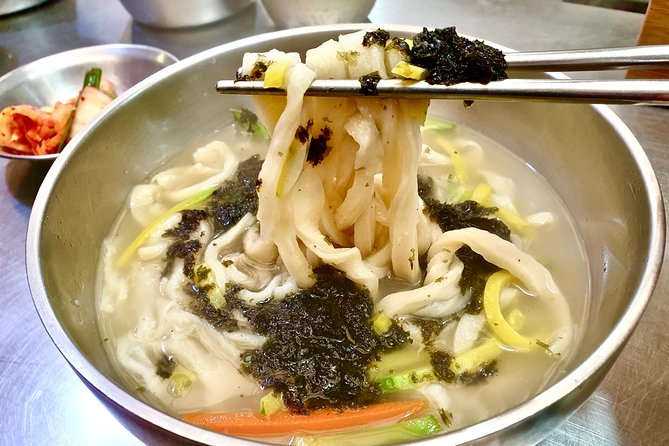
The guides appear to be the strongest part of the experience. Alex is praised for patience, clear English, travel advice, and knowledge of both Korean heritage and life in the United States. Jae is repeatedly credited with explaining the names of dishes, the history of foods, and the meaning behind different stalls.
Youla is described as fun and well organized, with a strong command of the market route. Ji Yoon received especially warm praise for staying attentive after the tour, helping arrange a taxi, and offering restaurant suggestions for an anniversary dinner.
Those details matter because food tours can feel rushed or mechanical. Here, the guide is expected to do more than point at a dish and name it. You get help understanding what you are eating, how it was made, and where you might return later.
The guides also leave room for the group to talk and enjoy the walk between stops. That is a small but important point. A nonstop lecture can make a three-hour tour tiring. The better version of this experience gives you information, then lets you eat and look around.
Group size, walking, and practical comfort
The maximum group size is 12 people, with the tour promoted as a small group of about 10. That is a good middle ground. You get the social energy of a shared experience without being lost in a large crowd.
A private option is available for you and your own group. The supplied details do not state the private-tour price, so you would need to check that before booking. It may suit families or friends who want a slower pace and more control over food choices.
The tour lasts about three hours and finishes in Insadong. There is no hotel pickup or drop-off, so you must reach the starting point yourself and arrange your own way onward. The end point is convenient for the subway, with Anguk Station nearby.
Comfortable walking shoes are strongly advised. Most people can participate, and the tour is near public transportation, but market lanes, palace-area streets, and Bukchon’s hills can make the walk feel more demanding than the short duration suggests.
Pets are not permitted. Dietary restrictions may be difficult to handle, and you should contact the provider before booking if you need vegetarian, allergy-sensitive, halal, gluten-free, or other specific arrangements. One vegetarian party did find plenty of suitable choices, but you should not assume every restriction can be covered.
Is $98 a fair price?
At $98, this tour costs more than simply buying snacks at a market. You are paying for the guide, the planning, the translation of unfamiliar food customs, and the chance to sample several items without ordering full portions.
The price makes more sense if you are new to Seoul, want a structured introduction, or feel unsure about eating at market stalls. It also has value on your first day because the guide can point out places and dishes worth returning to later. Several people used the tour as a way to decide where to eat and shop during the rest of their stay.
The price is harder to justify if you already know Korean food, have taken many food tours, or mainly want maximum variety. You could spend less on your own and perhaps choose barbecue, noodles, fried chicken, and market snacks according to your taste.
The strongest value comes from the stories and the guide’s judgment, not from the raw amount of food. You will leave full, but this is still a guided cultural walk with tastings rather than an all-you-can-eat meal.
Who should book this Seoul food walk?
I would recommend it to first-time Seoul visitors, curious eaters, couples, and small groups who want an easy introduction to Korean dishes. It is especially useful if you are nervous about ordering at markets or want to learn the names and background of foods before exploring alone.
It also suits people who enjoy variety. You can try mung bean pancake, dumplings, rice cakes, fish, kimbap, bread, honey snacks, and tea without committing to a full plate of each. That makes it easier to test unfamiliar flavors.
I would be more cautious if you have strict dietary needs, dislike sweets, or expect barbecue and noodles. The menu can change, and the tour’s food mix is broader than the standard Korean dishes many people first imagine.
Free cancellation is available when you cancel at least 24 hours before the start time. Changes or cancellations inside that window are not accepted for a refund.
Should you book it?
Book this tour if you want a friendly, guided start to Seoul’s food culture and like the idea of pairing market tastings with palace-area sights. The small group, strong guide feedback, convenient Insadong finish, and wide range of small portions make it a practical first or second day activity.
Skip it if $98 feels high for a lunch-sized amount of food or if you want a serious tour of barbecue, noodles, and banchan. Before booking, ask about the current menu if you have dietary restrictions or a firm list of must-try dishes. For most curious first-time visitors, the biggest reward is leaving with both a full stomach and a list of places to revisit.
FAQ
How long does the Seoul food and market tour last?
The experience lasts approximately three hours.
How many people are in the group?
The tour has a maximum of 12 participants and is promoted as a small group of about 10 people.
Where does the tour start?
It starts at 214 Jong-ro in Jongno District, Seoul.
Where does the tour finish?
The tour ends at a traditional teahouse in Insadong, about 100 meters from Anguk Station on Subway Line 3.
Is lunch included?
Yes. The food tastings and lunch are included in the tour price.
What foods are included?
The planned tastings include mung bean pancake with sweet onions, mandu, slightly spicy tteokbokki, minced fish fillets with fish soup, fresh kimbap, sweet and salty cream bread, a Korean honey snack, grilled rice cake with traditional tea, and a secret dish.
Can dietary restrictions be accommodated?
Some dietary needs may be accommodated, but the provider warns that certain restrictions cannot always be handled. Contact the provider before booking to discuss your requirements.
Just added in the world
- Private Chicago Food Tour with Deep Dish and Beef Sandwich★ 5.0 · 61 reviews
- River North Food Walking Tour★ 4.5 · 88 reviews
- Chicago Food Tour: Taste the City’s Most Iconic Eats★ 5.0 · 111 reviews
- Chicago’s West Side Foodie Ride Bike Tour★ 5.0 · 112 reviews
- Old Town Chiang Mai Food Tour with 10+ Local Dishes Tastings★ 5.0 · 21 reviews
- Go where the locals go, Eat what the locals eat! Food Tour with Local Foodies★ 5.0 · 138 reviews
- Motorbike Food Tour in Chiang Mai★ 5.0 · 54 reviews
- Food Trail Through Sowcarpet Market: A Taste of Chennai★ 5.0 · 38 reviews
Market Food Tours, compared.
Tokyo Tsukiji Fish Market Food and Culture Walking Tour
Read our review →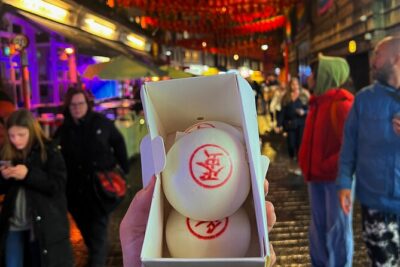
London Bridge & Borough Market Food Tour with 7 Authentic Dishes
Read our review →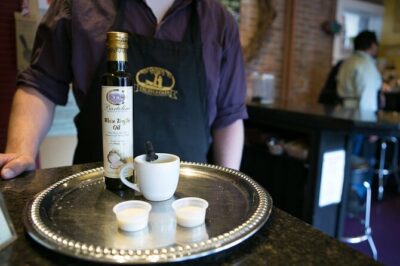
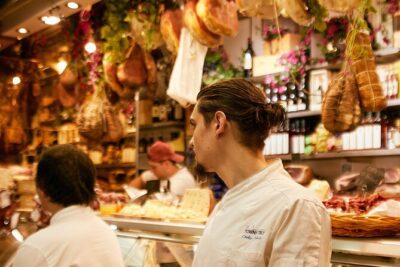
Small Group Cooking Class & Market Food Tour in Florence
Read our review →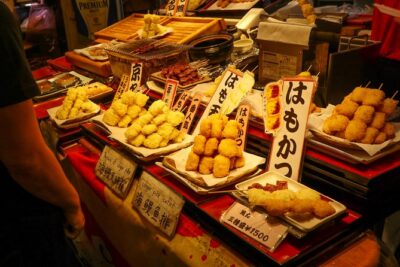
Nishiki Market Brunch Walking Tour (7 Tastings + Brunch)
Read our review →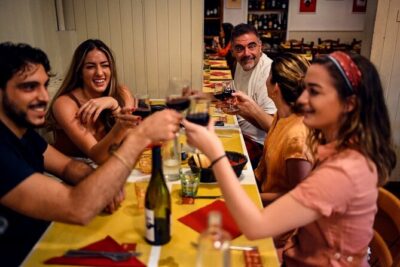
Bologna Food & Market Tour with 6 Tastings, Pasta, Wines & More
Read our review →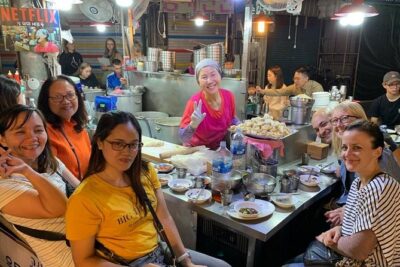
Browse the lists this tour appears in