
REVIEW · SPAIN FOOD TOURS
Granada: Walking Food Tour
Granada tastes better one small plate at a time. This 3.5-hour walk links family-run shops, old taverns, tapas bars, and restaurants, with plenty of local food and drink along the way. I like the strong mix of eating and city history, especially the stories behind ham, olive oil, wine, and Granada’s many cultural influences. I also like that the tour ends with a substantial meal rather than a few token samples.
The main thing to consider is the pace and size of the meal. You will walk between stops, then eat generously at several places, so this suits hungry visitors who enjoy a long food-focused outing. It may be less appealing if you prefer a light tasting or need step-free access, since the tour is not suitable for wheelchair users.
Key points at a glance
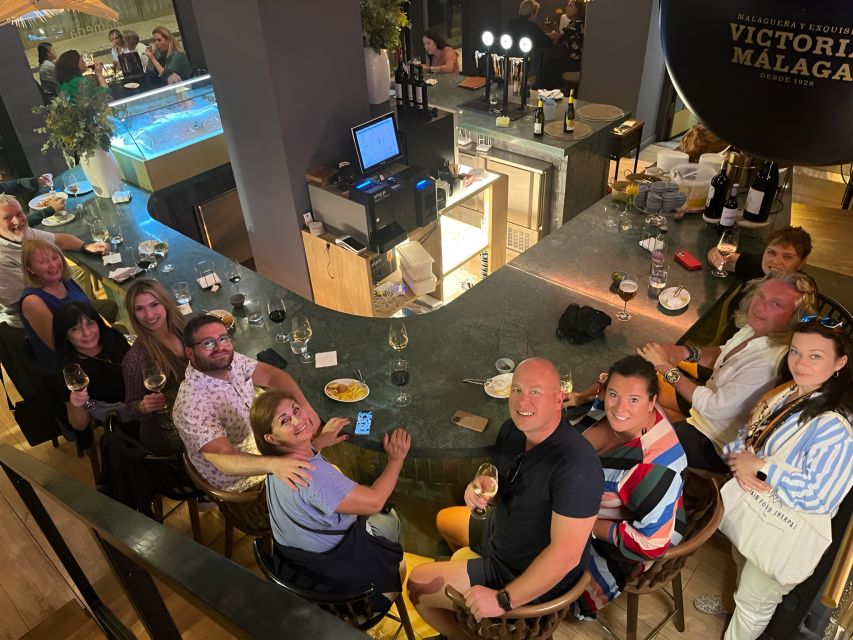
- Three and a half hours of serious eating: The included food and drinks are intended to cover a full lunch or dinner.
- Ham takes center stage: Compare Serrano ham from Granada with Iberian ham from Andalusia, while learning how mountain air helps cure it.
- Food explains Granada’s past: The tour connects local dishes to Roman, Sephardic, Berber, and Nasrid influences.
- Chikito adds literary flavor: Eat traditional recipes at a restaurant linked with artists, writers, and poets from the early 1900s.
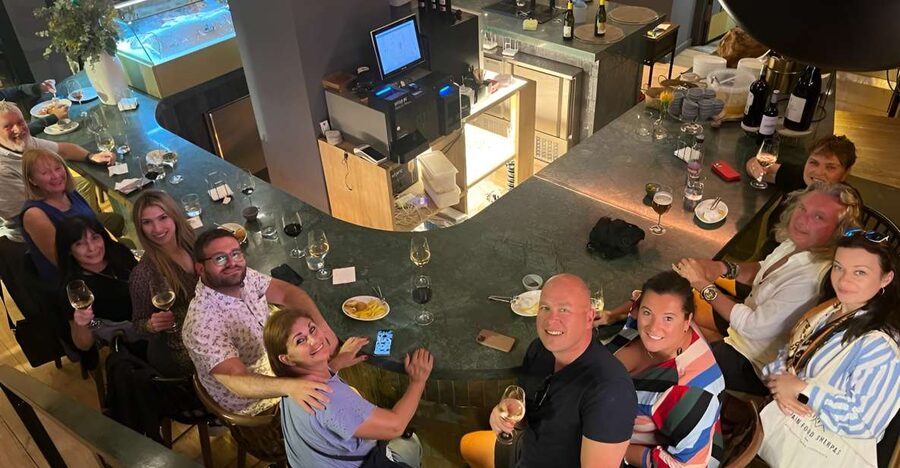
- Small groups make questions easy: The maximum is 10 people, and guides such as Katia, Laura, Bruce, and Marcel are praised for their food and city knowledge.
- A good first-day choice: The route helps you get your bearings and gives you useful restaurant suggestions for the rest of your stay.
Why Granada works so well as a food city
Granada is often treated as a place you visit for the Alhambra, then perhaps a flamenco show. Food gives you another way into the city. A plate of ham can lead to a conversation about mountain villages. A glass of regional wine can explain the province’s farming traditions. A simple tapa can open a door to centuries of changing rule and trade.
This tour focuses on that connection. You are not only eating local recipes. You are learning why Granada’s cuisine looks the way it does, with influences from Roman times, Sephardic Jewish cooking, Berber traditions, and the Nasrid period.
I like this approach because it gives the meal a sense of place. You are not simply moving from bar to bar collecting snacks. You are learning what comes from Granada province, what is made elsewhere in Andalusia, and how local products reach the table.
The tour also takes you beyond the most obvious visitor stops. The route includes family-run businesses, a traditional tavern, restaurants, food shops, and other local food spots. Exact stops can vary, but the aim is clear: show you parts of central Granada that you might not select on your own.
More Food Walking Tours in Spain
- Barcelona: Food Walking Tour with Tapas and Wine
★ 4.9 · 2,180 reviews - Barcelona: Guided Food Walking Tour with Tapas and Wine
★ 5.0 · 848 reviews - Barcelona: El Born Food Walking Tour with Tapas and Drinks
★ 4.9 · 662 reviews
Meeting the ham of Granada and Andalusia
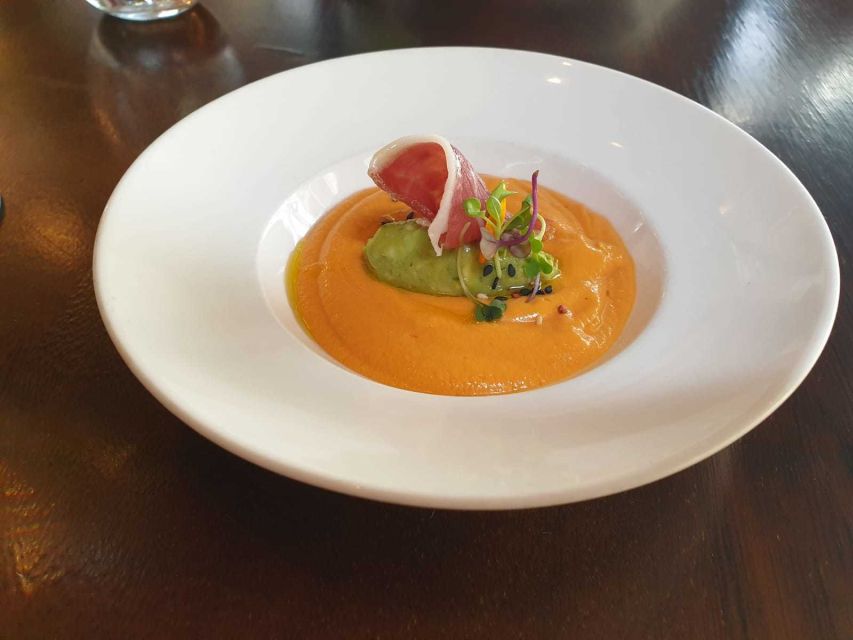
Ham is one of the tour’s main subjects, and this is more useful than a quick tasting with no explanation. You learn about Serrano ham from Granada, as well as the more prestigious Iberian ham produced in Andalusia.
The guide explains how ham is cured in the Alpujarra mountain villages, where the fresh Sierra Nevada air helps with the drying process. That detail gives the product a clear geographic identity. It is not just Spanish ham in general. You are tasting something tied to mountain climate, local production, and long-standing practice.
You can expect to compare different hams rather than sample only one slice. This matters if you are unsure why Iberian ham costs more, or if you want help noticing differences in texture and flavor. The guide can also place the food in the larger Spanish system of production and food standards.
Several people found the ham especially memorable, while others valued the explanation of how Spanish staples are made. I would pay close attention here, since this is the kind of information that helps you shop with more confidence later. You may even want to buy ham or other products after the tour, though purchases are not included.
One detail matters for scheduling: the Iberian ham tasting is not included on Saturday evenings. If this particular tasting is important to you, check the available departure and ask before booking.
Local drinks, olive oil, and the taste of the province
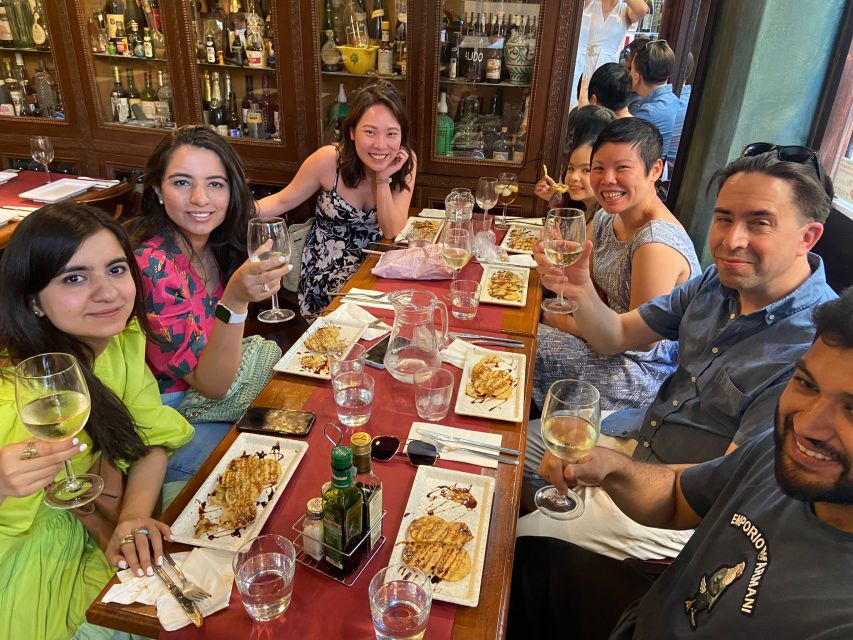
Food is only half the experience. The tour includes local wines and drinks such as Tinto de Verano, a refreshing mixture of red wine and a fizzy mixer that is common in Spain. You may also try vermouth, depending on the route and stops.
The regional wines are used as part of the meal, not treated as a separate lecture. Your guide explains how they pair with the food and gives context about wine made in the Granada region. This is useful if you usually order wine by guesswork and want a few practical clues for Spanish restaurants.
Olive oil receives its own attention. One stop can include a tasting at a local shop, with an explanation of how olive oil is produced and how different types compare. This is a strong part of the tour for families and non-drinkers, since it gives you something substantial to learn and taste even if you do not drink wine.
The inclusion of olive oil also helps show how broad Andalusian food culture is. Granada is not only about ham and tapas. Oil, spices, sweets, wine, and preserved foods all play a role.
Additional drinks are not included, so keep that in mind if you plan to order beyond the planned tastings. The listed food and drinks are designed to provide a full meal, but the cost does not cover every extra beverage.
Tapas, taverns, and the central Granada route
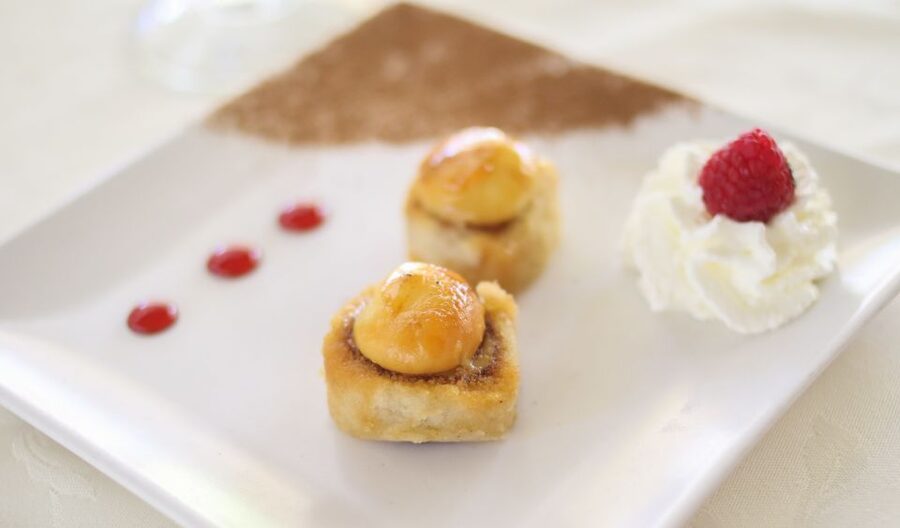
The walking element keeps the meal from feeling like one long restaurant sitting. You move through central Granada, stopping at different bars and restaurants rather than eating everything in one place.
A good guide makes these short walks useful. Bruce is praised for combining food stops with clear explanations of Granada’s past. Laura is often described as cheerful, local, and easy to talk with. Katia brings restaurant experience, including years running a restaurant in Granada, which gives her a practical understanding of both cooking and service.
Other guides include Marcel, Molly, Kate, and Emma. The experience can therefore vary somewhat by departure, but the repeated strength is the guide’s ability to connect dishes with the city.
The stops are not limited to standard tapas. You might visit a spice shop, a sweet shop, a souk area, or a food market. Some routes include local products such as turrón, herbs, cheese, and olive oil. These shopping stops add variety and show you what to look for in Granada’s food shops.
You should expect a relaxed walking pace rather than a sightseeing march. Still, wear comfortable shoes. The tour lasts three and a half hours and includes several stops, so standing, walking, and eating are all part of the evening.
The route can also help you get your bearings fast. Several people wished they had booked the tour on their first day because the guide’s restaurant suggestions proved useful later. If you are staying in Granada for several nights, taking the tour early may help you make better dining choices afterward.
Same city, a different table:
- Barcelona: Tapas Walking Tour with Food, Wine, and History
★ 4.8 · 4,261 reviews - Madrid Tapas & Wine Tasting Walking Tour – Small Group Local Bars
★ 5.0 · 3,644 reviews - Sevilla Food Tour: Tapas, Wine, History & Traditions
★ 5.0 · 3,468 reviews - Madrid Tapas & Taverns Small Group Food & History Tour
★ 5.0 · 2,664 reviews
Chikito and Granada’s cultural table
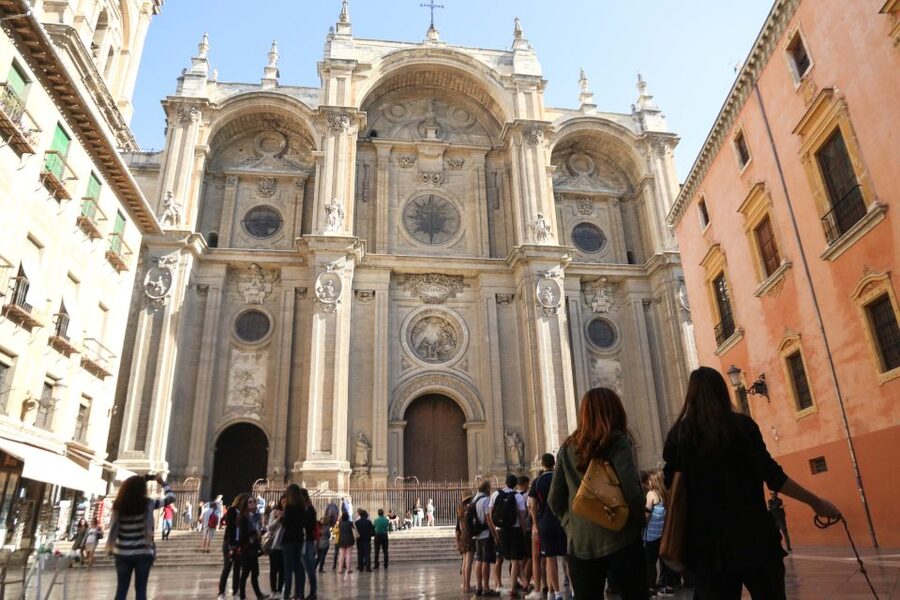
Chikito is one of the most distinctive stops. The restaurant is tied to local artists, writers, and poets who met there in the early 1900s. That connection gives the meal a sense of social and cultural history, not just a place to sit down and eat.
The dishes served there can include traditional local recipes. Specific examples from the tour include oxtail croquettes, pork with saffron, Iberian pork, and presa ibérica. These are hearty foods, and they help explain why the included meal can replace dinner.
The oxtail croquettes have been a particular favorite, while the pork with saffron offers a good example of how familiar Spanish ingredients can be prepared in a more distinctive regional style. At Chikito, the food is paired with wine, allowing the guide to explain both the dish and the drink.
The restaurant stop also gives the tour a useful change of mood. You begin with products and tastings, move through bars and shops, then sit down for more composed dishes. That progression makes the three and a half hours pass quickly, though anyone seeking a short snack crawl may find it too filling.
What the small group changes
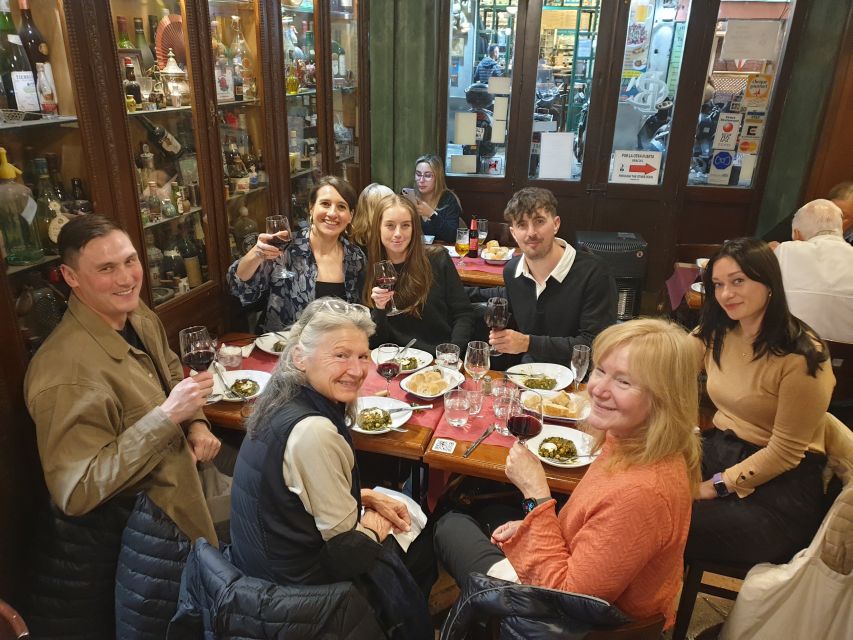
The maximum group size is 10 people. That is small enough for the guide to hear questions and keep the group together while moving through central Granada.
Small groups matter most at food stops. You are more likely to hear an explanation about a particular ham or wine, and it is easier to tell the guide about allergies or dietary needs. Still, you must list specific dietary requirements when booking. Do not assume the guide can adjust the menu without advance notice.
The group atmosphere seems to be part of the appeal. The experience brings together couples, families, solo visitors, and people from different countries. Children can take part, and one family especially appreciated that the tour offered plenty beyond wine, including olive oil and local food.
If you dislike group dining, this may not be your ideal activity. You will share the experience with other people, and the food is served as part of a planned route. The small size helps, but it does not make the tour private.
Is $82 a fair price?
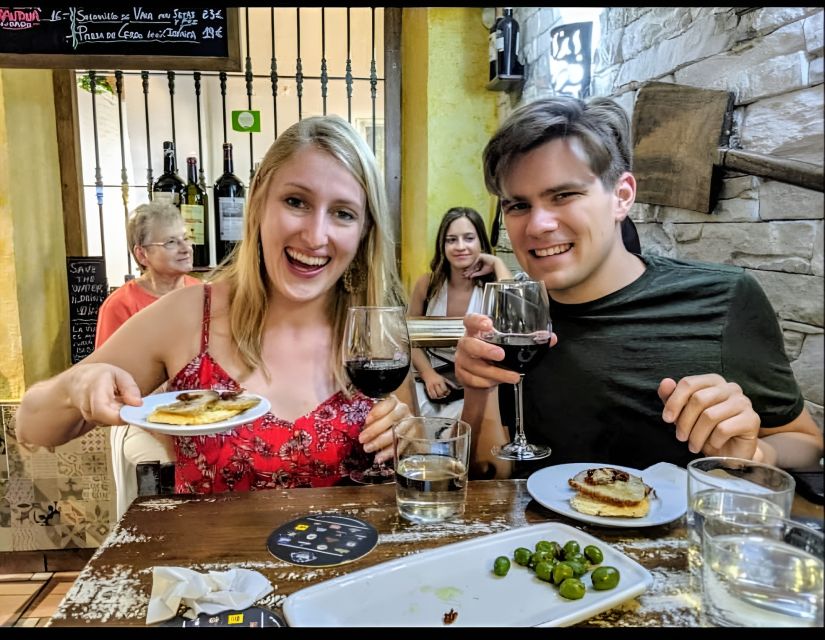
At $82 per person, this is not a budget tapas crawl. The value depends on how much you would otherwise spend on a full meal, several tastings, and a guided city walk.
The price includes food and drinks sufficient for a full lunch or dinner, plus an English-speaking guide. You are paying for ham tastings, regional wines, tapas, restaurant dishes, olive oil or other local products, and the guide’s time at each stop. Several meals described on the tour include generous portions, so most people should not need another full meal afterward.
I think the price is fair for visitors who want a guided introduction to Granada’s cuisine and would otherwise pay separately for several meals and tastings. It is less attractive if you mainly want free tapas with a drink, or if you already know the city’s bars well.
The guide also adds value beyond the food. Katia, Laura, Bruce, and Marcel are praised for explaining preparation, regional products, Spanish food standards, history, and restaurant customs. That kind of local interpretation is difficult to reproduce with a guidebook.
Free cancellation is available up to 24 hours before the start, and you can reserve now and pay later. The meeting point is the kiosk at Teatro Isabel La Catholica, on the Casino sidewalk near Puerta Real. Arrive five minutes early. The operator may leave after 15 minutes, so this is not a good activity for a rushed arrival.
Who should book this food walk?
I would recommend it to first-time visitors who want an introduction to Granada beyond major monuments. It is also a good choice for anyone who enjoys Spanish ham, wine, olive oil, traditional cooking, or the story behind a dish.
Families can enjoy it, especially if some people do not drink wine. The food, sweets, shops, history, and olive oil tasting give the tour more range than its wine element suggests.
It suits curious eaters more than picky eaters. You will encounter local products and recipes, and the experience works best when you are willing to try unfamiliar dishes. A serious allergy or dietary restriction should be discussed before booking.
You should also be comfortable walking and standing for several hours. The tour is not suitable for wheelchair users, and the combination of old city streets, bars, and restaurants may not work well for anyone needing fully step-free access.
FAQ
How long does the Granada Walking Food Tour last?
The tour lasts 3.5 hours and includes walking between food shops, taverns, tapas bars, and restaurants.
What food and drinks are included?
Food and drinks sufficient for a full lunch or dinner are included. Tastings may include Granada ham, Iberian ham, tapas, traditional dishes, local wines, Tinto de Verano, vermouth, olive oil, and other regional products.
Is the tour conducted in English?
Yes. The tour includes an English-speaking live guide.
How large is the group?
The maximum group size is 10 participants.
Where does the tour meet?
Meet at the kiosk at Teatro Isabel La Catholica, on the Casino sidewalk near Puerta Real. You should arrive five minutes before the scheduled start.
Is Iberian ham included on Saturday evenings?
The Iberian ham tasting is not included on Saturday evening departures.
Can people with dietary requirements join?
You must provide any specific dietary requirements when booking. The tour is not suitable for wheelchair users.
Should you book the Granada Walking Food Tour?
Book it if you want a full meal, local products, and useful city context in one outing. The strongest reasons are the small group, the generous food portions, the focus on Granada’s ham and olive oil, and guides with real ties to the city’s restaurant scene.
I would schedule it near the start of your stay, then use the guide’s recommendations for later meals. Skip it if you want a quick, inexpensive snack tour, need step-free access, or prefer to choose every dish and drink yourself. For most food-loving visitors, $82 buys more than tapas: it buys a practical introduction to how Granada eats.
Just added in Spain
- Cadiz Food Tour: Tapas, Drinks and Delights with a Local★ 5.0 · 174 reviews
- Tapas Food Tour in Jerez de la Frontera★ 4.5 · 28 reviews
- Bilbao Food Tour – Basque Gastronomy Experience★ 5.0 · 79 reviews
- Pintxo and Tapas tour with local Food Expert★ 5.0 · 50 reviews
- Basque Best Bites – #1 Food & Wine tour of Bilbao★ 5.0 · 268 reviews
- Bilbao Food Tour: Pintxos, Drinks, and Tapas with a Local★ 5.0 · 88 reviews
- Food & Drink Private Tour of Barcelona in Traditional Taverns★ 4.5 · 32 reviews
- Vidavivida Wine Journey Food and Culture Tour in Barcelona★ 5.0 · 23 reviews
Food Walking Tours, compared.
Reykjavik Food Walk – Local Foodie Adventure in Iceland
Read our review →
New Orleans Food Walking Tour of the French Quarter with Small-Group Option
Read our review →

Savannah First Squares Culinary & Cultural Walking Food Tour
Read our review →
Guided Food Walking Tour with Wine in Trastevere
Read our review →
Trastevere & Campo de Fiori Street Food Walking Tour
Read our review →Browse the lists this tour appears in