
REVIEW · HONG KONG FOOD TOURS
Hong Kong: Street Food Tour with Locals – Dim Sum and Wonton
Hong Kong tastes better one small dish at a time. This three-hour walk links authentic local food with the story of Sheung Wan and Central, from dried seafood shops to family-run cafés, noodle counters, dim sum rooms, and street stalls. I like the wide range, more than 10 tastings, and the way the guide explains why each dish belongs in Hong Kong’s story. I also like that the route avoids polished tourist restaurants and uses places locals actually visit.
Come hungry, because this is not a nibble-only outing. The main drawback is that the tour cannot handle dietary restrictions, and it is not suitable for vegetarians or anyone needing halal food. You will also do a moderate amount of walking, often between busy streets and small food businesses.
Key points at a glance
- Ten or more tastings in three hours: Expect dim sum, wonton noodles, roast pork, pork belly, egg tarts, egg waffles, herbal tea, milk tea, and other local snacks.
- Sheung Wan’s trade story: Wing Lok Street opens a window onto dried seafood, Chinese medicine, labor migration, and Hong Kong’s rise as a commercial center.
- Small local places: The route uses cha chaan tengs, food stalls, noodle shops, restaurants, and market areas rather than international dining rooms.
- A guide-led food lesson: Guides such as Jasmine, Stephen, Michael, Alice, Summer, Hody, Isaac, Wing, and Simeone bring personal stories and practical explanations.
- A filling meal disguised as a walking tour: Several people found they had little room left for dinner, while others appreciated the steady pace and modest portions at each stop.
- A useful first-day choice: You finish near Central Market, with a better sense of what to order during the rest of your stay.
Starting at Sheung Wan MTR and entering old Hong Kong
The meeting point is Sheung Wan MTR Station Exit E2. Pay attention when you leave the train: look for Exit E2 from the platform area, because once you reach the concourse for exits A through D, you cannot simply walk over to Exit E. That small detail can save you a confused few minutes underground.
From there, the tour moves through Sheung Wan, one of the best parts of Hong Kong Island for seeing older food traditions beside newer businesses. The route eventually reaches Queen’s Road Central and finishes at Central Market, so the three hours give you both a neighborhood walk and a meal-sized introduction to Hong Kong.
The route is not a formal restaurant crawl. You may eat standing up, sit briefly in a small café, or share dishes at a local restaurant. That variety matters. Hong Kong food culture is not one single dining style. It ranges from quick tea and toast to carefully folded dumplings and elaborate dried ingredients sold by weight.
Wear comfortable shoes. The walking is manageable for most people, but the experience involves several stops, street crossings, and time on your feet.
More street food tours in the world:
- Ho Chi Minh City Street Food Tour & Sightseeing By Motorbike
★ 5.0 · 9,413 reviews - Naples: Street Food Walking Tour with Local Guide
★ 4.9 · 4,976 reviews - Small Group Hanoi Street Food Tour with a Real Foodie
★ 5.0 · 4,682 reviews
Wing Lok Street and the price of dried seafood
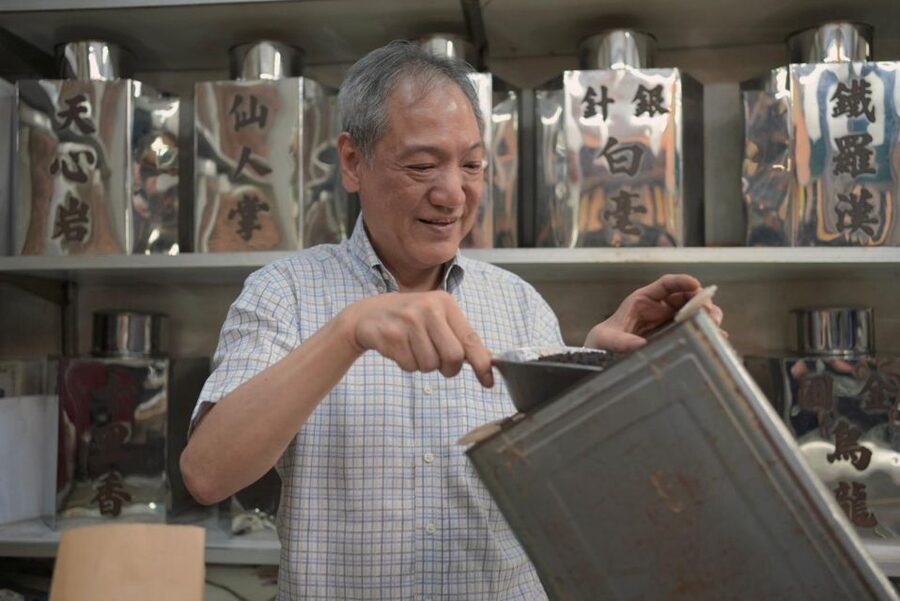
Wing Lok Street is one of the tour’s strongest historical stops. Its dried seafood shops sell ingredients associated with Chinese banquets, traditional medicine, and gift giving. Look for shark fin, bird’s nest, and cordyceps, including rare cordyceps priced at around HKD $200,000 per catty.
You are not simply being shown expensive products for their shock value. The point is to understand how trade shaped this corner of Hong Kong. The city grew from an opium-trading port into a labor hub and then a financial center. Dried seafood and medicinal products are part of that commercial story, just as much as modern banks and office towers are.
The guide also explains how Chinese laborers were shipped overseas through Hong Kong, helping supply workers for projects and industries abroad. That history adds weight to the walk. You begin to see Sheung Wan not as an old-looking district preserved for sightseeing, but as a working quarter tied to migration, shipping, trade, and family businesses.
The stop can be visually interesting even if you have no desire to buy anything. You will see ingredients that may be unfamiliar, costly, or ethically complicated. The tour presents them as part of local commerce and tradition, not as a shopping requirement.
Sheung Wan Cultural Square and local food customs
At Sheung Wan Cultural Square, the focus shifts from trade to everyday life. This is where the guide can connect food with customs that are easy to miss if you simply order from a menu.
One useful lesson concerns dim sum. Today, har gow and other steamed dumplings are ordinary restaurant food, but dim sum grew from tea-drinking traditions and became tied to business meetings, social gatherings, and merchant life. The tour explains how food that once carried a more formal or high-status image became part of ordinary Hong Kong dining.
That change tells you something useful as a visitor. You do not need to save dim sum for an expensive hotel restaurant. You can find it in modest neighborhood rooms, where the pace is quick and the menu is designed for sharing.
Guides also explain dining customs along the way. You may learn how to approach a small shop, how dishes are commonly shared, and why certain drinks or snacks appear together. These details are practical because they make it easier for you to return alone later without feeling lost.
Cha chaan teng classics, from silk-stocking tea to French toast
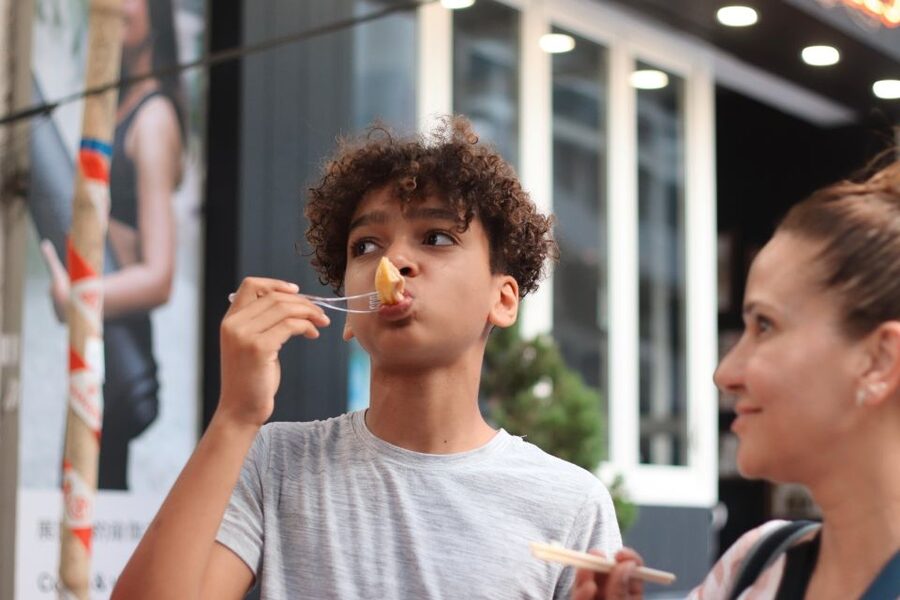
A cha chaan teng is one of the most revealing stops on the route. These Hong Kong cafés grew during the post-war period, when inexpensive food and drinks mattered to working families. They are casual, quick, and built around familiar combinations rather than ceremony.
You may try silk-stocking milk tea, a strong tea strained through a long cloth filter. The name refers to the filter’s appearance, not to actual stockings. The tea is smooth, fragrant, and often served with condensed milk or evaporated milk, depending on the preparation.
You may also taste Hong Kong-style French toast. It is not French, and it is not a delicate hotel breakfast. Expect a sweet, filling café snack that reflects Hong Kong’s habit of adapting outside influences into something distinctly local.
The value here is not just the food. A guide can explain how cha chaan teng culture grew from economic necessity and became part of daily life. That context helps you understand why these cafés matter even when the dishes look simple.
More food tours with locals in the world:
- Rome: Street Food Tour with Local Guide
★ 4.8 · 4,077 reviews - Eat Like a Local: Venice 3-Hour Small-Group Food Tasting Tour
★ 5.0 · 3,137 reviews - Marrakech: Street Food Tour with a Local Guide
★ 4.9 · 3,119 reviews - Venice: Street Food Tour with a Local Guide and Tastings
★ 4.8 · 2,613 reviews
Wonton noodles and the work behind the bowl
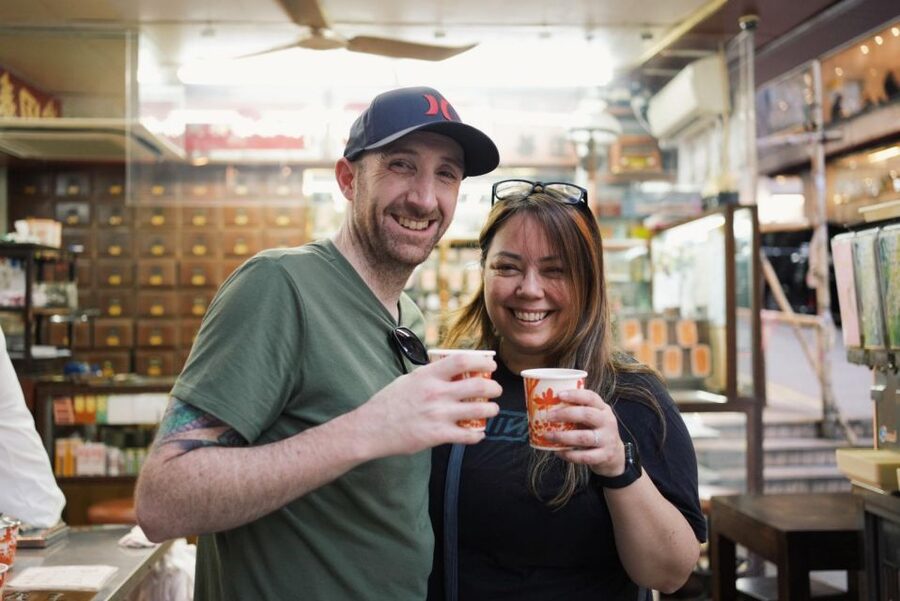
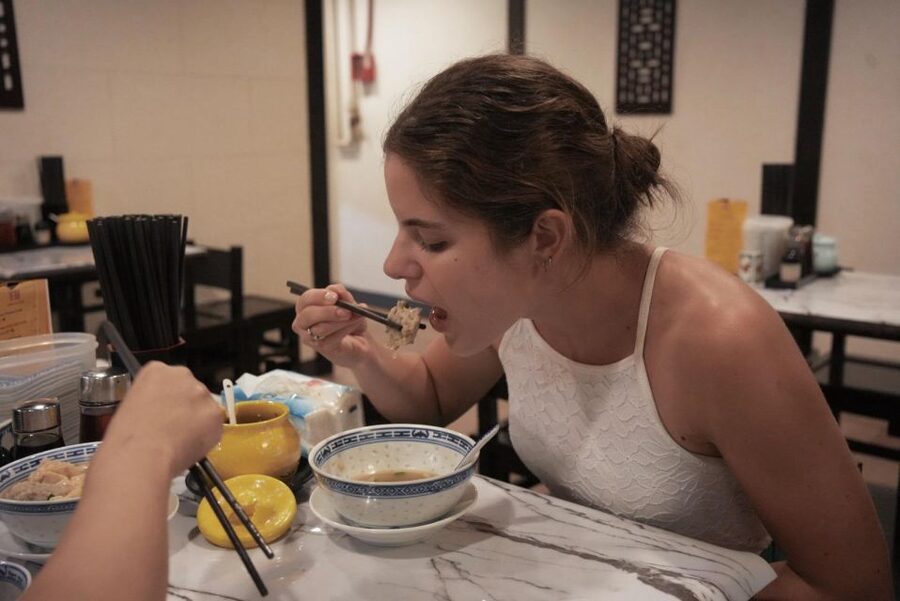
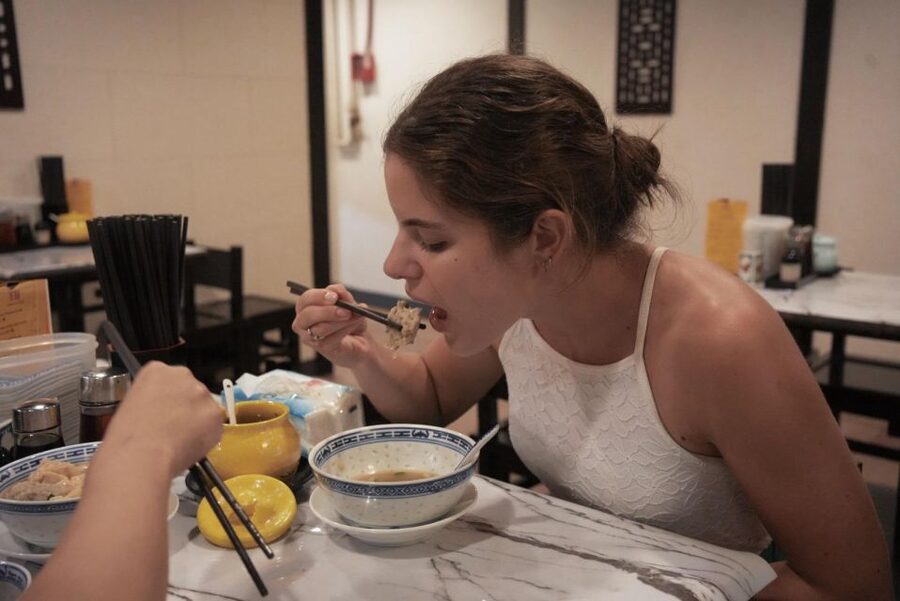
The noodle stop focuses on Chiu Chow-style craftsmanship. You may see shrimp-stuffed wontons being folded and taste noodles served with broth made from flounder fish.
This is a good place to slow down and notice technique. A wonton is easy to describe in one word, but the balance of wrapper, shrimp filling, noodles, and broth is what makes the bowl work. The guide explains the ingredients and the regional connection rather than treating the dish as just another sample.
The reviews of the tour repeatedly praise the wonton noodles, along with the dim sum and egg tart. One visitor who felt nervous about trying unfamiliar food found that the guide, Wing, explained each dish and helped the group feel at ease. That is useful if you are curious but uncertain about ordering in a busy local shop.
The downside is that a shared tasting cannot give you the full experience of sitting down for a large bowl at your own pace. Still, it gives you enough information to return later and order with confidence.
Dim sum, roast meats, and the main savory stretch
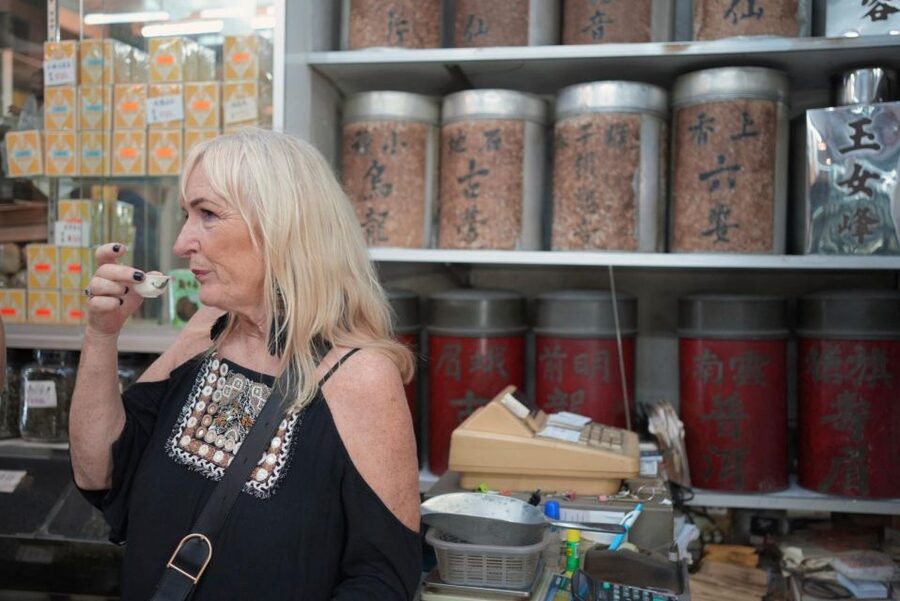
Dim sum is one of the central food moments. Expect bamboo-steamed har gow and other small dishes, with the exact selection changing according to availability. Har gow, the shrimp dumpling, is especially useful for learning how texture matters: the wrapper should hold together while allowing the filling to remain the star.
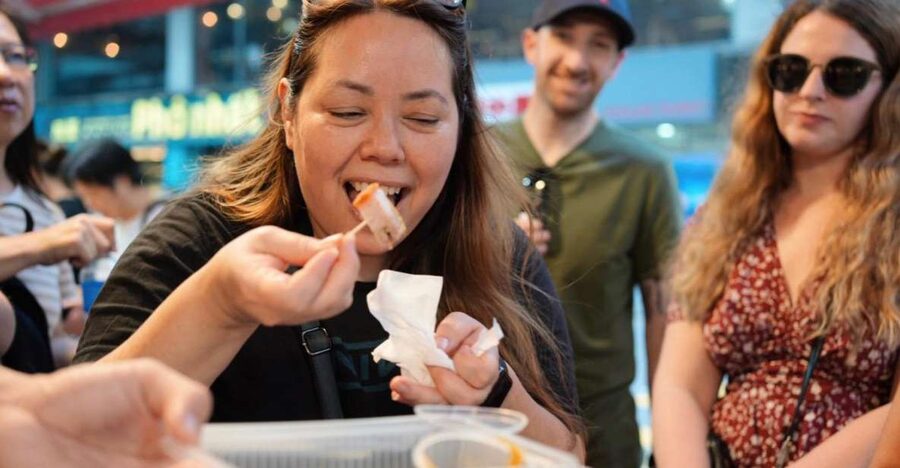
The tour also includes roast meats such as BBQ pork, roast pork, and pork belly. These were favorites for several people, especially the BBQ pork and roast meats served during the walk. The savory dishes help balance the sweeter snacks that come later.
Do not think of this as one long tasting menu served at a single table. The food is spread across several stops, including local eateries, specialty counters, food centers, and small cafés. That means you get a more accurate picture of how people eat across the neighborhood, but it also means the group must keep moving.
The pace appears designed to be steady rather than frantic. Some people found the food so plentiful that they skipped a final option or had no appetite for dinner. Others liked that the portions were controlled enough to sample many dishes without becoming uncomfortable. Your appetite will depend on your group and the day’s menu, but you should plan to eat lightly beforehand.
Herbal tea, egg tarts, and Hong Kong’s sweet side
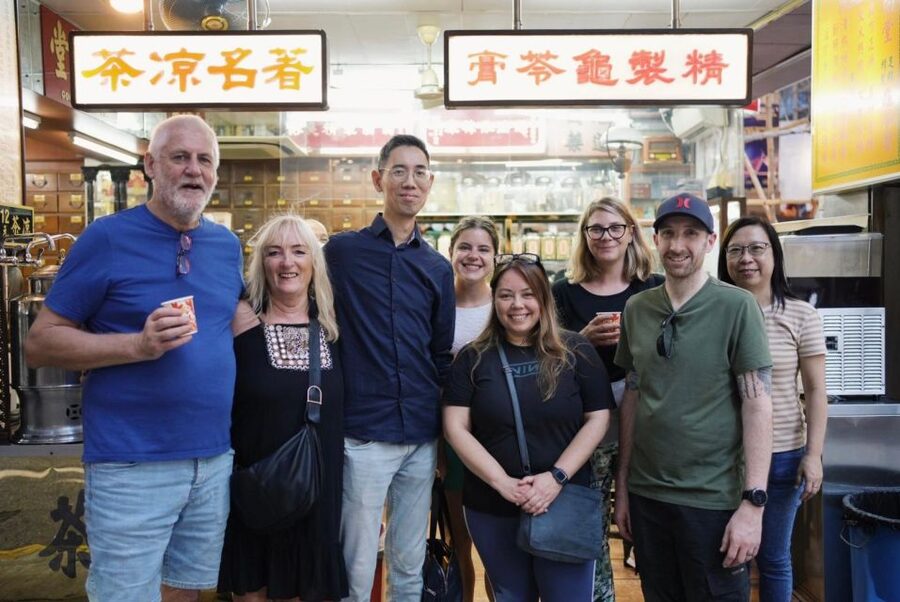
The route includes a tea stop where you may try traditional herbal drinks such as Five Flowers tea or the famously bitter 24 Flavors tea. These are not sweet café drinks. They reflect older ideas about balance, heat, and bodily comfort.
You do not have to love the flavor for the tasting to be worthwhile. In fact, the bitterness is part of the lesson. Many visitors know Hong Kong through milk tea and dim sum, but herbal tea stalls reveal another side of local food habits.
Sweet stops may include egg tarts and Hong Kong-style egg waffles. The egg tart is a good example of how pastry traditions changed in Hong Kong, while the egg waffle is a familiar street snack with a soft center and crisp outside.
One particularly useful part of the route is the contrast between sweet and savory food. You may move from roast pork to tea, then from a noodle dish to pastry. That rhythm keeps three hours from feeling like one repetitive meal.
Another drink mentioned during the walk is the Mandarin Duck, a mix of tea and coffee. It is a fun reminder that Hong Kong café culture is practical and inventive. If you like trying drinks with a local identity, this is one to watch for.
Queen’s Road Central and the city’s changing face
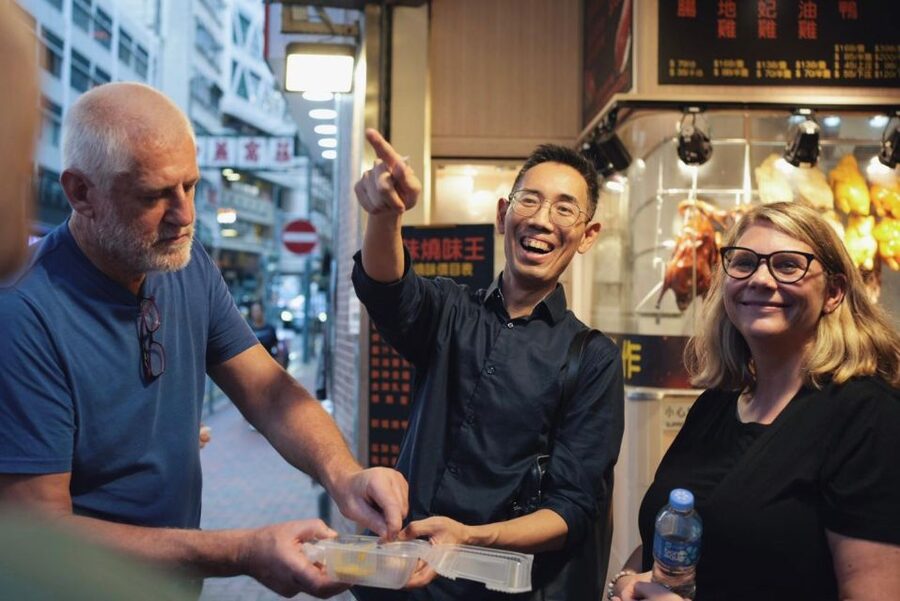
The walk continues toward Queen’s Road Central, where the surroundings become more recognizably modern Hong Kong. The route uses this change in scenery to connect old food businesses with the city’s financial present.
You may also pass places with film or pop-culture connections. One person particularly enjoyed seeing the long escalator area associated with a scene from The Dark Knight. That is not the main purpose of the tour, but it adds a pleasant bit of city recognition along the way.
This section is less about one signature dish and more about putting the earlier food stories into place. Hong Kong’s towers, escalators, markets, narrow streets, and older shops sit close together. A food tour makes those contrasts easier to read because you are moving through them with a local guide rather than simply photographing them.
The tour ends at Central Market. That is a useful finish because you are still in a central area with plenty of onward options. You can continue exploring, return to a food stop you liked, or simply find a quiet place after three hours of eating.
What the guides add to the experience
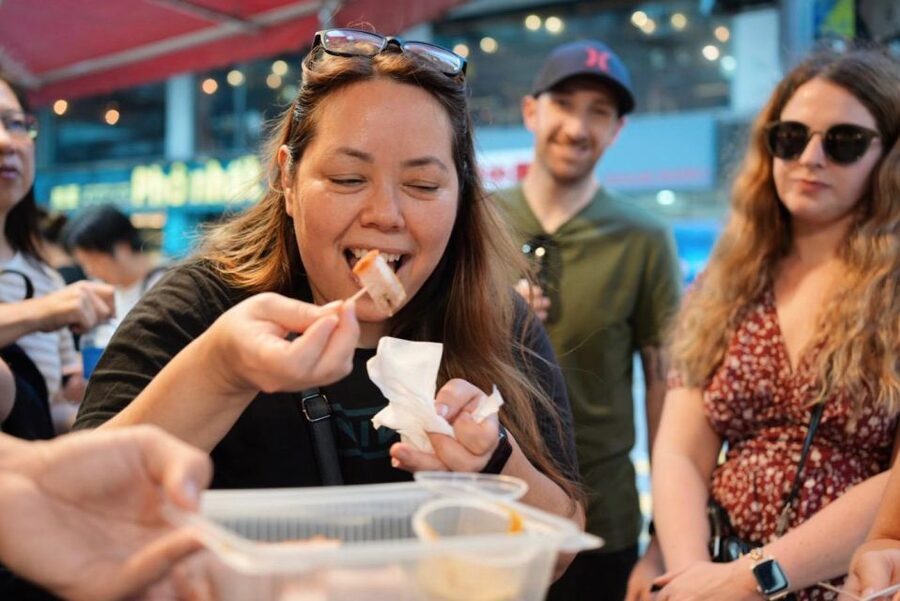
The guide can make or break a food walk, and this experience has a strong record in that area. The guides named in the feedback include Hody, Michael, Jasmine, Stephen, Alice, Summer, Simeone, Isaac, Wing, Deryk, Eric, Ice, and Wind.
The best quality across these guides is not just food knowledge. It is the ability to connect dishes with personal memories, neighborhood customs, and city history. Michael, for example, was praised for sharing childhood experiences tied to the foods, while Stephen was valued for keeping the pace relaxed and answering questions. Jasmine was often described as warm, funny, and energetic.
You should not assume you will receive a particular guide, but the repeated praise for different guides suggests that the experience does not depend on one single personality. The tour is conducted in English, and the guide’s role is especially useful at small vendors where a visitor may not know what to order or how to eat.
The group setting also helps solo visitors. You share food, compare reactions, and get a natural chance to speak with other people during the walk. Families can also enjoy it, though younger children may find the amount of walking and unfamiliar food tiring. One 13-year-old particularly enjoyed the experience.
Is $51 a fair price?
At $51 per person, the tour is not the cheapest way to eat in Hong Kong. You could buy individual snacks for less, especially if you already know where to go.
The value comes from the combination of food, access, explanation, and navigation. You receive more than 10 tastings across roughly seven or eight stops, plus a local guide who handles the route and gives context. For a first visit, that can save you from spending your own limited time guessing at menus or walking past good shops.
The amount of food also matters. This is closer to a progressive lunch than a few token samples. BBQ pork, wontons, dim sum, noodles, pastries, drinks, and snacks add up. Several people found the tour filling enough to replace lunch and dinner plans.
I would consider the price fair if you want an introduction to Hong Kong food and local history in one sitting. It is less useful if you already know Sheung Wan well, have strict dietary needs, or prefer to choose every dish yourself.
Who should book this food walk?
I would choose this tour early in a Hong Kong visit. You will learn what milk tea, wontons, dim sum, roast meats, herbal drinks, and local pastries are supposed to taste like, then use that knowledge during the rest of your trip.
It suits curious first-time visitors, solo visitors who want company, couples, and families with older children. It is also a good fit if you like history but do not want a museum-only introduction to the city.
You should think twice if you are vegetarian, require halal food, or need reliable accommodations for allergies and other dietary restrictions. The menu can change based on availability, and the tour specifically cannot accommodate dietary restrictions. Bring comfortable shoes, arrive hungry, and allow for moderate walking in changing weather.
FAQ
Where does the Hong Kong food tour begin?
It begins at Sheung Wan MTR Station Exit E2. Look for the exit while you are still near the platform, since you cannot reach Exit E from the concourse serving exits A through D.
Where does the tour finish?
The tour finishes at Central Market after traveling through Sheung Wan and along the Queen’s Road Central area.
How long does the experience last?
The food walk lasts three hours.
What food is included?
The tastings can include dim sum, har gow, wonton noodles, BBQ pork, roast pork, pork belly, egg tarts, egg waffles, milk tea, herbal tea, and other local snacks. The final menu depends on availability.
Is the tour suitable for vegetarians?
No. The tour is not suitable for vegetarians, and halal food will not be provided.
Is hotel pickup included?
No. You are responsible for getting to the meeting point and returning from the finish at Central Market.
What happens if bad weather cancels the tour?
If poor weather causes a cancellation, you will be offered an alternative date or a full refund. You can also cancel up to 24 hours in advance for a full refund.
Should you book it?
Book this tour if you want Hong Kong explained through food rather than through landmarks alone. The strongest reasons are the variety of stops, the generous amount of food, the local cafés and stalls, and guides who connect dishes to labor, trade, family life, and post-war culture.
Skip it if you need dietary flexibility or want a quiet, seated meal. For everyone else, $51 buys a practical first lesson in Hong Kong eating, with enough food to keep you satisfied and enough local context to help you order better for the rest of your stay.
Just added in the world
- Private Chicago Food Tour with Deep Dish and Beef Sandwich★ 5.0 · 61 reviews
- River North Food Walking Tour★ 4.5 · 88 reviews
- Chicago Food Tour: Taste the City’s Most Iconic Eats★ 5.0 · 111 reviews
- Chicago’s West Side Foodie Ride Bike Tour★ 5.0 · 112 reviews
- Old Town Chiang Mai Food Tour with 10+ Local Dishes Tastings★ 5.0 · 21 reviews
- Go where the locals go, Eat what the locals eat! Food Tour with Local Foodies★ 5.0 · 138 reviews
- Motorbike Food Tour in Chiang Mai★ 5.0 · 54 reviews
- Lanna Kingdom Chiang Mai Food Tour with 15+ Tastings★ 5.0 · 84 reviews
Street Food Tours, compared.
Ho Chi Minh City Street Food Tour & Sightseeing By Motorbike
Read our review →
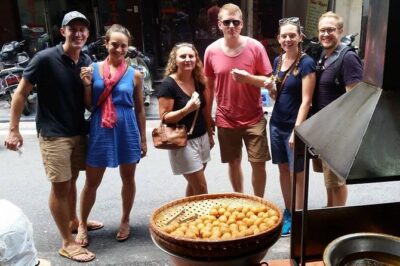
Small Group Hanoi Street Food Tour with a Real Foodie
Read our review →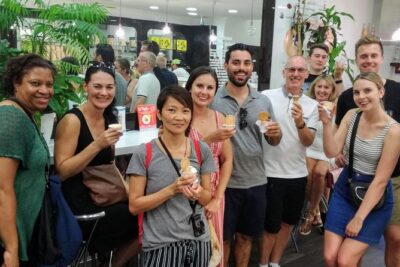
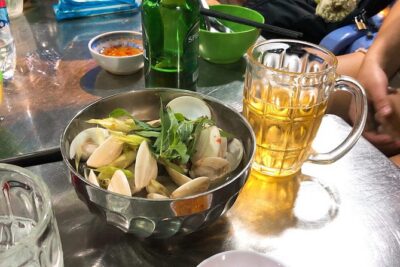
Saigon By Night and Street Food By Motorbike | Opt: Ao Dai Riders
Read our review →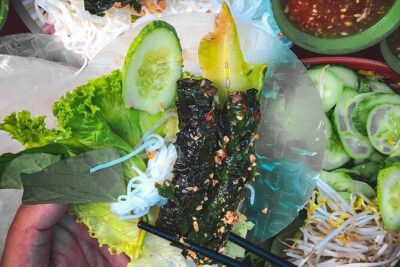
Private Street Food Tour by Motorbike/Car with Local Students
Read our review →
Cinque Terre Park Day Trip with Optional Street Food
Read our review →
Street Food Tasting & Sightseeing Tour by Motorbike
Read our review →Browse the lists this tour appears in