
REVIEW · ISTANBUL FOOD TOURS
Istanbul: Guided Food Tour with Ferry Ride and Tastings
Istanbul tastes better when you cross the water. This six-hour food walk links the Egyptian Spice Bazaar area, Kadikoy, Moda, and Karakoy, with stops for simit and kaymak, iskender kebap, mussels, fish sandwiches, künefe, and Turkish coffee. I especially like the mix of small food stops and ferry views, plus the way guides such as Binnur, Önder, Salih, and Şenay add context about Turkish food and daily life. The main drawback is simple: you need a strong appetite and comfortable shoes, since this is a long, active day with about 20 tastings.
The European and Asian sides feel different, and this tour gives you a useful look at both without asking you to plan every ferry, café, market, and restaurant yourself. I also like that the food is not limited to familiar kebabs. You may try menemen, stuffed mussels, kokoreç, lahmacun, fish wraps, and other items you might skip on your own. Five food stops have no vegetarian options, and the tour is not suitable for vegans or wheelchair users.
Key points at a glance
- Eight food stops and about 20 samples: Expect a full day of eating rather than one large restaurant meal.
- A ferry ride across Istanbul: The short crossings add city views and connect the European and Asian parts of the route.
- Kadikoy and Moda at the center: These local food districts provide the tour’s strongest sense of everyday Istanbul.
- A Turkish breakfast start: Simit, kaymak, honey, cheese, menemen, and çay make this a poor choice for anyone who eats a big breakfast first.
- Several guides with strong local knowledge: Binnur, Önder, Salih, Burak, and Şenay are frequently praised for clear explanations and warm hosting.
- A serious walking day: Plan for changing neighborhoods, market streets, ferry terminals, and plenty of standing while you eat.
Why this Istanbul food tour works so well
Istanbul is spread across two continents, and its food culture is just as wide-ranging. A restaurant meal can give you one excellent dish. This tour gives you small portions across cafés, markets, street-food counters, and sit-down restaurants, so you can compare styles and ingredients as the day goes on.
The route also solves a common Istanbul problem: deciding where to eat. You do not need to decode a Turkish menu, guess which shop is good, or work out how to fit a ferry ride into your afternoon. Your guide handles the movement between stops while explaining what you are eating.
The experience costs $115 per person. That is not cheap for a meal, but it includes a licensed English-speaking guide, round-trip ferry tickets, food at eight locations, around 20 samples, and five local drinks. If you paid separately for several meals, drinks, transport, and an informed guide, the price becomes easier to justify. It is especially good value if this is your first day in Istanbul and you use the guide’s restaurant and sightseeing suggestions later in your stay.
The strongest part is the combination of food and orientation. You are not simply eating at a series of restaurants. You are learning where Kadikoy sits, how the ferry fits into city life, and how different parts of Istanbul feel.
A few more food tours in the world worth a look
- Hanoi: Guided Food Tour with Train Street Visit
★ 4.9 · 6,239 reviews - Naples: Street Food Walking Tour with Local Guide
★ 4.9 · 4,976 reviews - Rome: Street Food Tour with Local Guide
★ 4.8 · 4,077 reviews
Starting beside the Egyptian Spice Bazaar
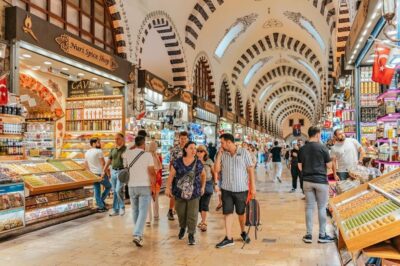
The meeting point is Itimat Fabrika Satış Magazasi, a dairy shop at the entrance gate of the Egyptian Spice Bazaar. This detail matters because several shops in Istanbul have the same name. You need the one at the Spice Bazaar entrance, then wait in front for the guide to find you.
The tour begins with food rather than a long introduction. That is good news if you arrive hungry. Guides may also use the waiting time to point out parts of the Spice Bazaar, as Burak did for one group before everyone arrived.
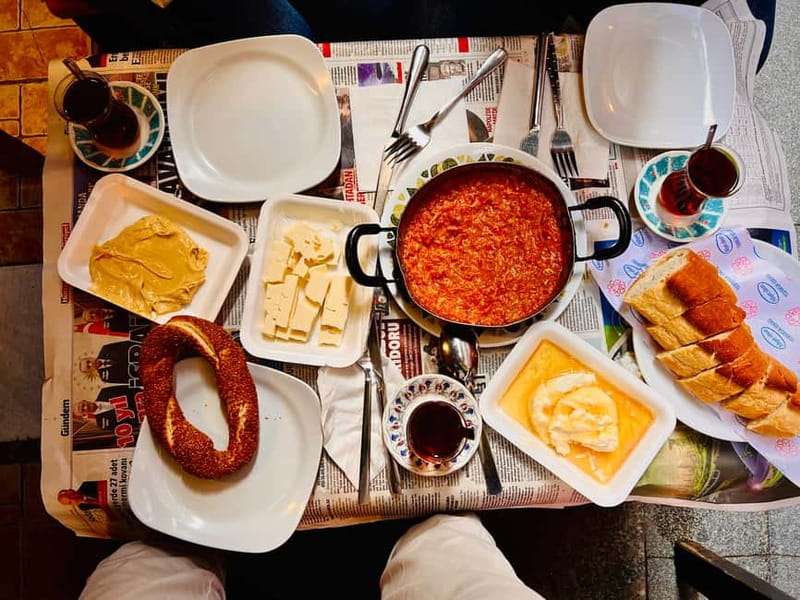
Your first stop is a local bakery and dairy-focused food shop. The breakfast spread includes simit, the sesame-covered bread ring found all over Turkey, served with creamy kaymak, honey, and several cheeses. This is a useful introduction to Turkish breakfast because it shows how bread, dairy, preserves, and tea work together.
You also try menemen, a warm tomato-based egg dish, with a mug of çay. The portions across the day are substantial enough that you should not eat breakfast before meeting the guide. That advice is worth taking seriously. This is not a coffee-and-pastry walk.
The first ferry, from Europe toward Kadikoy
The ferry ride lasts about 20 minutes and is one of the best reasons to choose this route instead of a food tour confined to one neighborhood. You get open views across Istanbul as the boat carries you toward the Asian side.
The ferry is also practical. It breaks up the eating and walking with a short ride, and it makes the city’s geography easier to understand. You see that Istanbul is not one compact old town. Water, bridges, ferries, and separate districts shape how people move through the city.
Bad weather can change this part of the plan. One tour had to use the subway because ferry service was closed. The operator substituted another form of transport, but you should treat the ferry ride as weather dependent rather than guaranteed in every condition.
Kadikoy market food and local eating
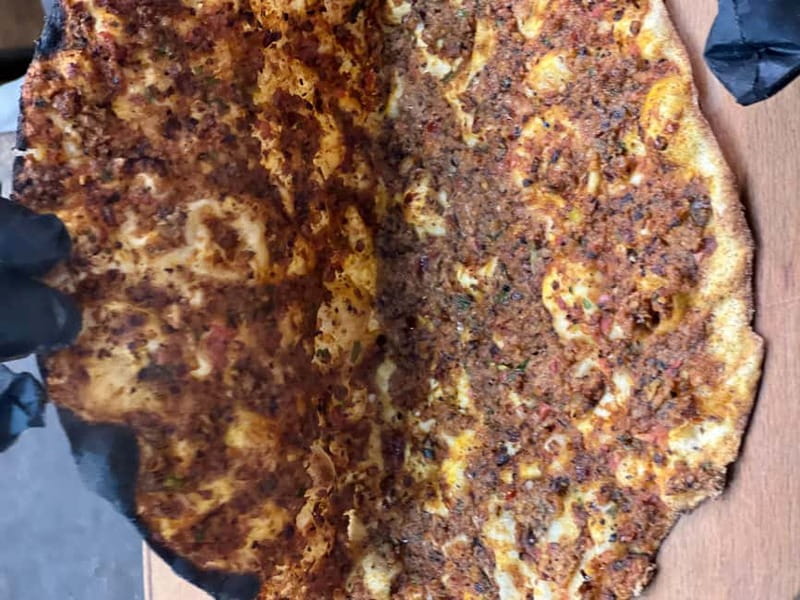
Kadikoy is the main food section of the day. You visit its food market and nearby eating places, where the pace is less rushed than the famous central sights can be. The guide helps you move through the market while explaining ingredients, dishes, and local habits.
Iskender kebap is one of the major tastings. It is made with lamb over pieces of pide bread, topped with tomato sauce, yogurt, and hot butter. This is a filling dish with several textures at once: soft bread, tender meat, cool yogurt, and rich sauce.
The dish matters beyond its flavor because the guide can explain where it fits in Turkish cooking and why it is prepared this way. One stop is linked in the tour experience to a restaurant associated with the creation of döner, which adds a memorable food story to the route.
You may also taste mussels stuffed with rice, spices, and butter sauce. These are a classic Turkish street-food item, but they are not the sort of thing every first-time visitor feels confident ordering alone. Having the guide explain what you are eating makes the stop easier and more enjoyable.
The market visit is not only about food placed in front of you. It gives you a look at the shopping side of Turkish cuisine, including the dairy, seafood, and prepared-food traditions that support the city’s restaurants and homes.
Same city, a different table:
- Reykjavik Food Walk – Local Foodie Adventure in Iceland
★ 5.0 · 18,952 reviews - Ho Chi Minh City Street Food Tour & Sightseeing By Motorbike
★ 5.0 · 9,413 reviews - Tokyo: Shinjuku Food Tour (13 Dishes at 4 Local Eateries)
★ 5.0 · 6,603 reviews - Winner 2025 Undiscovered Lisbon Food & Wine Tour by Eating Europe
★ 5.0 · 6,390 reviews
Moda, street food, and the fish market
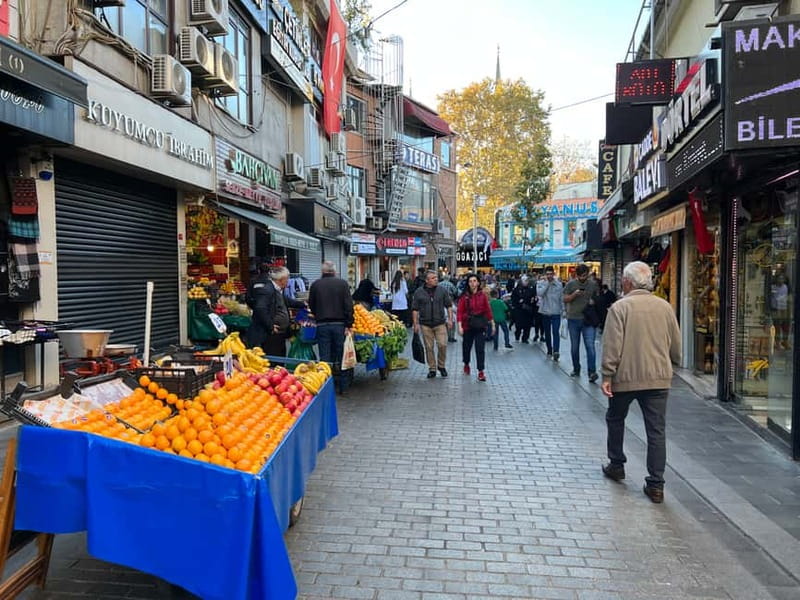
The route continues toward Moda for about an hour of street food and regional dishes. This section gives the tour a more neighborhood feel, with food eaten as part of a walk rather than a formal meal.
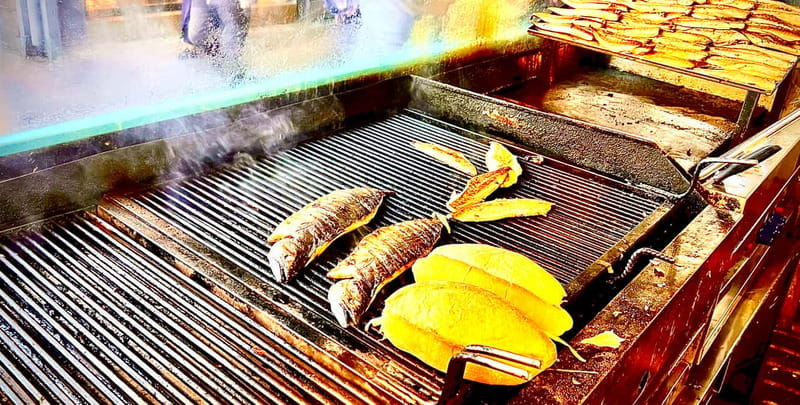
A key tasting is balik ekmek, the famous fish sandwich. Some versions on this tour appear as a fish wrap, and one particularly liked combination includes fish with pomegranate. It is a simple dish, but it captures Istanbul’s connection to the water and its habit of turning fresh ingredients into quick, affordable food.
The fish market visit adds another layer. You can see where seafood fits into local shopping while trying food in the same part of town. This is also one reason the tour suits curious eaters more than people who want only polished restaurant dining.
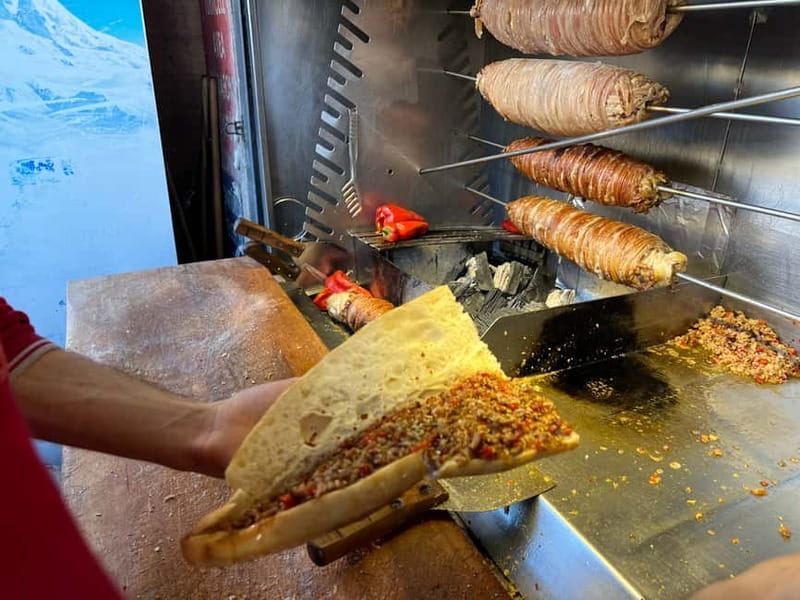
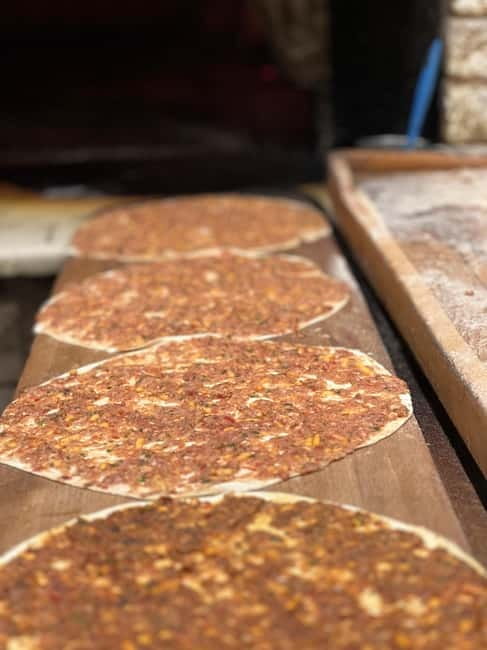
Other dishes mentioned along the route include lahmacun and kokoreç. Lahmacun is a thin flatbread topped with seasoned meat, while kokoreç is a strongly flavored offal dish. These tastings broaden the menu, but they also show why the tour is not ideal for very cautious eaters. The guide may help you understand each item, but you still need to be open to unfamiliar ingredients.
The coffee pause in Kadikoy
After the heavier food, the tour includes a short coffee stop of about 30 minutes. Turkish coffee is cooked in a cezve, traditionally a small copper pot, and served in a small cup.
This is not the same as a large filter coffee break. Turkish coffee is concentrated, and the grounds remain in the cup. It is a good moment to ask questions, rest your feet, and let the guide connect food with Turkish customs.
The five local drinks included in the tour may include tea and coffee, though the exact selection can vary. The schedule also lists another brief market visit and a regional-food stop in Kadikoy, so the coffee is part of a continuing series rather than the final pause.
Returning to the European side through Karakoy
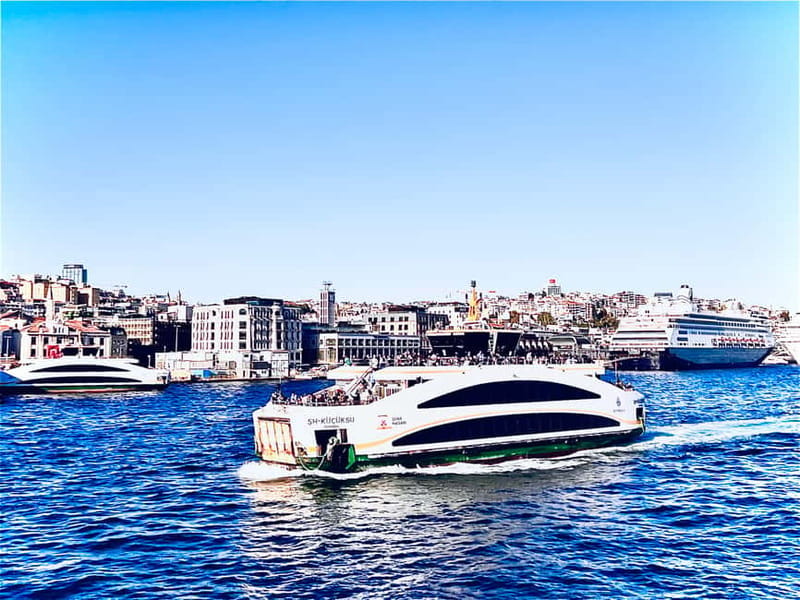
The return ferry takes about 20 minutes before the route reaches Karakoy. This second crossing gives you another look at Istanbul from the water and helps the day feel like a city tour as well as a food tour.
Karakoy brings the final stretch of eating. The food stop lasts around 30 minutes, followed by about 45 minutes for dessert. This pacing is sensible. By this point, you will have eaten enough that a sit-down sweet course feels more appealing than another large savory meal.
The tour may include additional savory items such as grilled or wrapped food before dessert. The exact order and dishes can change, but the overall pattern is clear: Turkish breakfast in the morning, market and street food in Kadikoy and Moda, then a sweet finish back on the European side.
Künefe, pistachios, and the final sweet stop
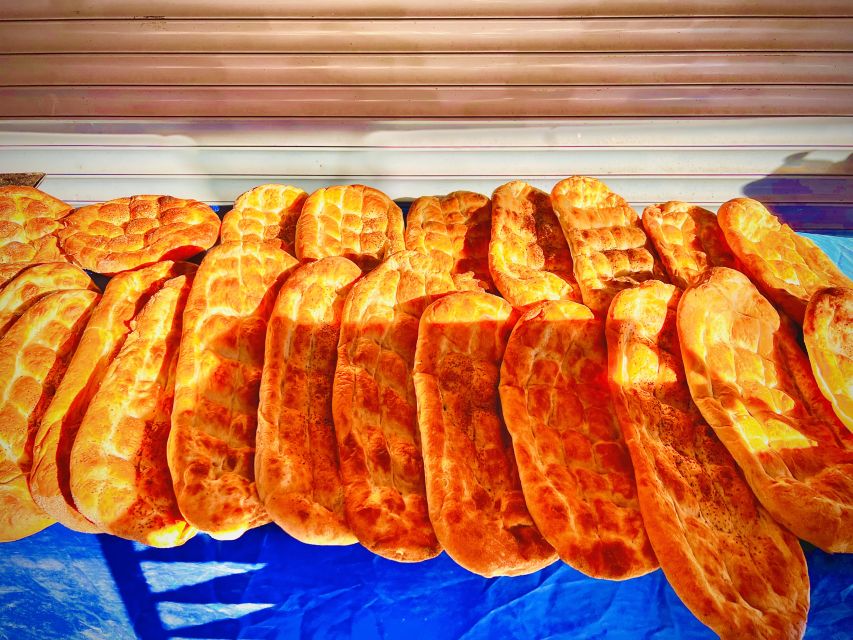
Künefe is the dessert highlight. It is made with cheese and crisp pastry strands, then served with syrup and pistachios. The contrast between salty cheese, sweet syrup, and crunchy topping makes it a memorable finish after so many savory foods.
Turkish ice cream may accompany the dessert. It is denser and chewier than many Western ice creams, so it feels like another small lesson in local food rather than just a scoop added to the plate.
Several people particularly enjoy the dessert stop, and that makes sense. It arrives at the end of a long progression through the city, when you have already tried familiar and unusual dishes. The route finishes back near the starting area after the Karakoy food and dessert stops.
Guides, group size, and the feel of the day
The guide can shape the experience as much as the menu. Binnur is praised for explaining food, culture, and city history with warmth. Önder is often singled out for storytelling, restaurant advice, and a relaxed manner. Salih is described as patient, funny, and attentive, while Şenay is valued for her friendly explanations of Turkish food traditions. Burak also receives praise for clear English and strong local knowledge.
This range of guide names suggests that the quality depends on who leads your departure, but the pattern is reassuring: the strongest part of the job is explaining the meaning behind each dish and helping you feel comfortable at unfamiliar places.
Groups of 10 or more receive a private tour. Smaller groups can be more nimble in cafés and market streets. One small group had seven people, which made it easier to talk with the guide and fit into compact food spots.
Allow more than the advertised six hours if the group is moving slowly. One group spent about seven and a half hours on the route. The standard schedule is six hours, but extra time can happen when the guide is answering questions, waiting for food, or adding context at the stops.
How much walking and eating should you expect?
This is a walking tour with food attached, not a seated tasting menu. You move through markets, streets, ferry terminals, cafés, and restaurants. One participant recorded around 17,000 steps, so comfortable shoes are essential.
The food is plentiful. You may leave full rather than merely satisfied, especially after breakfast, iskender kebap, fish, mussels, dessert, and the other samples. Come hungry, but do not assume every tasting is tiny.
The route is not suitable for wheelchair users, and five of the food stops have no vegetarian options. Vegans should not book it. If you have a strict diet, check before paying because the range of dishes makes substitutions uncertain.
Weather-appropriate clothing also matters. Ferry rides can feel different from walking through crowded market streets, and the day moves between indoor and outdoor spaces.
Is $115 a fair price?
For someone who wants a broad introduction to Istanbul food, $115 is reasonable. You are paying for more than the ingredients. The fee includes a full day of guiding, transport on the ferries, access to food shops you might not identify on your own, and a route that covers both sides of the city.
The value is strongest if you are new to Istanbul, have limited time, or want practical food advice for later meals. Many guides also suggest restaurants and activities for the rest of your stay, which can help you avoid spending your remaining days near only the most tourist-focused restaurants.
The price is less appealing if you prefer to wander alone, eat one large meal at a time, or cannot handle a long day on foot. You could spend less by buying street food independently, but you would lose the structure, explanations, and cross-city route.
Should you book this Istanbul food tour?
Book it if you want a filling, active introduction to Istanbul and enjoy trying dishes you would not confidently order alone. It is especially useful on your first day, when a local guide can help you get your bearings and point you toward good places for later.
Skip it if you are vegan, need wheelchair access, dislike unfamiliar foods, or want a relaxed afternoon with little walking. For everyone else, the mix of Turkish breakfast, Kadikoy markets, ferry views, street food, coffee, and künefe gives you a strong taste of Istanbul in one long day.
FAQ
How long does the Istanbul food tour last?
The scheduled duration is six hours. The day can run longer if the group spends extra time eating, walking, or asking questions.
How much does the tour cost?
The price is $115 per person.
What is included in the price?
The tour includes a licensed foodie guide, round-trip ferry tickets, food tastings at eight stops, about 20 food samples, and five local drinks.
Where does the tour meet?
Meet at Itimat Fabrika Satış Magazasi, the dairy shop at the entrance gate of the Egyptian Spice Bazaar. Wait in front of the shop for the guide.
How can I find the correct meeting point?
Several shops in Istanbul have the same name. Make sure you go to the shop at the entry gate of the Egyptian Spice Bazaar, not another branch.
Is the tour conducted in English?
Yes. The tour has a live English-speaking guide.
Does the tour visit Istanbul’s Asian side?
Yes. The route includes a ferry to Kadikoy, food stops and a market visit there, and time in Moda before returning by ferry to the European side.
Is the tour suitable for vegetarians or vegans?
Five food stops have no vegetarian options. The tour is not suitable for vegans, so people with dietary restrictions should check carefully before booking.
What should I bring?
Bring comfortable shoes and clothing suited to the weather. You should also arrive hungry because the tour includes a large amount of food.
Just added in the world
- Copenhagen Private Culinary Food Tour with 6 Tastings of Classics★ 5.0 · 42 reviews
- Copenhagen Private Food Walking Tour with 6 or 10 Tastings★ 4.5 · 177 reviews
- Copenhagen Food & Drink Private Tour: Scandinavia Delight Tasting★ 5.0 · 236 reviews
- Copenhagen Modern Food Tour★ 5.0 · 32 reviews
- 3-hour Culinary Bike Tour in English★ 5.0 · 235 reviews
- Copenhagen Best of Danish Pastry Tasting Tour★ 5.0 · 30 reviews
- Classic 3-Hour Food Tour in Colorado Springs★ 5.0 · 408 reviews
- COLOMBO PRIVATE CITY TOUR WITH street food( All inclusive )★ 4.0 · 40 reviews
Istanbul Food Tours, compared.
European and Asian Side Guided Foodie Walking Tour
Read our review →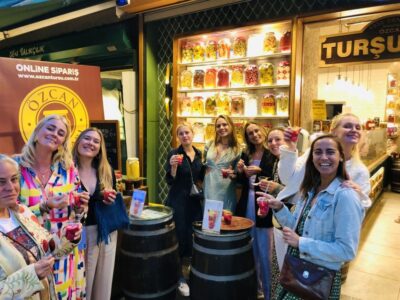
Two Markets, Two Continents with Culinary Backstreets
Read our review →
Istanbul Culinary Tour: Local Hotspots & Gourmet StreetFoods
Read our review →
Authentic Food Tour in Istanbul’s Asian Side – Kadıköy
Read our review →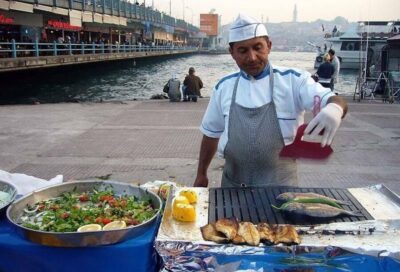
Browse the lists this tour appears in