
REVIEW · MARKET FOOD TOURS
Kathmandu Secret Food Crawl & Local Market Tour
Kathmandu tastes better on foot. This two-hour crawl combines Ason Bazar, local food stalls, and Newari culture in a way that gets you beyond the usual tourist menu. I like the generous food allowance, with at least five items and drinks included, and I like the cultural guidance from English-speaking guide Santosh. The main caution is pace: two hours goes quickly, and one participant found parts of the walk rushed.
You meet at the main gate of Chhaya Devi Complex for a short but food-heavy route through local markets and alleys. At $28 per person, this is strong value if you want to try many small dishes, though it may be too much food for a light eater or anyone hoping for a slow, sit-down meal.
Key points at a glance
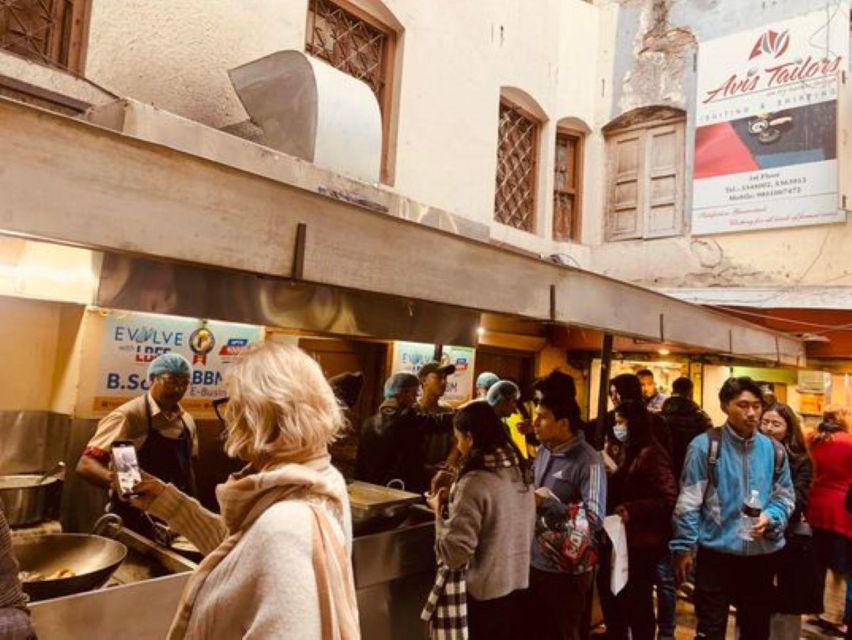
- Ason Bazar sets the scene: Explore Kathmandu’s famous old market, where food, trade, crafts, clothing, and religious life meet.
- Five dishes are the minimum: The price includes food and drinks, and some routes provide eight or nine different tastes.
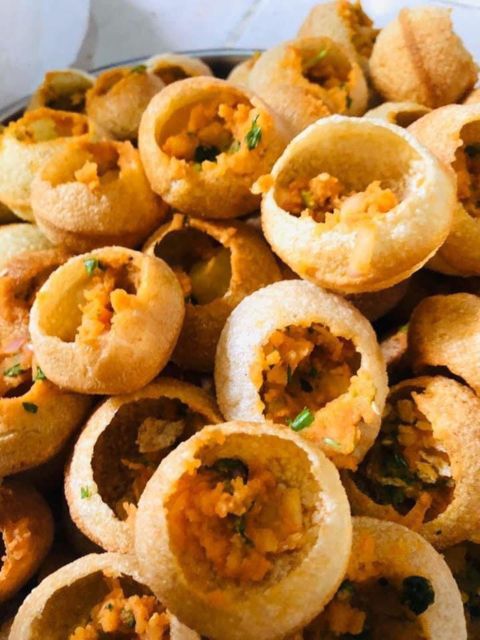
- Expect Newari specialties: You might try yomari, samay baji, chatamari, laphing, momos, pani puri, lassi, samosas, or buckwheat pancakes.
- Santosh adds useful context: He explains food, religion, local customs, politics, and everyday life in clear English.
- The best stops are easy to miss: Small stalls and back-alley vendors are part of the appeal, especially for first-time visitors.
- Come hungry and wear practical shoes: The route is short, but the food is plentiful and the market streets can be crowded.
Why this Kathmandu food crawl works
I like food tours that explain more than what is on the plate. This one connects eating with Newar traditions, local trade, religious life, and the daily rhythm of Kathmandu. You are not simply handed a momo and told to enjoy it. The guide explains what you are eating and why it matters.
That matters in Kathmandu, where many food places can look alike at first glance. A small plate of beaten rice, a cold noodle dish, or a sweet dumpling can carry more cultural meaning than its modest appearance suggests. With a guide, you have a better chance of recognizing those differences.
The tour also suits the first day of a Nepal visit. One participant used it as an early introduction to Kathmandu and found that it helped make sense of the city, its religions, and its food customs. I can see why. Two hours of walking, tasting, and listening gives you useful bearings without taking up a full day.
More market food tours in the world:
- Chef Guided Food Tour of Pike Place Market
★ 5.0 · 3,733 reviews - Tokyo Tsukiji Fish Market Food and Culture Walking Tour
★ 5.0 · 3,184 reviews - London Bridge & Borough Market Food Tour with 7 Authentic Dishes
★ 5.0 · 1,972 reviews
Meeting at Chhaya Devi Complex
The meeting point is the main gate of Chhaya Devi Complex. That is a practical starting place, but you should allow enough time to find the correct gate and meet your guide before the tour begins. The experience lasts two hours, so a late start could cut into the eating time.
The guide speaks English, and Santosh receives especially strong praise for being friendly, patient, and flexible. He has also adjusted the timing for someone who needed to reach a trekking meeting soon afterward. That kind of practical help is valuable in Kathmandu, where a small delay can complicate a packed travel day.
You should tell the guide at the start if you have food restrictions, a limited appetite, or a tight schedule. The food is said to be plentiful, and the tour is designed around tasting many items rather than eating one large dish.
Ason Bazar and the old market streets
Ason Bazar is the cultural heart of the walk. It is known as one of Kathmandu’s oldest local markets, and its importance goes beyond shopping. Here, you can watch people buy food, clothing, household goods, religious items, and traditional products while moving through streets shaped by long-standing Newar customs.
The market also gives the guide plenty to explain. You may learn about Newar crafts, traditional clothing, religious practices, and the way local communities use public spaces. This is where the tour earns its cultural value. The food gives you a reason to stop, but the surroundings give you a reason to pay attention.
Do not expect a quiet museum visit. Ason Bazar is a working market. You may need to move around pedestrians, pause for passing traffic, and keep an eye on your belongings. That is part of the experience, but it can feel hectic if you prefer orderly streets and fixed schedules.
The walk may also pass through smaller lanes around the market and Thamel. These places can be difficult to find on your own, especially when vendors and food stalls are tucked away from the main tourist routes. The route is not about grand views. It is about seeing how Kathmandu works at street level.
The food: from laphing to Newari plates
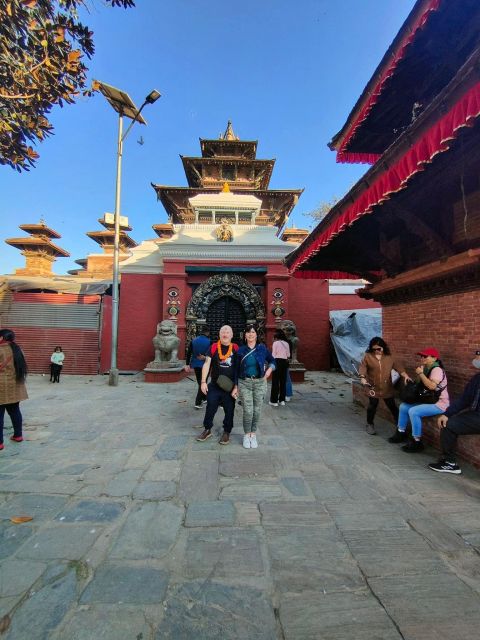
The food is the main event, and the range is one of this tour’s strongest features. The price includes at least five food items with drinks, but several participants received eight or nine different tastes. Portions can be generous enough that you may finish completely full.
You might encounter foods such as:
- Momos: Nepal’s familiar dumplings, served in different styles and fillings.
- Laphing: Cold mung bean noodles with a spicy kick, popular with local eaters.
- Chatamari: A Newari rice-flour dish often compared with pizza, though its texture and toppings make it quite different.
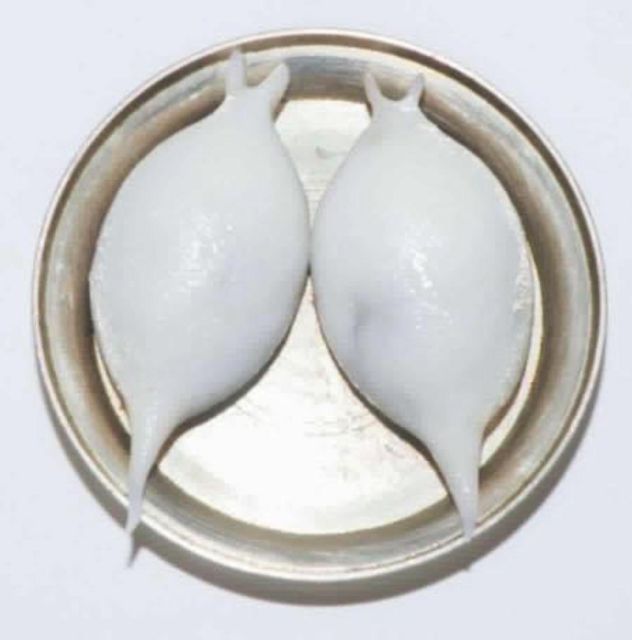
- Yomari: A steamed sweet dumpling filled with molasses and sesame seeds.
- Samay baji: A traditional Newari platter with beaten rice, spiced buffalo meat, pickles, and other small portions.
- Pani puri: Crisp shells filled with spiced water and other fillings.
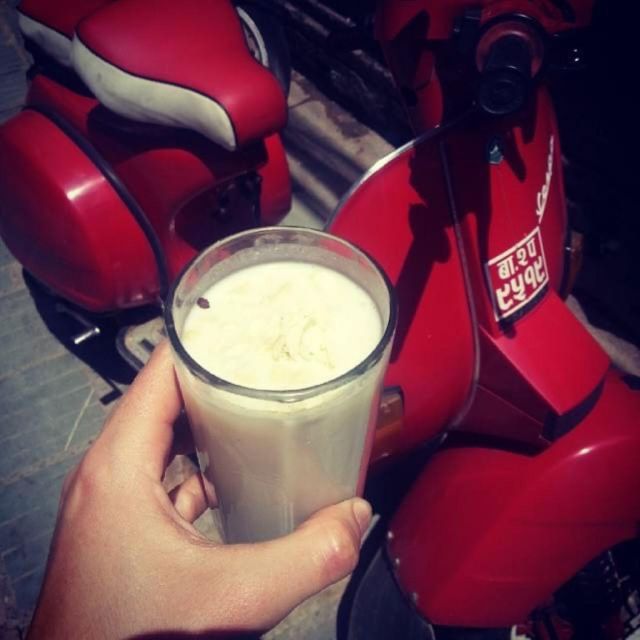
- Lassi: A cool yogurt drink that can offer a welcome break from spicy food.
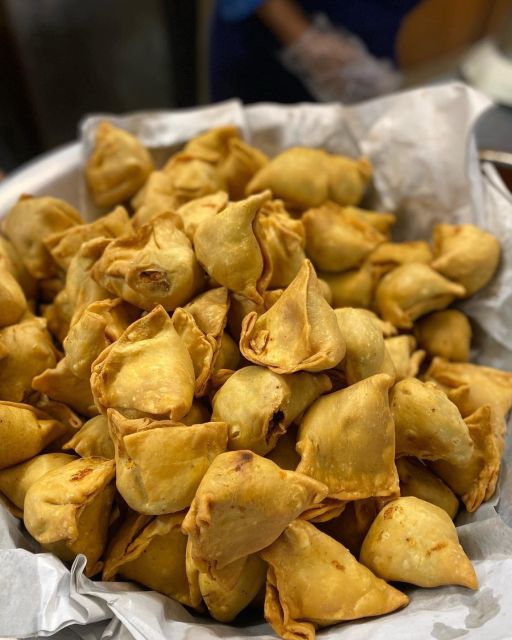
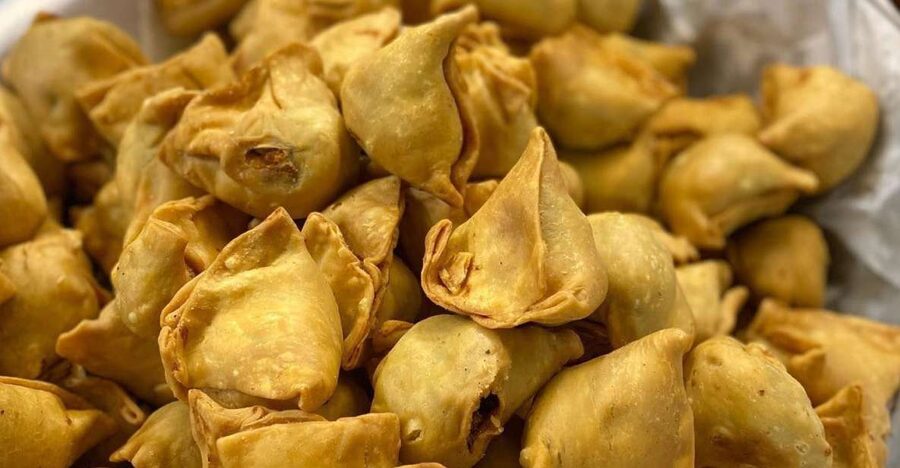
- Samosas and buckwheat pancakes: Familiar in name, but worth trying in local versions.
The exact selection can vary, so you should not treat this as a fixed tasting menu. That flexibility is useful because the guide can choose busy, reputable stalls and respond to what is available that day.
I especially like that the route includes foods you may not order on your own. Laphing and Newari specialties can be easy to overlook if you are staying in tourist areas. A guide removes some of the guesswork and gives you the confidence to try unfamiliar dishes.
More hidden gem food tours in the world:
- Alicante: Secret Flavors Food Tour
★ 4.8 · 1,514 reviews - Southern & Secret Walking Food Tour
★ 4.5 · 1,413 reviews - Edinburgh Food Tour with Scotch, Haggis, a Secret Dish & More
★ 5.0 · 1,172 reviews - Rome Food Tour: Hidden Gems of Trastevere with Dinner & Wine
★ 5.0 · 1,166 reviews
Newari food and local traditions
Newari cuisine is central to the experience. The Newars are an Indigenous community of the Kathmandu Valley, and their food traditions include ceremonial dishes, snacks, sweets, pickles, and meat preparations with strong spice and texture contrasts.
Samay baji is a good example. It is not just a plate of separate bites. It is a traditional spread that can include beaten rice, buffalo meat, pickles, beans, eggs, and other accompaniments. The combination gives you a clearer idea of how Newari food balances dry, sour, hot, savory, and fermented flavors.
Yomari offers a completely different experience. Its soft steamed dough and sweet molasses filling make it a useful reminder that Kathmandu food is not all chili and dumplings. If you enjoy sweets, ask the guide about the dish’s role in Newar celebrations.
Chatamari is another useful introduction. Calling it Newari pizza is a quick comparison, but it should not replace an explanation of its own character. It is a rice-flour base with toppings, and it gives you a taste of Newari cooking without requiring a full restaurant meal.
What the guide adds beyond food
Santosh is frequently praised for explaining Nepalese culture, religion, politics, and local history along with the food. That wider conversation is a major reason to choose this tour instead of simply following a self-guided list of eateries.
The best guides turn small details into useful clues. A market stall can lead to a conversation about local clothing. A dish can open a discussion about festivals or community customs. A temple stop can make the streets around it easier to understand.
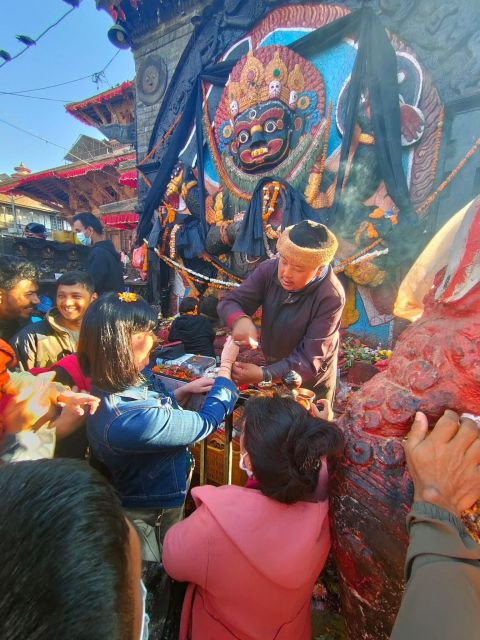
One route also included the Kumari Temple, with a chance to see the Kumari appear in the early evening. That is a distinctive cultural moment, but you should treat it as dependent on timing and the day’s route rather than a guaranteed part of every tour.
The guide’s personal manner matters too. Santosh is described as easy to talk with, courteous, patient, and willing to adjust the experience. That helps if you are traveling alone, asking many questions, or trying foods that feel unfamiliar.
Clean stalls and street food confidence
Street food always raises practical questions for visitors. You may wonder how to judge a stall, how spicy a dish will be, or whether a crowded local place is suitable for someone not used to Nepalese food.
This tour addresses some of that concern by taking you to established local vendors and by having the guide explain what you are eating. Several participants specifically found the food fresh, safe, and well prepared. That does not remove every personal food risk, but it gives you a sensible starting point.
You should still tell the guide about allergies or dietary needs before eating. The included foods may contain meat, dairy, gluten, sesame, spices, or ingredients you do not recognize. The tour description does not promise vegetarian, vegan, halal, gluten-free, or allergy-free substitutions, so ask before booking if that is important for you.
Spice levels can also vary. If you prefer mild food, say so plainly. You can try a small portion first and ask the guide which items are likely to be hot.
Is two hours enough?
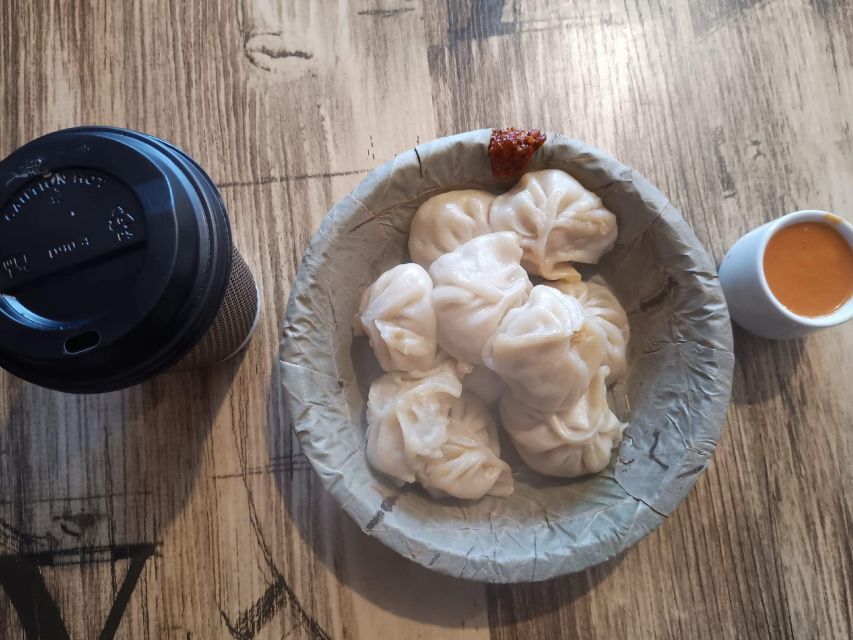
Two hours is enough for a useful introduction, not a full survey of Kathmandu cuisine. The short length is helpful if you are fitting the experience between sightseeing, a trek briefing, or an arrival day. It is also long enough to sample several dishes without committing an entire afternoon.
The trade-off is speed. You may stop at several vendors, walk through market lanes, hear cultural explanations, and still need to move along to the next taste. One participant felt the guide sometimes hurried through places. If you want long conversations at each stall, this may feel compressed.
I would treat the tour as an orientation. Use it to learn what you like, note the names of foods, and gain confidence ordering later. It is less suited to someone who wants a long restaurant meal or a carefully paced culinary class.
Price, value, and what is included
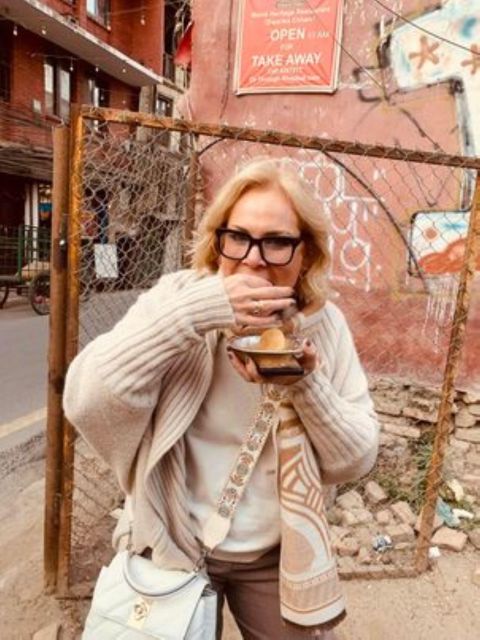
At $28 per person, the tour offers good value when you consider the food, drinks, guide, and cultural interpretation. The minimum is five food items, yet several participants ate much more. Buying that many small tastes independently could easily become confusing, and you might miss the local places that give the experience its character.
The guide is also part of the value. You are paying for explanations, route planning, vendor selection, and access to places that may not be obvious from a hotel district. That is especially useful on a first visit.
Government taxes and official expenses are included. Personal expenses are not, so bring money if you want extra food, drinks, crafts, or market purchases beyond what the tour provides.
The tour has a 4.7 rating from 54 ratings, with especially strong praise for the food variety, guide, cultural information, and price. The one clear caution is the occasional quick pace. Your enjoyment will depend partly on whether you prefer maximum tasting or more time at each stop.
Who should book this experience?
I would recommend it to first-time visitors who want a practical introduction to Kathmandu. It is also a good fit for solo visitors, curious eaters, and anyone who wants to sample local food without guessing which stalls to trust.
Food lovers should enjoy the variety, but you do not need to be an expert. The guide explains the dishes in accessible terms, and the route includes familiar snacks such as samosas and momos alongside less familiar foods such as laphing and Newari specialties.
This is less suitable if you need a slow pace, dislike crowded markets, or want a fixed menu. It may also be a poor match for strict dietary restrictions unless the provider confirms suitable options in advance.
Book it early in your Kathmandu stay if possible. You can use the rest of your trip to return to dishes you liked and skip the ones that did not suit you.
Practical booking notes
The tour costs $28 per person and lasts two hours. It includes an English-speaking guide, government taxes, at least five food items, and drinks.
You meet at the main gate of Chhaya Devi Complex. The tour has free cancellation up to 24 hours before the start, and you can reserve now and pay later. Availability and starting times should be checked before booking.
Should you book the Kathmandu Secret Food Crawl?
Book it if you want to eat your way through local Kathmandu while learning how the food connects to Newar culture and everyday life. The strongest reasons are the generous tasting portion, the old market setting, and Santosh’s friendly explanations.
Skip it if you want a quiet meal, a fixed itinerary, or a slow food seminar. For most curious first-time visitors, though, this is a practical and affordable way to get your bearings, taste foods you might otherwise miss, and see Kathmandu through its markets.
FAQ
How much does the Kathmandu Secret Food Crawl cost?
The tour costs $28 per person.
How long does the food crawl last?
The experience lasts two hours.
Where is the meeting point?
You meet at the main gate of Chhaya Devi Complex.
What language does the guide speak?
The live guide speaks English.
How many food items are included?
At least five food items with drinks are included. Some routes may include eight or nine different tastes.
What foods might I try?
Possible foods include momos, laphing, chatamari, yomari, samay baji, pani puri, lassi, samosas, and buckwheat pancakes. The exact selection may vary.
Does the tour visit Ason Bazar?
Yes. Exploring Ason Bazar, described as Kathmandu’s oldest local market, is a central part of the experience.
Are drinks included?
Yes. Food and beverages are included, with a minimum of five food items.
Are personal expenses included?
No. Personal expenses are not included.
Can I cancel for a full refund?
Yes. You can cancel up to 24 hours in advance for a full refund.
More Shopping Tours in the world
- Pike Place Market Tasting Tour
★ 5.0 · 1,696 reviews - Small Group Cooking Class & Market Food Tour in Florence
★ 5.0 · 1,574 reviews - Nishiki Market Brunch Walking Tour (7 Tastings + Brunch)
★ 5.0 · 1,355 reviews - Bologna Food & Market Tour with 6 Tastings, Pasta, Wines & More
★ 5.0 · 1,328 reviews
Just added in the world
- Copenhagen Private Culinary Food Tour with 6 Tastings of Classics★ 5.0 · 42 reviews
- Copenhagen Private Food Walking Tour with 6 or 10 Tastings★ 4.5 · 177 reviews
- Copenhagen Food & Drink Private Tour: Scandinavia Delight Tasting★ 5.0 · 236 reviews
- Copenhagen Modern Food Tour★ 5.0 · 32 reviews
- 3-hour Culinary Bike Tour in English★ 5.0 · 235 reviews
- Copenhagen Best of Danish Pastry Tasting Tour★ 5.0 · 30 reviews
- Classic 3-Hour Food Tour in Colorado Springs★ 5.0 · 408 reviews
- COLOMBO PRIVATE CITY TOUR WITH street food( All inclusive )★ 4.0 · 40 reviews
Market Food Tours, compared.

Tokyo Tsukiji Fish Market Food and Culture Walking Tour
Read our review →
London Bridge & Borough Market Food Tour with 7 Authentic Dishes
Read our review →
Small Group Cooking Class & Market Food Tour in Florence
Read our review →
Nishiki Market Brunch Walking Tour (7 Tastings + Brunch)
Read our review →
Bologna Food & Market Tour with 6 Tastings, Pasta, Wines & More
Read our review →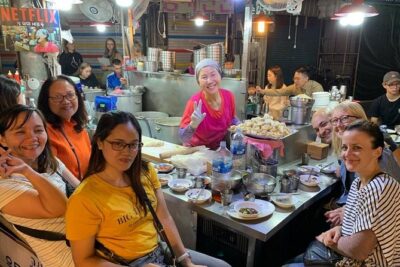
Browse the lists this tour appears in