
REVIEW · MALAYSIA FOOD TOURS
Kuala Lumpur: Sambal Street Food Tour with 15+ Tastings
Come hungry, leave happily confused. This four-hour Kuala Lumpur food walk gives you 15 or more tastings, from roti canai and nasi lemak to grilled mackerel with sambal and durian cendol. I especially like the tiny group, capped at eight, and the way guides such as Kiran, Nadia, Sam, and Ian explain the history behind each bite. The main catch is simple: there is a lot of food, so anyone with a small appetite may struggle near the end.
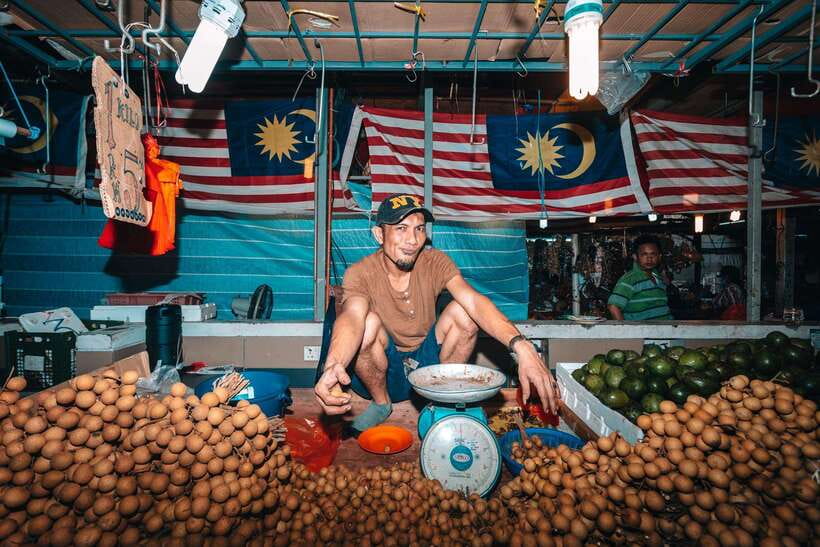
I also like that the route moves beyond the usual tourist circuit into traditional neighbourhoods such as Chow Kit and Kampung Baru. You eat at places used by locals, not polished restaurants built for sightseeing, and the guides adjust spice levels and portions when they can. Vegetarians, vegans, and people with severe food allergies should think carefully before booking, since most stops focus on meat, fish, and shared local dishes.
Key points at a glance
- More than 15 tastings: This is a full meal, not a few sample bites. Come with an empty stomach.
- Small group of eight: The size makes it easier to ask questions, share dishes, and keep up on busy streets.
- Chow Kit and Kampung Baru: You see two traditional parts of Kuala Lumpur while eating your way through them.
- Malay, Indian, and Chinese influences: The food gives you a practical lesson in Malaysia’s mixed culture.
- Guides who adjust the experience: Kiran, Nadia, Ian, Sam, Steve, Sean, and others are praised for their warmth, pacing, and care with spice levels.
- Rain or shine: Comfortable shoes, an umbrella, and rain gear are not optional suggestions in Kuala Lumpur.
Why this food walk works so well
Kuala Lumpur food can feel like a delicious puzzle. A single street may offer Malay rice dishes, Indian breads, Chinese noodles, grilled seafood, sweet drinks, and fruit you have never tried. Ordering alone is possible, but you may miss the story behind the food or choose a dish that overwhelms you with chilli.
This tour solves that problem with a local guide and a shared table approach. You taste many dishes without having to order full portions at every stop. The guide explains ingredients, preparation, customs, and the cultural background of the food as you walk.
The small group matters. With eight people or fewer, you can hear the guide more easily than on a large bus-style food outing. You also have a better chance to ask why sambal tastes different from one dish to another, how roti canai is made, or what makes nasi lemak a Malaysian staple.
The experience has earned a 4.9 rating from 1,657 bookings, and the praise is remarkably consistent. Guides are repeatedly described as friendly, funny, attentive, and good at adjusting the evening to the group. Kiran receives special praise for her passion and personal stories, while Nadia is noted for looking after individual needs and even helping one person find the LRT station afterward.
That personal care is a major part of the value. This is not only about eating. It is about having someone help you understand what is in front of you.
More street food tours in the world:
- Ho Chi Minh City Street Food Tour & Sightseeing By Motorbike
★ 5.0 · 9,413 reviews - Naples: Street Food Walking Tour with Local Guide
★ 4.9 · 4,976 reviews - Small Group Hanoi Street Food Tour with a Real Foodie
★ 5.0 · 4,682 reviews
Starting near Hilton Garden Inn South
The meeting point is outside the entrance of the Hilton Garden Inn South, at the corner of Jalan Raja Alang and Jalan Tuanku Abdul Rahman. Pay attention to the word South, since Kuala Lumpur has more than one Hilton Garden Inn location.
From there, the walk takes you into local streets and food areas rather than keeping you beside the major tourist sights. You should expect regular walking, street crossings, standing at food stalls, and eating in casual local settings.
The tour runs for four hours. That sounds generous because it is. Food arrives in stages, and the pace is designed to let you sample each dish without rushing from one stop to the next. Several people praise the relaxed timing, though one person found the sheer amount of food excessive.
I suggest eating only a light meal beforehand, or skipping one entirely. This is not a light grazing tour. By the final stop, you may be full enough to view another plate with suspicion.
The market lesson: ingredients before dishes
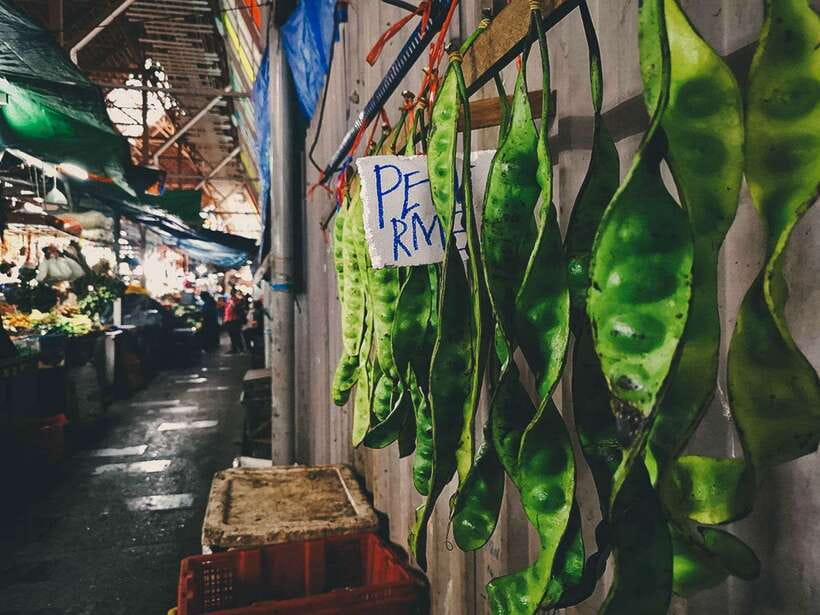
One early part of the experience takes you through a local market or food area, where the guide points out the produce and ingredients used in Malaysian cooking. This is a useful start because it gives you a visual reference for later dishes.
You might see ingredients connected with sambal, curries, rice dishes, grilled food, and local desserts. The guide can then explain how those ingredients move from market stall to kitchen. That link makes the later tastings easier to understand.
This is also where the tour begins to explain Malaysia’s cultural mix. The food reflects Malay, Indian, and Chinese traditions, along with local adaptations that have developed in Kuala Lumpur. Instead of presenting Malaysian cuisine as one fixed style, the guide shows you how several food traditions meet on the same street.
The market portion is not a formal cooking lesson. It is more like a guided introduction to the food system around you. If you enjoy context, it adds real value. If you only want to eat, you may find the explanations slow at first, but they make the rest of the evening more meaningful.
Roti canai and the pleasures of fresh bread
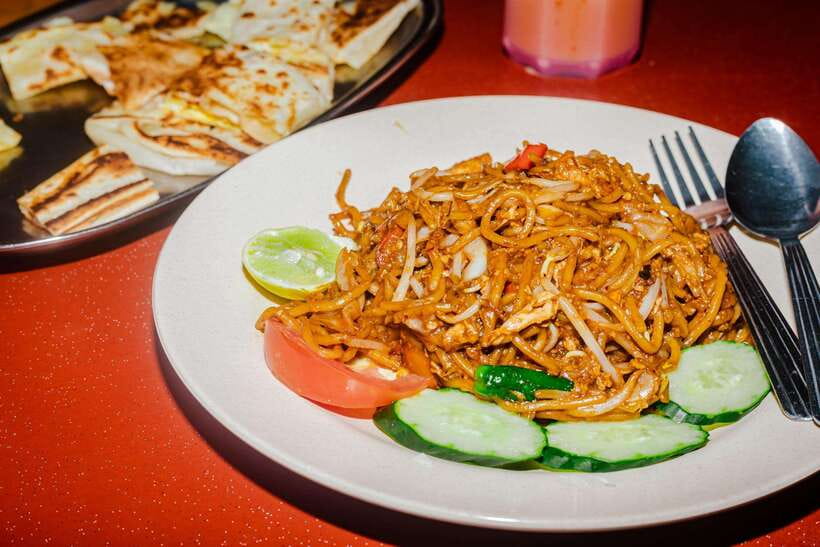
Roti canai is one of the most memorable early tastings because you may get to see, or even try, the dough being stretched and flipped. The bread is thin, layered, crisp in places, and soft in others. It comes with curry, giving you a simple but satisfying lesson in how bread and sauce work together.
Several tour departures include a chance to try flipping roti yourself. Do not expect a perfect circle on your first attempt. The fun is in trying, and the activity breaks up the eating with something hands-on.
The guide can also explain how roti fits into Malaysia’s Indian-Muslim food culture. This is the kind of detail you might not learn by ordering a plate at random. You leave with a better sense of what to look for later in your trip.
A few more food tours in the world worth a look
- Reykjavik Food Walk – Local Foodie Adventure in Iceland
★ 5.0 · 18,952 reviews - Tokyo: Shinjuku Food Tour (13 Dishes at 4 Local Eateries)
★ 5.0 · 6,603 reviews - Winner 2025 Undiscovered Lisbon Food & Wine Tour by Eating Europe
★ 5.0 · 6,390 reviews - Hanoi: Guided Food Tour with Train Street Visit
★ 4.9 · 6,239 reviews
Nasi lemak, rendang, and Malaysian comfort food
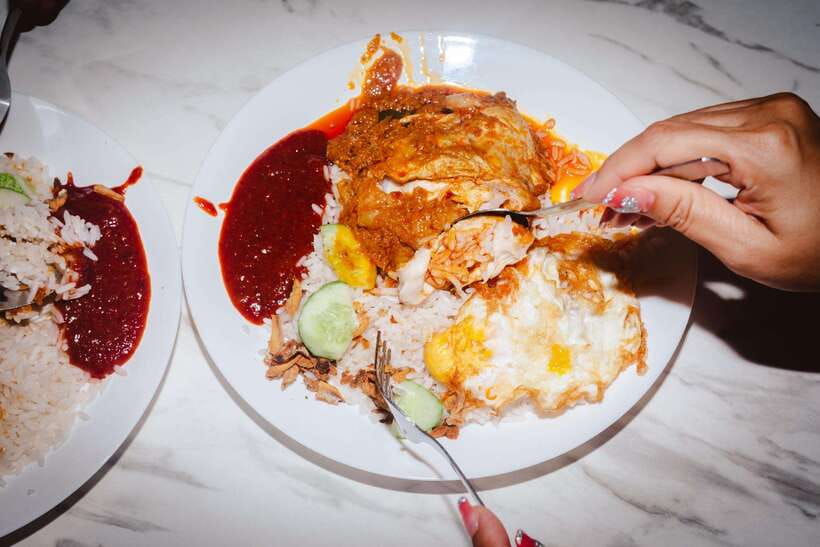
Nasi lemak is another central tasting. The fragrant rice is traditionally served with accompaniments that can include sambal, peanuts, anchovies, egg, and other sides. The dish looks modest, but the combination of salty, spicy, sweet, creamy, and crunchy elements makes it one of Malaysia’s defining meals.
Rendang gives you a different lesson. It is a slow-cooked dish with a dense sauce and strong seasoning, often made with meat. The guide explains the ingredients and preparation so you can appreciate why the dish tastes so concentrated.
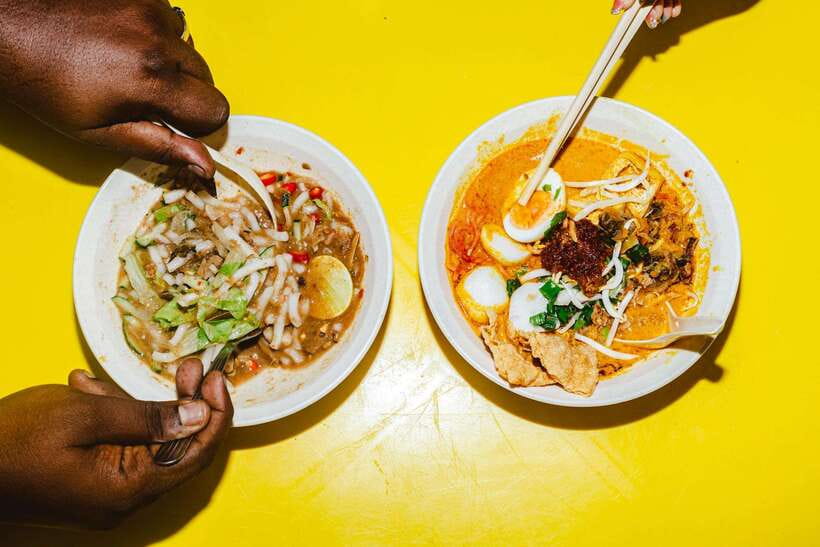
You may also try curry laksa or mee dishes, depending on the route and the day. One recent itinerary included curry laksa and mama mee alongside nasi lemak, satay, grilled fish, and fruit. The exact selection can change, but the point is variety rather than one oversized main course.
That variety is the tour’s strongest feature. You are not eating five versions of the same noodle dish. You are moving across different textures, cooking methods, and cultural influences.
Satay, grilled mackerel, and sambal
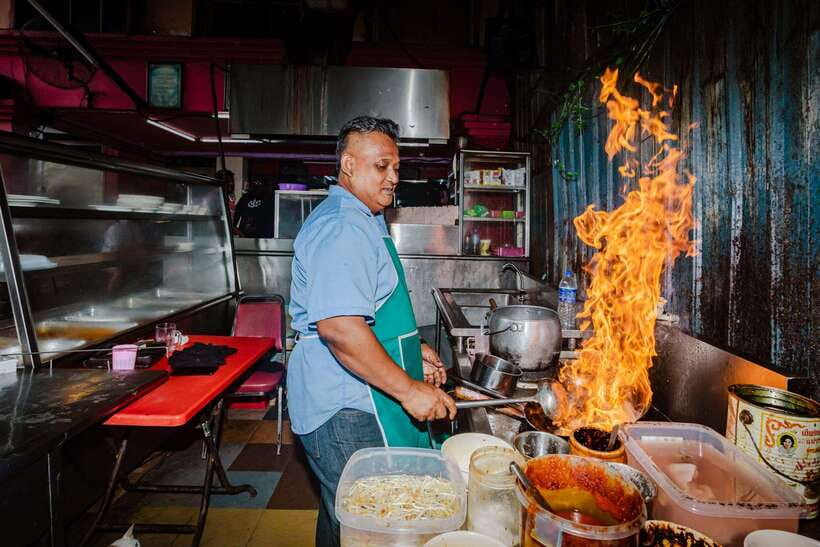
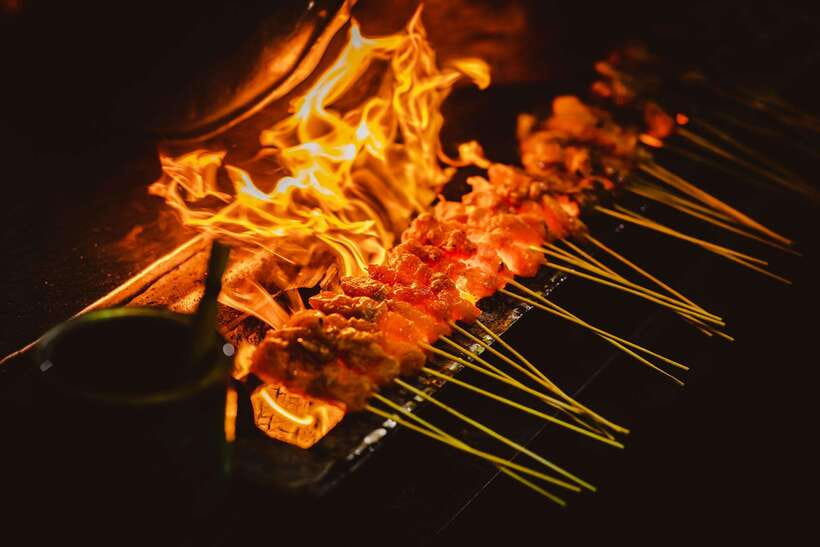
The flame-grilled chicken skewers with peanut satay bring smoke, sweetness, and a creamy nut sauce to the table. They are familiar enough for cautious eaters, but still show how much flavour can come from charcoal grilling and a well-balanced sauce.
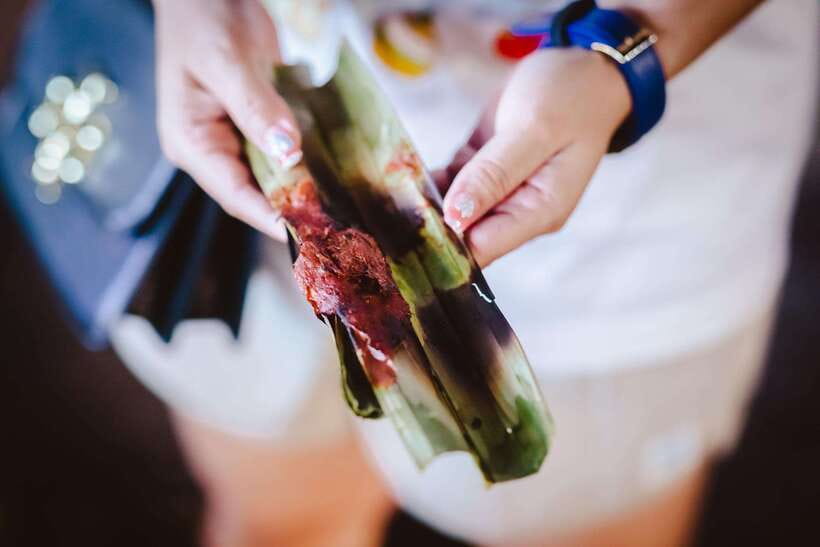
The grilled mackerel served on a banana leaf is more distinctive. The fish is paired with sambal, the chilli-based sauce that gives the tour its name. Sambal is not one single recipe. Its heat, sweetness, acidity, and texture vary from kitchen to kitchen.
This stop may be less comfortable for people who dislike bones, spice, or seafood. Your guide can help explain what you are eating and may adjust the order where possible, but this is not a menu designed around substitutions.
Several guides take spice levels seriously. Ian, Stephen, Kiran, and others are praised for checking how much heat people can handle and for arranging milder options when possible. Still, tell the operator about your needs when booking, and remind the guide at the start.
Cooling desserts, fruit, and the durian question
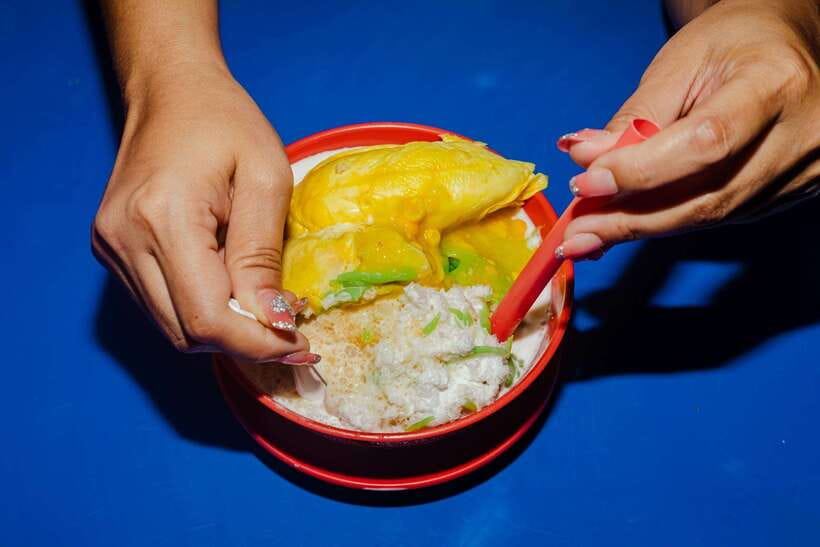
After several savoury dishes, the sweet stops become welcome. Cendol offers shaved ice, coconut milk, palm sugar, and chewy green jelly. It is cold, sweet, and refreshing after spicy food.
The version here may include durian. Durian divides people sharply. Some find it creamy and fragrant, while others think it smells like a sock left in a hot car. The tour gives you a chance to try it in a controlled setting, with someone nearby who can explain what to expect.
You may also taste seasonal fruits or finish with a mango shake. Fruit is not an afterthought on this walk. It helps reset your palate and gives you a better feel for the range of Malaysian produce.
If you already know you dislike durian, you do not need to force yourself to become a convert. Ask the guide about the tasting and decide how much you want to try.
Walking through Chow Kit and Kampung Baru
The walking route is part of the meal. You move between food stops through neighbourhoods that show a less polished side of Kuala Lumpur. Chow Kit and Kampung Baru offer a look at local streets, markets, small eateries, and everyday city life.
This is not a sightseeing tour with food added as decoration. The route helps explain why these areas matter to the city’s food culture. You see where people shop, eat, and meet, then sample dishes in the same general setting.
The streets can be wet, crowded, or uneven, especially in tropical rain. The tour runs in all weather, so bring an umbrella and rain gear. Wear shoes that remain comfortable after several hours of walking and standing.
The walking also helps control the pace of the meal. You get time between dishes, and the change of scene keeps the evening from feeling like one long restaurant sitting.
How much value do you get for $53?
At $53 per person, this is not the cheapest way to find Malaysian food. You could eat individual dishes at local stalls for much less.
But comparing the price only with the cost of a plate misses the point. The fee covers more than 15 tastings, bottled water, four hours of guiding, small-group access, and the work of choosing stops and ordering food. You also avoid the guesswork of reading unfamiliar menus while hungry.
The best value comes if you are new to Kuala Lumpur and want a food map for the rest of your stay. After the tour, you will know more about nasi lemak, roti canai, satay, sambal, cendol, local fruits, and several other dishes. You can then revisit the foods you liked and skip the ones that did not suit you.
The price is harder to justify if you already know Kuala Lumpur well, dislike group activities, or mainly want one large meal. It is also less appealing if you cannot eat most of the dishes offered.
Dietary needs and practical limits
The operator supports lactose intolerance and some other dietary needs, but the tour is specifically marked as unsuitable for vegetarians, vegans, and people with severe food allergies. Most stops are built around meat, fish, seafood, shared sauces, or cooking methods that may not allow complete separation.
Tell the operator about dietary needs when booking. Then explain them again to your guide at the meeting point. One guide handled a mix-up involving a pescatarian by arranging a replacement, but you should not assume every dish can be changed.
Alcohol is not included, and alcohol and drugs are not allowed on the tour. Bottled water is included, which is useful in Kuala Lumpur’s heat and humidity.
English is the tour language. The guide will explain the dishes, local customs, and city history while walking, so stay close enough to hear. One person noted that background noise and distance sometimes made explanations difficult. In a group of eight, positioning yourself near the guide helps.
The guides make the difference
The food is the main attraction, but the guide shapes the evening. Kiran is praised for humour, passion, patience, and personal stories. Nadia receives strong marks for kindness, cultural explanations, and careful attention to each person in the group.
Ian is often described as energetic and friendly, with a talent for creating an easy group mood. Sam is praised for answering questions and helping with photographs. Steve and Sean are also noted for clear explanations, good pacing, and care with spice levels.
Guides can vary, so the personality of your evening will not be identical every time. That is normal for a walking tour. The consistent pattern is a guide who does more than point at food. The best guides help you understand why a dish matters and how to order it later.
The small group gives you a fair chance to build a friendly atmosphere, even if you arrive alone. Several people joined solo and still found it easy to share food and conversation.
Who should book this food tour?
I would book it early in a Kuala Lumpur visit if you are curious about food but unsure where to begin. The tour gives you a broad introduction, and the guide can help you make sense of menus for the rest of your stay.
It suits adventurous eaters, couples, solo visitors, and small groups who enjoy walking and sharing dishes. It is also a good choice if you want local neighbourhoods rather than only famous city sights.
I would skip it if you need a strictly vegetarian or vegan menu, have severe allergies, dislike seafood, or become uncomfortable with spicy food and unfamiliar textures. You should also think twice if four hours of eating sounds like work rather than pleasure.
For most other people, the combination of food, neighbourhood walking, and cultural explanation makes the $53 worthwhile. Book it, arrive hungry, wear sensible shoes, and let the guide steer you toward something you would not have ordered alone.
FAQ
How long is the Kuala Lumpur street food tour?
The tour lasts four hours.
How many tastings are included?
The experience includes more than 15 tastings, along with bottled water.
Where does the tour meet?
Meet your guide outside the entrance of the Hilton Garden Inn South, on the corner of Jalan Raja Alang and Jalan Tuanku Abdul Rahman.
How large is the group?
The tour is limited to eight participants.
What food might I try?
Possible tastings include rendang, nasi lemak, satay, roti canai with curry, grilled mackerel with sambal, cendol with durian, curry laksa, mama mee, seasonal fruit, and mango shake. The exact selection may vary.
Is the tour suitable for vegetarians or vegans?
No. The tour is not suitable for vegetarians or vegans because there are few alternatives at the stops.
What should I bring?
Bring comfortable shoes, an umbrella, and rain gear. The tour runs rain or shine, so come prepared for wet weather.
Just added in the world
- Private Chicago Food Tour with Deep Dish and Beef Sandwich★ 5.0 · 61 reviews
- River North Food Walking Tour★ 4.5 · 88 reviews
- Chicago Food Tour: Taste the City’s Most Iconic Eats★ 5.0 · 111 reviews
- Chicago’s West Side Foodie Ride Bike Tour★ 5.0 · 112 reviews
- Old Town Chiang Mai Food Tour with 10+ Local Dishes Tastings★ 5.0 · 21 reviews
- Go where the locals go, Eat what the locals eat! Food Tour with Local Foodies★ 5.0 · 138 reviews
- Motorbike Food Tour in Chiang Mai★ 5.0 · 54 reviews
- Food Trail Through Sowcarpet Market: A Taste of Chennai★ 5.0 · 38 reviews
Street Food Tours, compared.
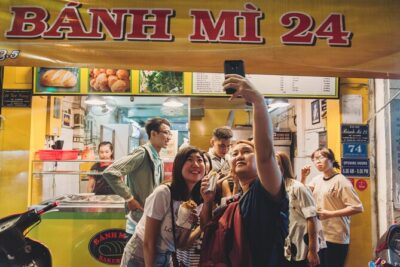
Ho Chi Minh City Street Food Tour & Sightseeing By Motorbike
Read our review →
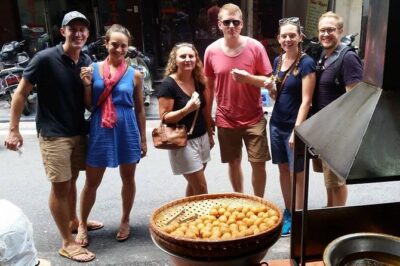
Small Group Hanoi Street Food Tour with a Real Foodie
Read our review →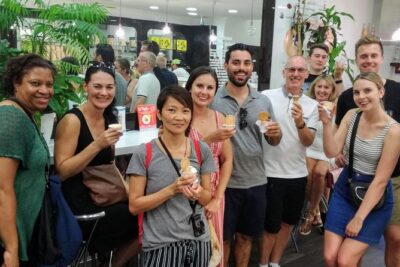
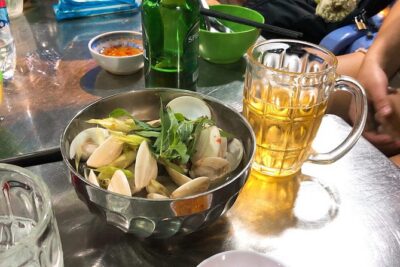
Saigon By Night and Street Food By Motorbike | Opt: Ao Dai Riders
Read our review →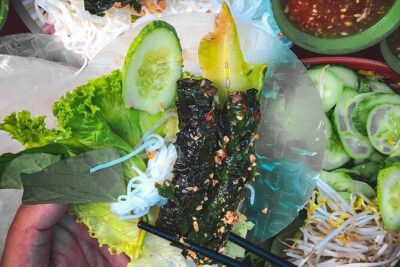
Private Street Food Tour by Motorbike/Car with Local Students
Read our review →
Cinque Terre Park Day Trip with Optional Street Food
Read our review →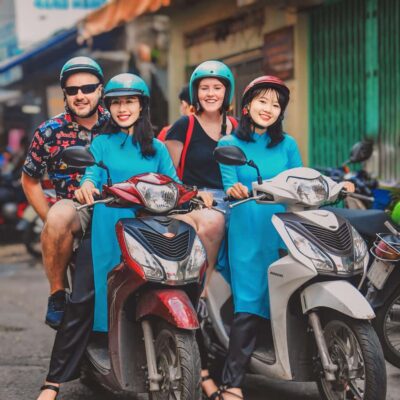
Street Food Tasting & Sightseeing Tour by Motorbike
Read our review →Browse the lists this tour appears in