
REVIEW · BANGKOK FOOD TOURS
Local Life, Culture & Food Walking Tour at Chinatown
Chinatown rewards curious walkers. This small-group tour takes you beyond the main streets into temples, markets, old shophouses, and narrow lanes where daily life continues at its own pace. I like the personal attention, especially because guides such as JoJo, Sunee, Kae, and Khun Kaew have been praised for answering questions and adjusting the walk to individual interests.
I also like the food focus. Crispy pork belly, dumplings, herbal tea, papaya salad, and even durian may appear along the way, depending on the guide and your tastes. The main drawback is practical: you spend the experience on foot in Bangkok’s heat, and the tour is not suitable for wheelchair users. Bring good shoes, a light bag, and patience for crowded lanes.
What makes this Chinatown walk worth your time
- A personal start near MRT Wat Mangkon: Meet at Exit 1, by the Plaeng Nam intersection, a convenient place to begin exploring the district.
- Temples and shrines with meaning: Your guide explains how local families use these places for worship, blessings, and daily rituals.
- Food with a story: Tastings can include Thai-Chinese specialties, herbal drinks, dumplings, crispy pork, and other local bites.
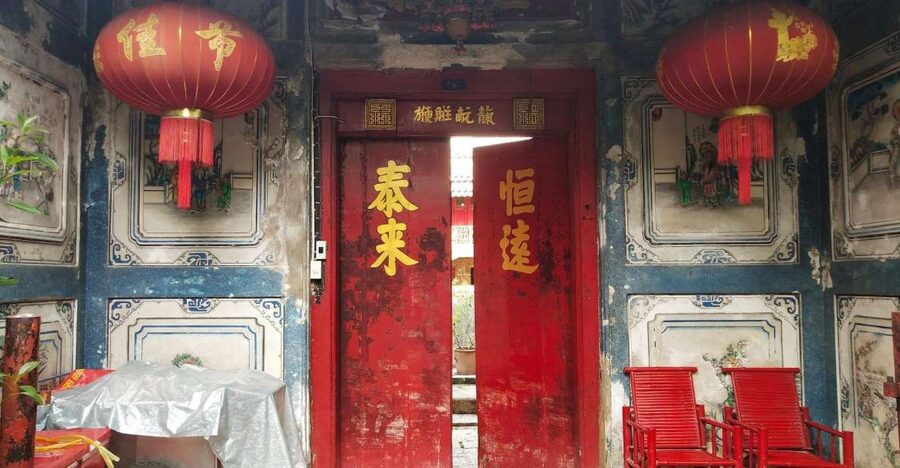
- Backstreets beyond Yaowarat: Narrow lanes reveal old wooden homes, small community spaces, street art, and working neighborhoods.
- Talad Noi’s Chinese-Thai past: The walk reaches one of Bangkok’s oldest Chinese-Thai communities, tied to settlement along the Chao Phraya River.
- Guides who shape the route: JoJo, Sunee, Kae, and Khun Kaew have been praised for making the outing feel conversational rather than scripted.
Meeting Chinatown at Odeon Circle
Your meeting point is at MRT Wat Mangkon Station, Exit 1, near the Plaeng Nam intersection at 3 Plaeng Nam Road. Arrive at least 10 minutes early. Bangkok traffic and station exits can be confusing, so giving yourself a few extra minutes is sensible.
The walk begins with an introduction to Chinatown and its Chinese immigrant communities. Odeon Circle serves as a useful landmark and a grand entrance to the district. Here, your guide can set the scene: Chinatown is not just a food district, but a living neighborhood shaped by trade, family businesses, worship, and generations of Thai-Chinese residents.
That opening matters. Without context, Chinatown can feel like a noisy maze of signs and stalls. With a guide, the old buildings, shrines, and shopfronts gain a human story. You begin to see how the district changed while keeping many older customs in place.
The tour ends back at the meeting point, so you do not need to arrange a separate pickup. Transportation to and from the starting location is not included, which is easy to manage if you are already using Bangkok’s MRT system.
More Chinatown food tours in Bangkok:
- Bangkok Authentic Tasting Thai-Chinatown Walking Food Tour
★ 4.9 · 852 reviews - Bangkok: Tuk Tuk Adventure Chinatown Michelin Food & Temples
★ 4.3 · 725 reviews - Bangkok Tuk-Tuk Tour by Night with Chinatown Street Food Meal
★ 5.0 · 635 reviews
Markets where shopping is only part of the story
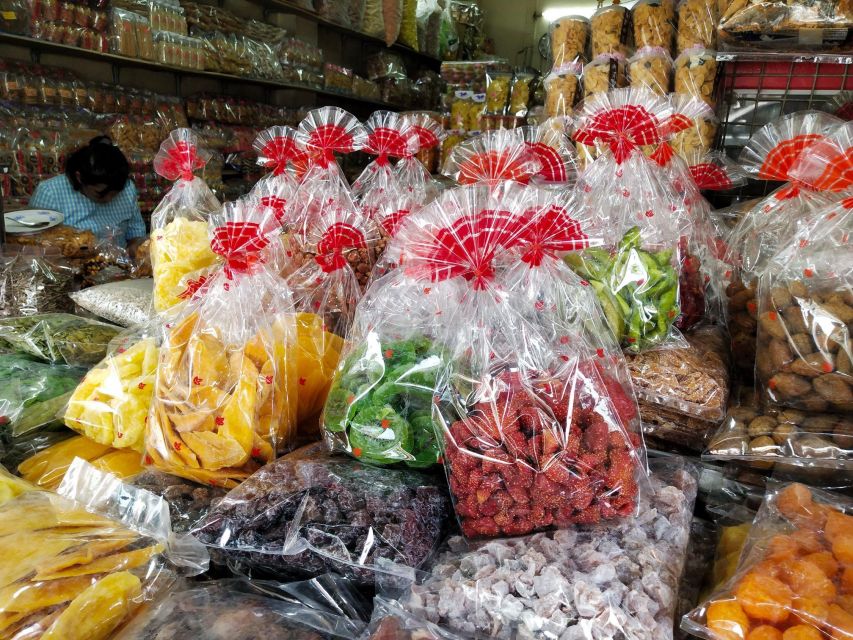
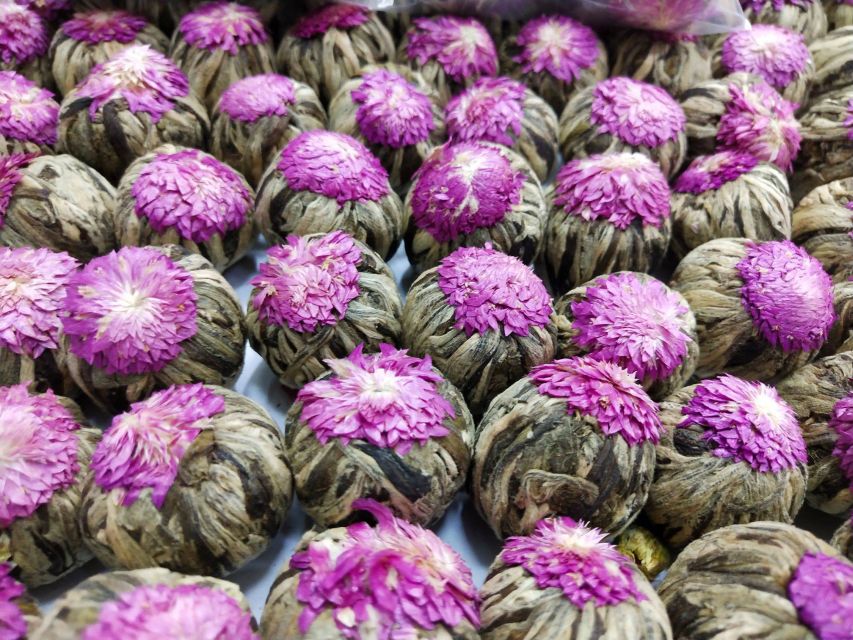
The market section brings you into the practical side of Chinatown. Expect displays of herbal remedies, small goods, food products, and colorful everyday items. This is not simply a stop for photographs. It shows how commerce still shapes the neighborhood and how Chinese and Thai traditions meet in ordinary purchases.
Your guide can help explain what you are seeing and may point out items that would be easy to miss on your own. You will have chances to ask about food, customs, family businesses, and local habits. That exchange is one of the tour’s strongest features.
Personal shopping is not included, and any souvenirs or extra snacks are your responsibility. That is useful to know before you arrive. You can browse, but the tour price does not cover buying gifts or adding drinks at every stop.
One practical point: large bags and luggage are not allowed. A small, comfortable day bag is the better choice. You will be walking through tight lanes, and bulky baggage would make the route awkward for you and everyone around you.
Thai-Chinese food in small, useful tastes
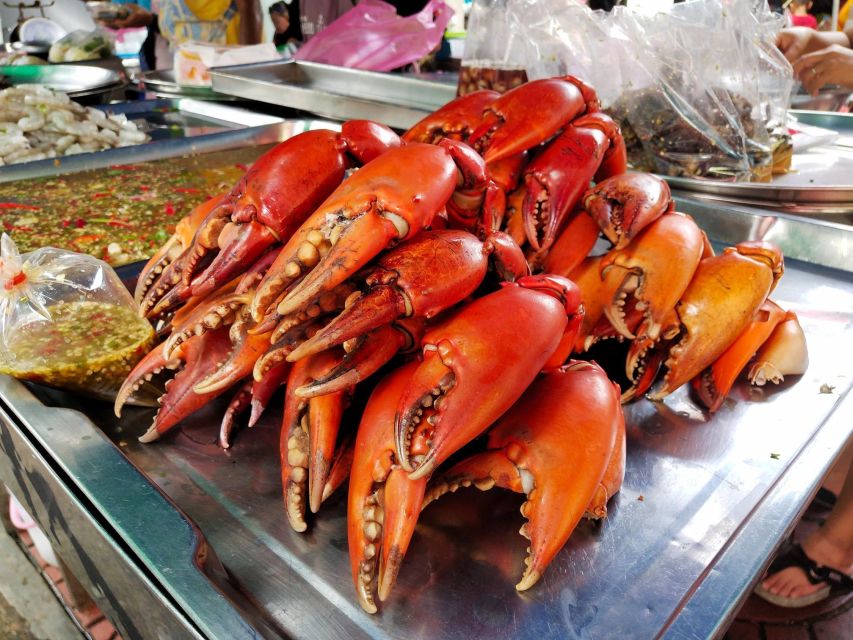
Food is central to this outing, but it is not presented as a formal restaurant meal. You taste selected street foods as you walk, using each bite to understand the local mix of Chinese and Thai cooking.
Possible tastings include crispy pork belly, handmade dumplings, herbal teas, and other neighborhood specialties. One guide, JoJo, was praised for helping a solo participant try papaya salad and for continuing the conversation over coffee. Another guide, Kae, went out of her way to find two kinds of durian after her guests said they wanted to try it.
Those details show how much the food portion can depend on your guide and your interests. You should not assume every tasting is guaranteed in exactly the same form. The listed experience promises Thai-Chinese street-food samples, but the particular dishes may change.
Tell the operator about allergies or dietary restrictions in advance. Additional food and drinks are not included, so you may spend more if you want extra portions or decide to keep sampling after the official tastings.
I like this format because street food makes sense in its setting. You are not only hearing that Chinatown has Chinese influence. You are tasting how that influence appears in everyday food, from dumplings and pork to herbal drinks and fruit.
Shrines, temples, and old buildings
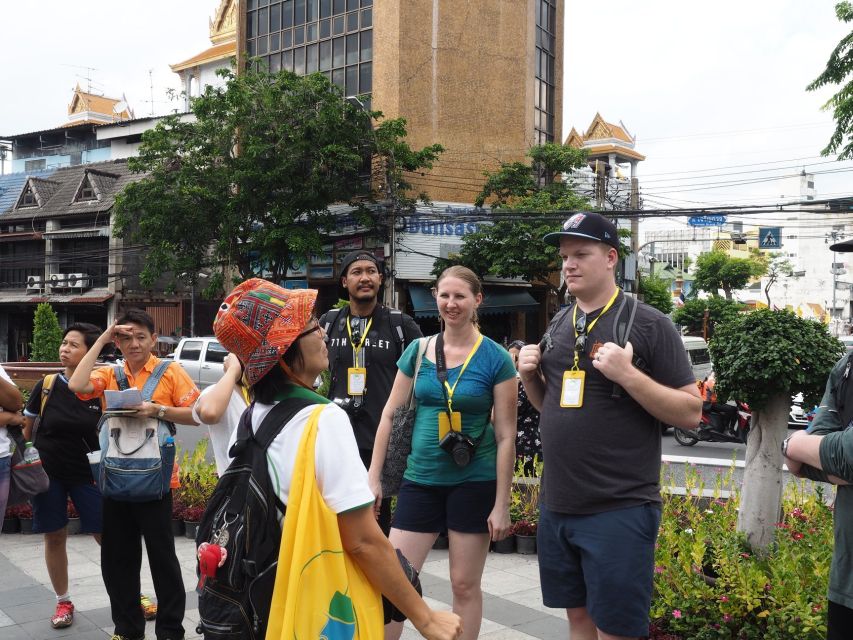
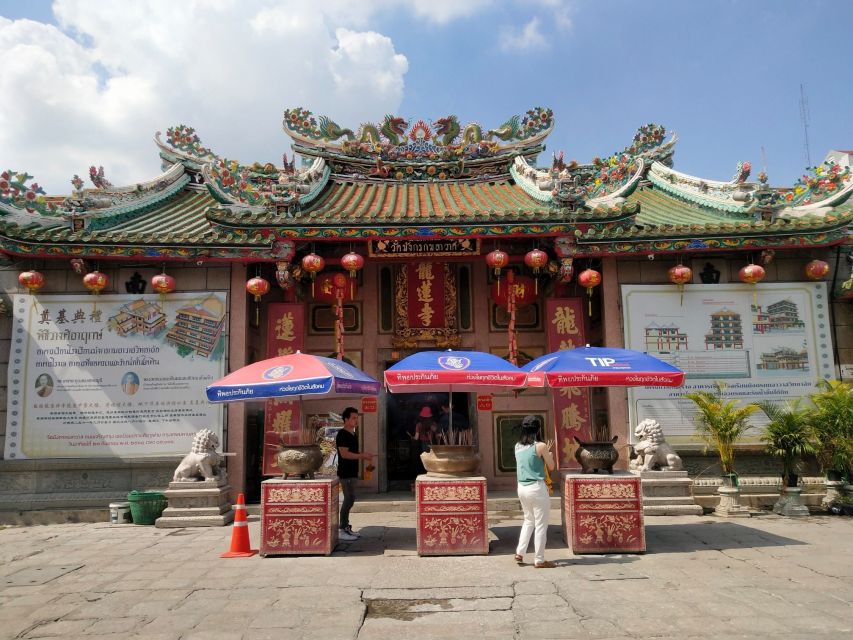
The religious stops give the walk its strongest cultural layer. You visit historic temples and shrines decorated with incense and gold, and your guide explains how residents come to pray, ask for blessings, and honor traditions passed through families.
This is where a good guide makes a real difference. A shrine can look beautiful but puzzling if you do not know what people are doing there. The guides on this tour have been praised for explaining customs and beliefs in clear, approachable ways, without turning the visit into a dry lecture.
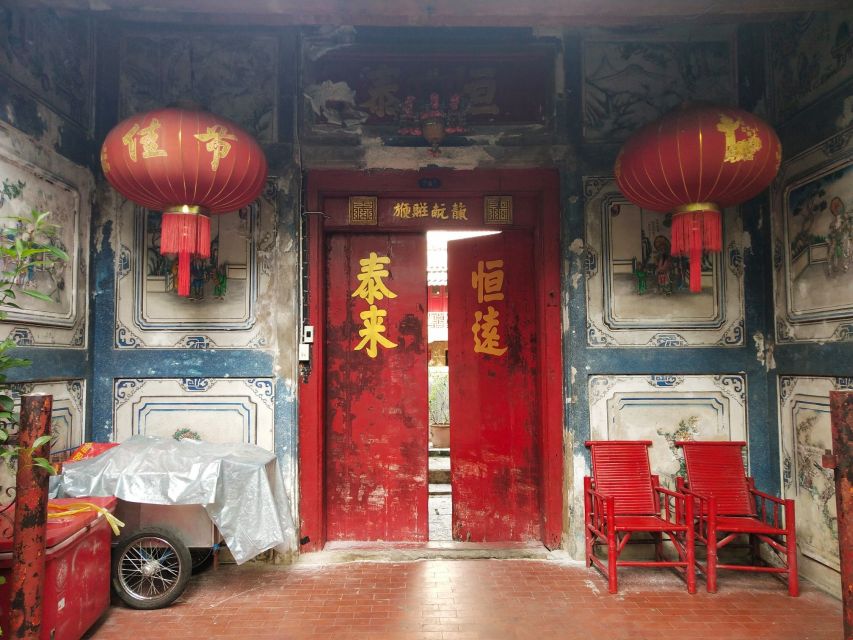
You will also see old Chinese architecture, including shophouses with distinctive facades and long family connections. These buildings help explain how homes, shops, storage areas, and workshops once worked together in a dense neighborhood.
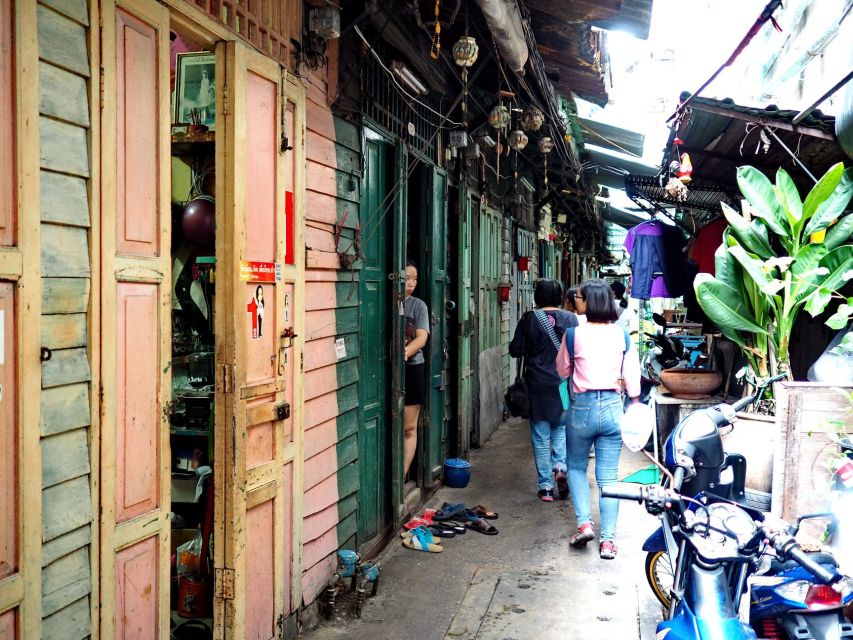
Some of the most interesting views come from the less polished corners. One account described narrow passages and old wooden homes that still show how people live in the area. These spaces may feel cramped, and the walking surface may not always be smooth, which is another reason to wear sturdy shoes and watch your footing.
Please remember that temples and shrines are active religious places, not just sightseeing stops. Casual clothing is recommended, and a respectful attitude is essential. Your guide can help you understand what is appropriate at each place.
More food walking tours in Bangkok:
- Bangkok Private Walking Food Tour with 10+ Tastings in Chinatown
★ 5.0 · 67 reviews - Bangkok: Street Art and Street Food Walking Tour
★ 4.1 · 58 reviews - Reykjavik Food Walk – Local Foodie Adventure in Iceland
★ 5.0 · 18,952 reviews - New Orleans Food Walking Tour of the French Quarter with Small-Group Option
★ 5.0 · 6,118 reviews
Talad Noi and the oldest Chinese-Thai community
The walk continues into Talad Noi, described as Bangkok’s oldest Chinese-Thai community. Its importance comes from its connection to early settlers who established homes and businesses along the Chao Phraya River.
Talad Noi helps you see Chinatown as a group of communities rather than one single strip of restaurants. The lanes, houses, religious sites, and local businesses reflect a long process of settlement and change. Your guide shares stories about the people who built their lives here and how the neighborhood developed.
This part can be especially meaningful if you enjoy social history more than postcard sights. You are not simply checking off a temple or market. You are learning how a district formed around families, work, faith, and the river.
There are also photo opportunities, including old architecture, street scenes, shrines, and local art. Still, do not expect every moment to be arranged for a perfect photograph. The appeal lies in seeing the neighborhood as it is, with ordinary activity happening around you.
Why the small group format matters
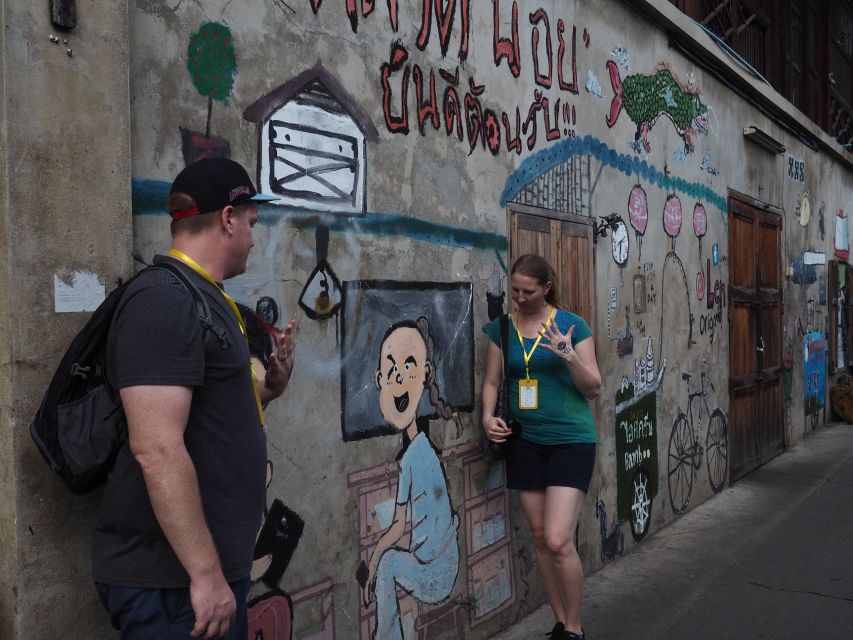
The tour is designed for a mini group, and sometimes the group may be very small. Some participants have ended up with what felt like a private walk because they were the only person or one of just two people booked.
That can change the experience. You have more time to ask about Chinese traditions, Bangkok neighborhoods, food, language, and local life. The guide can also adjust the pace and route to your interests, within the boundaries of the tour.
Sunee has been praised for customizing a walk around personal tastes and taking a participant to places they would not have found alone. Kae was appreciated for providing fans, stopping for photographs, explaining several temples, and helping with gift shopping. JoJo has been described as funny, well connected in the area, and highly flexible.
You should treat these examples as a sign of the tour’s personal style, not a guarantee of a particular guide or private booking. The price is $75 per person, and the group size depends on reservations. At that price, the value comes from the guide’s local interpretation, food tastings, and time spent in places that are hard to understand on your own.
If you want a cheap orientation walk with little interaction, $75 may feel high. If you value a flexible guide, cultural explanation, and small-group access to local streets, the cost is easier to justify.
Heat, rain, walking, and comfort
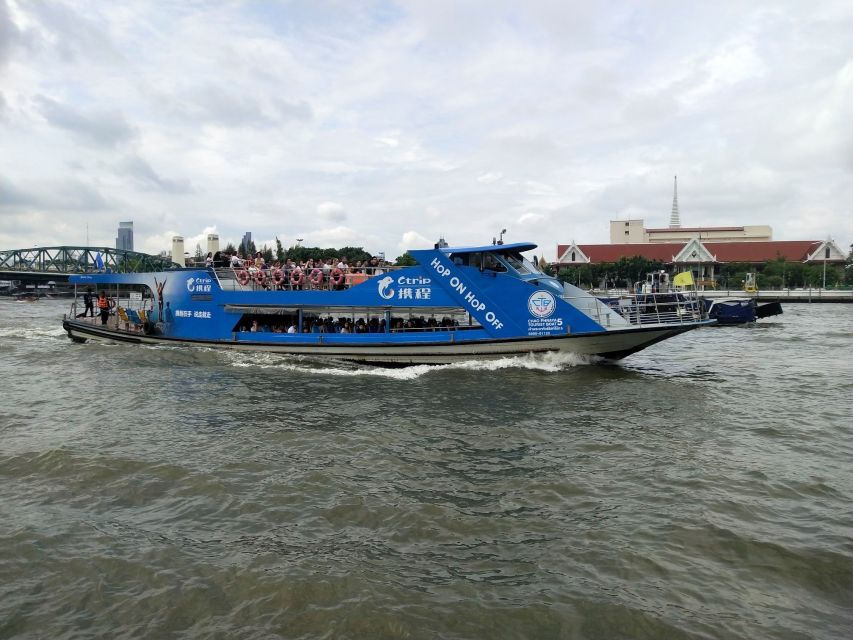
This is a walking tour in Bangkok, not a hop-on, hop-off outing. Comfortable shoes are essential. Casual clothing is recommended, and you should bring an umbrella or raincoat because the tour runs in rain or shine.
Bangkok’s weather can make a big difference. A hot afternoon, wet pavement, or crowded market can slow you down. The small group format helps because you can ask for short pauses, but the supplied details do not promise a fixed break schedule.
The tour is not suitable for wheelchair users. Narrow alleys, old buildings, and uneven passages make this important to know before booking. Large bags and luggage are also not allowed, so arrange hotel storage or leave suitcases elsewhere.
The walking demand is best for people who enjoy exploring at street level. You should be comfortable standing, walking through markets, and moving through confined lanes for the duration of the activity.
Who will get the most from this experience?
I would recommend this tour to first-time Bangkok visitors who want more than a quick pass through Yaowarat. It is also a good choice for solo travelers, since the guide can provide company and answer questions that are hard to resolve while exploring alone.
Food lovers will appreciate the tastings, especially if you are willing to try unfamiliar flavors. People interested in Chinese-Thai culture, religious customs, architecture, and neighborhood life will get more from the tour than someone focused only on major monuments.
The tour suits curious photographers, too, although you should photograph respectfully around shrines and residents. It is less suitable for anyone who dislikes heat, walking, street food, or flexible plans.
English and German are offered. If you have food allergies or dietary restrictions, contact the operator before the tour rather than waiting until you arrive.
Booking value and final advice
The $75 price includes a local guide, food tastings, visits to temples and shrines, market exploration, cultural explanations, and the benefit of a small group. It does not cover transportation to the meeting point, shopping, extra food, or personal expenses.
You can reserve and pay later, which helps if your Bangkok plans are still shifting. Cancellation is allowed up to 24 hours in advance for a full refund.
Book this tour if you want Chinatown explained from the inside, with food and personal stories woven into the walk. I would especially choose it for a first visit, a solo trip, or a day when you want to understand how Thai and Chinese traditions meet in ordinary Bangkok life.
Skip it if you need step-free access, dislike walking in uncertain weather, or prefer a tightly timed sightseeing route. For everyone else, arrive early at MRT Wat Mangkon, wear shoes made for real streets, and leave space for a few unexpected tastes and questions.
FAQ
Where does the Chinatown walking tour start?
It starts at MRT Wat Mangkon Station, Exit 1, by the Plaeng Nam intersection at 3 Plaeng Nam Road, Samphanthawong, Bangkok 10100, Thailand.
Where does the tour finish?
The activity ends back at the meeting point.
How early should I arrive?
You should arrive 10 minutes before the scheduled start time.
What food might be included?
Food tastings may include Thai-Chinese street food such as crispy pork belly, handmade dumplings, and herbal teas. Other tastings may vary.
Are extra food and drinks included?
No. Additional food or drinks beyond the provided tastings are not included.
Can I mention dietary restrictions or allergies?
Yes. You should notify the operator in advance about any dietary restrictions or allergies.
What languages are available?
The tour is offered in English and German.
Is transportation included?
No. Transportation to and from the meeting point is not included.
Can I bring luggage?
No. Luggage and large bags are not allowed.
Is the tour suitable for wheelchair users?
No. The tour is not suitable for wheelchair users.
What happens if it rains?
The tour runs in rain or shine. Bring an umbrella or raincoat if needed.
What is the cancellation policy?
You can cancel up to 24 hours in advance for a full refund.
Just added in Bangkok
- Bangkok Tuk Tuk Food Tour By Night★ 5.0 · 198 reviews
- Bangkok 3-in-1 Tour: Longtail Boat,TukTuk & Street Food Adventure★ 5.0 · 73 reviews
- Train & Floating Market Food Adventure + Scenic train ride★ 5.0 · 102 reviews
- Private Tuktuk Authentic Food Tour (Chinatown-Flower Market)★ 5.0 · 75 reviews
- 4-Hour Hidden Bangkok TukTuk Street Food Guided Tour★ 5.0 · 23 reviews
- Authentic Street Food Tour in China Town Bangkok★ 5.0 · 25 reviews
- Timeless Thonburi Canal and Food Tour★ 5.0 · 31 reviews
- Must-Try: Hidden Bangkok Bike and Food Tour★ 5.0 · 455 reviews
Food Walking Tours, compared.
Reykjavik Food Walk – Local Foodie Adventure in Iceland
Read our review →
New Orleans Food Walking Tour of the French Quarter with Small-Group Option
Read our review →
Savannah First Squares Culinary & Cultural Walking Food Tour
Read our review →
Guided Food Walking Tour with Wine in Trastevere
Read our review →
Trastevere & Campo de Fiori Street Food Walking Tour
Read our review →Browse the lists this tour appears in