
REVIEW · MELBOURNE FOOD TOURS
Melbourne Flavors: Queen Victoria Market Food Tour
Come hungry and leave with a shopping list. This 150-minute tour gives you an early look at Queen Victoria Market, with tastings ranging from hot doughnuts and charcuterie to coffee and local specialties. I especially like the small group capped at 12 people, and I like that the food comes with useful stories about immigration, vendors, and Melbourne’s market culture.
The strongest guides seem to be the ones who know the stallholders by name. Tristan receives repeated praise for his calm, warm style and strong local knowledge, while Anna is noted for her thoughtful storytelling and flexibility. The main point to consider is price: at $176 per person, this is not a cheap breakfast walk, and one guest reported that the outing lasted more than three hours, so you should not plan a tight schedule afterward.
Key points at a glance
- Early access to Queen Victoria Market: Start before the main crowds arrive, which makes it easier to hear your guide and speak with vendors.
- A tasting menu with range: Expect local and multicultural specialties, Melbourne coffee, and samples that may include doughnuts, cheese, salami, seafood, sorbet, or kangaroo.
- Food with context: The guide explains how immigration helped shape Melbourne’s food culture, rather than simply pointing out stalls.
- Vendor relationships matter: Guides such as Tristan and Anna have friendly connections with stallholders, adding warmth and behind-the-counter stories.
- Easy walking: The route covers about 1 kilometre and suits most fitness levels, though comfortable shoes still make sense.
- Good for food-focused first days: You receive practical ideas about what to buy, where to return, and how to use the market during the rest of your stay.
Why Queen Victoria Market makes a strong first food stop
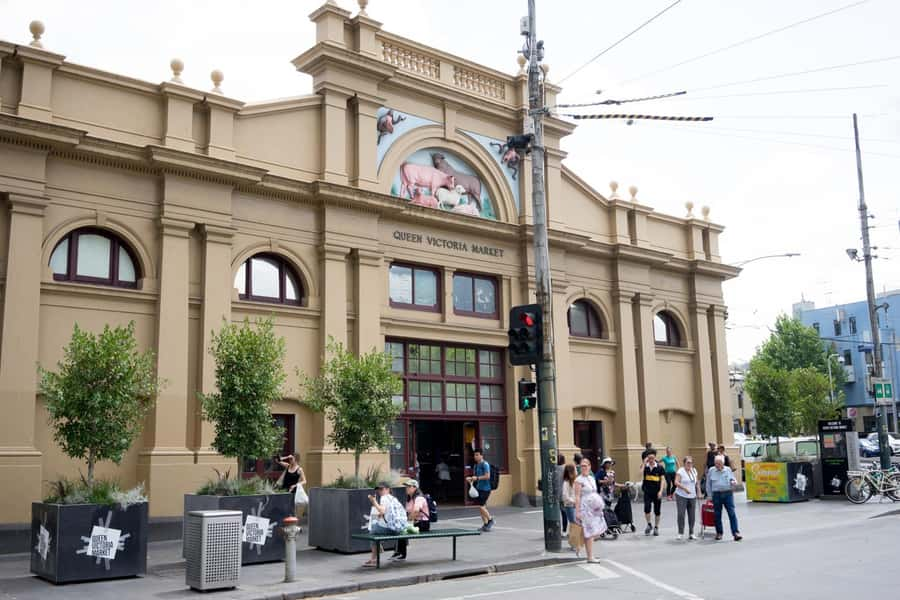
Queen Victoria Market is not just a place to grab breakfast. It is one of Melbourne’s defining public spaces, with fresh produce, prepared food, specialty goods, spices, sweets, and products tied to many different communities.
That mix is the point of the tour. Instead of treating Melbourne food as one tidy national cuisine, the guide connects the market to the city’s waves of immigration and the way those communities changed what people eat, buy, and cook. You are likely to learn why certain products matter, how different stallholders built their businesses, and what makes the market more than a collection of food stands.
I like this approach because a market can be hard to read on your own. You may see an unfamiliar cheese, cured meat, spice, or bread and walk past it. With a guide, you get a reason to stop. You also get help deciding what deserves a taste and what might be worth buying later.
Starting before the largest crowds is another smart choice. Queen Victoria Market can become noisy and crowded, especially around popular food stops. An early visit gives you more room to move and makes conversations with the guide and vendors easier. It also lets you see the market while stallholders are preparing for the day.
More market food tours in Australia:
- Queen Victoria Market Ultimate Foodie Tour
★ 5.0 · 295 reviews - Chef Guided Food Tour of Pike Place Market
★ 5.0 · 3,733 reviews - Tokyo Tsukiji Fish Market Food and Culture Walking Tour
★ 5.0 · 3,184 reviews
Meeting at the Multicultural Hub on Elizabeth Street
The tour begins outside the Multicultural Hub at 506 Elizabeth Street, Melbourne. From there, you walk to Queen Victoria Market and spend about two hours exploring the market itself.
The meeting point is more than a random street corner. It fits the theme of the tour, since the day is built around Melbourne’s many cultural influences and the role food plays in bringing communities together. You should arrive ready for a walking tour, not a seated tasting event.
The route covers about 1 kilometre, so this is an easy outing for most people. Still, you will be on your feet and moving through market spaces. Wear comfortable shoes and clothes, and bring a light layer. The tour runs in all weather, so rain will not automatically cancel your morning.
The group size is limited to 12 people. That number is large enough to create a little conversation but small enough for the guide to answer questions and keep everyone together. The booking information also describes the outing as a private group experience, so check the conditions attached to your particular booking if the distinction matters to you.
The tasting route: a useful introduction, not a full meal
The market portion combines walking, food sampling, sightseeing, and conversation. You should think of it as a guided tasting route rather than a long sit-down meal.
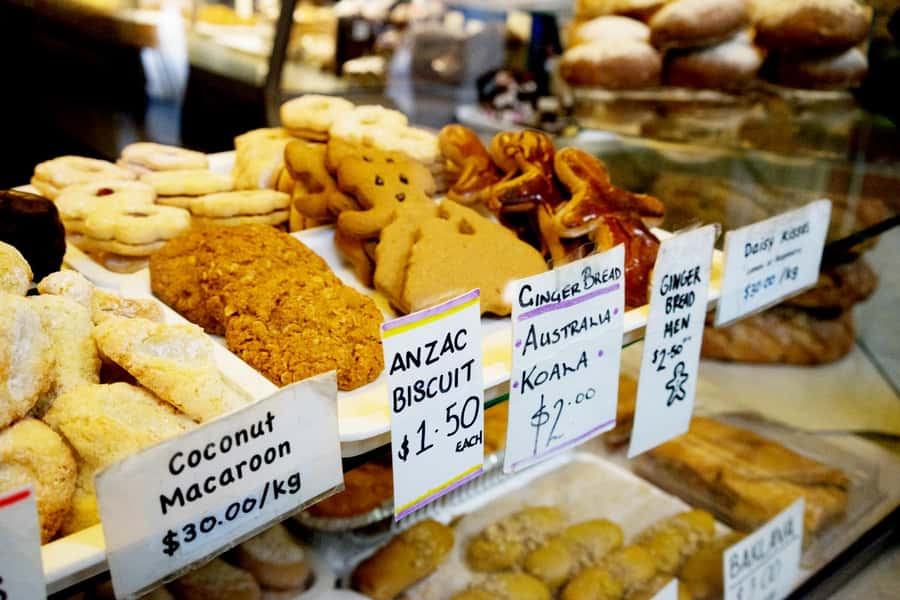
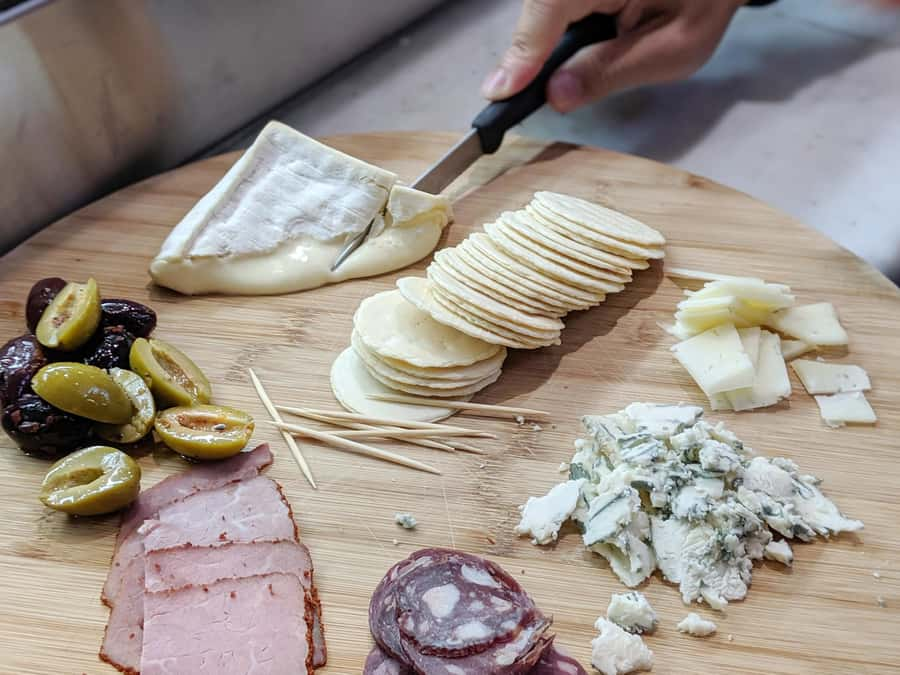
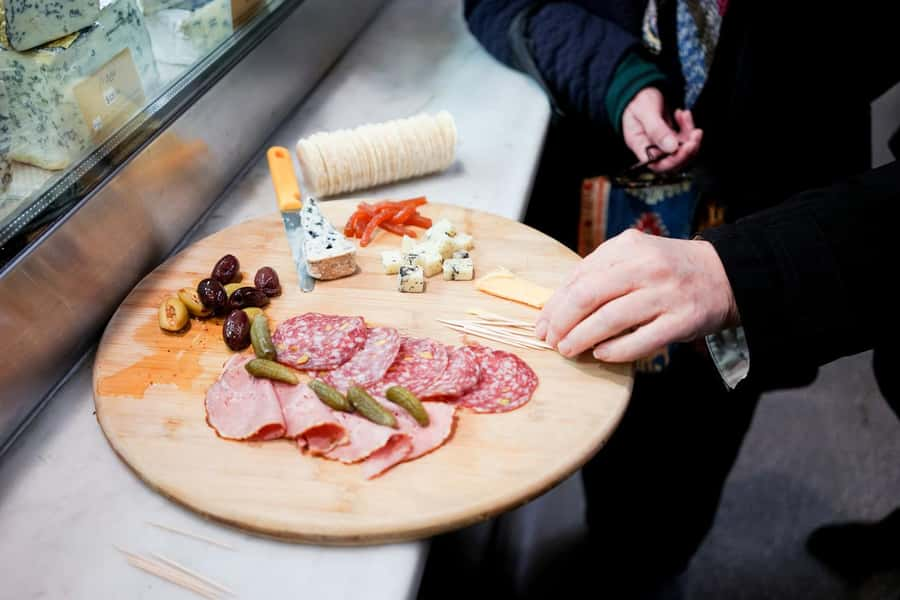
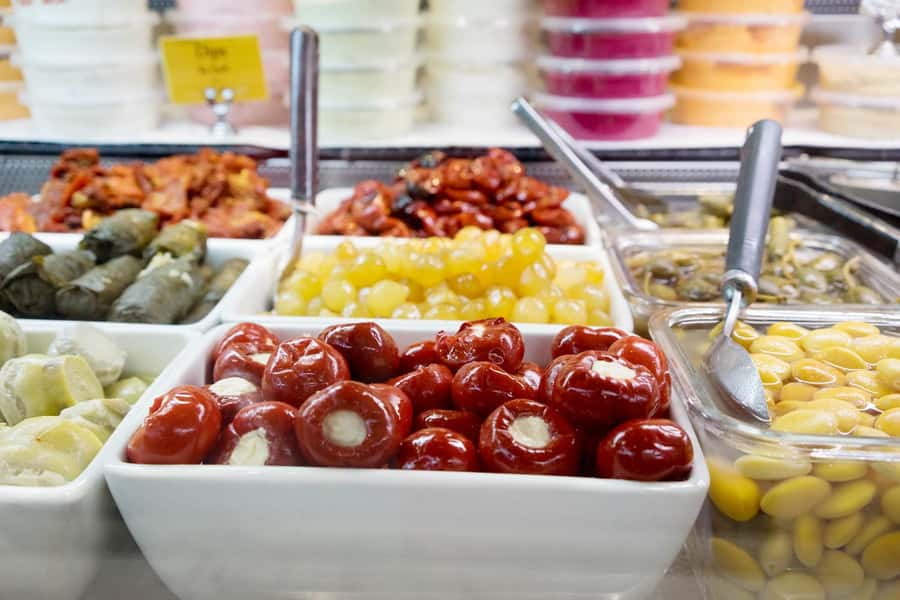
The exact samples can change. The information provided includes local and multicultural specialties, famous Melbourne coffee, and examples from the reviews such as hot doughnuts, squid ink salami, kangaroo, charcuterie, sorbet, oysters, cheese, honey, spices, breads, and wine. That is a wide spread, and it gives you a better sense of the market than repeating several versions of the same snack.
One particularly useful detail is the range of textures and categories. You may move from something sweet to something savory, then to coffee or a specialty product. The tasting list is not presented as a fixed restaurant menu, so you should expect some variation based on the market and the day.
The samples are also small enough to keep the walking comfortable. You are tasting your way through the market, not replacing every meal in Melbourne. If you have a large appetite, plan another meal afterward.
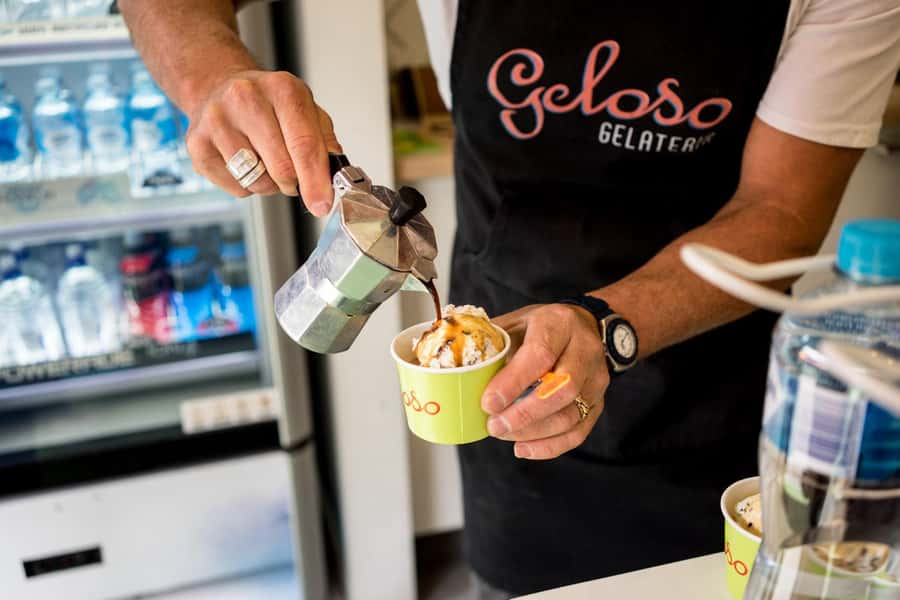
A review described a visit that included a Melbourne Magic coffee, hot doughnuts, squid ink salami, kangaroo, a charcuterie board, and sorbet. Another guest singled out an oyster as an unexpected highlight. These details show the appeal of the format: you can try foods you might not order on your own, while still having a guide explain what you are eating.
Additional food and drinks are not included. That is worth remembering at a market. You may want to buy something after the tour, and the guide’s suggestions can help you spend that extra money wisely.
Meeting the stallholders adds the human element
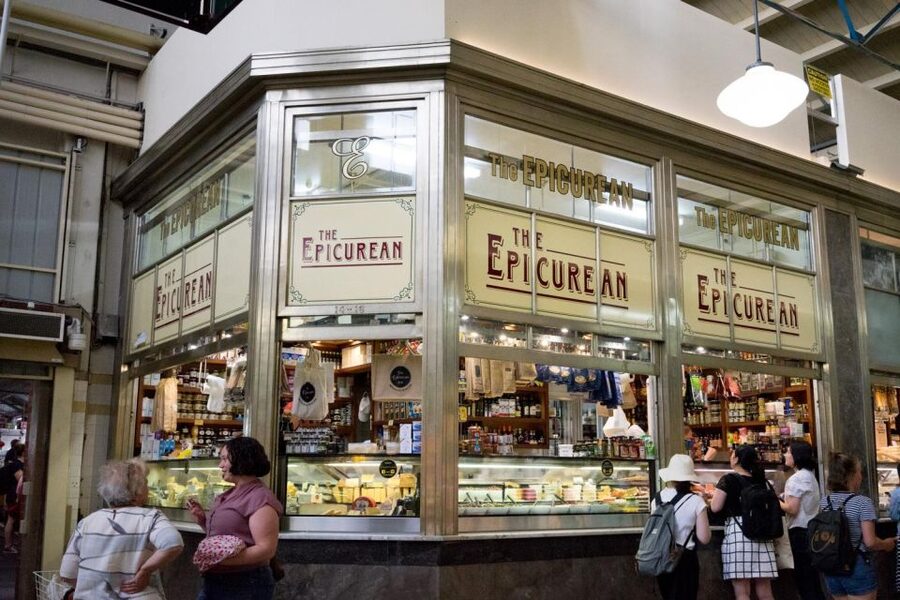
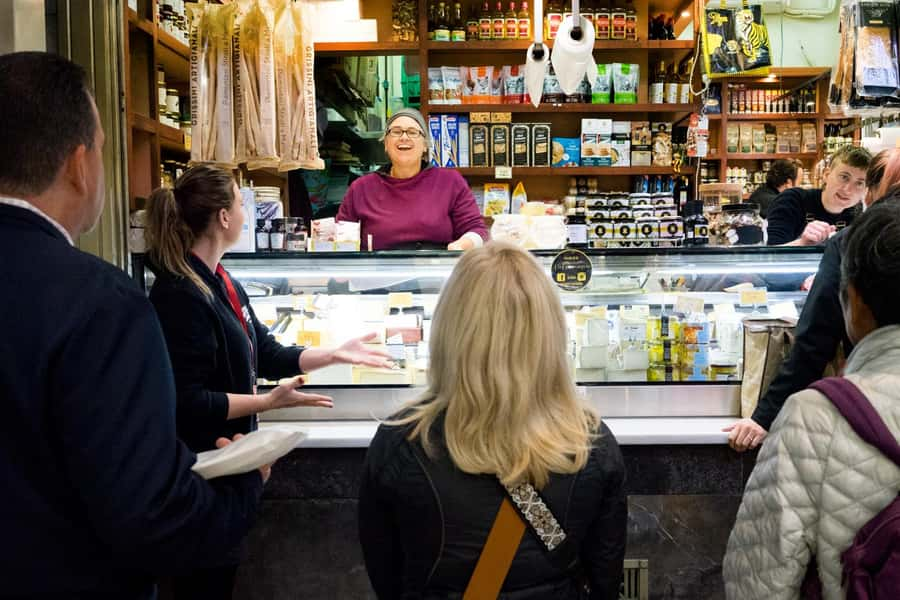
The strongest part of this tour may be the contact with the people behind the counters. A market guide can point to products, but a guide with genuine relationships at the stalls can introduce you in a more natural way.
Tristan is praised repeatedly for being personable, calm, and well prepared. Several people note that he had a good rapport with stallholders, and that the conversations felt warm rather than staged. Anna receives similar praise for her friendly manner, historical explanations, and ability to adjust the pace or focus to suit the group.
That matters because Queen Victoria Market can otherwise feel like a place where you simply browse and buy. A short conversation with a vendor can explain how a product is made, where an ingredient comes from, or why a particular stall has a loyal following. You may also feel more comfortable returning later, because you already know where to begin.
The tour is not a formal behind-the-scenes production tour. Do not expect access to every working area or a long interview at each stall. What you get is a guided series of introductions and conversations woven into the market walk.
A few more food tours in Australia worth a look
- London Bridge & Borough Market Food Tour with 7 Authentic Dishes
★ 5.0 · 1,972 reviews - Pike Place Market Tasting Tour
★ 5.0 · 1,696 reviews - Small Group Cooking Class & Market Food Tour in Florence
★ 5.0 · 1,574 reviews - Nishiki Market Brunch Walking Tour (7 Tastings + Brunch)
★ 5.0 · 1,355 reviews
The history of Melbourne’s food culture
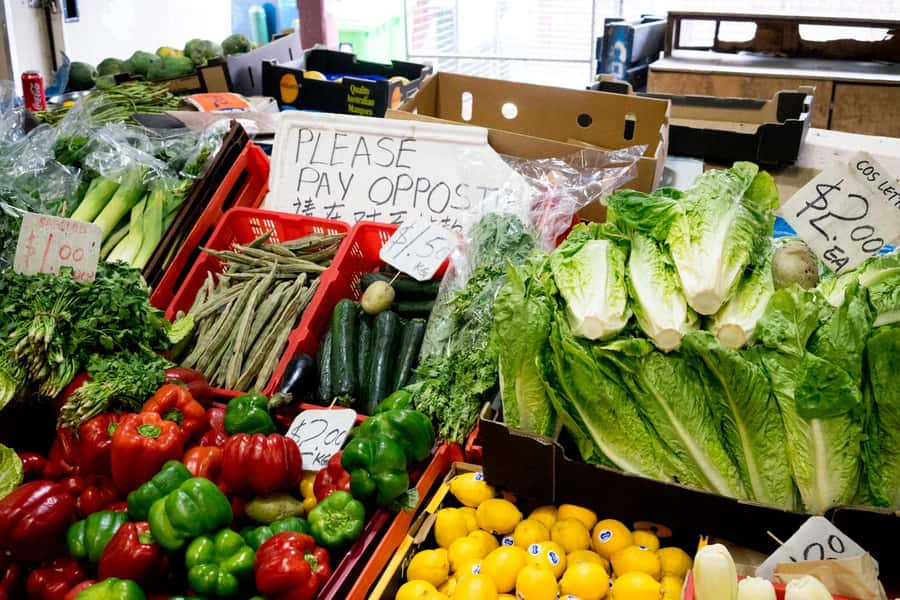
Food is the most enjoyable way to approach the city’s past, and this tour uses the market as a practical classroom. Your guide discusses the development of Queen Victoria Market, the challenges of preserving an old public market, and the way immigration shaped Melbourne’s eating habits.
The history is not limited to dates and building facts. One guest particularly appreciated learning about the market’s design and the backgrounds of its traders, including details that are easy to miss when walking alone. That is a useful distinction. You are not just being told when the market opened. You are encouraged to notice how the place works and why it has remained important.
The immigration theme gives the tasting a clear purpose. A cheese, spice, cured meat, bread, or prepared snack becomes part of a larger story about people bringing food traditions to Melbourne and adapting them to a new city.
I like that the tour treats multicultural food as part of Melbourne’s everyday identity, not as a side attraction. You are not simply collecting exotic samples. You are learning how food communities helped shape the city.
How much value do you get for $176?
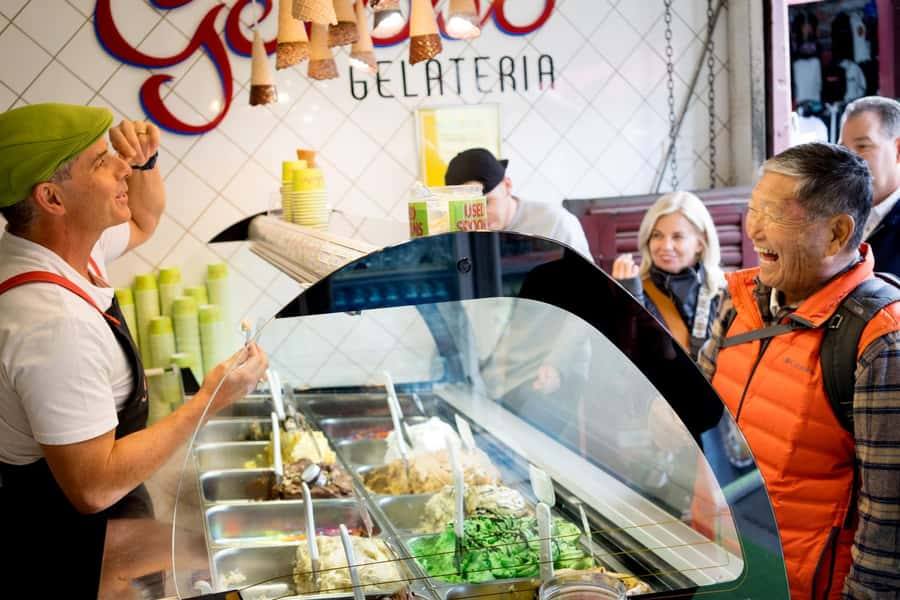
At $176 per person, the tour is expensive compared with walking through the market independently. If your only goal is to eat a few snacks, you can spend less by arriving on your own and choosing from the stalls.
The price makes more sense if you value access, explanation, and a guided tasting plan. Your fee covers an English-speaking local guide, the food samples, Melbourne coffee, the market visit, and the cultural and historical background. It also buys you two and a half hours of someone else’s time, including introductions and help navigating a large market.
The small group improves that value. A guide can answer questions, notice dietary needs, and adjust the route more easily with 12 people or fewer. One solo participant was pleased that the tour went ahead with only one person, which suggests that the experience can remain personal even when the group is very small.
The best way to judge the price is to ask what kind of morning you want. If you enjoy food but do not know where to start, the tour saves you guesswork. If you already know Queen Victoria Market well and prefer to browse at your own pace, the guided format may feel less necessary.
Dietary needs, children, and access
Vegetarian, vegan, and gluten-free requests can be accommodated if you communicate them in advance. Do not wait until the meeting point. The more notice you give, the easier it is for the guide to plan suitable tastings.
Children under six can join at no charge, and the tour is described as kid-friendly. A 13-year-old was reported to have enjoyed trying the different foods, which suggests that curious older children may get a lot from the tasting format. Young children may need help keeping pace and staying engaged during the history sections.
The walk is about 1 kilometre and is described as suitable for all fitness levels. Some market areas may have access limitations, so discuss mobility needs before booking. The organizers say they can tailor the experience when they receive information early, but the market itself may not offer completely even or simple movement through every area.
Weather, timing, and what to bring
The tour runs in rain or shine. Bring layers and be ready for changing conditions rather than assuming the market will shelter you throughout the morning.
Comfortable shoes are the main packing requirement. You will walk between stalls, stand for tastings, and spend time on your feet. A compact umbrella or rain layer may also be sensible, although the provided information only specifically asks you to bring layers and a sense of adventure.
The advertised duration is 150 minutes. One participant felt the outing ran beyond three hours, so I would leave a cushion after the tour. This is especially important if you have a timed museum entry, a train, or another food booking.
The tour finishes at Queen Victoria Market, which is convenient. You can continue shopping, return to a favorite stall, or explore the market at your own pace after the guide leaves. That finish point is one reason I would schedule this early in a Melbourne visit.
Who should book this Queen Victoria Market tour?
I would recommend it most strongly to first-time Melbourne visitors who want a quick introduction to local food culture without spending a full day on a formal food crawl.
It also suits solo travelers, couples, families with older children, and people who enjoy talking with vendors. The small group makes it easier to ask questions, and the tasting list gives you a practical starting point for independent market shopping later.
Food lovers who have already visited Queen Victoria Market may still enjoy the tour if they want more context. Several people who had been to the market before said the history and background made the return visit worthwhile.
I would be more cautious if you have only one day in Melbourne. The tour takes a meaningful part of the morning, and one person felt it was better suited to a schedule with time to spare. You should also think twice if you prefer to choose every food stop yourself or dislike walking at a group pace.
My verdict: tasty, useful, and best early in your stay
I would book this tour near the beginning of a Melbourne visit. You can use the guide’s advice for the rest of your trip, return to favorite stalls, and buy products for your accommodation or later meals.
The best qualities are clear: strong guides, friendly vendor connections, varied samples, and real food history. Tristan and Anna appear especially good at making the tour relaxed and personal, and the small group keeps the experience from feeling like a large procession through the market.
The price is the main barrier. At $176, you are paying for interpretation and access, not simply food. Book it if that added context matters to you. Skip it if you are happy to wander, sample on your own, and spend the difference on more market food.
For most visitors who want an easy, well-organized introduction to Melbourne’s food culture, this is a worthwhile morning. Just wear good shoes, tell the operator about dietary needs early, and leave room in your schedule for the market to hold your attention longer than planned.
FAQ
Where does the Queen Victoria Market food tour begin?
It begins outside the Multicultural Hub at 506 Elizabeth Street, Melbourne VIC 3000.
Where does the tour finish?
The tour finishes at Queen Victoria Market.
How long does the tour last?
The advertised duration is 150 minutes. One participant reported that their outing lasted more than three hours, so leave extra time afterward.
How much does the tour cost?
The listed price is $176 per person.
What food and drinks are included?
Food tastings of local and multicultural specialties and famous Melbourne coffee are included. Additional food and drinks are not included.
Can dietary needs be accommodated?
Vegetarian, vegan, and gluten-free requests can be accommodated. You should provide this information in advance.
Is the tour suitable for children and people with limited fitness?
Children under six can join free of charge, and the tour is described as kid-friendly. The walk is about 1 kilometre and suits most fitness levels, although some market areas may have access limitations.
Just added in Australia
- Private Helicopter Tour: Reef Island Snorkeling and Gourmet Picnic Lunch★ 4.5 · 22 reviews
- Hook-a-Barra Gourmet Farm Tour★ 5.0 · 25 reviews
- Adventure &Taste Atherton Tablelands Food & Wine Tour from Cairns★ 5.0 · 277 reviews
- Margaret River Winery, Brewery Tour with Gourmet Lunch.★ 5.0 · 401 reviews
- SCENIC AND PREHISTORIC CRUISE – Sparkling Wine & Gourmet Platters★ 5.0 · 203 reviews
- Hop on Hop off Wine tasting tour to Tamborine Mountain★ 4.5 · 38 reviews
- Mount Tamborine Wine Tasting Tour from Brisbane or the Gold Coast★ 5.0 · 456 reviews
- The F Factor: Adelaide food tour★ 5.0 · 89 reviews
Market Food Tours, compared.
Tokyo Tsukiji Fish Market Food and Culture Walking Tour
Read our review →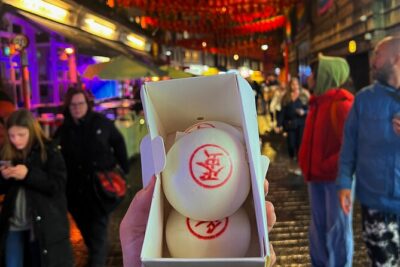
London Bridge & Borough Market Food Tour with 7 Authentic Dishes
Read our review →
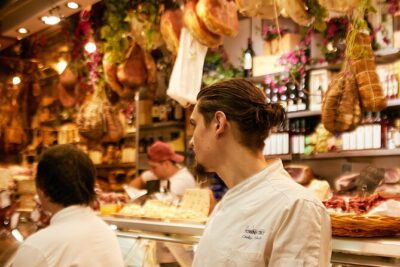
Small Group Cooking Class & Market Food Tour in Florence
Read our review →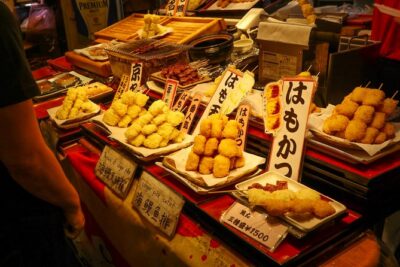
Nishiki Market Brunch Walking Tour (7 Tastings + Brunch)
Read our review →
Bologna Food & Market Tour with 6 Tastings, Pasta, Wines & More
Read our review →
Browse the lists this tour appears in