
REVIEW · CHARLESTON FOOD TOURS
Private Charleston Walking Food Tour at the French Quarter
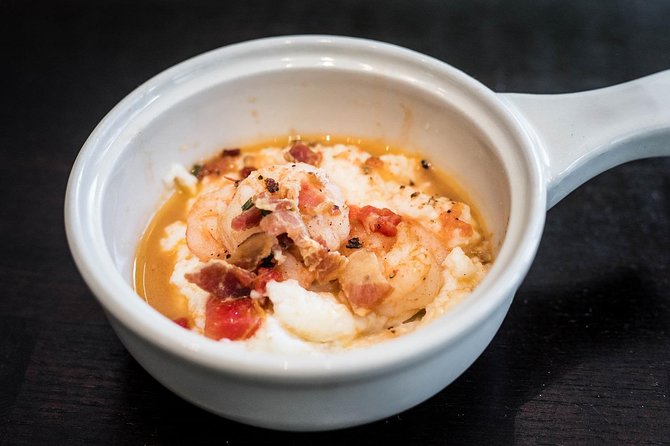
Charleston tastes better on foot. This private tour pairs Southern food samples with stories about the city’s port, theater, and African culinary influences, all within a three-and-a-half-hour walk through the French Quarter. I like the convenient start at the United States Custom House and the chance to try local specialties such as she-crab soup, shrimp and grits, benne wafers, and chicken bog.
I also like that your group gets a private experience, with a guide able to shape the conversation around your interests. The main drawback is the price: at $370 per person, this is a serious splurge, and the food may not satisfy diners looking for a full restaurant-style meal or highly ambitious cooking.
Key points to know before booking
- Seven listed tastings: Expect chicken bog, a cheese and chive biscuit, she-crab soup, a pecan cluster, benne wafers, shrimp and grits, plus a secret dish.
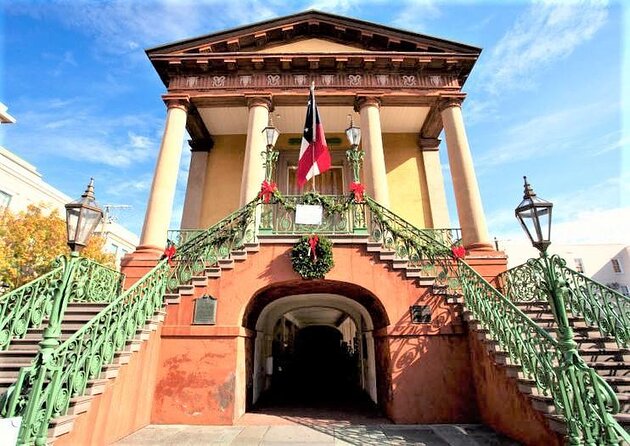
- Three historic anchors: The walk includes the United States Custom House, Charleston City Market, and Dock Street Theatre.
- Private format: Only your own group participates, which makes this a better fit for families, couples, and small groups who want a personal pace.
- A strong guide can make the difference: Kelli stepped in when another guide failed to arrive, while Hannah earned praise for her Charleston commentary.
- Dietary limits need advance planning: The company warns that some restrictions cannot be accommodated because the menu is built as a balanced food experience.
- Plan for more than three hours on foot: Comfortable shoes are not optional advice here.
A food walk with Charleston’s past on the plate
This experience is not simply a list of bites with a few landmarks added on. Its best idea is the connection between food and place. You do not just taste benne seeds. You learn how the African slave trade brought ingredients and cooking traditions into Charleston’s food culture. You do not just pass a theater. You hear why Dock Street Theatre matters to American performance history.
That approach gives the walk more substance than a snack crawl. I like food tours that explain why a dish belongs in a city, and this one has a clear local focus. The menu reaches across Charleston’s Southern cooking: seafood, grains, greens, biscuits, nuts, and sweets.
Still, keep your expectations in check. The tastings are samples, not a complete lunch or dinner. A perfect score and a 99 percent recommendation rate show that the experience works very well for many people, but one rating of three out of five gives a useful warning: the food can be good without being the best meal you have in Charleston. The guide and the city stories may be the stronger part of the outing.
More Food Walking Tours in the USA
- Savor the Flavors of Charleston Walking Food Tour
★ 4.5 · 881 reviews - Charleston’s Savor the Flavors of Upper King Street Walking Food Tour
★ 4.5 · 130 reviews - Charleston: Downtown Culinary Walking Tour
★ 5.0 · 53 reviews
Starting beneath the United States Custom House
The meeting point is at 99 South Market Street, near the United States Custom House. This is a fine place to begin because the building gives your guide an immediate way to explain Charleston’s role as a major port city.
The Custom House overlooks East Bay Street and the harbor. Its scale and formal design reflect the importance of trade to Charleston, making it more than a simple place to gather. Before you take your first bite, you get a sense of how goods, ingredients, and people moved through this waterfront city.
I appreciate this opening because it gives the food a setting. Charleston cooking did not develop in isolation. The port connected the city to other regions and cultures, and that background helps explain why the local table includes seafood, rice-based dishes, seeds, greens, and sweets.
The meeting point is also practical. The tour begins in the historic district, near public transportation, and finishes within the same general area. You will not need hotel pickup, and you should plan your own way to the start.
Charleston City Market and the story of benne seeds
The walk continues through the Historic Charleston City Market. This is the clearest point in the tour for understanding how Charleston food reflects African influence.
Your guide discusses the African slave trade and its role in introducing ingredients such as benne seeds and collard greens to the local diet. That context matters. A food walk can easily reduce Southern cuisine to charming labels and familiar comfort food. Here, the discussion acknowledges the people and forced movement behind some of the region’s enduring flavors.
You are scheduled to sample crisp benne wafers, so the ingredient becomes something you can taste rather than just hear about. Benne is another name for sesame, and the wafer gives you a direct connection between the market stop and the menu.
The market also gives the tour a change of pace. You are not moving only between grand buildings and formal streets. You are walking through a public market with a long connection to Charleston’s daily life. The exact path and food stops can change with availability, weather, and other conditions, so treat the route as a framework rather than a fixed script.
Dock Street Theatre and Charleston’s performing arts
Dock Street Theatre is another important stop. It was the first theater building in America designed solely for theatrical performances, which gives the site national importance as well as local interest.
The theater’s story reaches from the 1700s through the millennium and reflects Charleston’s long theatrical tradition. That makes this stop useful for anyone who wants the tour to cover more than food. Your guide can connect the city’s cultural life to the buildings around you, helping the French Quarter feel like a lived-in historic district rather than a row of pretty facades.
The drawback is that the tour description does not promise an interior visit or a performance. You should expect to learn about the building from the outside or during the walk, not assume that theater admission is included.
This is a good example of the tour’s overall character. It uses food as the entry point, but the guide also gives you architectural and cultural context. If your main goal is to eat as much as possible, this stop takes time away from another tasting. If you enjoy knowing what you are looking at, it adds real value.
More food walking tours in Charleston:
- Reykjavik Food Walk – Local Foodie Adventure in Iceland
★ 5.0 · 18,952 reviews - New Orleans Food Walking Tour of the French Quarter with Small-Group Option
★ 5.0 · 6,118 reviews - Naples: Street Food Walking Tour with Local Guide
★ 4.9 · 4,976 reviews - Greek Food Walking Tour in Athens
★ 5.0 · 4,740 reviews
What you actually get to taste
The menu is broad enough to give you a useful introduction to Charleston cooking:
- Savory chicken bog
- A fluffy cheese and chive biscuit
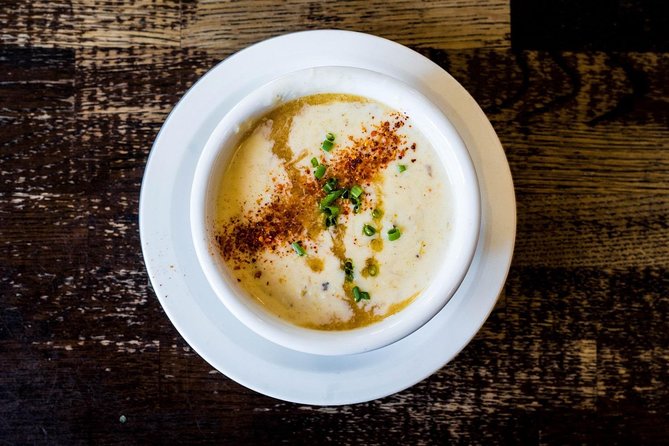
- Creamy she-crab soup
- A handmade pecan cluster
- Crisp benne wafers
- Southern shrimp and grits
- A secret dish
Chicken bog brings rice and chicken together in a hearty Southern dish. The cheese and chive biscuit offers a lighter, familiar taste of Southern baking. She-crab soup gives you a seafood sample with a distinctly Charleston identity, while shrimp and grits adds another major regional classic.
The pecan cluster and benne wafers provide sweet finishes and a different texture from the savory dishes. I like the balance here: you are not eating seven versions of the same heavy food. You get soup, seafood, grains, baked goods, candy, and a surprise item.
The secret dish is part of the fun, but it also means the full menu is not entirely predictable. The menu and locations can change based on availability, weather, and other circumstances. If one particular food is the reason you want to book, contact the company before you commit.
The tour is better viewed as a guided tasting of local ideas than as a parade of destination restaurants. One rating specifically found the food only okay to good, with one dish especially memorable and stronger food options available elsewhere in Charleston. That is fair advice. The value comes from pairing the samples with a private guide and historic setting, not from claiming that every bite will be a culinary knockout.
Why the private format matters
Only your group participates, which changes the feel of a three-and-a-half-hour walk. You can ask questions without waiting for a large group to settle down, and your guide can focus on your interests.
That flexibility is particularly useful for a family group or a small party with different levels of interest. One person may want more detail about Charleston’s port. Another may care about ingredients and recipes. A private guide can give both subjects room, at least within the time available.
The guide is central to the experience. Kelli received special praise for stepping in when the original guide did not arrive and delivering an excellent tour. Hannah was also singled out for making Charleston’s history the highlight of the outing. Those details suggest an important booking tip: the quality of the commentary can shape your day as much as the food.
The private setup does not guarantee that every guide will suit every personality, and no tour can control every operational problem. But it does give you a better chance of having a conversation rather than listening to a standard speech from the back of a crowd.
The $370 price and what it buys
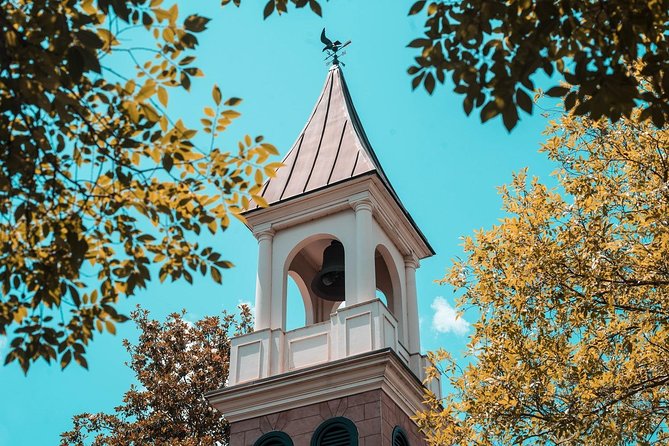
At $370 per person, this is expensive for a three-hour-thirty-minute food walk. You are not paying only for the food. The cost also covers a private guide, the planning behind several tastings, and the convenience of combining historic interpretation with a walking route.
The price makes more sense for a small group that values privacy and wants one organized experience instead of arranging separate food stops and a history walk. Group discounts are available, so check how the total changes for your party. For a solo visitor or a couple watching every dollar, the price will be harder to justify.
You should also compare the tour with your own likely spending. Charleston has many places to eat, and a self-guided afternoon can cost far less. The advantage here is structure. You arrive at one meeting point, walk with a guide, receive several planned tastes, and get context that you might miss while moving between restaurants on your own.
I would book this for a special occasion, a small private group, or a first visit when you want an easy introduction to Charleston food and history. I would skip it if your priority is finding the city’s most exceptional meal. The available feedback is clear enough: the guide may be the best part, and the food is pleasant but not guaranteed to impress at every stop.
Walking time, weather, and dietary needs
The tour runs a little over three hours, so wear comfortable walking shoes. The historic district can be enjoyable on foot, but standing and walking for that long is different from strolling between two restaurants.
The experience requires good weather. If poor conditions cancel the tour, you are offered another date or a full refund. It also requires a minimum number of participants, so a cancellation for that reason leads to a new date or experience, or a full refund.
Dietary planning deserves special attention. You should contact the company before booking if you have allergies, vegetarian needs, or other restrictions. The operator specifically warns that some restrictions cannot be handled because the menu is designed as a balanced gastronomy experience.
Do not wait until the morning of the tour. Ask before booking so you know what is possible. The menu can also change, so even an accommodation that seems workable should be confirmed in advance.
The tour is offered in English, uses mobile tickets, and is near public transportation. Hotel pickup and drop-off are not included. The walk ends at either Queen Street and Meeting Street or East Bay Street, one block from the starting area, so you can easily continue exploring the historic district afterward.
Who will enjoy this Charleston food tour?
I would recommend it most strongly to:
- Small private groups who value a personal guide
- First-time visitors who want history tied to local food
- Couples or families planning a special outing
- Diners curious about Southern ingredients and African culinary influence
- People who prefer a planned route to choosing several stops themselves
I would be more cautious if you have strict dietary restrictions, dislike walking for several hours, or expect full portions. I would also think twice if you are a serious food hunter searching for Charleston’s most refined cooking. The menu is designed to introduce regional flavors, not replace a memorable dinner.
The tour’s strongest feature is the way food and place work together. The Custom House explains the port. City Market opens a conversation about ingredients and African influence. Dock Street Theatre broadens the day into Charleston’s cultural past. A good guide ties those pieces together, and the private format gives you room to ask questions.
Should you book it?
Book this tour if you want a private history-and-food introduction to Charleston and are comfortable paying for convenience, guiding, and several tastings rather than one major meal. The strongest evidence in its favor is the 5 out of 5 rating from 201 ratings and a 99 percent recommendation rate, along with the praise given to guides such as Kelli and Hannah.
Skip it if $370 per person feels too high for sample-sized portions, or if you already have a detailed restaurant plan. Before booking, confirm dietary needs, ask about current menu items, and wear shoes suited to a long walk. For the right group, this is a polished way to get your bearings and understand why Charleston food tastes the way it does.
FAQ
How long does the Charleston food tour last?
The tour lasts approximately three hours and thirty minutes.
Where does the tour begin?
It begins at 99 South Market Street, Suite 5, Charleston, South Carolina 29401, near the United States Custom House.
Where does the tour end?
It ends at either Queen Street and Meeting Street or East Bay Street, one block from the starting point.
Is this a private tour?
Yes. Only your group participates in the activity.
What foods are included?
The listed tastings are chicken bog, a cheese and chive biscuit, she-crab soup, a pecan cluster, benne wafers, shrimp and grits, and a secret dish.
Is hotel pickup included?
No. Hotel pickup and drop-off are not included.
Is the tour offered in English?
Yes. The tour is offered in English.
Can dietary restrictions be accommodated?
Some dietary restrictions may be accommodated if arranged in advance, but certain restrictions cannot be handled. Contact the company before booking.
What happens if the tour is canceled because of weather?
You will be offered a different date or a full refund if poor weather cancels the experience.
Just added in Charleston
- Charleston’s Savor the Flavors of Upper King Street Walking Food Tour★ 4.5 · 130 reviews
- Tastes Through Time – Charleston’s Best Food & History Tour★ 4.5 · 95 reviews
- Charleston Private Brunch Tour: Biscuits, Shrimps, Grits and More★ 5.0 · 48 reviews
- Charleston Farm-to-Table Food Tour and Chef’s Challenge★ 5.0 · 110 reviews
- Charleston Upper King Street Food Tour★ 4.5 · 200 reviews
- Charleston Brunch Food Tour: Biscuits, Shrimps, Grits and More★ 5.0 · 239 reviews
- Charleston: Small Group Food Tour – Savor the Flavors★ 4.7 · 169 reviews
- Charleston: Downtown Culinary Walking Tour★ 5.0 · 53 reviews
Food Walking Tours, compared.
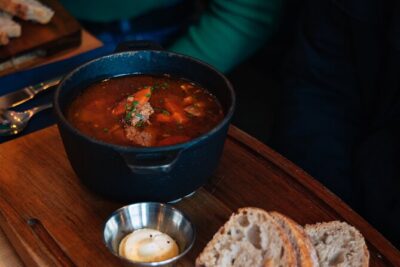
Reykjavik Food Walk – Local Foodie Adventure in Iceland
Read our review →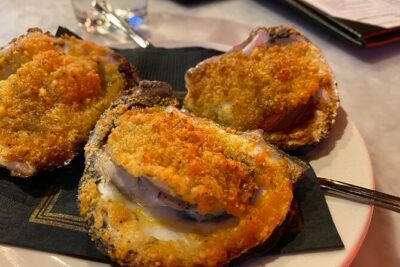
New Orleans Food Walking Tour of the French Quarter with Small-Group Option
Read our review →
Savannah First Squares Culinary & Cultural Walking Food Tour
Read our review →
Guided Food Walking Tour with Wine in Trastevere
Read our review →
Trastevere & Campo de Fiori Street Food Walking Tour
Read our review →Browse the lists this tour appears in