
REVIEW · ROME FOOD TOURS
Rome: Italian Food and Wine Guided Tasting Experience
Come hungry, leave better informed. This three-hour tasting gives you a generous introduction to Italian food through three gourmet venues in Rome, with wine poured along the way and a local guide explaining what makes each product special. I especially like the wide range of tastings, from 30-year aged balsamic vinegar and Parmigiano Reggiano to black truffle and gelato. I also like the friendly, personal guiding, with guides such as Irene, Tina, Edoardo, Giorgia, and Liis praised for making the evening feel relaxed and social.
The main consideration is movement between venues. The stops are close enough to form a food walk, but there is no transport between them, which one person found less convenient. At $66.79, the price is strong if you value the amount of food, wine, and explanation included. Just do not expect a quiet formal dinner. This is a social tasting with plenty of conversation.
Key points to know before booking
- Three gourmet venues: The experience visits three food-focused spots in Rome rather than keeping you at one restaurant all evening.
- A serious amount of tasting: Expect pizza, gelato, cheeses, olive oil, pesto, truffle products, sun-dried tomatoes, buffalo mozzarella, and more.
- Wine keeps coming: Tastings include free-flowing D.O.C.G. wine, with Prosecco and red wine specifically mentioned.
- Cipro Metro makes the start easy: La Nicchia Cafe is a one-minute walk from Cipro Metro Station.
- The guides shape the evening: Irene, Tina, Edoardo, Giorgia, Liis, Liz, and Julia have all been praised for warmth, humor, and food knowledge.
- It is good value for a full tasting: At $66.79 per person, you receive food, wine, and a three-hour guided experience rather than a single meal.
Why this Rome tasting works so well
Many food tours in Rome focus on one market or a single neighborhood. This experience takes a broader approach. You taste a string of Italian specialties, then learn how to judge quality, where products come from, and how they fit into Italian eating habits.
That matters because Italian food can look simple on the plate. Olive oil, cheese, vinegar, pesto, and cured meats do not need long ingredient lists, but quality makes a huge difference. A guide can point out the contrast between a sharp, young product and a carefully aged one. You get more from the tasting when someone explains what to notice before you take a bite.
The social mood is another strength. The group setting gives the evening a friendly rhythm, and the guide is there to answer questions rather than deliver a stiff lecture. Several guides have been praised for being funny, welcoming, and easy to talk with. That makes this a good first or second-day activity, when you still want practical food advice for the rest of your stay.
The format also suits curious eaters who do not know exactly what they like yet. You can sample several products without ordering full portions of each one. If truffle, buffalo mozzarella, or aged balsamic is new to you, this gives you an easy way to try it.
More Wine Tours in Italy
- Rome Food Tour: Unlimited Tastings with Fine Wine & Barolo
★ 5.0 · 3,365 reviews - Rome: Guided Food Walking Tour with Wine in Trastevere
★ 4.9 · 3,105 reviews - Rome: Trastevere Food tour with Free-Flowing Fine Wine
★ 5.0 · 2,853 reviews
Starting at La Nicchia Cafe near Cipro
The meeting point is La Nicchia Cafe, a one-minute walk from Cipro Metro Station. That is useful after a long sightseeing day because you do not need to search through a maze of side streets or cross the city by taxi.
The starting point is in a foodie part of Rome, and the tasting stays tied to that local food scene. The exact starting time depends on availability, so check the schedule before planning dinner or evening sightseeing around it.
You return to the original meeting point at the end. There is no separate finish across town to complicate your plans.
The tour is offered in English with a live guide. It is also listed as wheelchair accessible. Because the experience moves between three venues, I would still confirm any personal mobility needs before booking, especially if you need details about the walking route or the entrances.
Three venues, three different tastes of Italy
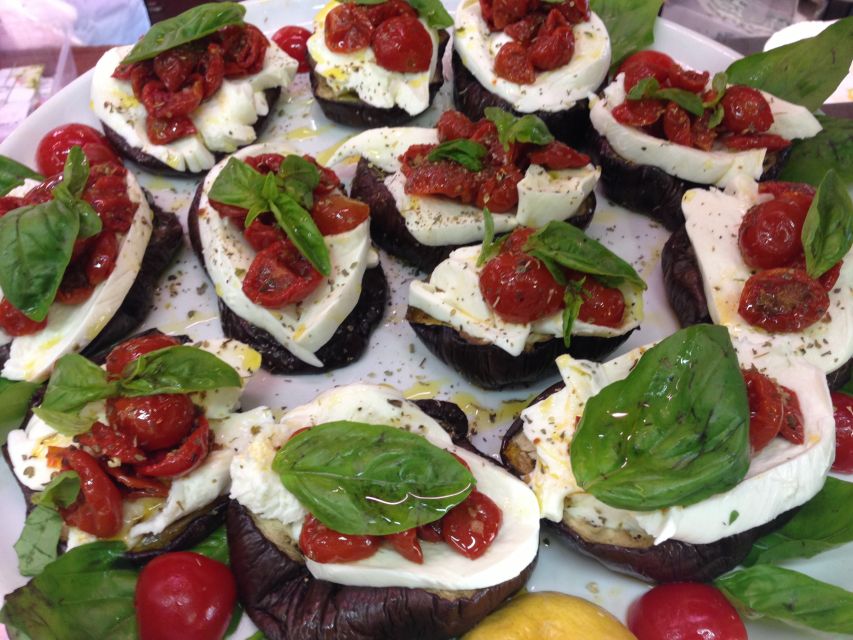
The food portion is the heart of the experience. Rather than serving one large dish, the tour builds a long tasting from small but varied specialties. You may try the best pizza in Rome, artisanal gelato, 30-year aged balsamic vinegar, Parmigiano Reggiano, Asiago spread with black truffle pate, buffalo mozzarella, sun-dried tomatoes, pesto Genovese, Italian olive oil, and truffle-infused honey.
The variety is important. Pizza and gelato give you familiar Roman pleasures, while the vinegar, cheeses, and truffle products introduce a more specialized side of Italian food. You are not simply eating snacks. You are comparing textures, levels of salt, sweetness, acidity, and aroma.
Pizza and gelato
Pizza gives the tasting an immediate Roman anchor. It is a dish almost everyone understands, but a good guide can help you pay attention to details beyond the topping. The experience promises the best pizza in Rome, though the supplied details do not specify the style, toppings, or portion size.
Gelato provides a sweet finish to part of the food journey. The use of the word artisanal signals a focus on quality, but flavors are not listed, so you should treat this as a tasting rather than a chance to select a large cup from a full menu.
More Wine Tours in Rome
- Rome: Gourmet Food Tour with Dinner & Barolo Wine
★ 4.9 · 2,347 reviews - Rome: Award Winning Trastevere Group Food Tour with Wine
★ 5.0 · 2,273 reviews - Rome by Night – Ebike Small Group Tour – Food and Wine (Option)
★ 5.0 · 1,275 reviews - Rome by Night: E-bike Small Group Tour -Food & Wine (Option)
★ 4.9 · 1,233 reviews
Cheese, vinegar, and olive oil
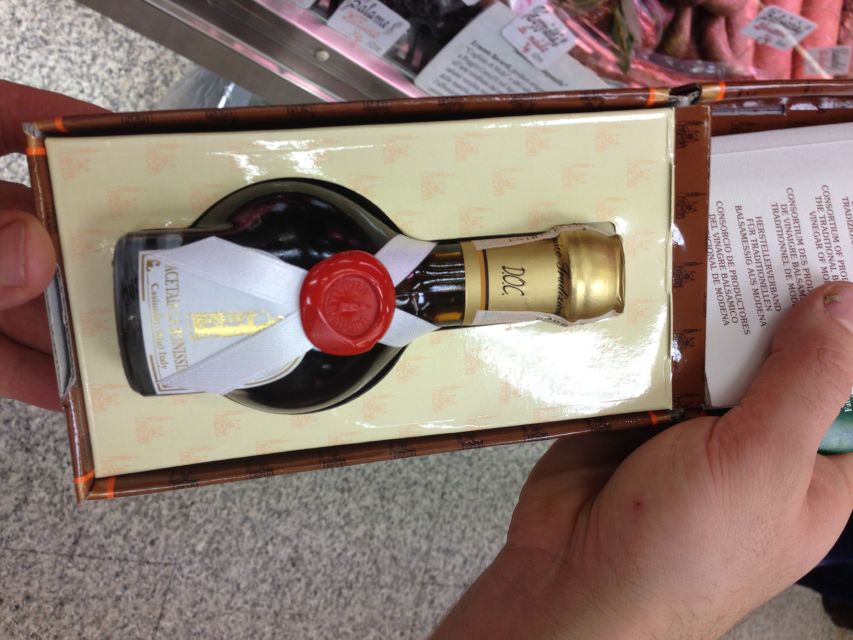
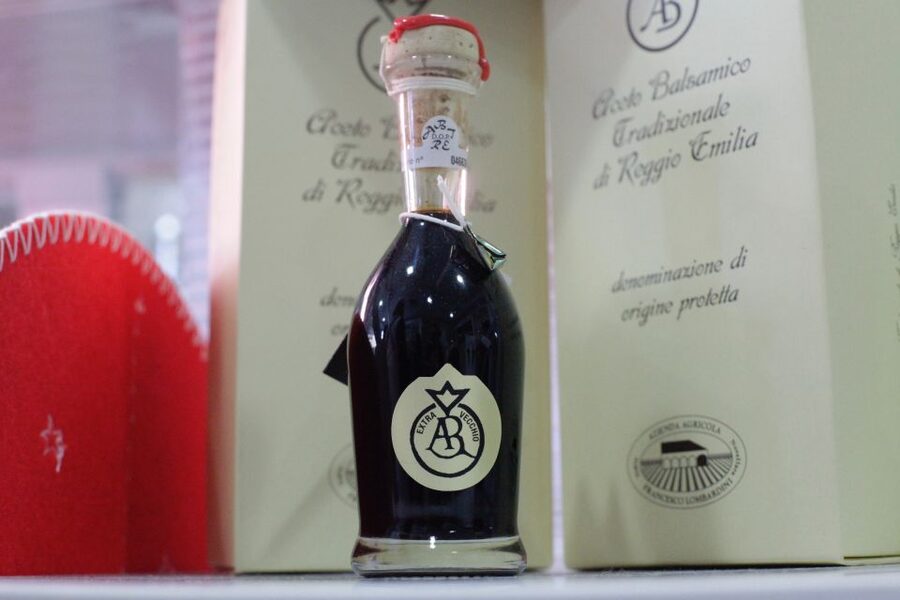
The 30-year aged balsamic vinegar drizzled over Parmigiano Reggiano is one of the most distinctive combinations on the menu. Aged balsamic brings sweetness and acidity, while Parmigiano adds salt and a firm, savory bite. This is the sort of pairing that shows why Italian food often relies on a few excellent ingredients.
You also taste the finest Italian olive oil, according to the experience description. Olive oil is easy to take for granted, but tasting it directly helps you understand its role. The guide can explain what to look for and how quality affects flavor, though no formal tasting lesson or specific producer is promised.
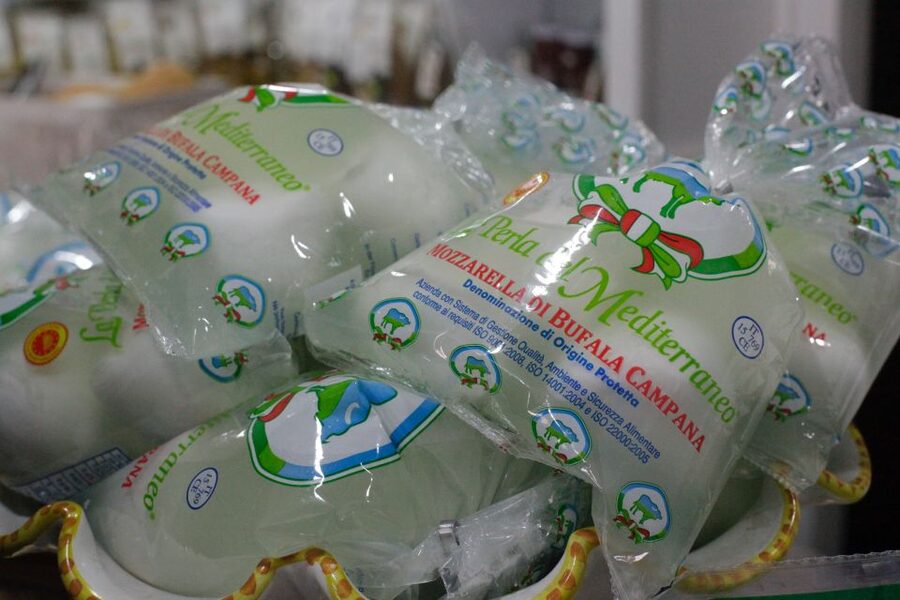
Fresh buffalo mozzarella adds a softer contrast. Its mild, milky character should balance the stronger truffle, vinegar, and cured-food flavors. Sun-dried tomatoes bring concentrated sweetness and a more intense tomato taste than fresh tomatoes.
Truffle, pesto, and honey
The black truffle pate spread over Asiago is aimed at visitors who want a more luxurious taste. Asiago gives the spread a salty cheese base, while truffle brings its earthy aroma. Truffle can be an acquired taste, so this is a useful sample rather than a risky full dish.
Pesto Genovese brings basil, oil, cheese, and nuts into the mix. It is familiar to many people, but tasting it alongside other regional products helps show how different parts of Italy have their own food traditions.
Truffle-infused honey sounds unusual, and it is likely to be one of the more memorable bites. The sweet base and earthy truffle flavor create a clear contrast with the salty cheeses and savory spreads.
Wine is part of the meal, not an afterthought
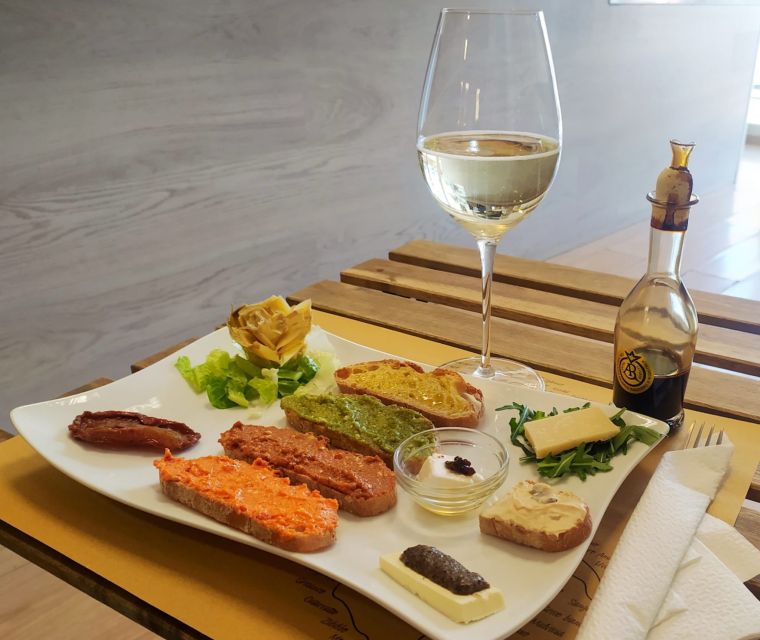
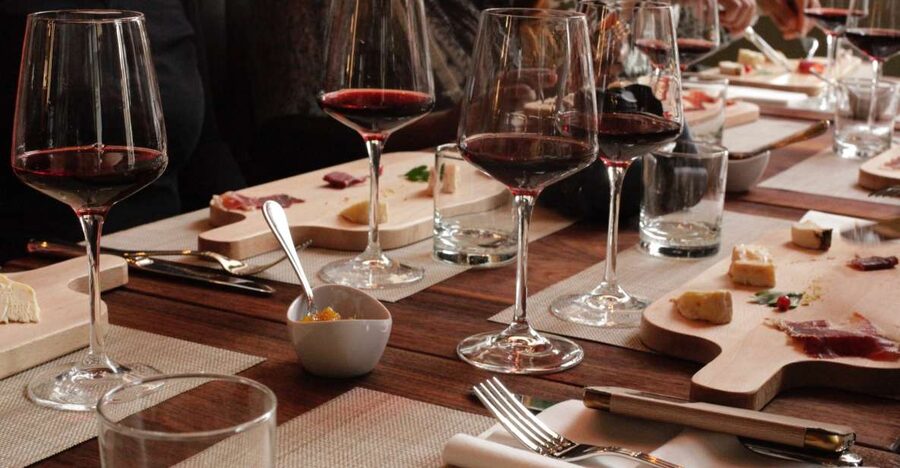
Wine is described as free-flowing, with D.O.C.G. wines served during the tasting. Prosecco and red wine are specifically mentioned, and one account of the experience praised the wines as better than expected.
That is useful context for the price. You are not paying only for a series of food samples. The wine pours help turn the tasting into a full evening activity, and the guide connects the drinks to the foods in front of you.
Still, you should keep your expectations realistic. The information does not provide a complete wine list, exact vintages, or the number of pours. D.O.C.G. identifies a protected Italian quality designation, but it does not mean every bottle will suit every palate. If you are serious about wine, this is an introduction rather than a specialist tasting.
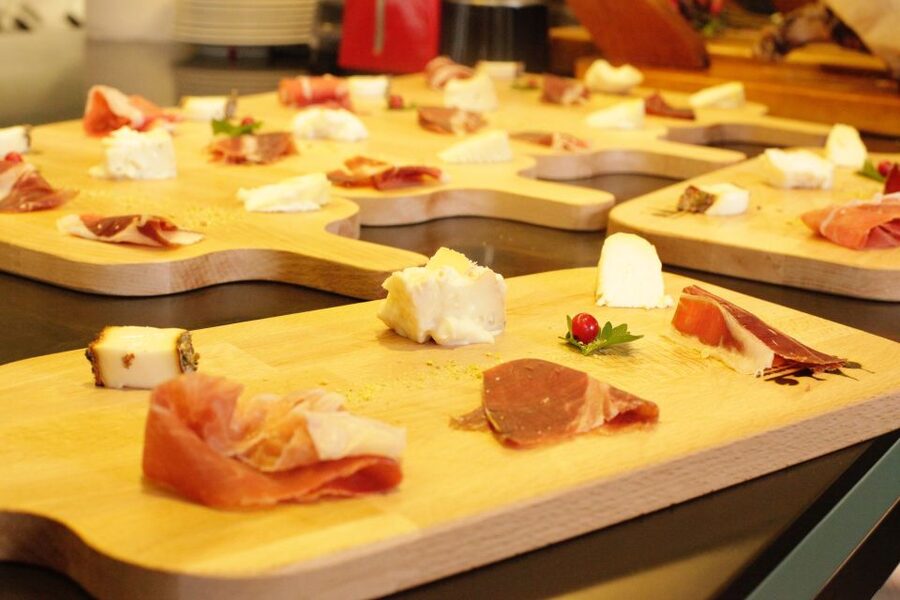
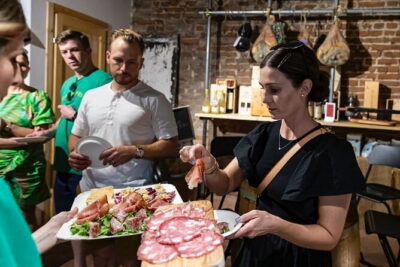
The free-flowing format also means you should pace yourself. Three hours of food and wine can add up, especially when the group is having fun and an extra stop appears. One guide, Edoardo, added a surprise deli visit with several prosciuttos and more wine. That sounds like a welcome bonus, but it also shows that the evening may be generous enough to feel like dinner.
The guides make the difference
The strongest part of this experience is the guiding. Irene has been praised for being warm and well informed. Tina received especially high marks for first-rate hospitality. Edoardo was described as entertaining, funny, and full of useful food and wine facts.
Giorgia was singled out for helping create a memorable Roman food and wine experience. Liis was praised for patience and for making a group feel at home. Liz was described as passionate and able to connect each taste with a different Italian region.
Those details matter because food tastings depend heavily on the person leading them. A guide who explains too little leaves you with a string of bites but no context. A guide who talks too much can turn dinner into school. The comments here point toward an easy middle ground: plenty of information, but also jokes, questions, and a relaxed welcome.
Julia was described as approachable and well informed, with useful background on the area. That suggests the experience can help with more than the scheduled food. Your guide may also provide suggestions for the rest of your Rome stay, particularly if you ask direct questions about local eating.
Guide assignments can change, so you should not book solely because you hope for one named host. Think of these names as evidence of the kind of guiding the provider aims for.
What the three-hour schedule feels like
Three hours is long enough to build a proper evening without taking over your whole day. You can visit a major sight earlier, arrive at Cipro, and use the tasting as dinner.
The schedule is not a rushed checklist. You have time to hear the story behind each product, ask questions, taste the food, and talk with the group. That slower pace is valuable when you want to understand Italian ingredients instead of simply collecting samples.
The tradeoff is that you are on foot between venues. One person specifically wished for transport between stops. The description does not provide the walking distances, so wear comfortable shoes and leave room in your schedule. You may also want to avoid booking another fixed activity immediately afterward.
Because the tasting includes pizza, cheese, cured foods, spreads, gelato, and wine, you probably do not need a separate dinner reservation for the same evening. The exact amount served can vary, but the experience is presented as substantial, and one participant said there was plenty of food and wine.
Is $66.79 good value in Rome?
At $66.79 per person, this is a good value for someone who wants a guided food evening rather than a single restaurant meal. You receive three hours, multiple venues, a local English-speaking guide, a broad food selection, and free-flowing wine.
The value improves if you would otherwise pay for several separate tastings. Pizza, gelato, cheese, truffle products, olive oil, pesto, and wine could quickly cost more when ordered individually. You also receive the guide’s explanations and local suggestions, which are difficult to price but useful during a first Rome visit.
The value is less clear if you prefer a long sit-down dinner with a fixed menu and your own choice of wine. This experience is designed for variety and discovery. You will not control every dish, and the available information does not promise a full restaurant meal, a set wine list, or a private table.
Vegetarians are accommodated at least to some extent. One vegetarian participant enjoyed the cheese course and found there was plenty to eat. If you have a more serious allergy or strict dietary need, ask before booking, since the available details only confirm this one vegetarian accommodation.
Who should book this food tour?
I would recommend it to first-time visitors who want help finding their way through Italian food. It is also a good match for couples, solo visitors, and mixed-age groups who enjoy tasting several things and meeting other people.
Food lovers will appreciate the chance to compare regional products. Wine drinkers will like the D.O.C.G. pours and the chance to ask questions without committing to an expensive bottle. People who want practical restaurant advice for the rest of their stay should make a point of asking the guide for suggestions.
This is less suitable for anyone who dislikes group activities, needs a quiet dinner, or wants to choose every course. It may also be a poor fit if you have limited walking tolerance and do not confirm the route in advance.
Cancellation is flexible up to 24 hours before the activity for a full refund, and you can reserve now while paying later. Those terms are useful when your Rome plans are still shifting.
Should you book it?
Book this experience if you want a generous, social introduction to Italian food, especially if you are curious about products beyond pizza and pasta. The combination of three venues, free-flowing wine, unusual bites, and strong guiding makes $66.79 a fair price.
I would schedule it early in your Rome stay. You can use the guide’s advice for later meals, and you will have time to return to any products or styles you particularly enjoy. Skip it if you want a formal dinner, a private experience, or a precise wine education. For most food-curious visitors, though, this is a practical and enjoyable way to spend three hours near Cipro.
FAQ
How long does the Italian food and wine tasting last?
The experience lasts three hours. Starting times vary, so check availability when selecting your date.
Where does the tasting begin?
It begins at La Nicchia Cafe in Rome. The cafe is a one-minute walk from Cipro Metro Station.
Where does the experience end?
The activity ends back at the original meeting point.
What language is the tour offered in?
The live guided experience is offered in English.
Is wine included?
Yes. Food and wine tastings are included, including free-flowing D.O.C.G. wine. Prosecco and red wine are specifically mentioned.
What foods can I expect to taste?
Tastings can include pizza, artisanal gelato, aged balsamic vinegar, Parmigiano Reggiano, black truffle pate, Asiago, buffalo mozzarella, sun-dried tomatoes, pesto Genovese, Italian olive oil, and truffle-infused honey.
Is the experience wheelchair accessible?
Yes, the activity is listed as wheelchair accessible.
Can vegetarians take part?
Yes. Vegetarian food has been accommodated, including a cheese course. Contact the provider in advance if you have specific dietary requirements.
What is the cancellation policy?
You can cancel up to 24 hours before the experience for a full refund. You can also reserve now and pay later.
Just added in Rome
- Rome: 3-Hour Guided Food Tour with Tastings★ 4.9 · 41 reviews
- Rome: Trionfale and Prati Food and Wine Tasting Tour★ 4.8 · 115 reviews
- Rome: Vegan Street Food Tour with Local Guide★ 5.0 · 37 reviews
- Rome: Trastevere & Tiber Island Street Food Tour at Sunset★ 4.9 · 71 reviews
- Rome Trastevere Walking Food Tour★ 4.8 · 97 reviews
- Rome: Vatican Street Food and Wine Tour with Farmers Market★ 5.0 · 37 reviews
- Rome: Trastevere Food Walking Tour with Beer and Wine★ 4.9 · 71 reviews
- Rome: Trastevere Quarter Street Food Tour with Sightseeing★ 4.9 · 21 reviews
Wine Tours, compared.

Winner 2025 Undiscovered Lisbon Food & Wine Tour by Eating Europe
Read our review →
Winner 2025 Florence Sunset Food & Wine Tour by Eating Europe
Read our review →
Authentic Parisian Gourmet Food Tour with 10 Local Dishes & Wines
Read our review →
Tapas Walking Tour with Food, Wine, and History
Read our review →
Lisbon Small-Group Portuguese Food and Wine Tour
Read our review →
Browse the lists this tour appears in