
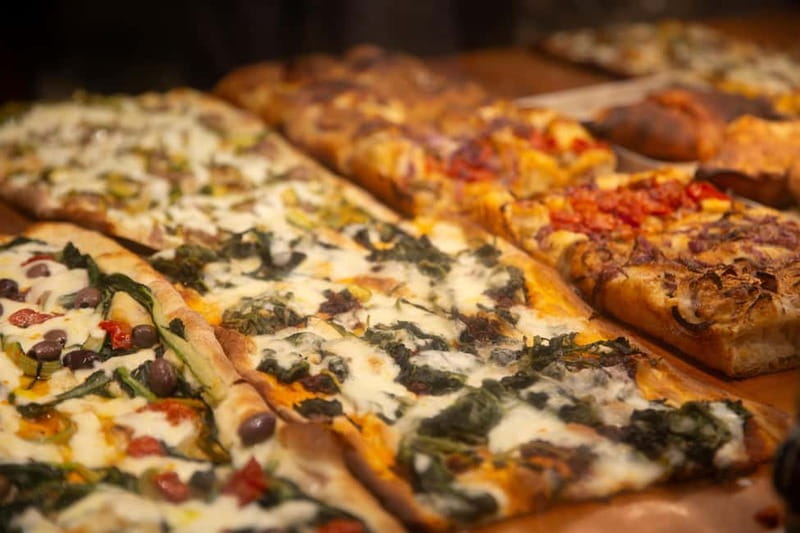
REVIEW · ROME FOOD TOURS
Rome: Local Food and Wine Tour in Trastevere & Heart of Rome
Roman food tells city stories. This three-hour walk links Trastevere, the Jewish Quarter, and Campo de’ Fiori with six tasting stops, so you get more than a plate of pasta and a quick explanation. I like the small group of no more than eight, and I like that family-run food shops and restaurants carry much of the experience.
The guide adds real value by tying each dish to Rome’s traditions and characters. Past tours have been led by Antonio, Maria, Mary, Elisabetta, and Dalia, with Elisabetta receiving special praise for her warmth and for helping arrange a taxi at the end. The main drawback is practical: you cover several neighborhoods on foot, and the tour is not suitable for wheelchair users.
Six Tastes That Make This Roman Food Walk Worth Considering
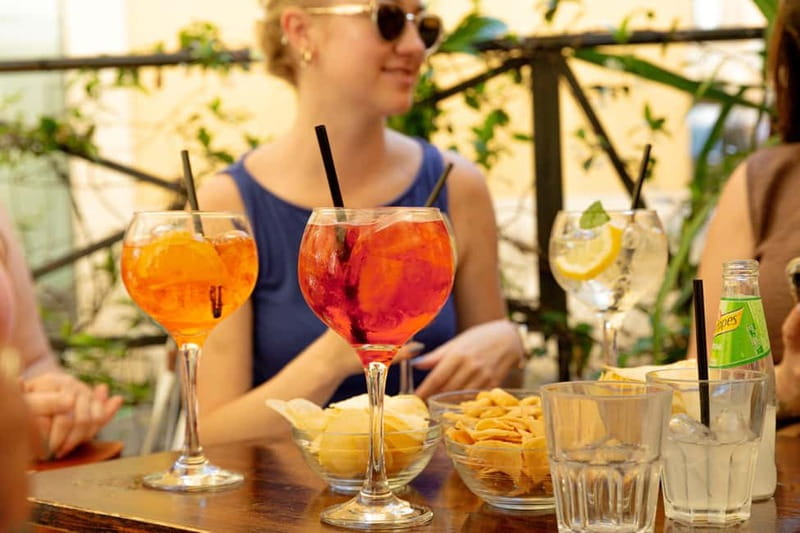
- Piazza del Biscione start: Meet your coordinator by the fountain, holding a Let’s See Italy sign.
- Six food stops: Taste cheese, cured meats, wine, street food, Roman pasta, and artisan gelato.
- Small-group format: A maximum of eight people makes it easier to ask questions and hear the guide.
- Roman specialties: Expect foods such as pecorino, porchetta, supplì, arrosticini, salumi, and classic pasta.
- Three famous neighborhoods: The route connects Campo de’ Fiori, the Jewish Quarter, and Trastevere.
- Flexible booking: You can cancel up to 24 hours ahead for a full refund and reserve without paying immediately.
Why This Three-Hour Tour Works Well in Rome
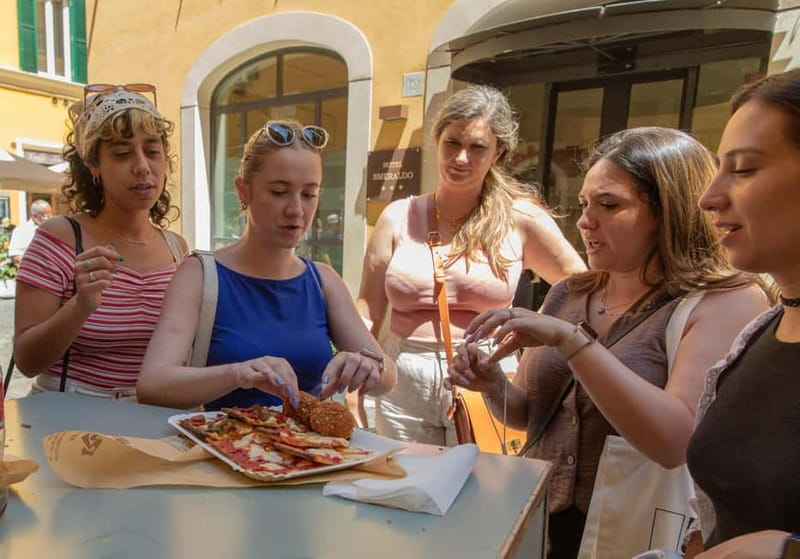
Rome can be hard to eat well in. Restaurants near major sights vary widely, menus may feel tourist-focused, and you may not know which Roman dishes are worth ordering. A guided food walk gives you a useful first layer of local context before you spend the rest of your trip choosing meals on your own.
I especially like the balance here. You are not parked in one restaurant for three hours. You move through central Rome, stop at specialty shops and casual food counters, then sit down for classic pasta before ending with gelato. That mix gives you food, neighborhood scenery, and stories without requiring a full day.
The maximum group size of eight matters. A guide can explain a dish without shouting across a crowded table, and you have a better chance to ask about ingredients, Roman customs, or places to eat later. The tour is also described as family-friendly, though children need to be comfortable walking and tasting several foods in a short period.
At $81 per person, the price is not cheap for a three-hour activity. Still, the value is reasonable if you count the six tastings, wine, pasta, guide service, and neighborhood walk. You are paying for a planned route and local interpretation, not just for a succession of snacks. The value drops if you prefer to choose every meal yourself or do not drink wine, though the food remains the main focus.
More Wine Tours in Italy
- Rome Food Tour: Unlimited Tastings with Fine Wine & Barolo
★ 5.0 · 3,365 reviews - Rome: Guided Food Walking Tour with Wine in Trastevere
★ 4.9 · 3,105 reviews - Rome: Trastevere Food tour with Free-Flowing Fine Wine
★ 5.0 · 2,853 reviews
Starting at Piazza del Biscione
The meeting point is Piazza del Biscione. Look for the coordinator in the middle of the square near the water fountain, holding a Let’s See Italy sign.
This is a sensible starting point for a food walk because it places you near Campo de’ Fiori and the central neighborhoods covered later. You should arrive ready to walk, with comfortable shoes and a bottle of water. The tour lasts three hours, and the route includes several stops rather than long breaks.
There is no hotel pickup or drop-off. You make your own way to the square and arrange your own return. That is normal for a central walking tour, but it matters if you are staying outside the historic center or finishing late in the evening.
Ancient Pizzicheria Ruggeri: Cheese, Salumi, and Local Wine

The first stop is Ancient Pizzicheria Ruggeri, where you spend about 35 minutes tasting regional food and wine. This is a strong opening because it introduces the basic building blocks of Roman and Italian eating: cheese, cured meat, and a glass of something local.
You can expect artisanal cheeses such as mozzarella, pecorino, and stracciatella. The cured meats may include porchetta, prosciutto, and other salumi. These foods reward a guide who explains the differences, since a quick bite of pecorino can tell you little unless you understand its sharper flavor and firm texture compared with softer cheeses.
The stop also sets the tone for the rest of the walk. You are not only checking items off a tasting list. You are learning how Italians use simple, well-made ingredients and how regional food traditions shape daily meals.
Wine is included, but this is not presented as a wine-tasting course. If you want technical discussion of vineyards or vintages, this tour may feel too broad. If you want a friendly introduction to local pairings while walking through Rome, it fits better.
I Dolci di Nonna Vincenza and a Taste of the Sweet Side
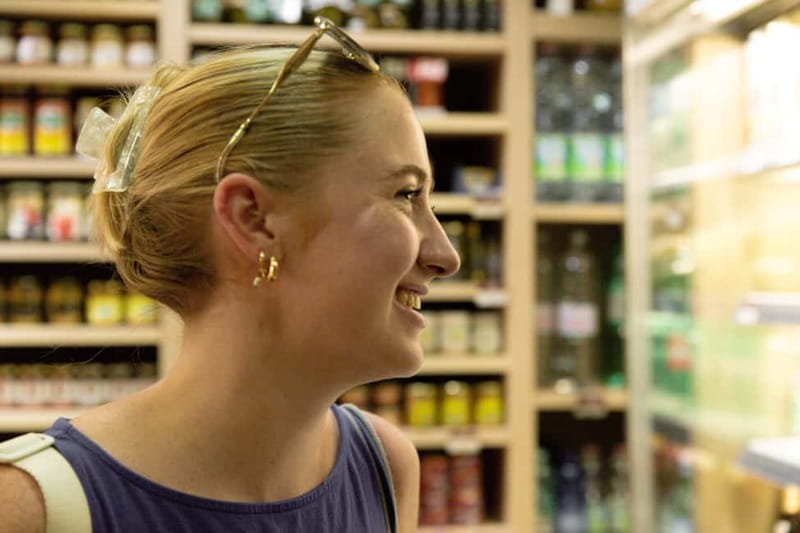
The second stop, I Dolci di Nonna Vincenza, lasts about 30 minutes and focuses on local snacks and regional sweets. After cheese and cured meat, this change of pace keeps the tasting sequence lively.
The supplied details do not name every sweet served here, so you should avoid arriving with a fixed expectation of one particular pastry. What you can count on is a stop devoted to traditional local snacks, with the guide explaining how they fit into Italian food culture.
This is also a useful reminder that Roman eating is not limited to pasta and pizza. Small bakeries and sweet shops often reveal habits that a standard restaurant meal misses. I would treat this stop as a chance to ask the guide what locals buy for a snack, what is tied to a holiday, and which foods are especially Roman rather than broadly Italian.
More Wine Tours in Rome
- Rome: Gourmet Food Tour with Dinner & Barolo Wine
★ 4.9 · 2,347 reviews - Rome: Award Winning Trastevere Group Food Tour with Wine
★ 5.0 · 2,273 reviews - Rome by Night – Ebike Small Group Tour – Food and Wine (Option)
★ 5.0 · 1,275 reviews - Rome by Night: E-bike Small Group Tour -Food & Wine (Option)
★ 4.9 · 1,233 reviews
Arrostreet: A Quick Bite With Roman Character
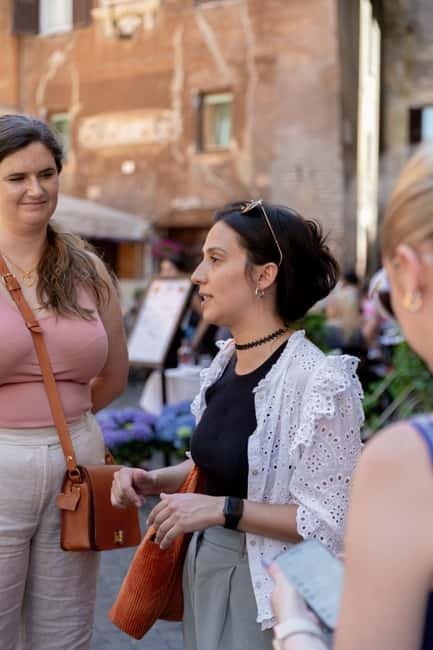
At Arrostreet, the tour spends about 20 minutes on food tasting. The name points to arrosticini, small skewers of meat associated with central Italy, and this stop is one of the more casual moments on the route.
You may also encounter other regional food here, but the exact tasting can vary. The short stop keeps the pace moving and adds a savory street-food element before the Jewish Quarter. It is a good example of why this tour is more useful than a restaurant crawl that serves only formal dishes.
Do not expect to sit down for a long meal at every location. Some stops are quick tastes designed to show range. That is a benefit if you want variety, but it can feel rushed if you prefer to linger over each plate.
Taverna del Ghetto and the Jewish Quarter
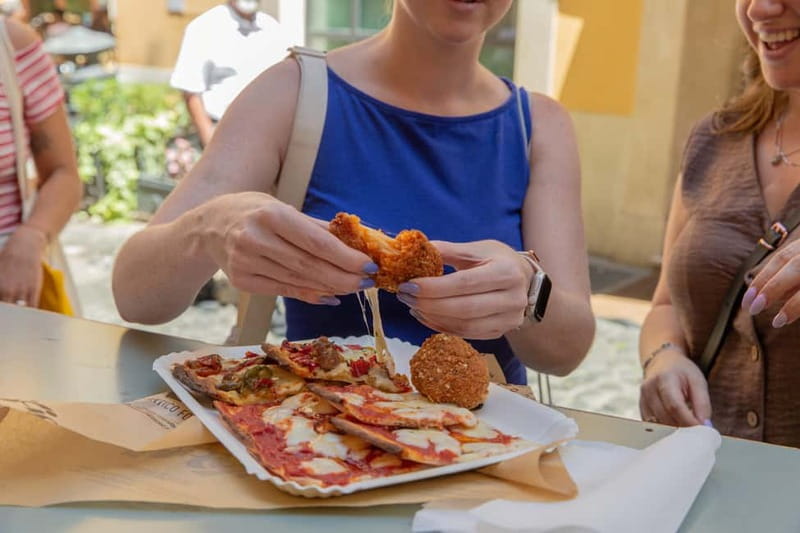
The fourth stop is Taverna del Ghetto, with roughly 30 minutes devoted to street food, regional dishes, and guided commentary. This section brings you into Rome’s Jewish Quarter, an area where food and neighborhood history are closely linked.
The experience is not just about eating while passing through. The guide uses the route to explain Rome’s culinary traditions and the people behind the dishes. That storytelling is one of the tour’s strongest features. Mary was specifically praised for connecting food with the city’s past, and that is exactly the kind of interpretation that can make a short tasting feel worthwhile.
The stop may include street food such as supplì or crispy arancini. These fried rice snacks are easy to understand once you taste them, but a guide can also explain how they fit into Roman casual eating. Supplì is especially associated with Rome, while arancini are more widely linked with Sicily, so this is a good place to ask about regional differences rather than treating every fried rice ball as the same thing.
The Jewish Quarter adds a different layer to the route. You see how a neighborhood’s identity can shape its food, and you get a break from the usual checklist of Roman monuments. The walking itself is part of the experience, so keep your camera ready and your shoes comfortable.
Trastevere: Pasta, Wine, and the Main Meal
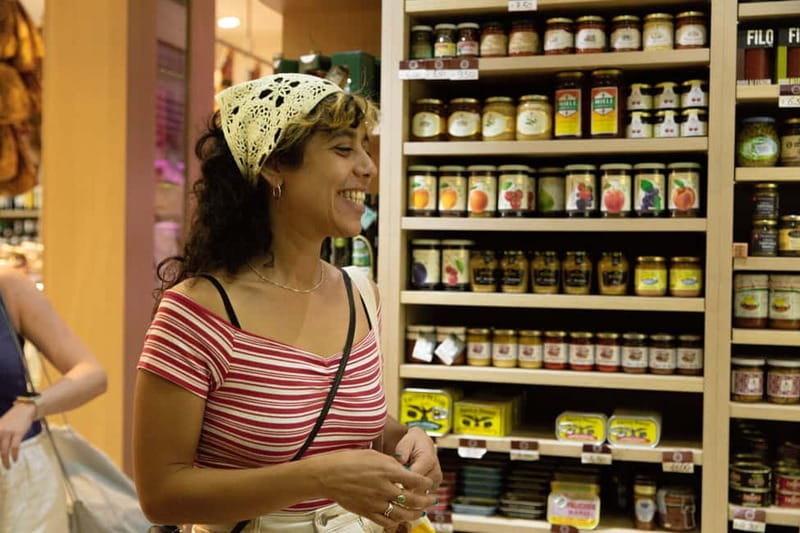
The Trastevere portion lasts about 45 minutes and includes wine, dinner, guided commentary, and scenic views along the way. This is the heart of the food portion because you sit down in a family-owned restaurant for classic Roman pasta.
The exact pasta dish is not specified, so you should not book this expecting one guaranteed recipe. You might encounter one of Rome’s familiar styles, such as a cheese-based, cured-pork, or tomato-centered preparation, depending on the day and the menu. The important point is that the meal gives you a proper taste of Roman cooking after several smaller bites.
A family-owned trattoria can also help you understand the difference between Roman food as a daily meal and Roman food as a tourist symbol. The guide can explain ingredients, preparation, and local habits while you eat. That direct connection between the plate and the neighborhood is more useful than a generic restaurant recommendation.
Past guests have praised the food as abundant, with good wine and a tour lasting more than three hours in some cases. I would treat that as a pleasant possibility, not a promise, since timing and serving sizes can vary. You should arrive hungry, but not starved. There are multiple tastings before the pasta, and the food is intended to add up to a full evening experience.
Trastevere is also one of the prettiest parts of the route. You get scenic views while moving between stops, but this is still a food tour rather than a dedicated sightseeing walk. If you want detailed visits inside monuments, book a separate history tour.
Gelateria del Viale: Ending With Gelato
The final stop is Gelateria del Viale, where you spend about 20 minutes tasting artisan gelato. Ending with gelato is practical as well as pleasant. It gives you a sweet finish after savory food and leaves you with a simple Roman ritual to repeat during the rest of your trip.
The description promises a scoop of creamy gelato, but it does not specify the available flavors. Ask your guide for help if you are unsure what to choose. This is also a good moment to ask about texture, seasonal flavors, and how artisan gelato differs from the brightly colored products found in some tourist areas.
The stop includes scenic views along the way, so the final stretch remains part walking tour, part food experience. Bring a camera if you want to record the route, but keep your attention on the streets and the guide’s stories. Rome rewards looking up from the plate.
What the Guides Add to the Experience
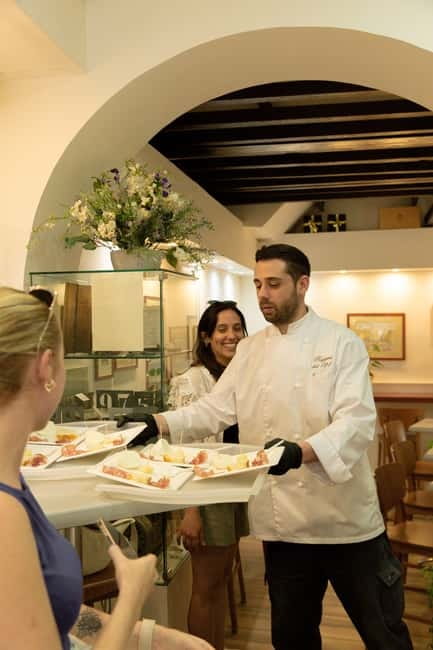
The strongest praise centers on the guides. Antonio was described as friendly, patient, and willing to answer questions about the city and its typical foods. Maria was praised for being attentive and professional while leading the group through attractive streets and tasty food stops.
Mary received particular credit for linking food with Roman history. Elisabetta was described as personable and well informed about both Rome and its cuisine, and her willingness to help arrange a taxi at the end added a practical touch. Dalia was praised for her friendly manner and for making the food stops interesting.
You should not assume you will receive a specific guide, since several guides lead the experience. Still, the pattern is clear: the guide is central to the value. The food alone would be less useful without explanations, directions, and answers to questions.
If you take the tour early in your visit, you can ask the guide for suggestions for the rest of your stay. One particularly useful account came from someone who booked it on the first night in Rome and felt it helped set up the rest of the trip, including ideas for other local places to eat.
Timing, Walking, and Practical Comfort
Three hours is long enough to cover plenty of food without taking an entire day. The route passes through central neighborhoods, and the stops range from 20 to 45 minutes. You will be on your feet between tastings, so wear comfortable walking shoes rather than anything chosen only for dinner.
Bring water. The food and wine are spread across the route, and staying hydrated is especially sensible in warm weather. A camera is also recommended, though the best reason to bring one is the neighborhood scenery rather than staged food photos.
The tour is not suitable for wheelchair users. The route includes walking between multiple locations, and no accessibility adaptation is described. If mobility access is important to you, contact the provider before booking rather than relying on assumptions.
Pets are not allowed. The tour is offered in English, Spanish, and Italian, so choose the language that lets you follow both the food explanations and the historical stories most easily.
Is $81 a Fair Price?
I think $81 is fair if you value variety and guidance. Six tasting stops can add up quickly in Rome, especially once you include artisanal cheese, cured meats, wine, street food, a pasta meal, and gelato. You also receive a planned walk through three distinctive areas and a guide who handles the story behind each stop.
The price is less attractive if you mainly want a cheap dinner. You are paying for the route, the small group, the food education, and the convenience of having someone connect the pieces. If you would rather spend three hours at one restaurant, this is not the right format.
The reserve-now-and-pay-later option helps if your schedule is still changing. Free cancellation up to 24 hours before the tour also gives you some flexibility, though you should still check the current booking terms when selecting your date.
Who Should Book This Food Walk?
I would recommend it to first-time visitors who want a quick introduction to Roman food and neighborhoods. It also suits couples, families with children who enjoy tasting new foods, and solo visitors who prefer a small group rather than eating alone.
It is especially useful on your first evening. You can learn the names of Roman dishes, sample several styles of food, and ask the guide where to eat later. The route also works for people who care as much about local stories and streets as they do about the meal.
You may want to skip it if you have limited mobility, dislike walking between stops, or need precise control over every ingredient and dish. The exact food selection is not fully specified, and some tastings are quick. People with serious allergies or dietary restrictions should ask the provider about suitability before reserving.
Should You Book It?
Book this tour if you want a friendly introduction to Roman food with a compact route, a small group, and enough variety to help you understand what to order later. The combination of cheese, salumi, wine, street food, pasta, and gelato gives you a broad first taste of the city.
I would choose it early in a Rome visit, wear good shoes, and arrive ready to eat several small portions. At $81, it is a solid value for a guided food experience, provided you want the neighborhood walk and stories as much as the food itself.
FAQ
How long does the Rome food tour last?
The tour lasts three hours. Some past departures have run slightly longer, so allow a little flexibility after the scheduled finish.
How many people are in the group?
The tour is limited to eight participants, making it a small-group experience.
Which neighborhoods does the tour visit?
The route includes Trastevere, Rome’s Jewish Quarter, and Campo de’ Fiori.
What food is included?
The tastings include artisanal cheeses, cured meats, local wines, street food such as supplì, arrosticini, or arancini, classic Roman pasta, and artisan gelato.
Where does the tour begin?
It begins at Piazza del Biscione. Look for the coordinator near the water fountain holding a Let’s See Italy sign.
Which languages are available?
The live tour guide is available in English, Spanish, and Italian.
Is the tour accessible for wheelchair users?
No. The tour is not suitable for wheelchair users. Comfortable walking shoes are recommended, and you should bring water.
Just added in Rome
- Rome: 3-Hour Guided Food Tour with Tastings★ 4.9 · 41 reviews
- Rome: Trionfale and Prati Food and Wine Tasting Tour★ 4.8 · 115 reviews
- Rome: Vegan Street Food Tour with Local Guide★ 5.0 · 37 reviews
- Rome Trastevere Walking Food Tour★ 4.8 · 97 reviews
- Rome: Vatican Street Food and Wine Tour with Farmers Market★ 5.0 · 37 reviews
- Rome: Trastevere & Tiber Island Street Food Tour at Sunset★ 4.9 · 71 reviews
- Rome: Trastevere Food Walking Tour with Beer and Wine★ 4.9 · 71 reviews
- Rome: Trastevere Quarter Street Food Tour with Sightseeing★ 4.9 · 21 reviews
Wine Tours, compared.

Winner 2025 Undiscovered Lisbon Food & Wine Tour by Eating Europe
Read our review →
Winner 2025 Florence Sunset Food & Wine Tour by Eating Europe
Read our review →
Authentic Parisian Gourmet Food Tour with 10 Local Dishes & Wines
Read our review →
Tapas Walking Tour with Food, Wine, and History
Read our review →
Lisbon Small-Group Portuguese Food and Wine Tour
Read our review →
Browse the lists this tour appears in