
REVIEW · COLOMBIA FOOD TOURS
Santa Marta A Historical & Street food Experience
Santa Marta’s old center rewards curious walkers. This experience links the Tairona Gold Museum, colonial churches, public squares, and local food into one guided route, giving you a quick introduction to the city’s past and present. I especially like the mix of archaeology and everyday street food, and I like that guides such as Sergio bring the history back to practical questions about what to see and do in Santa Marta. The main concern is timing: the advertised two hours can feel rushed, while one highly praised afternoon tour ran close to four hours.
You pay $56 per person for a guide-led walk in English or Spanish. That is not a small price for a short city tour, so the value depends on how much museum time, food tasting, and personal explanation you receive. The experience has a strong 4.7 rating from 41 ratings, but the uneven timing makes it important to confirm the day’s exact plan before booking.
Key details at a glance
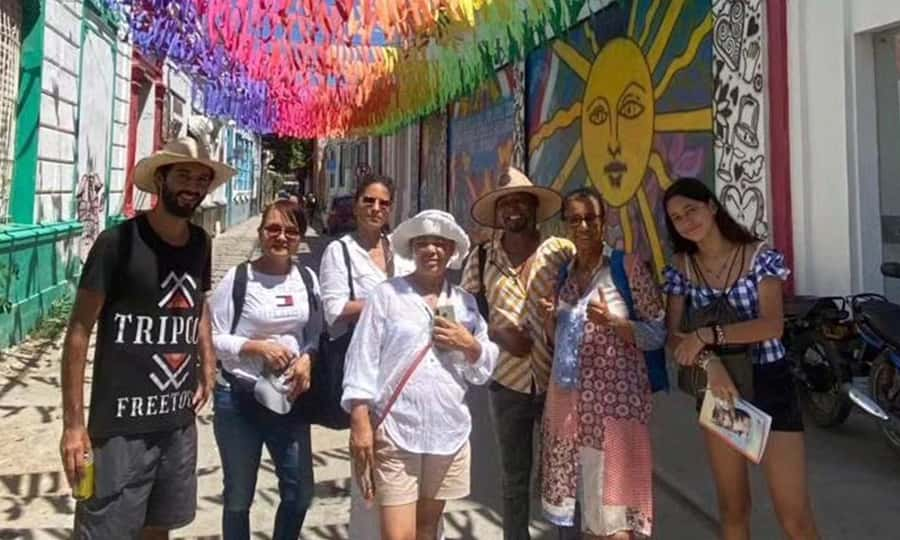
- Tairona culture comes first: The tour begins at the Tairona Gold Museum, with a guided visit focused on Indigenous history and artifacts.
- The route covers central Santa Marta: You walk between Bolívar Park, the cathedral, Camellón Rodrigo de Bastidas, Los Novios Park, San Francisco Church, and San Miguel Cemetery.
- Food is part of the lesson: Tastings can include ceviche, empanadas, lulo, and juice made from fruits such as guanábana, maracuyá, and zapote.
- Sergio has earned particular praise: His friendly explanations, local suggestions, and willingness to answer basic questions can add real value.
- The schedule needs checking: The stated duration is two hours, but the listed stops add up to much more walking and guide time.
- Afternoon departures may be more comfortable: One 4:30 p.m. departure was praised for avoiding the strongest daytime heat.
Starting with Tayrona gold at Casa de la Aduana
The meeting point is the Museo del Oro Tairona, housed in Casa de la Aduana. This is a sensible place to begin because it gives the rest of the walk a clear purpose. You are not just looking at old buildings. You are learning how Indigenous traditions, colonial power, trade, religion, and modern city life overlap in Santa Marta.
The museum visit is listed as both a 15-minute guided tour and a 30-minute guided visit. That suggests the precise format may vary, so I would ask whether you will receive a full indoor explanation or only a short orientation. One disappointing experience involved not receiving the expected museum tour, and that matters here because the museum is one of the strongest parts of the outing.
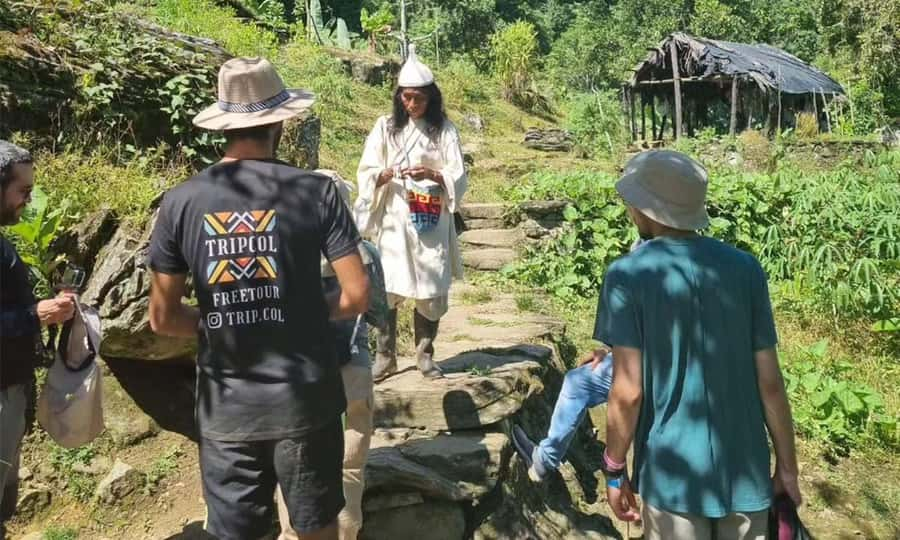
The focus on the Tayrona people is especially useful if you plan to visit the Sierra Nevada or Tayrona National Park later. The experience introduces the Indigenous communities connected with the mountains and explains their place in the wider story of Magdalena. You should not expect a full museum study session in a two-hour city walk, but even a well-led half hour can give you context that you would miss by viewing the objects alone.
More street food tours in Colombia:
- Medellín: Comuna 13 True Story and Street Food Tour
★ 4.9 · 1,779 reviews - Cartagena: Guided Street Food Tour with Tastings
★ 4.9 · 833 reviews - Medellin: Street Food and Poblado Rooftop Tour with a Local
★ 4.8 · 317 reviews
Bolívar Park and the story of Santa Marta
From the museum, the route moves to Simón Bolívar Park. This stop connects Santa Marta to the political history of Colombia and to Simón Bolívar, whose final days are closely linked with the region. A guide can help you read the square as more than an attractive open space. It becomes a place where national memory, public monuments, and city life meet.
This is also where a good guide earns the fee. Dates and names are easy to find online. What you need on foot is a clear explanation of why this square matters and how it fits with the buildings around it. Sergio is praised for explaining Santa Marta’s past in an approachable way and for answering basic questions without making you feel out of place. That is useful if this is your first visit to Colombia.
The pace is important. A 30-minute stop gives enough room for a proper explanation, but only if the guide does not rush. If the group is already behind schedule after the museum, this is one of the places where detail may be shortened.
Camellón Rodrigo de Bastidas and the waterfront pause
The walk continues to Parque Camellón Rodrigo de Bastidas, a public promenade and photo stop. The itinerary allows about 15 minutes here, so expect a brief look rather than a long waterfront break.
This part of the route helps you shift from the city’s formal colonial core toward its public, social side. You can take photographs, listen to an explanation of the area, and see how Santa Marta presents itself to the sea. The stop is not a major museum visit, but it gives the tour visual variety after the indoor exhibits and park history.
Keep your expectations sensible. This is a short pause, not a separate coastal excursion. If you want extended time by the water, you will need to return on your own.
Santa Marta Cathedral and colonial details
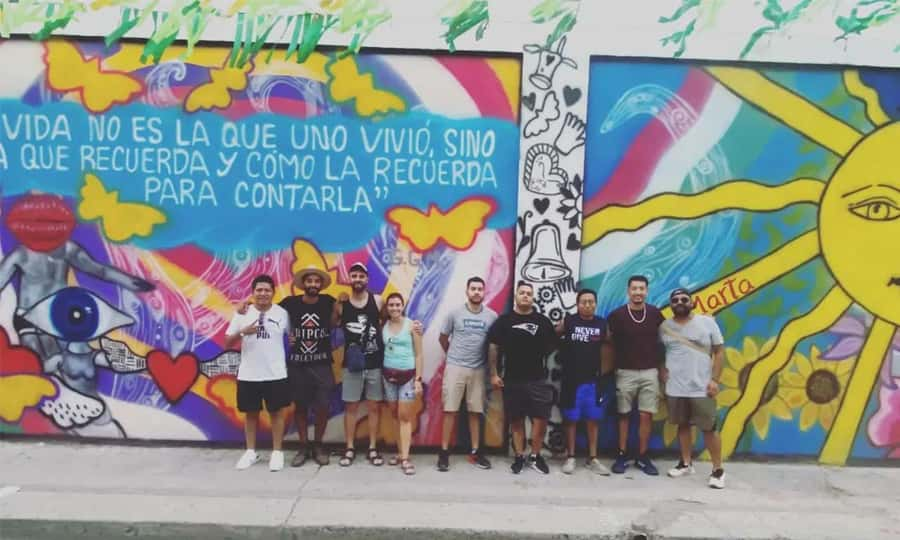
The Cathedral Basilica of Santa Marta brings the tour back to architecture and religion. Its colonial design gives the guide a chance to explain how Spanish power shaped the city, while the interior artwork and frescoes add visual details to the story.
The listed visit lasts about 20 minutes, with scenic views along the way. That is enough for an introduction, but not enough for a slow architectural study. I like this stop because it gives the historical material a physical setting. You can hear about the city’s development while looking at the kind of building that helped define its public identity.
The guide may also point out details that you could easily walk past alone. The description refers to hidden messages in the frescoes, so pay attention rather than treating the cathedral as a quick photograph stop. As with the museum, the quality depends on how much time the guide has available.
More dining experiences in Colombia:
- Santa Marta: Guided Walking Food Experience
★ 4.8 · 33 reviews - Bateaux Parisiens Seine River Gourmet Dinner & Sightseeing Cruise
★ 4.5 · 6,930 reviews - Sorrento Farm and Food Experience including Olive Oil, Limoncello, Wine tasting
★ 5.0 · 2,524 reviews - Rome: Gourmet Food Tour with Dinner & Barolo Wine
★ 4.9 · 2,347 reviews
Los Novios Park, the city’s evening meeting point
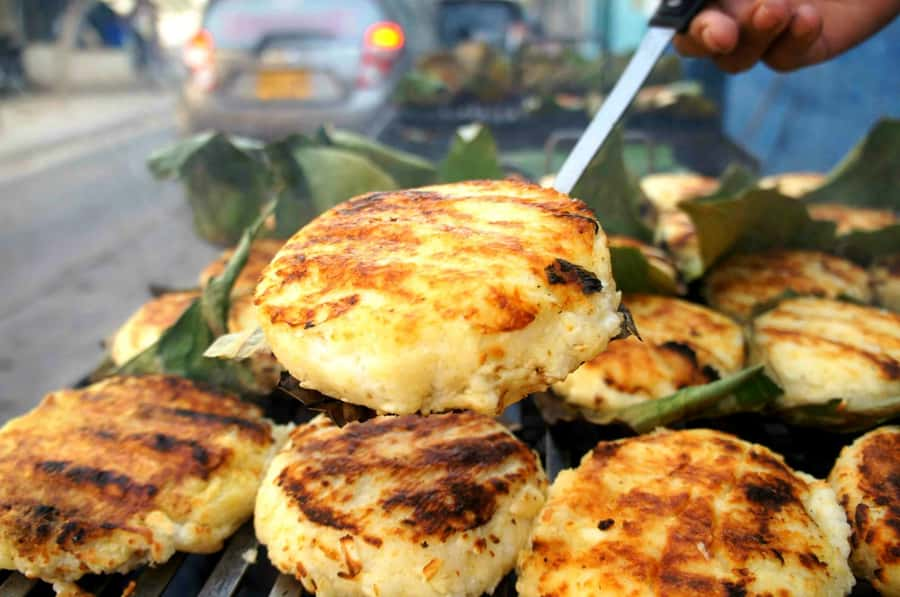
Parque de los Novios is scheduled for the longest stop, about 45 minutes. That makes sense. This is one of the central places to understand Santa Marta today, with restaurants, pubs, clubs, romance, legends, and evening social life gathered around it.
The tour uses the park to explain both history and present-day culture. You will hear about its role as a meeting place, then get an introduction to nearby places to eat and go out. This is practical information if you are staying in the center and want to return later without wandering at random.
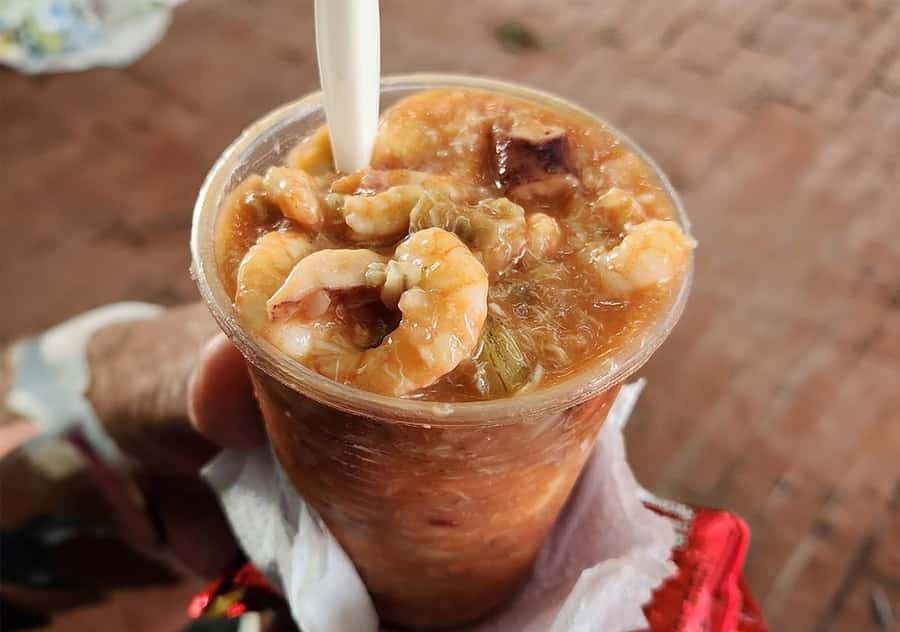
The food portion also fits naturally here. The experience may include a stop for Colombian-style ceviche, with seafood and local flavors, plus an empanada tasting. Ceviche is a particularly good choice for showing how coastal ingredients shape Santa Marta’s food culture. Empanadas offer a more everyday taste: crisp, portable, and familiar across Colombia, but often different from one region to another.
There is one important qualification. A planned food stop may not always be available. One ceviche tasting could not take place because the venue was closed, and no replacement was arranged. If tasting is a major reason you are booking, ask how the operator handles closures and whether substitutions are offered.
Lulo, exotic fruit, and the useful pleasure of tasting
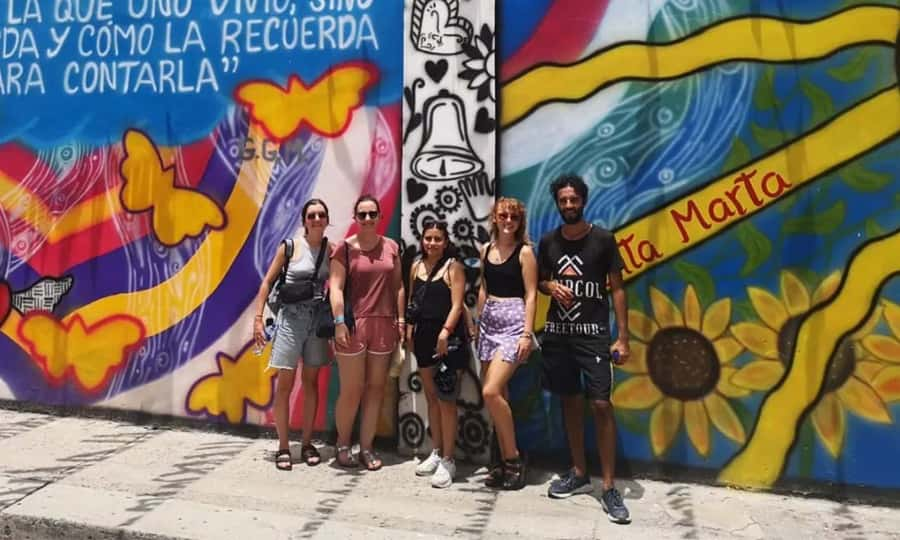
The drink tasting is one of the most appealing parts of the experience because it introduces flavors you might not order on your own. Lulo can appear as a juice or an artisanal infusion, while guanábana, maracuyá, and zapote are named as possible fruit flavors.
These tastings are modest, but they make the walk more memorable. A guide can explain where the fruit fits into Colombian food culture, and you get a quick break from the heat at the same time. The included local drink is confirmed, while the full range of tastings appears to depend on the day and the available venues.
Do not assume that every named item will always be served. The description includes ceviche, lulo, juice, and empanadas, but one food stop has already proved vulnerable to closure. Treat the food as an added part of the tour, not as a guaranteed full meal.
San Francisco Church and Santa Marta’s religious layers
Iglesia San Francisco is another short architectural stop, with about 15 minutes for a visit, photographs, and explanation. The route now gives you two different religious buildings, allowing you to compare their roles and design rather than seeing only one church in isolation.
This stop may be brief, but it helps fill out the city’s colonial character. Churches in historic centers are not just places of worship. They also reveal how communities organized public life, expressed power, and preserved local memory.
The short duration means you should listen closely. There is no promise of a long interior visit, and the stop may be adjusted if the group is running late.
San Miguel Cemetery and the final stories
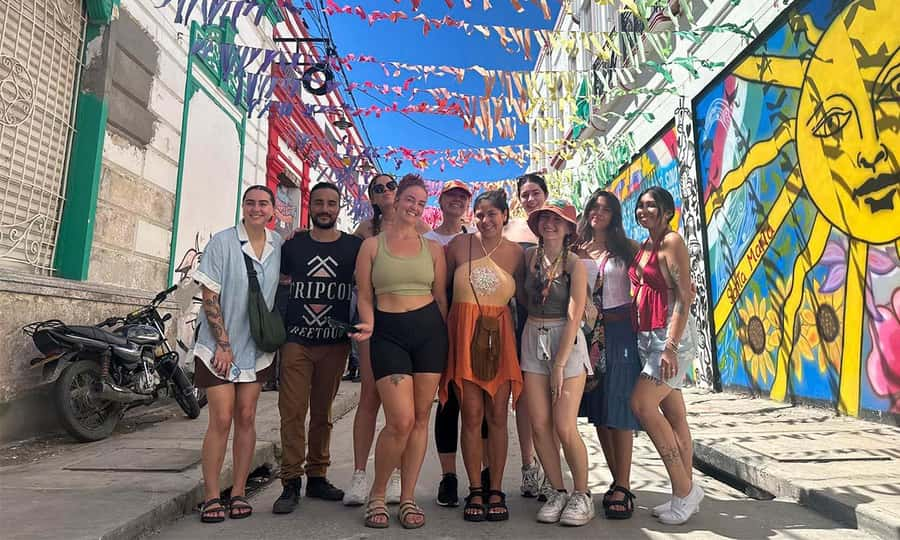
San Miguel Cemetery is the last listed stop, with about 20 minutes for photographs and a guided visit. A cemetery can seem like an unusual choice on a food and city walk, but it adds another layer to Santa Marta’s story. Public squares and churches show how a city lived. A cemetery shows how it remembered.
This stop may appeal most to you if you enjoy local customs, names, symbols, and personal stories rather than only famous monuments. The guide’s role is important here because the meaning of a cemetery is not always obvious from a quick walk through it.
It also gives the route a quieter ending before you return to Parque de los Novios or Casa de la Aduana. The two drop-off points make the finish practical, especially if you want to continue dining in the center or return toward the museum.
Why the guide makes or breaks the experience
This is an experience built around explanation, not just movement. You can walk through central Santa Marta on your own, but you may miss the connections between Tayrona culture, colonial trade, Bolívar, church architecture, food, and modern nightlife.
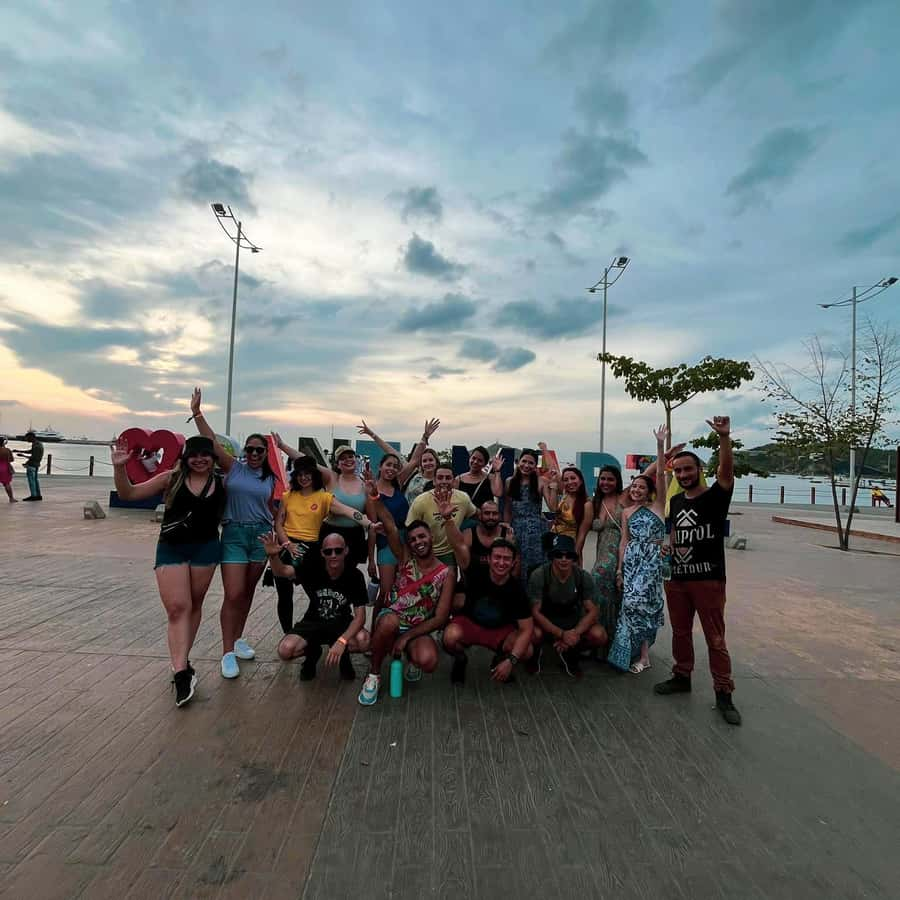
Sergio receives especially warm praise for being friendly, well informed, and helpful beyond the formal route. He has suggested other things to do and even assisted with a hostel problem. That sort of care is valuable, particularly early in a stay when you are still working out the city.
At the same time, the guide cannot fix every operational problem. If the schedule is too tight, even a strong storyteller may have to hurry. Two people specifically found the experience too short or rushed and felt it did not justify the cost. That criticism should be taken seriously because $56 is a premium price for a central walking tour.
Two hours on paper, longer in practice
The stated duration is two hours, but the listed stops include roughly 190 minutes of guided visits and photo stops before accounting for walking or food. One afternoon group spent close to four hours and enjoyed the extra time. Other bookings felt much shorter and hurried.
This is the clearest issue to settle before you pay. Ask two simple questions:
- How long will the tour actually last on the chosen date?
- Will the museum and food tastings be fully included?
If you prefer a compact orientation, a two-hour version may suit you. If you want the full museum visit, several tastings, and time for questions, you should be prepared for a longer outing. A 4:30 p.m. start may be the best choice because one visitor found the cooler afternoon timing especially pleasant.
Wear comfortable shoes and bring water. The route is on foot, and several stops involve outdoor walking in Santa Marta’s warm climate. The information provided does not specify group size or special accessibility arrangements, so ask the operator if either point affects your plans.
Is $56 a fair price?
At $56 per person, this is not the cheapest way to see Santa Marta’s center. The price makes sense if you receive a full museum visit, an engaged bilingual guide, several food samples, and enough time for questions. It is harder to justify if the walk is cut short or if major tastings and indoor visits disappear.
I would compare it with the cost of arranging separate museum admission and a private guide, but the available details do not provide those prices. The real value here is convenience and interpretation. You get one route, one guide, and a connected story instead of piecing together the center on your own.
The strongest case for booking is the guide quality. The weakest case is the lack of consistency around duration and tastings. If the operator confirms a proper museum visit and a replacement food option when needed, the price becomes easier to accept.
Who should book this Santa Marta walk?
I would recommend it to first-time visitors who want a broad introduction to the historic center without spending a full day on a formal city tour. It suits you especially well if you enjoy archaeology, colonial architecture, local food, and practical suggestions for the rest of your stay.
It is also a good fit if you want a bilingual guide and prefer asking questions as you walk. Sergio’s friendly style appears particularly helpful for people who want more than memorized facts.
I would hesitate if you are mainly seeking a serious food tour. The tastings are part of a wider cultural route, not a dedicated meal-by-meal experience. I would also hesitate if your budget is tight or if you need a guaranteed two-hour finish. In that case, confirm the timing and inclusions first.
Should you book it?
Book this experience if you want Santa Marta’s center explained through Indigenous culture, colonial buildings, public squares, churches, food, and modern nightlife. The combination is thoughtful, and the best guides add genuine local help.
Before booking, confirm the actual duration, the museum access, and what happens if a tasting venue is closed. If those details are clear, the tour can be a useful first afternoon in the city, especially around 4:30 p.m. when the heat is easier to manage. If the answers are vague, you may get a rushed walk that does not match the $56 price.
FAQ
Where does the tour start?
The tour starts at Museo del Oro Tairona, also called Casa de la Aduana.
How long does the experience last?
The stated duration is two hours, but the timing can vary. One afternoon experience lasted close to four hours, while other participants found the tour much shorter and rushed.
Which languages are available?
The live guide is available in English and Spanish.
Is the Tairona Gold Museum included?
Yes. A guided tour inside the museum is included, although you should confirm how much museum time is planned for your date.
What food and drinks are included?
The experience includes a local drink. Planned tastings can include ceviche, lulo, exotic fruit juice, and empanadas, but individual food stops may change if a venue is closed.
Where does the tour finish?
Drop-off is available at Parque de los Novios or Museo del Oro Tairona, Casa de la Aduana.
More history tours in Colombia
- Barcelona: Tapas Walking Tour with Food, Wine, and History
★ 4.8 · 4,261 reviews - Sevilla Food Tour: Tapas, Wine, History & Traditions
★ 5.0 · 3,468 reviews - Madrid Tapas & Taverns Small Group Food & History Tour
★ 5.0 · 2,664 reviews - Historic Ybor City Food Walking Tour
★ 5.0 · 2,210 reviews
Just added in Colombia
- Private Cartagena city and street food tour.★ 5.0 · 31 reviews
- Totumo Volcano: Colombia’s Ultimate Skin Renewal Journey★ 4.5 · 36 reviews
- Street Food Tour – Live A Unique Gastronomic Experience★ 5.0 · 34 reviews
- The Cali Street Food Walking Tour★ 5.0 · 81 reviews
- Street Food Tour in Bogotá with Tastings★ 5.0 · 34 reviews
- Food Tour in La Candelaria Bogotá★ 5.0 · 63 reviews
- PALOQUEMAO MARKET FOOD TOUR. EXOTIC FRUIT. LOCAL SNACKS. /Min 2 pax★ 5.0 · 70 reviews
- Bogota´s Gastronomic Wonders – Experience the best traditional food★ 4.5 · 30 reviews
Street Food Tours, compared.
Ho Chi Minh City Street Food Tour & Sightseeing By Motorbike
Read our review →
Small Group Hanoi Street Food Tour with a Real Foodie
Read our review →
Saigon By Night and Street Food By Motorbike | Opt: Ao Dai Riders
Read our review →
Private Street Food Tour by Motorbike/Car with Local Students
Read our review →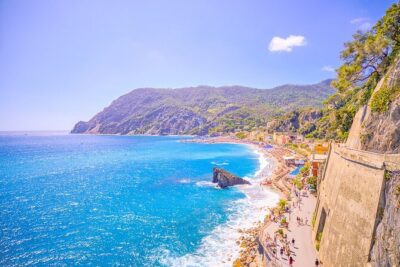
Cinque Terre Park Day Trip with Optional Street Food
Read our review →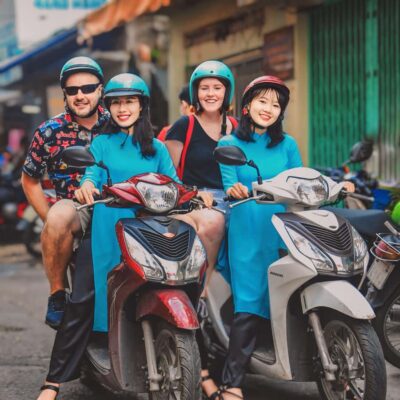
Street Food Tasting & Sightseeing Tour by Motorbike
Read our review →Browse the lists this tour appears in