
REVIEW · COLOMBIA FOOD TOURS
Santa Marta: Guided Walking Food Experience
Santa Marta tastes better one bite at a time. This four-hour walk combines the public market, historic center, and local family businesses with arepas de huevo, cayeye, fresh juice, coffee, and other Caribbean Colombian specialties. I especially like the chance to meet working food vendors rather than simply eat in restaurants, and I like that the route includes major sights such as the Catedral de Santa Marta, Bahia de Santa Marta, and Parque de Los Novios.
The price is $54 per person, which is fair if you arrive hungry and use the tour as both lunch and a history walk. The main drawback is the pace and distance: four hours of walking, eating, and standing can feel long, and one food stop may require a longer walk than some people expect. Wear good shoes, and do not plan a large meal beforehand.
Key points at a glance
- Seven food venues in one afternoon: You get a broad taste of Santa Marta instead of one sit-down meal.
- The public market adds real local flavor: Fruit, snacks, drinks, and everyday food culture are part of the experience.
- Hands-on arepa de huevo making: You do not only eat this Caribbean specialty, you help make it at a local kiosk.
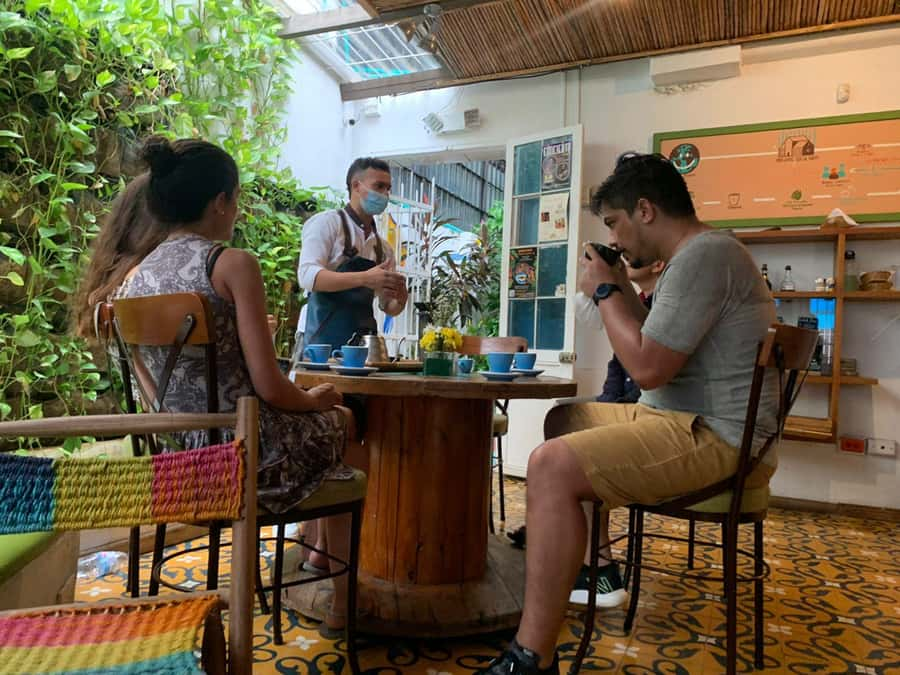
- Coffee gets serious attention: The route includes a respected local barista stop, with coffee or tea included.
- History comes between bites: The walk passes the cathedral, Bahia de Santa Marta, and Parque de Los Novios.
- Flexible for different diets: Vegetarian and vegan preferences can be accommodated when arranged through the tour.
Why this food walk works in Santa Marta
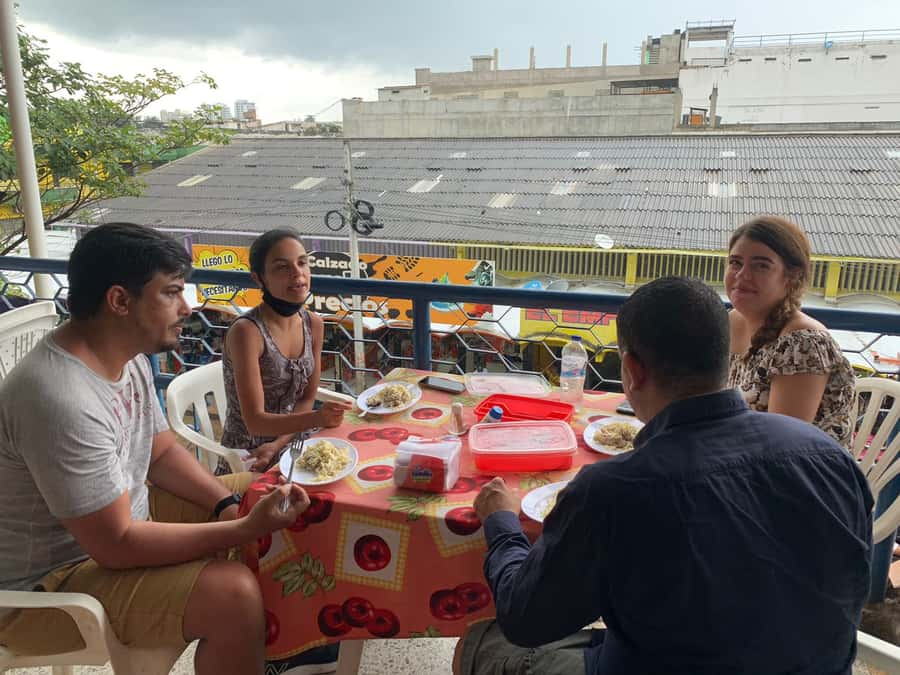
Santa Marta can be easy to reduce to beaches, boat trips, and seafood. This experience gives you another way into the city. Food provides the thread, but the real subject is daily life in Colombia’s Caribbean region: what people eat, where they buy it, and how family-run businesses keep local recipes moving.
I like the structure because it avoids putting all the emphasis on a single signature dish. Over four hours, you sample fruit, snacks, traditional food, fresh juice, coffee, and regional specialties. The seven stops should give you a useful range, especially if you are unsure what to order on your own.
You also get a walking orientation to the historical center. The route links food stops with well-known places, so the afternoon is not just a series of tastings. You see the Catedral de Santa Marta, walk near Bahia de Santa Marta, and pass through Parque de Los Novios while learning about the city and its past.
This is not a cooking class in the full sense. The main hands-on activity is making an arepa de huevo at a local arepa kiosk. That is enough to make the food feel less abstract. You see part of the process, then taste the result while the experience is still fresh.
More food walking tours in Colombia:
- The Cali Street Food Walking Tour
★ 5.0 · 81 reviews - Reykjavik Food Walk – Local Foodie Adventure in Iceland
★ 5.0 · 18,952 reviews - New Orleans Food Walking Tour of the French Quarter with Small-Group Option
★ 5.0 · 6,118 reviews
Starting at the public market
The public market is a strong place to begin a food-focused visit. It gives you a look at ingredients and eating habits that you may miss if you stay with hotel restaurants and polished cafés.
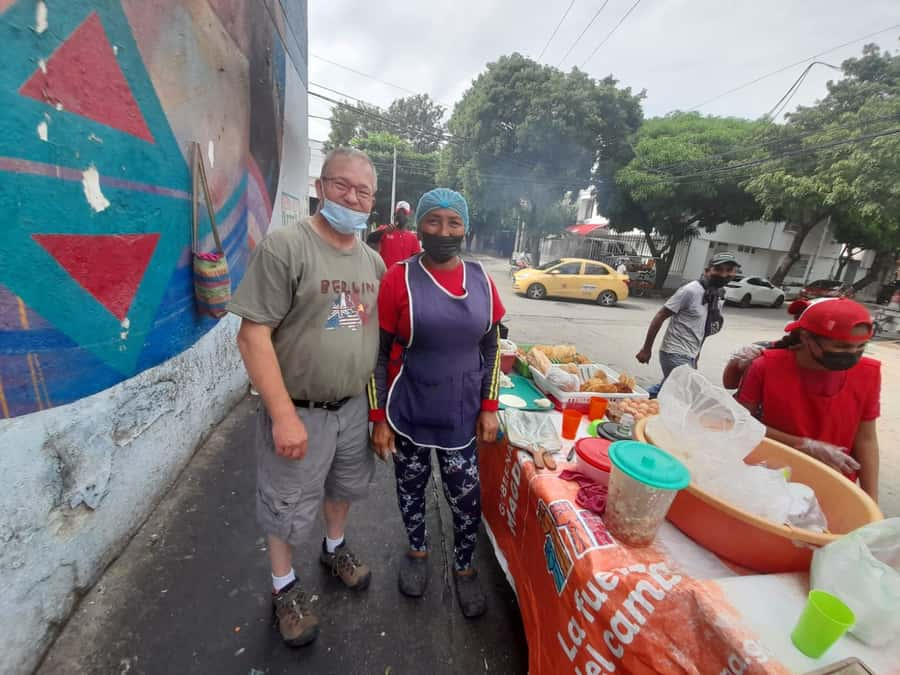
Expect the market portion to be sensory rather than staged. You may encounter fruits, prepared snacks, drinks, and local foods that are unfamiliar. The guide helps explain what you are seeing and gives you a safer way to try items you might not order by yourself.
That guidance matters. One of the best uses of a local food tour is removing the guesswork. You can ask what something is, how it is normally eaten, and which flavors are typical of the Caribbean coast. The experience includes snacks, fruit, fresh juice, and bottled water, so the market is not simply a place to look around.
If you have a small appetite, pace yourself from the first stop. The food continues for hours, and the portions can add up. One person described reaching the last meal with enough food already consumed to take it home. That is a useful warning: arrive hungry, but not desperate.
Seeing Santa Marta between tastings
The walk includes several of Santa Marta’s central sights, and this is where the tour earns more than a meal would. The Catedral de Santa Marta gives the route a clear historic marker. The walk through the old center adds context to the food, even though the experience remains focused on eating rather than a formal architecture tour.
Bahia de Santa Marta brings a change of setting. You get a chance to connect the city center with the waterfront rather than treating them as separate places. The route also includes Parque de Los Novios, a popular central gathering point that helps you understand how the city’s public life is organized.
The food stops are spread among these sights, not presented as isolated restaurant visits. That means you should think of the experience as a walking city tour with substantial tastings. Comfortable shoes are essential, and sunscreen is not optional in the afternoon heat.
The weather policy is simple: the tour runs rain or shine. Bring an umbrella if rain is possible. The practical lesson is to dress for movement and changing conditions, not for a formal lunch.
Arepa de huevo at a local kiosk
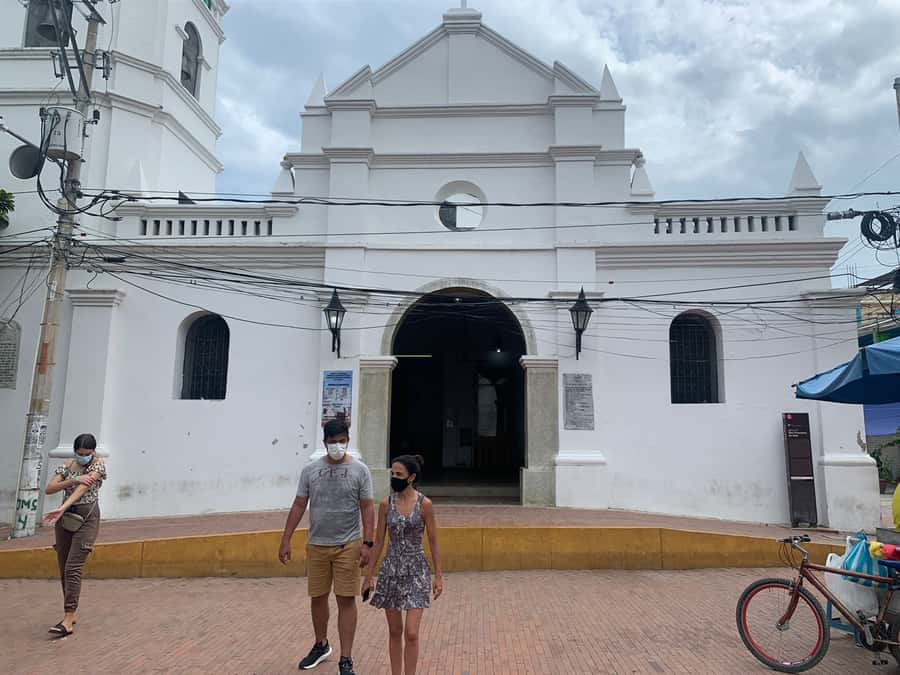
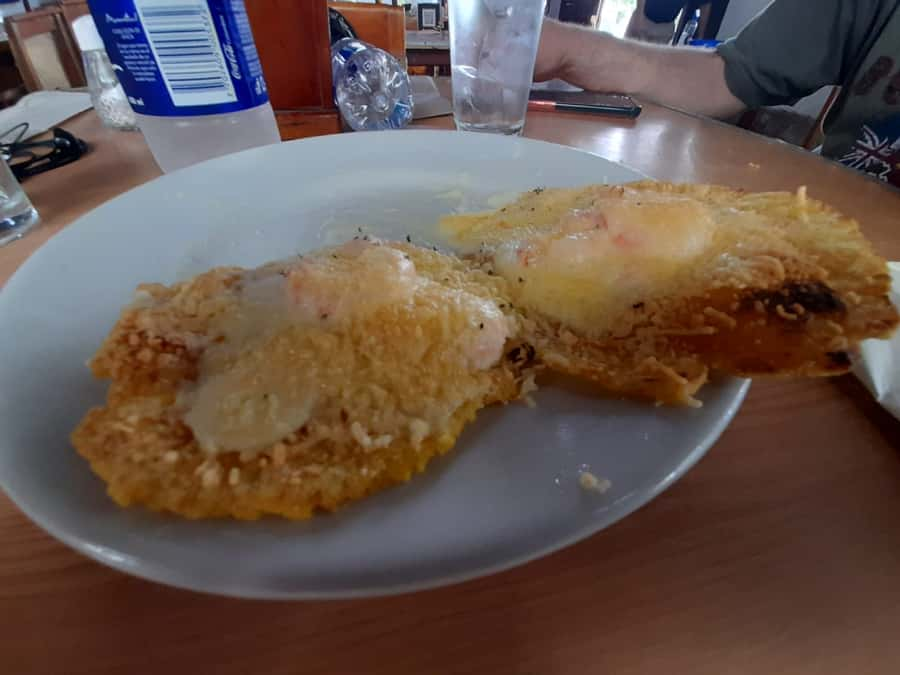
The arepa de huevo is one of the most useful stops for understanding Caribbean Colombian food. It is not merely a plain corn cake. The egg-filled preparation gives you a regional specialty with a texture and cooking method worth seeing up close.
At the kiosk, you get to help make one. This small activity changes the experience from passive tasting to participation. You see how a familiar local food is handled in a working setting, then eat what you helped prepare.
A kiosk also gives the stop a different feel from a café. You are closer to the everyday food trade, and the guide can connect the dish to local habits and family businesses. Since the experience visits several family-owned places, this stop fits the larger purpose of the afternoon.
Do not expect a quiet, carefully paced cooking demonstration. A kiosk is a practical food setting, and the visit is one part of a moving four-hour route. The reward is the direct connection with the food, not a polished culinary show.
More dining experiences in Colombia:
- Santa Marta A Historical & Street food Experience
★ 4.7 · 41 reviews - Bateaux Parisiens Seine River Gourmet Dinner & Sightseeing Cruise
★ 4.5 · 6,930 reviews - Sorrento Farm and Food Experience including Olive Oil, Limoncello, Wine tasting
★ 5.0 · 2,524 reviews - Rome: Gourmet Food Tour with Dinner & Barolo Wine
★ 4.9 · 2,347 reviews
Cayeye and the food of the Caribbean coast
Cayeye is another important regional tasting. The dish gives you a chance to try something beyond the most familiar Colombian foods. That matters because a good food walk should widen your choices for the rest of your stay.
The route includes other special dishes as well, though the exact selection can vary. You will sample food at family-owned businesses and receive explanations from the guide as you go. The focus is on local character rather than a fixed restaurant menu.
I would treat the food as a guided introduction, not a guarantee that every dish will suit your taste. Some people enjoy trying unexpected textures and strong flavors. Others prefer familiar food and smaller portions. The guide’s role is especially useful here because you can ask questions before committing to something new.
Vegetarian and vegan preferences can be accommodated. Tell the provider about your needs when booking or before the tour begins, since the experience includes several food businesses and advance notice is the sensible approach.
Fresh juice, fruit, and a serious coffee stop
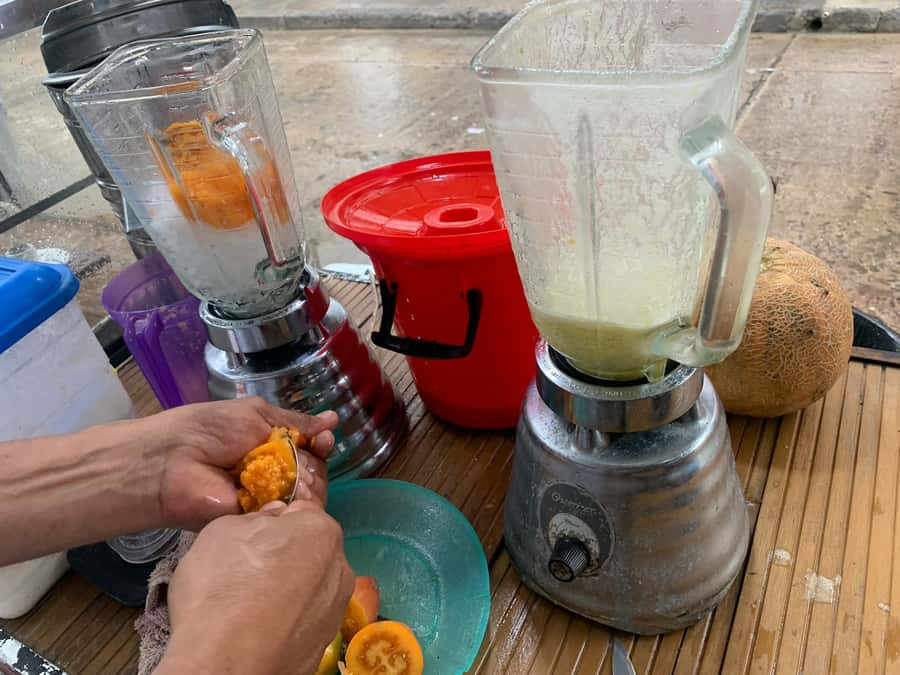
The drinks help break up the heavier food. Fresh juice and fruit bring brightness to the route, while coffee or tea gives you a calmer pause during the afternoon. Bottled water is included, but I would still carry extra water because you are walking in a warm climate. Additional water bottles are not included.
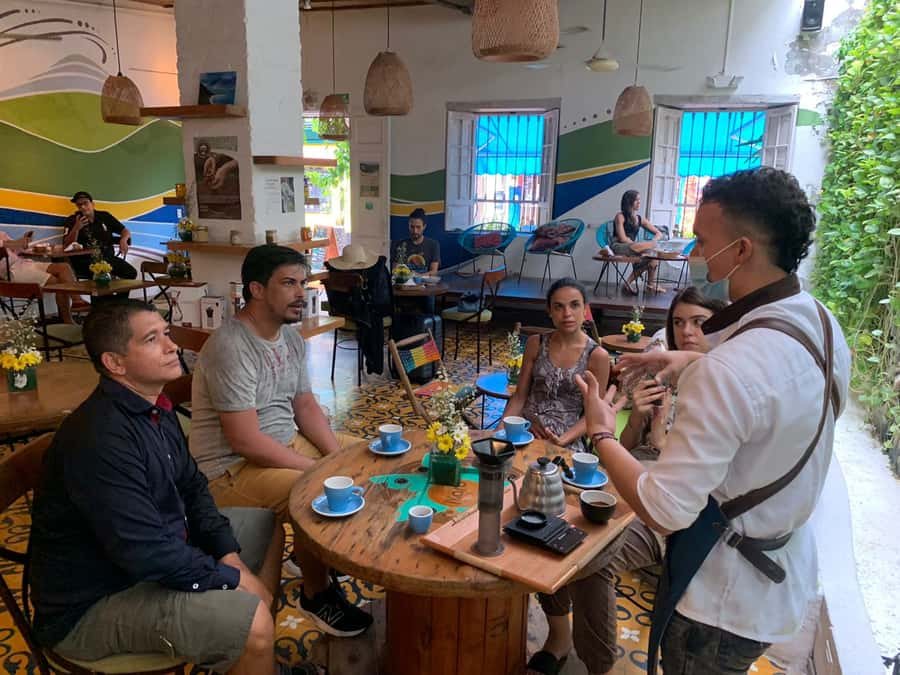
The coffee stop is one of the more distinctive features. You visit a highly regarded barista coffee shop in the area and meet professional baristas. This makes the tour useful even for people who are less interested in market food. You get a look at another side of Santa Marta’s food culture, one that values careful preparation and local coffee expertise.
Coffee drinkers should appreciate the contrast between the market and the café. One stop shows food as everyday commerce. The other shows a more specialized craft. Together, they make the afternoon feel broader than a standard street-food crawl.
Alcohol is not included. Beer and other alcoholic drinks are available only at your own expense, if you choose to buy them. Since the tour already includes juice, coffee or tea, water, and multiple tastings, you do not need to budget for drinks unless you specifically want beer.
The guides make the difference
The guide is central to the experience because the route depends on explanation. You are not only being led from one snack to the next. You are learning how the food connects with Santa Marta’s history and local culture.
Several guides have received strong praise for their approach. Alberto is from Santa Marta and knows the city’s corners well. Alvaro has led walks that combine local markets, food, drinks, history, and conversations with vendors. Javier has been appreciated for his patient storytelling, including history connected with Simon Bolivar.
Guide assignments can vary, so you should not assume you will receive one particular person. Still, these details show the level of guiding the experience aims for. The strongest version of this tour is not simply efficient. It gives you a narrative about the city while you eat.
Language support is available in English and Spanish. If you speak Spanish, you may enjoy the extra ease of direct conversations at the food stops. English-speaking visitors can still follow the tour with a live guide in English.
How much food do you actually get?
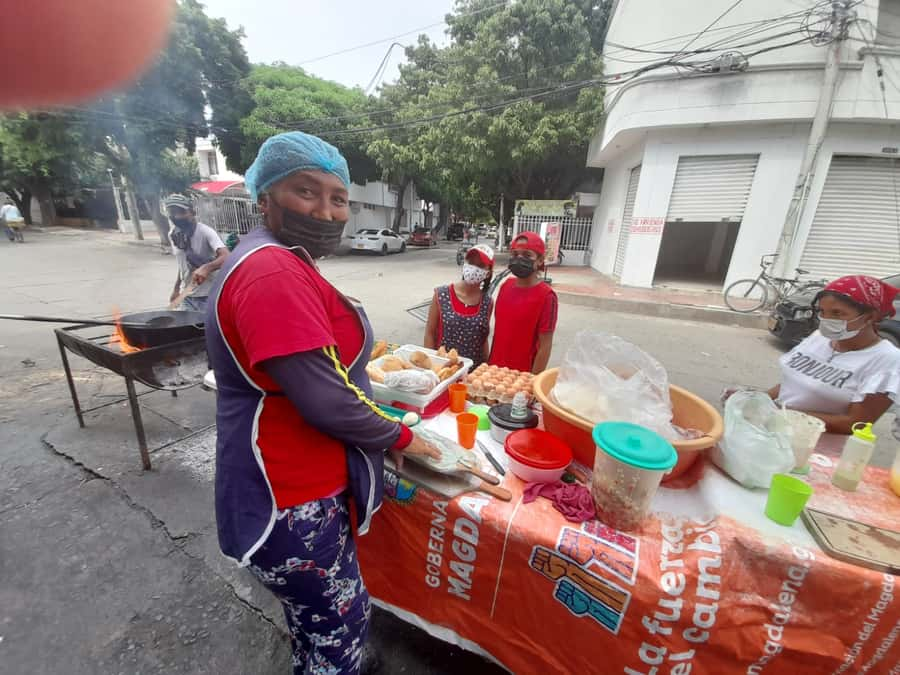
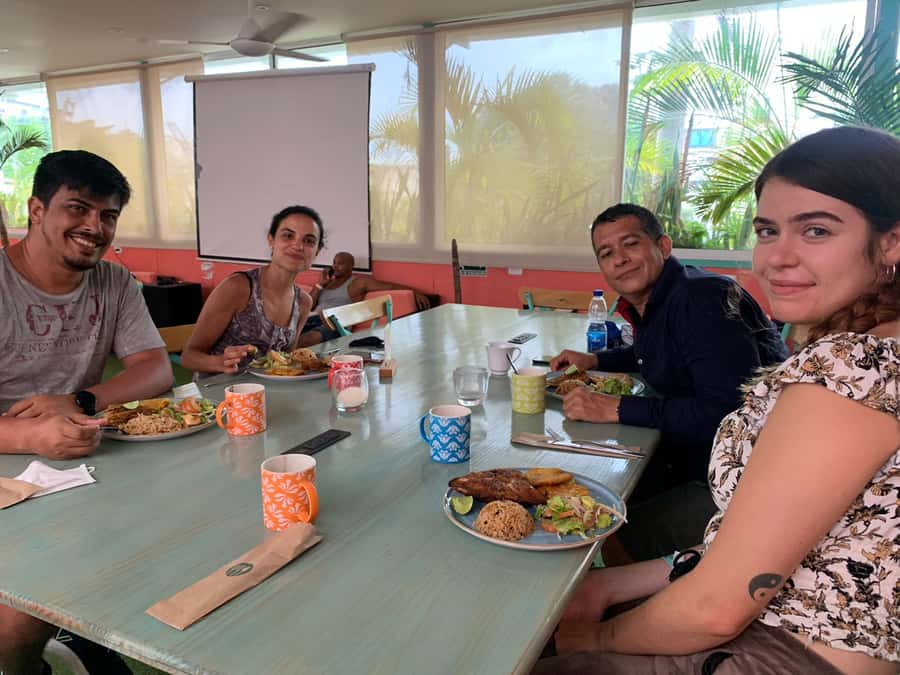
The answer is: enough to count as a substantial meal. You stop at seven venues and receive snacks, fruit, traditional food, fresh juice, and coffee or tea. Arepa de huevo, cayeye, and other dishes form the core of the tasting route.
Because the experience lasts four hours, the food is spread out rather than served all at once. That makes the walk manageable, but it also means you need to keep track of your appetite. Eating a full breakfast or lunch shortly before the start would reduce the value.
I would also avoid booking this on the same day as another major food activity. The experience is designed to be generous, and you may not have room for every final dish. If you are traveling with someone who eats lightly, agree in advance about sharing where appropriate.
The exact dishes and order can change. Food tours depend on what each local business has available, so the list should be treated as a guide to the experience rather than a rigid promise about every bite.
Is $54 a fair price?
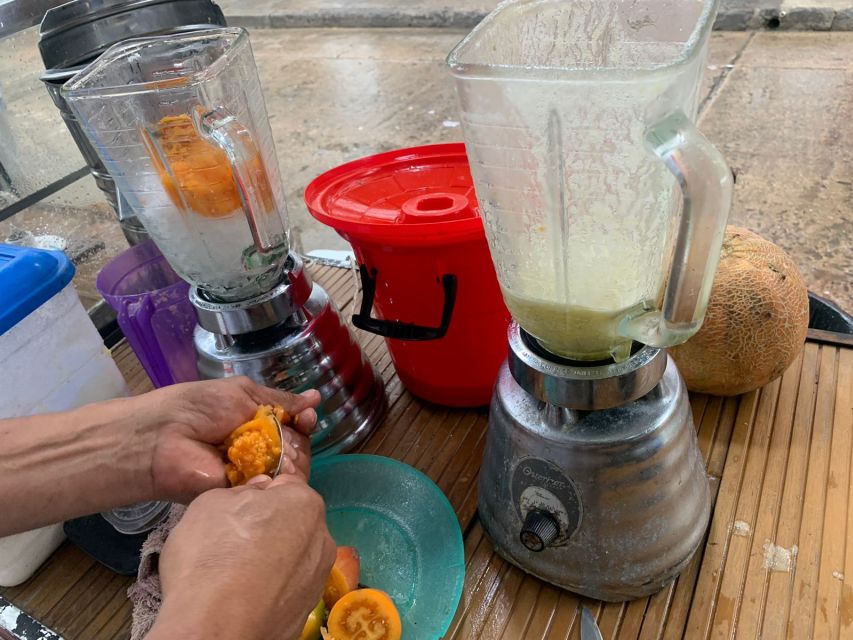
At $54 per person, the value depends on how you use the four hours. If you count only the food, you are paying more than you would at a casual local meal. That is normal for a guided tasting experience.
The price also covers the guide, seven venues, coffee or tea, bottled water, fresh juice, snacks, and the walking tour through central Santa Marta. You are paying for access, interpretation, and convenience, not just ingredients.
I consider it a fair price for a first afternoon in the city, especially if you want help choosing unfamiliar foods. It can also save you from spending several meals trying to work out what to order. The value is weaker if you already know Santa Marta well, prefer to eat slowly at one restaurant, or dislike walking between stops.
Transportation to the meeting point is not included. Plan your own way there, and remember that the walk itself is part of the experience. Free cancellation is available up to 24 hours in advance, and you can reserve now and pay later, which helps if your itinerary is still shifting.
Who should book this experience?
I would recommend it most strongly to first-time visitors who want an introduction to Santa Marta’s center and food culture in one outing. It also suits people who enjoy sampling several small portions rather than choosing one meal.
Food-curious visitors will get the most from it. You should be willing to try fruit, drinks, market food, coffee, arepas, cayeye, and dishes that may not be familiar. A local guide makes that easier and gives each tasting a reason.
It is also a good choice for couples, friends, and families who want a shared activity with a clear structure. Wheelchair access is available, though it is still wise to confirm any personal mobility needs before booking because the experience takes place across multiple venues and includes walking.
I would hesitate if you want a relaxed evening meal, a private cooking lesson, or a short activity with little walking. The four-hour length is part of the value, but it is also the main commitment.
Practical advice before you go
Wear comfortable shoes with good support. You will be walking between food stops and city sights, and the route is long enough that flimsy footwear could become a problem.
Bring sunscreen, water, and an umbrella if rain is possible. The tour runs in all weather, and extra water is useful even though bottled water is included.
Keep your schedule clear afterward. Four hours of food takes time, and you may want a quiet evening rather than another large meal. Also, do not arrive overfed. The best strategy is a light meal earlier in the day and room for several tastings.
If you have vegetarian or vegan preferences, provide that information ahead of time. The experience can accommodate those diets, but advance notice is especially helpful when several family-owned food businesses are involved.
Should you book the Santa Marta food walk?
Book it if you want food, history, and orientation in one afternoon. The seven-stop format gives you variety, the market and family businesses provide a local angle, and the arepa de huevo activity adds a hands-on moment. The coffee stop is a useful bonus for anyone who takes café culture seriously.
Skip it if you prefer to set your own pace, eat one large meal, or avoid long walking routes. The final stop may feel too far away for some people, and the amount of food can be more than a light eater wants.
For most first-time visitors, I would book this early in a Santa Marta stay. You will leave with a better sense of the city center, a list of foods to try again, and a much clearer idea of where local eating fits into the culture.
FAQ
How long does the Santa Marta food experience last?
The experience lasts four hours.
How many food venues does the tour visit?
The route includes stops at seven different venues.
What foods might I try?
The experience includes arepa de huevo, cayeye, fruit, snacks, fresh juice, and other traditional Caribbean Colombian dishes.
Is coffee included?
Yes. Coffee and/or tea are included, along with fresh juice and bottled water.
Does the tour visit Santa Marta’s historic sights?
Yes. The route includes the Catedral de Santa Marta, Bahia de Santa Marta, Parque de Los Novios, and the historical center.
Can vegetarian or vegan preferences be accommodated?
Yes. The experience can accommodate vegetarian and vegan preferences.
Is the tour available in English?
Yes. Live guiding is available in English and Spanish.
What should I bring?
Bring comfortable shoes, sunscreen, and water. If rain is possible, bring an umbrella because the tour operates rain or shine.
Just added in Colombia
- Private Cartagena city and street food tour.★ 5.0 · 31 reviews
- Totumo Volcano: Colombia’s Ultimate Skin Renewal Journey★ 4.5 · 36 reviews
- Street Food Tour – Live A Unique Gastronomic Experience★ 5.0 · 34 reviews
- The Cali Street Food Walking Tour★ 5.0 · 81 reviews
- Street Food Tour in Bogotá with Tastings★ 5.0 · 34 reviews
- Food Tour in La Candelaria Bogotá★ 5.0 · 63 reviews
- PALOQUEMAO MARKET FOOD TOUR. EXOTIC FRUIT. LOCAL SNACKS. /Min 2 pax★ 5.0 · 70 reviews
- Bogota´s Gastronomic Wonders – Experience the best traditional food★ 4.5 · 30 reviews
Food Walking Tours, compared.
Reykjavik Food Walk – Local Foodie Adventure in Iceland
Read our review →
New Orleans Food Walking Tour of the French Quarter with Small-Group Option
Read our review →
Savannah First Squares Culinary & Cultural Walking Food Tour
Read our review →
Guided Food Walking Tour with Wine in Trastevere
Read our review →
Trastevere & Campo de Fiori Street Food Walking Tour
Read our review →Browse the lists this tour appears in