
REVIEW · SINGAPORE FOOD TOURS
Singapore: Chinatown Hawker Guided 8-Dish Tasting Tour
Come hungry, leave better informed. This three-hour Chinatown food tour combines eight local dishes with a walking lesson on Singapore’s food culture, history, and daily life. I like that it goes beyond famous Michelin-listed stalls, and I especially like the practical touches, such as learning how to order local coffee properly.
The guides are a major part of the appeal. Alfie, Corliss, Yap, Weng, Cheyenne, and Chan have all led highly praised tours, with guests describing them as warm, funny, attentive, and well informed. The main drawback is simple: $86 per person is far more than you would spend eating at a hawker centre alone, so the value depends on how much you want the guidance and cultural context.
The tour is best for first-time visitors who want a friendly introduction to Singaporean food without guessing at unfamiliar menus. You will walk between food stops, so comfortable shoes and a healthy appetite matter.
Key points to know before booking
- Eight tastings in three hours: Expect a broad sample of Singaporean food, including Hainanese chicken rice, spring rolls, fried carrot cake, and local coffee.
- Chinatown beyond the food stalls: The walk includes local sights, old food shops, buildings, paintings, and stories about the area.
- Guides make the difference: Alfie, Corliss, Yap, Weng, Cheyenne, and Chan have each been praised for their humor, care, and strong local knowledge.
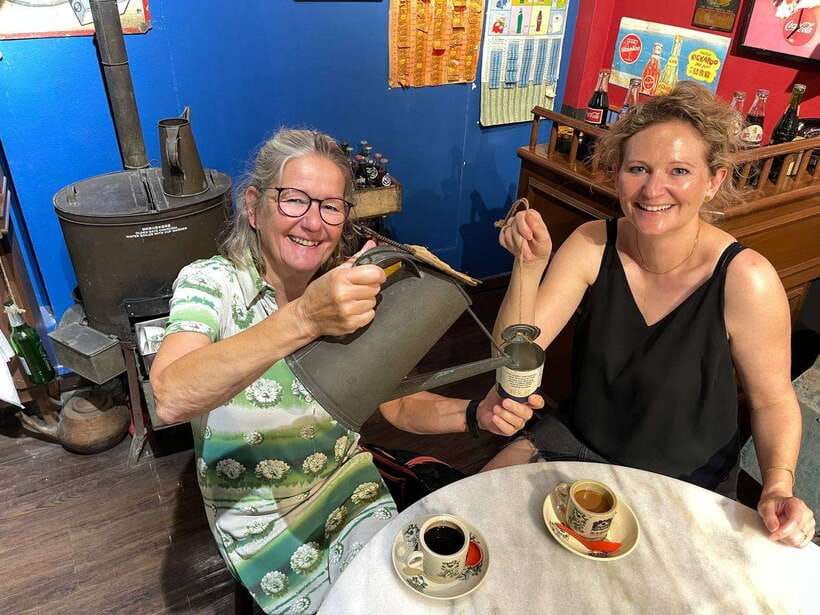
- Useful coffee advice: You learn how to order Singaporean coffee correctly, a tip that can help for the rest of your stay.
- A proper meal, not just nibbles: The food is described as plentiful, so do not eat a large meal beforehand.
- A small booking condition: At least two people must be booked for the tour to operate, and the provider may offer another time or day if that minimum is not met.
Why Chinatown is the right place to start
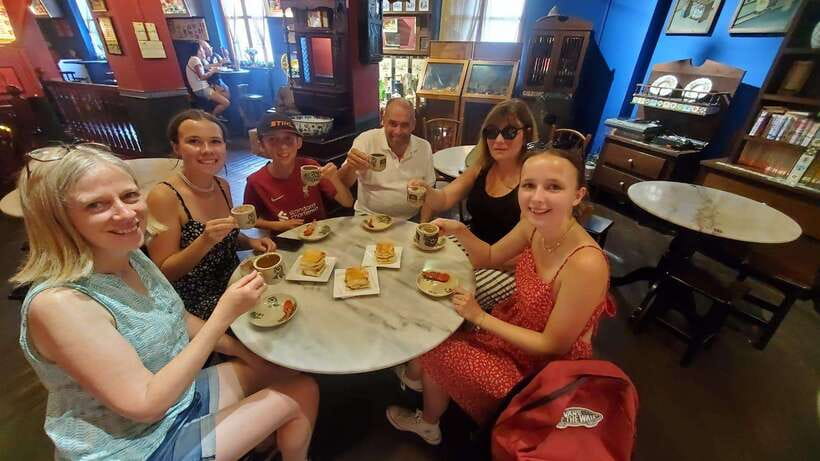
Singapore’s Chinatown gives this tour more depth than a simple food crawl. You are not only moving from stall to stall. Between tastings, the guide points out local sights and explains how Chinatown fits into Singapore today.
That wider view matters because food here is tied to migration, family traditions, work, and neighborhood life. The tour’s focus is not only on what is on the plate. It also helps you understand why certain dishes became everyday favorites and how hawker food fits into the city’s social culture.
The walking route includes famous hawker centres and quieter alleys. You may also see historic food stores, interesting buildings, paintings, and other details that are easy to miss when you are focused on finding your next meal. Several guides have been praised for explaining both Singapore’s past and modern social structure, which gives the walking sections real purpose.
I would choose this tour early in a Singapore visit. It can help you get your bearings in Chinatown, introduce you to foods you might otherwise pass over, and give you enough confidence to return to the hawker centres on your own.
More Chinatown food tours in Singapore:
- NYC: Chinatown & Little Italy Food Tour with 7 Flavorful Tastings
★ 5.0 · 2,733 reviews - Original NYC Guided Food Tour of Chinatown and Little Italy
★ 5.0 · 2,194 reviews - Chinatown & North BeachLittle Italy: 7 Tastings & History
★ 5.0 · 1,070 reviews
The opening tastings set the pace
The exact order of the eight dishes can vary, but the food stops are designed to build a broad picture of Singaporean eating. You might begin with a drink or a light snack, then move into more filling plates. Because the food is shared and divided among the group, you get variety without ordering eight full meals yourself.
That sharing format is important. It lets you try different flavors and textures in one sitting, from savory fried food to tender meat and a strong local drink. If you normally play it safe at unfamiliar food courts, a guide removes much of the guesswork.
The tour includes Hainanese chicken rice, one of Singapore’s best-known everyday dishes. The appeal is in its balance: tender chicken, fragrant rice, and accompanying sauces that add salt, spice, or sharpness. A guide can explain what you are eating and how it fits into local food culture, rather than leaving you to work it out from a crowded menu board.
You may also try spring rolls, which add a crisp and lighter contrast to the meal. They are familiar enough for cautious eaters, but still fit neatly into a wider tasting of local flavors.
The food is not presented as a parade of luxury dishes. That is part of the point. You are sampling the kind of food people eat in ordinary hawker settings, where speed, value, and reliable flavor matter as much as presentation.
Fried carrot cake is not dessert
One of the more useful moments on this tour is the introduction to fried carrot cake, also known as chai tow kway. Despite the name, it is a savory dish, not a sweet cake made with orange vegetables.
It is made from radish cake and fried with other ingredients, producing a soft and savory dish with crisp edges and a satisfying texture. For many first-time visitors, the name alone is confusing. Having a guide explain it before you taste it makes the experience much more enjoyable.
This is the sort of stop that shows why a guided food tour can be worth paying for. You are not simply eating. You are learning how a dish is named, what it contains, and why a familiar English word can point you in the wrong direction.
If you have strong dislikes or dietary restrictions, you should raise them with the tour provider before booking. The supplied information confirms the eight dishes, but it does not provide a full ingredient list or substitution policy.
Local coffee comes with its own vocabulary
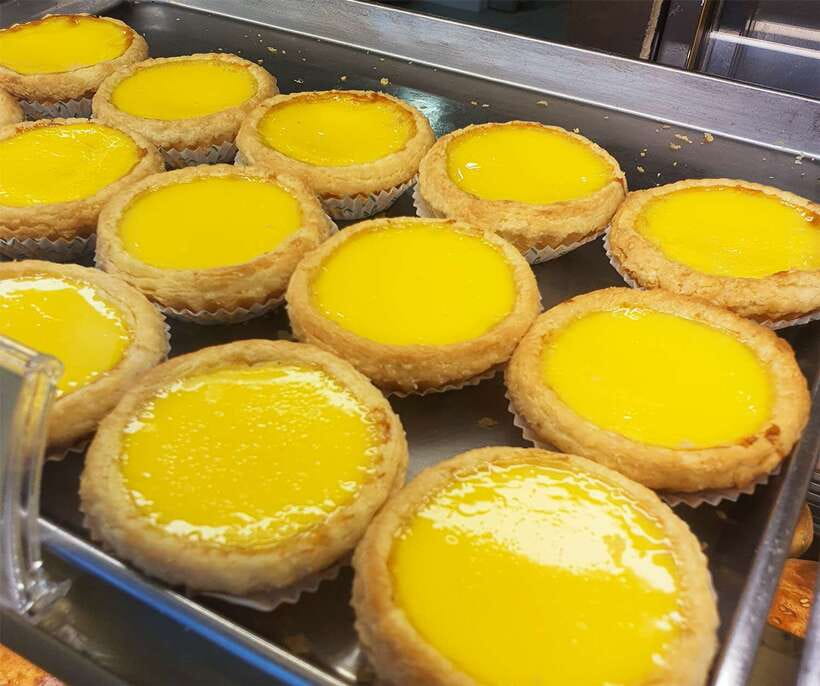
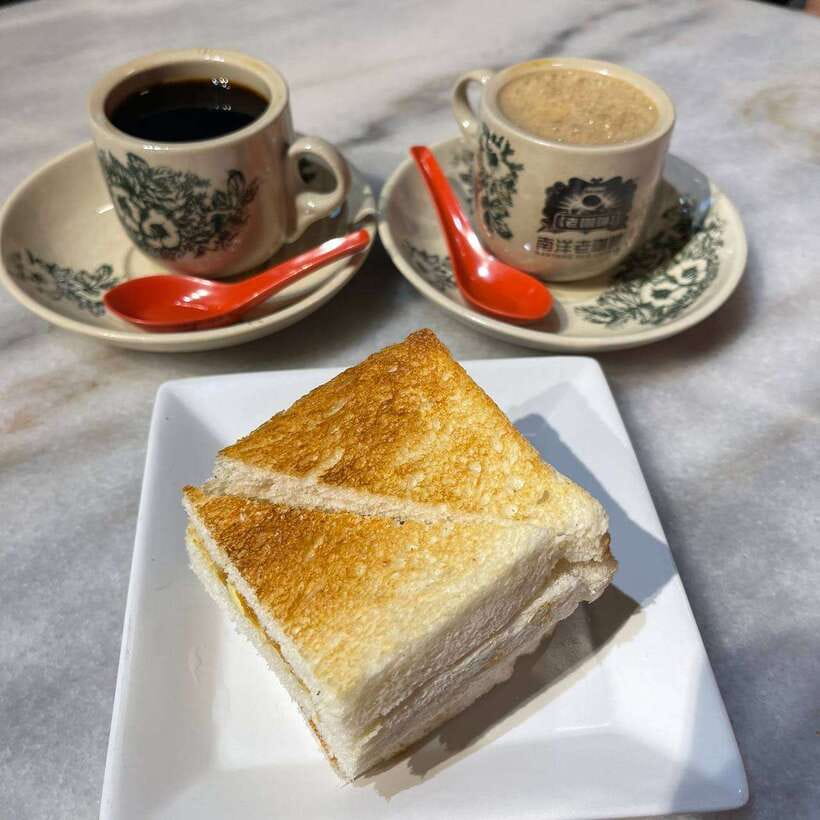
The coffee stop adds a practical lesson that can keep helping you after the tour ends. Singaporean coffee has its own ordering terms, and learning how to ask for your drink correctly can make future visits to hawker centres easier.
The coffee is aromatic and distinctly local in character. The guide does not just hand you a cup. You get an explanation of how to order, which gives the tasting a useful everyday angle.
One particularly helpful detail from the tour experience is that this coffee advice was used repeatedly later in a Singapore trip. That makes it more valuable than a one-time sample. You leave with a small piece of local know-how that can help you feel less like a newcomer at the next coffee stall.
Coffee is also a sensible pause in a three-hour food walk. It breaks up the savory dishes and gives the guide a natural moment to explain local habits, language, and food culture.
More street food tours in Singapore:
- Small Group: Michelin and Local Hawker Food Tour with 9 tastings
★ 5.0 · 1,890 reviews - Small Group: Singapore Street Food & Night Tour with 9 tastings
★ 5.0 · 1,240 reviews - Singapore: UNESCO Street Food & Cultural Experience
★ 5.0 · 524 reviews - Singapore: Guided Street Food Tour at Night
★ 4.5 · 393 reviews
The remaining dishes add range, not just quantity
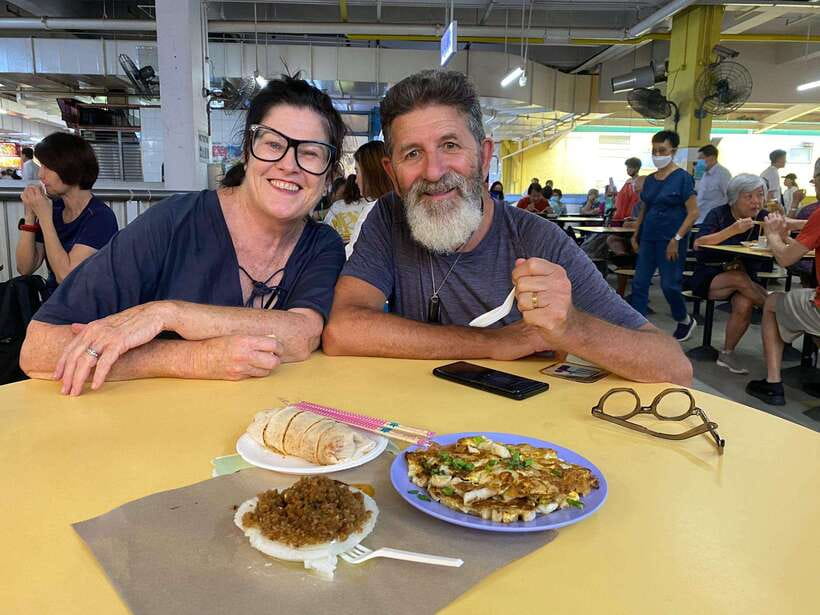
The tour promises eight local dishes, but only some are named in the available details. Alongside chicken rice, spring rolls, fried carrot cake, and coffee, you should expect additional Singaporean tastings chosen by the guide and route.
That uncertainty is worth noting. If you are booking because you want one particular dish, you should not assume it will be included unless the provider confirms it. The strength of the tour is its range, not a fixed restaurant-style menu.
The food is described as varied and plentiful. A larger group can even make the format work better, since the guide can buy larger portions and divide them among everyone. That gives you more chances to sample different items, although a large group may mean less individual attention at certain moments.
You should arrive hungry. Several people found the food generous enough that the tour felt like a full morning or afternoon meal rather than a few token bites. Eating too much beforehand would make the latter stops harder to enjoy.
What the walking commentary adds
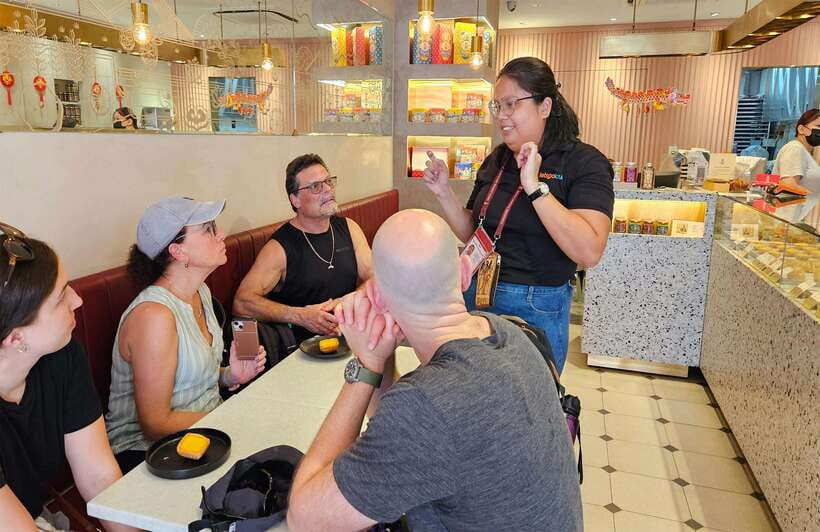
The food alone would make this an enjoyable introduction, but the walking commentary is what gives the experience a clear identity. Guides have explained Chinatown’s history, current social life, cultural mix, and changing character while leading the group between stops.
The best guides also keep the tone relaxed. Alfie has been praised for answering questions and keeping the group laughing. Corliss has been described as enthusiastic and attentive, including with family groups. Yap has received particular praise for combining food advice with explanations of Singaporean culture, social structure, buildings, paintings, and local history.
Those details suggest that the guide does not treat the walk as filler between dishes. The streets and buildings become part of the lesson. You may learn something about a site, then connect that information with the food you are about to eat.
Weng has also been praised for taking photographs throughout the experience and sharing them afterward. That is a thoughtful extra, especially if you want to enjoy the tour without constantly stopping to take pictures yourself. It is not listed as a formal inclusion, so I would treat it as guide-dependent rather than guaranteed.
Guide quality is the tour’s strongest feature
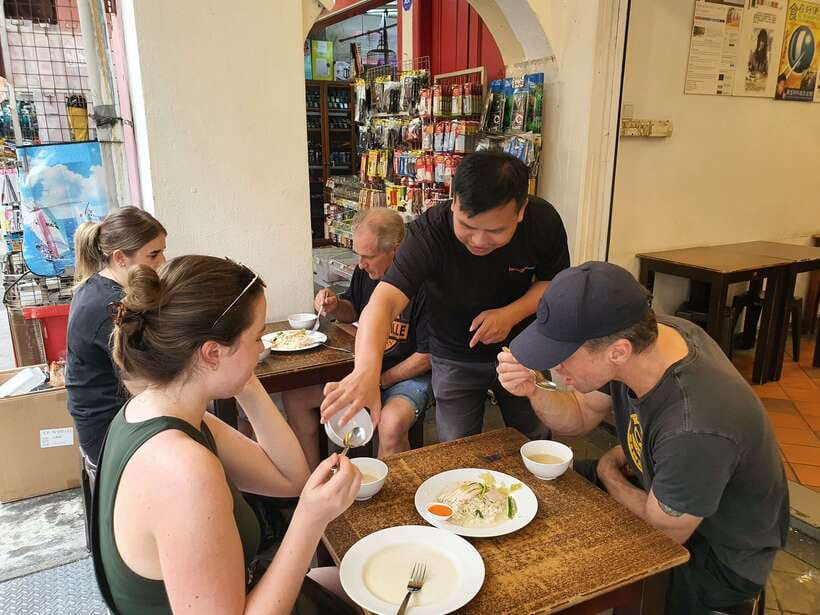
A food tour can be disappointing if the guide only points at dishes and repeats basic facts. This one has earned its reputation through the people leading it.
Alfie is repeatedly described as engaging, funny, and able to answer questions. Corliss has been praised for enthusiasm and care, particularly with large family groups and children. Yap is noted for taking the time to explain both food and the wider culture of Singapore. Weng’s photography and calm attention added a personal touch for one honeymooning couple.
Cheyenne has also been praised for making the tour work well for families, including children aged 10 and 12. Chan was described as patient with numerous questions and clearly passionate about the role.
You cannot select a particular guide from the information provided, so guide assignments may change. Still, the repeated praise across several names is encouraging. The experience seems to depend less on a scripted performance and more on the guide’s ability to respond to the group.
Is $86 good value?
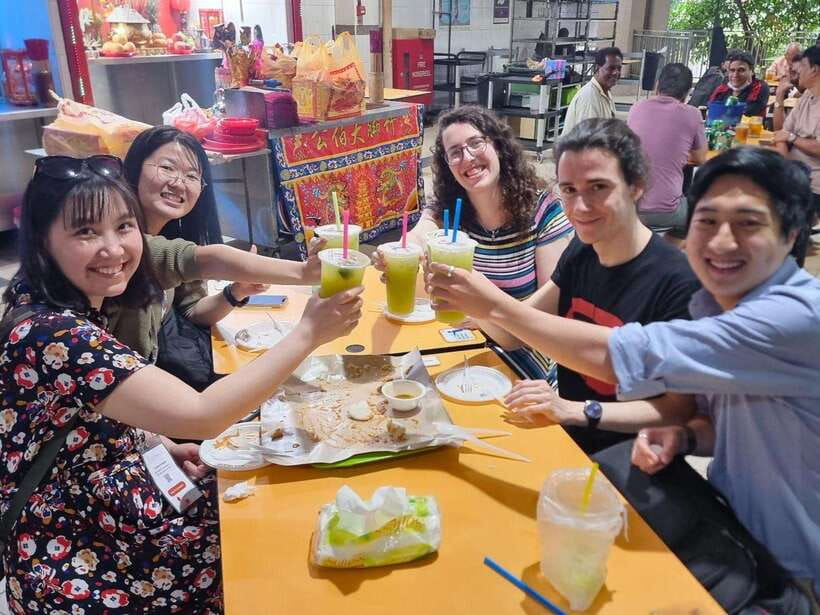
At $86 per person, this is not a budget food outing. If you only want to eat eight dishes, you could spend much less at Chinatown’s hawker centres. The price pays for the guide, the organization, the route, and the cultural explanation around the food.
I see the value most clearly for first-time visitors. You avoid ordering mistakes, learn how to approach local dishes, and get a three-hour introduction to an area that can otherwise feel confusing at first. You also taste a range of food without paying for a full serving of every dish.
The price is easier to justify if you count the walking tour and food education as part of the experience. It is harder to justify if you already know Singaporean food well, are comfortable ordering at hawker centres, or mainly want the cheapest possible meal.
Hotel pickup and drop-off are not included. You need to make your own way to the meeting point, though the exact starting location and time should be confirmed when booking. The tour is wheelchair accessible, which is useful, but a route through food centres and alleys may still involve crowded spaces and changing surfaces. If that matters for your party, ask the provider for current route details.
Who will enjoy this food walk most?
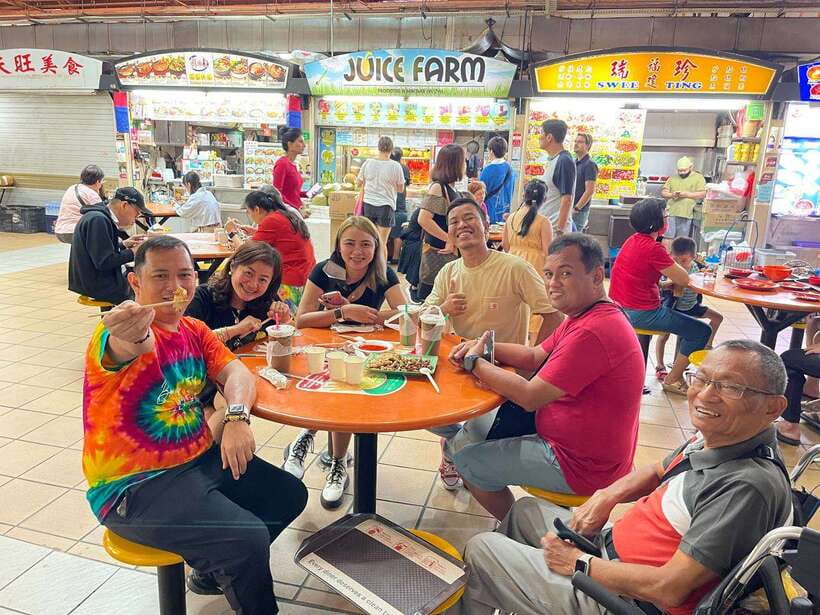
I would recommend it to first-time visitors, curious eaters, couples, families, and anyone who wants an easy introduction to Singaporean food. The friendly guide style also suits people who prefer conversation and explanation over a self-guided list of food stalls.
Families can benefit from the shared format because children can sample small amounts instead of committing to a full unfamiliar meal. Cheyenne was specifically praised for making the experience work well for children, while other guides have handled large family groups with care.
It also suits solo visitors if the departure minimum is met, though you should confirm the booking conditions. The tour requires at least two participants to operate. If fewer than two people are booked, the provider can contact you about another time or date.
Food-focused visitors who already know the city may find the experience less essential. You might prefer to spend $86 on several independent meals and explore at your own pace. Still, the history and coffee-ordering advice add more than a standard hawker lunch.
Practical ways to enjoy the three hours
Arrive hungry, but not dehydrated. Eight tastings over three hours can be more filling than the wording suggests.
Wear comfortable shoes. The experience includes walking through Chinatown, hawker centres, and lesser-known alleys, and the walking is part of the tour rather than a short transfer between restaurants.
Keep an open mind about dish names. Fried carrot cake is the obvious example, but the guide’s explanations are useful precisely because Singaporean food does not always match the labels you know.
Ask questions. The guides have been praised for answering them, and the cultural side becomes much more rewarding when you take part in the conversation.
If photographs matter to you, bring your phone, but do not feel you must document every plate. Weng has taken and shared photos on some tours, but that should not be treated as guaranteed.
The activity allows free cancellation up to 24 hours before the start for a full refund, and you can reserve now and pay later. Those terms help if your Singapore plans are still changing.
Should you book the Chinatown Hawker Guided 8-Dish Tasting Tour?
Book it if you want a guided introduction to Singaporean food and Chinatown, not simply a cheap meal. The combination of eight tastings, local coffee advice, street-level history, and friendly guides gives first-time visitors a useful start.
I would skip it if your main goal is to spend as little as possible or if you already know the hawker scene well. For everyone else, the $86 cost is reasonable when you value the explanations, the variety, and the confidence that comes from having someone show you what to try.
The strongest reason to book is the guide-led context. You get chicken rice, spring rolls, fried carrot cake, coffee, and other local dishes, but you also leave knowing more about Chinatown and how to order the next meal yourself.
FAQ
How long does the Singapore Chinatown food tour last?
The tour lasts three hours. Starting times vary, so you need to check availability for your chosen date.
How many dishes are included?
Eight local food dishes are included. Named examples include Hainanese chicken rice, spring rolls, fried carrot cake, and local coffee.
Is the tour conducted in English?
Yes. The tour includes a live English-speaking guide.
Is hotel pickup included?
No. Hotel pickup and drop-off are not included, so you need to arrange your own way to and from the tour.
Can wheelchair users join the tour?
Yes. The activity is listed as wheelchair accessible.
What happens if only one person books?
The tour has a minimum two-person departure policy. If fewer than two people are booked, the provider may contact you to reschedule for another time or day.
Just added in Singapore
- Street Food, Cultural & Historical Tour of 3 Ethnic Quarters★ 5.0 · 23 reviews
- Singapore: Local Street Food Tasting Tour★ 4.8 · 36 reviews
- Singapore: Private Food Tour – 10 Tastings with Locals★ 4.7 · 194 reviews
- Singapore: Guided Street Food Tour at Night★ 4.5 · 393 reviews
- Singapore: Local Hawker Food Tour with Tastings★ 4.7 · 181 reviews
- Singapore: Foodie Experience Guided Tour with 5 Tastings★ 4.7 · 291 reviews
- Singapore: Hawker Culture Food Tour and Sightseeing★ 4.8 · 23 reviews
- Singapore: Little India Hawker Street Food Tour★ 4.8 · 27 reviews
Street Food Tours, compared.
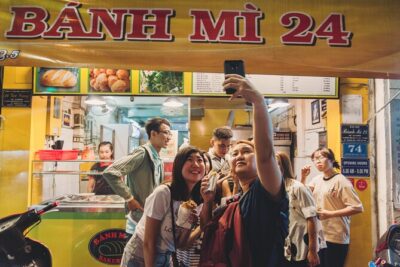
Ho Chi Minh City Street Food Tour & Sightseeing By Motorbike
Read our review →
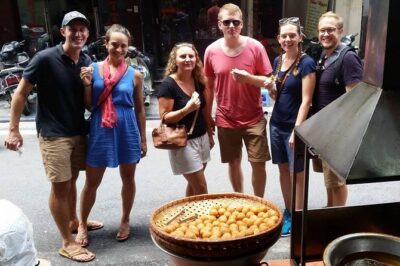
Small Group Hanoi Street Food Tour with a Real Foodie
Read our review →
Saigon By Night and Street Food By Motorbike | Opt: Ao Dai Riders
Read our review →
Private Street Food Tour by Motorbike/Car with Local Students
Read our review →
Cinque Terre Park Day Trip with Optional Street Food
Read our review →
Street Food Tasting & Sightseeing Tour by Motorbike
Read our review →Browse the lists this tour appears in