
REVIEW · SINGAPORE FOOD TOURS
Singapore: Private Food Tour – 10 Tastings with Locals
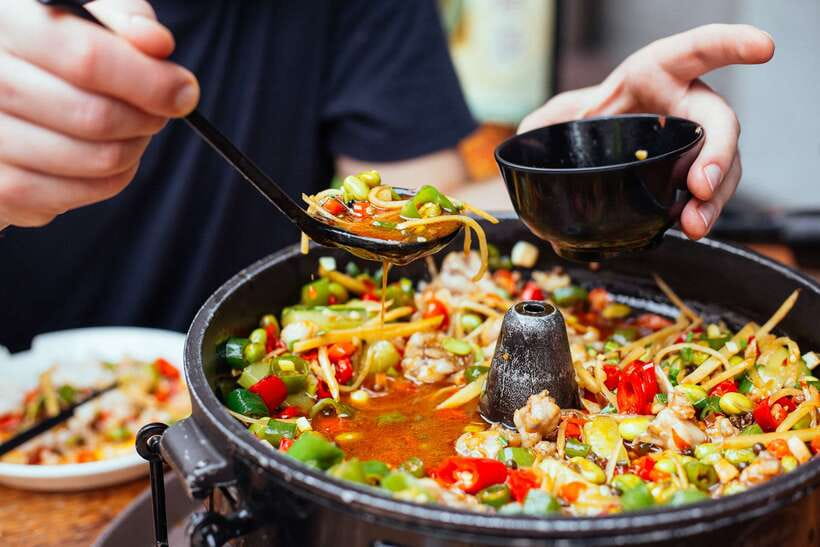
Come hungry, leave happily stuffed. This three-hour Singapore food tour combines ten local tastings with walks through Kampong Glam, Little India, and Chinatown, giving you food, history, and a useful first look at the city in one compact outing. I especially like the chance to try classic teh tarik and rojak in local settings, and I like that the route links food to the Malay, Indian, and Chinese communities that shaped Singapore. The main catch is the pace: with ten tastings and several neighborhoods to cover, three hours can feel tight, and some people may find the walking demanding.
The experience costs $160 per person, which is not cheap for a three-hour activity. Still, the price includes ten food and drink samples, a guide, and a route that would take real effort to organize on your own. Food portions can also be generous, so you should treat this as a substantial meal rather than a few polite nibbles.
Five things to know before you book
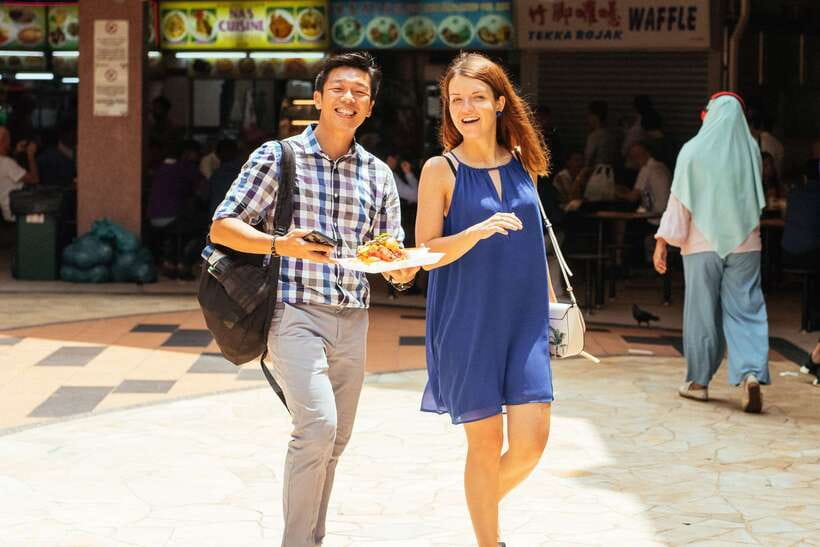
- Ten tastings mean you should skip a large breakfast. Several guests found the portions generous, not merely sample-sized.
- The food follows Singapore’s three major cultural traditions. Expect Malay, Indian, and Chinese influences across Arab Street, Little India, and Chinatown.
- Teh tarik and rojak are featured classics. These are useful introductions to Singaporean flavors and everyday food culture.
- You may ride the MRT between neighborhoods. The subway helps the tour cover more ground, though the fare is not listed as included.
- The guide makes the difference. Marcus, Jack, Arthur, Teng, Grayson, Chin Meng, and others have been praised for explaining food, history, customs, and practical city tips.
- This is a walking tour with limitations. Comfortable shoes are essential, and the activity is not suitable for wheelchair users or people with mobility impairments.
Why this food tour works as a first Singapore experience
Singapore can be easy to admire from a distance. You see polished streets, impressive towers, and spotless public spaces, but the city makes more sense when you understand how its communities eat and live. This tour gives you that context while keeping your appetite busy.
I like the way food acts as the connecting thread. You are not simply taken from one restaurant to another. You move through several districts and learn why Malay, Indian, and Chinese traditions remain so important to Singapore’s identity.
The small-group format is another plus. The group is limited to eight people, and some departures may be much smaller. One booking had only two participants, which allowed for a more personal pace and plenty of conversation with the guide.
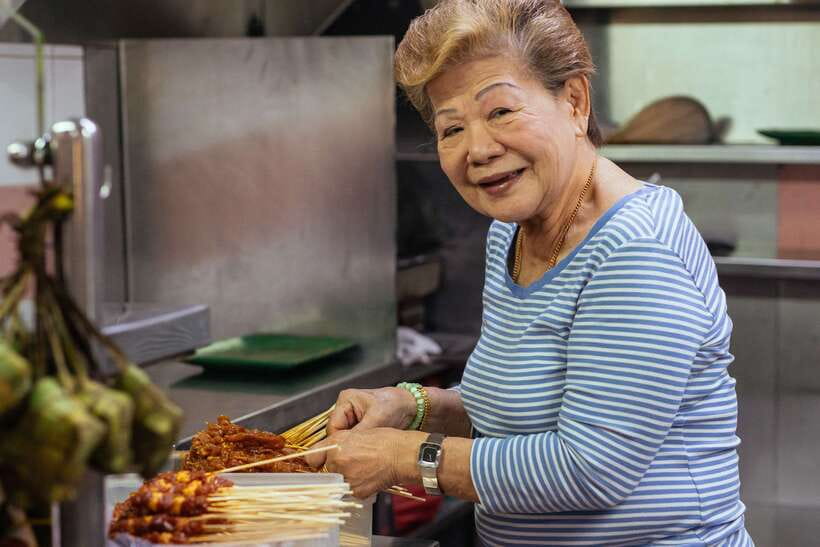
The strongest part of the experience is usually the guide. Marcus Yeo has been praised for explaining Singapore’s culture and past with warmth, while Jack has helped guests with practical matters such as using a bank card on the MRT. Arthur is described as funny and engaging, and guides such as Grayson, Teng, Chin Meng, and Ron have received similar praise for combining food knowledge with stories about daily life.
Because the guide can adapt the conversation, you get more than a fixed script. You can ask about the food, the neighborhoods, the subway, or what to do later in your stay. That makes this a particularly good choice for your first full day in Singapore.
More food tours with locals in Singapore:
- Naples: Street Food Walking Tour with Local Guide
★ 4.9 · 4,976 reviews - Rome: Street Food Tour with Local Guide
★ 4.8 · 4,077 reviews - Eat Like a Local: Venice 3-Hour Small-Group Food Tasting Tour
★ 5.0 · 3,137 reviews
Meeting Arab Street near Kampong Glam
The tour begins in front of Arabica Singapore Coffee Shop. From there, the route commonly moves through Kampong Glam, the historic Malay and Arab quarter.
This is an effective starting point because the neighborhood provides immediate visual and cultural context. You may see Sultan Mosque, one of the area’s key landmarks, and walk along Arab Street before sitting down for food. The mosque and surrounding streets help explain the district’s Malay and Muslim character.
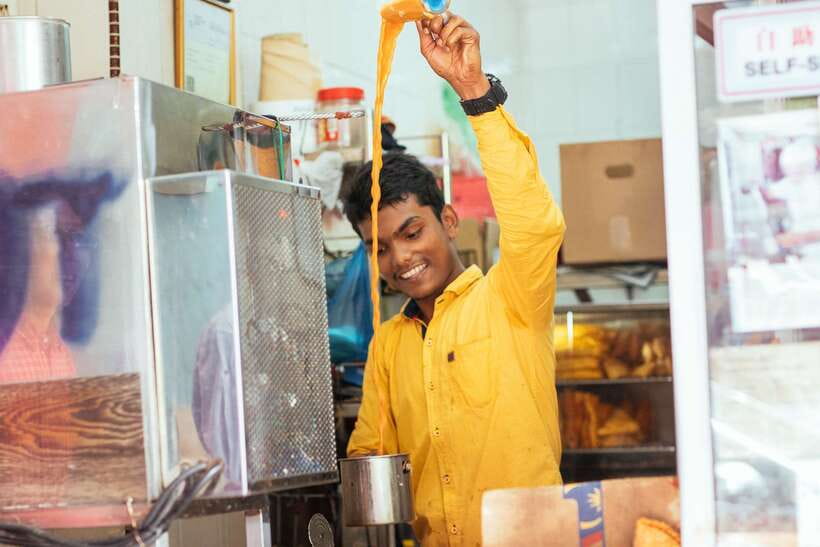
The food here often includes the featured teh tarik and rojak. Teh tarik is traditional pulled tea, usually creamy and sweet. Rojak is a mixed local dish whose sweet, savory, and tangy elements make it a good example of Singapore’s habit of bringing different tastes together in one bowl.
Your guide should explain not only what you are eating, but why it matters locally. That is important for first-time visitors. A dish can seem unfamiliar when you order it alone, but it becomes easier to understand when someone explains how it fits into everyday life.
The walking itself is part of the appeal. You see the neighborhood between tastings rather than spending the entire three hours indoors. The tradeoff is Singapore’s heat and humidity, so take the advice about comfortable shoes seriously and expect to walk at a steady pace.
Little India, murals, and Indian flavors
The next major area is Little India, where the tour shifts to another of Singapore’s major cultural traditions. One listed sight is the Cow Murals, which add a colorful art stop to the food route.
Little India is valuable on this tour because it shows that Singapore’s cultural districts are not museum displays. They are active neighborhoods with food shops, religious sites, street art, and ordinary city life. Your guide can connect the dishes you taste with the people and customs of the area.
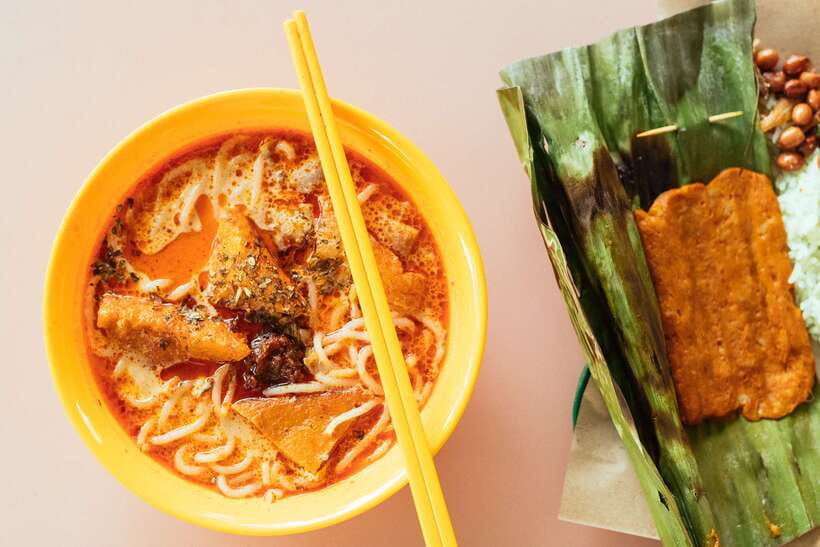
The Indian tastings are part of the ten-item total, though the exact menu can vary. The experience promises a mix of savory food, sweet items, and local drinks, with choices selected by the local guide. You should expect variety rather than ten versions of one meal.
This section may be especially useful if you are nervous about ordering unfamiliar food on your own. The guide can explain what each item is and help you notice differences in flavor and texture. You may also receive more food than expected. Several people found the portions large enough that going hungry beforehand was wise.
Transport between districts can include the MRT. That is more than a practical shortcut. It gives you a quick look at how efficiently Singapore connects its neighborhoods, and your guide may offer useful advice about using the system. Jack, for example, helped guests understand that each person needs to use one payment card and should not double-tap.
The tour does not list MRT fares as included, so carry a payment method and confirm the current arrangements with your guide. The subway portion also means the outing is not a purely pedestrian tour. You will walk, enter stations, ride, and walk again.
Chinatown and the final tasting stretch
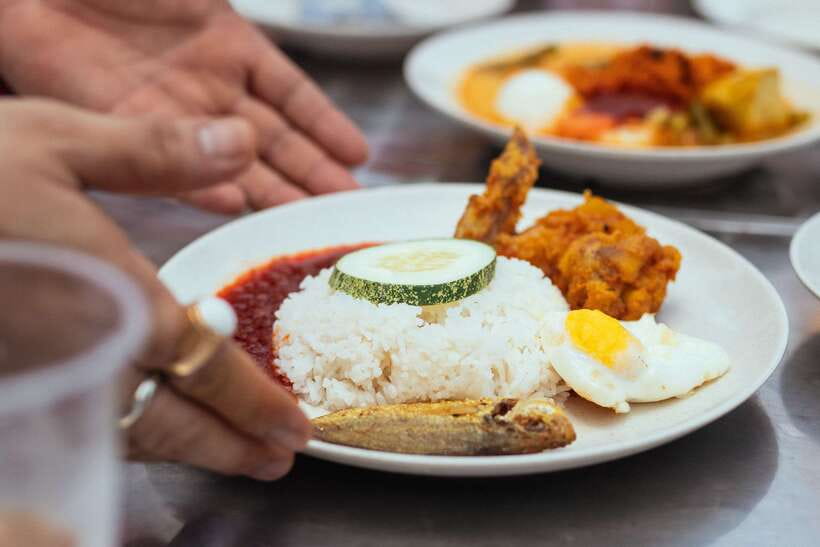
Chinatown usually provides the final major neighborhood, with stops that can include the Elderly Corner and a hawker center. This is a fitting place to end because hawker food is closely tied to Singapore’s everyday dining culture.
At the Elderly Corner, your guide may explain how older residents use public spaces and how neighborhood life works beyond the postcard sights. This kind of stop helps balance the famous landmarks with a look at ordinary Singapore.
The route may finish at a Chinatown hawker center, where you continue eating while the guide gives final advice about getting back to your hotel or exploring independently. Ending around food stalls is practical. You are already thinking about what to try next, and you may leave with ideas for another meal.
Do not assume the ten tastings will all be tiny. One participant described the food as generous and another said it was a lot. You may be full before the last stop, so pace yourself. It is perfectly sensible to share where possible and take smaller bites at the beginning.
The Chinatown section can also be the busiest part of the outing. If you prefer a quiet, slow meal, this may feel rushed. If you enjoy seeing how locals eat and move through a food center, it gives the tour a strong finish.
More private food tours in Singapore:
- The Award-Winning PRIVATE Food Tour: 10 Tastings of 3 Cultures
★ 4.5 · 1,017 reviews - Lisbon Exclusive PRIVATE Food Tour with 6 or 10 Tastings
★ 4.5 · 1,113 reviews - Rome Private Food Tour with 6 or 10 Tastings
★ 4.5 · 902 reviews - Lisbon Private Food Tour – Taste 10+ Local Dishes & Wines
★ 5.0 · 896 reviews
What the ten tastings are really worth
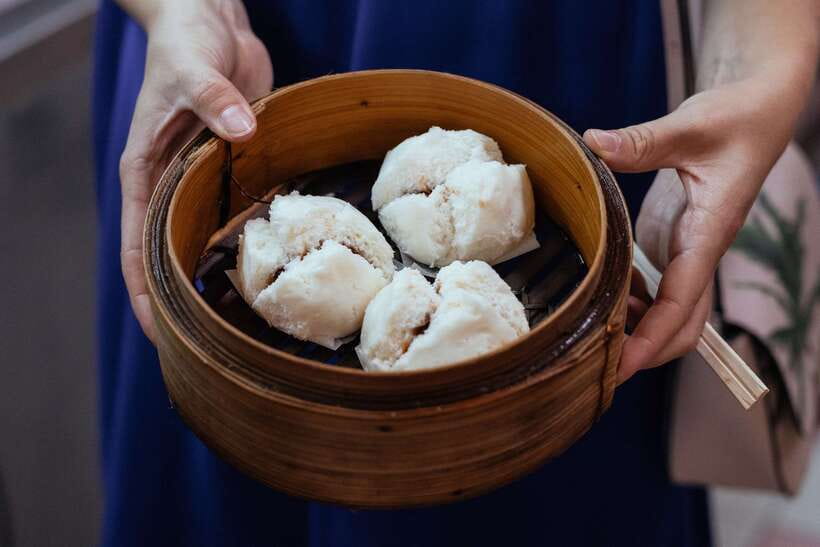
The exact ten-item menu is not fully specified, which is worth noting before you pay. You know that teh tarik and rojak are included among the highlighted classics, and that the remaining tastings represent local savory dishes, sweets, and drinks. The guide selects the food based on local knowledge and availability.
That flexibility is useful. Food tours work better when a guide can choose fresh, well-liked items instead of forcing a rigid menu. But if you want a precise list of dishes in advance, this may not satisfy you.
The value comes from the range. You get a broad introduction to Singaporean food rather than one formal meal. You can compare Malay, Indian, and Chinese influences within a single afternoon, then return later to the dishes you liked best.
At $160 per person, the cost makes the most sense for visitors who value explanation and convenience. You are paying for a small group, a local escort, ten tastings, neighborhood walks, and help navigating between districts. You are not simply paying for the ingredients.
If you are already comfortable eating at hawker centers and using the MRT, you could spend less by exploring independently. The tradeoff is that you would need to choose the stalls, work out the route, explain the dishes to yourself, and fit three cultural quarters into the same period.
For a short Singapore stay, the time saved can justify the price. You get an overview quickly, then have the rest of your visit to return to places that caught your interest.
The guides are the heart of the experience
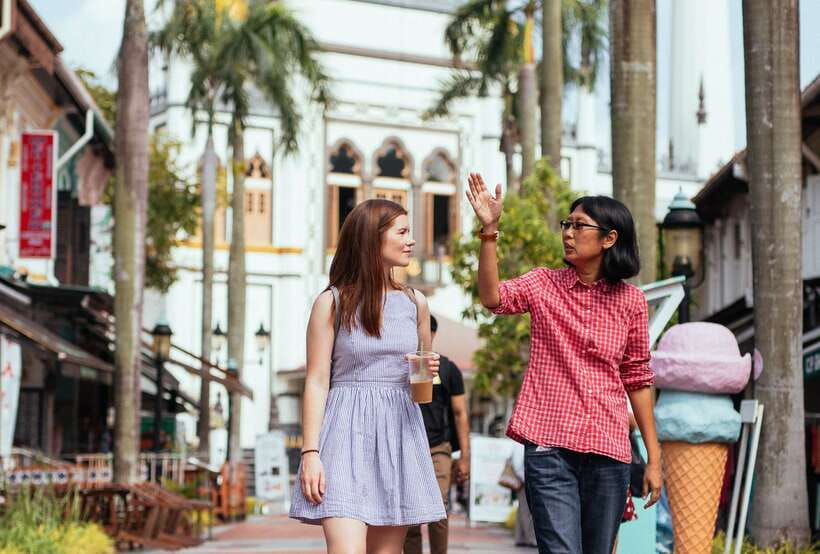
The food is important, but the guide determines how much you take away. The strongest feedback centers on guides who explain the city in a personal, relaxed way rather than rushing through a list of facts.
John Tan has been praised for sharing food choices that reflect what his fourth-generation Singaporean family actually eats. That kind of personal connection can make the menu feel less like a tourist checklist.
Ron has also been praised for explaining why particular foods matter to local culture, while Stefan was especially helpful with vegetarian guests. Teng has received strong praise for fitting a surprising amount of Singapore history into three hours.
Marcus appears frequently among the well-regarded guides. Guests have appreciated his cultural explanations, generous food choices, directions for the MRT, and attention to individual needs. Still, your guide is assigned rather than selected from a guaranteed list, so you should not book solely on the hope of receiving one particular person.
The guides also seem willing to help beyond the food stops. Jack shared practical transport advice before the tour, and several guides offered suggestions for places to visit later. That makes the outing useful as an orientation session, not just a meal.
Vegetarian options, pace, and physical effort
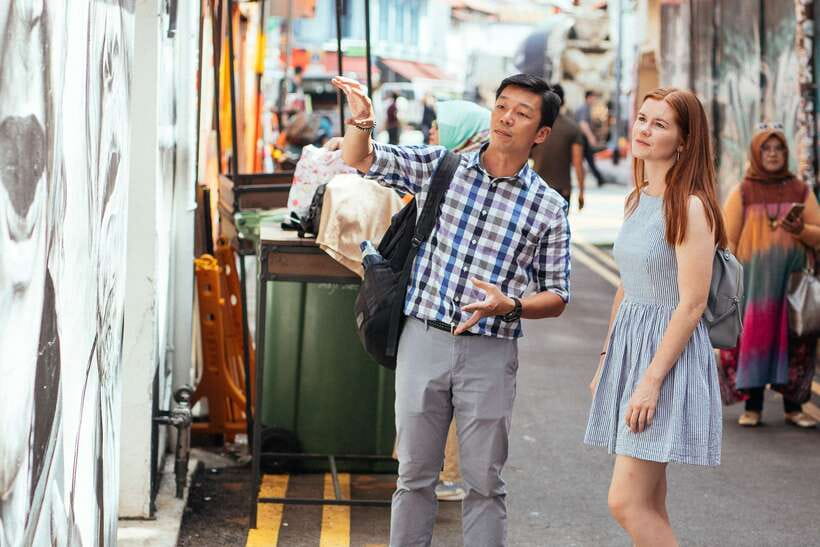
Vegetarian alternatives are available. Tell your guide at the beginning so the menu can be adjusted, rather than waiting until each stop. Vegetarian guests have been accommodated successfully, but the exact replacement dishes are not specified.
You should wear comfortable shoes and be ready for regular walking. The tour includes neighborhood streets, food stops, and MRT stations, so the day involves more movement than the three-hour duration might suggest.
The activity is not suitable for wheelchair users or people with mobility impairments. Even able-bodied visitors should allow for heat, crowded streets, stairs or station connections, and a guide who may occasionally walk faster than the group.
One participant noted that Marcus sometimes moved ahead but waited for the group. That is a useful reminder to speak up early if you need a slower pace. A small group makes this easier, but the route still has several stops to fit into a limited time.
Who should book this three-hour tour?
I would recommend it most strongly if you are visiting Singapore for the first time, have limited time, and want food to lead you through the city. It is also a good fit if you enjoy learning the story behind a dish rather than simply eating it.
Families and couples may appreciate the private feel of a small group, while solo visitors can benefit from the company and local direction. Food-focused visitors should arrive hungry, but not so hungry that they rush through the first tastings.
This is less suitable if you want a slow, sit-down culinary event, a precise published menu, or a completely accessible route. It is also not the best choice for someone who dislikes walking, public transport, or trying unfamiliar foods.
Should you book it?
Book this tour if you want a guided introduction to Singapore through food, neighborhoods, and culture. The strongest reasons are the range of ten tastings, the three cultural districts, and the quality of the local guides.
I would book it near the start of your stay. You can use the tour to decide where to return, what dishes to order, and how to move around the city. Eat a light breakfast, wear good shoes, tell the guide about vegetarian needs at the start, and keep a little room for the final Chinatown stop.
At $160, it is a splurge. But for a compact, small-group orientation with substantial food and local explanation, it offers solid value if you would otherwise spend your limited time guessing where to eat.
FAQ
How long does the Singapore food tour last?
The tour lasts three hours.
How many tastings are included?
Ten food and drink tastings are included.
Which Singapore neighborhoods does the tour visit?
The route includes Kampong Glam, Little India, and Chinatown, with stops such as Sultan Mosque, the Cow Murals, and the Elderly Corner.
Are teh tarik and rojak included?
Teh tarik and rojak are highlighted among the local specialties tasted during the experience.
Is the tour suitable for vegetarians?
Yes. Vegetarian alternatives are available. Tell your guide at the beginning so the menu can be adapted.
How many people can join the small group?
The group is limited to eight participants.
What language is the tour conducted in?
The live tour guide speaks English.
Is hotel pickup included?
No. Hotel pickup and drop-off are not included. You meet the guide in front of Arabica Singapore Coffee Shop.
What should I bring?
Bring comfortable shoes because the tour includes walking between food stops and city sights.
Is the tour suitable for wheelchair users?
No. The activity is listed as unsuitable for wheelchair users and people with mobility impairments.
Just added in Singapore
- Street Food, Cultural & Historical Tour of 3 Ethnic Quarters★ 5.0 · 23 reviews
- Singapore: Local Street Food Tasting Tour★ 4.8 · 36 reviews
- Singapore: Guided Street Food Tour at Night★ 4.5 · 393 reviews
- Singapore: Chinatown Hawker Guided 8-Dish Tasting Tour★ 4.9 · 41 reviews
- Singapore: Local Hawker Food Tour with Tastings★ 4.7 · 181 reviews
- Singapore: Foodie Experience Guided Tour with 5 Tastings★ 4.7 · 291 reviews
- Singapore: Hawker Culture Food Tour and Sightseeing★ 4.8 · 23 reviews
- Singapore: Little India Hawker Street Food Tour★ 4.8 · 27 reviews
Food Tours with Locals, compared.
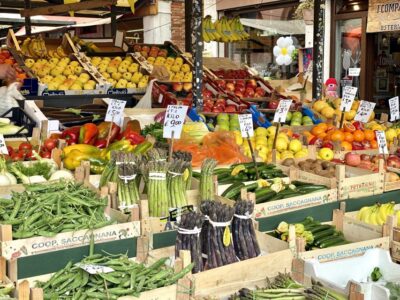
Eat Like a Local: Venice 3-Hour Small-Group Food Tasting Tour
Read our review →
Street Food Tour with a Local Guide and Tastings
Read our review →
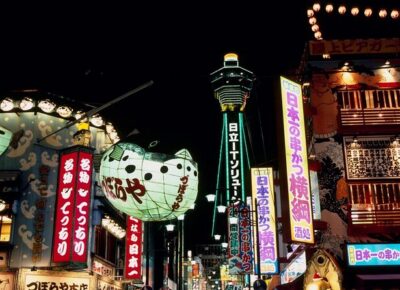
Hungry Osaka Street Food Tour:15 Tastings & 3 Drinks with a Local
Read our review →Browse the lists this tour appears in