
REVIEW · CROATIA FOOD TOURS
Zagreb: Food Tour with Tastings
Come hungry, leave full of Zagreb stories. This 210-minute food tour links Ban Josip Jelačić Square, Dolac Market, local food shops, and restaurants through a generous run of Croatian dishes. I especially like the mix of everyday Zagreb food and specialties from other parts of Croatia, plus the way guides such as Ivana, Darko, Ena, and Tonka add history, customs, and personal advice along the way.
The biggest practical plus is the personal attention to food preferences, including allergy and vegetarian adjustments when arranged ahead. The main caution is portion size. This is not a light sampling walk with a bite at every stop. Several people found it closer to a full brunch, so eating a normal breakfast beforehand can leave you uncomfortably full.
Key things to know before you book
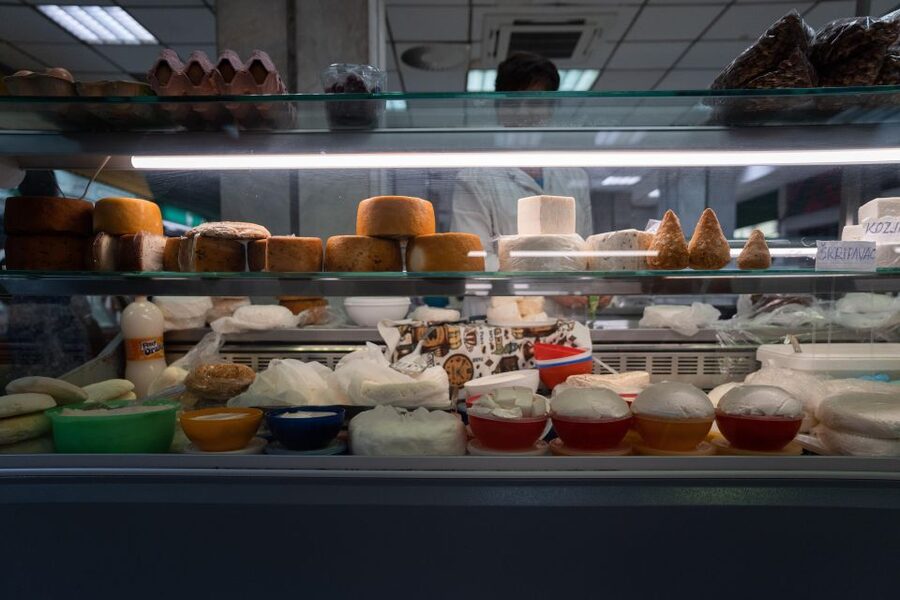
- Dolac Market is the tour’s food center: You visit Zagreb’s largest and oldest green market and taste ingredients connected to everyday Croatian cooking.
- Expect a full meal, not tiny nibbles: Burek, meat dishes, regional specialties, and warm štrukli add up quickly.
- The menu crosses Croatia: Zagreb dishes are joined by Dalmatian pršut and Istrian olives, giving you a useful taste of the country beyond the capital.
- Guides add much more than food facts: Depending on your guide, you may also hear about Zagreb’s architecture, customs, language, politics, the switch to the euro, and the country’s past.
- Food needs can often be accommodated: Contact the supplier before the tour for vegetarian requests, allergies, or other special requirements.
- The meeting point is easy to spot: Meet at the horse statue in the center of Ban Josip Jelačić Square, where your guide will carry an orange umbrella.
Starting at Ban Josip Jelačić Square
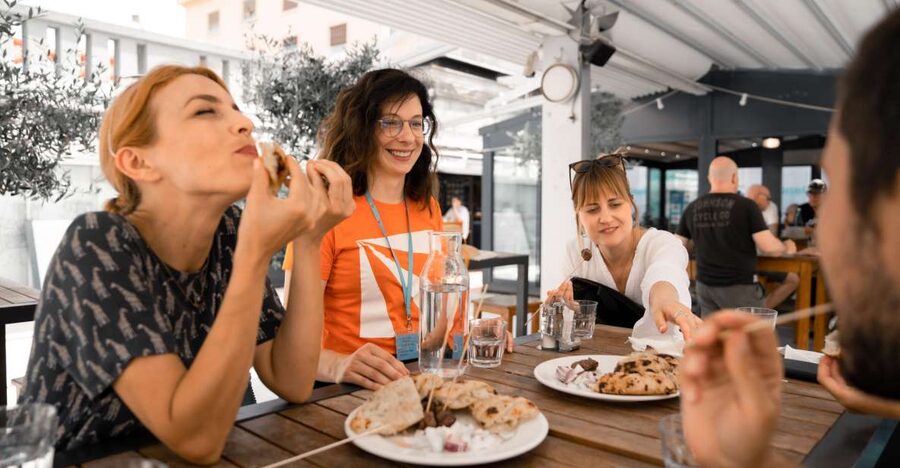
The tour begins at Ban Josip Jelačić Square, Zagreb’s central meeting place. Find the horse statue in the middle of the square and look for the guide with an orange umbrella. This is a simple arrangement, but the square can feel busy, so arrive with enough time to locate the statue and guide without rushing.
Beginning here makes sense. You are not dropped straight into a restaurant. Instead, you start in the city center and then move toward the market, with food tied to Zagreb’s public life and local routines.
The square also gives your guide room to set the scene. Several guides have used the food as a way to explain Zagreb’s past, architecture, customs, and modern life. That makes this a useful first-day activity. You get a meal, but you also get suggestions for places to visit and foods to seek out later.
The experience is conducted in English with a live guide. Group size can vary. Some departures have been small enough to feel almost private, while others have included families and a handful of other people. Smaller groups allow more questions and make it easier for the guide to adapt the food choices.
A few more food tours in Croatia worth a look
- Split: Blue Lagoon and 3 Island Cruise with Food and Drinks
★ 4.8 · 1,969 reviews - Split: Blue Lagoon, Borkko Beach & Šolta with Food & Drinks
★ 4.5 · 759 reviews - Dubrovnik Food and Drink Walking Tour with a Local Guide
★ 5.0 · 654 reviews
Dolac Market: Zagreb’s edible meeting place
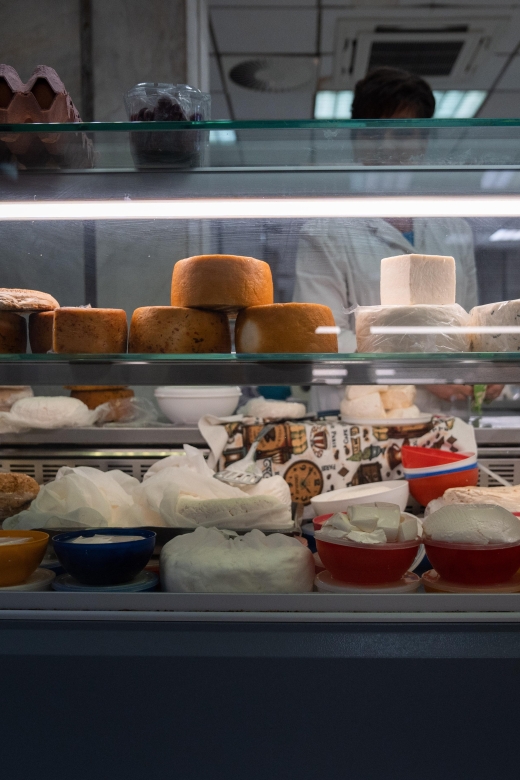
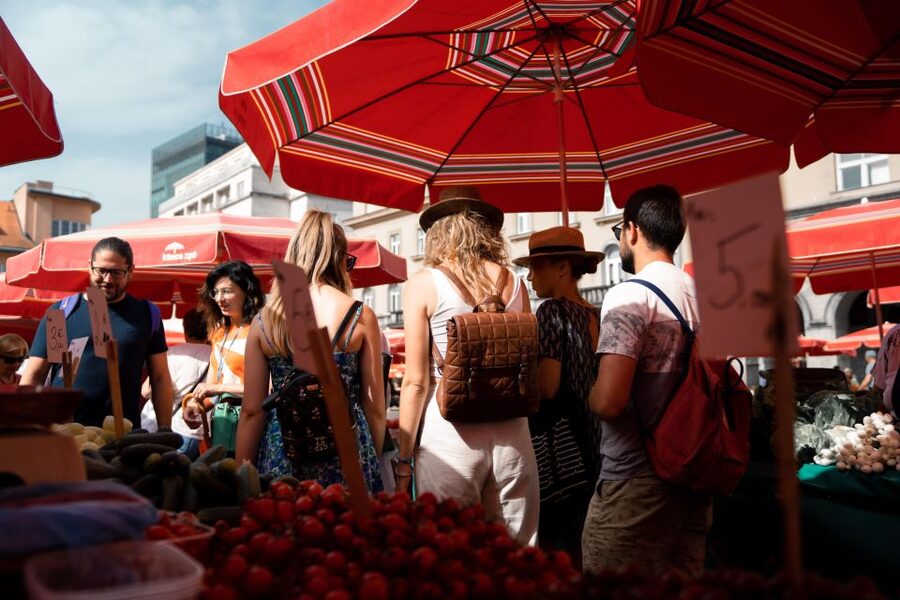
The heart of the tour is Dolac Market, Zagreb’s biggest and oldest green market. This is where the city’s food culture becomes easier to understand. Rather than hearing a list of Croatian dishes in a classroom, you see the market setting where fresh ingredients are bought and sold.
The market visit is listed as the main 2.5-hour portion of the itinerary, but the full activity lasts 210 minutes. The food stops and short visits are woven together, so you should think of this as a three-and-a-half-hour food and city walk rather than 2.5 hours spent only at market stalls.
At Dolac, you can expect tastings built around fresh local ingredients and familiar Croatian food. One stop may introduce you to a simple peasant-style dish. Another focuses on sir i vrhnje, a plain but traditional combination of cottage cheese and sour cream. It is not flashy food, and that is exactly the point. You get a taste of what ordinary home cooking can look like.
The market also helps explain why Croatian food varies so much from region to region. Zagreb sits inland, but the country reaches from the Adriatic coast to Istria and the continental interior. The tour uses the market and nearby food businesses to connect these different cooking traditions.
Bring comfortable shoes. You will be on your feet for much of the activity, although the walking is not described as especially demanding. Large bags and luggage are not allowed, so do not arrive with a suitcase. A small bag is useful, though, especially if you want to buy a local product separately or carry something you do not finish.
Burek, cheese, and the generous portion problem
Burek is one of the memorable early tastes. This flaky, crusty pastry comes with fillings and is common across the Balkans, but the tour places it in the local Zagreb food setting. It is filling, savory, and easy to underestimate when you see it served as part of a wider program.
That is the recurring theme here: portions tend to be more substantial than many visitors expect from a food tour. You may be offered proper servings rather than one small forkful. I would skip breakfast or have only something very light before meeting the group.
This advice comes up again and again for good reason. The food is meant to satisfy, not just provide a photo opportunity. If your appetite is modest, pace yourself. You do not need to rush through the first dishes because more food is coming later.
The tour also includes local meat dishes such as kobasice i ćevapi. These offer a different side of Croatian eating from the lighter market foods. Sausages and ćevapi are hearty, familiar dishes, and they help show the influence of wider Balkan cooking on Zagreb’s food scene.
If you do not eat meat, arrange that in advance. Vegetarian substitutions have been made on past tours, but the information provided does not promise a fully vegetarian menu at every stop. Advance notice gives the local supplier a chance to plan properly.
Regional specialties beyond Zagreb
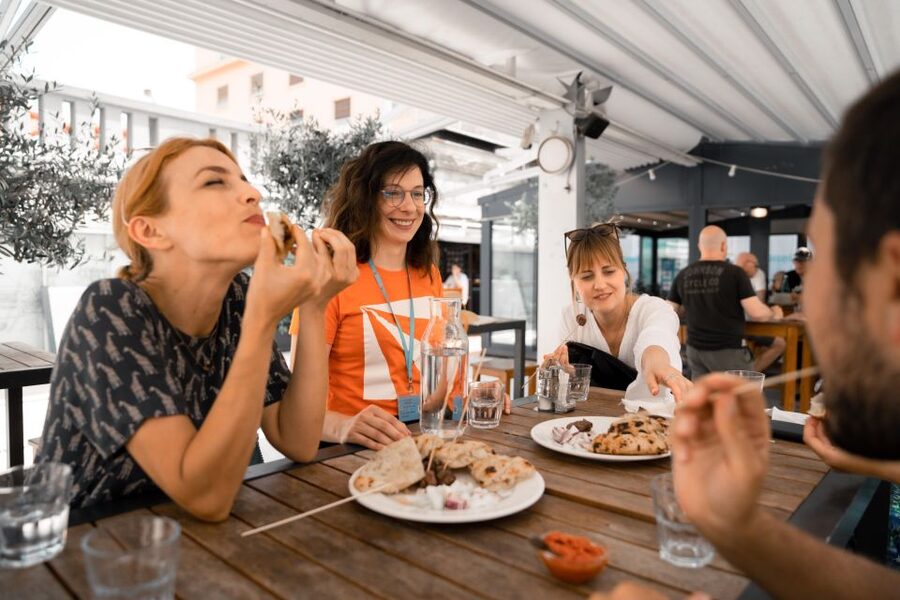
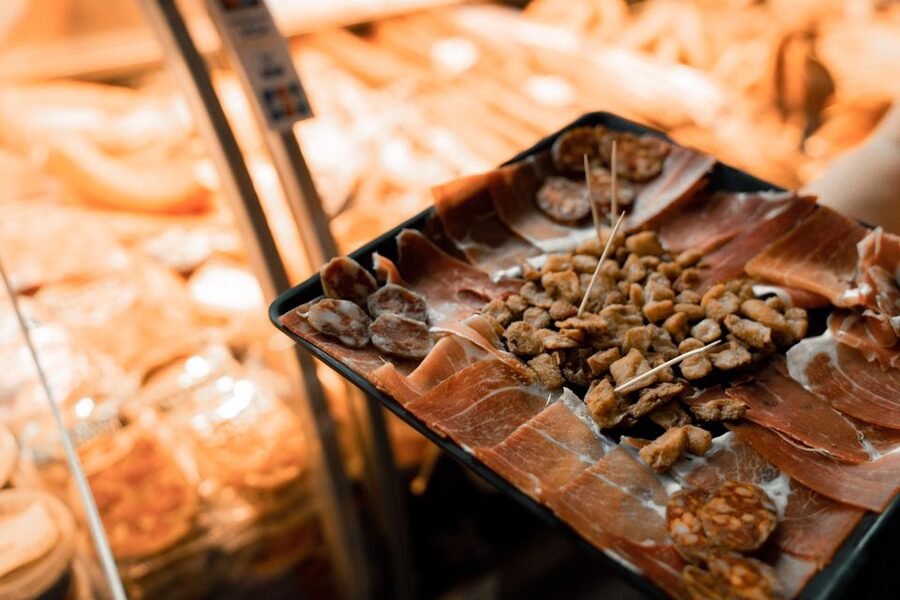
One of the strongest parts of the food selection is its reach beyond the capital. You taste Dalmatian pršut, a dry-cured ham, and Istrian olives. These foods show how different parts of Croatia bring different ingredients and habits to the national table.
That regional approach gives the tour more value than a narrow list of Zagreb snacks. You are not only learning what to eat in the capital. You are also getting a small introduction to the coast, Istria, and the food traditions you may encounter elsewhere in Croatia.
The regional food portion is listed at about 30 minutes. In practice, the pace can change depending on the group, the guide, and the food stops. Guides have been praised for adjusting the experience around individual tastes, so a small group may spend more time talking and asking questions.
This is also where the guide’s personality matters. Darko, Ivana, Ena, Diana, Tonka, Kristina, Katarina, and others have each been singled out for friendly conversation and clear explanations. The exact guide varies, but the recurring strength is the human side of the tour. You are encouraged to ask questions rather than simply listen to a fixed speech.
Same city, a different table:
- Krka Waterfalls, Food & Wine Tasting, Boat Ride & Zadar Old Town
★ 5.0 · 420 reviews - Dubrovnik Old Town Food Tour: Small-Group Experience
★ 5.0 · 419 reviews - Dubrovnik Gastronomy: 3-Hour Food and Wine Tour
★ 4.9 · 249 reviews - Dubrovnik: Old Town Food Tour
★ 4.8 · 119 reviews
Warm štrukli and Zagreb’s sweet side
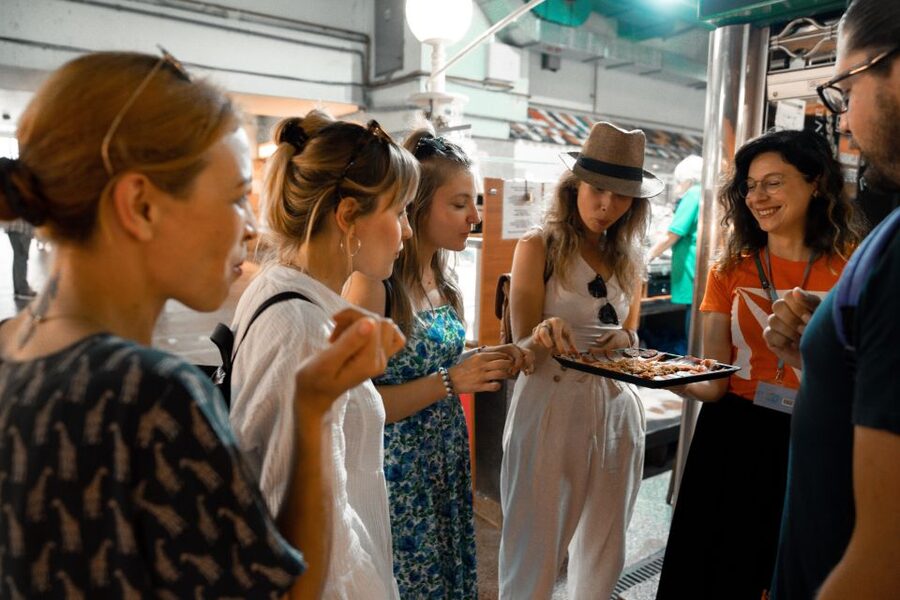
You have not properly met Zagreb food until you try štrukli. This unusual local dessert is best served warm, and it is one of the tour’s most distinctive tastings. It is comforting rather than delicate, with a texture and preparation that may be new to you.
The dessert stop takes place back near Ban Josip Jelačić Square and is listed at about 15 minutes. By this point, you may already be full, so pace yourself earlier. The warm serving makes štrukli a fitting finish, but it is not necessarily a tiny final sweet.
Chocolate also enters the tour. Zagreb has its own chocolate factory, and the tasting gives you a way to compare local chocolate with the other traditional foods. This modern item helps keep the experience from becoming a museum piece. Croatian food is not only old recipes and market produce. It also includes newer local products and familiar treats made in Zagreb.
The final dessert stop is a useful reminder that food tours work best when they show contrast. You move from fresh market ingredients to pastry, meat, cured ham, olives, cheese, dessert, and chocolate. The result is a broad introduction rather than a single theme.
Aperitif, local customs, and the conversation around food
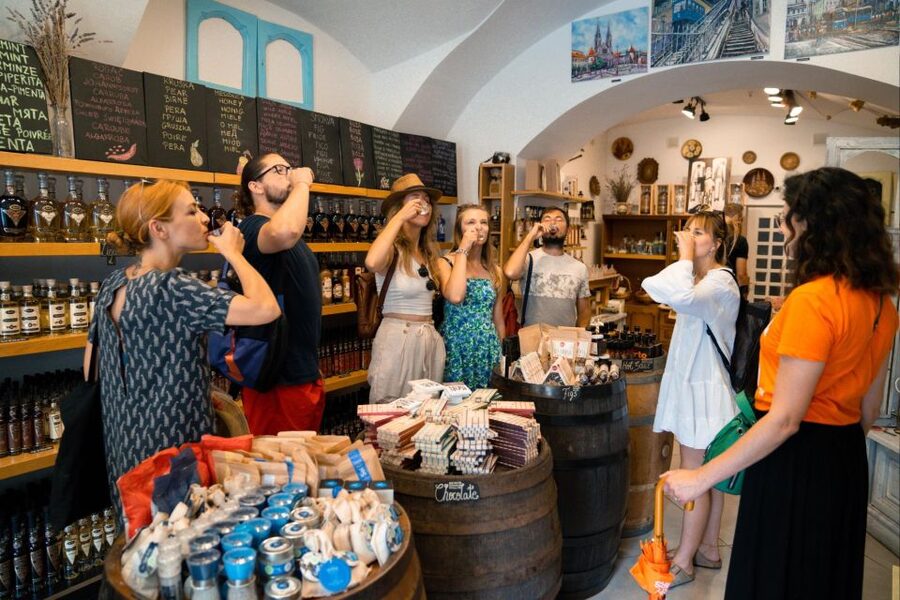
The itinerary includes a 15-minute aperitif stop. The exact drinks are not specified, so you should not book this expecting a particular cocktail, wine, or spirit. Some tours have included local shots, and the overall experience can include drinks alongside the food.
If you do not drink alcohol, tell the guide. The supplied information does not spell out the alternatives, so it is best to clarify your preference before or at the start of the tour.
The aperitif is also a natural point for conversation. Guides have discussed Croatian customs, local habits, language pronunciation, politics, the cost of living, and the country’s adoption of the euro. These topics are not guaranteed as a set lecture, but the guides have shown a willingness to answer questions and adapt the talk to the group.
That flexibility is one of the better reasons to take this tour instead of simply eating at restaurants on your own. You can order Croatian food independently, but you may not know what to choose, how dishes fit into local life, or which regional connections to notice.
What the guides add to the experience
A food tour can be ordinary if the guide simply announces each dish. This one depends heavily on the guide, and the guide names associated with the experience have received especially warm praise.
Ivana has been appreciated for shaping the food choices around personal preferences and creating a relaxed atmosphere for a very small group. Ena has helped families with allergies while also explaining architecture and local history. Darko has been praised for combining food with Croatian history, language phrases, current affairs, and easy conversation.
Tonka has been described as energetic and friendly, with useful cultural explanations. Kristina has adjusted tastings around allergies and preferences and offered practical advice for later meals. Diana has been noted for humor, local insight, and a strong command of the food story.
You cannot choose a particular guide from the information provided, so do not book solely for one name. The broader pattern is more useful: the guides tend to make the tour personal, answer questions, and connect food with place.
A special occasion can work well here. One birthday group received a thoughtful personal touch from the guide, including flowers bought at the market. That kind of gesture cannot be guaranteed, but it shows how the tour may feel more personal when the group is small.
Is $104 good value?
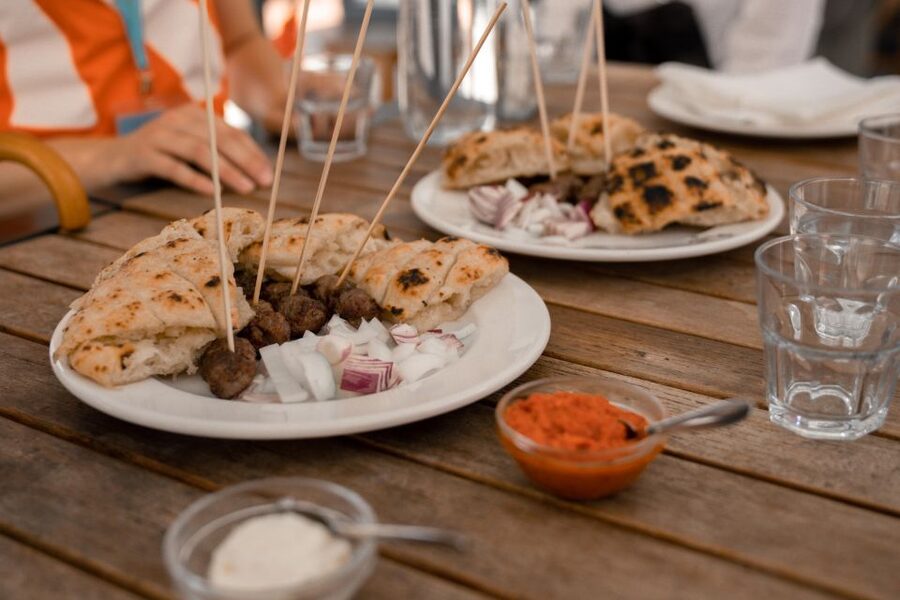
At $104 per person, this is not a budget snack walk. The price makes more sense when you count the 210-minute duration, the certified local guide, five food stops, the market visit, and the amount of food served.
You are paying for more than the ingredients. A good share of the value comes from knowing where to go, what to taste, and how the dishes connect to Croatia. The guide also saves you from ordering blindly and helps you find food businesses you might otherwise miss.
Still, value depends on your appetite and priorities. If you want a cheap lunch, this is too expensive. If you want a guided introduction to Zagreb cuisine and expect enough food to replace a meal, the price is easier to justify.
Additional food and drinks are not included, so the listed price is not an open tab. The tasting portions are intended to be substantial, but anything beyond the planned selections costs extra.
Free cancellation is available up to 24 hours before the activity for a full refund, and you can reserve now and pay later. Those terms are useful if your Zagreb schedule is still shifting.
Who should book this Zagreb food tour?
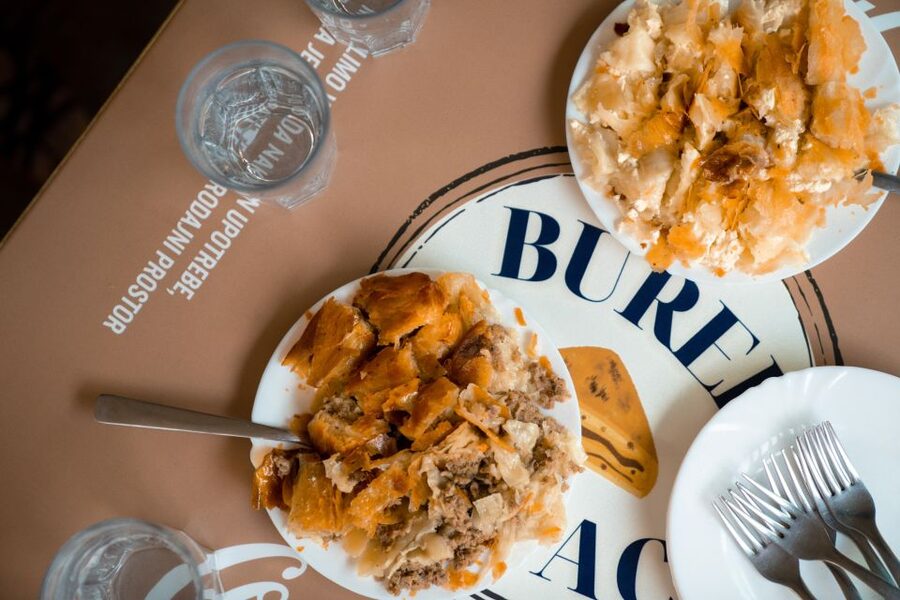
I would suggest this tour to first-time visitors who want a practical introduction to Zagreb. It works particularly well early in your stay, since the guide can point you toward other restaurants, pastries, shops, and places to visit.
It also suits curious eaters who want more than the most familiar Croatian dishes. The combination of market food, meat, cheese, burek, regional products, štrukli, and chocolate offers a wide range of flavors in one sitting.
Families can enjoy it, provided everyone is ready for a long food-focused outing. Allergy planning matters, so contact the supplier before booking. Vegetarians should do the same rather than assume every stop will have a suitable replacement.
You may want to skip it if you dislike large meals, prefer to choose every dish yourself, or want a short walking tour with only tiny samples. This is a social, guided food experience with a strong meal component.
Practical tips for a better visit
- Eat lightly or skip breakfast. The food can amount to a full brunch.
- Wear comfortable shoes for the market and central-city walking.
- Leave luggage and large bags at your accommodation.
- Contact the supplier ahead of time about allergies, vegetarian food, or other dietary needs.
- Bring a small bag if you plan to buy local products separately.
- Take the tour near the beginning of your Zagreb stay if you want food and sightseeing suggestions.
- Pace yourself. The warm dessert and later tastings are worth saving room for.
- Meet at the horse statue on Ban Josip Jelačić Square and look for the orange umbrella.
Should you book it?
Book this tour if you want Zagreb explained through what people eat, not just through monuments. The best parts are the market setting, the spread of Croatian regional foods, and the guides’ ability to connect a dish with customs, history, and daily life.
The main warning is simple: come hungry, but do not expect light grazing. At $104, it is best value for someone who wants a substantial meal, five tasting locations, and a friendly introduction to Zagreb rather than a cheap list of samples. For a first visit, especially early in your trip, I think it is a strong choice.
FAQ
Where does the Zagreb food tour begin?
It begins at Ban Josip Jelačić Square, in front of the horse statue at the center of the square.
How do I identify the guide?
The guide will have an orange umbrella.
How long does the tour last?
The activity lasts 210 minutes, or three and a half hours.
What language is the tour conducted in?
The live guided tour is conducted in English.
Does the tour visit Dolac Market?
Yes. You visit Dolac Market, described as Zagreb’s biggest and oldest green market.
How many food stops are included?
The tour includes tastings at five different food spots with traditional Croatian dishes.
What foods might I taste?
Possible tastings include sir i vrhnje, burek, kobasice i ćevapi, warm štrukli, Zagreb chocolate, Dalmatian pršut, Istrian olives, and other local dishes.
Are additional food and drinks included?
No. Additional food and drinks beyond the planned tastings are not included.
Can dietary requirements be accommodated?
Contact the local supplier in advance about vegetarian food, allergies, or other special requirements.
What should I bring?
Wear comfortable shoes. Pets, luggage, and large bags are not allowed.
Just added in Croatia
- Split: Small Group Food Tour with Private Option★ 4.8 · 116 reviews
- Split: Food Tasting Walking Tour★ 4.9 · 102 reviews
- Split: Private Food Tasting Tour★ 4.9 · 36 reviews
- Korcula: Buggy Safari with Local Food and Wine Tasting★ 5.0 · 97 reviews
- Pelješac Full-Day Wine and Food Tour from Dubrovnik★ 5.0 · 72 reviews
- From Split: Krka Waterfalls with Wine & Cheese Tasting Tour★ 4.6 · 33 reviews
- Dubrovnik: Oyster, Mussles, and Wine Tasting Tour in Ston★ 5.0 · 77 reviews
- Krka Waterfalls, Food & Wine Tasting, Boat Ride & Zadar Old Town★ 5.0 · 420 reviews
Croatia Food Tours, compared.
Blue Lagoon and 3 Island Cruise with Food and Drinks
Read our review →
Blue Lagoon, Borkko Beach & Šolta with Food & Drinks
Read our review →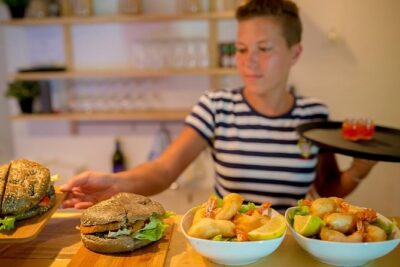
Dubrovnik Food and Drink Walking Tour with a Local Guide
Read our review →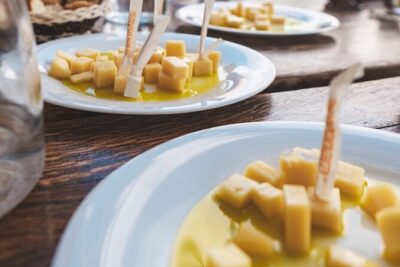
Krka Waterfalls, Food & Wine Tasting, Boat Ride & Zadar Old Town
Read our review →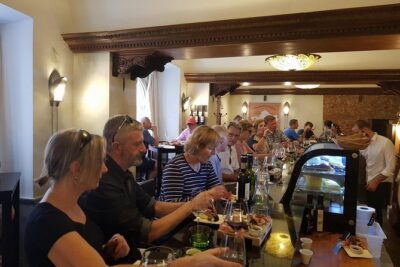
Dubrovnik Old Town Food Tour: Small-Group Experience
Read our review →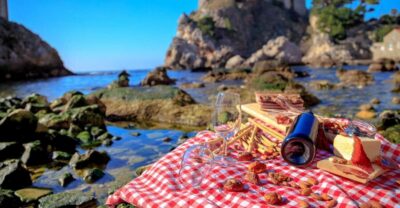
Dubrovnik Gastronomy: 3-Hour Food and Wine Tour
Read our review →
Browse the lists this tour appears in