
REVIEW · LISBON FOOD TOURS
Lisbon: Segway Food Tour of Alfama and Old Town Lisbon
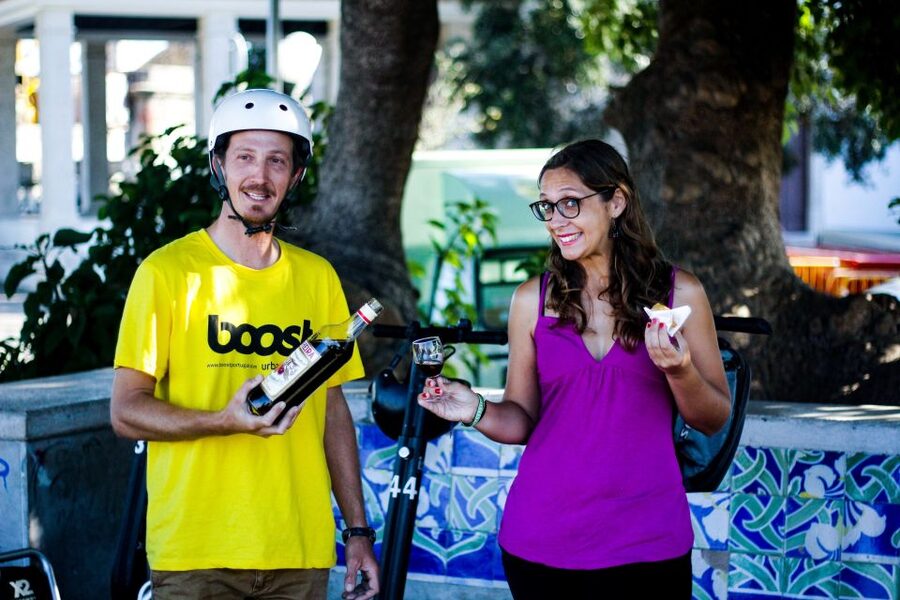
Lisbon’s hills are easier on two wheels. This three-hour Segway tour pairs excellent city views with Portuguese bites, including pastel de nata, ginjinha, coffee, cheese, soup, bread, and olives. I like the way it reaches Alfama, Graça, Mouraria, and Baixa in one outing, and I especially like the patient training before you ride into the old streets. The main catch is that cobbles, slopes, and traffic can feel demanding if you are nervous on a Segway.
The tour costs $90 per person, which is fair if you want transportation, guiding, tastings, and a quick introduction to Lisbon in one package. It is less appealing if you already know the city well or expect a long, food-focused crawl. The food is part of a broader sightseeing tour, not the whole event.
The highlights at a glance
- Practice before the hills: You receive a Segway lesson and time to build confidence before setting off.
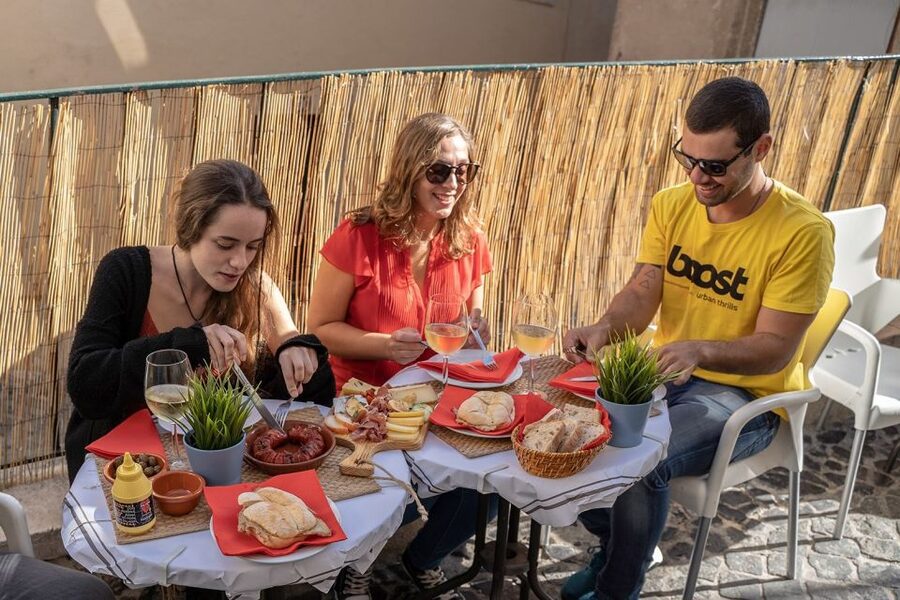
- Five Portuguese specialties: Tastings include pastel de nata, ginjinha licor, traditional coffee, and a tapas-style spread with cheese, soup, bread, and olives.
- Lisbon’s oldest quarters: The route links Alfama, Mouraria, Baixa, Bairro Alto, and viewpoints around Graça.
- A strong guide-led experience: Guides such as Peter, Julie, Gui, Romain, and Maria are praised for clear instruction, humor, local knowledge, and warm contact with residents.
- A practical first-day tour: The route gives you a useful orientation to central Lisbon and its hills before you explore on foot.
- Important physical limits: Riders must be at least 1.5 meters tall and weigh between 45 and 118 kilograms. Helmets are required.
Starting in Baixa with a proper Segway lesson

You meet at Boost Portugal on Rua dos Douradores 16 in Baixa. This central location is useful because it puts you near the old downtown grid, Commerce Square, and the first part of the route. The shop also has restrooms, storage, filtered water, Wi-Fi, and seating, which is handy if you arrive early or need a calm place to organize yourself.
The first part is not rushed. Your guide provides the Segway, helmet, safety instructions, and an adaptation lesson. You practice moving, stopping, turning, and handling slopes before the sightseeing begins. That matters in Lisbon. The city is famous for its hills and narrow old streets, so confidence on the machine makes a bigger difference here than it would on a flat city tour.
The guides earn much of the praise for this experience. Peter is repeatedly singled out for his enthusiasm, detailed stories, and ability to help beginners relax. Julie is described as friendly and attentive, while Gui, Thomas, Romain, Simon, Maria, and others are praised for mixing history with good humor. One guide even helped an inexperienced rider gain enough confidence to enjoy the full route.
Still, do not treat the training as a formality. Segways are easy to operate once you understand them, but Lisbon’s paving can be uneven. You need to stay alert, follow instructions, and avoid joining if you are intoxicated, pregnant, or uncomfortable with balance-based equipment. Large bags and luggage are not permitted.
A few more food tours in Lisbon worth a look
- Winner 2025 Undiscovered Lisbon Food & Wine Tour by Eating Europe
★ 5.0 · 6,390 reviews - Lisbon: Food and Wine Small Group Walking Tour
★ 4.9 · 4,082 reviews - Lisbon Small-Group Portuguese Food and Wine Tour
★ 5.0 · 3,972 reviews
Commerce Square and the route into old Lisbon
The group passes through Commerce Square, Lisbon’s grand riverside entrance. You get a sense of the city’s open, ceremonial side before the tour turns toward older neighborhoods with tighter streets and steeper grades.
This is a sightseeing stop rather than a long visit. You should not expect time to enter museums or monuments, since entrance fees are not included and the itinerary is built around riding. The advantage is coverage. In three hours, you see several districts that would take more effort to connect on foot.
For first-time visitors, this opening section helps explain Lisbon’s layout. Baixa is relatively ordered and easy to read, while Alfama and Mouraria feel older and more irregular. Your guide’s commentary helps connect those changes in the street plan to the city’s past.
Alfama, the Fado Museum, and Santa Engrácia

Alfama is the heart of the tour. It is Lisbon’s oldest neighborhood, a maze of slopes, lanes, tiled facades, and small public spaces. A Segway lets you cover more ground than walking, although you still need to move carefully around pedestrians and uneven surfaces.
The route passes the Fado Museum, where the food and cultural themes meet. Fado is closely tied to Lisbon’s identity, and the museum provides a useful reference point even though the tour does not include an entrance visit. Your guide may explain the neighborhood’s connection to the music and the way Alfama became one of the city’s best-known traditional quarters.
The National Pantheon of Santa Engrácia is another impressive exterior stop. Its large dome is easy to spot above the older streets, and the building gives the route a strong visual landmark. The scheduled time is about 15 minutes, enough for sightseeing and photographs, but not for an interior tour.
The key benefit here is context. You are not simply being moved from one attraction to the next. The guide helps turn Alfama’s slopes, monuments, and music into a connected story. Peter is praised for sharing small details about Lisbon and Portugal that go beyond standard textbook facts. That kind of commentary can make the ride feel more personal.
Graça views at Miradouro da Senhora do Monte
The stop at Miradouro da Senhora do Monte is one of the tour’s best reasons to book. From this viewpoint, you can look across Lisbon and pause after working through the uphill streets.
It is a photo stop of about 15 minutes, so plan your expectations accordingly. You will have time to enjoy the view and take pictures, but this is not a long scenic break with a drink or a picnic. The value comes from reaching the viewpoint without having to climb every hill on foot.
Several guides are praised for taking their groups to strong miradouros, or viewpoints, and allowing enough time to enjoy the weather. If you are visiting early in your Lisbon stay, take mental notes here. The view helps you understand the city’s hills, river position, and spread of historic neighborhoods.
The route’s physical ease is a little deceptive. The Segway takes much of the strain out of climbing, but controlling the machine on a slope still requires attention. Beginners should listen closely during the lesson and keep a comfortable pace rather than trying to imitate more experienced riders.
Same city, a different table:
- Lisbon: Baixa District Food Tour with Dinner and Drinks
★ 4.9 · 1,997 reviews - Lisbon Small-Group Food Tour with 18 Tastings in Alfama District
★ 5.0 · 1,967 reviews - Devour Lisbon: The Ultimate Portuguese Food Tour
★ 5.0 · 1,782 reviews - Lisbon Food Tour with 10+ Tastings of Local Delicacies & Wines
★ 5.0 · 1,339 reviews
São Jorge Castle and the feel of the hilltop

The tour continues to São Jorge Castle, one of Lisbon’s major landmarks. You see the castle area from the outside, with roughly 15 minutes for sightseeing. Admission is not included, so this is not a substitute for a separate castle visit.
That limitation is worth noting. If the castle is high on your list, schedule another visit when you can explore at your own speed. The Segway tour gives you orientation and a look at the setting, but it does not provide the time or ticket needed for a full castle experience.
The stop does help show why Lisbon developed as a hilltop city. From the castle area, old Lisbon feels layered, with Alfama below and the wider city opening beyond it. A guide who knows the city well can make this more than a quick photograph. Thomas, Bento, Peter, and others are praised for explaining monuments and buildings in a way that keeps the history lively rather than heavy.
Mouraria and Lisbon’s many cultures
Mouraria brings a different tone from Alfama. It is known as one of Lisbon’s most multi-ethnic neighborhoods, and the tour uses it to show a less polished, more everyday side of the center.
This is one of the most worthwhile parts for anyone who wants more than postcard Lisbon. You pass through an area shaped by many communities, food traditions, and local businesses. The guide’s role matters here because a moving tour can otherwise become a quick glance at streets without much meaning.
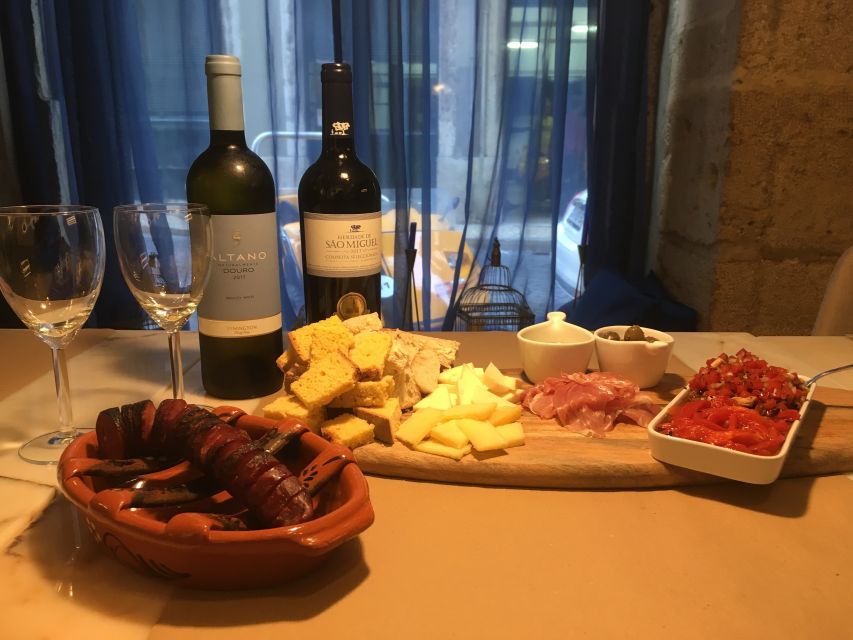
The food stops also fit this part of the route. Guides take groups to small local cafes and places away from the main tourist flow. Exact venues and dishes can vary, but the tasting plan includes five Portuguese specialties and two beverages. Alcoholic and non-alcoholic choices are available.
What you actually eat and drink
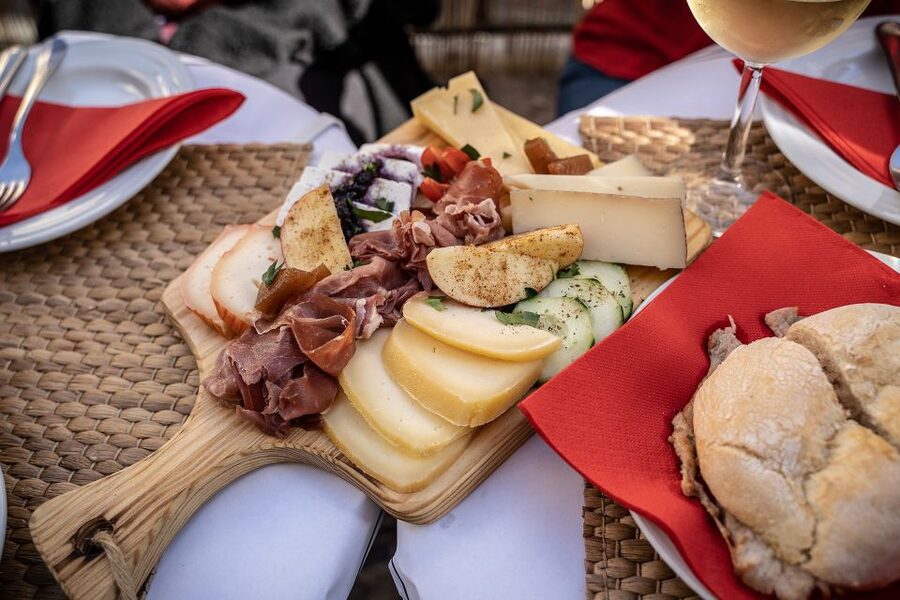
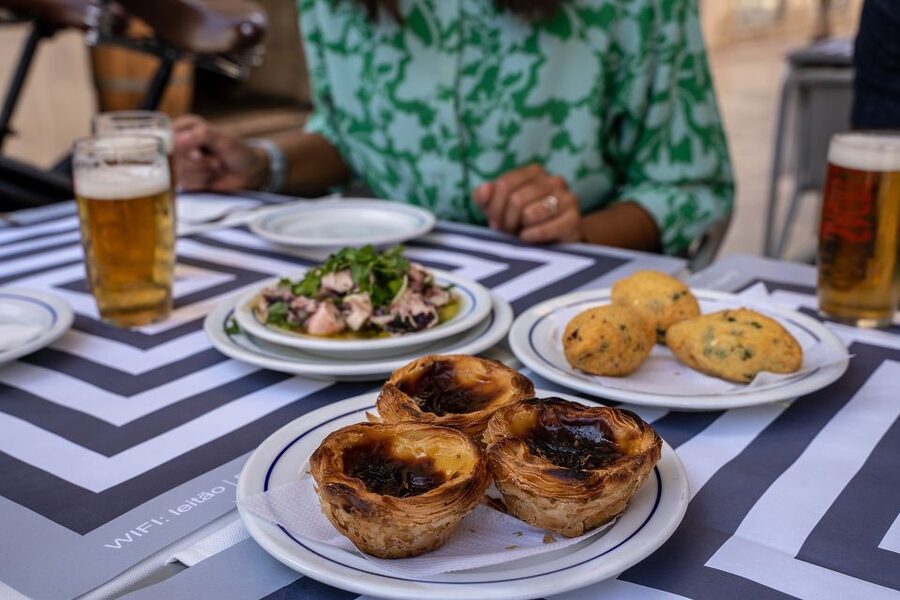
The food is a pleasant counterpoint to the sightseeing. You try ginjinha licor, a sweet cherry liqueur strongly associated with Lisbon, along with a traditional coffee and pastel de nata. The custard tart is one of Portugal’s most familiar treats, but tasting it during a neighborhood tour gives it more meaning than grabbing one quickly at a bakery.
The tapas-style tasting includes cheese, soup, bread, and olives. This is enough to make the experience more than a token snack, but you should not book it as a replacement for lunch or dinner. One particularly useful comment from the tour experience is that the food comes late enough for some people to see the tour as a sightseeing trip with food rather than a classic food tour.
That distinction is important. If your priority is learning about Portuguese eating habits through many substantial dishes, choose a dedicated food tour. If you want a few local tastes added to an active history tour, this format works well.
Alcohol is included, but you can request non-alcoholic options. Since you still need to ride afterward, moderation is essential. The tour does not allow intoxicated participants.
Praça da Figueira and the ride back
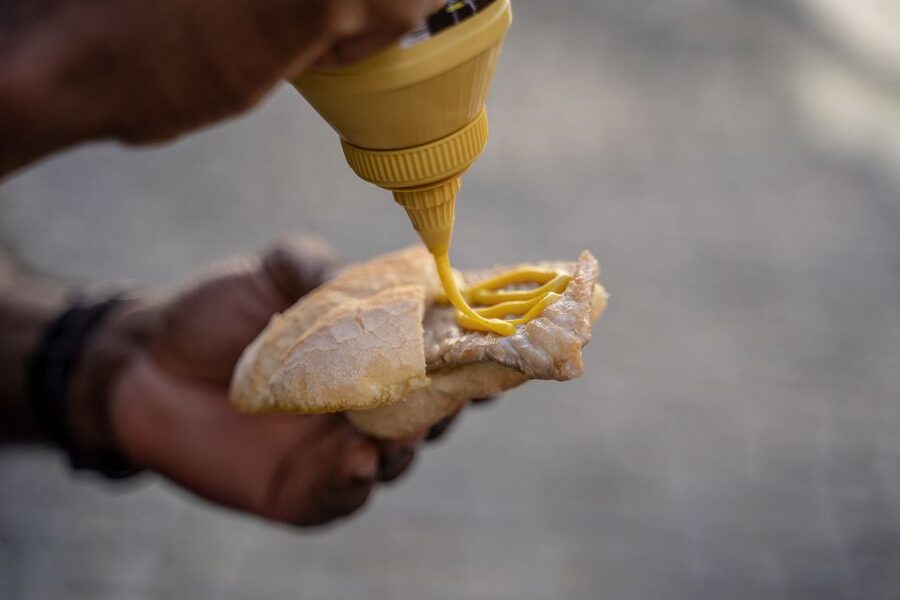
The final listed stop is Praça da Figueira, a broad central square near Baixa. It brings you back into the more open downtown area after the narrow lanes and steep streets of the historic districts.
The square is mainly a pass-by stop, with about 15 minutes in the schedule. It is useful as a final point of orientation because you can connect it with nearby Baixa streets and your next Lisbon plans. The tour then returns to Boost Portugal at the original meeting point.
By the end, you have seen a wide section of central Lisbon without spending three hours climbing between districts. You also finish where you began, which keeps the rest of your day simple.
Is $90 a good value?
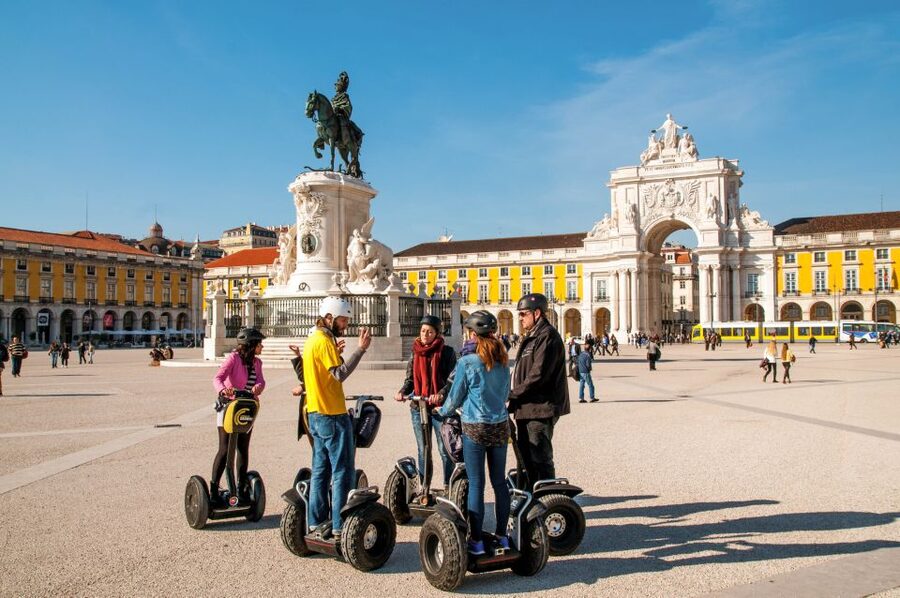
At $90 per person, this is not the cheapest way to see Lisbon. You are paying for the Segway, equipment fitting, practice session, local guide, five tastings, two drinks, insurance, taxes, and the convenience of reaching several hilly neighborhoods in one outing.
I think the price works best for three types of people:
- You are visiting Lisbon for the first time and want a quick orientation.
- You like active sightseeing but do not want to walk every steep street.
- You enjoy local snacks but do not need a full meal-based food tour.
The value is weaker if you already know Alfama and Mouraria, dislike group activities, or want long visits inside monuments. Entrance fees are separate, hotel pickup is not included, and extra food or drinks cost more.
Small groups help. They give the guide more time to adjust the pace, answer questions, and help with riding technique. A private group is also available if you want more control over the experience.
Who should book this tour?
This is a good match for adults, families with eligible older children, couples, and friends who want a lively way to cover Lisbon’s center. A 14-year-old has enjoyed the experience with a parent, and older riders in their 60s have also found the patient instruction helpful.
It is especially useful on your first day. You get a broad sense of the city, collect restaurant and sightseeing ideas from the guide, and learn which hills you might prefer to tackle later on foot. Several guides also offer practical suggestions for the rest of a Lisbon visit.
You should choose something else if you are pregnant, below 1.5 meters, under 45 kilograms, over 118 kilograms, or carrying luggage. Helmets are mandatory, and every rider signs a waiver. Bring a passport or ID card.
The tour runs in English, German, French, and Spanish. Bring comfortable clothes and be prepared for changing weather. Ponchos are provided if it rains, but unsafe conditions can lead to a same-day rescheduling attempt rather than a refund.
Should you book it?
Book this Segway food tour if you want active sightseeing, strong viewpoints, and a taste of Lisbon in one compact outing. Its best features are the careful beginner training, the hill-friendly transport, and guides who bring real warmth and detail to the route.
Do not book it expecting a long restaurant crawl or full entry to São Jorge Castle, the Fado Museum, or other monuments. For the right person, $90 buys a useful introduction to Lisbon, a handful of local flavors, and a much easier way to reach Alfama and Graça than walking every slope. I would choose it early in a first Lisbon visit, especially if the hills look more intimidating than charming from street level.
FAQ
How long is the Lisbon Segway food tour?
The tour lasts three hours and returns to Boost Portugal at Rua dos Douradores 16 in Baixa.
What food and drinks are included?
You receive five traditional Portuguese delicacies and two beverages. Tastings include ginjinha licor, pastel de nata, traditional coffee, cheese, soup, bread, and olives. Alcoholic and non-alcoholic options are available.
Is the tour suitable for beginners?
Yes. The activity includes a Segway adaptation lesson and practice before the sightseeing begins. Guides help riders build confidence before handling Lisbon’s hills and old streets.
What are the age, height, and weight requirements?
Participants must be at least 1.5 meters tall and weigh between 45 and 118 kilograms. The tour is not suitable for people below 1.5 meters, under 45 kilograms, or over 118 kilograms.
Are attraction entrance fees included?
No. The tour passes landmarks such as the Fado Museum, the National Pantheon, and São Jorge Castle, but entrance fees are not included.
What should I bring and what is not allowed?
Bring a passport or ID card. Large bags and luggage are not allowed. Helmets are mandatory, all riders must sign a waiver, and intoxicated participants cannot join.
Just added in Lisbon
- No Diet Club – Unique food tour in Lisbon with many Tastings★ 4.9 · 50 reviews
- Lisbon Small-Group Food & Wine Tour Eat & Drink like a Local★ 4.9 · 77 reviews
- Lisbon: Private Food Tour – 10 Tastings with Locals★ 4.8 · 73 reviews
- Lisbon: Portuguese street food cooking class with Drinks★ 4.9 · 37 reviews
- Lisbon: Private Food & Wine City Tour by Eco Tuk Tuk★ 4.8 · 21 reviews
- Lisbon: Food and Culture 3-Hour Walking Tour★ 4.7 · 95 reviews
- Lisbon Private Setúbal Region Wine Tasting Tour★ 4.9 · 149 reviews
- Food Tour: Portuguese wine & Tapas with Ginjinha Tasting★ 3.8 · 67 reviews
Lisbon Food Tours, compared.

Winner 2025 Undiscovered Lisbon Food & Wine Tour by Eating Europe
Read our review →

Lisbon Small-Group Portuguese Food and Wine Tour
Read our review →
Baixa District Food Tour with Dinner and Drinks
Read our review →
Lisbon Small-Group Food Tour with 18 Tastings in Alfama District
Read our review →
Devour Lisbon: The Ultimate Portuguese Food Tour
Read our review →
Lisbon Food Tour with 10+ Tastings of Local Delicacies & Wines
Read our review →
Award-Winning Original Lisbon Food Wine Tour: 19 Curated Tastings
Read our review →Browse the lists this tour appears in