
REVIEW · LISBON FOOD TOURS
Lisbon: Portuguese street food cooking class with Drinks
Start with Lisbon on your plate. This two-hour class turns everyday Portuguese snacks into a hands-on meal, with bifana, caldo verde, and peixinhos da horta prepared under a local chef’s guidance. I like the focus on foods you might find at a neighborhood snack bar, not just the country’s most famous pastries.
I also like the easy social setup: everyone cooks together, then sits down to share the meal with wine and a taste of Ginja. The main consideration is that the class is collaborative, so anyone hoping for a private lesson or a long, highly technical cooking course may find it too brief. The cooking school is not wheelchair accessible, and transportation to the kitchen is not included.
Key points about this Lisbon cooking class
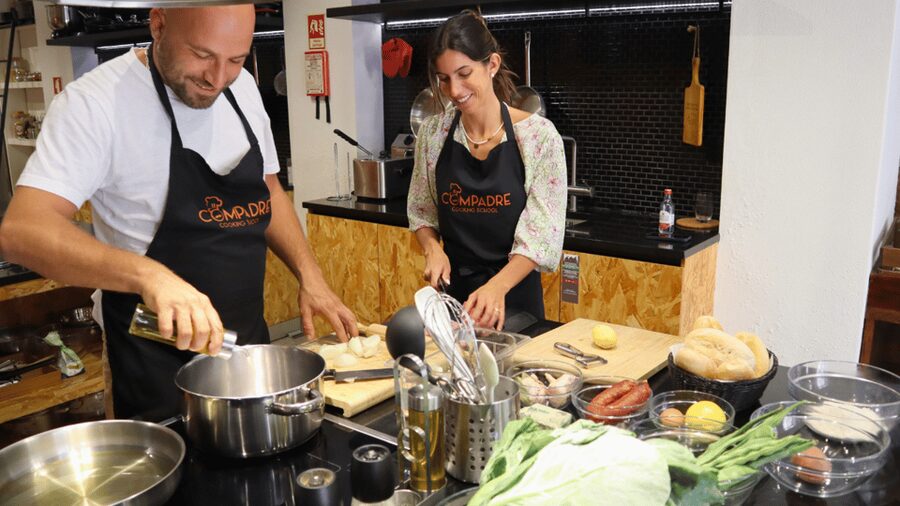
- Three proper Portuguese comfort foods: Prepare pork bifana, caldo verde soup, and peixinhos da horta, the fried green bean dish linked to the origins of tempura.
- A full meal, not just a demonstration: You help with the cooking, then eat the finished dishes around a shared table.
- Local food stories add context: The chefs explain where each dish comes from and how it fits into Portuguese daily life.
- Wine and Ginja are included: You receive a glass of red or white wine and finish with a tasting of traditional cherry liqueur.
- Friendly, practical teaching: No cooking experience is needed, and the clean, spacious kitchen has enough work for participants to take part.
- Good value at $55: For two hours of instruction, ingredients, a meal, wine, and Ginja, the price is reasonable for Lisbon.
What happens during the two-hour class
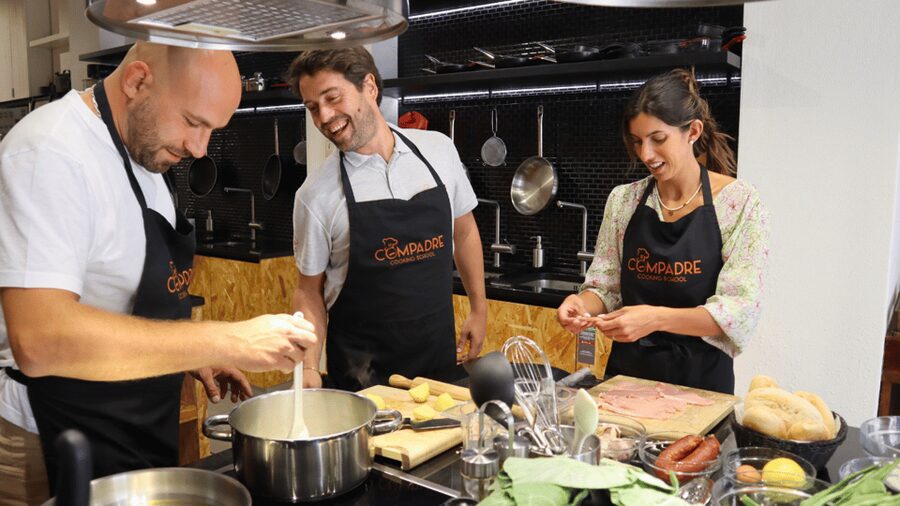
The class takes place at Compadre Cooking School, with English-speaking instructors and a meeting point at the school’s kitchen. You should arrive about five minutes early, wearing comfortable clothes and shoes suitable for standing and cooking.
The format is straightforward. First comes a short introduction to the food and its place in Portuguese culture. Then you work at the cooking stations with the instructors and other participants. Once the dishes are ready, everyone sits down to eat together.
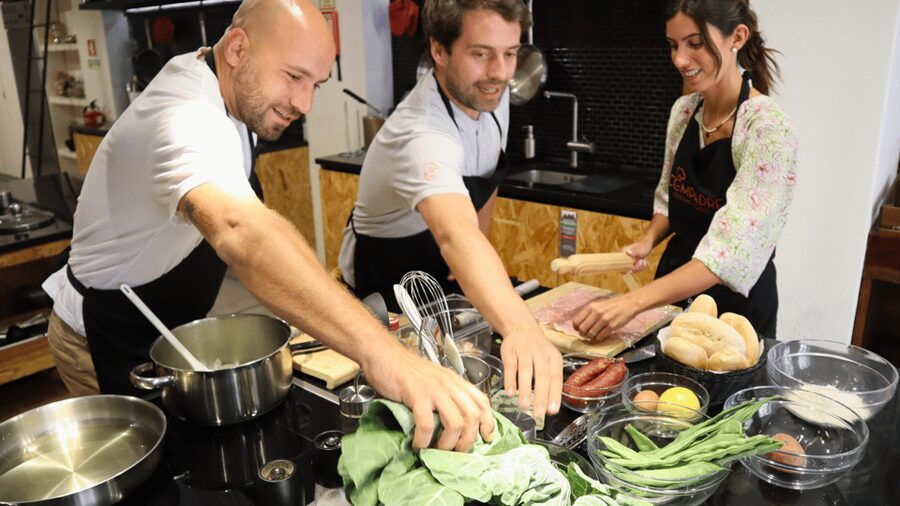
That structure matters. You are not standing at the back of a room watching a chef do everything. The class is designed so you can take part in the preparation, and one participant specifically noted that there were enough jobs for everyone to stay involved through most of the process.
Still, this is a group activity. The instructors guide the work, but you may share tasks rather than prepare every dish from start to finish alone. One person found that Anna sometimes took over a little too much instead of teaching through every step. That is a fair caution for anyone who wants detailed one-on-one instruction.
More cooking classes in Lisbon:
- Authentic Pizza Making Class in Naples with Appetizers and Drink
★ 5.0 · 3,178 reviews - Tokyo: Roll and Authentic Sushi Making Class in Asakusa
★ 4.9 · 1,957 reviews - Ramen Cooking Class at Ramen Factory in Kyoto
★ 5.0 · 1,937 reviews
Bifana: Lisbon’s beloved pork sandwich
The bifana is a simple pork sandwich with a strong place in Portuguese food culture. Thin slices of seasoned pork are served in bread, creating the kind of filling snack that works at a local café, a festival, or after a long afternoon of sightseeing.
The value of making it in class is that you learn how a few basic ingredients can produce a dish with real character. This is not fancy restaurant cooking. It is practical food, built around flavor, speed, and ingredients that can be found again at home.
I like that the bifana appears alongside soup and a vegetable dish. You get a better sense of how Portuguese casual food works as a meal, rather than treating one snack as an isolated recipe.
The exact preparation details are not specified, so you should not expect a printed technical masterclass or a long lesson on regional variations. The clear aim is to give you a recipe you can repeat without needing professional equipment or advanced skills.
Caldo verde brings comfort to the table
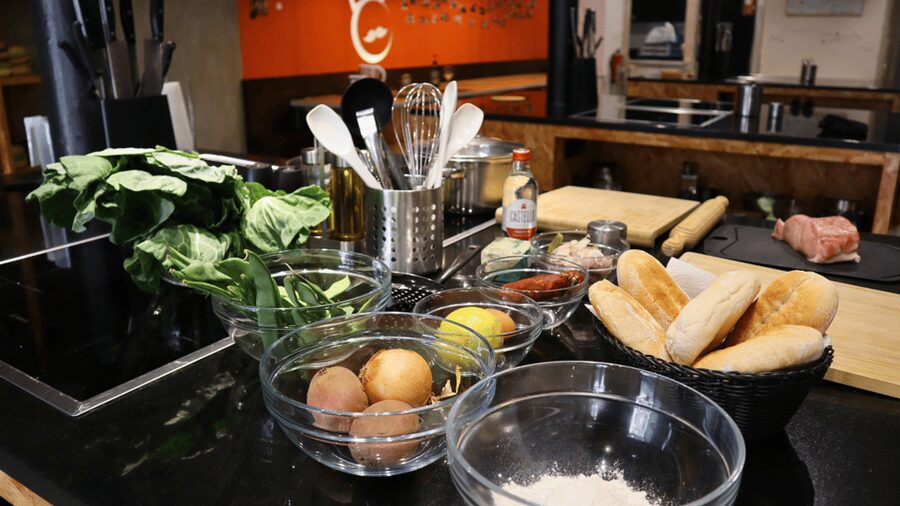
Caldo verde is one of Portugal’s best-known soups, made with potatoes and finely cut greens. It is humble, warming food, and the class presents it as a central part of the meal rather than a token side dish.
This was the dish I would most look forward to making. Several comments singled out the soup as a favorite, calling it fantastic or the best part of the meal. That praise makes sense: a soup like this shows how Portuguese cooking often gets a lot from modest ingredients.
The class also explains the role of the dishes in daily Portuguese life. That short cultural introduction helps you understand why caldo verde matters. You are not just learning to chop greens and stir a pot. You are learning about the sort of food people associate with comfort, family meals, and ordinary local eating.
For home cooks, caldo verde may be the most useful recipe to take away. It is simple, adaptable, and suited to a regular kitchen. The instructors also aim to keep the recipes manageable, so you do not need special culinary training to repeat them.
Peixinhos da horta and the story behind tempura
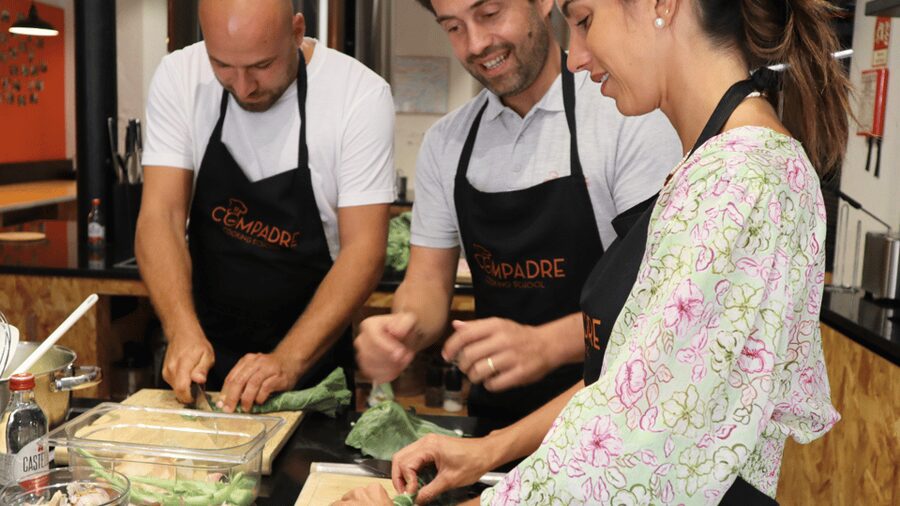
Peixinhos da horta translates roughly as little fish from the garden. Despite the name, the dish uses vegetables, traditionally green beans, coated and fried until crisp.
This is the class’s most unusual recipe and perhaps its best conversation starter. It is presented as the Portuguese dish that inspired the world-famous tempura. That connection gives a familiar international food a new point of origin and shows how culinary ideas travel across borders.
You get something different from the usual Lisbon food lesson here. The class does not focus only on pastel de nata or codfish, though both are important Portuguese foods. Instead, it brings in a less obvious snack that helps you see the range of the country’s cooking.
One participant specifically praised the tempura beans, while another appreciated learning lesser-known Portuguese comfort foods. If you already know the standard Lisbon food stops, this recipe adds a useful new angle.
More street food tours in Lisbon:
- Ho Chi Minh City Street Food Tour & Sightseeing By Motorbike
★ 5.0 · 9,413 reviews - Naples: Street Food Walking Tour with Local Guide
★ 4.9 · 4,976 reviews - Small Group Hanoi Street Food Tour with a Real Foodie
★ 5.0 · 4,682 reviews - Rome: Street Food Tour with Local Guide
★ 4.8 · 4,077 reviews
The chefs keep the tone friendly and practical
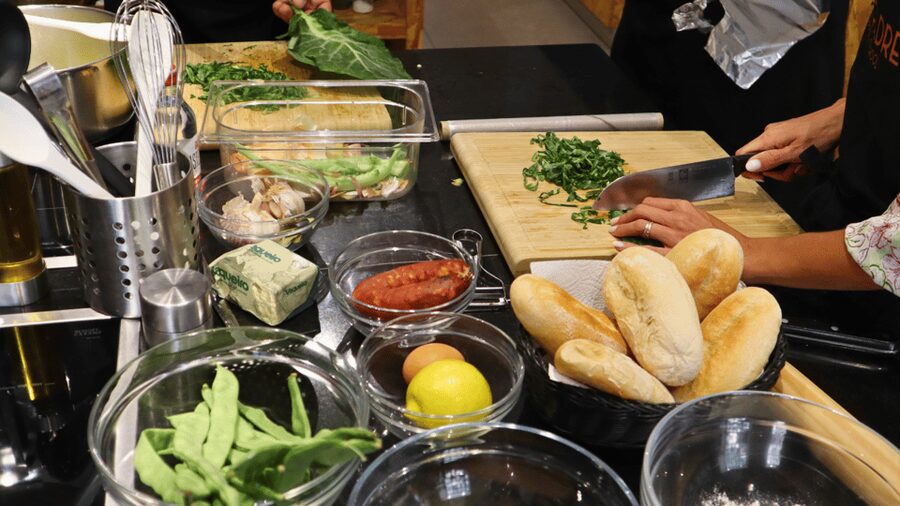
The instructors are a major part of the experience. Names mentioned by participants include Marta, Anna, Martha, and Roy, depending on the class and subject being taught. The teaching is in English, and the strongest feedback describes the instructors as kind, fun, clear, welcoming, and good at explaining the background of the ingredients and recipes.
You should expect a relaxed group lesson rather than a formal culinary-school session. The goal is to get you cooking quickly, make the process enjoyable, and send you home with recipes you can actually use.
No prior experience is needed. That makes this a good choice for a first cooking class, a family group with older children if accepted by the provider, or anyone who normally avoids cooking activities because they seem intimidating.
The kitchen itself received strong praise for being modern, spotless, spacious, and professional. That is more important than it sounds. A cramped or messy kitchen can make a group cooking class frustrating. Here, the work areas appear designed for participation, not simply for watching.
The shared meal is part of the experience
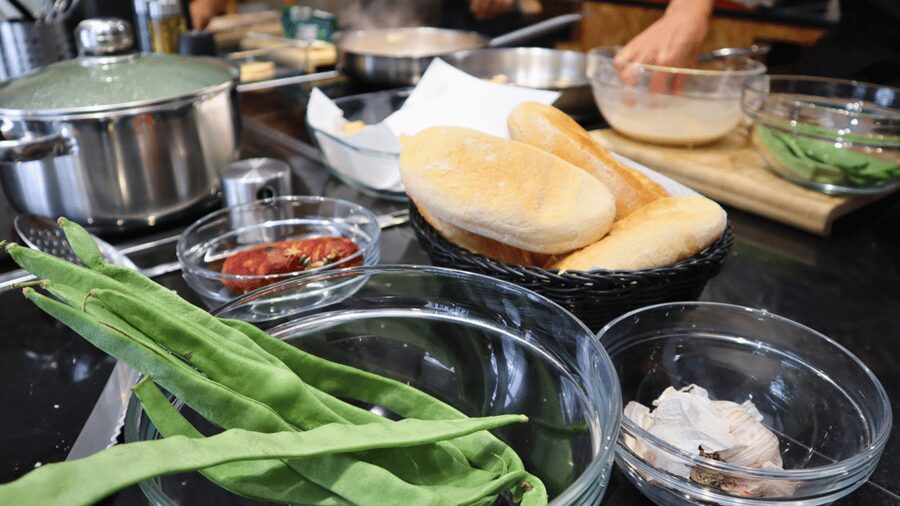
When the food is ready, you sit down and eat together. This is not a small tasting with one bite of each recipe. The class is described as a shared meal made from the dishes you prepared.
I like this ending because it gives the class a natural payoff. You see the ingredients, help prepare them, and then taste the final result. The meal also gives you time to talk with the other people in the group, which several participants valued.
The social side is especially useful for solo visitors or couples who want an evening activity that feels more personal than a restaurant meal. You are not simply seated at a table beside strangers. You have already worked together, so conversation tends to have an easy starting point.
The tradeoff is that the experience depends partly on the group. A friendly mix can make the meal memorable, while a quiet group may make it feel more subdued. The format encourages interaction, but it cannot guarantee a particular atmosphere.
Wine and Ginja finish the meal
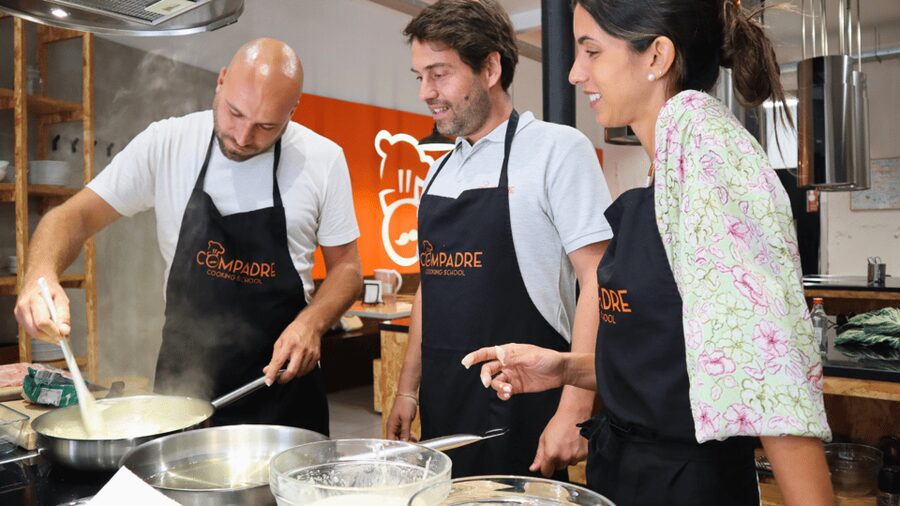
The price includes one glass of wine, either red or white, and a tasting of Ginja, Portugal’s traditional cherry liqueur. Additional drinks are not included.
Ginja is a fitting finish because it gives you another taste of Portuguese food culture beyond the dishes on the table. One participant especially enjoyed learning about a drink they already liked, including how it is made and the standards used in its production. That suggests the drink component can be more than a quick toast, depending on the instructor and the focus of the session.
You should keep your expectations clear. This is not a wine tour or a dedicated spirits class. The wine and Ginja are small but useful additions to the meal, not the main reason to book.
The class does not permit smoking, alcohol brought from outside, or drugs. That keeps the kitchen focused and makes sense in a food preparation setting.
What $55 buys you in Lisbon
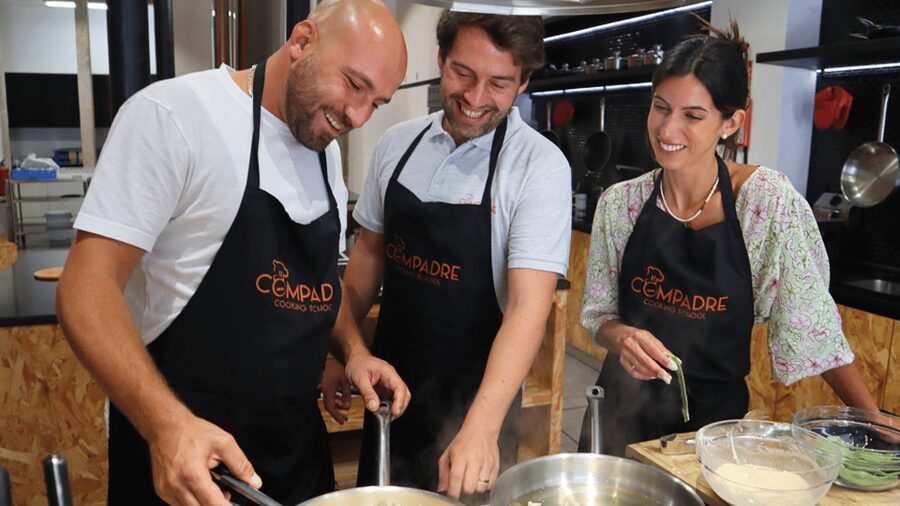
At $55 per person, this is a fair price for a two-hour activity that includes expert instruction, all cooking ingredients, three prepared dishes, a shared meal, wine, and Ginja.
The strongest value comes from the meal. You are not paying only for a demonstration or a small sample. You are receiving a substantial food experience and an activity that fills part of your day or evening.
I also think the price works because the recipes are useful after you return home. A souvenir disappears into a suitcase. A good bifana or caldo verde recipe can become part of your regular cooking.
The class would be less attractive if you dislike group activities or already cook Portuguese food confidently. In that case, the instruction may feel basic, especially within a two-hour time limit. But for most food-loving visitors, the combination of participation, cultural context, and a full meal gives the price solid value.
Who should book this experience
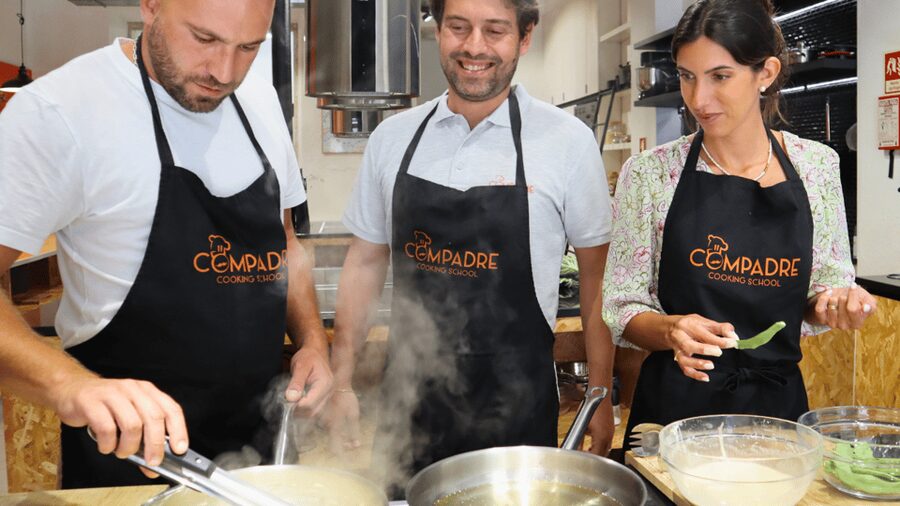
This class suits you best if you:
- Want to eat Portuguese food and learn how to make it
- Prefer hands-on activities to passive sightseeing
- Are new to Portuguese cooking
- Enjoy meeting people over a shared meal
- Want recipes that are simple enough to repeat at home
- Have two hours available and do not need transportation included
It is also a useful choice for a rainy afternoon, a relaxed evening, or a break from Lisbon’s hills and tiled streets. The class gives you something to do with your hands, not just another view from a lookout.
You may want to skip it if you need wheelchair access, want a private lesson, or prefer a highly technical course focused on knife skills, sauces, and exact culinary methods. The class is social and practical, not intensive.
Wear comfortable clothing and shoes. The provider specifically recommends comfortable shoes suitable for cooking, and that is good advice for a two-hour session on your feet.
Booking and practical details
The experience lasts two hours, with starting times depending on availability. It is held at Compadre Cooking School’s kitchen, and transportation to and from the venue is your responsibility.
You can cancel up to 24 hours before the activity for a full refund. A reserve-now, pay-later option is also available, which is useful if your Lisbon schedule is still changing.
Dietary needs may be accommodated, but you should contact the provider in advance. Do not assume every request can be handled on the day itself. The class is conducted in English.
The activity has a 4.9 rating from 37 reviews, with praise focused on the food, the instructors, the clean kitchen, the welcoming mood, and the chance to cook enough for a real meal. The one lower rating still found the experience enjoyable and the food very good, while noting that one instructor sometimes did too much of the work. That gives you a realistic picture: excellent overall, but still a group class with different teaching styles.
Should you book the Lisbon street food class?
I would book this if you want a friendly, useful introduction to Portuguese cooking rather than a polished restaurant show. The best parts are the less obvious recipes, the chance to help with the food, and the shared meal at the end.
The bifana gives you a taste of everyday Portuguese street food. Caldo verde shows how simple ingredients become comfort food. Peixinhos da horta adds a surprising link to tempura. Wine and Ginja round things off without turning the class into a drinking event.
For $55, you get two hours of cooking, a full meal, drinks, and recipes you can try at home. Just arrive early, wear practical shoes, contact the school about dietary needs, and remember that the kitchen is not wheelchair accessible. If that setup suits you, this is one of the more useful food activities to add to a Lisbon visit.
FAQ
How long does the Portuguese street food cooking class last?
The class lasts two hours.
Where does the cooking class take place?
It takes place at the Compadre Cooking School kitchen in Lisbon District, Portugal.
What dishes will I prepare?
The class covers bifana, a Portuguese pork sandwich, caldo verde soup, and peixinhos da horta, a fried vegetable dish associated with the origins of tempura.
Is cooking experience required?
No. The class is designed for beginners, and no prior cooking experience is needed.
What drinks are included?
You receive one glass of red or white wine and a tasting of Ginja, a traditional Portuguese cherry liqueur. Additional drinks are not included.
Is transportation included?
No. Transportation to and from the cooking school is not included.
Can dietary requirements be accommodated?
The recipes may be adapted for specific dietary needs. Contact the provider before the class to discuss your requirements.
More Workshops in Lisbon
- Sushi Making Tokyo Roll and Authentic Japanese Sushi Class
★ 5.0 · 3,971 reviews - Small Group Cooking Class & Market Food Tour in Florence
★ 5.0 · 1,574 reviews - Tokyo: Sushi Making Class in a Happi Coat near a Famous Spot
★ 4.9 · 1,377 reviews - Sushi Making Osaka Roll and Authentic Japanese Sushi Class
★ 5.0 · 1,220 reviews
Just added in Lisbon
- No Diet Club – Unique food tour in Lisbon with many Tastings★ 4.9 · 50 reviews
- Lisbon Small-Group Food & Wine Tour Eat & Drink like a Local★ 4.9 · 77 reviews
- Lisbon: Private Food Tour – 10 Tastings with Locals★ 4.8 · 73 reviews
- Lisbon: Private Food & Wine City Tour by Eco Tuk Tuk★ 4.8 · 21 reviews
- Lisbon: Food and Culture 3-Hour Walking Tour★ 4.7 · 95 reviews
- Lisbon Private Setúbal Region Wine Tasting Tour★ 4.9 · 149 reviews
- Food Tour: Portuguese wine & Tapas with Ginjinha Tasting★ 3.8 · 67 reviews
- Lisbon: Food & Wine Walking Tour Through Baixa★ 4.9 · 287 reviews
Street Food Tours, compared.
Ho Chi Minh City Street Food Tour & Sightseeing By Motorbike
Read our review →
Small Group Hanoi Street Food Tour with a Real Foodie
Read our review →
Saigon By Night and Street Food By Motorbike | Opt: Ao Dai Riders
Read our review →
Private Street Food Tour by Motorbike/Car with Local Students
Read our review →
Cinque Terre Park Day Trip with Optional Street Food
Read our review →
Street Food Tasting & Sightseeing Tour by Motorbike
Read our review →Browse the lists this tour appears in