
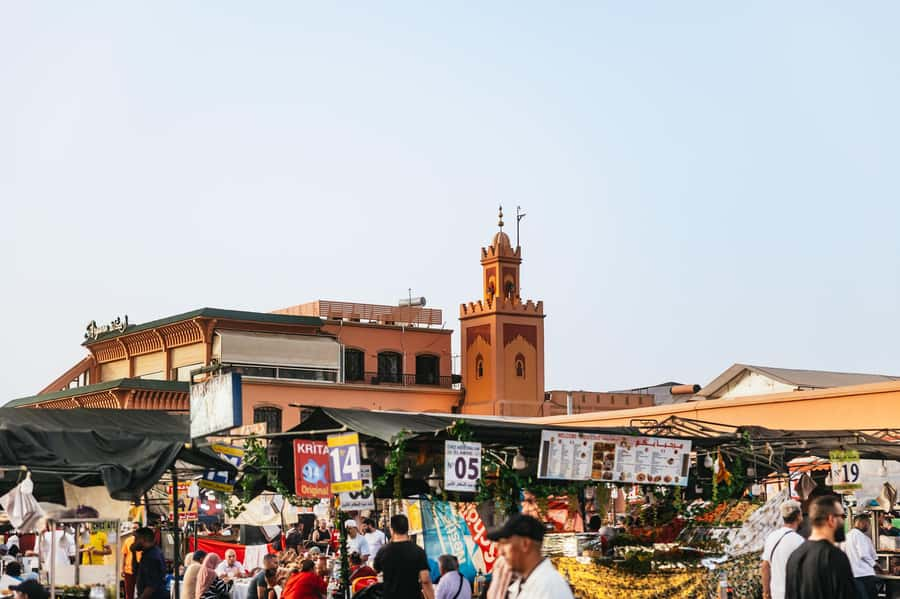
REVIEW · MARRAKECH FOOD TOURS
Marrakech: Authentic Moroccan Food Walking Tour & Dinner
Marrakech tastes better one small plate at a time. This three-hour walk takes you through the Old Medina for local food, family recipes, and stories that make the city easier to understand. I like the mix of street snacks and a proper dinner, and I like that the guides often lead you to places you might skip on your own.
The food list is generous, from Harira and Babouche to Msemmen, pastries, olives, and grilled meat. Guides such as Yaya, Ali, Rachid, and Mehdi have earned praise for their humor and local insight. You should arrive very hungry, though, since the quantity can be almost as challenging as the sheep’s head.
The main consideration is that the exact food stops and dinner style can change. You may eat at a local restaurant with Tajine, or finish with an open-air Chwa barbecue. During Ramadan, the advertised dinner arrangement is not available, so check the details before booking.
Key points to know before you book
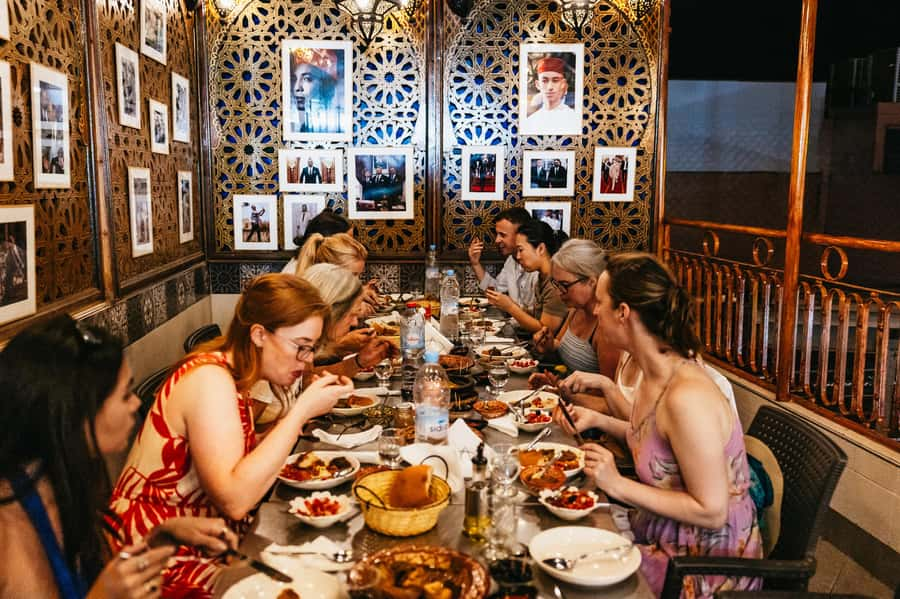
- Expect a serious amount of food: The tour can include 13 to 17 tastings, followed by dinner.
- The route changes: Your guide may take you through one of two food paths, depending on the season and evening.
- Local guides make the difference: Yaya, Yahya, Ali, Rachid, Mehdi, and Mohammed are praised for warmth, humor, and useful city advice.
- Some tastings are adventurous: Babouche, cactus fruit, sheep’s head, and liver may appear beside more familiar pastries and pancakes.
- It is a good first-night activity: The walk helps you understand Medina food stalls, souks, local customs, and how to order with more confidence.
- The meeting point is central: Meet in front of Poste du Maroc on Rue Beni Marine, then return there after roughly three hours.
Starting at Poste du Maroc and entering the Medina
The tour begins in front of Poste du Maroc, the Moroccan post office on Rue Beni Marine. You meet your English-speaking guide there and set off on foot, returning to the same point at the end.
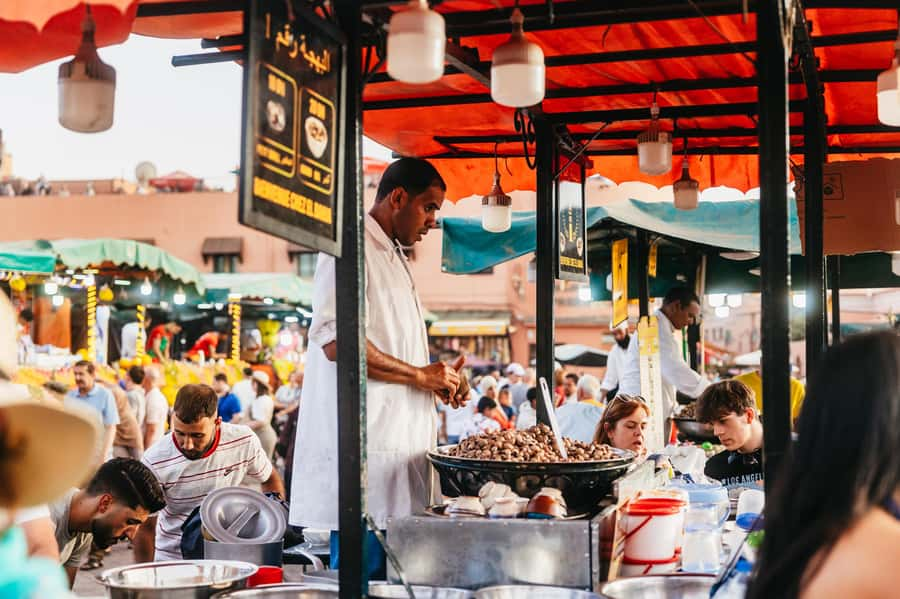
That central meeting place matters. The tour does not include hotel pickup or drop-off, so you need to make your own way to the post office. Once the walk starts, the Medina becomes the setting rather than a backdrop. You move between local food spots, market lanes, and small places that are easy to miss when you are focused on the main square.
I like this arrangement because food and place stay connected. You are not simply seated in one restaurant while someone explains Moroccan cuisine. You see how snacks fit into daily life, how food is sold, and how the evening changes as more people come out to eat.
Wear comfortable walking shoes. The tour lasts three hours, and the stops are spread through the Medina. The route is not described as difficult, but uneven streets, crowds, and frequent pauses make sensible footwear a must.
More food walking tours in Morocco:
- Rabat: Walking Food Tour
★ 4.9 · 48 reviews - Tangier: Food Walking Tour
★ 4.9 · 43 reviews - Reykjavik Food Walk – Local Foodie Adventure in Iceland
★ 5.0 · 18,952 reviews
Two possible routes, one very full evening
The operator uses two possible food routes. Your guide decides which one works best for that evening, the season, and the pace of the group. This adds variety, but it also means you cannot count on every dish listed below.
The first route has a strong pastry, soup, snack, and restaurant-dinner focus. The second leans more toward street food, grilled meat, fruit, and an open-air finish. Both offer a useful introduction to Moroccan food, but they suit slightly different appetites.
You should not eat a large lunch before this tour. That advice comes up for a reason. Several people have found the final meal difficult to finish after so many earlier tastings.
Route one: Harira, snails, pastries, and Tajine
The first route opens with Moroccan coconut macaroons, a sweet treat often loved by children. These are an easy introduction to the evening, especially if you are still getting used to the range of textures and flavors in Moroccan sweets.
Next comes Kaab Ghzal, often translated as gazelle ankles. This pastry contains almond paste scented with orange blossom water. It is delicate and fragrant, with a softer filling than its name might suggest.
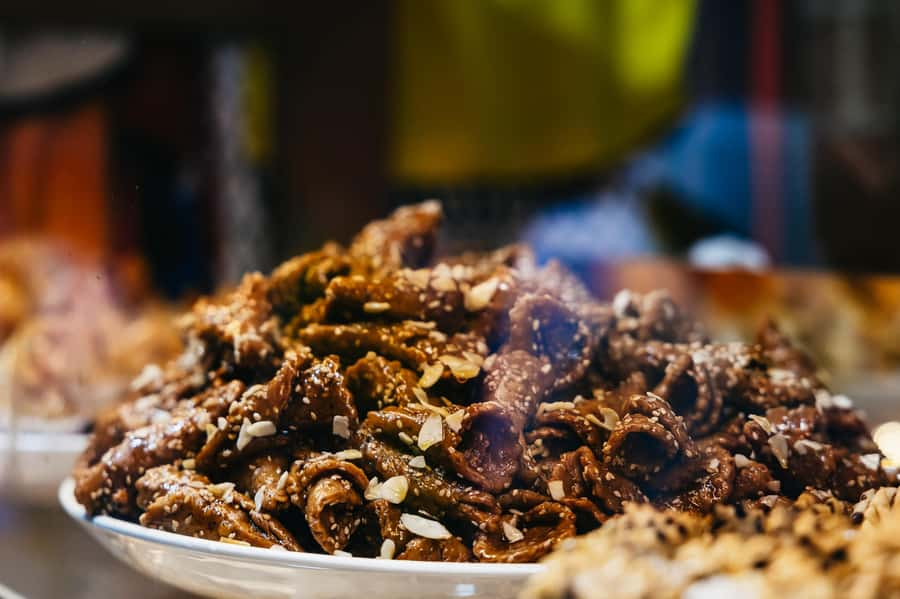
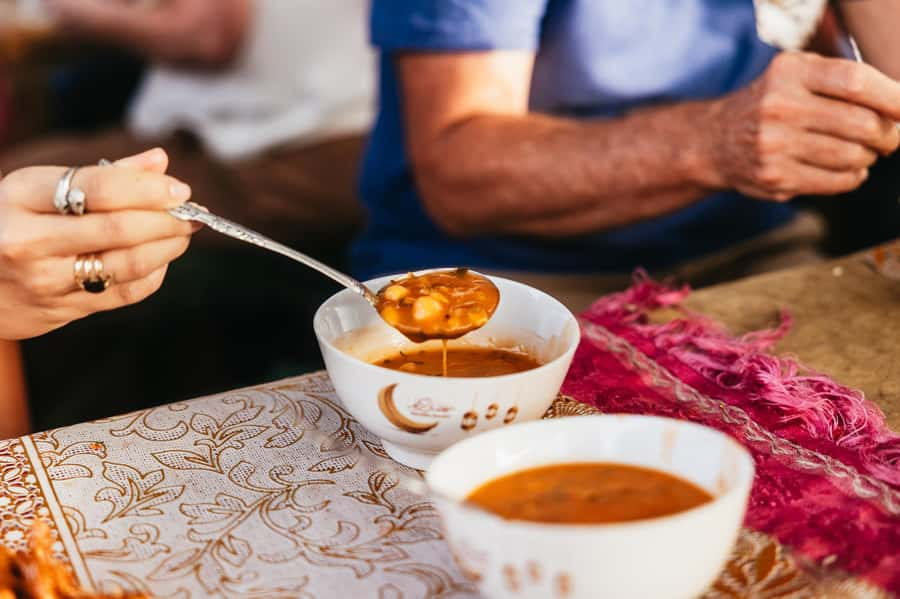
Harira follows, served with dates and Chebakia. Harira is a traditional soup made for many occasions, and the soup-and-sweet pairing has a special connection with breaking the fast during Ramadan. The dates bring simple sweetness, while Chebakia adds a sticky, sesame-coated pastry note.
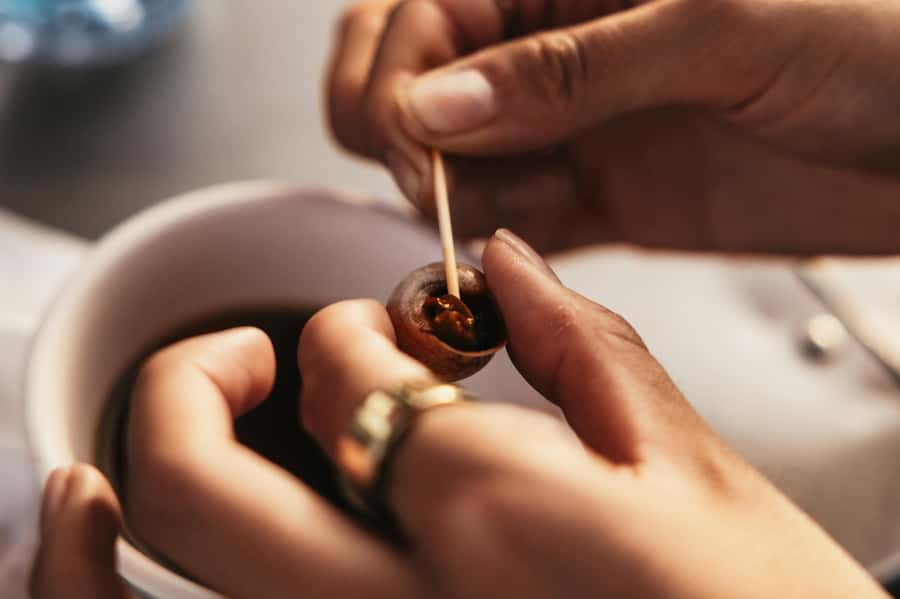
Babouche, or Moroccan snails, is one of the more unusual stops. The snails are slowly cooked in an aromatic herbal broth. If you are cautious with unfamiliar food, this is the point to ask questions and try a small portion first. It is also one of the tastings that makes the tour more than a standard pastry crawl.
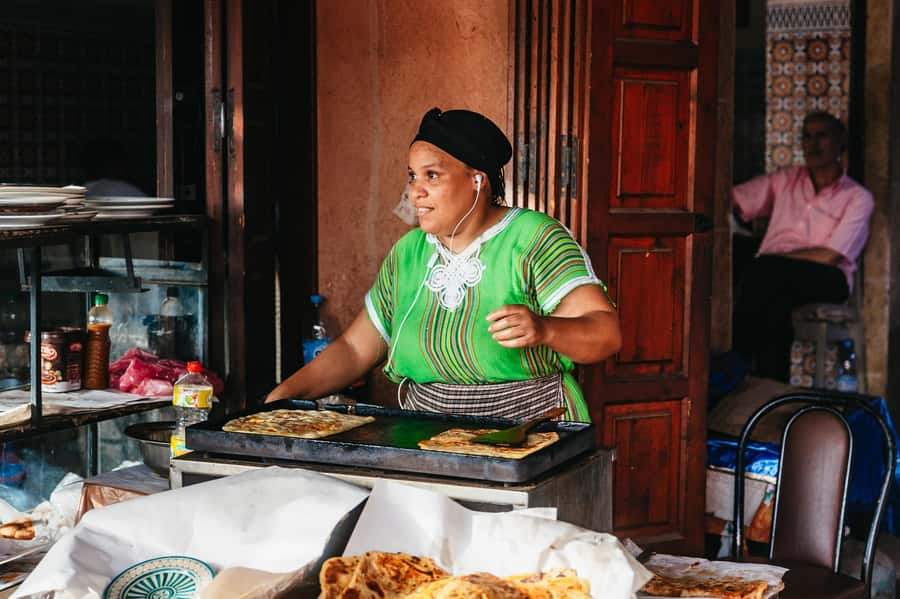
You then try Msemmen with Moroccan mint tea. Msemmen is a pan-fried pancake, often crisp at the edges and soft within. It may be served with honey and cheese, which gives you a sweet and savory combination in one sitting.
Fakya adds a festive touch. This mix of dried fruit and nuts is commonly prepared for family and social celebrations. It is less about one dramatic flavor than about understanding how food is shared and offered during special occasions.
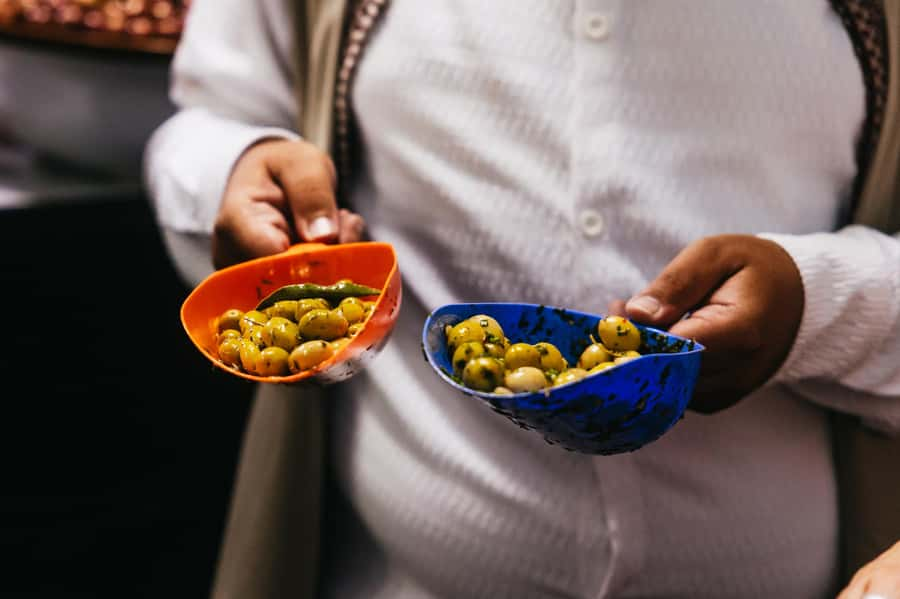
Moroccan olives provide another useful lesson in variety. The green olives are described as creamy and smooth, while the red olives are tossed with parsley and cilantro. Olive lovers will have plenty to sample, and even those who usually ignore the olive bowl may find a style they prefer.
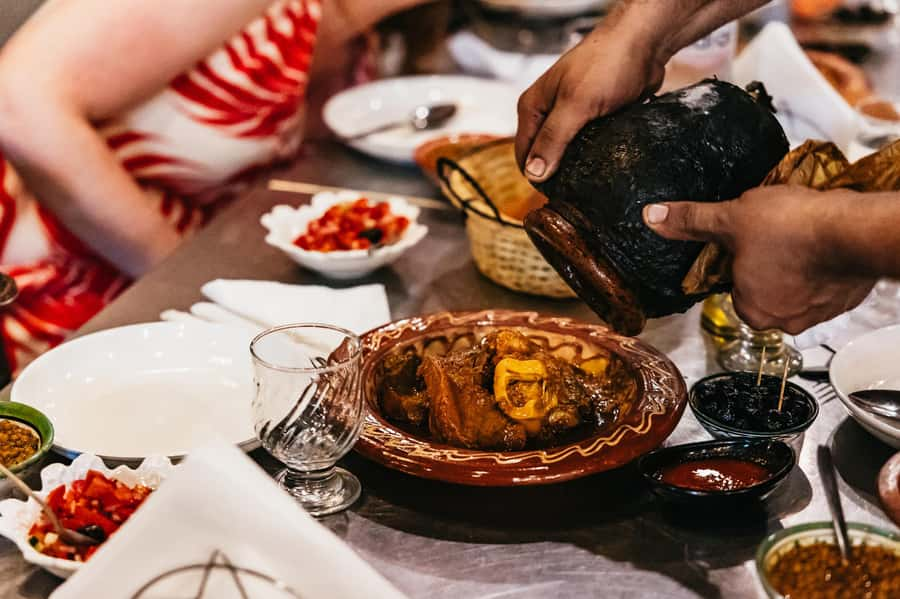
Dinner on this route takes place at a cozy local restaurant. You receive a fresh Moroccan salad, followed by a hearty Tajine. The meal ends with Raïb, a homemade yogurt that offers a cool, gentle finish after the stronger flavors of the evening.
The benefit of this route is balance. You get soup, pastry, pancakes, preserved and dried foods, olives, a main course, and dessert. The drawback is obvious: it is a lot of food, especially if you have been snacking all day.
Route two: Msemen Amer, Sfenj, and the open-air grill
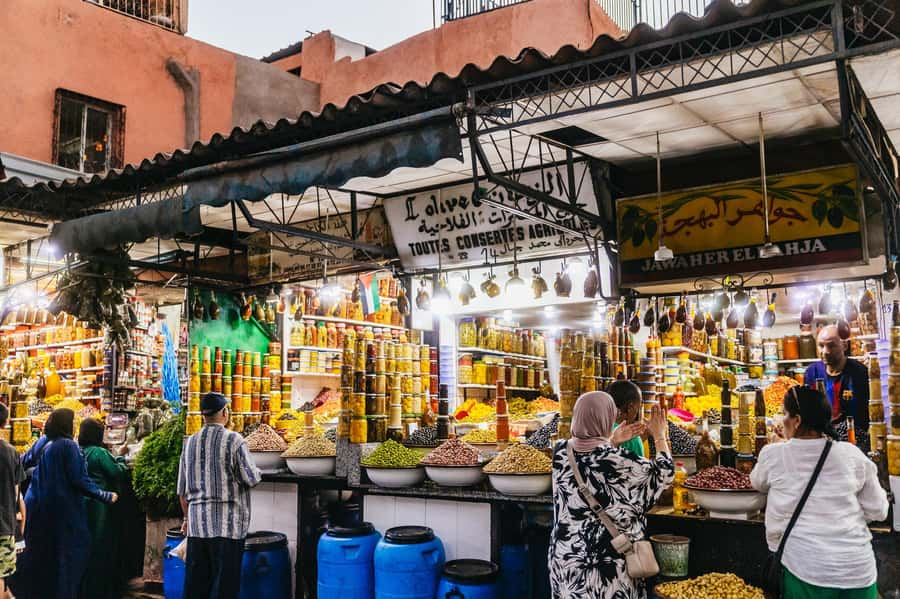
The second route begins with Msemen Amer, a Moroccan pancake filled with savory ingredients, often spiced vegetables. It is a good reminder that Msemen is not only a sweet teatime snack.
Harira and Chebakia appear here as well. Their pairing gives you a direct taste of an important Moroccan food custom, especially if your visit overlaps with Ramadan. One guest who joined during Ramadan found that the timing around sunset added another layer to the experience, although the stated dinner arrangement changes during that period.
Makkla bel Kefta is the Moroccan answer to the general idea of Shakshouka. It combines eggs with spiced meat and sauce. This is the sort of dish that shows how familiar cooking ideas can take on a distinct local character.
Sfenj follows. These Moroccan doughnuts are crisp on the outside and airy inside. They are a favorite street snack, and they make a nice contrast with the denser almond pastries from the first route.
Lhindiya, or cactus fruit, offers a fresh pause. It is refreshing in hot weather and gives the meal a different texture after fried food, soup, and pancakes. You may also try Panaché, a colorful smoothie made from seasonal fruit.
The more adventurous tasting on this route is Rass Mbekher, delicately steamed sheep’s head seasoned with cumin. It may sometimes be replaced by local Chawarma, made with chicken or crispy falafel. This replacement is useful for anyone who does not want to try sheep’s head, but you should ask your guide what is being served that evening.
Khoudenjal comes as a hot herbal drink made from galangal root. It is traditionally enjoyed as a comforting drink in cold weather and is associated with digestion. It gives the route a calmer pause before dinner.
The evening finishes with an open-air Chwa experience, meaning Moroccan barbecue. The grill may include beef, turkey, and liver. This is a meat-focused ending, so vegetarians should tell the guide early. One vegetarian participant received substitutions throughout the tour, but it is still wise to state your needs at the beginning rather than hope the right alternative appears.
More dinner experiences in Morocco:
- Authentic Moroccan Food Tour in Marrakech with Dinner
★ 5.0 · 1,423 reviews - Marrakech: Jemma El Fnaa Food Tour with Dinner
★ 4.7 · 394 reviews - Bateaux Parisiens Seine River Gourmet Dinner & Sightseeing Cruise
★ 4.5 · 6,930 reviews - Rome: Gourmet Food Tour with Dinner & Barolo Wine
★ 4.9 · 2,347 reviews
The herbalist stop adds context, not just another tasting
Depending on the route and the pace, your guide may stop at a traditional herbalist’s shop. This is a short break where you can learn about Moroccan spices, drink mint tea, and use the restroom.
The stop is useful because it breaks up the eating. A food tour can become a blur of plates and cups, especially when several tastings arrive close together. The herbalist visit gives your guide a chance to explain ingredients in a different setting.
Keep your expectations sensible. This is not presented as a long shopping visit or a separate workshop. It is a brief stop, and the exact timing depends on the evening. Some guides make it especially entertaining. Mo, the herbalist mentioned by name, left a strong impression through his friendly presentation.
What the guides add to the food
The guides are a major part of the experience. Yaya and Yahya are praised for making groups feel at ease, explaining food clearly, and adding jokes without turning the tour into a comedy act. Ali is described as warm and well informed about Moroccan food customs, while Rachid has been praised for handling different preferences and explaining each stop.
Names vary because the tour uses more than one guide. That means your experience will depend partly on who leads your group, but the repeated strengths are clear: friendliness, local stories, and practical help beyond the food itself.
A good guide can explain why a soup is paired with a sweet, how a dish fits into family life, and which foods are connected with celebrations. Guides have also shared advice about Marrakech beyond the tour, including how to feel more comfortable in the Medina and where to return for another meal.
I especially like the way this turns a food tour into a gentle introduction to the city. If the Medina feels hectic at first, walking with someone who knows the lanes can make the setting easier to read. You still experience the noise and movement, but you are not trying to decode every stall alone.
Is $52 good value for three hours?
At $52 per person, this is not the cheapest way to eat in Marrakech. You can buy individual snacks for much less. The value comes from the number of tastings, the guide, the cultural explanation, and the final dinner.
The food alone can add up quickly when the evening includes soup, pastries, pancakes, olives, fruit, drinks, a main course, and dessert. Some participants describe 13 or even 17 food experiences before counting dinner. The tour also removes the guesswork that comes with choosing unfamiliar Medina stalls.
You are paying for confidence as much as quantity. A guide can point you toward places you might not try on your own and explain what you are eating before you take the first bite. That is especially useful during your first days in Marrakech.
The value is strongest if you treat this as an introduction rather than a single meal. Afterward, you may know which snacks to seek out again and which foods are not for you. If you already know Marrakech well and mainly want a quiet dinner, a food walk may feel too busy and too filling.
Who should book this food walk?
I would recommend it to first-time visitors, curious eaters, and anyone who wants help finding local food in the Medina. It suits people who enjoy variety more than a slow, formal meal.
Families can also enjoy it. One family with children aged seven to twelve found the mix of sweets, snacks, and stories worked well for the whole group. Still, the three-hour length and large amount of food may be tiring for younger children, so pace yourself.
Vegetarians should mention it at the start. Substitutions have been provided before, but the second route may include a heavily meat-based barbecue, and the sheep’s head tasting is clearly not designed for every palate.
This is less suitable if you have strict dietary restrictions that cannot be accommodated, dislike walking in crowded market areas, or want a fixed menu. The route and dishes change, so flexibility is part of the deal.
Practical details that matter
The tour is conducted in English and lasts about three hours. Hotel transfers are not included, and both the start and finish are at Poste du Maroc on Rue Beni Marine.
Free cancellation is available up to 24 hours before the activity for a full refund. You can also reserve and pay later, which helps if your Marrakech schedule is still shifting.
The experience is listed at a 4.8 rating from 261 bookings, and the praise centers on food variety, guide personality, local access, and value. The most useful advice is simple: wear good shoes, eat lightly beforehand, and tell your guide about dietary needs before the first stop.
Should you book it?
Book this tour if you want a friendly way to get your bearings in Marrakech while eating far more than you expected. The strongest reasons are the broad tasting list, the chance to try local specialties such as Babouche and Sfenj, and guides who make cultural explanations feel personal rather than academic.
I would book it early in your stay. You can return to the places you liked, use the food vocabulary you picked up, and feel less uncertain when choosing a stall later. Skip it if you prefer a quiet, predictable dinner or need a guaranteed menu.
For most curious eaters, $52 is fair value for three hours of food, walking, and local guidance. Just save room for the Tajine, because the tour is not finished when the snacks are.
FAQ
Where does the Marrakech food tour start?
Meet your guide in front of Poste du Maroc on Rue Beni Marine.
Where does the tour finish?
The tour returns to Poste du Maroc, the same place where it starts.
How long does the food tour last?
The experience lasts three hours.
What language is the tour conducted in?
The live tour guide speaks English.
Is hotel pickup included?
No. Hotel pickup and drop-off are not included.
What food might I try?
Possible tastings include Harira, Chebakia, Babouche, Msemmen, Moroccan pastries, olives, Fakya, Sfenj, Panaché, cactus fruit, and traditional Moroccan drinks. The exact route can change.
Is dinner included?
Yes. Dinner may be a Tajine at a local restaurant or an open-air Chwa barbecue. The dinner arrangement is not available during Ramadan.
What should I bring?
Bring comfortable walking shoes. You should also arrive with a light appetite because the tour includes many tastings and a full dinner.
More dining experiences in Morocco
- Sorrento Farm and Food Experience including Olive Oil, Limoncello, Wine tasting
★ 5.0 · 2,524 reviews - Porto Food & Wine Tasting Tour with Lunch or Dinner Option
★ 5.0 · 2,303 reviews - Lisbon: Baixa District Food Tour with Dinner and Drinks
★ 4.9 · 1,997 reviews - Paris 3-Courses Gourmet Dinner Seine River Cruise with Champagne
★ 4.0 · 1,659 reviews
Just added in Morocco
- Casablanca Food Tour★ 5.0 · 60 reviews
- Casablanca Food Tour – Moroccan Street Food Tour★ 5.0 · 86 reviews
- Discovery of Moroccan Culinary Heritage, History and Secrets★ 4.5 · 48 reviews
- Authentic Food Tour in Agadir – Eat Like A Local★ 5.0 · 117 reviews
- Tangier: Food Walking Tour★ 4.9 · 43 reviews
- Rabat: Walking Food Tour★ 4.9 · 48 reviews
- Marrakech Night Street Food Tour / Taste The Real Marrakech★ 4.9 · 200 reviews
- Marrakech: Medina Stories Food Tour with 15+ Tastings★ 5.0 · 141 reviews
Food Walking Tours, compared.
Reykjavik Food Walk – Local Foodie Adventure in Iceland
Read our review →
New Orleans Food Walking Tour of the French Quarter with Small-Group Option
Read our review →

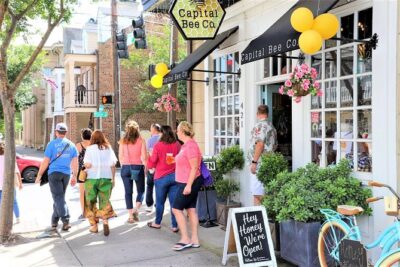
Savannah First Squares Culinary & Cultural Walking Food Tour
Read our review →
Guided Food Walking Tour with Wine in Trastevere
Read our review →
Trastevere & Campo de Fiori Street Food Walking Tour
Read our review →Browse the lists this tour appears in