
REVIEW · MARRAKECH FOOD TOURS
Marrakech Night Street Food Tour / Taste The Real Marrakech
Come hungry, then let Marrakech feed you. This four-hour night walk through the Medina and Kasbah combines local food stops with stories about Moroccan cooking, religion, trade, and daily life. I like the wide range of dishes, from msemen pancakes and harira to tangia and sardines, and I like that guides such as Nour, Omar, Mustafa, and Mohammed take you into places you likely would not find alone.
The main drawback is simple: there can be almost too much food. Several tours have lasted longer than four hours, and some people were still full the next morning. You also need to remember that transportation is not included, even though the description refers to walking and driving through different neighborhoods.
The quick take
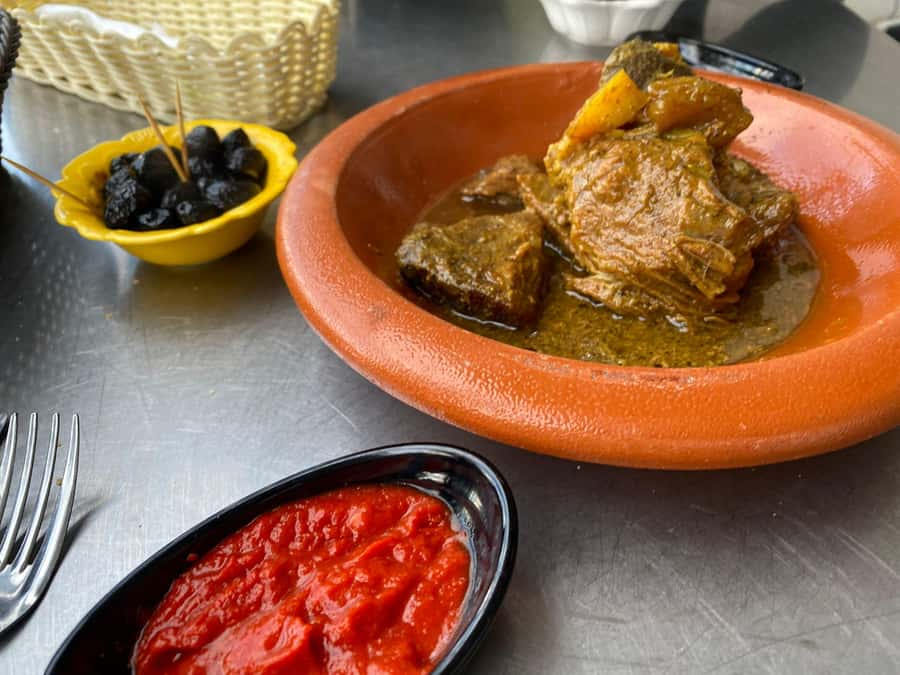
- Tangia cooked in hammam embers: A slow-cooked meat dish prepared in a traditional way, and one of the most praised parts of the evening.
- A serious amount of food: This is not a few polite samples. Plan on many dishes and generous portions.
- Five or more local stops: You may try soup, pancakes, sardines, stews, doughnuts, sweets, juice, and more.
- A small group of up to 10: Small enough for questions and conversation without turning the walk into a parade.
- Culture between courses: Guides explain cooking methods, Moroccan customs, Jewish and Berber influences, and local life.
- Best booked early in your trip: It gives you a useful introduction to food and helps you understand what to order later.
Starting at Café de France after dark
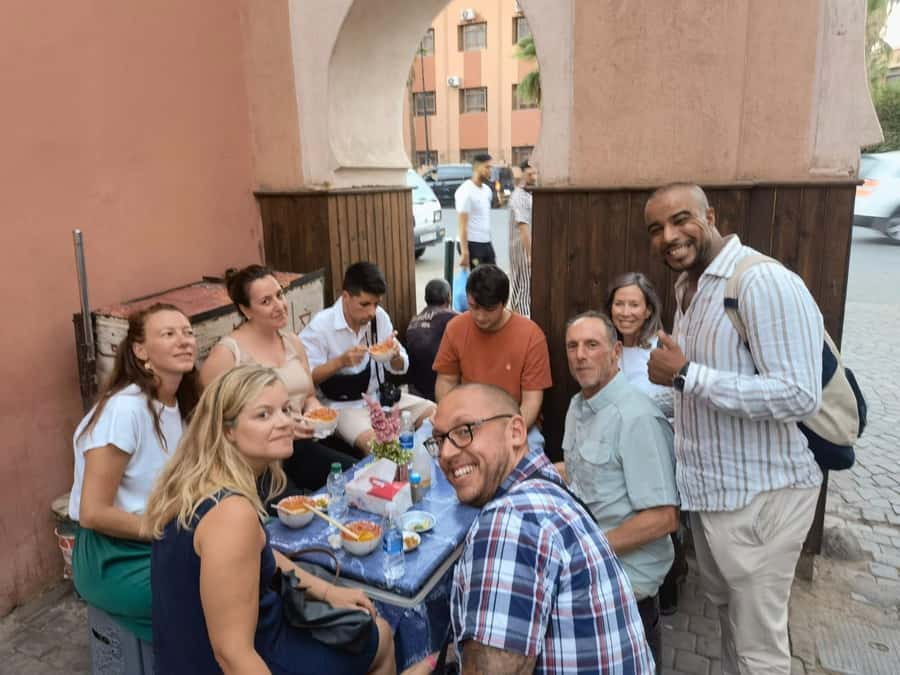
The meeting point is in front of Café de France, a useful landmark in the city center. The guide explains the route before the group sets off, then leads you through local streets, markets, and quieter corners of Marrakech.
This is not a sit-down dinner in one restaurant. It is a moving meal, with food appearing at several stops. You walk through the Medina and Kasbah, and the route can take you into areas where local people eat and gather rather than keeping you on the main tourist circuit.
That setting matters. Moroccan food makes more sense when you see how it fits into daily life. A pancake eaten at a small food stop, a bowl of soup served in the evening, or a tangia prepared for a group tells you more than a menu description can.
The night setting adds atmosphere, but it also brings practical demands. You need comfortable shoes, a willingness to walk, and enough flexibility to follow the guide through busy lanes and smaller streets. The group is limited to 10 people, so you should not be dealing with a large tour crowd.
More street food tours in Morocco:
- Marrakech: Street Food Tour with a Local Guide
★ 4.9 · 3,119 reviews - Marrakech: Street Food Tour by Night
★ 4.8 · 2,838 reviews - Casablanca Food Tour – Moroccan Street Food Tour
★ 5.0 · 86 reviews
Msemen, harcha, and the first taste of Moroccan comfort food
The early part of the evening introduces two Moroccan pancakes: msemen and harcha. Msemen is folded and pan-cooked, while harcha is made with semolina and has a different texture. Both are everyday foods, not fancy restaurant creations, which makes them a good opening to the tour.
You may also try tea or coffee with these first tastes. Moroccan tea is tied closely to hospitality, and the guide uses the food as a starting point for explaining how dishes are made and when people eat them.
Do not make the mistake of treating these as the whole meal. Portions are described as generous, and more stops follow. I would keep lunch light and skip a large dinner before meeting the group.
Harira and chebakia: a lesson in sweet and savory balance
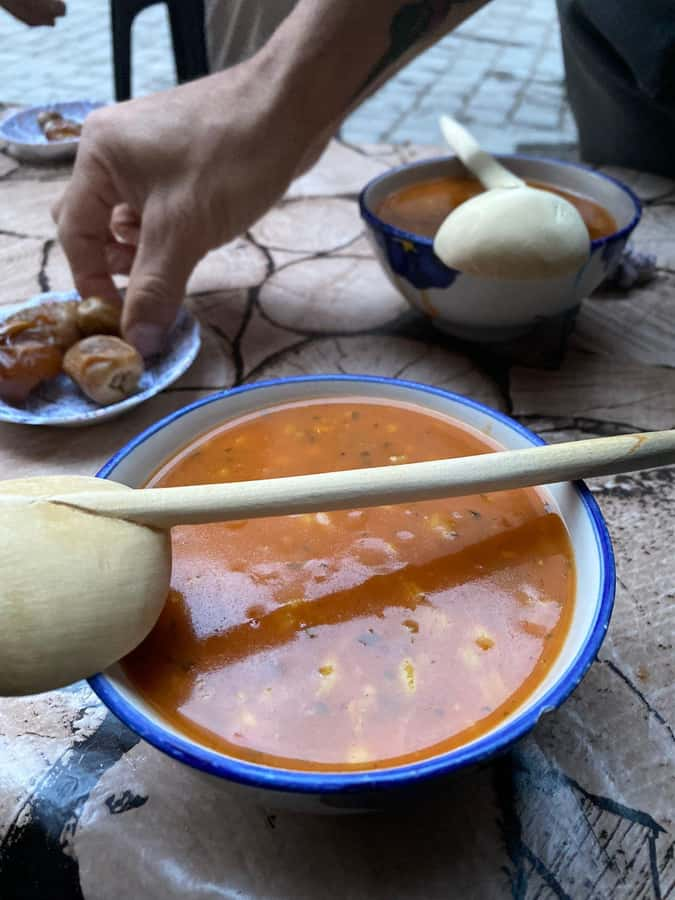
Harira, a famous vegetarian soup, brings a softer and more filling course. It is especially associated with Moroccan home cooking and is often served as part of a larger meal. Here, it gives you a chance to try a familiar local staple before the heavier dishes arrive.
Chebakia adds the sweet side of the Moroccan table. These pastries are made for snacking and dessert, with a texture and flavor that contrast with the soup. The tour includes sweets throughout the evening, so you are not limited to savory street food.
The useful part is the range. You are not simply tasting versions of the same dish. You move from soup to pastry, from bread-based foods to meat, fish, eggs, and fruit drinks. That variety helps you work out which parts of Moroccan cooking you want to explore more deeply during the rest of your stay.
Tangia, stews, and the food that earns its own stop
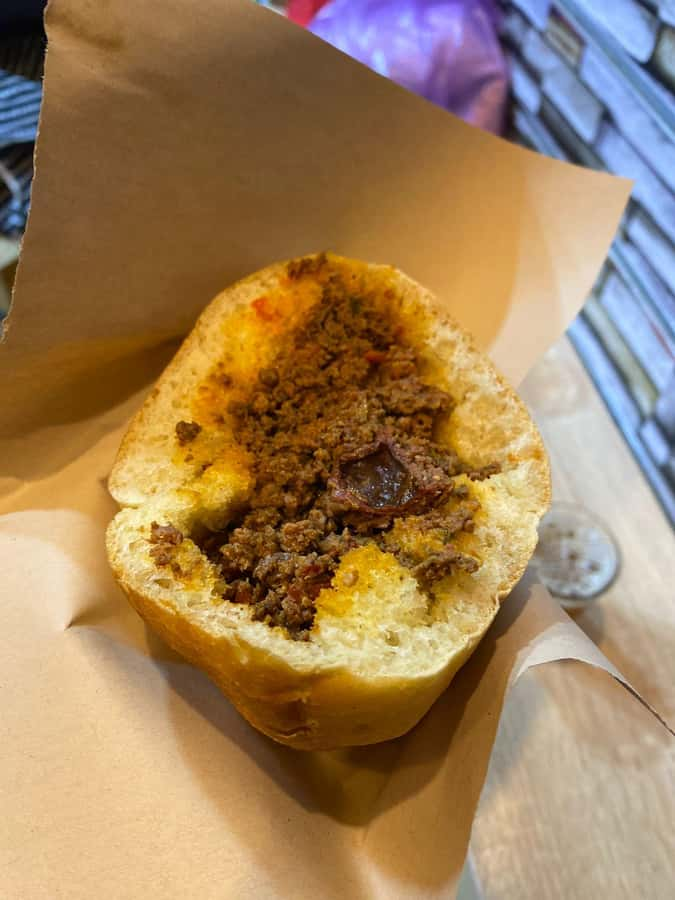
Tangia is the dish that seems to leave the strongest impression. It is a slow-cooked Moroccan meat stew, traditionally prepared in a special container and cooked for hours. Several guides have prepared tangia themselves, and some groups have seen it cooked in the embers of a hammam.
That hammam connection gives the dish a memorable setting. The cooking area can also reveal something about the working life behind Marrakech’s public baths. One evening included a look at the boiler room, where a tangia was cooked by the boiler staff. This is more than a plate of meat. It links food to the city’s older systems of work and neighborhood life.
The exact tangia experience can vary by guide and route, so you should not assume every group will see the same preparation. Still, tangia is clearly a central part of the experience, and it is a dish you might not order confidently on your own.
Moroccan stews may also appear, along with chicken or minced liver depending on the evening. These dishes show how much flavor can come from slow cooking, spices, and simple ingredients. The point is not fine dining. It is food made to nourish people, often in large quantities and with patience.
More evening experiences in Morocco:
- Evening Marrakech: Gastronomic and Market Tour Inside the Medina
★ 4.5 · 283 reviews - Night Tour of Casablanca with Street Food Tasting
★ 4.8 · 29 reviews - Winner 2025 Florence Sunset Food & Wine Tour by Eating Europe
★ 5.0 · 5,015 reviews - Saigon By Night and Street Food By Motorbike | Opt: Ao Dai Riders
★ 5.0 · 4,066 reviews
Sardines, eggplant, and the savory middle of the tour
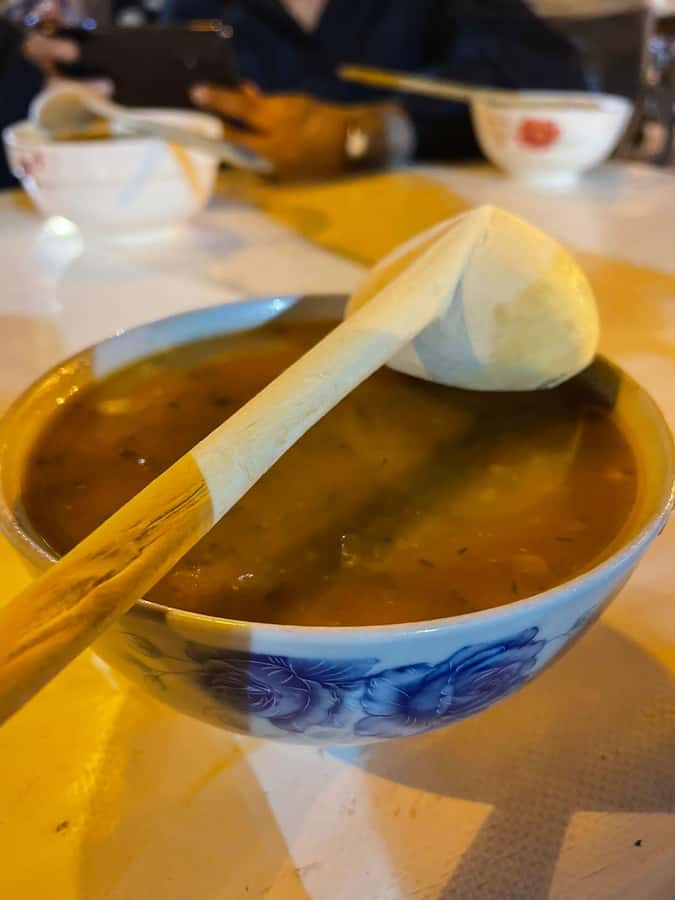
Fried sardines with eggplant and vegetables bring a distinctly local street-food flavor. Fish is an important part of Moroccan cooking, and sardines offer a sharp change from the richer meat stews.
You may also get a sardine sandwich or another local preparation. This is where the tour can feel most like a food crawl rather than a standard cultural walk. You stop, eat, listen, and move on before the next smell pulls you around the corner.
There is a practical issue here: if you are not keen on fish, you need to say so early. The menu is broad, but the food is not designed only for cautious eaters. The organizers ask you to report allergies so alternatives can be arranged, and guides have worked to provide suitable options for vegetarians and vegans. Still, the menu is strongly meat focused, so strict vegetarians should confirm what substitutions are available before booking.
Chfnj, eggs, tomatoes, and the final sweet courses
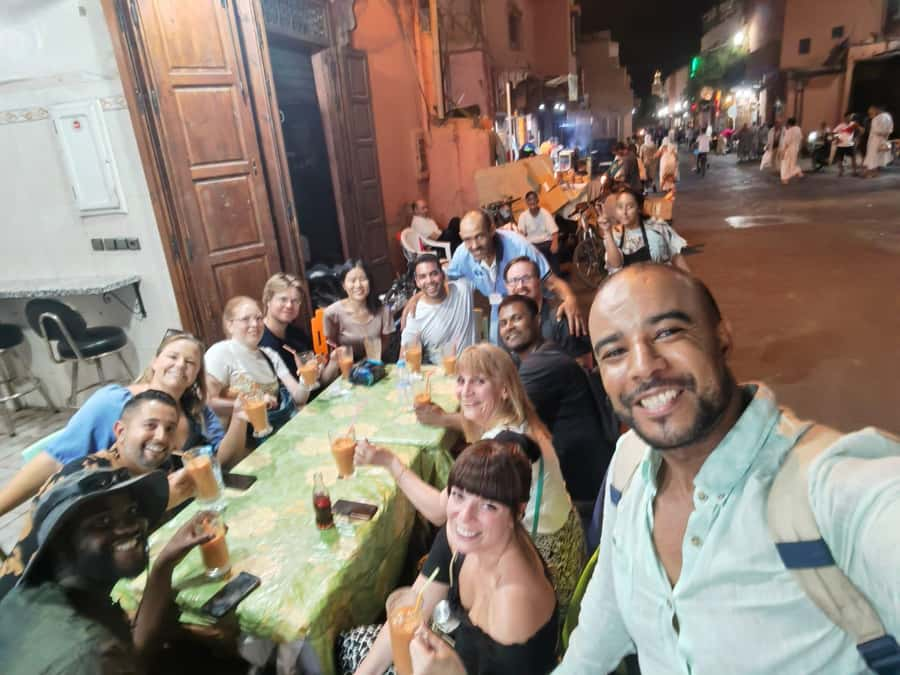
Chfnj, described as Jewish doughnuts, is served with tea. This stop adds a reminder that Marrakech’s food traditions draw from more than one community. The guide can explain the cultural background while you eat, which makes the dish more meaningful than a quick pastry sample.
Lbid o Maticha, a Berber omelet with eggs and tomatoes, brings another simple but satisfying dish. It shows how a few basic ingredients can become a full meal when cooked with care and the right seasoning.
Later tastes may include raïb, a frozen yogurt, fresh fruit juice called assir, and additional sweets. At this stage, the challenge is not finding something to eat. It is deciding how much you can manage.
The repeated advice to arrive hungry is not casual travel talk. You may eat enough during the tour to replace dinner, and some groups have struggled to finish every course. I like that the guides encourage you to try the full range, but you should feel free to pace yourself. You do not need to prove anything to the final plate of food.
Guides who explain more than what is on the plate
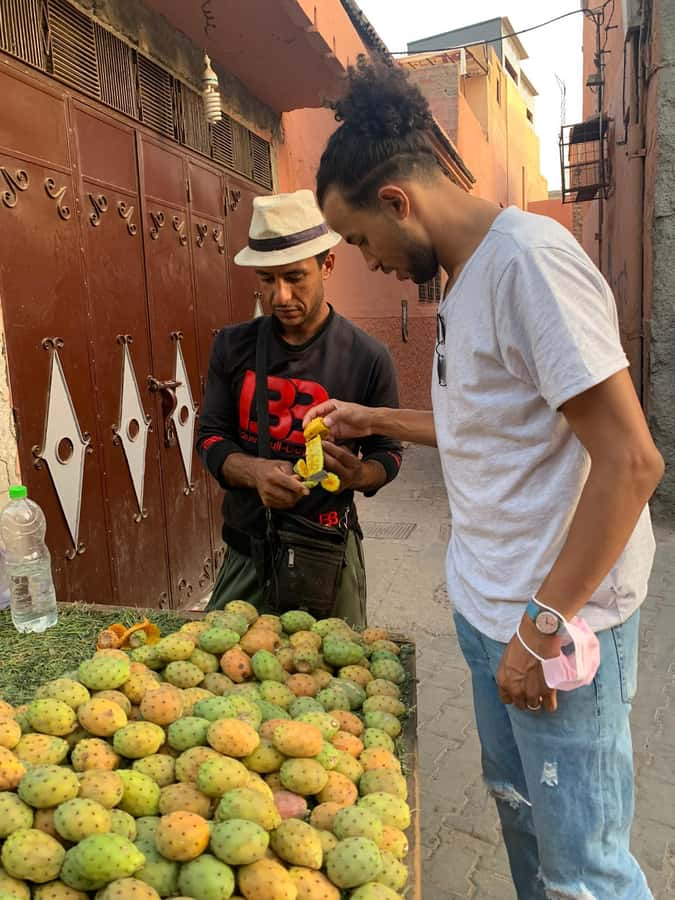
The food is only half the reason to book this experience. Nour is often praised for his energy, humor, and passion for Moroccan culture. Omar is also known for explaining dishes clearly and adapting to the group. Other evenings have been led by Mustafa, Mohammed, Khawla, and Nurdin.
The guide team can explain ingredients, cooking methods, and the customs attached to certain foods. They also discuss topics such as the role of sugar in Moroccan history, door knockers, Jewish and Berber food traditions, and the way different communities have shaped local cuisine.
That extra context turns the walk into a compact introduction to Marrakech. You are not just asking what something is. You are learning why it is prepared, who eats it, and where it fits in local life.
The guides also seem to take their duty of care seriously. On some evenings, they helped people arrange taxis or tuk-tuks home. That does not replace making your own transport plan, but it is reassuring if the tour finishes later than expected.
Why the $56 price can be good value
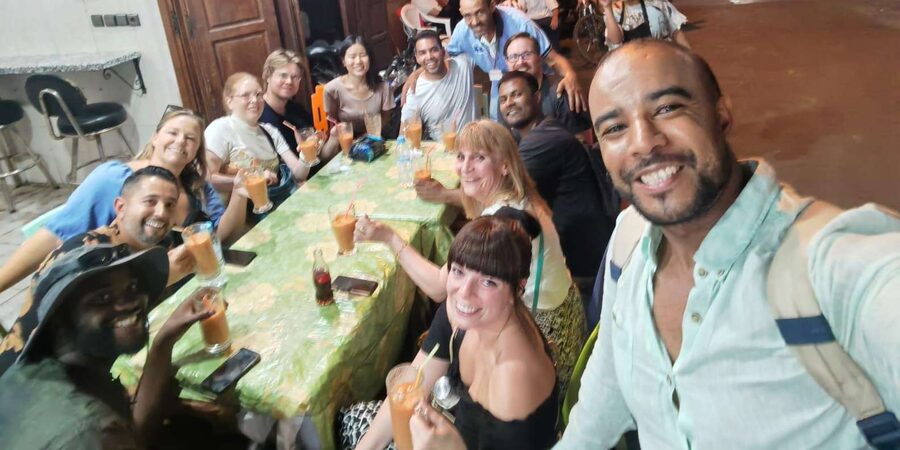
At $56 per person, the tour costs more than simply buying snacks from a market stall. That comparison misses the point. The fee covers a local bilingual guide, all food, coffee or tea, and bottled water. You are paying for a sequence of tastings, interpretation, navigation, and access to places you may not identify by yourself.
The quantity is a major part of the value. This is closer to a full evening meal plus a walking tour than a handful of samples. If you bought every dish separately, paid for drinks, and tried to find the same small local stops without help, the price would look more reasonable.
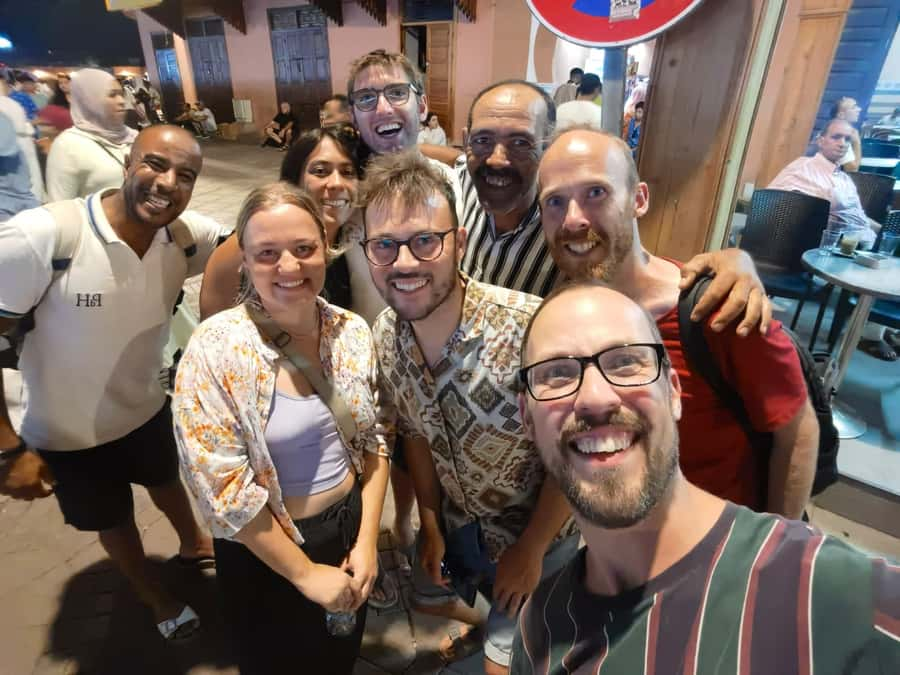
The small group helps too. Ten people is a practical upper limit for narrow Medina lanes. You can ask about a dish without waiting through a long line of questions, and the guide can keep an eye on allergies and dietary needs.
There are limits. Transportation is not included, and the route may last longer than the stated four hours. If you have a late reservation, a fixed pickup, or limited stamina, allow extra time. Some people found the long evening tiring, though the additional stories and food made the extra time worthwhile for them.
Cancellation is flexible up to 24 hours before the activity for a full refund, and you can reserve while paying later. The tour is listed as wheelchair accessible, though the exact street conditions and route should still be confirmed if that is important for you.
The best night to schedule it
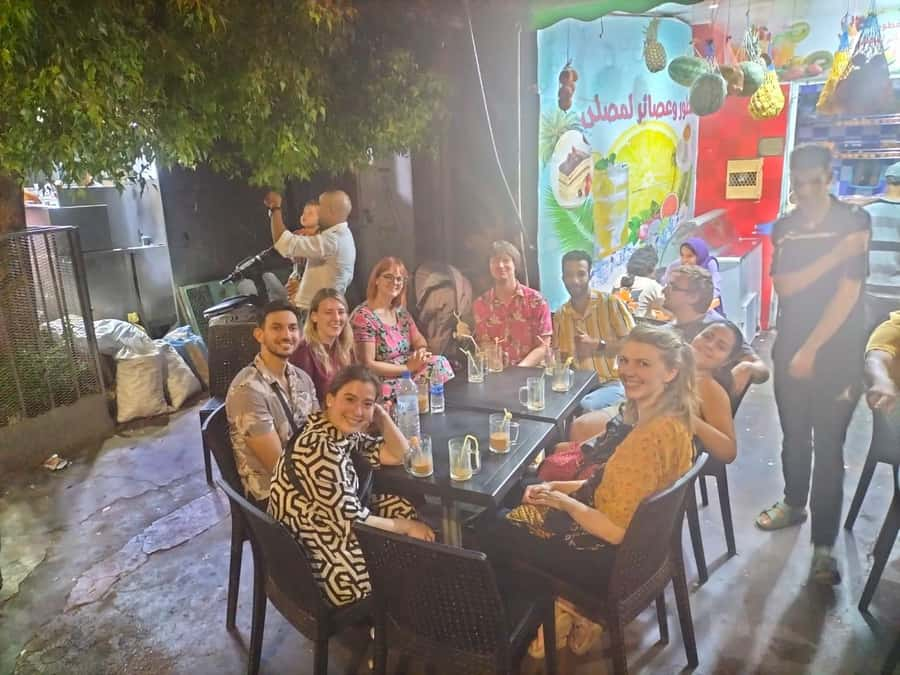
I would choose this for your first evening in Marrakech, assuming your arrival time allows it. The tour gives you a practical food map and teaches you dishes you can look for later, especially tangia, harira, msemen, and local sweets.
It also helps with the first-night problem of standing in the Medina with no idea which doorway leads to a good meal. After four hours with a guide, the city’s food scene should feel less mysterious.
Book it later if you prefer to settle in first or if you already have a full day of walking planned. The combination of walking, eating, and listening can be tiring, especially in hot weather. Evening temperatures may help, but the experience still asks you to stay on your feet and keep moving.
Who should book this Marrakech food walk?
You are a strong match if you:
- Enjoy trying unfamiliar foods rather than ordering only what you recognize.
- Want local context with your meal.
- Prefer small groups to large bus tours.
- Like walking through ordinary neighborhoods.
- Want a friendly introduction to Moroccan cuisine.
- Can comfortably eat a large amount over several hours.
It is less suitable if you want a short tasting with tiny portions, dislike meat or fish, or need the evening to finish at an exact time. Vegetarians and vegans may receive alternatives, but the tour is not built around a plant-only menu. Tell the organizers about allergies in advance so they can plan replacements.
Should you book the Taste The Real Marrakech tour?
Yes, if food is one of your main reasons for visiting Morocco and you want more than a restaurant meal. The strongest parts are the quantity, the range of dishes, the local neighborhoods, and guides such as Nour and Omar who connect every course to Moroccan culture.
Go with an empty stomach and comfortable shoes. Treat the four-hour duration as a minimum rather than a hard finish, and do not assume transportation is part of the price. If you accept those conditions, $56 buys a generous, social, and unusually practical introduction to Marrakech after dark.
FAQ
How long does the Marrakech Night Street Food Tour last?
The stated duration is four hours. Some tours have lasted longer, so allow extra time if you have evening plans afterward.
How much does the tour cost?
The price is $56 per person.
Where does the tour meet?
Meet the guide in front of Café de France.
What food is included?
Food may include msemen, harcha, harira, chebakia, tangia, Moroccan stews, sardines with eggplant, chfnj, l bid o maticha, raïb, assir, sweets, and other local dishes.
Are drinks included?
Yes. Coffee or tea and bottled water are included. Fresh fruit juice may also be part of the tasting selection.
Is transportation included?
No. Transportation is not included in the price.
How many people are in the group?
The tour is a small-group experience limited to 10 participants.
Is the tour available in English?
Yes. A live English-speaking guide leads the experience.
Can dietary needs or allergies be accommodated?
You should tell the organizers about allergies in advance so alternatives can be provided. Suitable options have also been offered to vegetarian and vegan participants, though the menu includes a substantial amount of meat and fish.
Just added in Morocco
- Casablanca Food Tour★ 5.0 · 60 reviews
- Casablanca Food Tour – Moroccan Street Food Tour★ 5.0 · 86 reviews
- Discovery of Moroccan Culinary Heritage, History and Secrets★ 4.5 · 48 reviews
- Authentic Food Tour in Agadir – Eat Like A Local★ 5.0 · 117 reviews
- Tangier: Food Walking Tour★ 4.9 · 43 reviews
- Rabat: Walking Food Tour★ 4.9 · 48 reviews
- Marrakech: Medina Stories Food Tour with 15+ Tastings★ 5.0 · 141 reviews
- Marrakesh: Guided Street Food Tasting by Locals★ 4.6 · 47 reviews
Street Food Tours, compared.
Ho Chi Minh City Street Food Tour & Sightseeing By Motorbike
Read our review →
Small Group Hanoi Street Food Tour with a Real Foodie
Read our review →
Saigon By Night and Street Food By Motorbike | Opt: Ao Dai Riders
Read our review →
Private Street Food Tour by Motorbike/Car with Local Students
Read our review →
Cinque Terre Park Day Trip with Optional Street Food
Read our review →
Street Food Tasting & Sightseeing Tour by Motorbike
Read our review →Browse the lists this tour appears in