
REVIEW · ROME FOOD TOURS
Rome: Eat Like a Roman Ghetto & Campo de’ Fiori Food Tour
Rome tastes better on foot. This 2.5-hour tour links Campo de’ Fiori and the Jewish Ghetto with a generous run of Roman street food, from crisp supplì to porchetta sandwiches and fried artichokes. I like the smart mix of eating and sightseeing, and I like that the route includes smaller food stops instead of only famous monuments. The main thing to consider is the amount of food: this is much closer to lunch than a light sampling session.
The history gives the meal a useful frame. You pass Piazza and Passetto del Biscione, Largo di Torre Argentina, the Portico d’Ottavia, Teatro Marcello, and the Pantheon while your guide explains how local dishes connect with Rome’s neighborhoods and traditions. Guides such as Daniele, Matteo, Silvia, Alessandra, Leonardo, and Arianna have been praised for humor, local tips, and an easy way with families.
This is a strong first-day activity, especially if you want help finding food beyond the usual tourist menus. Vegetarian choices are available, but the tour is not suitable for vegans or people with gluten intolerance. Morning departures add the Campo de’ Fiori market and tastings of products such as olive oil, truffle sauces, and vinegar.
Key points to know before booking
- The food is substantial: Supplì, porchetta, pizza, fried artichoke, and gelato can easily replace a meal.
- Morning tours offer more: The market visit and oil, truffle, vinegar, cheese, and other product tastings are tied to morning departures.
- The route mixes food with Rome’s past: You pass Caesar’s assassination site, the Pantheon, the Portico d’Ottavia, and other landmarks without entering them.
- The Jewish Ghetto is a food highlight: Carciofo alla Giudia, the famous Jewish-style fried artichoke, gives the tour a clear sense of place.
- The guides make the difference: Daniele, Matteo, Silvia, Alessandra, Leonardo, and others are praised for warmth, humor, food knowledge, and restaurant advice.
- The limits matter: Vegetarian diets can be accommodated, but vegan and gluten-free visitors should choose another tour.
Starting near Piazza Navona and Chiostro del Bramante
The meeting point is by the fountain in the middle of Piazza di San Simeone, a short walk from Piazza Navona. This is a convenient central location, but look for the guide at the fountain rather than assuming the group will be beside a major monument.
The route begins on foot and passes the Chiostro del Bramante before reaching the first food stop. You do not tour the cloister as part of this experience, so treat it as scenery and a useful orientation point. The opening walk is short, with several stops close enough together to keep the pace comfortable.
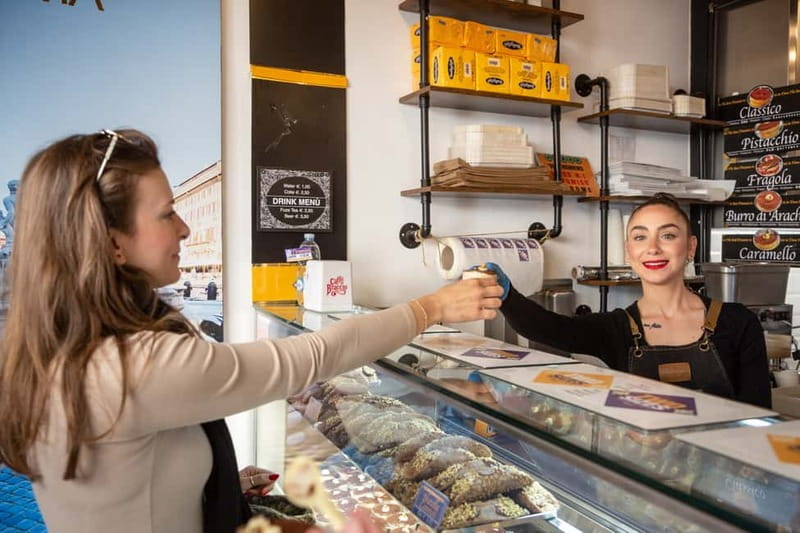
The first tasting takes place at a local restaurant. The food may vary slightly by departure, but the planned Roman specialties include supplì and panini filled with porchetta. Supplì is a fried rice ball, often crisp outside and soft within, while porchetta is seasoned roast pork served in a sandwich.
I like this beginning because it introduces two foods that can be easy to miss when you order only pasta and pizza. It also starts the tour with something filling, so you are not waiting until the middle of the walk for your first proper bite.
A few more food tours in Rome worth a look
- Winner 2025 Rome Twilight Trastevere Food Tour by Eating Europe
★ 5.0 · 5,157 reviews - Rome: Street Food Tour with Local Guide
★ 4.8 · 4,077 reviews - Rome Food Tour: Unlimited Tastings with Fine Wine & Barolo
★ 5.0 · 3,365 reviews
Supplì, porchetta, and the Roman street-food lesson
Supplì is one of the tour’s most useful introductions. It is portable, inexpensive, and closely tied to everyday Roman eating, but many first-time visitors pass it by because it looks like an ordinary fried snack. Your guide explains what you are eating and connects it with Roman food customs.
The porchetta sandwich gives you a second texture and flavor profile. Expect tender pork, seasoning, and bread rather than a delicate tasting portion. Several food stops use full servings, so I would avoid a large breakfast or lunch before arriving.
The tour then continues to another small food stop before reaching Campo de’ Fiori. These short walks help burn off a little of the meal, though the route is still a steady eating tour rather than a long city hike.
A useful feature is the social side of the stops. Past participants have described sitting together, chatting with guides, and receiving food and restaurant suggestions suited to their interests. Guides may also point out places to eat later in your stay, which adds value beyond the scheduled tastings.
Campo de’ Fiori is best in the morning
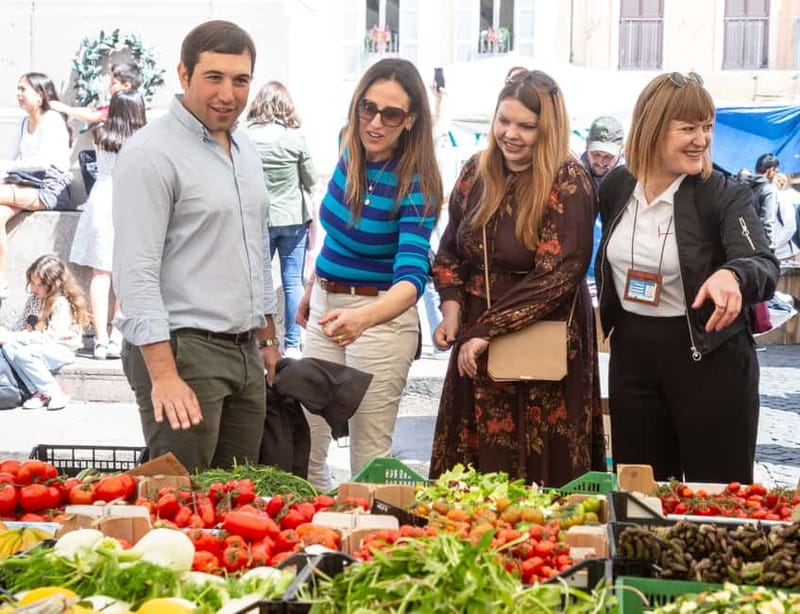
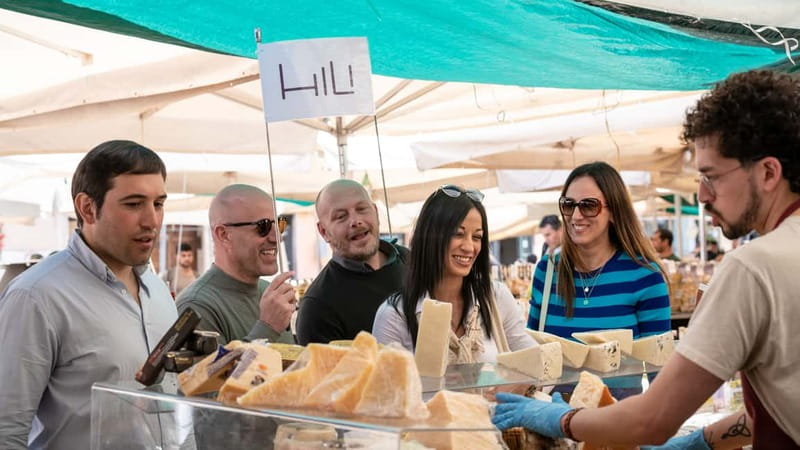
Campo de’ Fiori is the scenic center of the food portion, but timing matters. Morning tours include the local market, while later departures may pass through the square without the same market experience.
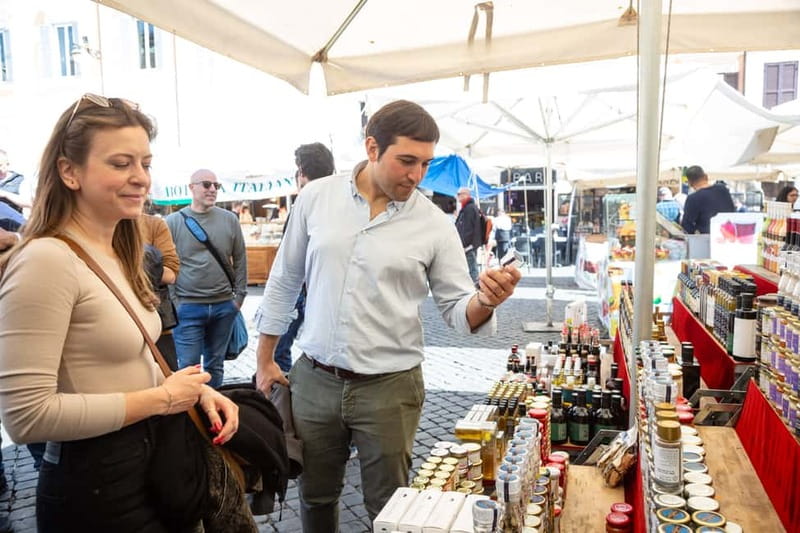
At the market, you may taste products such as olive oils, truffle sauces, balsamic vinegars, cheeses, pesto, pistachio cream, and other Italian specialties. The exact selection can vary, and drinks are officially not included, though some past departures included small servings such as prosecco or limoncello. I would treat those as possible extras, not guaranteed inclusions.
The market stop is more than a chance to buy souvenirs. It lets you compare flavors and ask how products are used in Italian kitchens. Several people have found the truffle and balsamic tastings especially memorable, while some bought products to take home. If you do shop, remember that the tour’s purpose is tasting, not a dedicated market-shopping session.
Campo de’ Fiori also gives you one of the liveliest settings on the route. You get a working market atmosphere in the morning, but it can be crowded and noisy. Stay close to the guide, especially if you are traveling with children.
Pizza at a local bakery
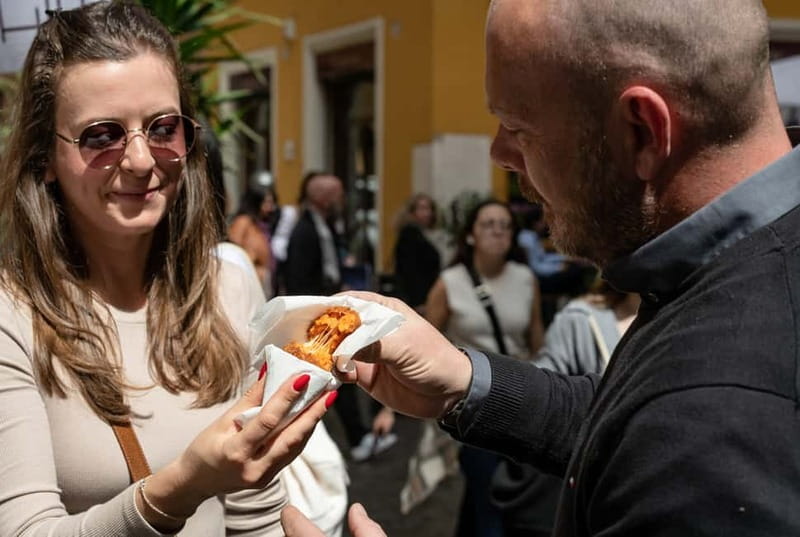
After Campo de’ Fiori, the group stops at a local bakery for Roman-style pizza. This is usually served by the slice, and the portion can be more generous than the word tasting suggests. Roman street pizza is often sold by weight or by slice, making it a natural fit for a walking food tour.
This stop is valuable because it shows a style different from the round restaurant pizzas many people expect in Italy. You can focus on the crust, toppings, and serving style while your guide explains what makes the food Roman.
The pizza stop also breaks up the heavier meat and fried foods. Still, the overall meal remains substantial. One person may be satisfied after the pizza and porchetta, while another may want to save room for the artichoke and gelato. The sensible plan is to eat slowly and avoid filling every pause with extra snacks.
Same city, a different table:
- Rome Food Tour: Campo de’ Fiori, Ghetto, Trastevere Winner 2024
★ 5.0 · 3,205 reviews - Rome: Guided Food Walking Tour with Wine in Trastevere
★ 4.9 · 3,105 reviews - Rome: Trastevere Food tour with Free-Flowing Fine Wine
★ 5.0 · 2,853 reviews - Rome: Trastevere & Campo de Fiori Street Food Walking Tour
★ 4.9 · 2,768 reviews
Entering the Jewish Ghetto for fried artichokes
The Jewish Ghetto is the tour’s strongest neighborhood section. Your guide introduces the area’s cultural importance while leading you toward the Portico d’Ottavia and its food traditions.
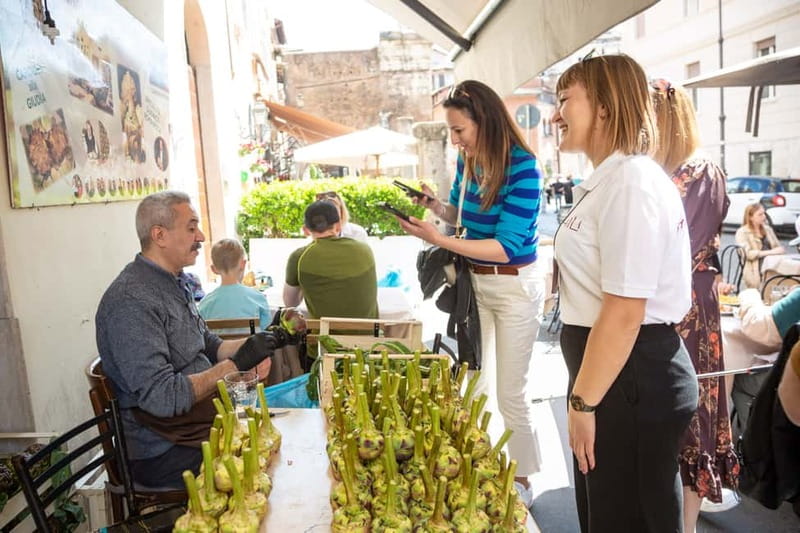
The signature bite here is carciofo alla Giudia, a Jewish-style fried artichoke. It is prepared so the artichoke opens into a crisp, flower-like shape, with the leaves and heart becoming part of the experience. This is not just another fried snack. It is a dish strongly associated with the neighborhood, and eating it here gives the food a clear local connection.
The route also takes in the Turtle Fountain and nearby streets. You are not entering the major sites, so this portion works best for people who enjoy hearing the story of a place while looking at its buildings and streets. If you want formal museum visits or lengthy monument interiors, this tour will feel too quick.
The Ghetto section also shows why a food guide can be more useful than a simple restaurant list. Your guide can explain why certain dishes belong to certain communities and how Roman cooking developed through neighborhood traditions. Guides such as Fiammetta, Daniele, Matteo, and Alessandra have been praised for making these explanations lively rather than turning the walk into a lecture.
Caesar, Teatro Marcello, and the Pantheon from the street
Between tastings, the route passes Largo di Torre Argentina, the archaeological site associated with Julius Caesar’s assassination. The guide shares the story as you walk, but there is no scheduled entrance.
You also pass Teatro Marcello and later the Pantheon. These are excellent landmarks to place on your map for a later visit. The Pantheon stop is especially useful if you are new to central Rome, since the tour ends nearby at Gunther Gelateria.
This sightseeing is intentionally light. You get historical context and a chance to see important places, but food remains the main event. I like that balance for a first day, when you may not yet know which neighborhoods or monuments deserve a return visit.
Do not book this expecting an archaeological tour with long stops. The guide’s job is to keep the group moving between food venues, and the historical explanations are woven into that walk.
Finishing with artisanal gelato
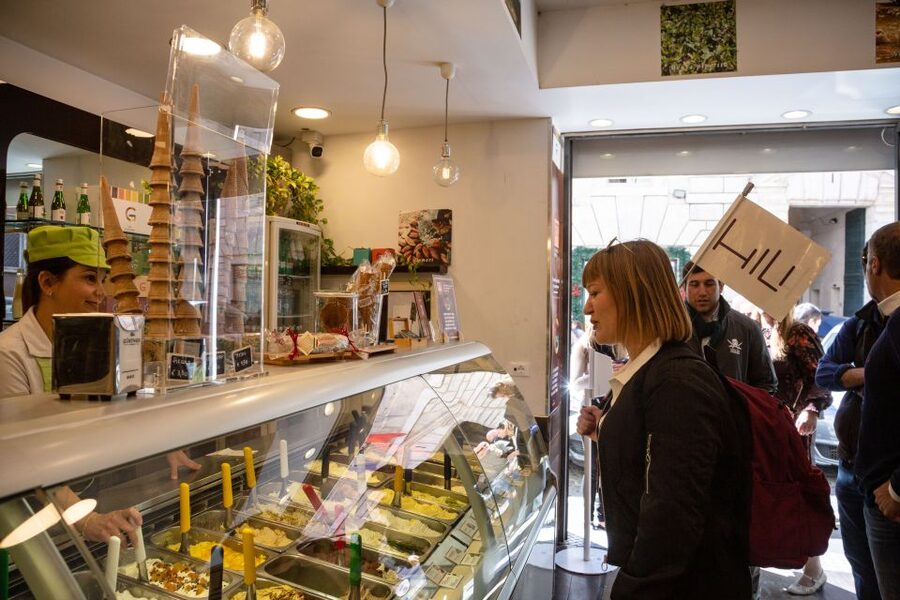
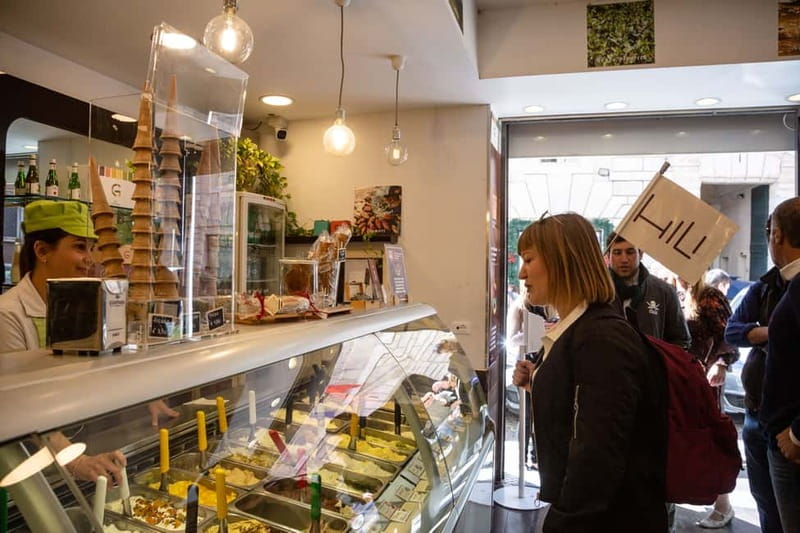
The final tasting is artisanal gelato at Gunther Gelateria. After fried food, pizza, and porchetta, the cold dessert is a welcome change and a pleasant finish near major central landmarks.
Gelato is often treated as an afterthought on food tours, but here it gives the route a clean ending. Several people have liked this stop enough to return later the same day, which suggests it is more than a token scoop.
The ending location also helps with your evening plans. You are close to the Pantheon and within the central walking zone, though the tour does not include a formal Pantheon visit. It is a good place to continue sightseeing, head toward dinner, or use your guide’s restaurant suggestions.
How much food do you really get?
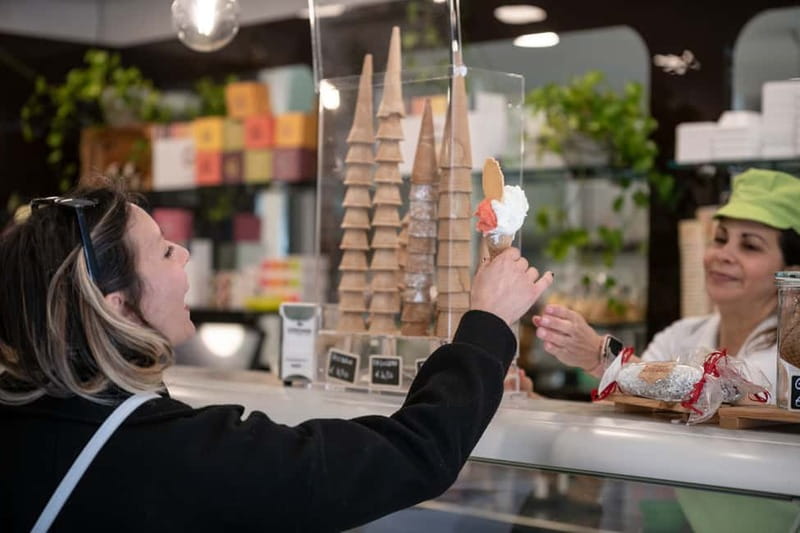
The advertised package includes five food tastings, but the actual meal can feel larger because some stops include more than one sample. A typical run includes:
- Supplì
- A porchetta panino
- Roman-style pizza
- Fried artichoke
- Artisanal gelato
Morning departures may add market tastings of oils, truffles, vinegars, cheeses, pesto, or sweet spreads. Some departures have also included small drinks, but drinks are not part of the stated inclusion, so plan and budget accordingly.
The strongest value comes from the portions. At $50 per person, you are paying for food, a licensed local guide, and 2.5 hours of walking through central Rome. If you would otherwise buy these foods separately and pay for a historical walking tour, the combined cost could be higher. The tour also removes the guesswork of finding a good supplì shop or a proper fried artichoke.
The drawback is that you lose some freedom. You cannot linger over a favorite dish or choose every ingredient yourself. The food venues and route are set, and the exact tastings may change.
Guides, language, and group feel
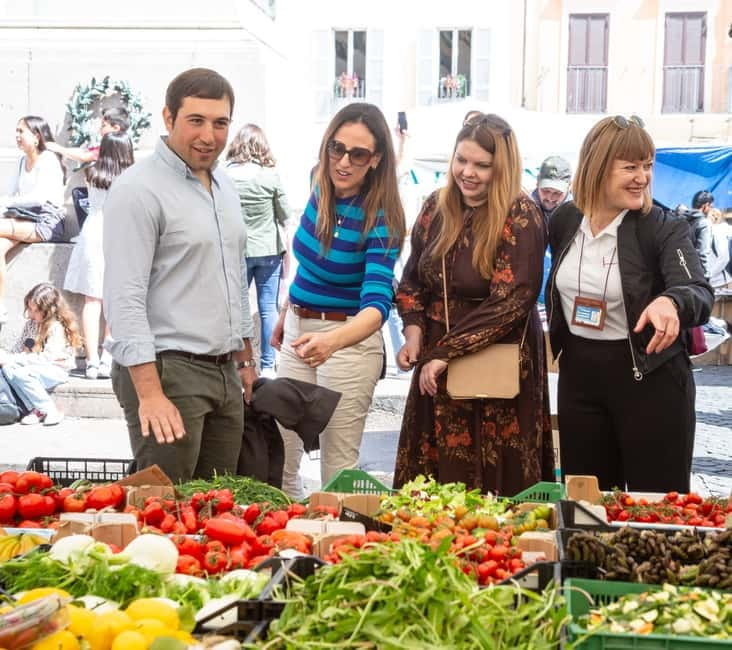
The tour is offered in English and Portuguese. Private and small-group options are available, which can make it easier to ask questions or manage dietary needs.
The guides receive especially strong praise for their personality. Daniele is described as funny, warm with children, and able to connect food with Roman history. Matteo is often praised for cooking knowledge and practical advice. Silvia, Alessandra, Leonardo, Arianna, Hanna, Tiziana, and others are noted for being friendly, attentive, and enthusiastic about Rome.
That consistency matters. A food tour can become a simple series of bites if the guide only announces each dish. Here, the best guides use questions, stories, and local recommendations to keep the walking sections lively.
Families can make good use of this tour. A 7-year-old and a 12-year-old were both reported to enjoy it, and the route does not depend on long museum visits. Still, the amount of walking and the fried foods may be less suitable for very young children or anyone with strict dietary limits.
Dietary limits and practical planning
Vegetarians can be accommodated, but tell the provider about your needs when booking. The tour is specifically not suitable for vegans or people with gluten intolerance, so do not assume that a simple substitution will solve the problem.
Allergy information should be provided in advance. Since the route includes fried foods, bread, dairy, meat, and market products, clear communication matters.
Wear comfortable shoes. The itinerary covers several central neighborhoods on foot, with walks ranging from a few minutes to about ten minutes between stops. There is no private transport, and the route ends at the gelateria rather than returning you to the starting point.
Morning is my preferred departure. You get the Campo de’ Fiori market and extra product tastings, and the food sequence works well as a large late breakfast or early lunch. If you choose a later time, you still receive the main Roman foods and neighborhood walk, but you may miss the market portion.
Cancellation is flexible up to 24 hours before the activity for a full refund, and you can reserve now and pay later. Wheelchair access is listed, though you should still confirm the route details for your specific departure if mobility is a concern.
Is this Rome food tour worth $50?
For most people, yes. The price is fair because the tour combines a meal-sized set of tastings with a central walking route and a live guide. The strongest value appears when you book it early in your visit and use the guide’s recommendations for the rest of your stay.
I would not choose it if you want a slow, formal meal, a wine-focused outing, or a tour built around entering monuments. It is also a poor match for vegans and anyone avoiding gluten.
I would choose it if you want to learn what Roman street food actually tastes like, need help finding local-style bites, or enjoy history in short, useful stories. The route is especially good for first-time visitors, families, and people who want a full meal without spending an evening at a restaurant.
Should you book it?
Book this tour if you can arrive hungry and want a friendly introduction to Rome’s food culture. Choose a morning departure for the market, tell the provider about vegetarian or allergy needs, and leave your schedule open for the possibility that you will not want another full meal afterward.
Skip it if you need vegan or gluten-free food, dislike fried dishes, or prefer to explore at your own pace. For everyone else, the combination of supplì, porchetta, pizza, carciofo alla Giudia, gelato, and neighborhood history makes this a practical and tasty first step into Rome.
FAQ
How long does the Rome food tour last?
The tour lasts 2.5 hours.
Where does the tour start?
It starts at Piazza di San Simeone. The guide waits by the fountain in the middle of the square.
What food is included?
The planned tastings include a porchetta panino, supplì, Roman-style pizza, fried artichoke, and artisanal gelato.
Does the tour visit Campo de’ Fiori market?
Morning tours include a visit to the Campo de’ Fiori market. Later tours may not include the market portion.
Are drinks included?
Drinks are not listed as included. Some departures may offer small drink samples, but you should not rely on this.
Is the tour suitable for vegetarians?
Vegetarian options are available. Tell the activity provider about your dietary needs when booking.
Is the tour suitable for vegans or people with gluten intolerance?
No. The activity is listed as unsuitable for vegans and people with gluten intolerance.
What languages are available?
The live tour guide is available in English and Portuguese.
Just added in Rome
- Rome: 3-Hour Guided Food Tour with Tastings★ 4.9 · 41 reviews
- Rome: Trionfale and Prati Food and Wine Tasting Tour★ 4.8 · 115 reviews
- Rome: Vegan Street Food Tour with Local Guide★ 5.0 · 37 reviews
- Rome: Trastevere & Tiber Island Street Food Tour at Sunset★ 4.9 · 71 reviews
- Rome Trastevere Walking Food Tour★ 4.8 · 97 reviews
- Rome: Vatican Street Food and Wine Tour with Farmers Market★ 5.0 · 37 reviews
- Rome: Trastevere Food Walking Tour with Beer and Wine★ 4.9 · 71 reviews
- Rome: Trastevere Quarter Street Food Tour with Sightseeing★ 4.9 · 21 reviews
Rome Food Tours, compared.
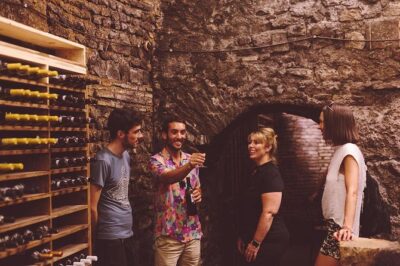
Winner 2025 Rome Twilight Trastevere Food Tour by Eating Europe
Read our review →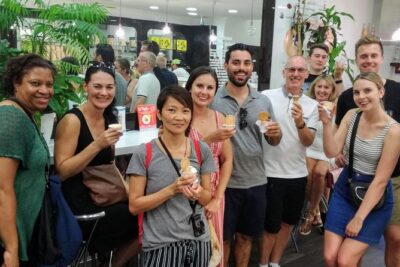
Rome Food Tour: Unlimited Tastings with Fine Wine & Barolo
Read our review →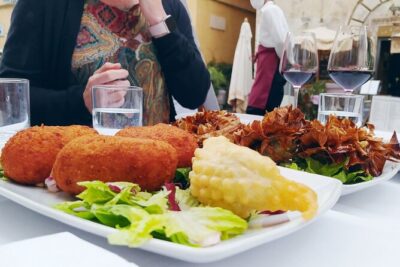
Rome Food Tour: Campo de’ Fiori, Ghetto, Trastevere Winner 2024
Read our review →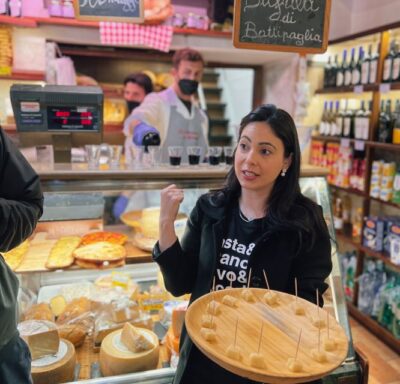
Guided Food Walking Tour with Wine in Trastevere
Read our review →
Trastevere Food tour with Free-Flowing Fine Wine
Read our review →
Trastevere & Campo de Fiori Street Food Walking Tour
Read our review →Browse the lists this tour appears in