
REVIEW · SHANGHAI FOOD TOURS
Shanghai: 3-Hour Local Food Tasting Tour
Shanghai is best understood one bite at a time. This three-hour walk pairs small local eateries with city history, moving from Xintiandi and the French Concession toward Yunnan Road and Huaihai Road. I like the wide range of food, from soup dumplings and scallion noodles to red-braised pork, and I like that the guide handles ordering in places you might easily miss on your own. The main caution is simple: arrive hungry, because the portions add up fast.
The $79 price includes food, drinks, a local guide, and several stops, so it can be good value if you want an efficient introduction to Shanghai cuisine. It is less appealing if you prefer to choose every dish yourself, eat slowly in one restaurant, or avoid a fair amount of walking between stops.
Key points at a glance
- Starts with soup dumplings near Xintiandi: A quick introduction to one of Shanghai’s most famous foods, in the area linked with the first National Congress of the Chinese Communist Party.
- Walks through changing neighborhoods: You move from French Concession architecture to shikumen buildings, where Western and Chinese design meet.
- Four or five food stops: Expect several restaurants, a dessert stop, and in some tours fruit or tea along the way.
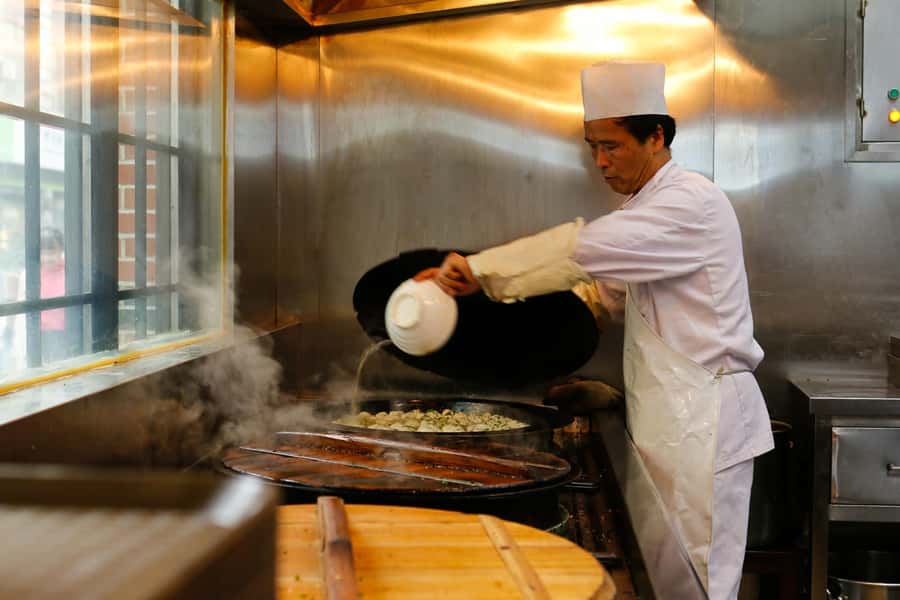
- Covers classic Shanghai flavors: Dishes may include parched chicken, red-braised pork, scallion oil noodles, candied lotus rice, moon cakes, and other local specialties.
- Tea is part of the experience: You can try Longjing green tea or Fujian black tea, with the guide explaining its place in local food culture.
- Guides add real value: Jade, TJ, Jim, Curt, Ken, Helen, Yu, and others have been praised for clear English, warmth, local stories, and help with dietary needs.
Why this Shanghai food tour works so well
I like food tours that give you more than a list of dishes. This one uses eating as a way into Shanghai itself. Between stops, your guide explains the city, the neighborhoods, Chinese food customs, and the history behind what appears on the table.
The route also gives you a useful visual lesson. Xintiandi is polished and easy to visit, while the surrounding French Concession brings leafy streets and older Western-style buildings. As you continue toward Yunnan Road and Huaihai Road, the architecture shifts toward shikumen housing, a Shanghai style that blends Chinese courtyard living with Western-looking facades.
That change matters because Shanghai can feel hard to read at first. The city is huge, modern, and packed with restaurants. A guided walk gives you a smaller, more human-scale view. You are not simply being driven from one famous restaurant to another. You are walking through central neighborhoods and seeing how the city changes block by block.
The food list is also broad enough to show that Shanghai cooking is not just soup dumplings. You may try noodles, braised meat, chicken, sweets, fruit, tea, and small snacks. Some dishes are rich and savory. Others are sweet, fragrant, or gently flavored. That variety makes the tour useful early in your stay, since you can discover what you like before ordering alone.
A few more food tours in China worth a look
- 3-Hour Private Night Tour: Beijing Foodie Experience
★ 5.0 · 53 reviews - Award-Winning Geneva Chocolate &Old Town Tour with Boat Ride (3h)
★ 5.0 · 3,721 reviews - Eat Like a Local: Venice 3-Hour Small-Group Food Tasting Tour
★ 5.0 · 3,137 reviews
Meeting near Xintiandi and the first soup dumplings
The meeting point is exit 2 at South Huangpi Road station on Metro Line 1. The station is also identified with the site of the first National Congress of the Chinese Communist Party, so your tour begins in a place with some historical weight, even before the food appears.
You can also take a taxi to 333 Huaihai Road, in front of the main entrance to Xintiandi Plaza. Your guide waits there to greet you. I would allow extra time to find the correct exit, since Shanghai metro stations can have several large entrances and busy underground passages.
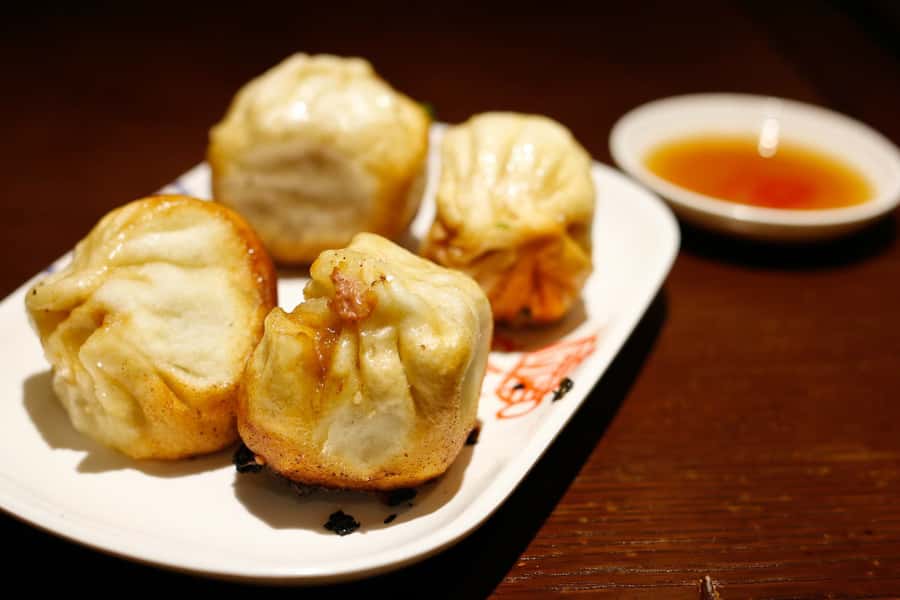
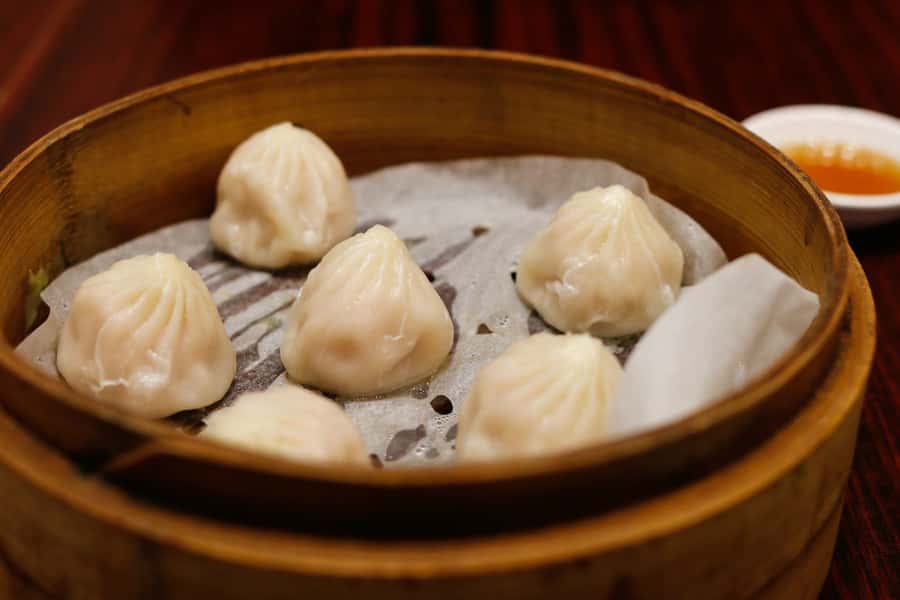
The first food stop focuses on soup dumplings, one of Shanghai’s signature bites. These dumplings contain hot broth, so listen carefully to the guide’s instructions before taking a big bite. This is an important part of the tour’s value: you are not left to guess what to order or how to eat it.
Xintiandi is a convenient starting area, but it is also polished and popular. Do not expect the most rough-around-the-edges part of Shanghai here. Instead, think of it as an easy meeting place and a gentle first step into the city’s food culture.
Walking from French Concession streets to shikumen lanes
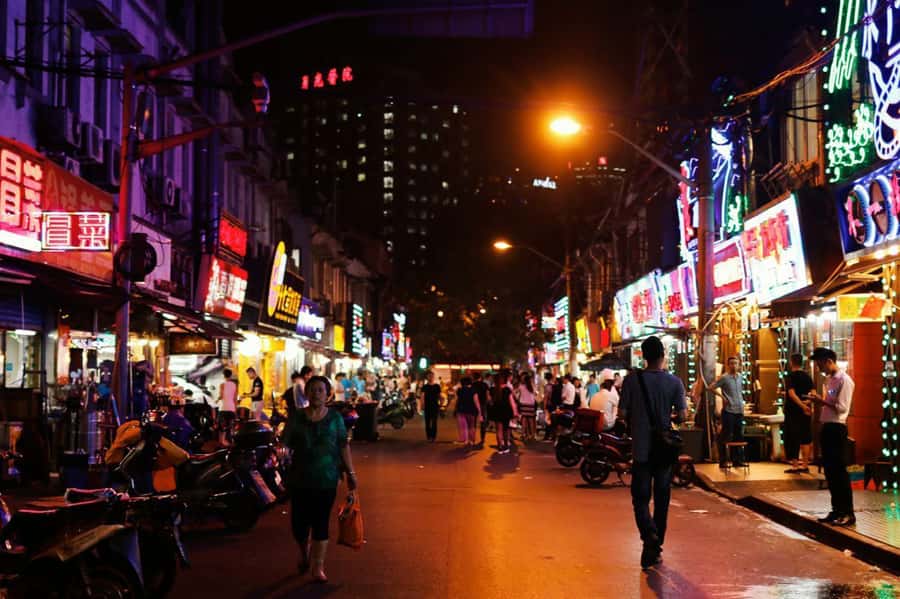
After the opening tasting, the walking becomes as important as the eating. The route takes you through central Shanghai, with time to look at the architecture and hear about how the city has changed.
The French Concession section helps explain Shanghai’s international character. Older Western-influenced buildings sit beside modern businesses, restaurants, and apartment blocks. Then the route shifts toward shikumen-style buildings, which combine Western details with traditional Chinese residential forms.
This is the sort of transition you might overlook if you spent the evening inside a restaurant. Your guide turns the walk into part of the meal, pointing out local details and answering questions about the city. Several guides have been praised for making the time between stops lively rather than treating it as empty travel time.
The walk also helps pace the food. That matters because this is not a tasting tour with one tiny sample at every stop. The portions can be generous, and several people have finished feeling extremely full. A little walking between courses is welcome.
Yunnan Road, Huaihai Road, and the local restaurant stops
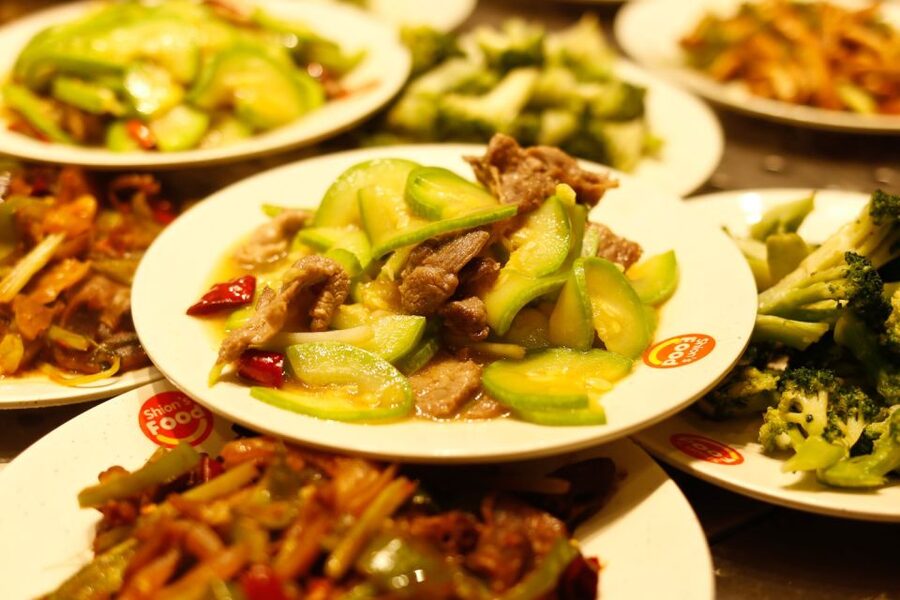
The main food portion takes place around Yunnan Road and Huaihai Road, with visits to three restaurants and a dessert shop. In practice, the experience may include four or five stops, depending on the day and the food selected. You sit down at some venues, while other tastings may be quicker.
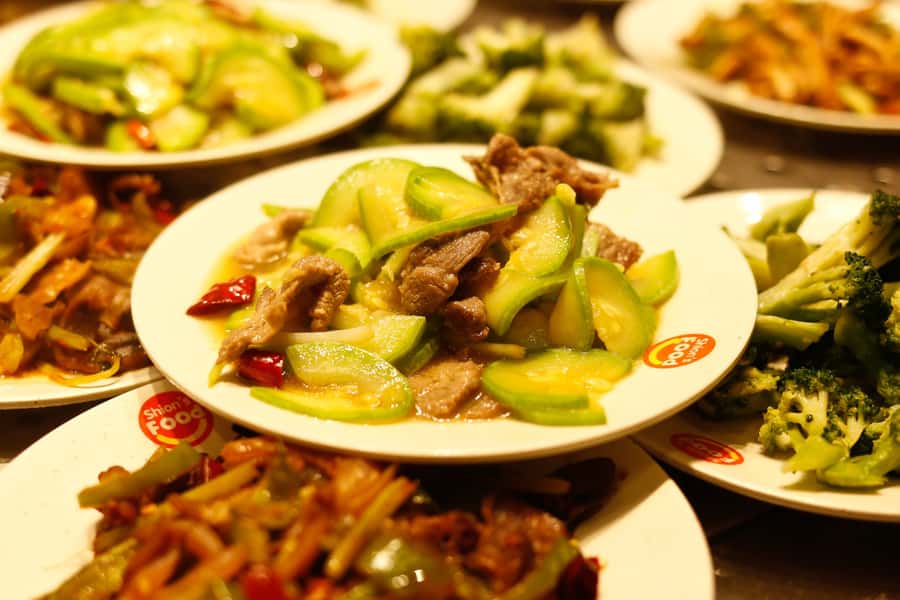
The exact dishes can vary, but the advertised selection gives you a good idea of the range. Parched chicken offers a savory, roasted flavor. Red-braised pork is heavier and sweeter, with the dark sauce that gives the dish its name. Scallion oil noodles are simpler, but they show how much flavor can come from noodles, oil, and aromatics.
You may also encounter candied lotus rice, moon cakes, egg tarts, mango, fresh fruit, or other desserts. One useful feature is the balance between filling dishes and sweet finishes. The food is not limited to dumplings, so you get a more rounded picture of Shanghai eating.
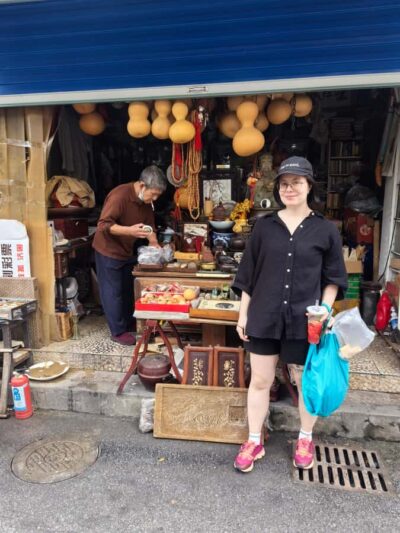
The best part is the local setting. These are not presented as grand culinary destinations. They are smaller places that can be difficult to find, especially if you cannot read the menus or do not know what to order. Guides such as Jade, TJ, Curt, and Ken have been praised for choosing dishes, explaining ingredients, and finding places that visitors might pass without noticing.
That convenience has a tradeoff. You give up some control over the restaurant choice and order. If you have a long list of must-try dishes, tell the guide early and be clear about your preferences. The tour is designed around variety, not a personal tasting menu built entirely to your specifications.
Same city, a different table:
- Authentic Local Food Tour in Central Shanghai
★ 5.0 · 1,382 reviews - Xi’an Evening Food Tour by TukTuk
★ 5.0 · 715 reviews - Eat Like A Local: Shanghai Night Food Tour
★ 5.0 · 616 reviews - Tuktuk Food Tour Through Chengdu’s Local Eats
★ 5.0 · 435 reviews
Tea, fruit, and dessert give the meal a softer finish
Tea is more than a drink break here. You can try Longjing green tea or Fujian black tea, and the stop offers a quieter way to think about how Chinese meals are structured.
Longjing is associated with the Hangzhou area near Shanghai, while Fujian black tea offers a different color and flavor. The tour does not promise a formal tea ceremony, so keep your expectations practical. This is a tasting and an introduction, not a specialist tea workshop.
Some departures also include fruit, such as pomegranate, or a stop at a small tea shop. Fresh pomegranate juice and a tea shop have been especially well received, and they add useful contrast after savory food. You may also try sweets such as egg tart, mango, ice cream, or traditional treats.
The dessert ending is not perfectly consistent. One person wanted a more substantial dessert at the end, while others enjoyed the sweets and fruit along the route. If dessert is the main reason you book, this may not be the right tour. If you mainly want a broad taste of Shanghai with something sweet included, it should satisfy you.
What the guides add to the three hours
The guide is the key variable on a food tour, and this experience has received strong praise across several named guides. Jade appears often in positive comments, with repeated praise for her warmth, city knowledge, patience, and ability to explain the food. TJ has also been praised for excellent English, humor, and local stories.
Curt is known for combining food explanations with history, recommendations, and an easy sense of humor. Jim, Ken, Helen, and Yu have likewise been praised for friendly service and for taking people to places they would not have found alone.
This is not just about getting food onto the table. A good guide can make an unfamiliar dish less intimidating. The guide may explain the ingredients, give you a bit of background, and show you how the dish fits into daily life in Shanghai.
Dietary needs are worth raising at the start. One guide made special adjustments for a group and helped arrange a custom combination involving duck and egg pancake rolls. That is encouraging, but it does not mean every restriction can be handled. Tell the operator and guide in advance, and repeat the details when you meet.
English and Chinese are available. English ability has been praised repeatedly, but the quality of the experience still depends on the particular guide and group. The strongest guides seem to be the ones who treat the walk as a conversation rather than a memorized speech.
Is $79 good value for Shanghai?
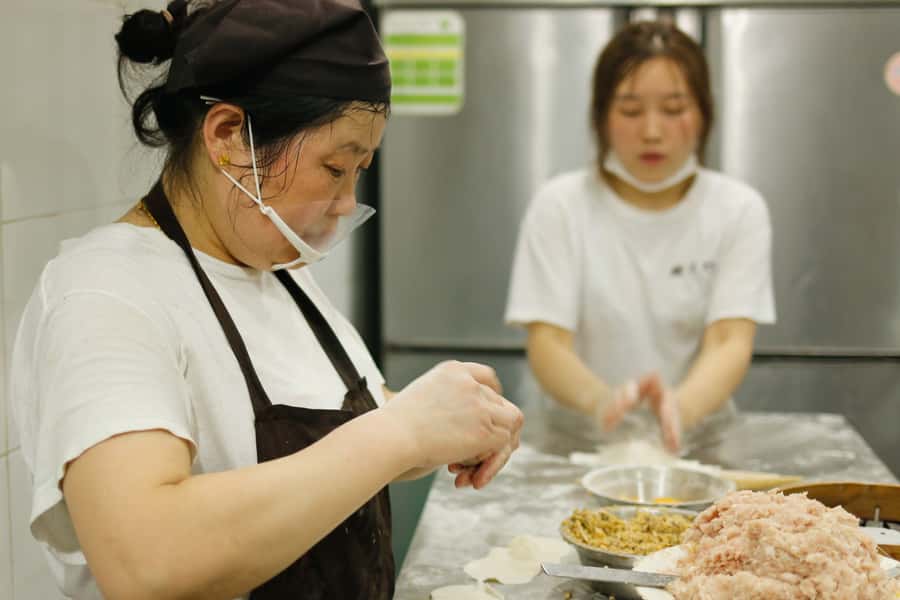
At $79 per person, this is not a cheap meal by local standards. It can still be fair value for a visitor because the cost includes several food and drink tastings, a guide, neighborhood walking, restaurant selection, and help with ordering.
You are paying for access and context as much as for calories. A first-time visitor may spend an evening trying to decode menus, find the right entrances, and decide which unfamiliar dishes are safe bets. This tour removes much of that friction.
The generous portions improve the value. You should not expect only sample-size bites. Many people finish very full, and one well-paced tour was praised for offering a steady build from smaller tastings to a satisfying finish.
The value is weaker for confident Shanghai diners who already know the neighborhoods and speak enough Chinese to order comfortably. It is also less appealing if you want a single refined dinner rather than a moving meal with several stops.
Hotel pickup and drop-off are not included. You need to reach South Huangpi Road station or the Xintiandi meeting point yourself. That is easy enough if you are staying near central Shanghai or using the metro, but it should be included in your timing and budget.
Who should book this food walk?
I would recommend it most strongly for first-time visitors who want an early orientation to Shanghai. The combination of food, walking, and neighborhood stories gives you useful bearings for the rest of your stay.
It also suits people who feel nervous about ordering Chinese food alone. The guide can introduce you to dishes you might otherwise skip, explain what you are eating, and point out places worth revisiting.
Families and mixed-age groups may appreciate the variety, though the three-hour length and amount of food could be tiring for very young children. People with mobility concerns should note that the tour is listed as wheelchair accessible, but it still involves walking between venues, so ask about the route when booking.
This is a good choice for curious eaters who want small local places rather than a formal dining room. It is not the best match for picky eaters, strict dietary restrictions that have not been discussed in advance, or anyone who wants to avoid a full meal.
Wear comfortable shoes and keep your schedule clear afterward. You may eat more than expected, and the walking route is part of the experience.
Practical details before you go
The tour lasts three hours, with starting times that depend on availability. Food and drinks are included, as is the live guide. You do not need to arrange separate reservations at each restaurant.
Oversize luggage is not allowed, so leave large bags at your hotel. The tour offers free cancellation up to 24 hours in advance, and you can reserve now and pay later, which is useful if your Shanghai plans are still shifting.
For the smoothest experience, arrive hungry but not uncomfortably so. Eat a light breakfast or lunch if your tour is later in the day, and tell the guide about allergies or dietary needs at the beginning.
Should you book the Shanghai local food tasting tour?
Book it if you want a filling, social introduction to Shanghai food and prefer local restaurants over a polished sightseeing package. The strongest reasons are the range of dishes, the neighborhood walk, and guides such as Jade, TJ, Curt, and Jim, who add history and practical help to the meal.
Skip it if you want a quiet dinner, complete control over every dish, or a dedicated tea and dessert experience. For most first-time visitors, though, $79 buys a useful three-hour introduction to Shanghai, with enough food to make the price feel reasonable and enough local context to make the city easier to understand.
FAQ
How long does the Shanghai food tasting tour last?
The tour lasts three hours.
What food is included?
Food and drinks are included. Possible dishes include soup dumplings, parched chicken, red-braised pork, scallion oil noodles, candied lotus rice, moon cakes, fruit, and desserts.
Where does the tour meet?
Meet at exit 2 of South Huangpi Road station on Shanghai Metro Line 1. You can also meet in front of Xintiandi Plaza at 333 Huaihai Road.
Which neighborhoods does the tour visit?
The route begins around Xintiandi and continues through areas near Huaihai Road and Yunnan Road. It includes views of French Concession architecture and shikumen-style buildings.
Is tea included?
Yes. You can try Longjing green tea or Fujian black tea during the tour.
Is hotel pickup included?
No. You need to make your own way to the meeting point.
What languages are available?
The tour is offered with live guides speaking English or Chinese.
Can I cancel the booking?
Yes. You can cancel up to 24 hours in advance for a full refund. Reserve now and pay later is also available.
Just added in China
- Half-Day Chengdu Back Alley Foodie Tour★ 5.0 · 58 reviews
- Tuktuk Food Tour Through Chengdu’s Local Eats★ 5.0 · 435 reviews
- 4-Hour Private Tour: Lama Temple, Confucius Temple, Guozijian Museum with Dim Sum★ 5.0 · 21 reviews
- Online Cooking Class Beijing Dumplings and Cuisine by Sunflowerli Renowned Chef★ 5.0 · 65 reviews
- Beijing Walking Food Tour with a Local Friend★ 5.0 · 73 reviews
- Beijing Hutong Breakfast Food Tour★ 5.0 · 120 reviews
- Experience Beijing Walking Food Tour Private★ 5.0 · 56 reviews
- 3-Hour Private Night Tour: Beijing Foodie Experience★ 5.0 · 53 reviews
Shanghai Food Tours, compared.
Authentic Local Food Tour in Central Shanghai
Read our review →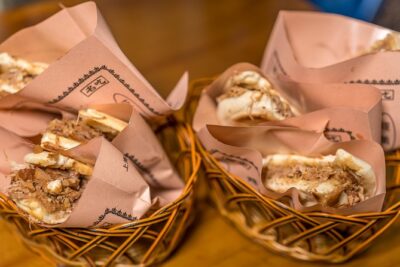
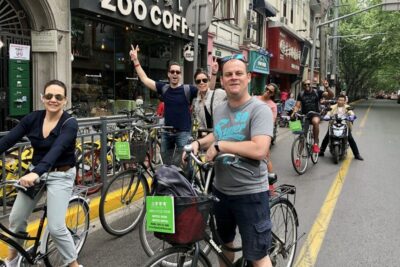
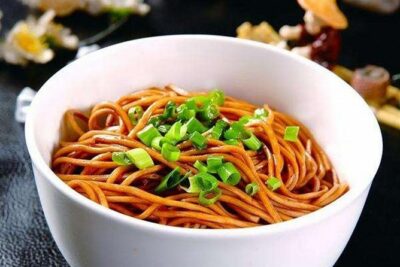
Private Shanghai Evening Street Food Walking and Cruise Tour
Read our review →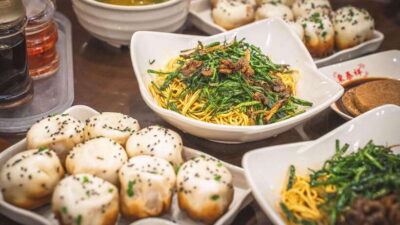
Shanghai Must-See and Foodie Test Bike Tour( Day & Night)
Read our review →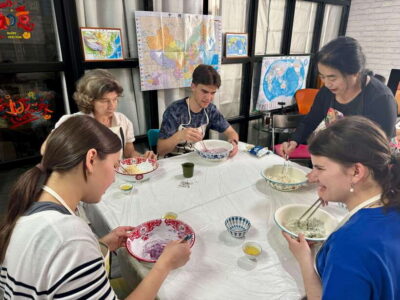
Late night food tour in Shanghai’s French Concession
Read our review →Browse the lists this tour appears in