
REVIEW · SINGAPORE FOOD TOURS
Street Food, Cultural & Historical Tour of 3 Ethnic Quarters
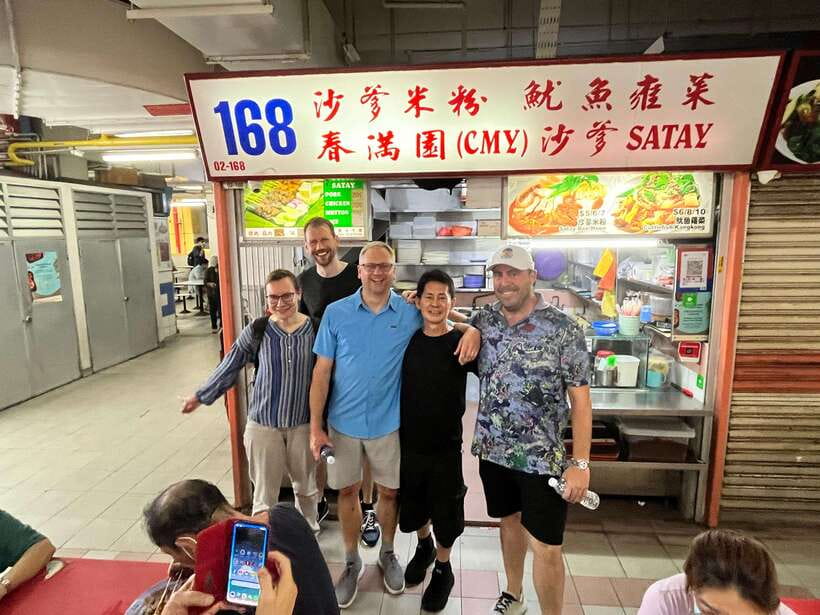
Three neighborhoods, one hungry morning. This six-hour Singapore tour links Chinatown, Little India, and Kampong Glam through hawker food, markets, temples, old photographs, and public transport. I like the way it connects food with the lives of the people who made Singapore what it is. I also like the small group size, capped at eight, which gives you room to ask questions and talk with the guide.
The main consideration is physical effort. You will walk about 6,000 steps, move through crowded market areas, and spend much of the day on your feet. The tour is also not suitable for vegans, people with gluten intolerance, wheelchair users, or anyone with a low level of fitness. At $148 per person, it is not a cheap food walk, but the price includes food, drinks, beer, and public transport.
Five things to know before you book
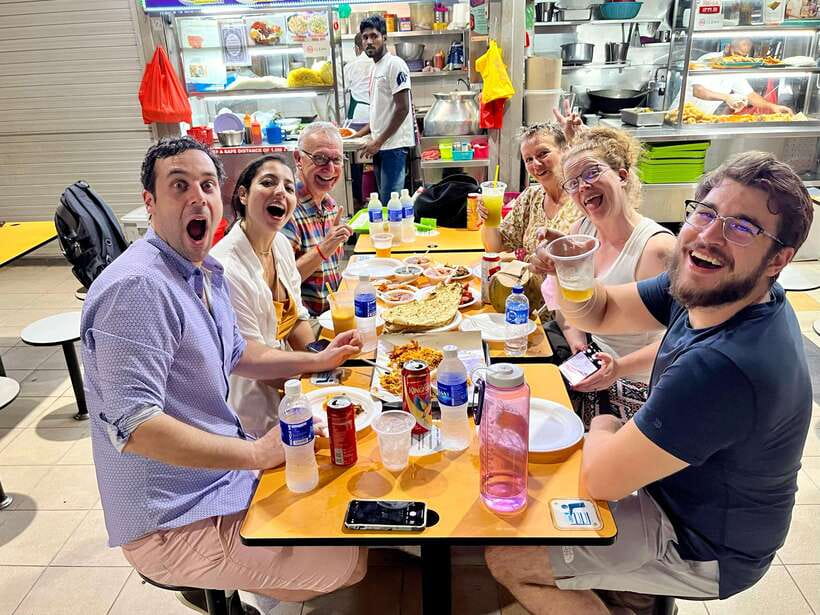
- Gerry’s family story gives the tour a personal center: Your guide is a Singapore-born Chinese Peranakan whose great grandparents arrived from Fujian, China, in 1910.
- Three ethnic quarters are covered in one day: Chinatown, Little India, and Kampong Glam were designated by the British in 1822 as separate ethnic settlements.
- The food is part of the history lesson: You eat at UNESCO-inscribed hawker centres, family-run eateries, and places with food or drink listed by Michelin.
- Public transport is built into the experience: Short rides connect the districts and show you how Singapore’s clean, efficient MRT network fits daily life.
- The group stays small: With no more than eight people, Gerry can answer questions and adjust his stories to the group.
- Plan for a full stomach: Food and drink are served throughout the day, including beer, coffee, tea, local snacks, lunch, and dessert.
Why Gerry makes the difference
A food tour can easily become a parade of dishes with little explanation. This one aims for something broader. Gerry uses old pictures and stories to explain how Singapore changed from a port city shaped by immigrant hardship into the modern nation you see today.
That personal link matters. Gerry was born in Singapore six years after independence in 1965, and his family connection reaches back to 1910. He is not simply pointing out buildings and naming dishes. He is explaining how Chinese, Indian, Malay, and other communities helped shape the island.
The tone also sounds relaxed rather than formal. Gerry is repeatedly praised for his humor, clear communication, and ability to answer questions. One useful description is that the day feels more like walking around with a friend than being marched from stop to stop. That is a good fit if you enjoy conversation and stories more than a polished lecture.
He also brings attention to small businesses. You meet hawkers, market sellers, traders, and family operators whose work keeps older food traditions alive. The tour’s interest in avoiding food waste adds another practical layer, especially at a time when Singapore’s food culture is changing quickly.
More street food tours in Singapore:
- Small Group: Michelin and Local Hawker Food Tour with 9 tastings
★ 5.0 · 1,890 reviews - Small Group: Singapore Street Food & Night Tour with 9 tastings
★ 5.0 · 1,240 reviews - Singapore: UNESCO Street Food & Cultural Experience
★ 5.0 · 524 reviews
Chinatown: food, faith, and the darker side of the old quarter
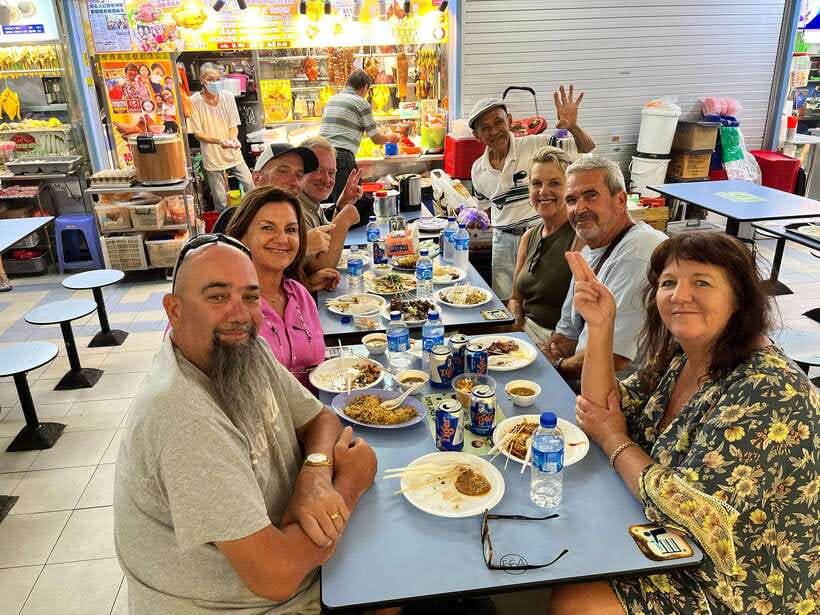
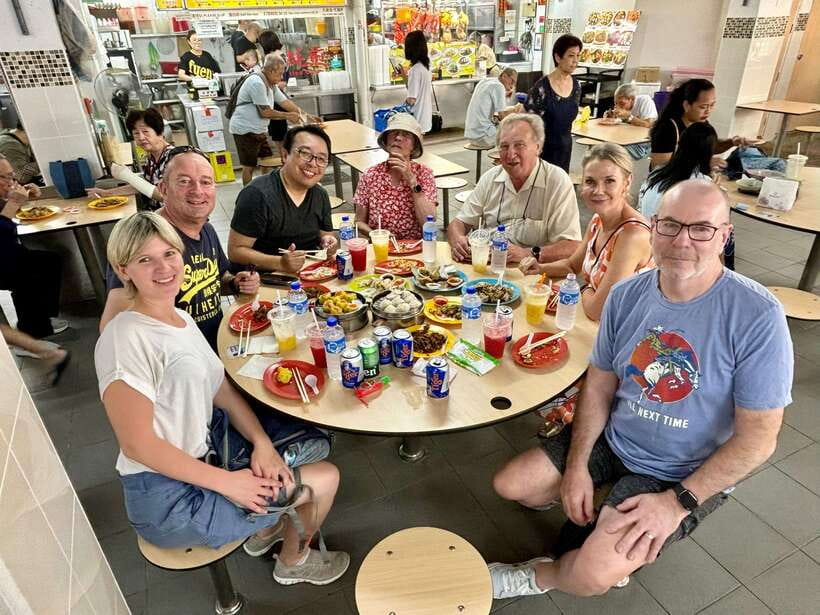
The Chinatown portion lasts about an hour and begins with local Chinese food and drink at a hawker centre. Singapore’s hawker centres are more than inexpensive eating halls. They are everyday gathering places where dishes, techniques, and family businesses have lasted across generations.
You will have the chance to taste local favorites, including food and drink from stalls connected with Michelin listings. The exact dishes can vary, so do not arrive expecting a fixed menu. The benefit is that Gerry can explain what you are eating and why the stall or style matters.
The walking portion includes a Buddhist temple and lively market stalls. You also hear about Chinatown’s less comfortable past: the Street of the Dead, red lanterns and private chambers, and opium dens. These subjects add needed balance. Singapore’s old quarters are often presented through colorful facades and excellent food, but the early immigrant experience also included poverty, dangerous work, crowded housing, and exploitation.
Old images help connect those stories to the streets in front of you. You can compare past and present rather than hearing a long list of dates. This is one of the strongest parts of the tour for anyone who wants more than pretty shophouses and quick photographs.
The Chinatown stop is short, so the experience is an introduction rather than a detailed architectural tour. If you want to study every temple, lane, and market stall, you will need more time on your own. The advantage is that the tour keeps moving and leaves room for the other two districts.
Little India: markets, spices, and a generous meal
After Chinatown, the group uses public transport for about ten minutes to Little India. The ride is not dead time. It shows you how easily Singapore’s ethnic quarters connect, and the transport ticket is included in the tour price.
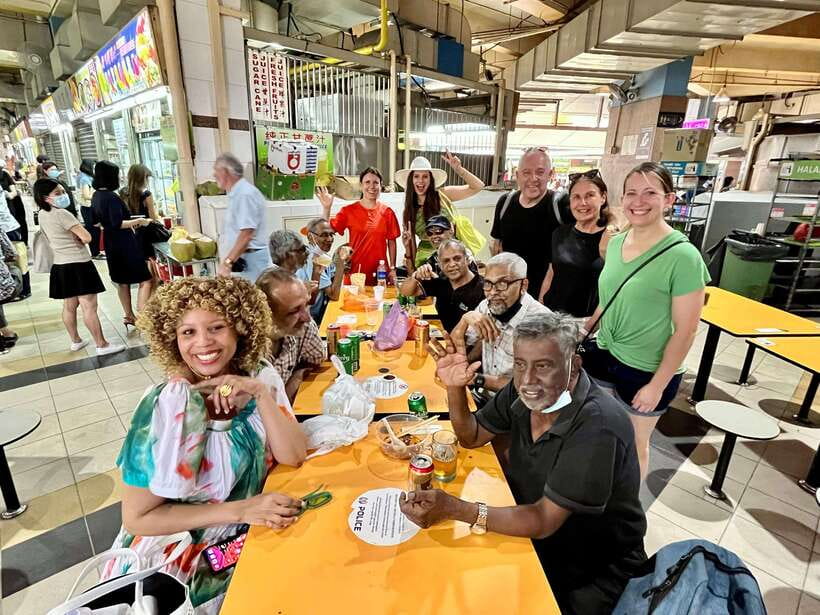
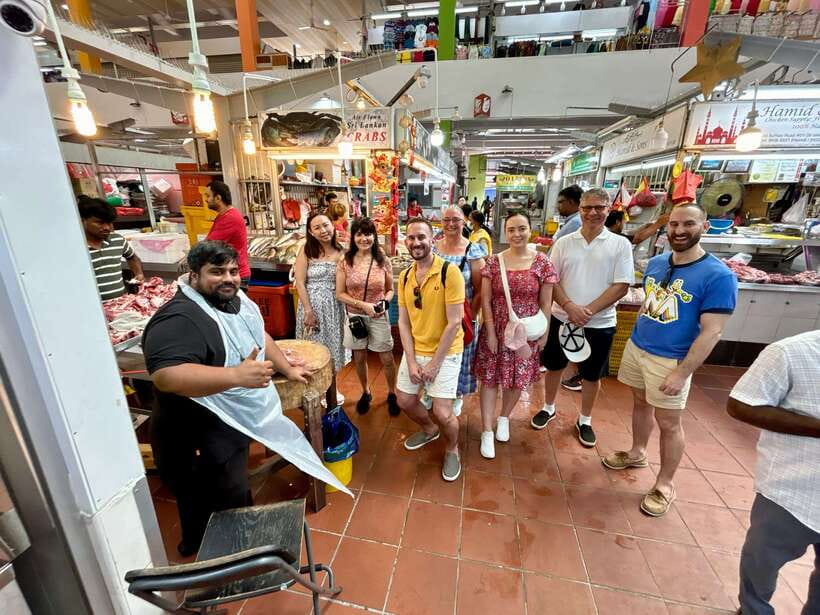
Little India brings a different set of smells, colors, trades, and food traditions. The market visit includes wet and dry produce stalls, seafood, meat, fruit, vegetables, spices, clothing, and street stalls. If you have never seen the ingredients behind a South Indian meal, this section helps make the connection between market and plate.
The market is also one of the more practical parts of the day. You see where local cooks and families buy ingredients, rather than only visiting restaurants designed for visitors. Gerry’s explanations help place the stalls within the wider story of Indian migration and community life in Singapore.
Lunch takes place at a family eatery and includes local Indian and Malay food and drink. Coffee, tea, beer, welcome refreshments, snacks, and regional dishes are part of the wider food program. The portions are substantial enough that you should not eat a large breakfast. One useful tip is to start the day hungry, but not so hungry that you cannot handle a six-hour outing.
The food is varied, but the tour is not designed around dietary customization. The activity specifically excludes vegans and people with gluten intolerance. If you have other dietary needs, contact the provider before booking rather than assuming the menu can be changed.
Little India is also a good place to ask questions about daily life. The combination of produce stalls, clothing shops, food sellers, and family businesses makes the district feel lived-in. The tour does not treat it as a museum display. You are looking at a working neighborhood.
Kampong Glam: textiles, Haji Lane, and a sweet finish
A second short public transport ride takes you to Kampong Glam, the Malay quarter. This part lasts about an hour and a half, making it the longest neighborhood visit.
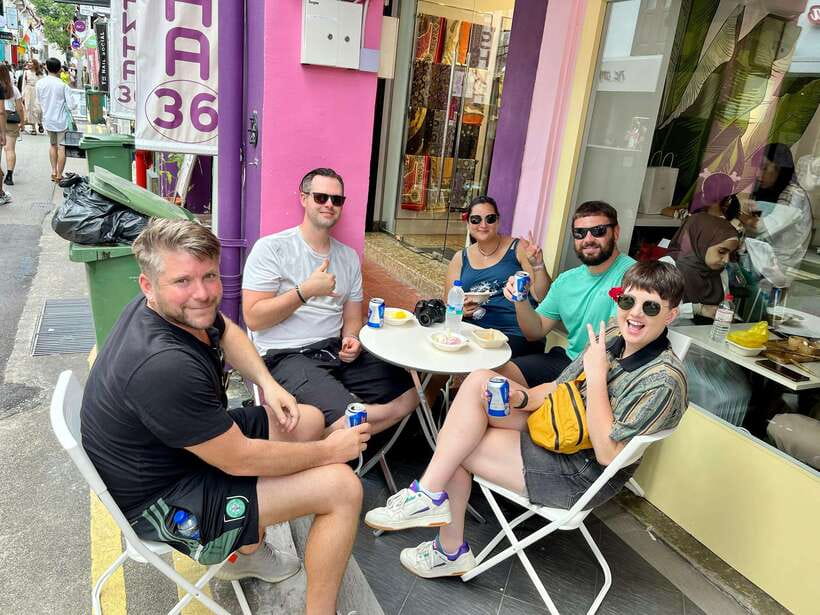
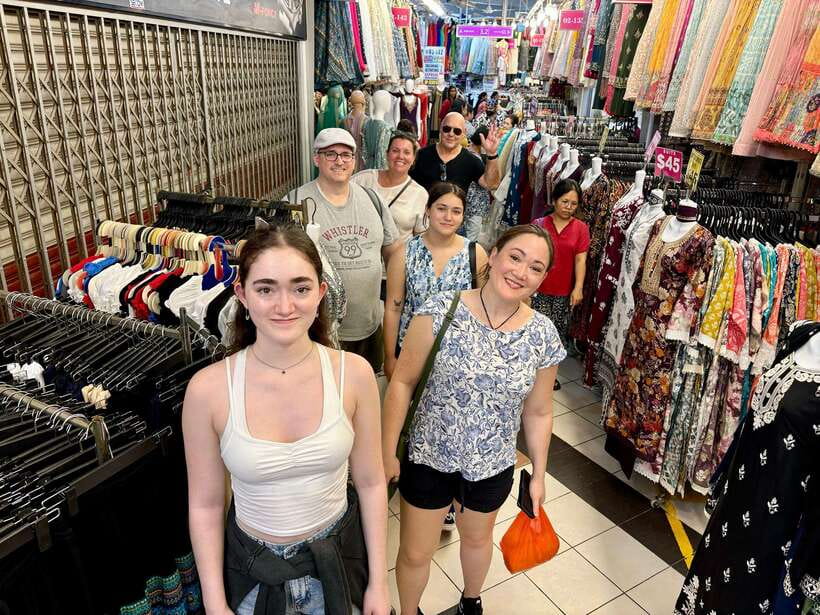
The route includes Haji Lane, known for its colorful street art and independent-looking shopfronts, along with graffiti walls and Arab Street textile shops. The setting shifts again. Chinatown centers on Chinese food and religious heritage, Little India on markets and cooking ingredients, and Kampong Glam on Malay, Muslim, and Arab connections.
You are introduced to Singapore’s first Sultan Mosque. The tour does not promise an extended interior visit, so think of this as an important orientation stop rather than a full mosque tour. Gerry’s historical account helps explain why this district developed as a center for Muslim communities and trade.
Dessert is served in an old shophouse accommodation once used by Muslim pilgrims in the nineteenth century. That detail gives the final food stop a strong sense of place. You are not simply sitting down for something sweet. You are eating in a building tied to the movement of people through Singapore.
One point to keep in mind: the final neighborhood is more focused on dessert and drinks than on another full savory meal. One participant suggested that a food item other than ice cream would have made the last stop stronger, even though the dessert itself was enjoyable. If you want equal amounts of savory food in every district, this may feel slightly uneven.
Still, Kampong Glam provides a good finish because it brings together food, religion, fashion, street art, and old buildings. It also gives you a different side of Singapore from the hawker-centre focus earlier in the day.
More history tours in Singapore:
- Barcelona: Tapas Walking Tour with Food, Wine, and History
★ 4.8 · 4,261 reviews - Sevilla Food Tour: Tapas, Wine, History & Traditions
★ 5.0 · 3,468 reviews - Madrid Tapas & Taverns Small Group Food & History Tour
★ 5.0 · 2,664 reviews - Historic Ybor City Food Walking Tour
★ 5.0 · 2,210 reviews
What the food program is really worth
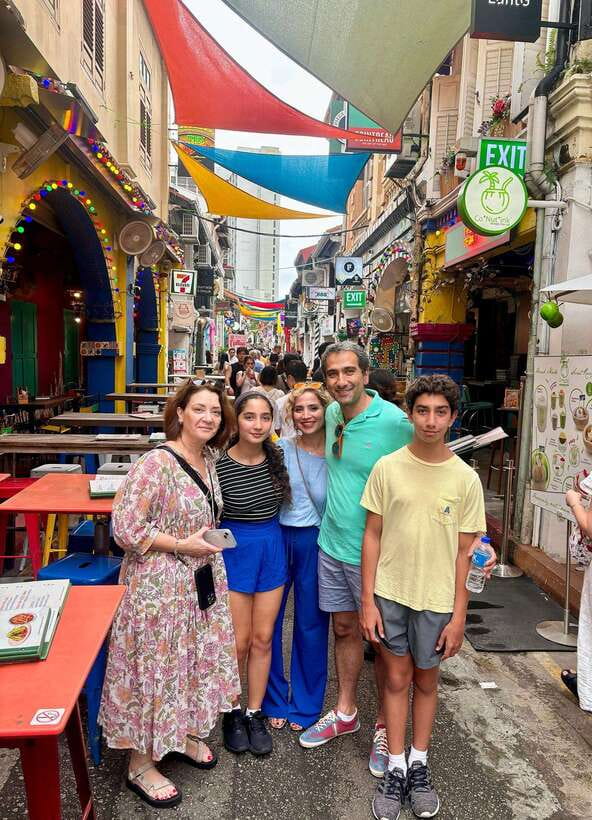
At $148, the price needs a close look. You are paying for a six-hour guided experience, food and drinks throughout the day, beer, public transport between districts, and a small group of up to eight people. Hotel pickup and drop-off may also be included if your hotel is within the covered city area.
The food is not an optional add-on. It is central to the tour, and the schedule includes Chinese food and drink, Indian and Malay food, local snacks, coffee, tea, beer, and dessert. Some food and drink stops are connected with Michelin listings, though the experience is not a restaurant tasting menu.
I see the value most clearly if you want a guided first look at Singapore’s food culture and ethnic quarters. You would spend time and money arranging transport, choosing stalls, ordering unfamiliar food, and finding the historical links yourself. Here, the guide handles that work and adds context.
The value is less clear if you are already comfortable navigating Singapore and mainly want a low-cost hawker meal. You could eat more cheaply on your own. You could also spend a full day in one neighborhood instead of visiting three in succession.
The tour earns its price through the combination of food, interpretation, and access to local businesses. It is not simply six hours of eating. It is six hours of eating while learning why those foods, markets, buildings, and communities are there.
Public transport and the pace of the day
Singapore’s public transport system is clean, comfortable, and well connected. The two listed rides are about ten minutes each, and tickets are included. For many people, this is a useful part of the introduction to Singapore because you immediately learn how the city’s neighborhoods connect without relying on taxis.
Pickup and drop-off are available from some city hotels, but location matters. You may instead meet at the first stop in Chinatown or Little India, or at a nearby MRT station. Confirm the meeting point and time after booking.
The pace is active but not a race. You walk through markets, streets, food halls, temple surroundings, and commercial areas, then pause to eat and listen. Wear comfortable shoes and light, comfortable clothing. Large bags, oversize luggage, strollers, mobility scooters, non-folding wheelchairs, and walking frames are not allowed.
This is not a suitable choice if you have back problems, vertigo, respiratory issues, limited mobility, or a low fitness level. Pregnant people and babies under one year are also listed as unsuitable for the activity. Those restrictions are worth taking seriously because the day includes walking, crowds, stairs or uneven movement may be possible in public areas, and several food stops.
Who will enjoy this tour most
I would recommend it to you if you want three things at once:
- A guided introduction to Singapore’s main ethnic quarters
- A wide sample of local food without planning every stop
- Historical stories linked to real markets, stalls, temples, and shophouses
It is especially well suited to first-time visitors, food-focused couples, small families with older children, and people who like asking questions. A 15-year-old and parent had a particularly good experience, which makes sense because the day combines food, movement, and stories rather than relying on a long museum-style talk.
It also suits repeat visitors who have eaten at hawker centres but want more context. You may know how to order chicken rice or a drink at a food centre, but still learn something from the immigrant stories, market visits, and old images.
I would hesitate if you are a strict vegan, cannot eat gluten, dislike beer or shared food tastings, or prefer a slow day in one district. I would also skip it if you want a quiet, private tour. This is a mixed small group, not a private excursion.
Booking advice and final verdict
Book this tour if you want a lively, food-heavy introduction to Singapore that treats Chinatown, Little India, and Kampong Glam as working communities rather than photo stops. Gerry’s personal connection, humor, old pictures, and concern for small businesses give the day more meaning than a standard sightseeing circuit.
Skip it if your main goal is the lowest possible food cost, a private guide, or a carefully controlled dietary menu. You should also leave room in your schedule afterward. Six hours, 6,000 steps, and food served across three districts make this a full day in practice.
For most people who can manage the walking and eat broadly, I consider $148 a fair price. You get a generous amount of food, drinks, transport, and local interpretation in one well-organized outing. The strongest reason to book is not one particular dish. It is the way the tour links what you eat with the people, work, migration, and government planning that shaped modern Singapore.
FAQ
How long does the tour last?
The experience lasts six hours.
Where does the tour begin?
Pickup may be available from selected city hotels. You can also meet at City Hall MRT, Raffles City, the first stop in Chinatown or Little India, or a nearby MRT station, depending on the confirmed arrangements.
Which neighborhoods does the tour visit?
It visits Chinatown, Little India, and Kampong Glam.
Is public transportation included?
Yes. Public transportation tickets for travel between the three quarters are included.
Is food and drink included?
Yes. Food and drink are included, including beer. The day includes Chinese food and drink, Indian and Malay food and drink, local snacks, coffee, tea, lunch, and dessert.
How large is the group?
The tour is limited to eight participants.
Is the tour suitable for people with dietary or mobility restrictions?
The activity is not suitable for vegans or people with gluten intolerance. It is also not suitable for wheelchair users, people with mobility impairments, people with back problems, people with vertigo, pregnant people, or people with a low level of fitness.
Just added in Singapore
- Singapore: Local Street Food Tasting Tour★ 4.8 · 36 reviews
- Singapore: Private Food Tour – 10 Tastings with Locals★ 4.7 · 194 reviews
- Singapore: Chinatown Hawker Guided 8-Dish Tasting Tour★ 4.9 · 41 reviews
- Singapore: Local Hawker Food Tour with Tastings★ 4.7 · 181 reviews
- Singapore: Guided Street Food Tour at Night★ 4.5 · 393 reviews
- Singapore: Foodie Experience Guided Tour with 5 Tastings★ 4.7 · 291 reviews
- Singapore: Hawker Culture Food Tour and Sightseeing★ 4.8 · 23 reviews
- Singapore: Little India Hawker Street Food Tour★ 4.8 · 27 reviews
Street Food Tours, compared.
Ho Chi Minh City Street Food Tour & Sightseeing By Motorbike
Read our review →
Small Group Hanoi Street Food Tour with a Real Foodie
Read our review →
Saigon By Night and Street Food By Motorbike | Opt: Ao Dai Riders
Read our review →
Private Street Food Tour by Motorbike/Car with Local Students
Read our review →
Cinque Terre Park Day Trip with Optional Street Food
Read our review →
Street Food Tasting & Sightseeing Tour by Motorbike
Read our review →Browse the lists this tour appears in