
REVIEW · CHARLESTON FOOD TOURS
Tastes Through Time – Charleston’s Best Food & History Tour
Charleston tells its story one plate at a time. This two-hour culinary walk links three restaurants in the Historic District with stories about food, architecture, the city’s first congregation, and the Gullah Geechee people. I like the way it treats Charleston cuisine as part of the city’s past, not just a parade of restaurant samples. I also like the small group limit of 12, which gives the guide room to talk with you rather than shout over a crowd.
The main thing to consider is the food-to-walking ratio. You visit three restaurants, not five or six tasting counters, and the tour leans heavily toward history. Several diners found the portions large enough for dinner, while others expected more stops or a wider range of dishes for the $94.50 price.
Key points before you book
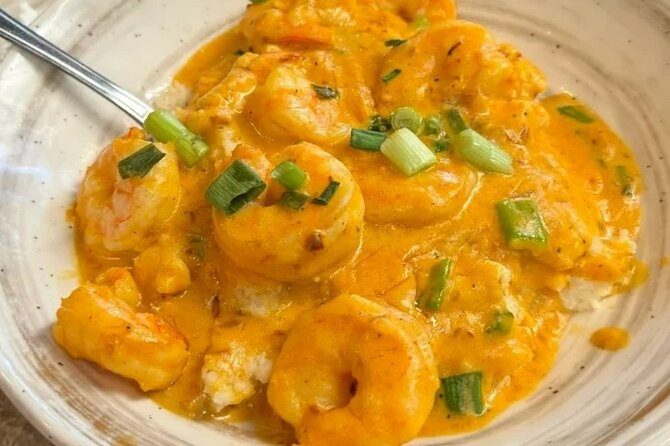
- Three restaurant stops: You receive a full spread of Charleston and Lowcountry food, with enough food for many people to skip dinner afterward.
- A history-first food tour: The guide connects each dish to Charleston’s past, culture, architecture, and foodways.
- Small group size: The maximum is 12 people, a useful limit for a walking tour with restaurant seating.
- Native Charleston perspective: Page, also referred to as Paige in tour comments, is praised for her local knowledge, humor, and pride in the city.
- Historic District route: The walk includes Charleston’s original shopping district, a major church founded by the city’s first congregation in 1680, and an old passageway filled with local stories.
- Good practical value for some, less so for others: The food can amount to a meal, but diners wanting many separate tasting stops may find the price harder to justify.
A food tour that puts Charleston’s past first
This experience begins at 164 Church Street and ends at 184 East Bay Street. The route stays in Charleston’s Historic District, so the appeal is not only what arrives on your plate. You are also moving through streets where the city’s commercial, religious, and cultural story took shape.
The tour lasts about two hours and 10 minutes. That is long enough to enjoy several courses and a guided walk, but short enough to fit into a morning or afternoon without swallowing your entire day. The schedule also works well early in a Charleston visit, since the guide can point you toward restaurants and sights to revisit later.
I would think of this as a history tour with a substantial meal attached. If you want a rapid-fire food crawl with tiny bites at many businesses, this may feel restrained. If you want to understand why Charleston food looks and tastes the way it does, the format makes more sense.
The maximum group size is 12. That matters at restaurant tables, where a large group can turn a shared meal into a logistical exercise. A smaller party also gives you a better chance to hear the guide’s stories and ask questions.
More history tours in Charleston:
- Charleston’s Historic Downtown Food Tour
★ 4.5 · 349 reviews - Charleston: Historic Downtown Food Tour
★ 4.7 · 67 reviews - Barcelona: Tapas Walking Tour with Food, Wine, and History
★ 4.8 · 4,261 reviews
Church Street and Charleston’s original shopping district
The walk starts on Church Street, one of the most atmospheric parts of the Historic District. The route takes you through Charleston’s original shopping district, where the guide explains how commerce shaped the city.
You should expect more than a list of dates and building names. The food angle gives these streets a useful focus. Charleston grew as a port city, and its ingredients, cooking methods, and markets were shaped by people arriving from different places under very unequal conditions. The guide uses that past to explain the food placed in front of you.
This is one reason the experience works better for history-minded diners than for anyone simply chasing restaurant recommendations. You are not just told where to eat. You are given a reason that certain dishes belong to Charleston.
The architecture adds another layer. The guide discusses buildings along the route, so the walk becomes a small introduction to the Historic District rather than a straight line between restaurants. I like this approach because Charleston can otherwise become a blur of pretty facades. A story about a street or building helps you remember what you are seeing.
A major church and the city’s first congregation

One of the planned sights is a majestic Charleston church tied to the first congregation established in the city in 1680. The stop helps place Charleston’s early religious and civic life within the same streets where you are eating.
The tour does not treat history as decoration. It connects the city’s institutions and built environment with the people who lived and worked here. That connection is especially useful when the subject turns to food, since Lowcountry cuisine developed through the meeting, and often forced meeting, of many cultures.
The guide’s approach is direct about the influence of West African people whose knowledge, labor, and traditions helped shape Lowcountry cooking. The Gullah Geechee culture is given serious attention, including its connection to soul food and Southern cuisine. For me, this is one of the most valuable parts of the tour, because it moves beyond the familiar Charleston postcard and gives credit to a culture that is often treated as a footnote.
You should know this emphasis is part of the tour’s purpose. The guide may spend more time on cultural history than you expect from a standard restaurant crawl. If you prefer light commentary between bites, the subject matter may feel weightier. If you want a more honest account of how Charleston cuisine developed, it is a strong reason to choose this tour.
The mysterious passageway
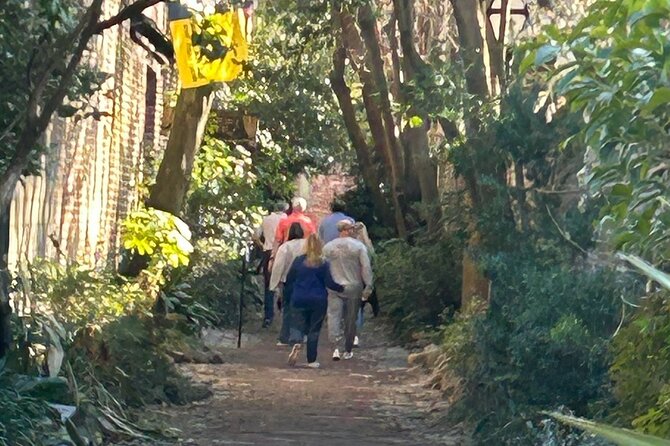
The itinerary includes a historic passageway whose stories and purpose are part of the walk. Charleston has several narrow lanes and alleys that can seem incidental if you pass them alone. With a guide, these spaces become clues to how the old city functioned.
The exact stories can vary with the guide’s presentation, but the point is clear: the tour uses small urban details to make Charleston easier to read. You are not only looking at grand churches and polished homes. You are also paying attention to the less obvious routes through the old city.
This is where Page’s style appears to matter most. She is praised for humor, local pride, and the ability to keep a large amount of information moving. A history talk can become a lecture if the guide simply recites facts. The tour’s strongest comments describe Page as warm, funny, and able to connect the city’s past with the food on the table.
A few more food tours in Charleston worth a look
- Charleston French Quarter or Brunch Food Tour with 7+ Tastings
★ 5.0 · 1,853 reviews - Downtown Charleston Food Tour
★ 4.5 · 1,376 reviews - Savor the Flavors of Charleston Walking Food Tour
★ 4.5 · 881 reviews - Charleston Brunch Food Tour: Biscuits, Shrimps, Grits and More
★ 5.0 · 239 reviews
Three restaurants, not a token tasting
At the food stops, you receive Charleston cuisine, water, fountain drinks, tea, and lemonade. Alcohol and specialty drinks cost extra, but you can order them separately if you wish.
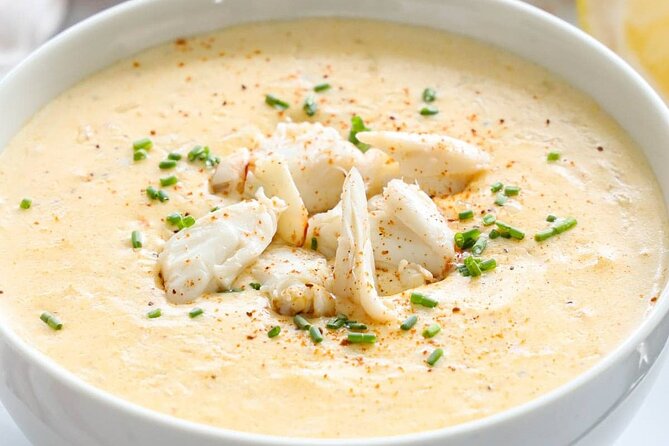
The three-stop format deserves a clear explanation. Some food tours offer many small samples, but the individual portions can be little more than a bite. Here, the portions are described as sizable, and several people found the total amount equal to a full meal. You should pace yourself, especially if the tour takes place near normal lunch or dinner hours.
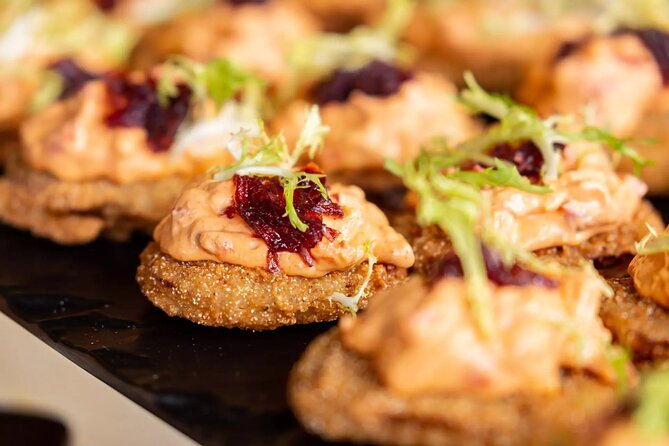
A sweet course is included at the end, with cookies specifically mentioned by one diner and a Lowcountry-specific dessert described as part of the tour’s design. You can eat it at the restaurant or save it for later if you are already full. That is a practical touch, since a food tour can leave you too full to appreciate a final sample.
The food is intended to be specifically Charleston or Lowcountry-based. That means the menu is chosen to support the historical story rather than simply showcase the most fashionable dishes in town. The selections can include familiar Southern flavors, regional specialties, and dishes connected to the blending of cultures in Charleston.
Still, expectations matter. One disappointed diner found the food too modest for the price and felt there was too little meat. Another said the soup was the strongest item. Those comments do not cancel out the many reports of delicious food and generous portions, but they show that the menu will not please every palate or match every idea of a $94.50 food tour.
I would not book this expecting three full restaurant meals. I would book it expecting a meal-sized sequence of regional samples, served in three restaurant settings, with the guide’s commentary carrying much of the experience’s value.
Why the guide can make or break the tour
The guide is the heart of this experience. Page, sometimes written as Paige, is repeatedly praised for her command of Charleston history, food origins, architecture, and local culture. Her pride in being from Charleston comes through strongly, and that local connection gives the walk a personal tone.
A particularly good guide does more than name ingredients. Page explains where food traditions came from and how different cultures shaped the cuisine. She also makes room for stories about Gullah Geechee culture, an important part of understanding Lowcountry food.
The feedback also points to her professionalism. She is described as friendly with restaurant staff, prompt, humorous, and able to keep reservations running on time. That last point is easy to overlook. A food tour depends on tables being ready, food arriving in sequence, and the group moving before the schedule slips.
The guide may also set firm boundaries. Ordering additional dishes during the scheduled stop can interfere with the timing and restaurant arrangements. If you want more of something, ask whether you can order it after the tour rather than assuming the tasting stop can become a regular meal service.
One fair criticism is that the history can crowd out conversation about flavors. Some people want to discuss what they are tasting, compare dishes, and hear more about ingredients. This tour appears to give more time to historical explanation than to a dish-by-dish tasting workshop.
Is $94.50 a fair price?
At $94.50 per person, this is not a cheap way to grab lunch. You are paying for food, drinks, three restaurant visits, advance reservations, a guided walk, and more than two hours of instruction in a busy historic center.
The value improves if you count the food as dinner. Several diners found there was enough to avoid another meal afterward. Included nonalcoholic drinks also help, though alcohol and specialty beverages are extra. You should budget for those separately if a cocktail, beer, or special drink is part of your Charleston plans.
The price is harder to defend if your main goal is quantity of stops. Three restaurants may sound limited beside a tour that advertises five locations, even if some competing stops provide only tiny samples. Here, the company has chosen larger portions and a more comfortable restaurant-based dessert instead of adding small snack stops.
I see the price as fair for someone who wants food plus a guided cultural lesson. I see it as less compelling for someone who judges a food tour by the number of businesses visited. The tour is selling context as much as cuisine, and you should be comfortable with that before booking.
Walking, timing, and practical details
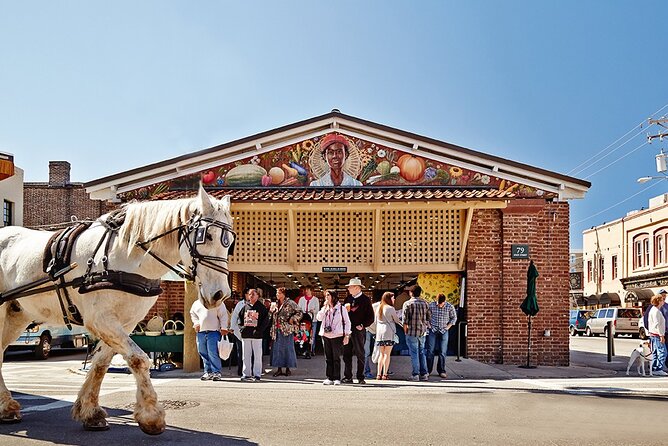
You move between three restaurants in the Historic District, with a couple of blocks of walking described as manageable. Comfortable shoes are still a sensible choice. Charleston’s old streets can be uneven, and you will enjoy the commentary more if you are not thinking about sore feet.
The tour requires good weather. If poor weather causes cancellation, you are offered another date or a full refund. The same applies if the minimum number of participants is not met.
A mobile ticket keeps arrival simple. Confirmation is provided at booking, and the meeting point is 164 Church Street. The tour ends at 184 East Bay Street, so plan your return trip from the end point rather than assuming you will finish where you began.
Parking and transportation are not included. Public transportation is nearby, and service animals are allowed. Most people can participate, but anyone with mobility concerns should remember that this is a walking experience through an older district with several restaurant transitions.
You can cancel for a full refund up to 24 hours before the start time. Cancellations or changes inside that window are not refunded or accepted.
Who will enjoy this Charleston experience?
I would recommend the tour to you if you want:
- A first look at Charleston’s Historic District
- A meal-sized introduction to Lowcountry cuisine
- A guide who explains food through culture and history
- A small group rather than a large scheduled crowd
- Local recommendations for the rest of your stay
- A meaningful discussion of Gullah Geechee influence on Southern food
Families can enjoy it, and the format has worked for couples, friends, and larger family groups within the 12-person limit. Young adults can also manage the walking and food, though the history focus may matter more to some than others.
I would hesitate if you want a long list of separate food businesses, extensive alcohol pairings, or a pure tasting class focused on flavor and cooking technique. I would also think twice if $94.50 feels high for a meal unless you place real value on the guided history.
Should you book Tastes Through Time?
Book it if you want Charleston explained through both streets and supper. The best part is the connection between the dishes, the city’s past, and the Gullah Geechee traditions that helped shape Lowcountry cuisine. Page’s local voice, humor, and strong command of Charleston add weight to the experience.
Skip it if your ideal food tour means five or more stops with small bites at each one. The three-restaurant format is deliberate, and the tour gives you more historical context in exchange for fewer tasting locations.
For most first-time visitors who want a substantial meal and a better sense of what makes Charleston food distinct, I think the tour is a sound choice. Just arrive hungry, wear comfortable shoes, and treat it as a history walk with serious food, not a race from one snack to the next.
FAQ
How long does the Tastes Through Time tour last?
The experience lasts approximately 2 hours and 10 minutes.
Where does the tour begin and end?
The tour begins at 164 Church Street in Charleston and ends at 184 East Bay Street.
How many restaurant stops are included?
The tour visits three restaurants in Charleston’s Historic District.
Are drinks included?
Water, fountain drinks, tea, and lemonade are included. Alcohol and specialty beverages are not included, but you may purchase them separately.
Is the tour suitable for most people?
Most people can participate. The experience includes walking between restaurants, is near public transportation, and allows service animals. The group size is limited to 12 people.
What is the cancellation policy?
You can cancel at least 24 hours before the start time for a full refund. Cancellations or changes made less than 24 hours before the start time are not accepted or refunded. If bad weather or an insufficient number of participants causes cancellation, you are offered another date or a full refund.
Just added in Charleston
- Charleston’s Savor the Flavors of Upper King Street Walking Food Tour★ 4.5 · 130 reviews
- Private Charleston Walking Food Tour at the French Quarter★ 5.0 · 201 reviews
- Charleston Private Brunch Tour: Biscuits, Shrimps, Grits and More★ 5.0 · 48 reviews
- Charleston Farm-to-Table Food Tour and Chef’s Challenge★ 5.0 · 110 reviews
- Charleston Upper King Street Food Tour★ 4.5 · 200 reviews
- Charleston Brunch Food Tour: Biscuits, Shrimps, Grits and More★ 5.0 · 239 reviews
- Charleston: Small Group Food Tour – Savor the Flavors★ 4.7 · 169 reviews
- Charleston: Downtown Culinary Walking Tour★ 5.0 · 53 reviews
Historical Tours, compared.
Tapas Walking Tour with Food, Wine, and History
Read our review →
Sevilla Food Tour: Tapas, Wine, History & Traditions
Read our review →
Madrid Tapas & Taverns Small Group Food & History Tour
Read our review →
Barcelona Tapas Walking Tour: Food, Wine & History
Read our review →
Boston Food & History: Pizza, North End & Freedom Trail
Read our review →Browse the lists this tour appears in