
REVIEW · LISBON FOOD TOURS
Lisbon Awakens: A Culinary Crossroads, Reborn.
Lisbon tastes better when you know the story. Lisbon Awakens pairs generous food tastings with churches, markets, neighborhood cafés, and Portugal’s far-reaching food traditions. I like the small maximum of seven people, which gives the walk a personal feel, and I like how the stops reach beyond the usual central Lisbon circuit. Guides such as Kika, Inês, Gisela, Laura, and Celia bring history and food together in a way that feels more like a conversation than a lecture.
The main thing to consider is the price: $150 per person is a serious spend for a half-day walk. Still, the samples can add up to a full meal, and the tour includes enough food, drinks, local context, and guided access to make the cost reasonable for visitors who want a strong introduction to Lisbon cuisine. Come hungry. Several tastings await, and breakfast could get in the way.
What makes this Lisbon food walk worth your time

- Eight or more tasting stops may fill your lunch hour, so skip a large breakfast.
- The group is capped at seven, making it easier to ask questions and talk with the guide.
- Estrela and Campo de Ourique offer a local side of Lisbon beyond the city’s most visited sights.
- Food connects to Portugal’s global past, including spices, former colonies, trade, and exploration.
- Guides vary, but the strongest praise goes to their storytelling, especially Kika, Inês, Gisela, Laura, and Celia.
- The walk is generally easy, though anyone with serious mobility limits should ask for more details before booking.
Begin at Jardim da Estrela with coffee and a story
The tour starts at Jardim da Estrela, beside the Basilica da Estrela, at Praça da Estrela. The park gives you a pleasant setting for meeting your guide and fellow diners, and it places you in one of Lisbon’s more lived-in neighborhoods rather than at a major tourist square.
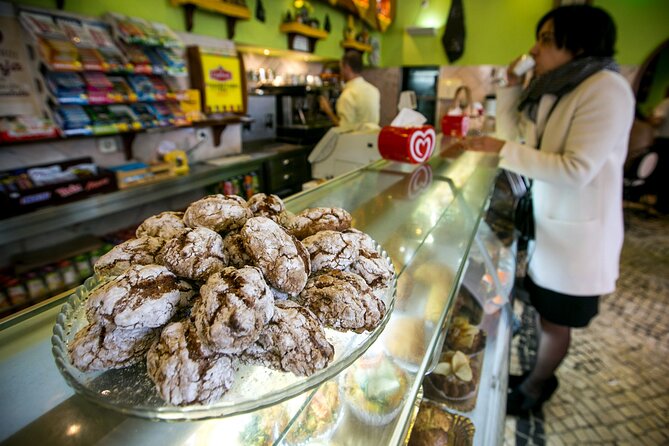
The opening food may include coffee and a small sweet such as banana bread. That first bite matters because the tour does not treat Portuguese food as a disconnected list of dishes. Instead, your guide begins building a story about how ingredients, trade, religion, and travel shaped what people eat in Lisbon today.
The guides are central to the experience. Kika, also known as Francesca, is a former teacher whose calm, clear style has earned especially warm praise. Inês is a Lisbon native with a strong connection to the neighborhood where the walk takes place. Gisela is described as cheerful, funny, and generous with her time. Laura is praised for her conversational manner and broad command of local food and history. Celia is another strong storyteller who connects older traditions with modern Lisbon.
The exact guide is not specified in advance, so you should expect some variation in tone. That is not necessarily a weakness. One guide might focus more on Portugal’s colonial past, another on neighborhood life, and another on the food itself. The consistent thread is the effort to explain why a dish or ingredient belongs in the larger Portuguese story.
A few more food tours in Lisbon worth a look
- Winner 2025 Undiscovered Lisbon Food & Wine Tour by Eating Europe
★ 5.0 · 6,390 reviews - Lisbon: Food and Wine Small Group Walking Tour
★ 4.9 · 4,082 reviews - Lisbon Small-Group Portuguese Food and Wine Tour
★ 5.0 · 3,972 reviews
Basilica da Estrela and the history inside ordinary flavors
The first formal stop is the Basilica da Estrela, where you spend about an hour. Admission is free. The focus is not simply on looking at a church, but on the connection between religious institutions, convent sweets, spices, and Portuguese food traditions.
This is one of the more useful parts of the tour because it gives context to foods that might otherwise seem familiar or predictable. A custard pastry is more interesting when you understand how convent baking traditions helped shape Portuguese sweets. Spices also carry a larger story, linking Lisbon’s kitchen to Portugal’s period of overseas exploration and contact with other parts of the world.
You can expect your guide to use the church and surrounding area as a starting point for explaining Portugal’s past. The emphasis is on how history reaches the plate. That makes this a good early tour during your stay, since you can use the background later when ordering food on your own.
The one caution is pacing. An hour devoted to history may feel long if you came mainly to eat. If you enjoy buildings, stories, and cultural context, it gives the food more meaning. If you prefer a quick succession of tastings, this opening section may test your patience before the market and restaurant stops begin.
Mercado de Campo de Ourique, Lisbon’s neighborhood food hall
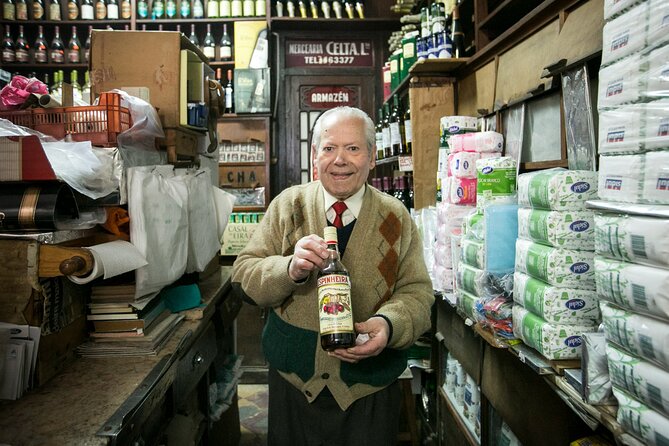
The walk continues to Mercado de Campo de Ourique for about 45 minutes. This is a traditional neighborhood market with a compact selection of food shops and stalls. It is not presented as a giant attraction that requires hours of browsing. Its appeal is more local and practical.
Here, you may sample several foods and meet people connected with the market. One account describes meeting Fred, who offered tasty samples and helped make the market a memorable stop. You may also have a chance to buy snacks to take away, though purchases are not part of the tour price.
This stop shows how Campo de Ourique balances old neighborhood habits with newer food culture. You get a look at a place where residents shop and eat, rather than simply passing through a landmark built for sightseeing. The market also helps vary the format of the tour. After the church and its stories, you move into a more social setting with several small tastes.
The market visit may be especially helpful if you are unsure how to approach Portuguese food. A guide can explain what you are trying, how it fits local customs, and which items might be worth seeking out later. You are not left to guess from a menu or display case.
Jardim da Parada and the city’s custard tart tradition

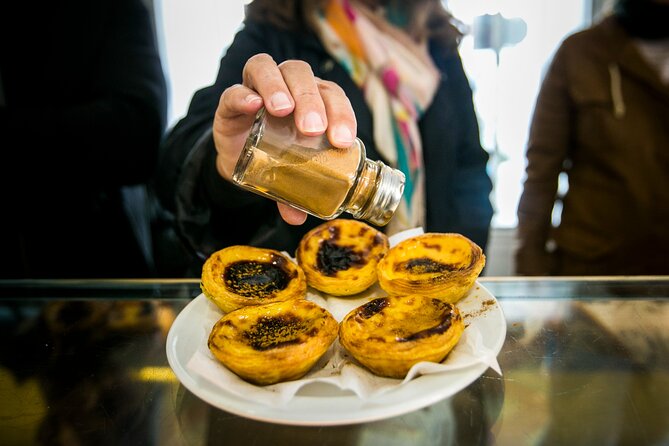
Jardim da Parada is scheduled for another 45 minutes. Here, you taste custard tarts while taking in 19th-century tiles and mature trees. The setting gives you a break from indoor food stops and adds a little breathing room to the day.
The custard tart is one of Portugal’s best-known sweets, so this is a familiar tasting. The value comes from placing it in the wider story of convent baking and Portuguese pastry traditions. You get to enjoy the treat without reducing the experience to a quick pastry purchase near a major sight.
The garden also helps explain the tour’s overall appeal. Lisbon food is not presented only in restaurants. It is linked to parks, churches, streets, markets, and the ordinary rhythm of a neighborhood. If you like to pause, talk, and ask questions, this can be one of the more relaxed sections.
Do not expect a grand sightseeing stop. Jardim da Parada is important here as a setting for food and conversation. That is useful if you want a slower look at local life, but less satisfying if you are measuring the tour by famous monuments alone.
Same city, a different table:
- Lisbon: Baixa District Food Tour with Dinner and Drinks
★ 4.9 · 1,997 reviews - Lisbon Small-Group Food Tour with 18 Tastings in Alfama District
★ 5.0 · 1,967 reviews - Devour Lisbon: The Ultimate Portuguese Food Tour
★ 5.0 · 1,782 reviews - Lisbon Food Tour with 10+ Tastings of Local Delicacies & Wines
★ 5.0 · 1,339 reviews
Igreja do Santo Condestável and a newer side of Lisbon
The final named stop is Igreja do Santo Condestável, with about 25 minutes set aside for the visit. It is a newer Gothic church in a neighborhood associated with artists and writers.
This stop broadens the picture of Lisbon. The tour is not only about old convents and famous pastries. It also touches a later architectural period and a district connected with creative life. The contrast helps keep the history from feeling stuck in one century.
Because the visit is brief, the church works best as a short cultural pause rather than a full architectural tour. Your guide may use it to discuss the neighborhood, its residents, and the way Lisbon continues to change. After several food stops, the short visit also prevents the afternoon from becoming one long sequence of eating.
The activity returns to the original meeting point at Jardim da Estrela. That makes the route easier to manage than a walk that leaves you across town with no clear finish. You can plan the rest of your day from a familiar starting point.
What you actually eat and drink
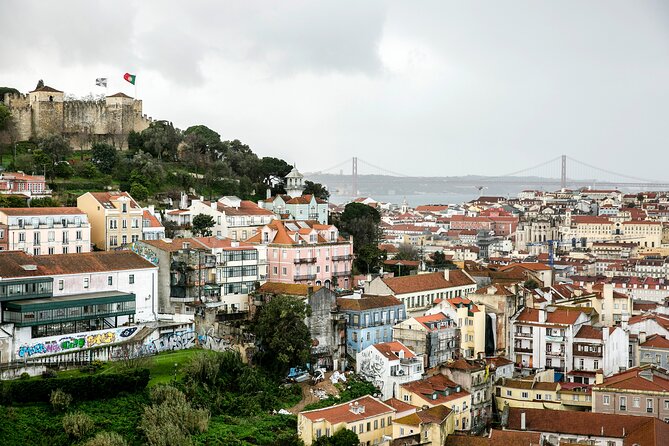
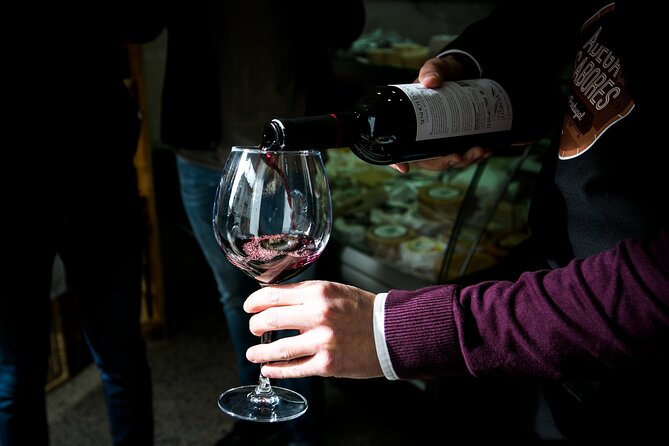
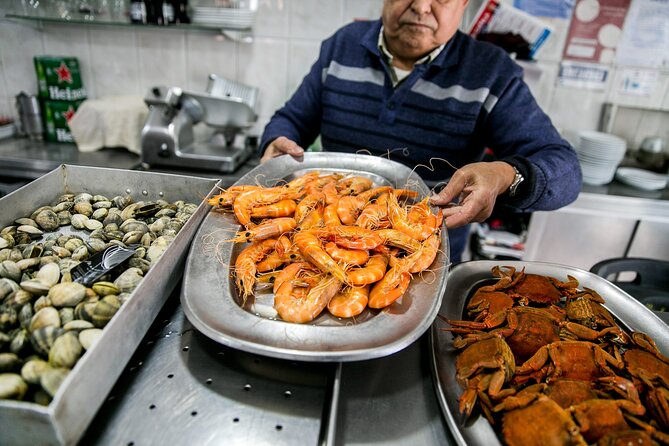
The menu is not listed as a fixed set of dishes, so you should not book this expecting a guaranteed item-by-item tasting menu. The experience can include coffee, wine, spirits, sweets, meat, fish, savory dishes, and foods shaped by Portugal’s links with former colonies.
The range is one of the tour’s strongest features. You might move from something sweet to something savory, then to drinks and coffee. The progression keeps the five and a half hours interesting and helps you notice how different ingredients and customs fit together.
The amount of food can be substantial. One account describes stopping at no fewer than eight places, while another says the samples amounted to a generous meal. That is why I would make this a late-morning or lunchtime activity and eat only a light breakfast beforehand.
Dietary needs require planning. You are asked to provide allergies or dietary restrictions when booking. One food preference was handled with an additional plate for the group, but you should still contact the provider in advance rather than assume every request can be met on the day.
Why the small group changes the experience
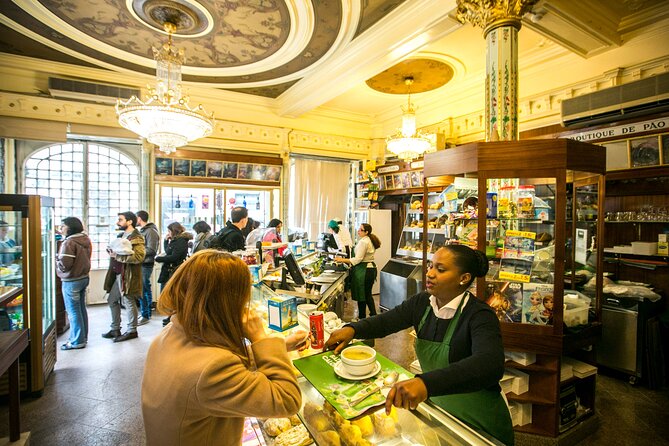
A maximum of seven people is a real advantage in Lisbon, where a food stop can become awkward if a large crowd arrives at once. A small group can fit into family restaurants and market stalls more easily, and the guide can answer questions without turning the walk into a public speech.
The group size also affects the social side. You have time to talk with the guide and with the other people in your group. Several accounts describe the company as part of the pleasure, not just an extra detail. That matters on a five-hour walk, since the day would feel long if every stop were simply a handout followed by a hurried explanation.
The tradeoff is that a small-group tour is less private than a private tour. You will still share the route and tastings with other people, and the pace may reflect the group’s needs. For most people, seven is a comfortable limit.
Is $150 a fair price?
At $150 per person, Lisbon Awakens is not a budget food walk. You are paying for more than a few pastries and drinks. The price covers a five-and-a-half-hour guided experience, numerous tastings, a small group, neighborhood access, and a guide who adds historical and cultural meaning to the food.
The value is strongest if you would otherwise spend the day buying separate snacks, drinks, and meals while trying to understand what you are eating. It is also a good choice if you want a structured introduction at the start of your stay. The information can shape later restaurant choices and help you recognize ingredients, sweets, and regional habits.
The value is weaker if you mainly want a cheap way to sample custard tarts or if you dislike long food walks. You may also find the cost hard to justify if you are traveling on a tight budget and prefer to explore markets independently.
My practical test is simple: if you would happily spend five hours eating, asking questions, and learning how Lisbon’s past shaped its kitchen, the price is defensible. If you only want the food, choose a less expensive market visit or casual meal instead.
Who should book this experience?
I would recommend it to first-time visitors who want to understand Lisbon quickly. Booking it early in your stay makes sense because the guide can introduce foods and neighborhoods you might otherwise miss.
It suits people who enjoy history with their meals, couples who want a social day, and families with older children who can manage a long walk and several tastings. It also works well for anyone who prefers local restaurants, markets, and neighborhood streets over a checklist of major sights.
The tour is not ideal for someone seeking a private experience, a short tasting session, or a strictly fixed menu. It may also be tiring for anyone with significant mobility concerns. One person with bad knees found the walking easy, but that is not a guarantee for every participant. Ask the provider for current route details if walking is a concern.
The activity is offered in English, uses a mobile ticket, and is near public transportation. The tour needs good weather and a minimum number of participants. Cancellation is free up to 24 hours before the start time, but late cancellations and late changes are not accepted.
Should you book Lisbon Awakens?
Book it if you want Lisbon explained through its food, not just served on a plate. The strongest reason to go is the combination of generous tastings, neighborhood settings, and guides who can connect pastries, spices, churches, markets, and Portugal’s global past.
I especially like the small group, the easy walking pace described by participants, and the chance to explore Estrela and Campo de Ourique without chasing the usual sightseeing circuit. Just arrive hungry, send your dietary information ahead of time, and understand that the $150 price pays for an extended cultural experience as much as for lunch.
If you want a first-day orientation with plenty to eat, this is a strong choice. If your priority is a quick, inexpensive food sample, save your money and explore on your own.
FAQ
How long does Lisbon Awakens last?
The experience lasts approximately five hours and 30 minutes.
How much does the tour cost?
The listed price is $150 per person.
Where does the tour start and finish?
It starts at Jardim da Estrela, Praça da Estrela, 1200-667 Lisboa, Portugal, and returns to the same meeting point.
How many people can join the tour?
The maximum group size is seven travelers.
Is the tour offered in English?
Yes. The tour is offered in English.
Should I tell the provider about food allergies?
Yes. You should send your allergies or dietary restrictions when booking.
What happens if I need to cancel?
You can cancel for a full refund up to 24 hours before the experience begins. Cancellations or changes made less than 24 hours before the start time are not accepted for a refund. If poor weather or an insufficient minimum number of participants cancels the tour, you will be offered another date or experience, or a full refund.
Just added in Lisbon
- No Diet Club – Unique food tour in Lisbon with many Tastings★ 4.9 · 50 reviews
- Lisbon Small-Group Food & Wine Tour Eat & Drink like a Local★ 4.9 · 77 reviews
- Lisbon: Private Food Tour – 10 Tastings with Locals★ 4.8 · 73 reviews
- Lisbon: Portuguese street food cooking class with Drinks★ 4.9 · 37 reviews
- Lisbon: Private Food & Wine City Tour by Eco Tuk Tuk★ 4.8 · 21 reviews
- Lisbon Private Setúbal Region Wine Tasting Tour★ 4.9 · 149 reviews
- Food Tour: Portuguese wine & Tapas with Ginjinha Tasting★ 3.8 · 67 reviews
- Lisbon: Food and Culture 3-Hour Walking Tour★ 4.7 · 95 reviews
Lisbon Food Tours, compared.

Winner 2025 Undiscovered Lisbon Food & Wine Tour by Eating Europe
Read our review →
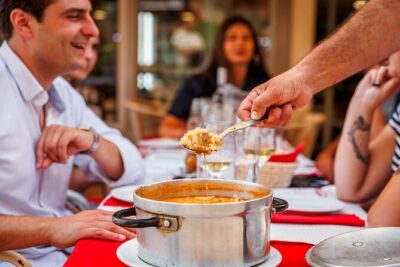
Lisbon Small-Group Portuguese Food and Wine Tour
Read our review →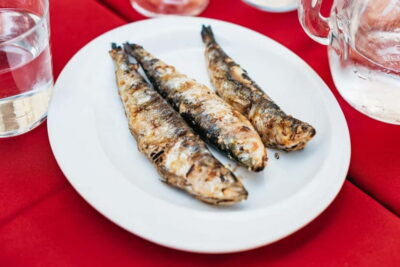
Baixa District Food Tour with Dinner and Drinks
Read our review →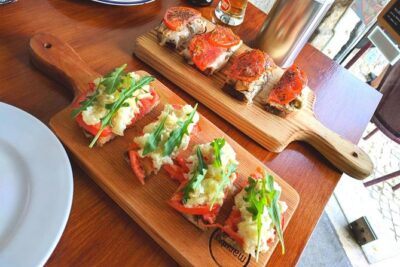
Lisbon Small-Group Food Tour with 18 Tastings in Alfama District
Read our review →
Devour Lisbon: The Ultimate Portuguese Food Tour
Read our review →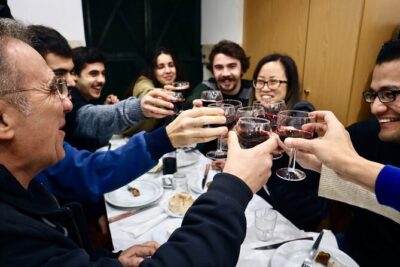
Lisbon Food Tour with 10+ Tastings of Local Delicacies & Wines
Read our review →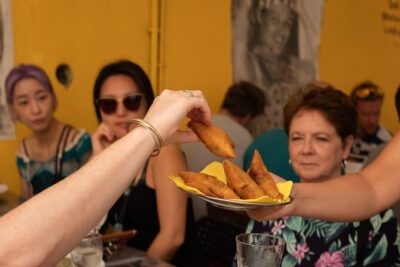
Award-Winning Original Lisbon Food Wine Tour: 19 Curated Tastings
Read our review →Browse the lists this tour appears in